The castle club that left its castle behind, and paid for its new course by selling building plots. Property-funded golf is nothing new.
Price Paid: £63, society rate (the “Cavens” package: coffee and a roll, 18 holes and a two-course meal)
Current Price (2026): Current Price (2026): £55 visitor green fee + £3 Scottish Golf booking fee = £58 (winter weekday). Green fees not published; 2027 rates not yet bookable.
Value: 4/5 at £63 with food / 3/5 at current list
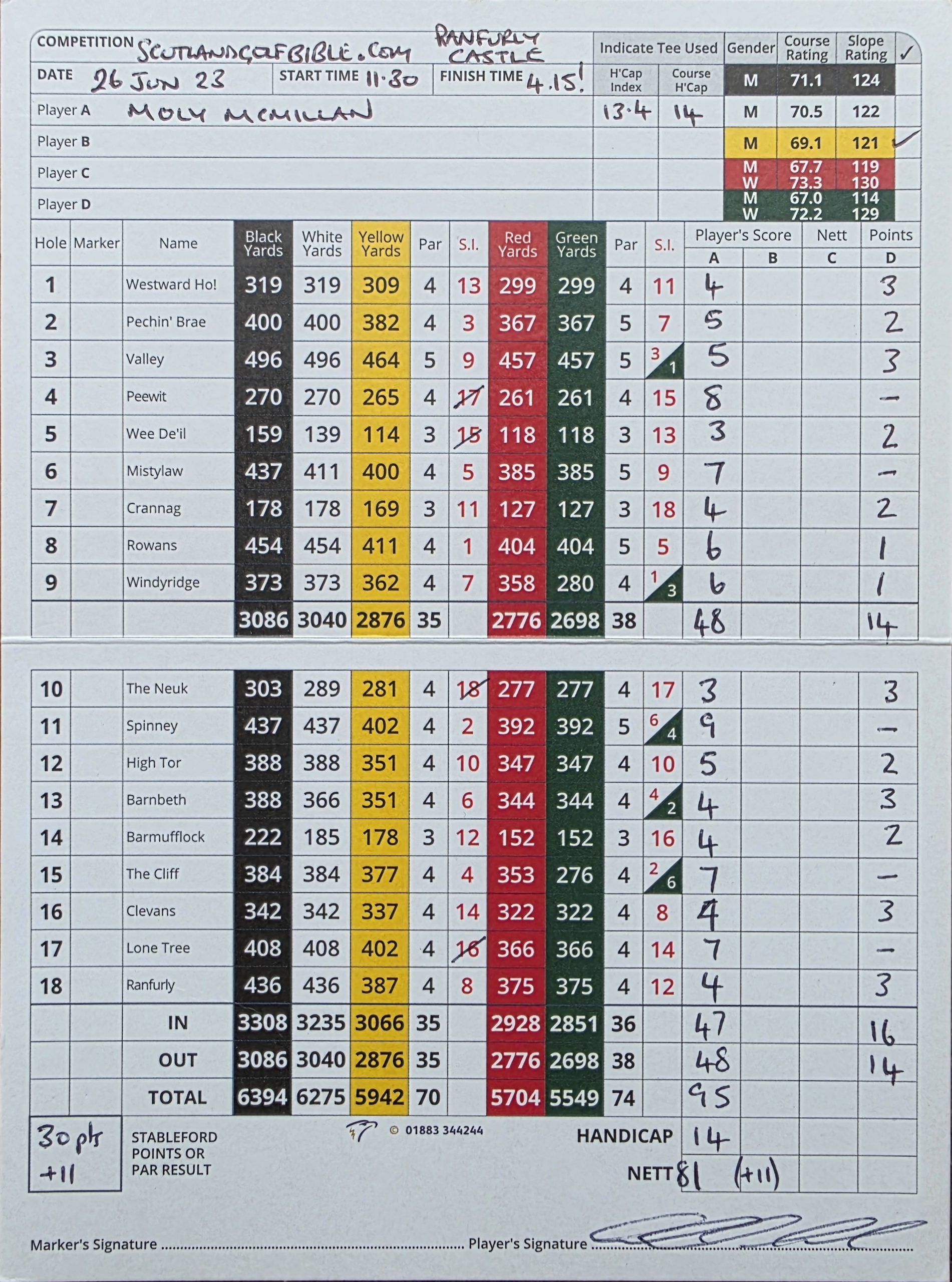
Moly’s Score: 95 gross, net 81, 30 Stableford points
Ranfurly Castle is not on Ranfurly Castle’s golf course. The ruin is a 15th-century tower built by the ancestors of John Knox, the leader of the Scottish Reformation. It actually stands near the 17th fairway of Old Ranfurly, the other golf club in Bridge of Weir, a Renfrewshire village, 15 miles west of Glasgow. The club was founded beside the castle in 1889, but moved out in 1904 after a row over the lease and took the name with it. A new club, Old Ranfurly, formed in 1905 on the ground left behind. So the ‘Old’ club is the younger one and has the castle. Confused?
In December 1903 the members bought Clevans and East Barnbeth farms, totalling 220 acres, for £6,500. The Bridge of Weir Thistle club, which had been playing nine holes at Clevans, was promptly squeezed out to Auchensale. Perhaps evicted tenants make the most efficient landlords? Both farm names survive as hole names. James Cuthbertson, the captain who opened the new course, recorded in a 1950 letter now framed in the clubhouse that the land where the 1st and 18th now run was under “a rather miserable crop of turnips and potatoes”. Part of the 3rd was swamp. The present 14th was the old Barmufflock Dam, “an impassable morass”. It took 80 men and women, with 17 horses and carts, to clear the ground. The condition of the course is thankfully much improved.
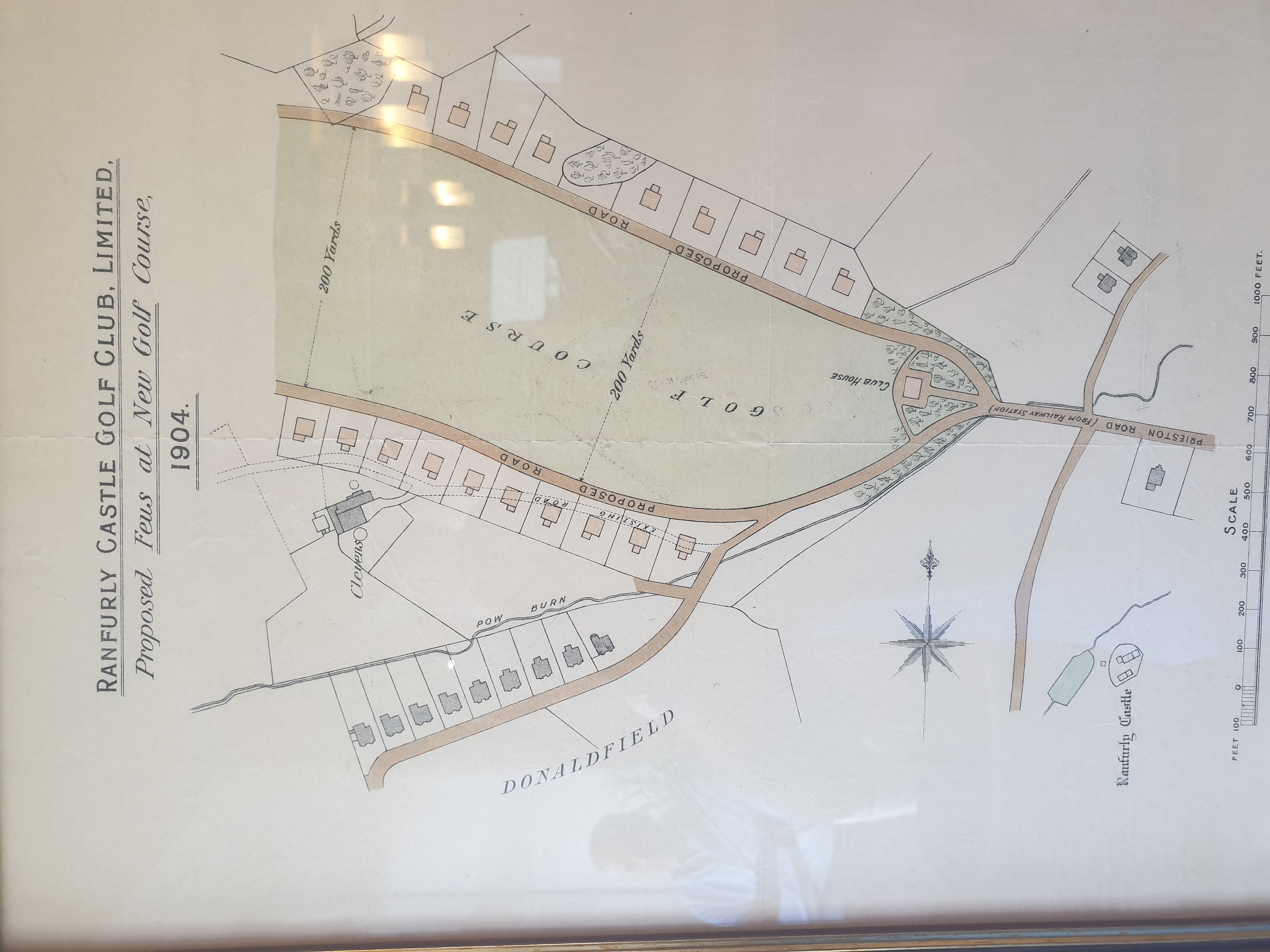
Then the clever part. The committee reckoned the land along both sides of the new course was worth not £30 an acre but £400 to £500. So they feued it (the Scottish system of granting land in perpetuity for a fixed annual payment, the feu duty) for villas, raised £2,684 from feu duties, and had the members lend another £6,000 in debentures. In other words, an Edwardian golf club funded its new course with a housing scheme. Modern developers are not inventing any wheels.
The new course, laid out by Andrew Kirkaldy, opened in 1905. James Braid made recommendations in 1923, only some of which were adopted.But the current course is an intriguing 1930 rebuild. The club rejected two routings by Harry Colt, arguably the leading architect of his day, in favour of one by its own captain, James Robson. It then paid Colt to design the holes on Robson’s plan and oversee the work. Ranfurly members clearly knew their own minds.
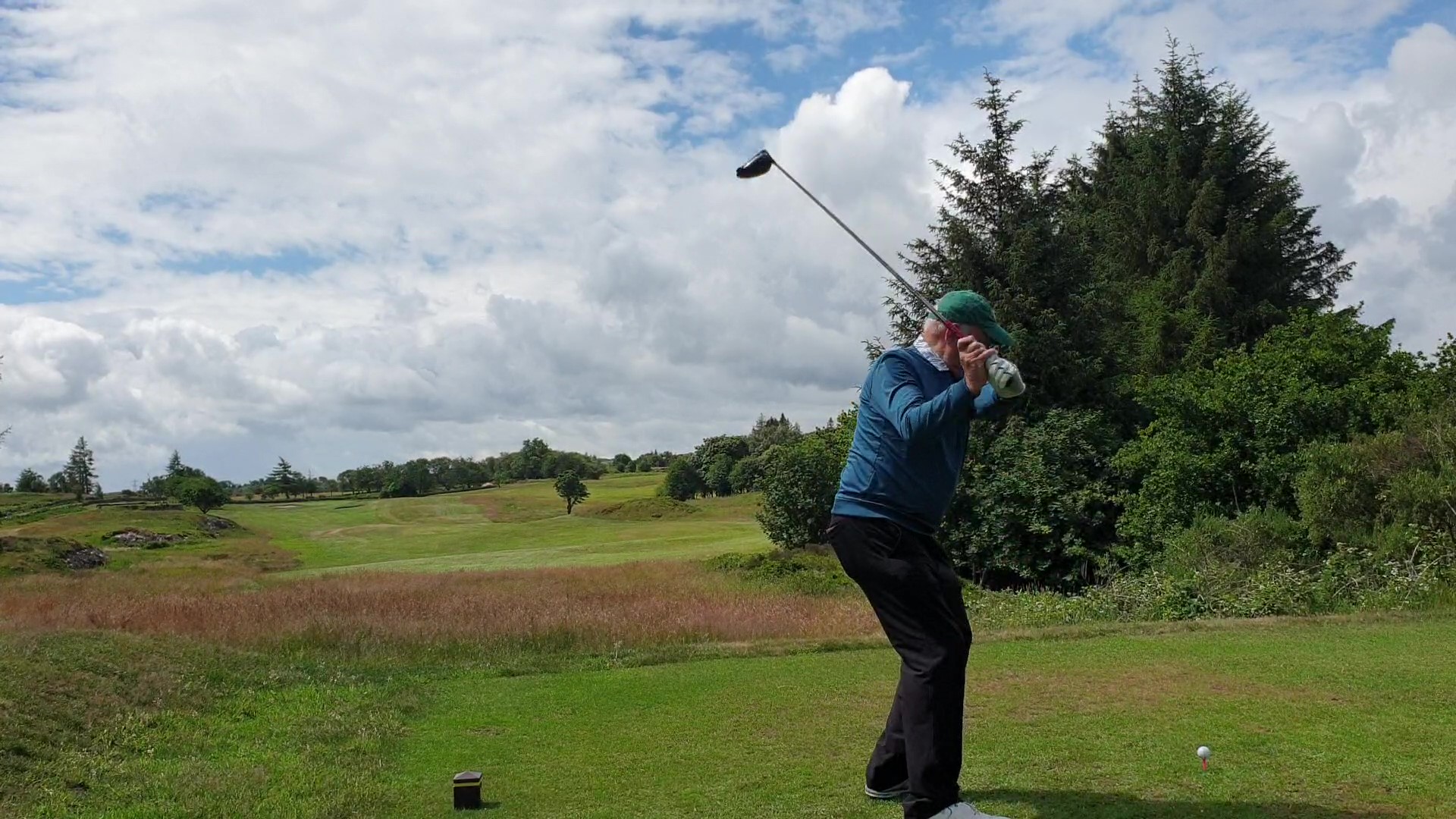
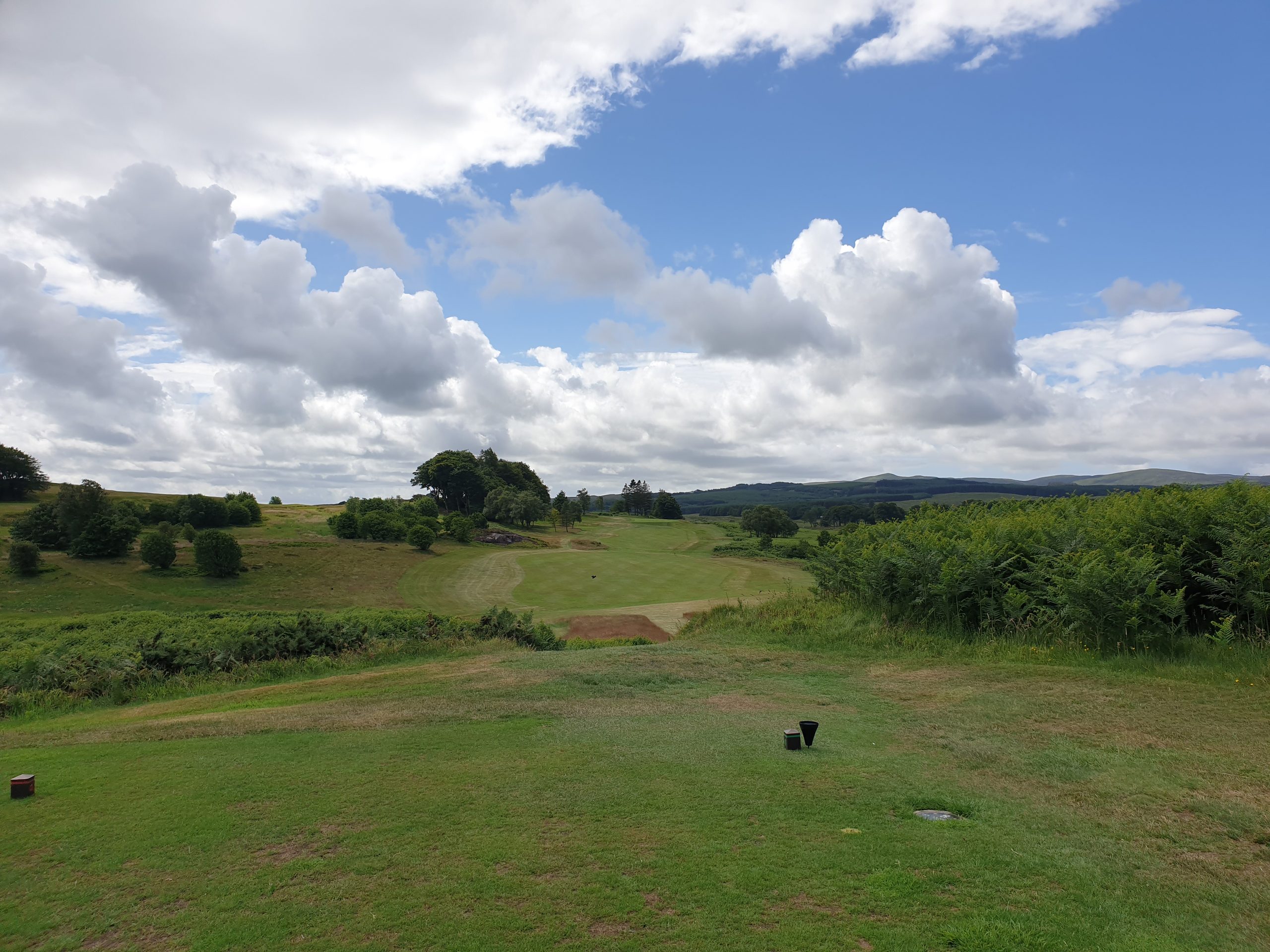
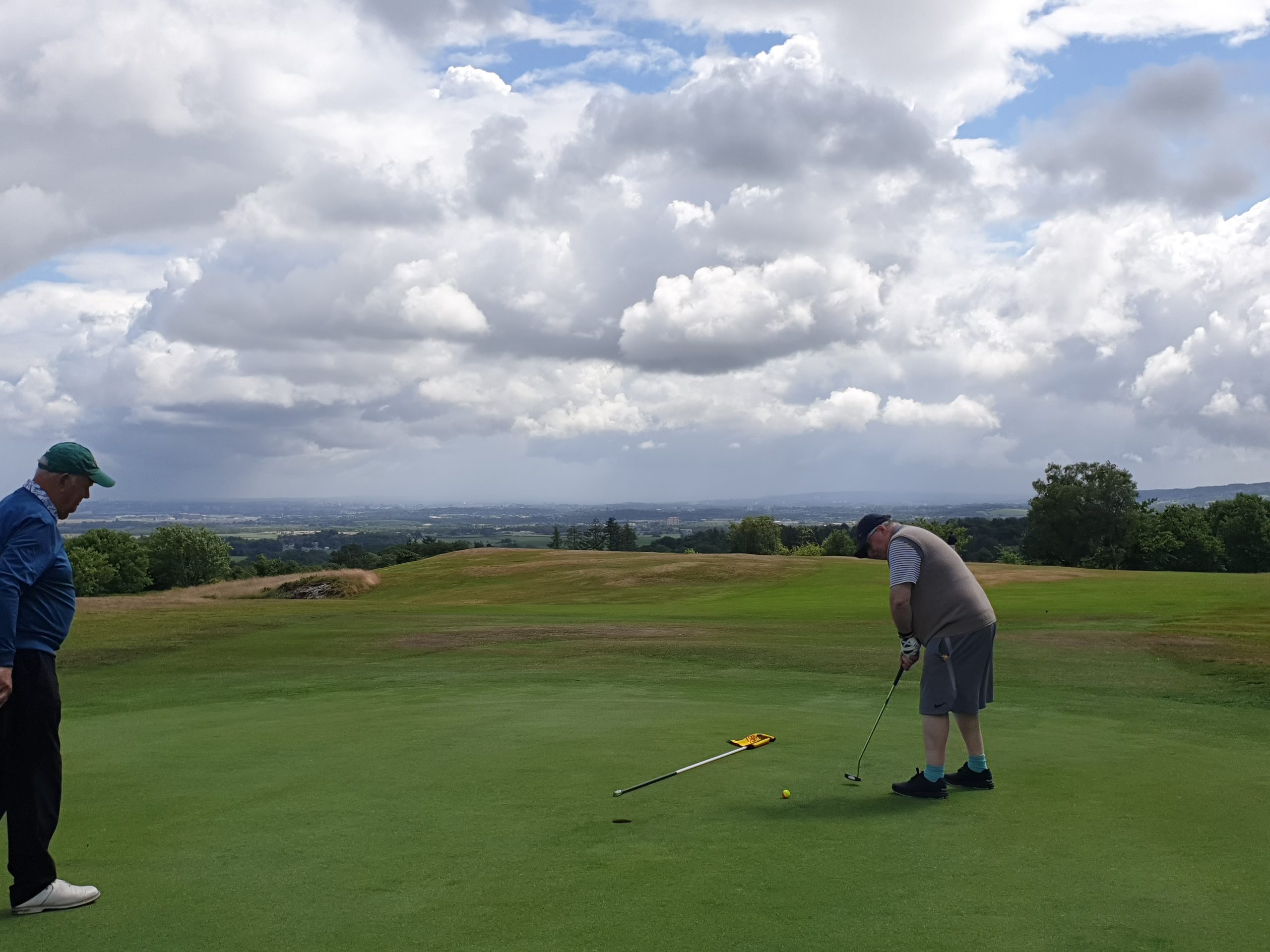
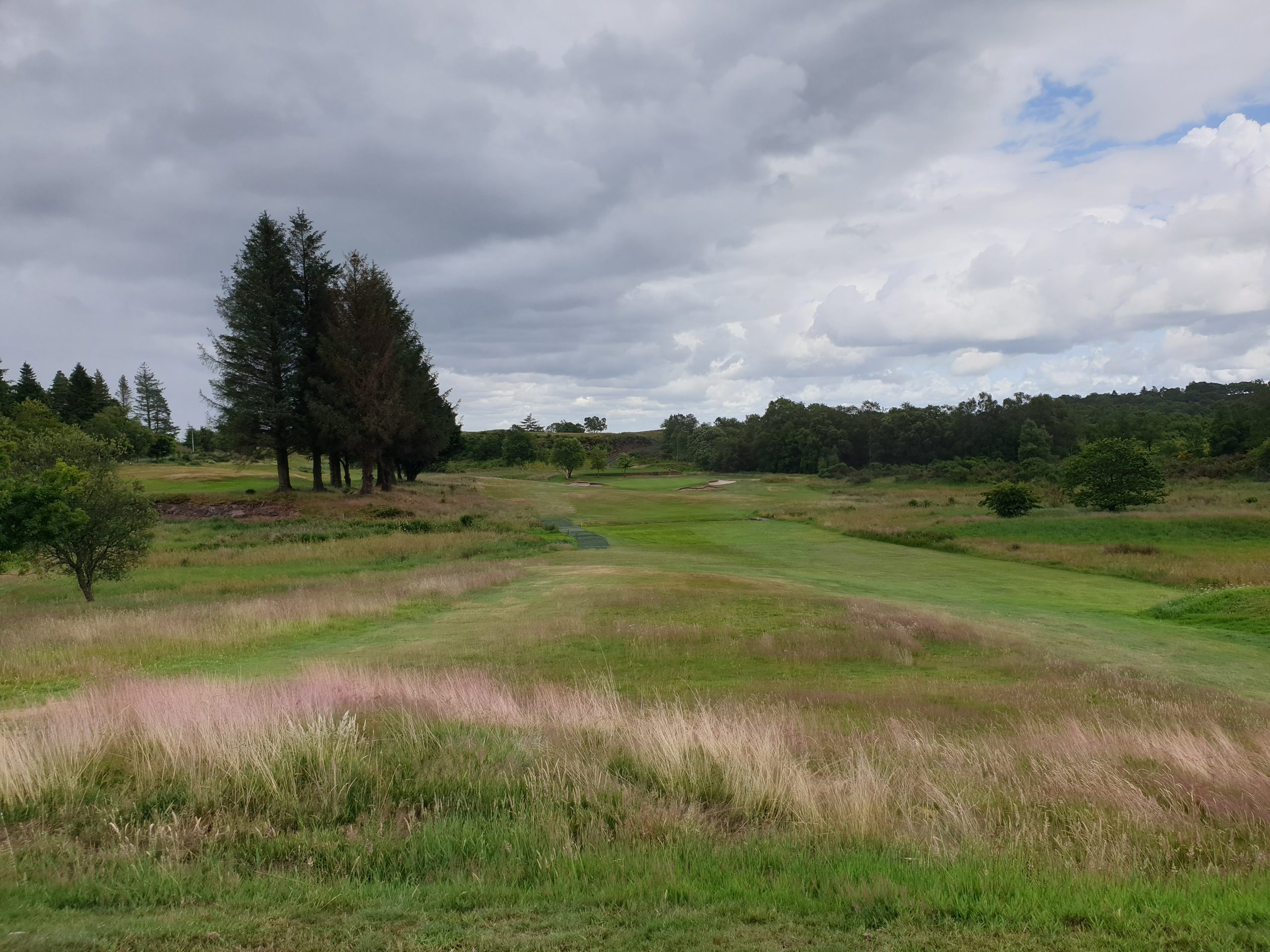
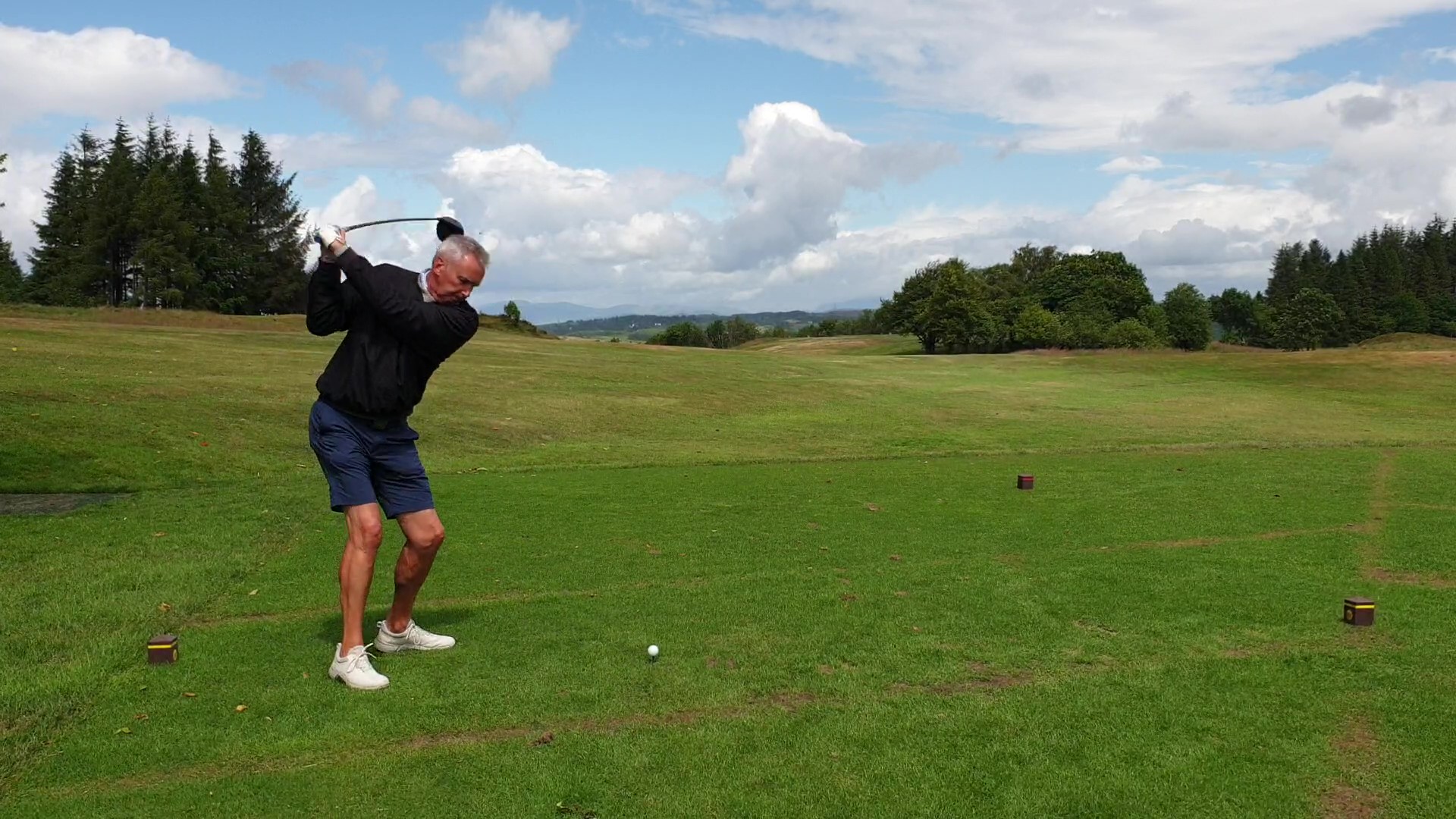
It is a tough course. The first two holes climb steeply onto a moorland plateau. Fourteen holes are played up there, and the last two bring you back down. I played with my Apex Scotland buddies, Frank, Gordon and Brian, first seen at Longniddry (Blog 128). The wind blew hard on the plateau, the rough was thick, and the greens slope steeply and come in every size. Worse, there are several blind tee shots. Our round took four hours 45 minutes. The slope rating from the yellows is a modest 121. We didn’t find it modest.
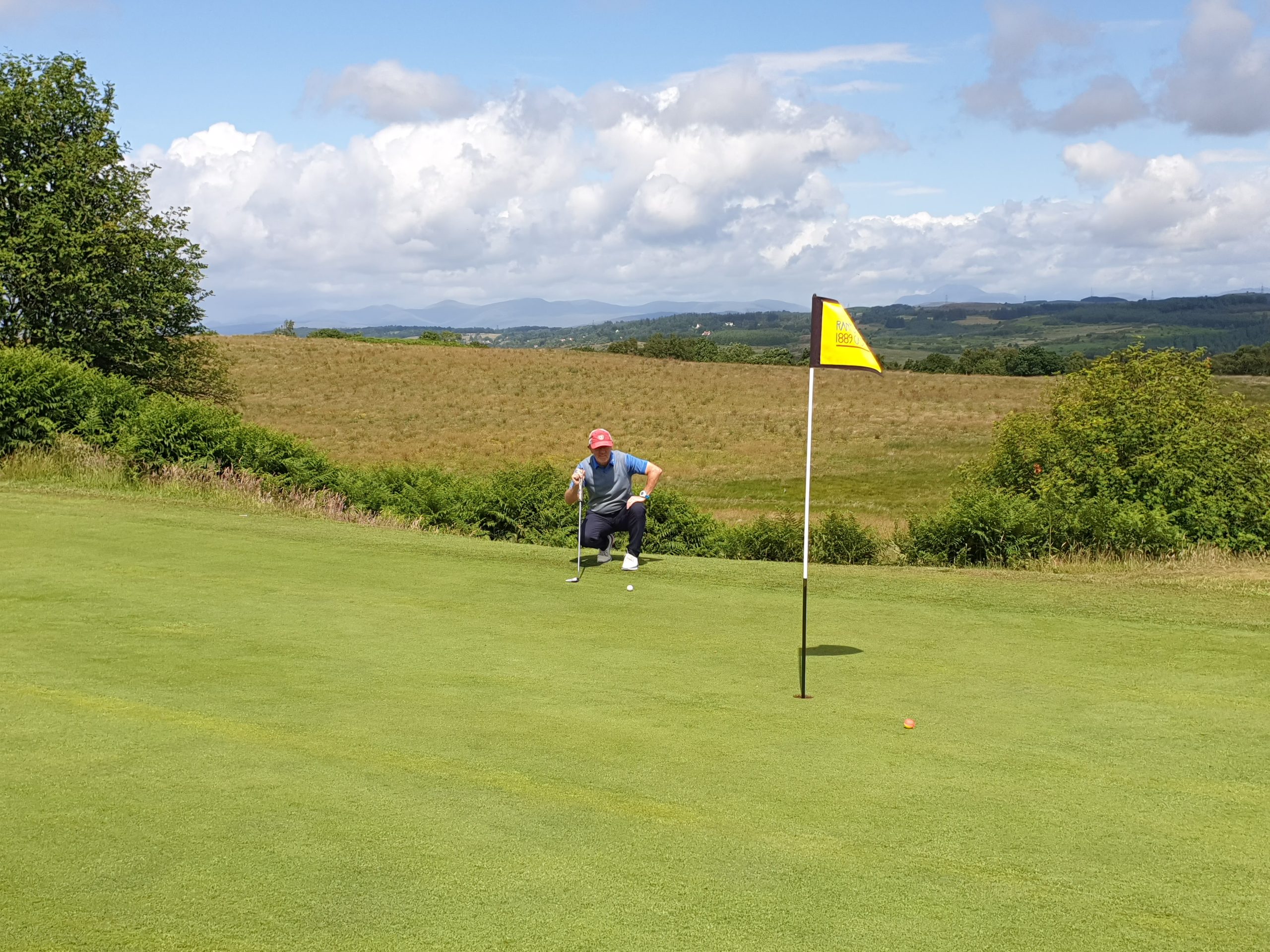
The views are wonderful. On the 2nd and 11th you look east over Glasgow, and on the 5th north to the Arrochar Alps. The conifers that frame the 9th and 12th rival Braid’s arboretum at East Ren (Blog 169). The 14th, Barmufflock, is my favourite piece of history on the course. Cuthbertson’s impassable morass is now a well-bunkered par 3 in a hollow, though the matting across the approach suggests the morass hasn’t entirely given up.
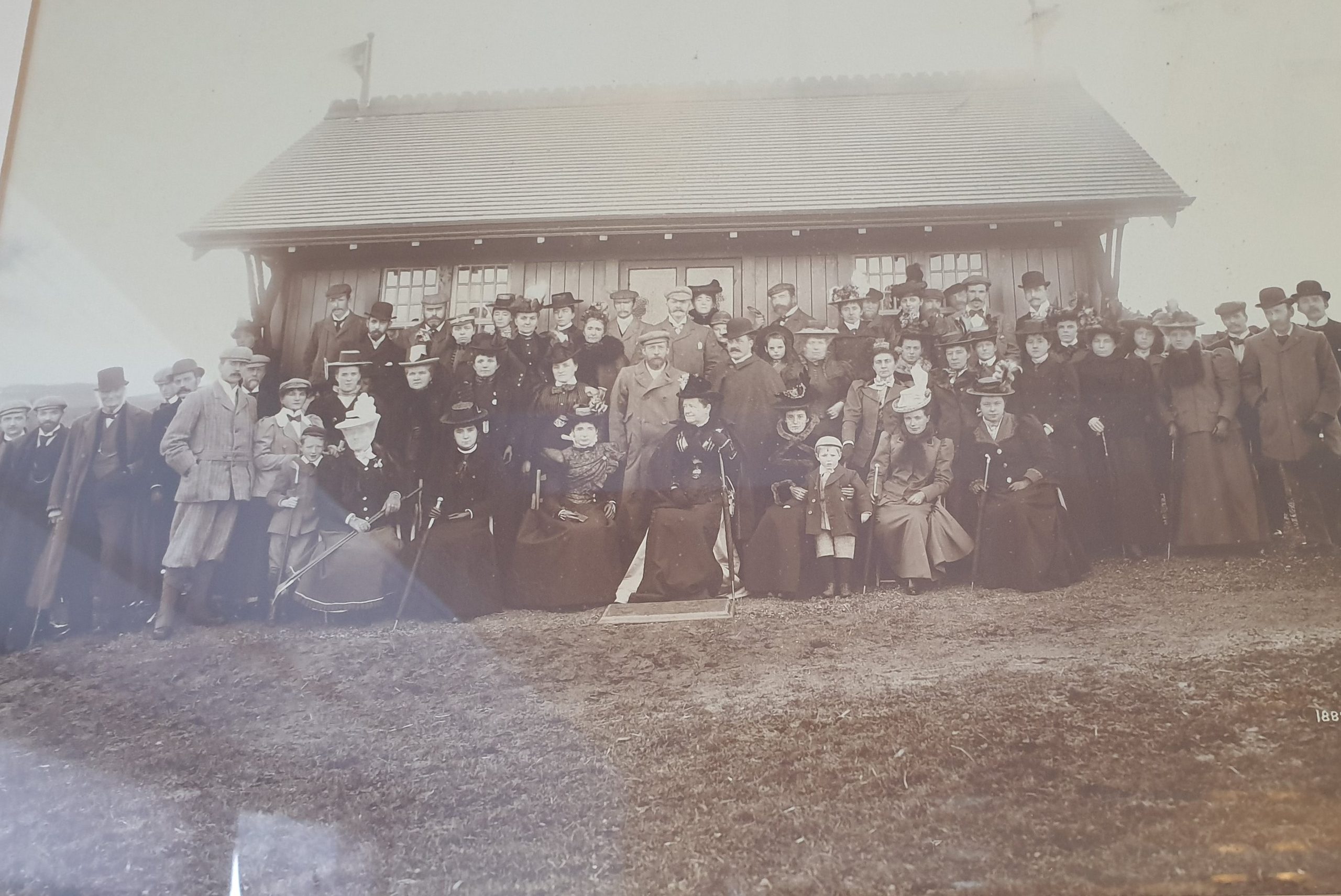
The clubhouse walls are worth a look too. A framed photograph shows Lady Spiers of Elderslie opening the Ladies’ Golf Club clubhouse in October 1897. The Bridge of Weir and Ranfurly Ladies’ club was formed in 1896 and was a separate club, with its own nine holes and 270 members by 1914. The castle club itself didn’t absorb a ladies’ section until around the Second World War. So the Victorian ladies were ahead of the men, if not exactly welcomed by them.
A neighbouring panel claims that Lady Anne Spiers’s Houston lacemakers made the canopy over Queen Victoria’s throne at the 1897 Diamond Jubilee “ceremony in Westminster Abbey”. It’s a lovely story, but the details don’t hold up. The 1897 Diamond Jubilee service was held outdoors on the steps of St Paul’s, with the Queen in her carriage because she could no longer manage the steps. The Westminster Abbey service was the Golden Jubilee, ten years earlier. Either the lace went to 1887, or the story has improved with retelling.
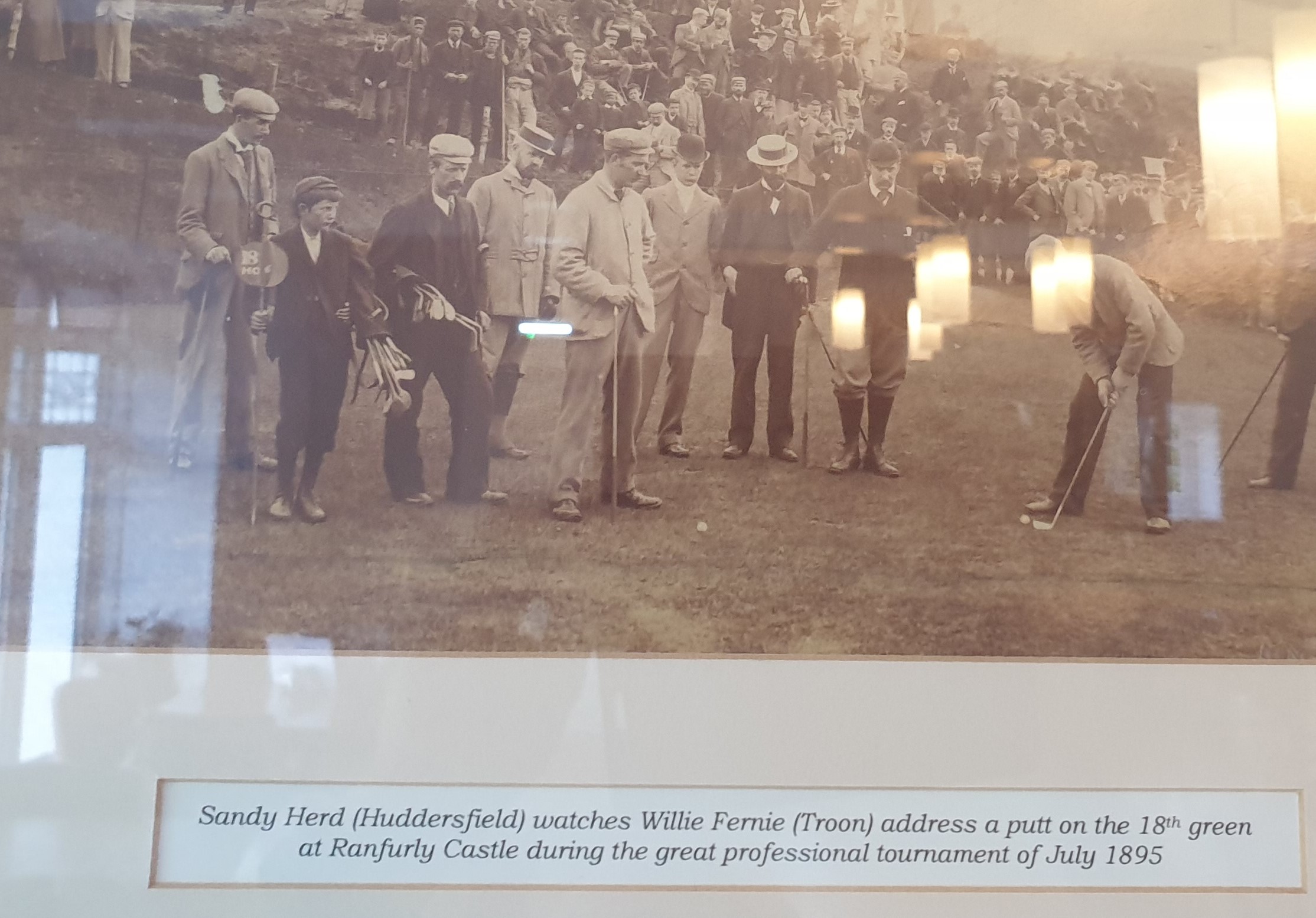
A photograph on the same wall fares better. It shows Sandy Herd watching Willie Fernie putt on “the 18th green at Ranfurly Castle” in July 1895. I went looking for a flaw and found none. The club had stretched to eighteen holes in 1894 and opened them in 1895 with a professional foursome of J. H. Taylor, Herd, Andrew Kirkaldy and Fernie. The caption is right. It’s just that the green in the photo now belongs to Old Ranfurly.
On value: £63 bought coffee, a roll, eighteen holes on a genuinely good moorland course and a two-course meal. That’s 4/5. The clubhouse is J. A. Campbell’s 1905 Arts and Crafts building with its clock tower, now B-listed. He won the commission in competition, and the club promptly cut his £4,750 estimate to £3,500. Ranfurly members have always known the value of money. It’s a fine place to eat the meal.
Facts:
Course Type: Moorland
Par: 70 (1 par 5, 14 par 4s, 3 par 3s)
Distance: 5,942 yards (yellow)
Course Rating / Slope: 69.1 / 121
Course Quality: 4/5
Moly’s Gross Score: 95