A guide to green fee value for money

Category: Ayrshire & Arran (Page 3 of 3)

108. Corrie. 19 Sep 2020

Dishonest golfers spoil it for the majority at this spectacular setting

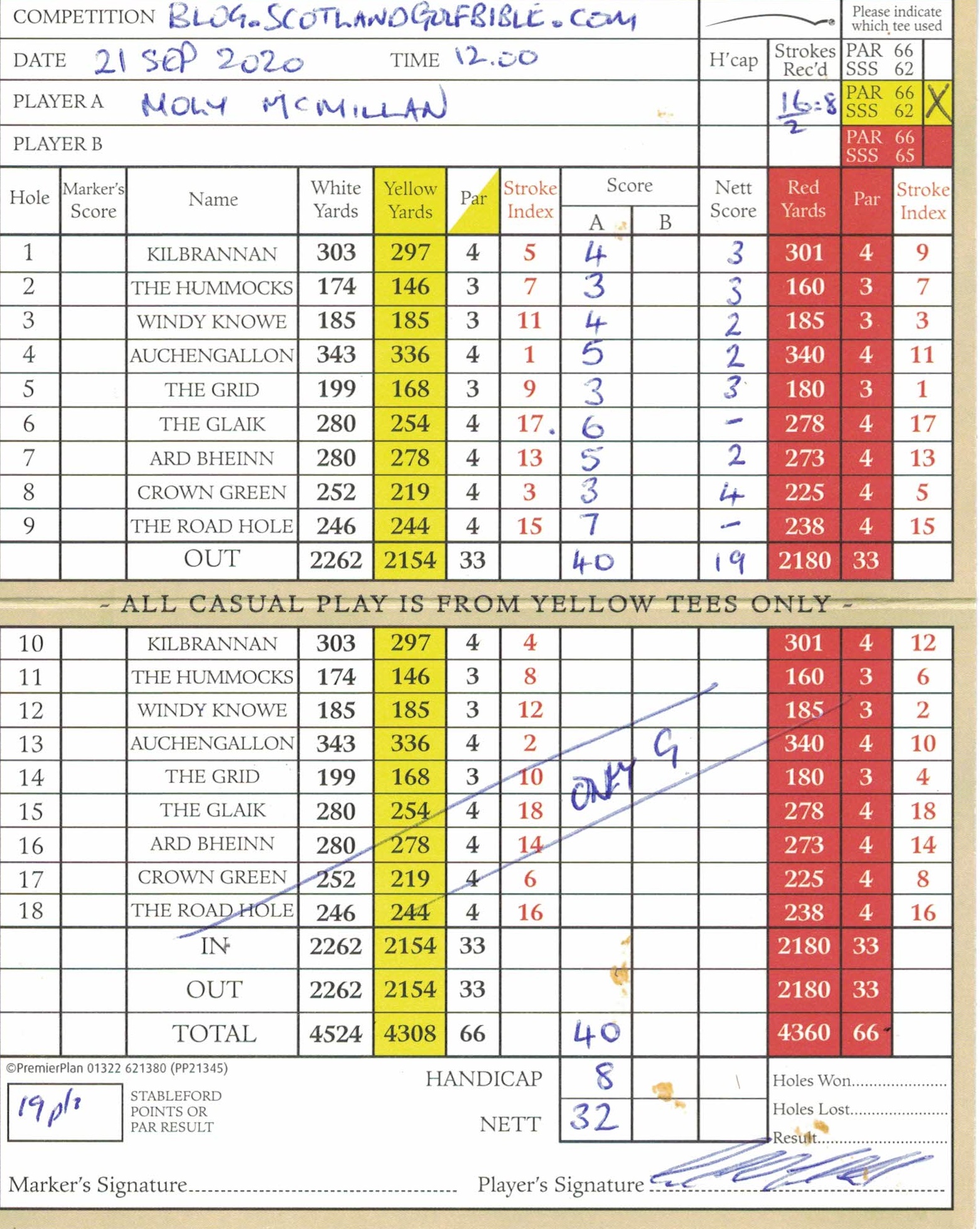
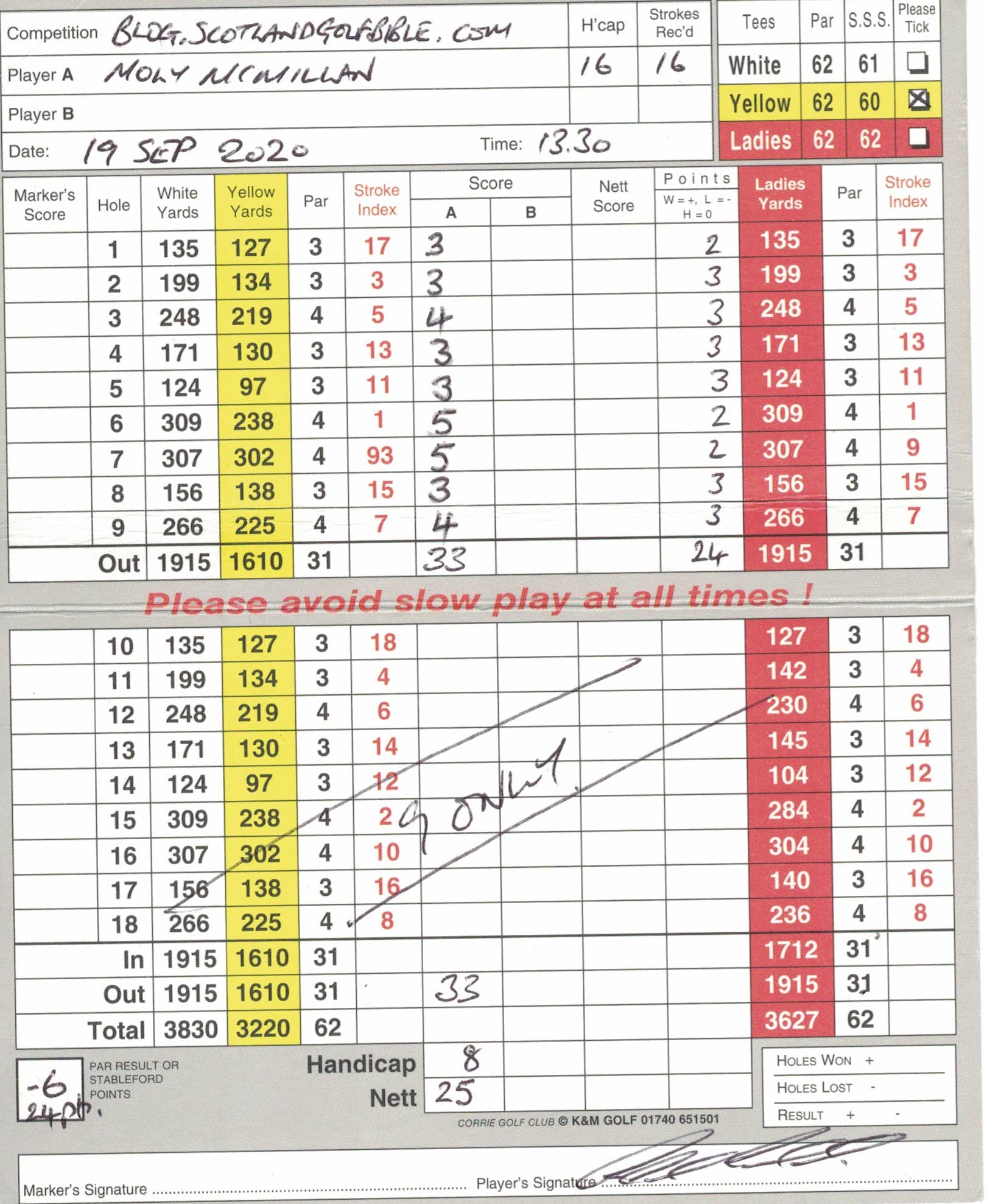
Round £20 (no 9 hole price). Par 62. Slope (yellow) 90. Value (out of 5) – 2

In assessing value for money at Corrie, a beautiful little 9 hole golf course in the Sannex Glen on the east of the island of Arran, you have a real conundrum. How do you assess the value for a 9 hole course, when they don’t have a rate for playing only 9 holes? It was £20 for the day, no matter how much you play. When asking some local members about the lack of a 9 hole rate, they advised me that in the past they had had several instances where people had paid for 9 holes but gone round twice. As often the case, the behaviour of the few, spoils it for the many.

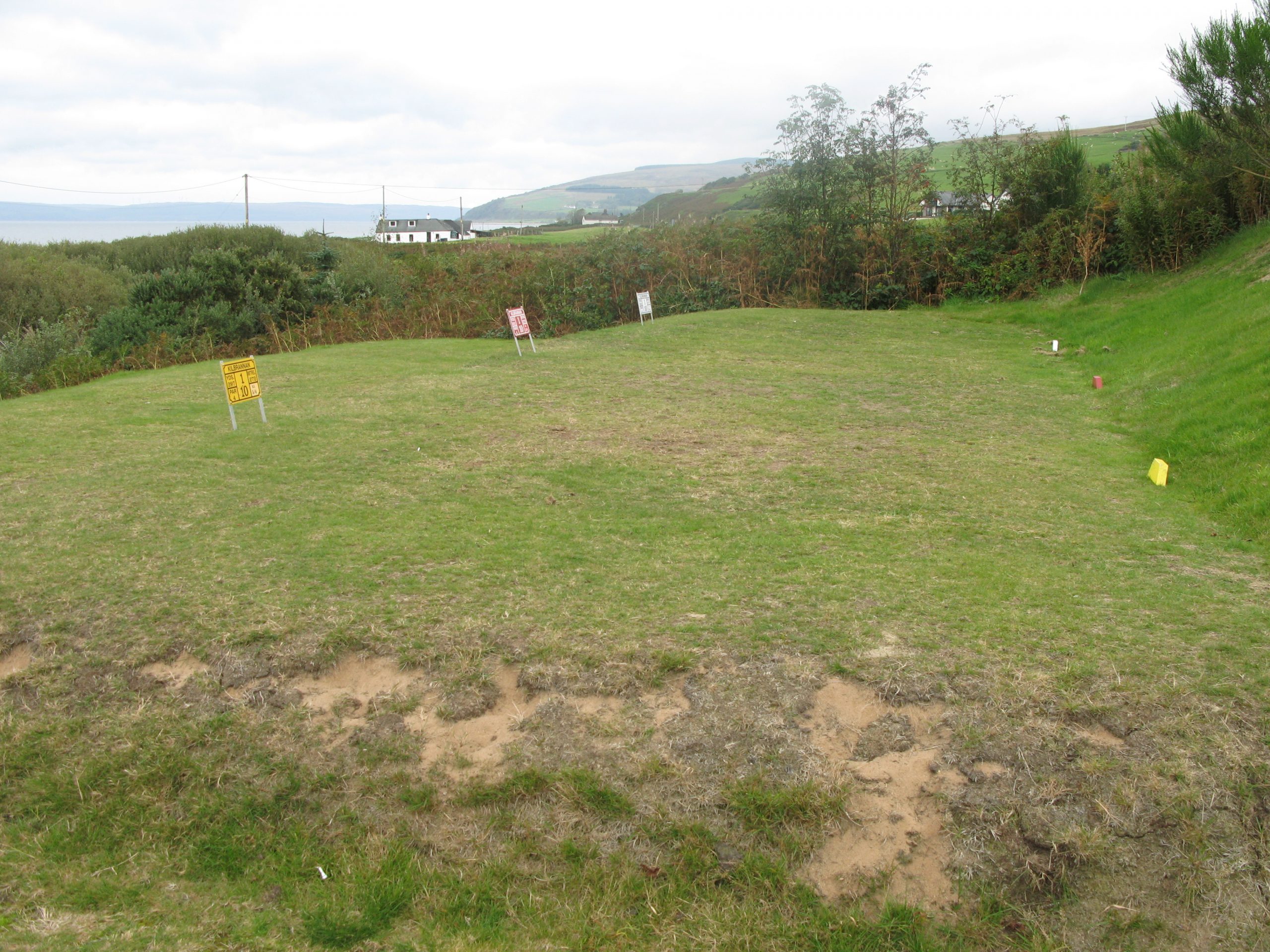
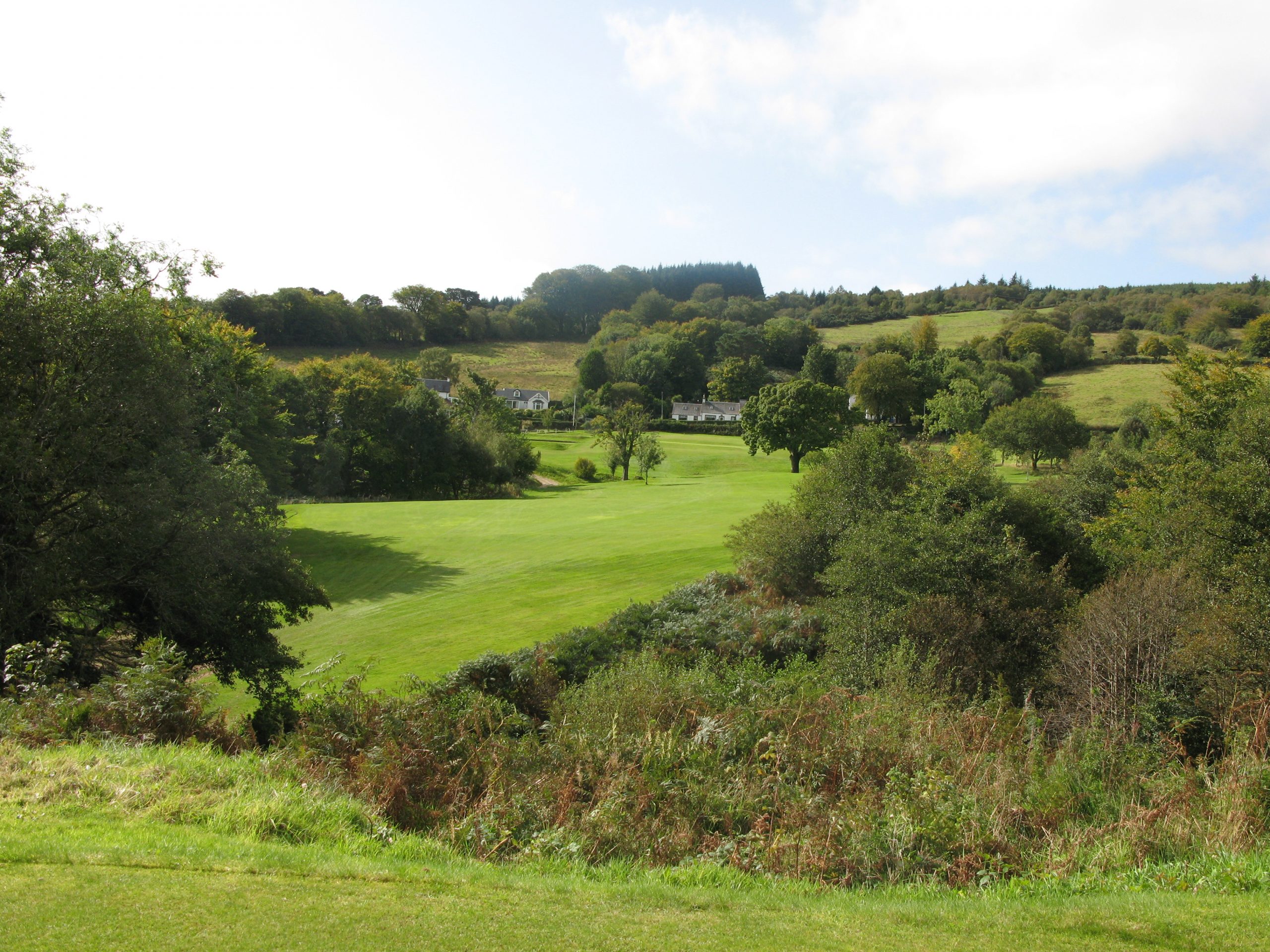
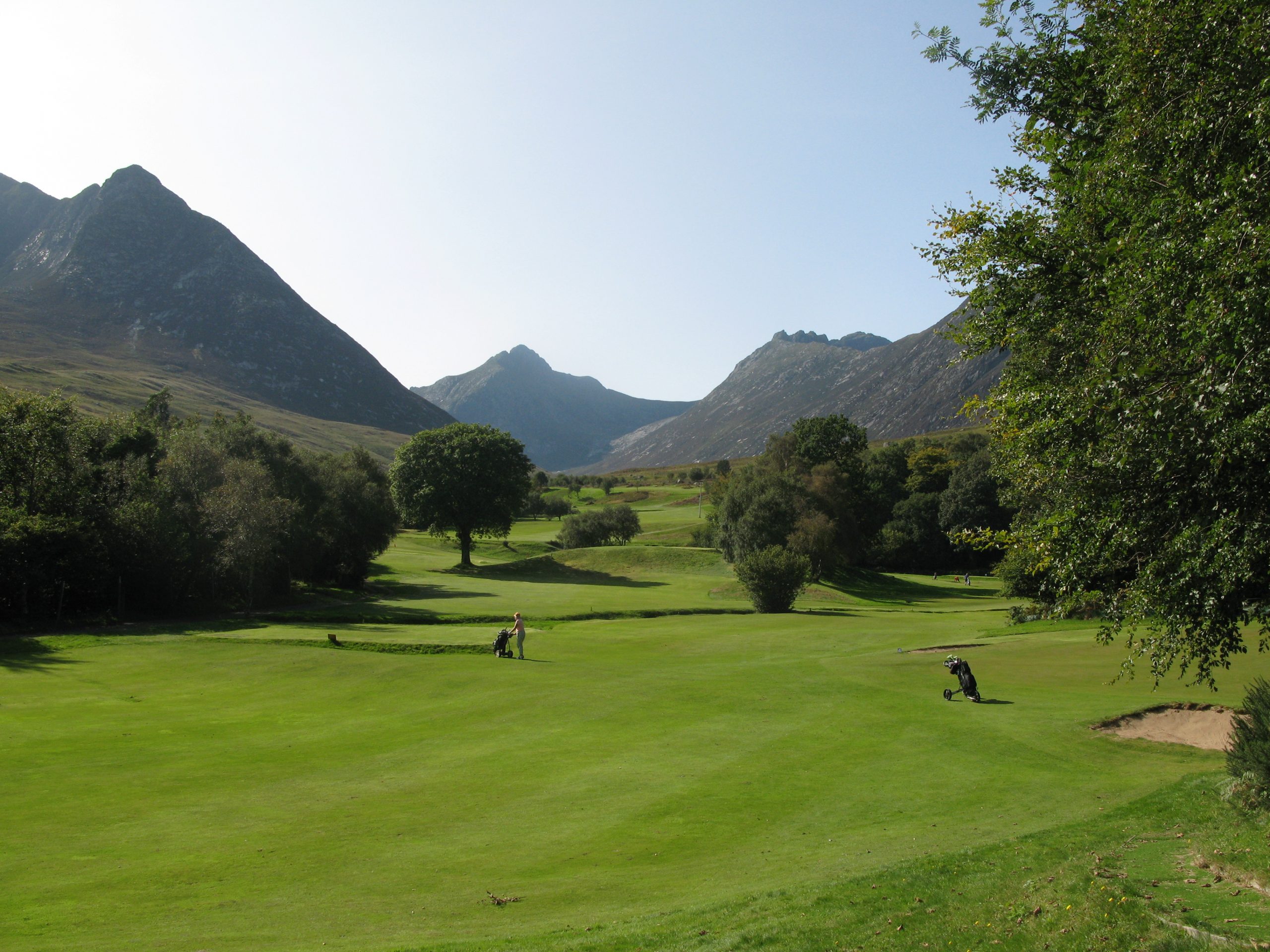
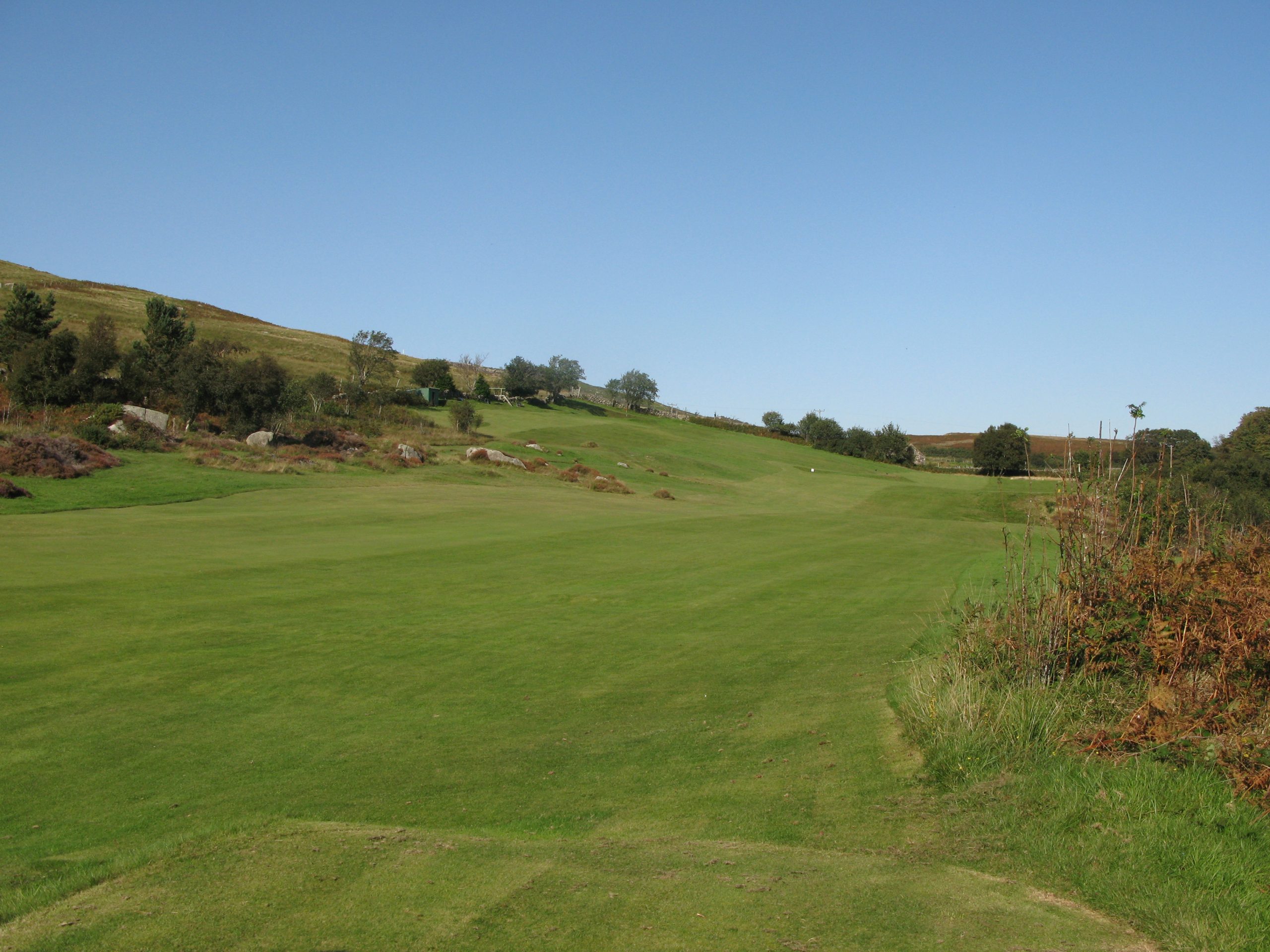
The view from the second tee at Corrie, looking up Sannex Glen

Had there been a 9 hole rate of (say) £15, I would have said it was 4 out of 5 for value, but with no 9 hole rate it’s only 2 out of 5 in my book. There is a principle here.

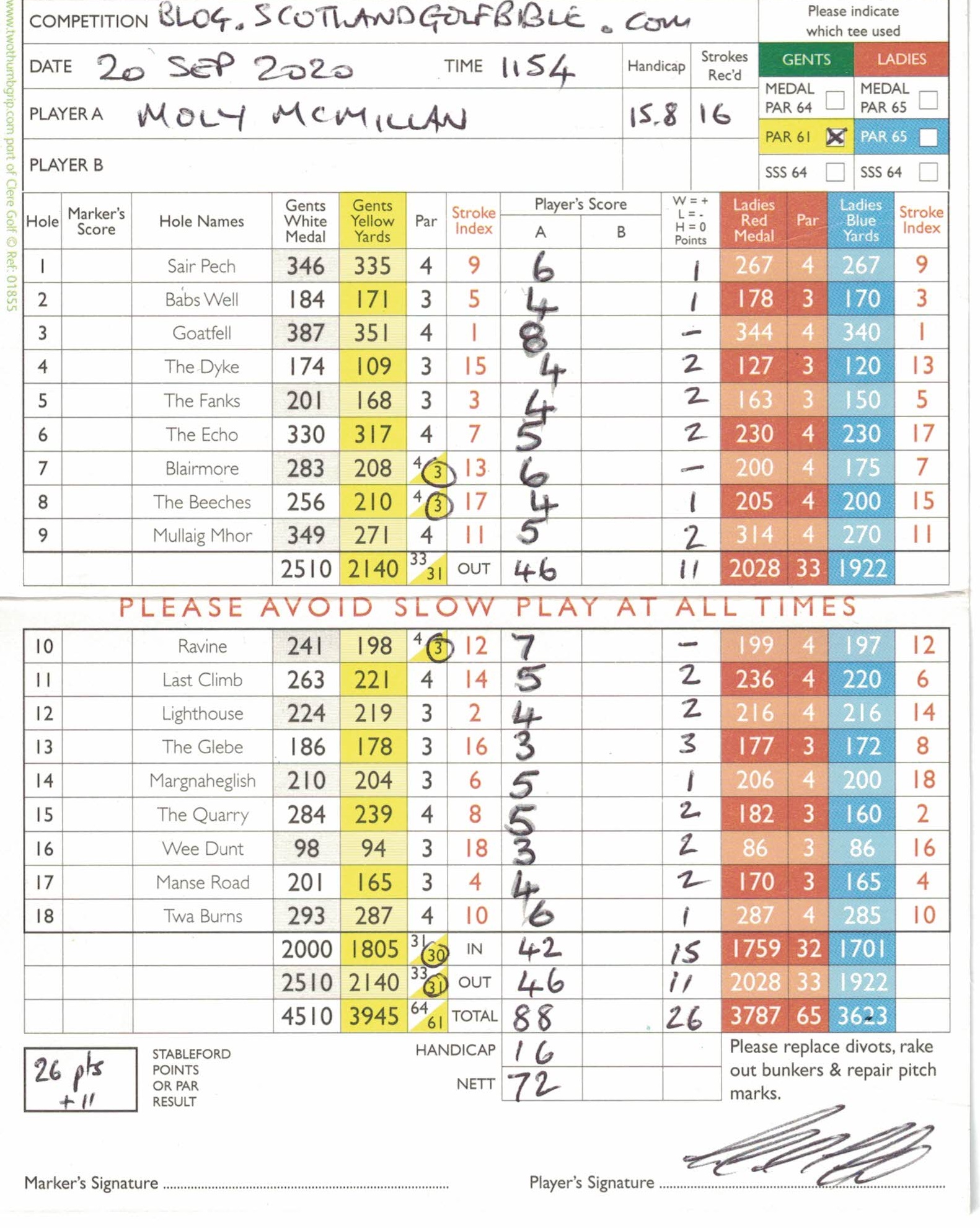
Having got that off my chest, I’ll get on to the next criticism – Corrie must be the most hazardous course I’ve played, due to fairways crossing each other. The 7th, a stroke Index 93 (see card below?) downhill par 4 crosses over the 3rd fairway at about driving length! I just hope the club use some of those over-priced fees for golf insurance, because someone will inevitably get hit by a golf ball. Perhaps the SI 93 isn’t a typo, but the number of accidents that have occurred so far.

“Smearing Horse”, the stroke index one 6th hole at Corrie

After the straight forward par 3 opening hole, the course vies up to the left into Glen Sannex and you witness for the first time the spectacular punch bowl in which the golf course is situated. Play on a fine day, like Fran and I did, and there are some heavenly view all around.

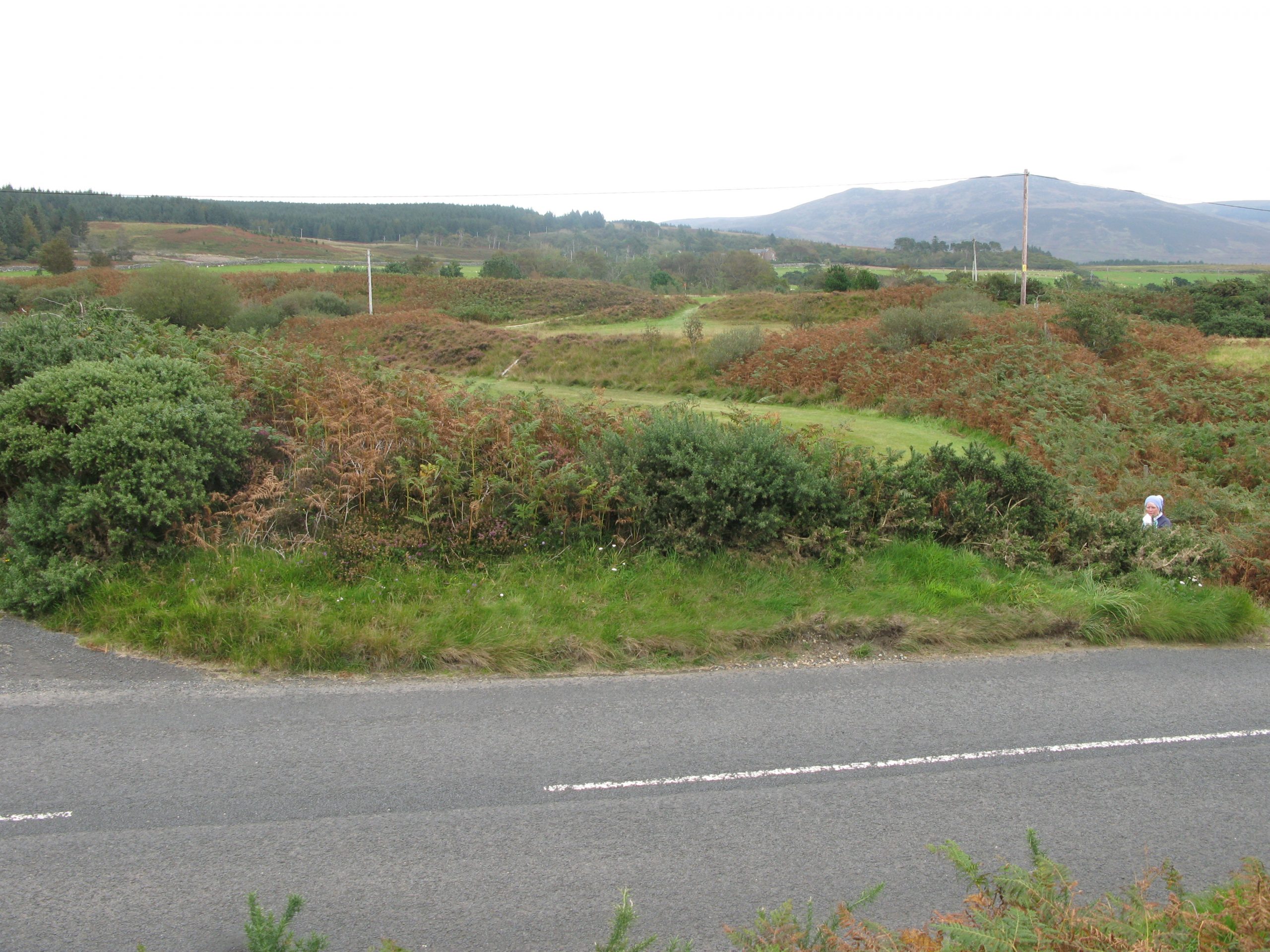
The par 4 7th hole, which crossed the 3rd fairway. Be careful!

The course was in really good condition when we played, but I can imagine that the slopes could be treacherous when the course is wet. I’m sure the rain floods over the course off the hills. Therefore, if you’re visiting Arran, perhaps keep an eye our for nice weather before playing Corrie.

It’s also worth visiting the cafe which is located in the small club house – it had good ratings on Facebook and is worth the visit with its nice range of cakes.

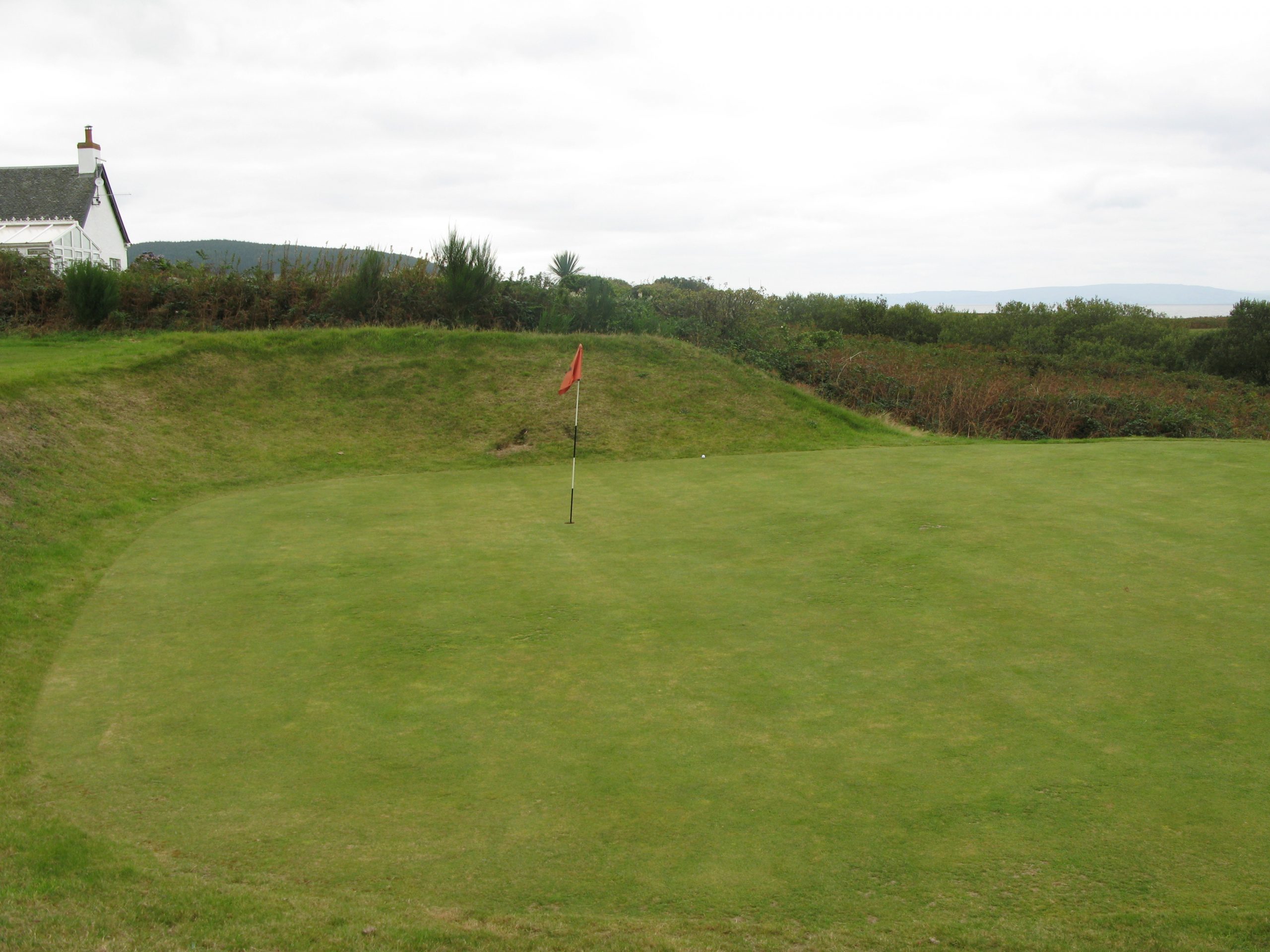
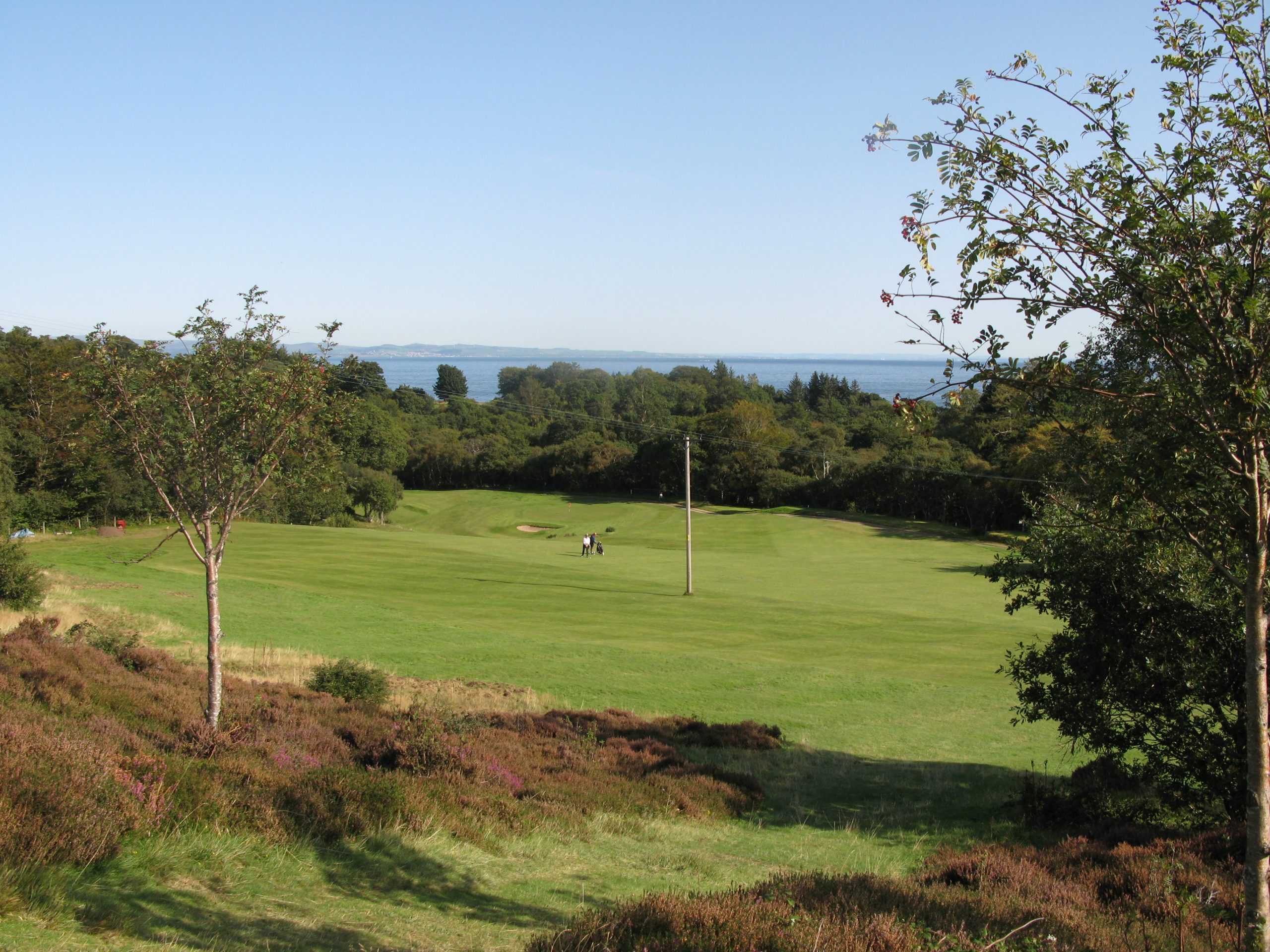
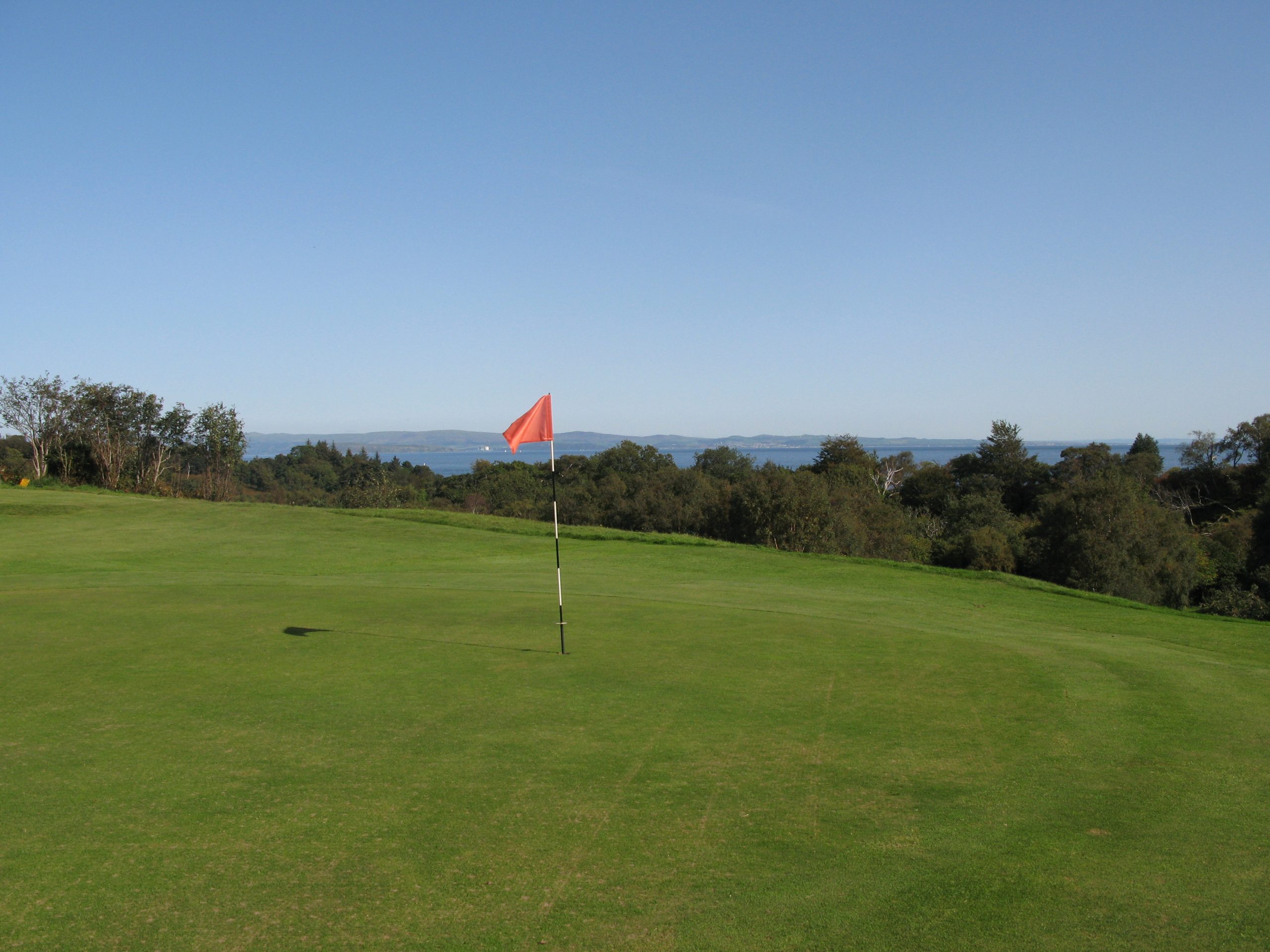
The views towards the sea from the 5th green at Corrie

The course was founded in 1892, so it’s a well established layout, and I get the impressions that it’s not been changed much over the years. The web site doesn’t have any history, but does have a nice layout explaining the holes, each labeled with the hole name. The sixth hole, an uphill par 4, well deserves the Stroke Index 1 rating, and is called “Smearing Horse” – I would love to hear from anyone who knows the origin of that name.

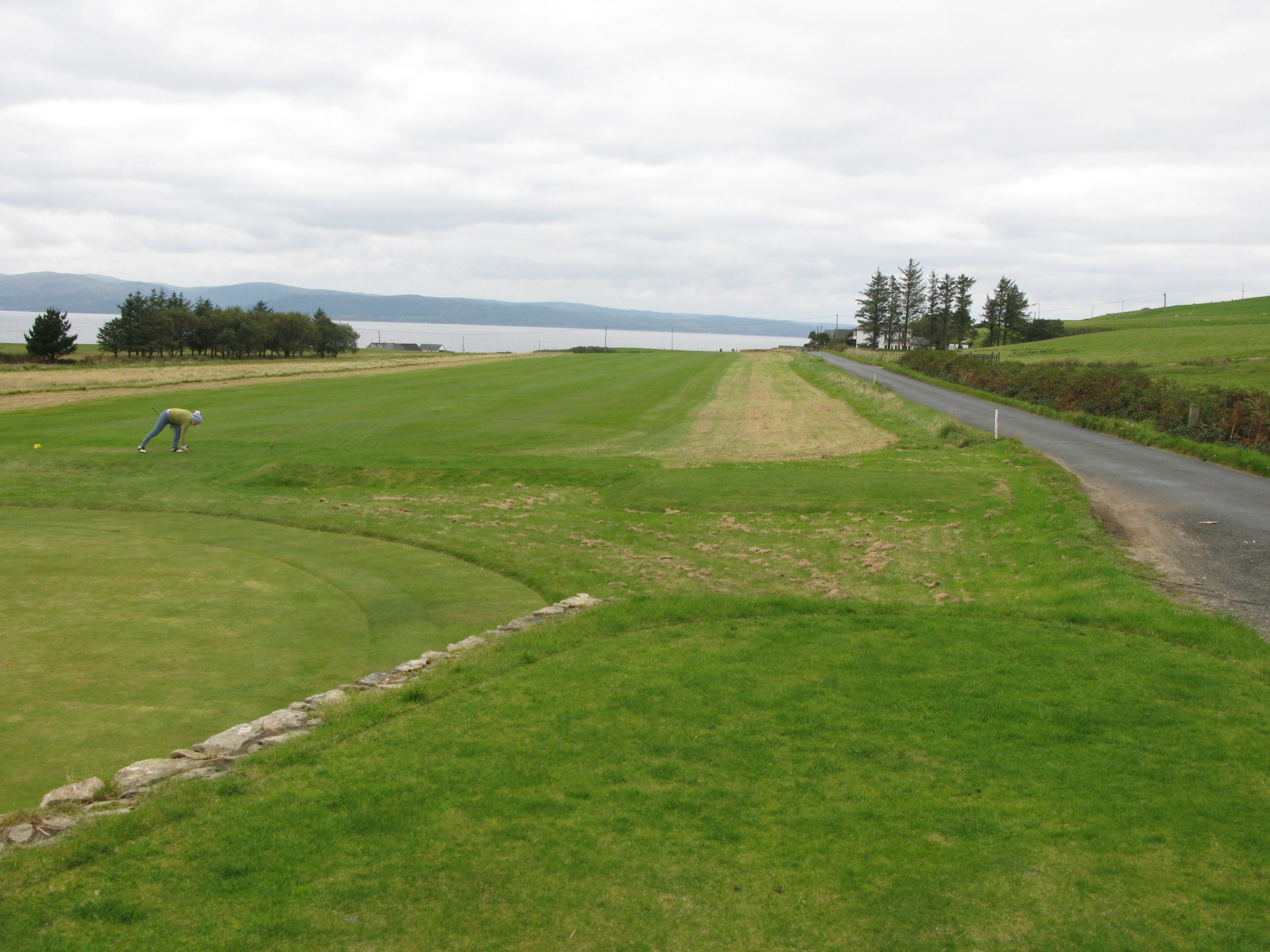
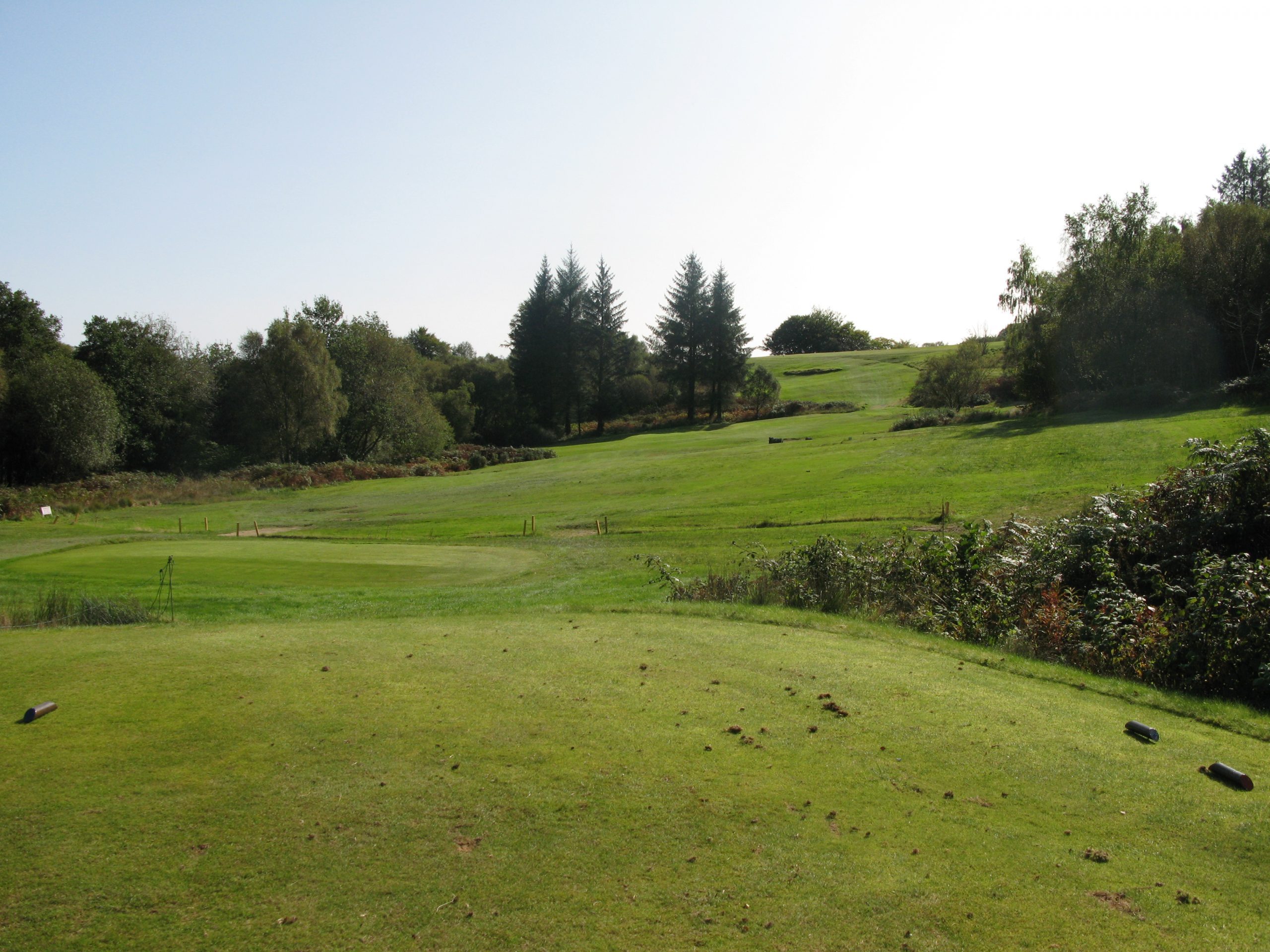
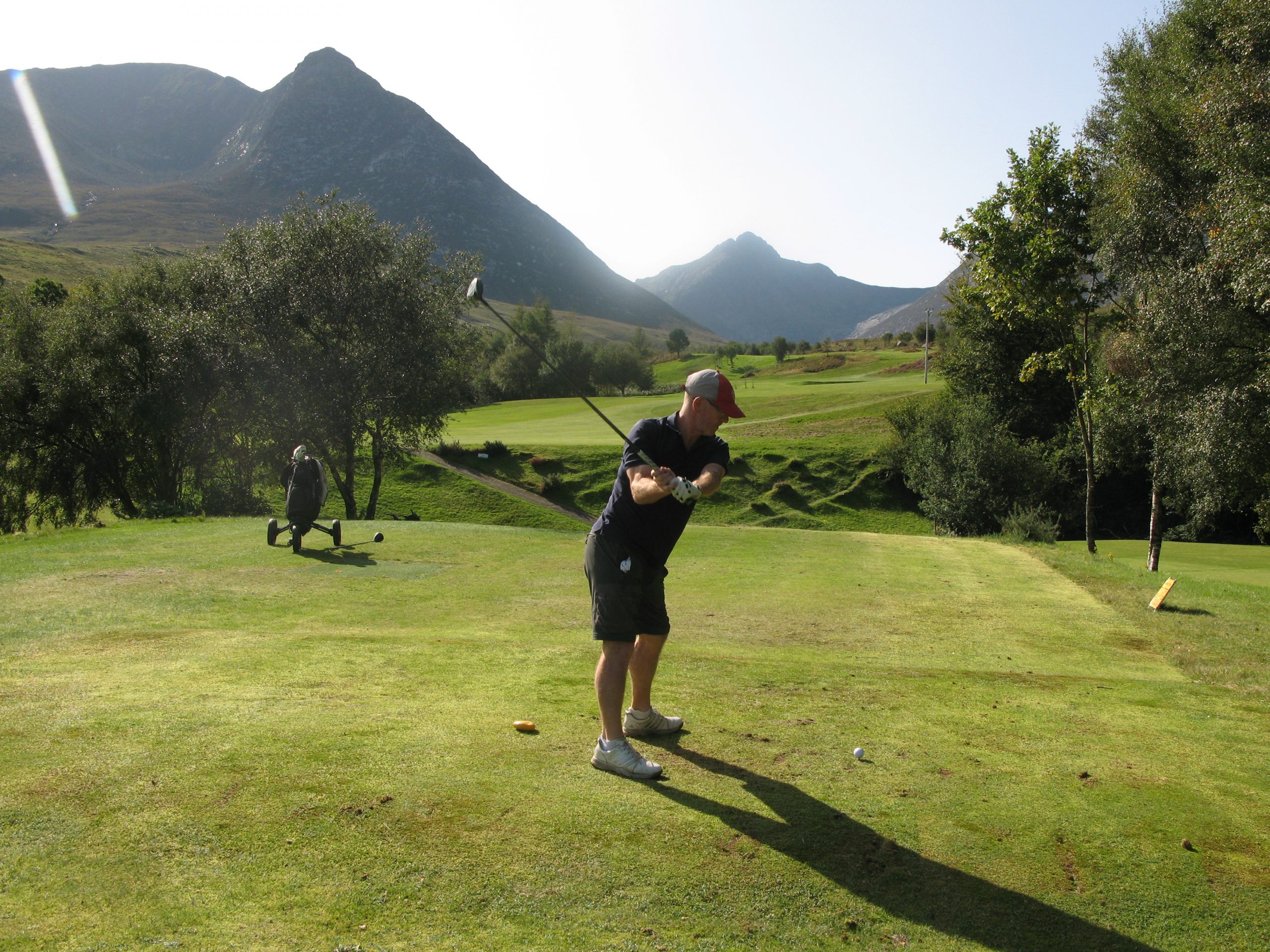
Hitting “up the Glen” from the tee at the short par 4 3rd at Corrie

At only 3220 yards for the 18 holes (sic) off the yellow, with Slope Index 90, this should allow people to get a low round in. I was only 2 over gross, with no birdies, and can’t remember playing better. But with only 4 or so bunkers that I counted, this is a flattering score really.

No golf trip to Arran should miss Corrie, but I recommend planning to go around twice to get your money’s worth.

Facts:

Course Type: Highland

Par 31 (0 par 5s, 4 par 4s, 5 par 3s)

Distance: 1610

Moly’s Gross score33

Moly’s lowest every 9 hole course score – 33

107. Brodick. 18 Sep 2020.

Easy walking course with good views of Brodick and it’s surrounds

Round £27. Par 65. Slope (yellow) 109. Value (out of 5) – 4

The Isle of Arran sits off the North Ayrshire coast, accessible all year round by regular ferry crossings from the Port of Ardrossan or, during Summer, from the Kintyre peninsular. The main port is Brodick, which is also home to one of the 7 golf courses on the island.

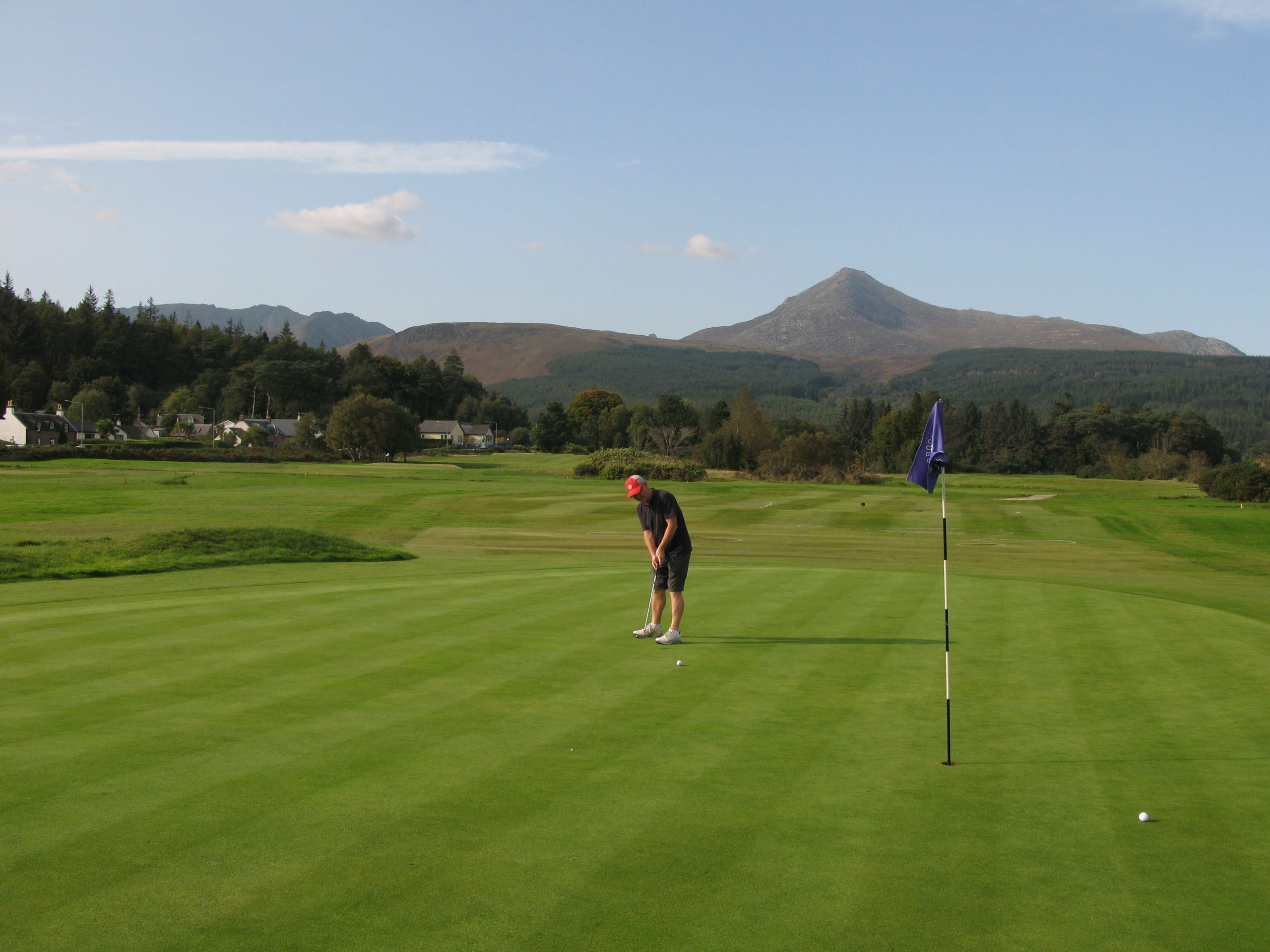
Moly on the 17th green at Brodick, with Goat Fell dominating the background.

The Brodick course was founded with 9 holes in 1897 and designed by John Duncan of Glasgow. It was originally sited in an elevated position near Knowe and West Mayish, as noted on the www.golfsmissinglinks.co.uk web site. It moved to the current location in 1913.

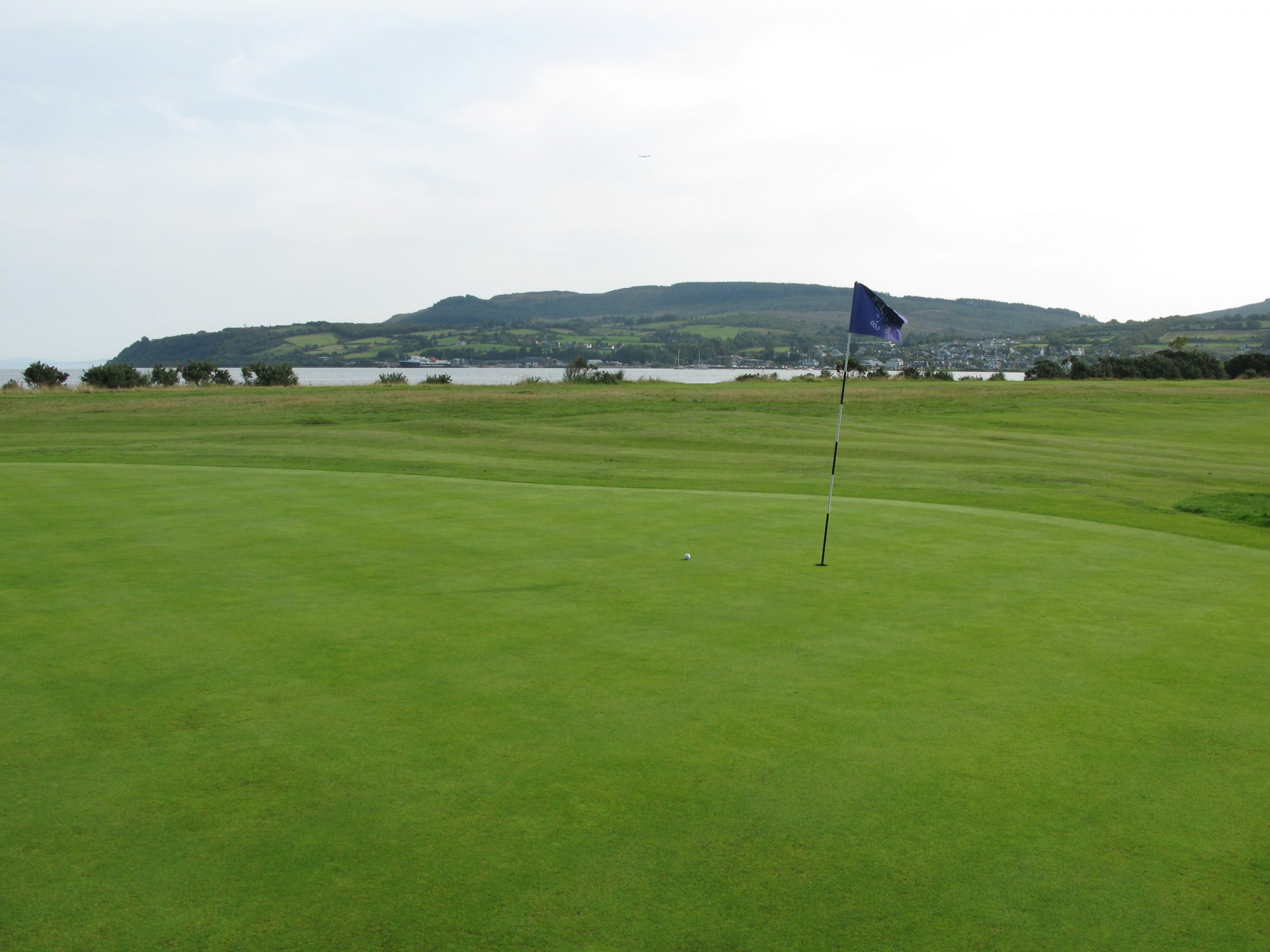
The 10th green at Brodick, with a Calmac ferry in the background in the town of Brodick, the main port on the island of Arran

At only just over 4500 yards this is a short course, but has a slope rating of 109 due, I suspect, to several of the nine par 3s being very difficult; the 4th and 15th are over the “Glenrosa Water”, the 167 yard 8th deserves its stroke index 3 rating with a difficult plateau green tight against a set of trees, and the 188 yard 13th requires a blind shot taken close to the beach if the green is to be found.

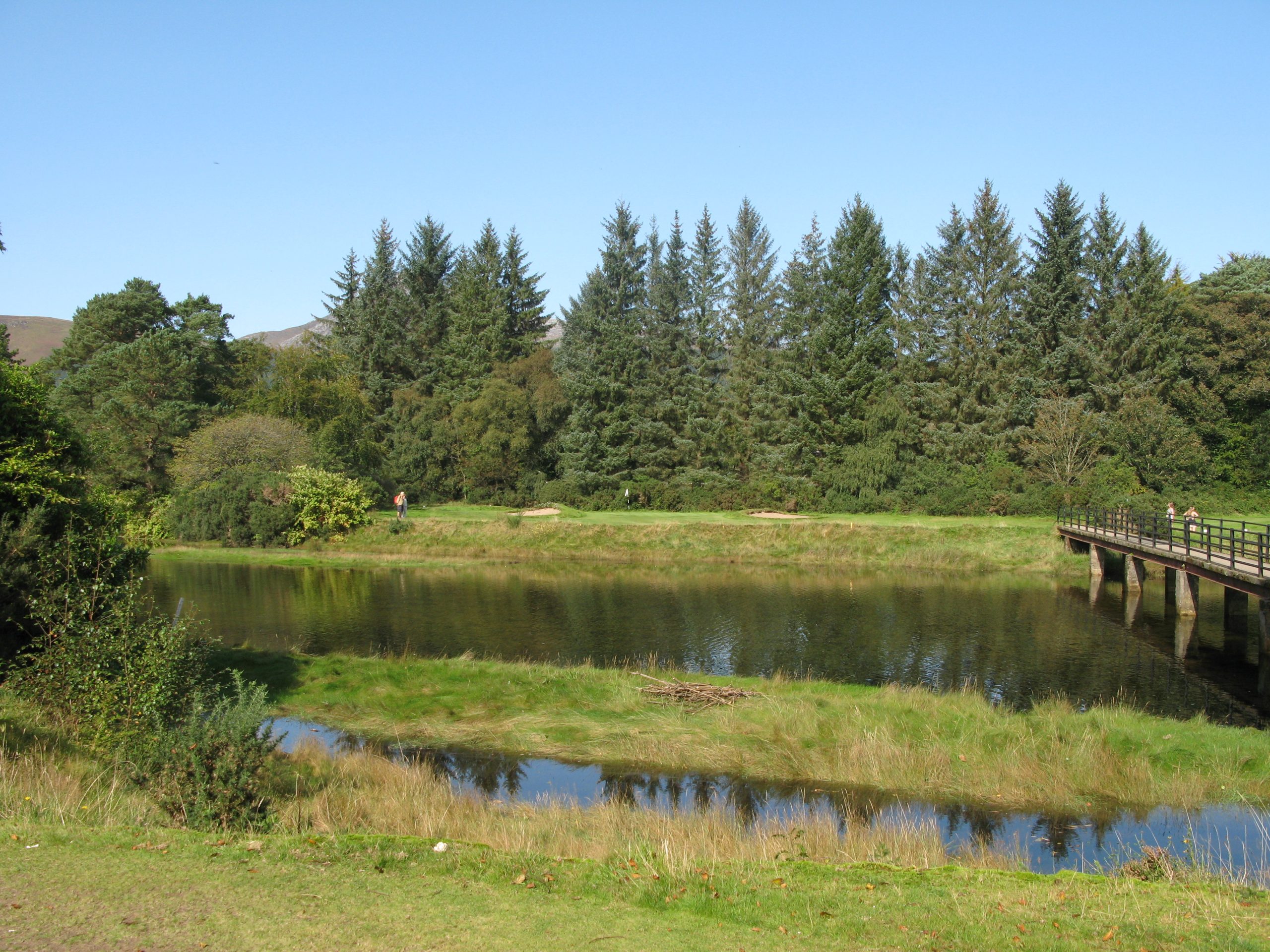
The short par three 4th hole, one of 2 over water par 3s on the Brodick golf course

The course was in excellent condition when I played with Fran during our Arran venture. Although adjacent to the bay this is most definitely mainly arable turf and therefore not a links course. In fact in the fine weather, the tall pine trees across the 5th, made us feel we were playing in Portugal – albeit I don’t imagine that happens often.

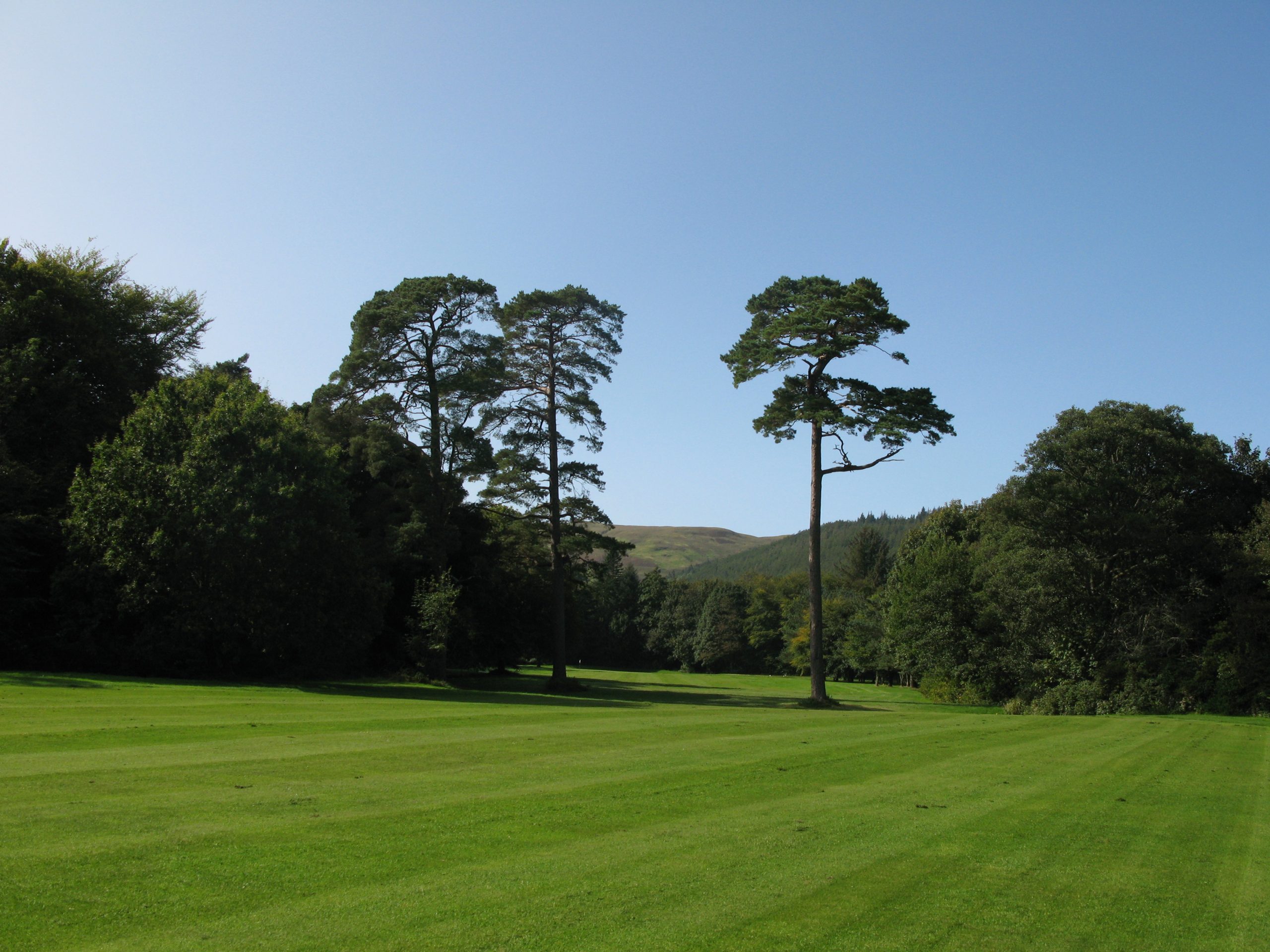
The magnificent pine trees on Brodick’s 5th hole, a dog leg left par 4

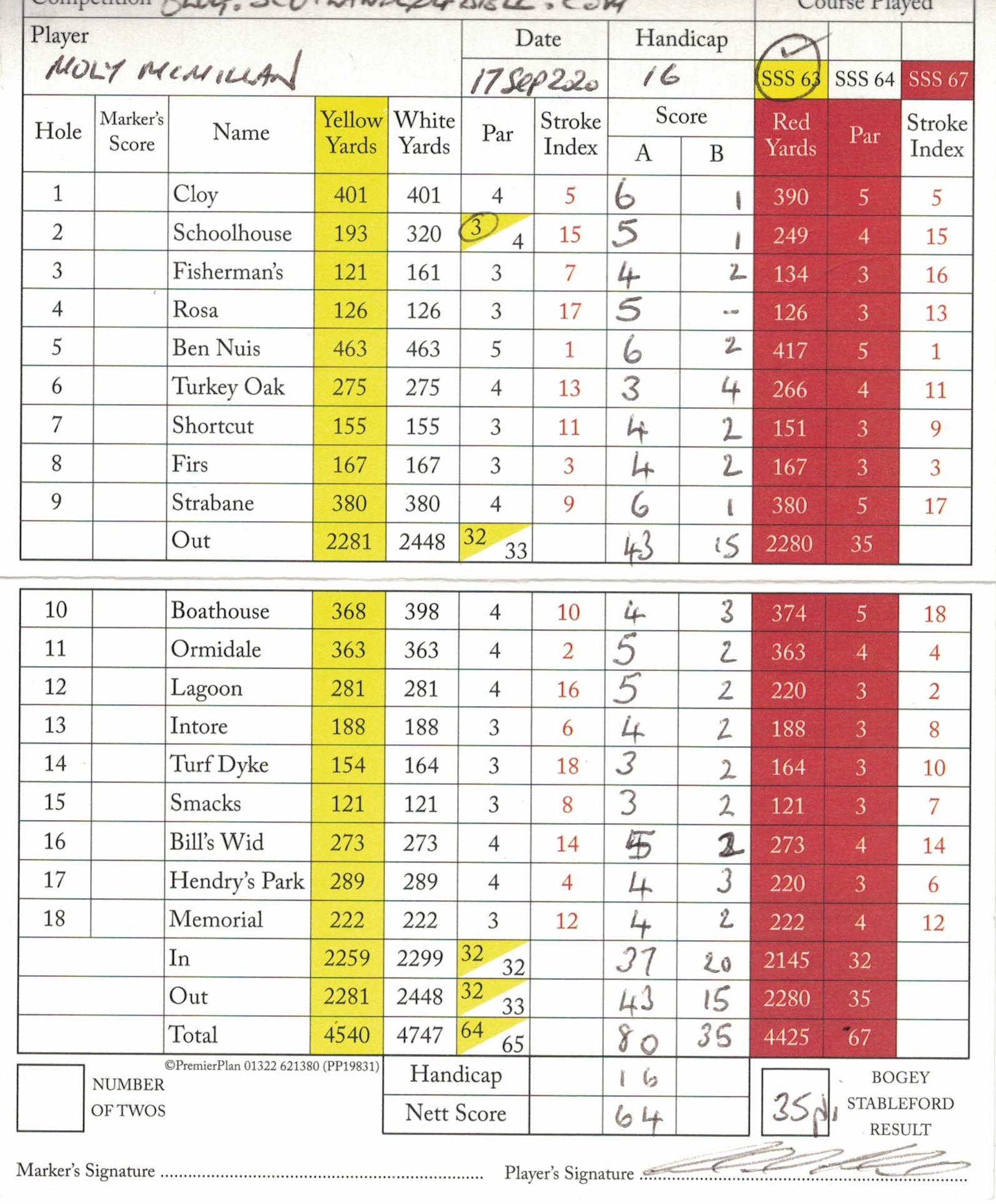
With excellent true greens, this helped my 80, for a net par round, so I was very pleased especially my back nine of 37.

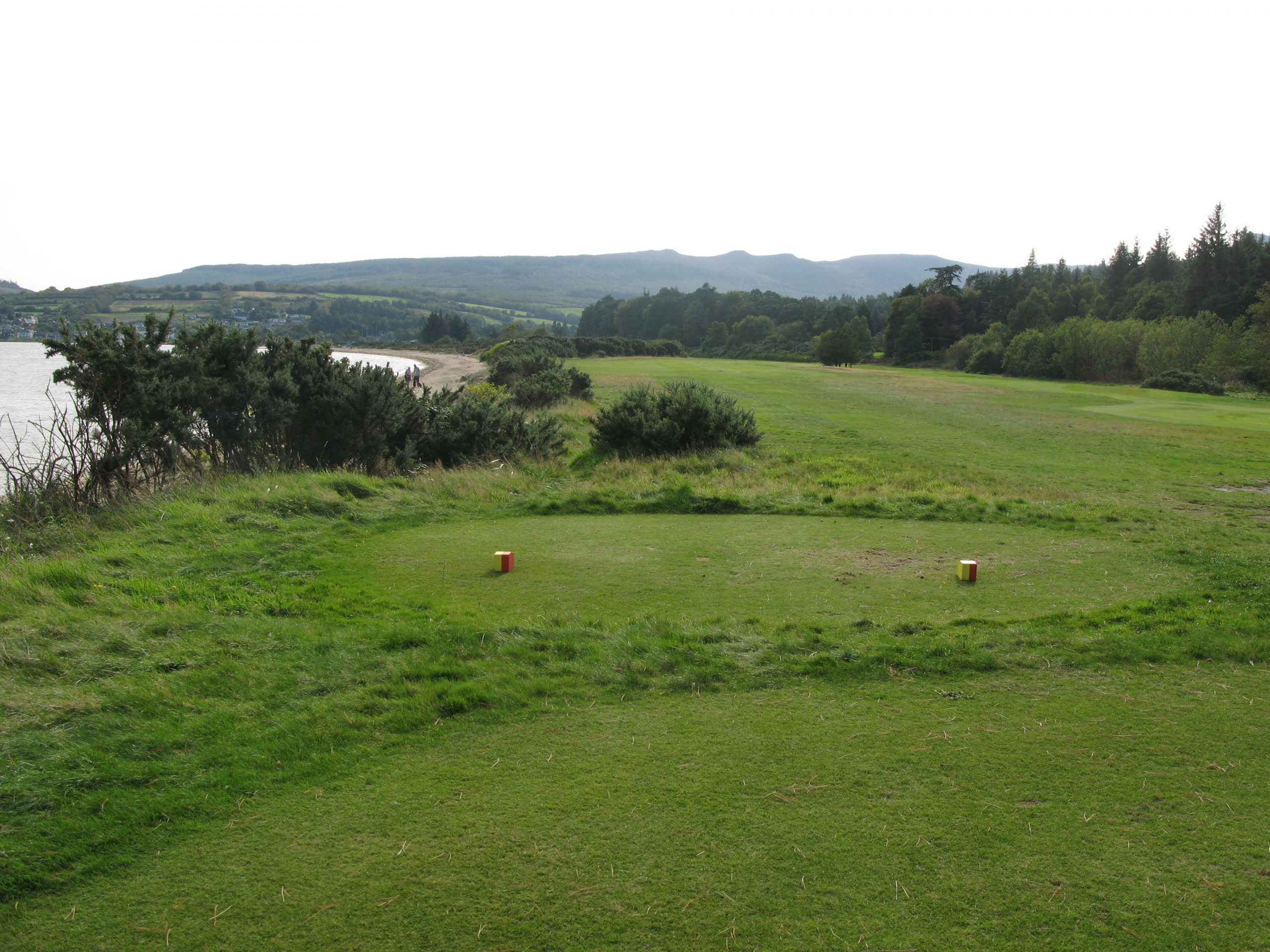
The treacherous 11th tee at Brodick golf course

Unfortunately the clubhouse and changing rooms had seen better days. It felt like the run down changing rooms of football clubs I played with in the 70s!

Nevertheless, this is a good course and one well worth playing. The green fee made for excellent value, like the other Arran courses.

Facts:

Course Type: Parkland

Par 64 (1 par 5, 8 par 4s, 9 par 3s)

Distance: 4540

Moly’s Gross score47

Moly’s Brodick scorecard – 80

106. Whiting Bay. 17 Sep 2020.

Officious Starter didn’t disrupt my enjoyment at this nice course

Round £25. Par 63. Slope (yellow) 97. Value (out of 5) – 4

Having booked a twilight round on GolfNow we reported at Whiting Bay about 25 minutes before our tee time and were told abruptly by the starter “You can’t go before your time!”. Taken aback, we responded politely, “That’s absolutely fine, we were only advising you we were here”. With no putting green available or practice net in operation, we loitered around the first tee for 20 minutes (no-one else teed off in the meantime), after which the icy starter announced “You may as well go now”.

This story is hopefully not representative of how people are welcomed at Whiting Bay and the starter was undoubtedly unaware that one day people might read about how we were treated on arriving there. But I write it because Arran is a holiday destination and golf is a big attraction on the island, with 7 courses available; it’s important clubs present a welcoming feel, as they are part of a wider hospitality sector. Sometimes you only get one chance.

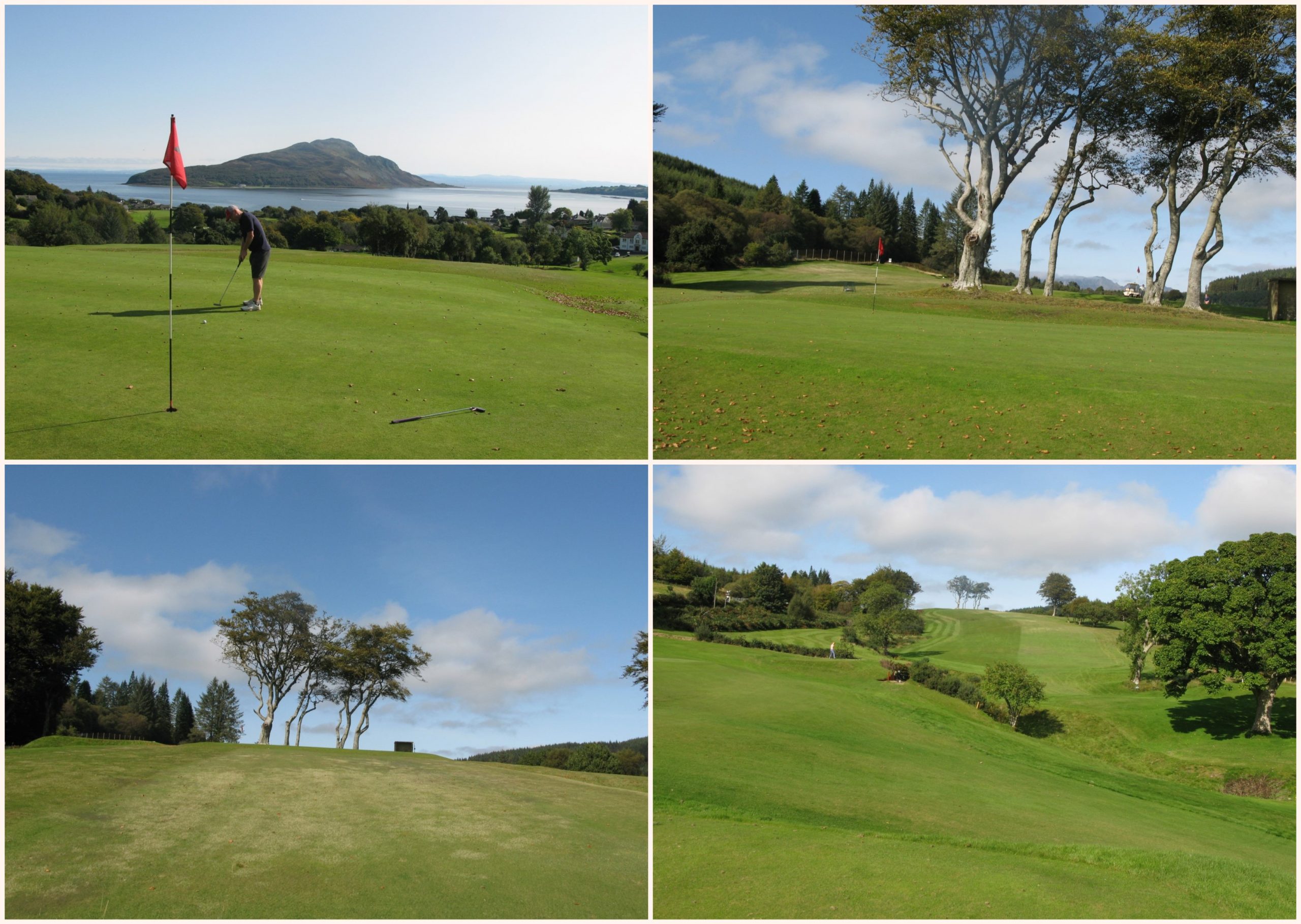
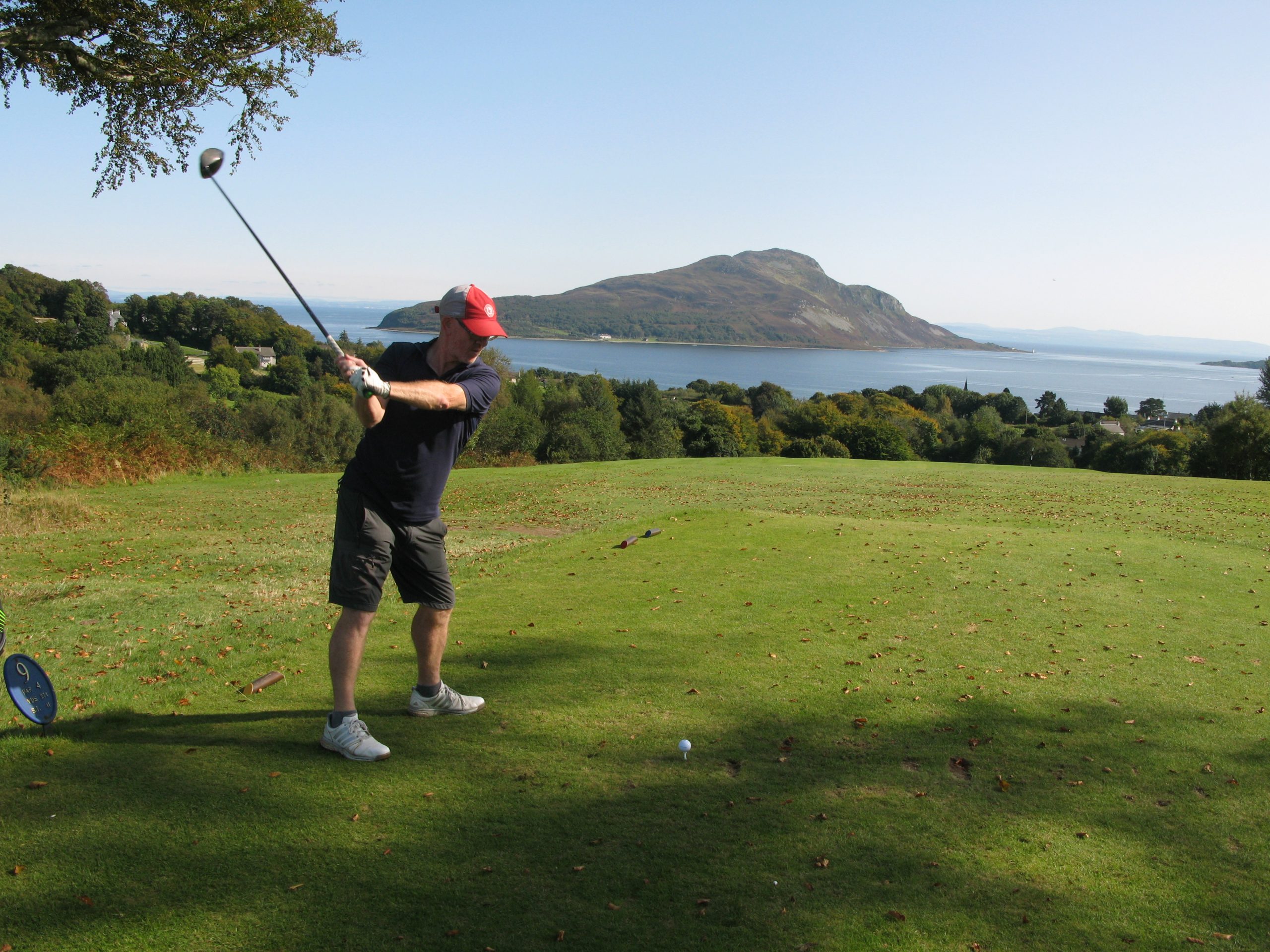
The 11th at Whiting Bay, with views of Holy Isle in the background.

The golf course opened in 1895 and is set on a hillside above Whiting Bay, a substantial village located on the east side of the Isle of Arran, which sits in the Firth of Clyde just off the North Ayrshire coast – it is accessed by ferry from the Port of Ardrossan.

The par 4 8th deserving of being the Stroke Index 1 hole at Whiting Bay in Arran.

Regrettably, I couldn’t find any information about the course architect on the website, which is a shame. The course has some clues for the students of golf architecture. Several holes’ fairways crisscross each other, making it a potentially hazardous walk. Some of the greens are very undulating, and some very flat. There are some very large greens, most notably the short par four 6th hole which was only just over 250 yards, whereas the difficult uphill mid-iron par three 3rd had a tiny green. Contrast this with the often clever use of small greens to protect short par 4s, typical of James Braid’s designs. I would be grateful for any information if readers have any about Whiting Bay’s designer.

Whiting Bay has outstanding views, here looking back from the first green with the clubhouse lower down the hill.

It is also a tough walk, and uphill all the way to the 4th green – I would recommend a buggy or power trolley for those less able. There are however no bunkers and the fairways are very generous, which with the length of under 4500 yards, results in slope ratings of 97(yellow), 99(white) and 98 (red). In summary, it’s good holiday golf, except if you are unfit! Also, for occasional golfers, in particular, please take at least 2 clubs more on the uphill holes, most notable the 1st and 16th.

The 6th is the best example of the odd design, a par 4 at just over 250 yards, but with a huge green.

The course was in great condition and clearly well maintained, albeit the greens were very mossy which really detracted from the rest of the set up. On the day I had a very good round of 76 against the par of 63, especially after I had recorded two triple bogies in the first 4 holes.

The really difficult 17th Green. It was such a pity the greens were so ‘mossy’.

With outstanding views abounding, and the reasonable twilight rates, this is excellent value. Just don’t turn up early, especially when the clubhouse is closed!

Facts:

Course Type: Parkland

Par 63 (0 par 5s, 9 par 4s, 9 par 3s)

Distance: 4092

Moly’s Gross score76

Moly’s Whiting Bay scorecard – 76 but with 2 triple bogies. Ouch!

105. Shiskine. 15th Sep 2020

One explanation makes sense – this is perhaps God’s home course.

Round £26 (12 holes). Par 42. Value (out of 5) – 5

Shiskine is probably the greatest 12 hole golf course in the world, but that hardly does the course justice.

The Isle of Arran sits off the North Ayrshire coast, accessible all year round by regular ferry crossings from the Port of Ardrossan or, during Summer, from the Kintyre peninsular.

Moly putting for birdie at the 4th “The Shelf” hole at Shiskine, in benign conditions.

Several areas of Scotland self proclaim the title of best destination for golf, with the East Neuk of Fife and the North Berwick coastline being the headline events. But when it comes to the best value destination for golf (worldwide?) Arran sits comfortably at the top of any list – in my humble opinion. This island of 432km2 has a population of 5,000, with a majority of the people working in the hospitality sector. Arran has 7 golf courses, which all sit on the periphery of the island and are easily accessed; none of them has a weekly green fee greater than £30. With many hotels, B&Bs and campsites, Arran is a must visit golfing destination.

Shiskine, set on the west of the island, is the jewel in Arran’s crown.

The par 3 ‘Craws Nest’, 3rd, with views over the beautiful Shiskine layout.

It is said you should never meet your heroes as it can be so disappointing. It was with a similar sentiment I embarked for Arran with nightmares about losing all my balls into the sea from Shiskine’s formidable first tee. Such was my desperation to play that immediately after pitching our caravan and with pristinely tranquil conditions, I psychologically ran to the course to grab a twilight round at only £21. Without a pre-shot routine, and with a vice like will to keep my head over the ball, I drove a low running drive over 200 yards up the fairway – hallelujah! Entering a trance like state, I then proceeded to play the 12 holes in 47, or 5 over par – not quite the best round of my life, but I cannot remember smiling so much to myself during a round of golf.

The terrifying par 4 “Road Hole” first at Shiskine, with OOB left all the way to the hole.

Perhaps by ‘divine’ intervention, a feasibility study in the late 1800s rejected building a deep water pier on the current golf course site to serve the local port of Blackwaterfoot. Sometime thereafter, Willie Fernie of Troon (who also designed Turnberry’s Ailsa course), laid out the original 9 hole course, which opened in 1896, although only the current 5th and 9th holes survive from then.

The difficult stroke index1 second hole at Shiskine, a tough par 4 with a burn in front of the green capturing many of the blind second shots into the green. Take enough club. Atop Drumadoon Hill in the background was where 6 holes returned to waste during the first world war

The course was extended to 18 holes just before the first world war using land above the current ‘shelf’ area of the 3rd green, but fell into disrepair during that war. Several attempts during the decades after failed to reestablish an 18 hole course.

Willie Park (Sunningdale and the North Course at Olympic Park, Chicago) then designed the current 12 holes between 1925-28. 18 holes play is reserved for member only competitions with the 1st, 2nd, 9th, 11th, 12th replayed with a further hole using a unique “15th” tee into the 4th green.

The course is not long, at just under 3000 yards from the white tees for the 12 holes, and 4,878 for the 18 hole layout; its slope rating is only 99 and disappointingly has no red ‘ladies’ tee boxes. It has 7 par 3s, 1 par 5 and 4 par 4s. Despite its short length, this is really fun golf, with very many blind tee or approach shots. I would strongly recommend reading the course guide, there is, for example, a bale out area to the right of the blind 3rd green, so aiming right of the flag is imperative. It’s rather hard to adequately describe the course other than saying it’s magical. It’s not perfect though, with the 12th a rather underwhelming short finishing hole. Nevertheless, it actually made me feel like I was playing my part in a Michael Murphy (Golf in the Kingdom) style mystical adventure with Shivas Irons as a playing partner. Perhaps I exaggerate. I can conclude by saying that I doubt you’d find anything like this course other than in Scotland and it’s a must play destination.

The 4th at Shiskine, a collage of dreams.

I’ve often pondered what golf handicap God might have? I’ve concluded that it would make sense if he or she were to have the exact average Scottish men’s or women’s handicap. God’s preferred course would be majestic, but not too difficult. For example, it wouldn’t have par 4s or par 3s that are really disguised par 5s or 4s respectively. It wouldn’t have any carries off the tee that effectively disenfranchise most higher handicap players. It would be set amid a beautiful landscape. It would offer a mix of guile and strategy. Some of the shots would be frightening. The greens, tees, fairways and all round conditions would be perfect. The weather or elements would play a significant part of the experience. Play would have to be fast – so he/she decided 12 holes was the best length. In the right conditions, it would bring you close to it’s maker.

Perhaps God did design Shiskine after all. Please go and play.

Facts:

Course Type: Links

Par 42 (1 par 5, 4 par 4s, 7 par 3s)

Distance: 2770

Moly’s Gross score47

Moly’s life affirming 5 over for the 12 wonderful holes at Shiskine
Newer posts »

© 2026 Scotland Golf Bible

Theme by Anders NorenUp ↑