A guide to green fee value for money

Category: Edinburgh & The Lothians (Page 2 of 7)

142. Kingsknowe. 23 May 22.

Brilliantly priced golf course with divergence of views

Round £35. Par 69. Course Rating / Slope Rating (yellow) 68/113. Value (out of 5) – 4.5

When I played Kingsknowe, pronounced Kings-NOW, on a magnificent May day, with clear skies and beautiful views, I was struck by how much the surroundings of the golf course must have changed over the last 100 years, since its foundation in 1908. It has literally ‘lived’ amongst the great social changes of the 20th Century.
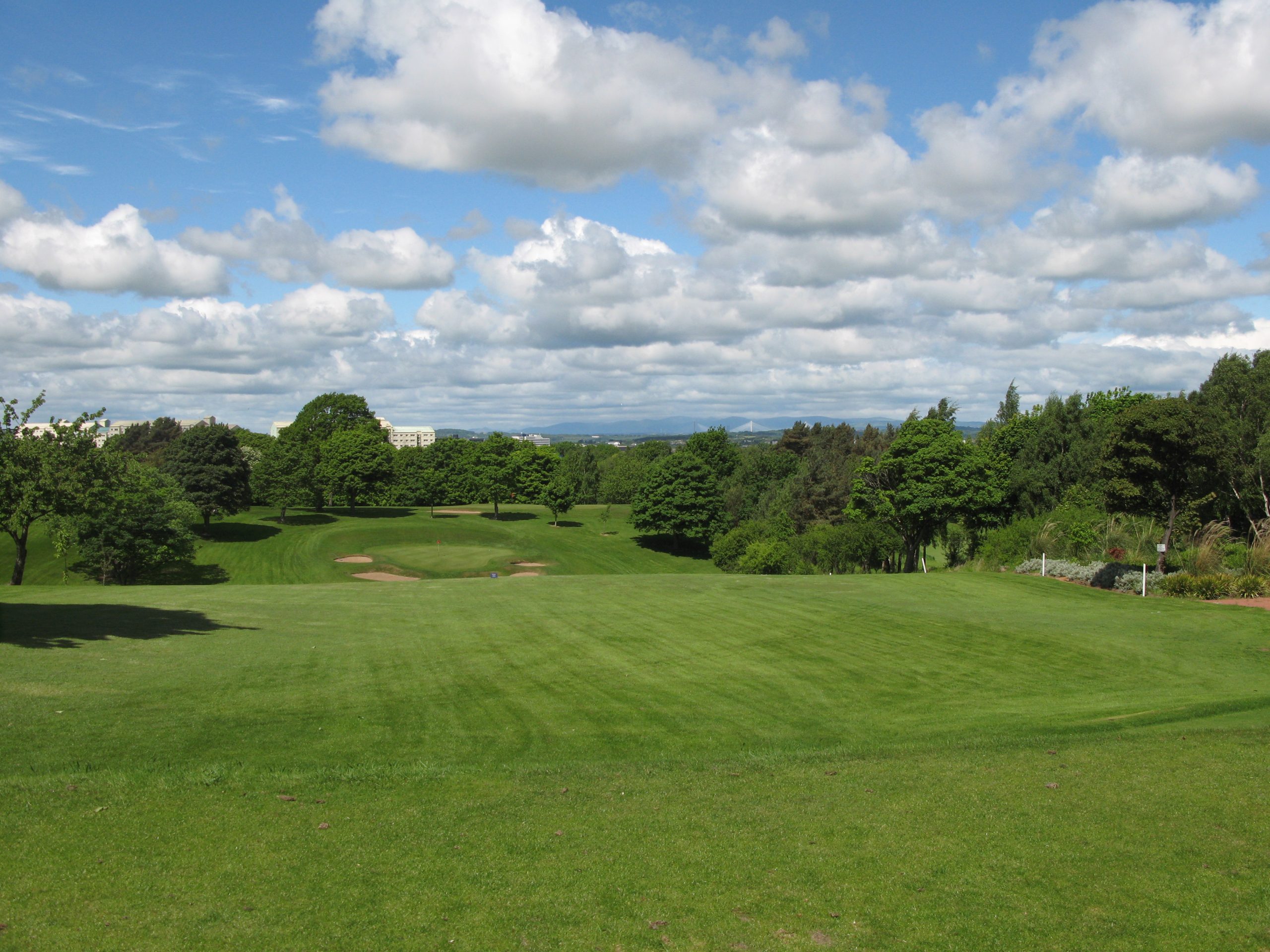
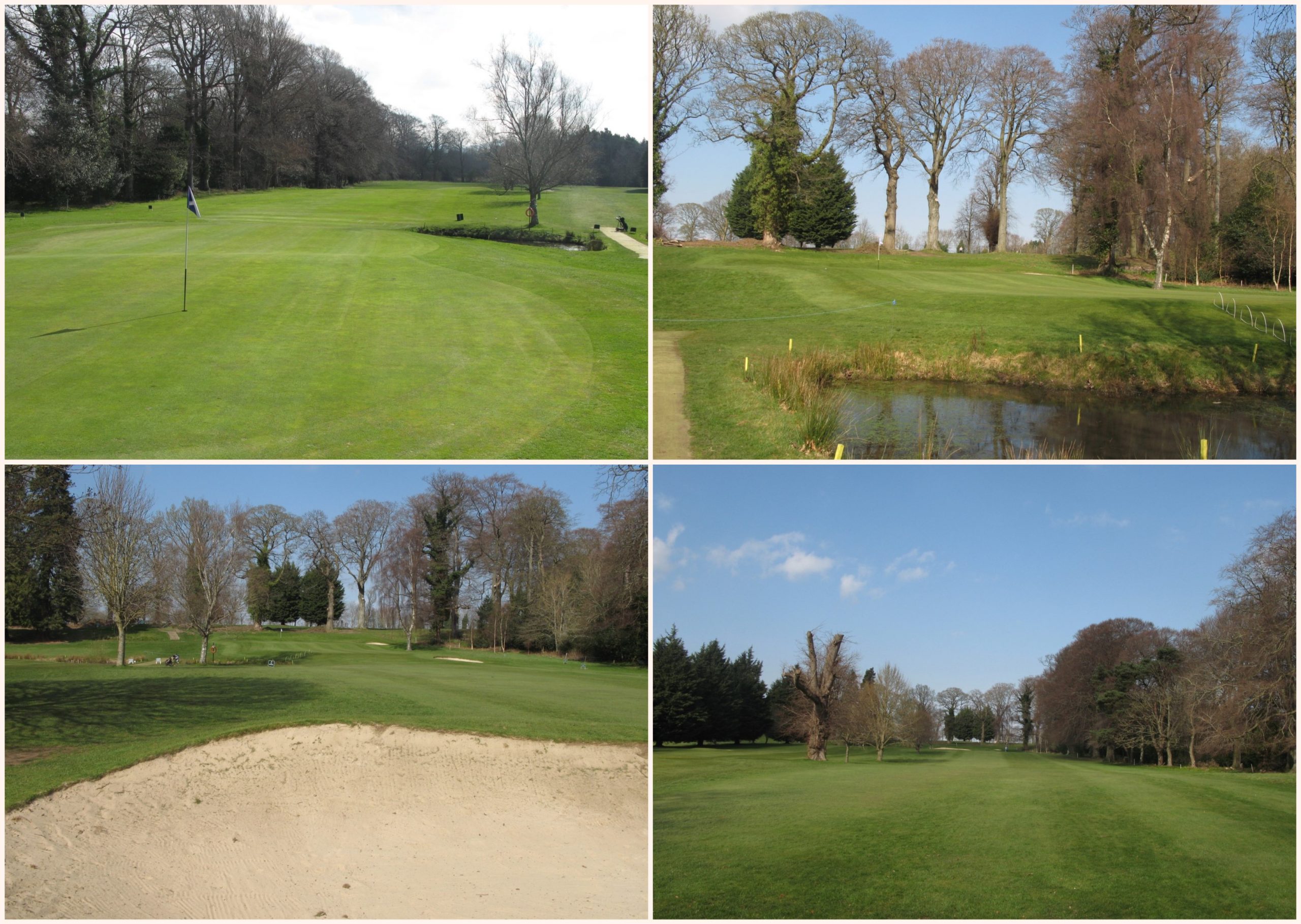
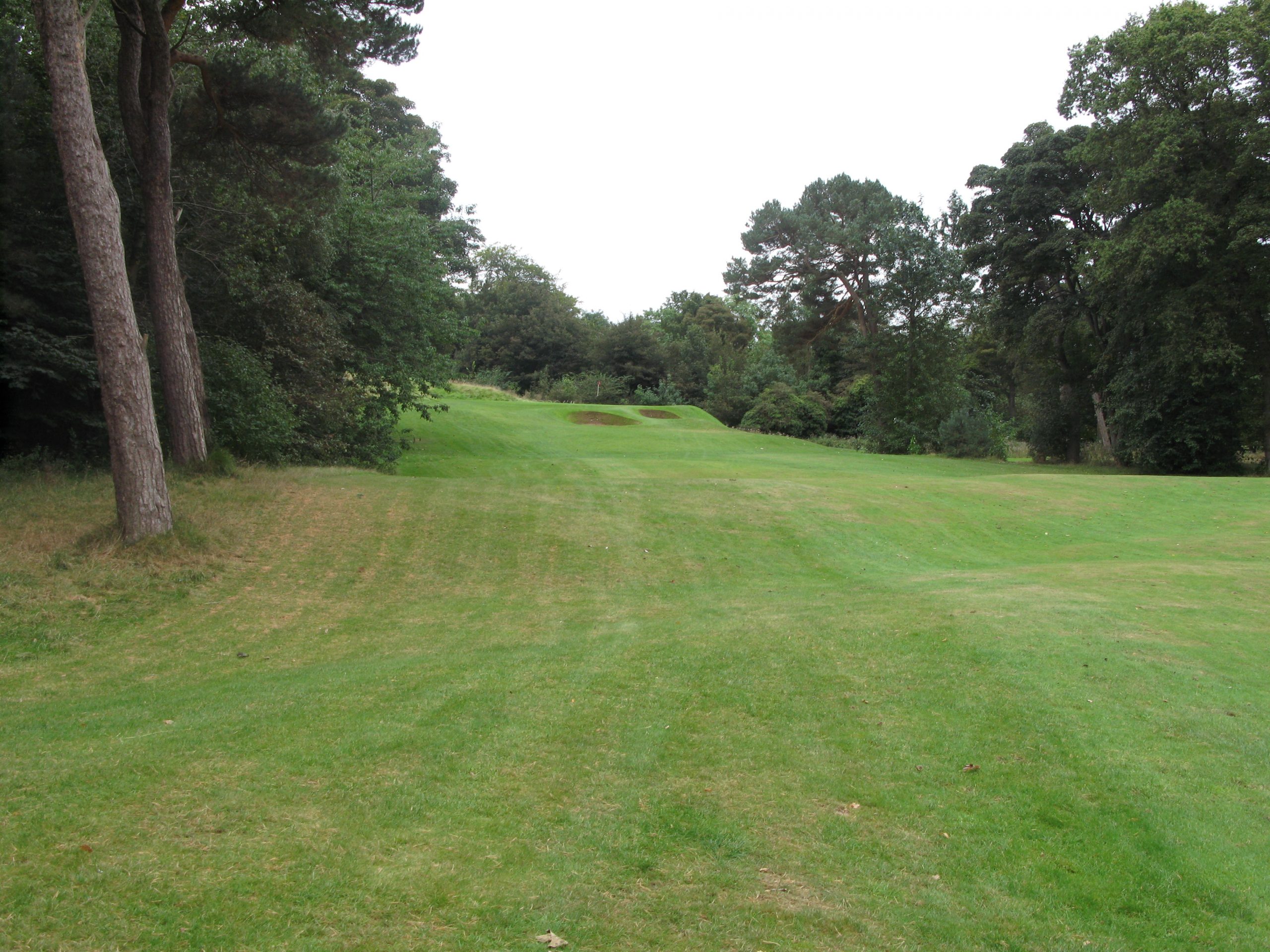
Great downhill par three first of 167 yards, a tough par to start, with longstanding views towards the Queensferry Crossing, the Tillicoultry Mountains and Ochil Hills

Sitting on the western side of Edinburgh, Kingsknowe is only 4 miles from Edinburgh Castle, obviously well within the city boundary. However, go back over 100 years, and the course would have been surrounded by countryside. At the time, the nearby Union Canal, was one of the main traffic routes near the course.
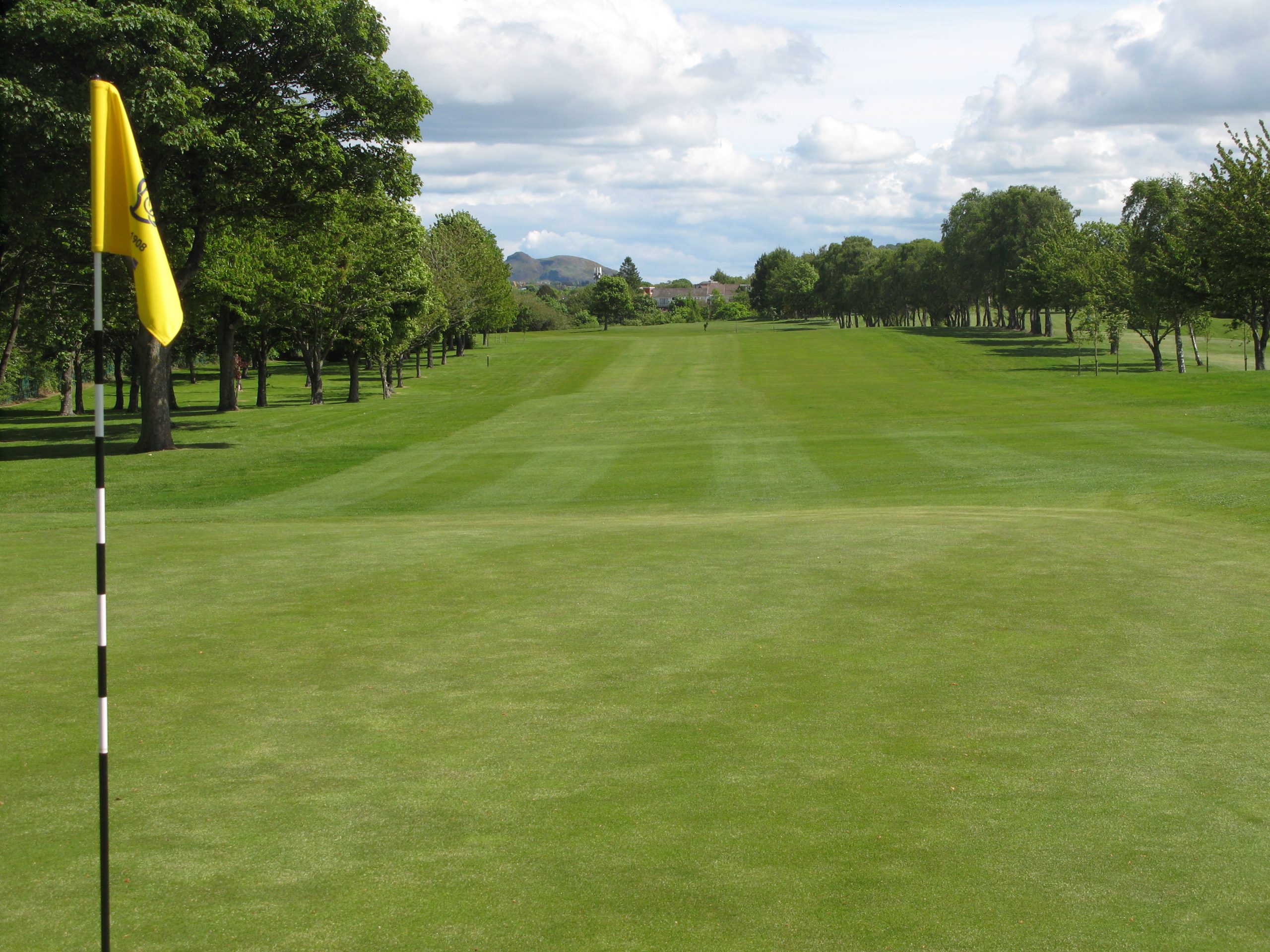
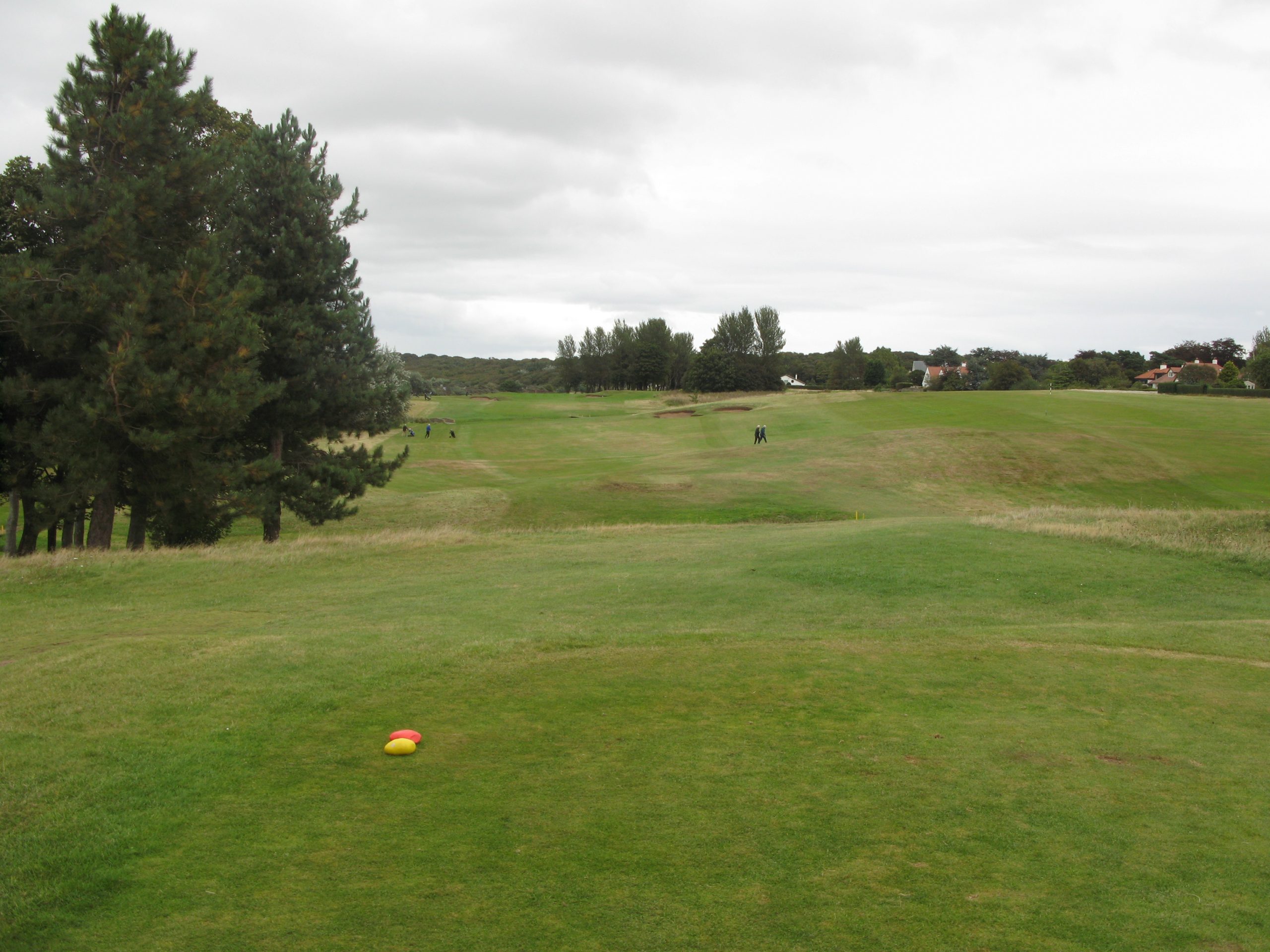
The long third hole, 470 yards, into the prevailing wind, with Arthurs Seat in the background.

Initially laid out by the 1902 ‘Champion golfer of the year’ Alec Herd, the first major impact the club suffered was the loss, during WWI, of 27 of its members, commemorated by a plaque in the clubhouse and recorded on the Imperial War Museum website here. During the second world war, by which time James Braid had been commissioned to implement some architectural changes, some of his changes were turned to farming use to support the war effort.
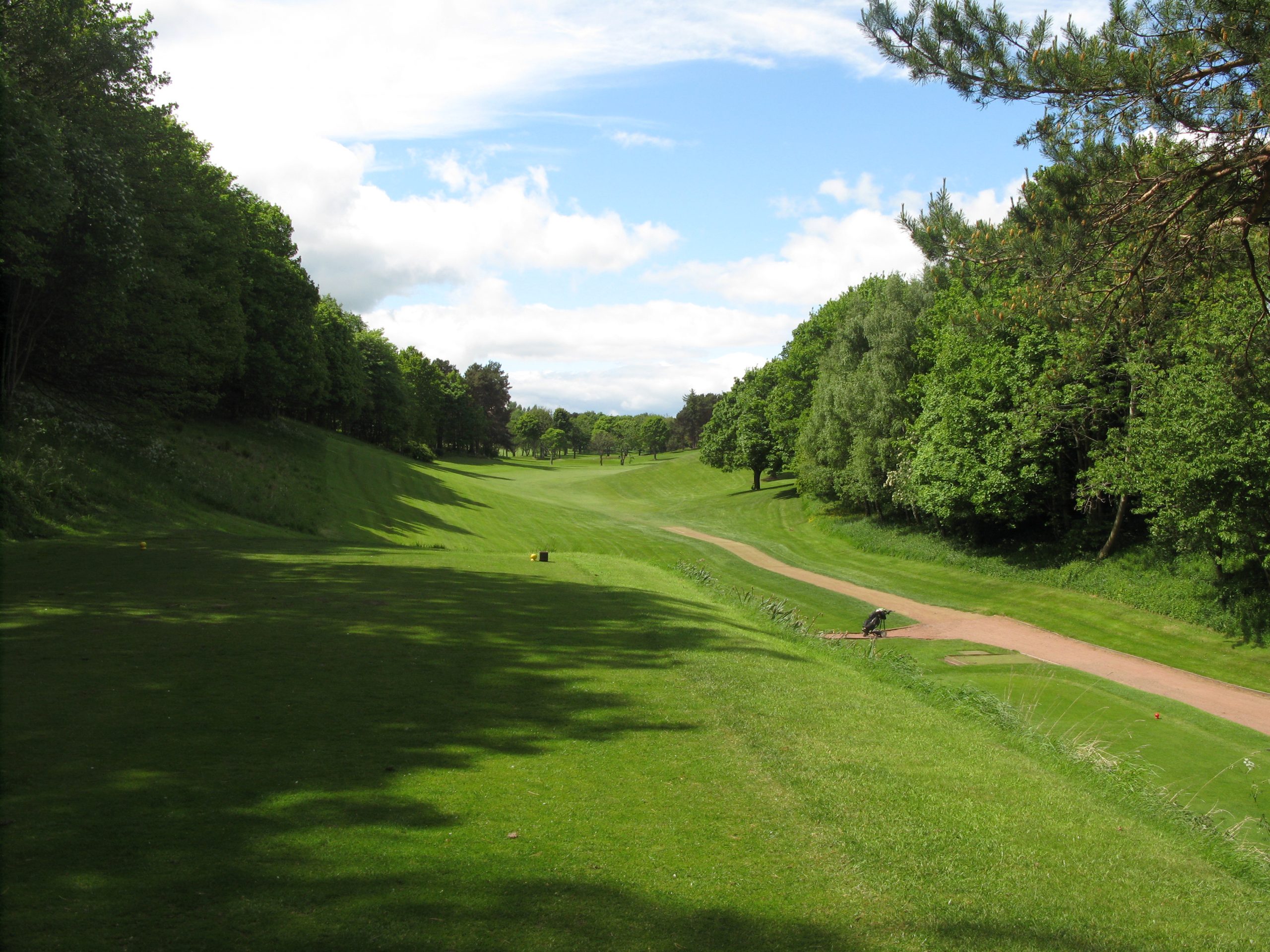
The justifiably chosen stroke index 1, par four, 5th hole, at well over 400 yards.

The course opens with a tricky par three, very untypical of a Braid Course, which normally has a straight forward short par four to get things going. The course character is further reinforced with the dog leg right 2nd, then a long par five into the prevailing wind. Playing to handicap through the first three is a challenge.
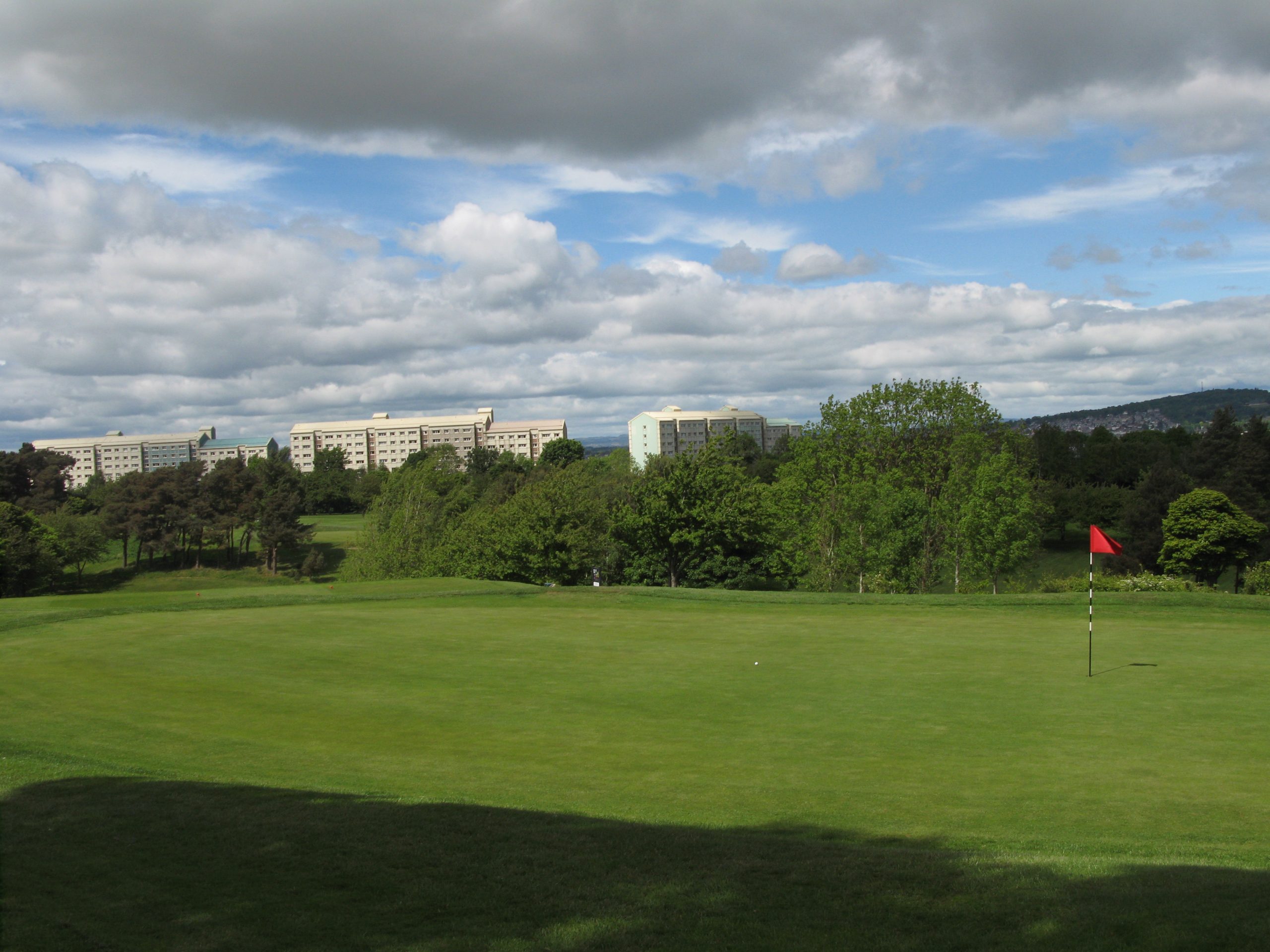
The 10th green, with the dominating views of Wester Hailes housing estate. Many of the holes could be named “Wester Hailes”

With several more undulating and dog legs, I was very surprised by the Slope Rating of only 113 (yellow), but I guessed this may be due to its relatively short length and the fact that there are no – yes zero – fairway bunkers. This bunker situation makes me question the validity of Braid’s involvement in the design, as he placed so much emphasis on this element of architecture. If anyone knows of his exact involvement, that would be interesting.
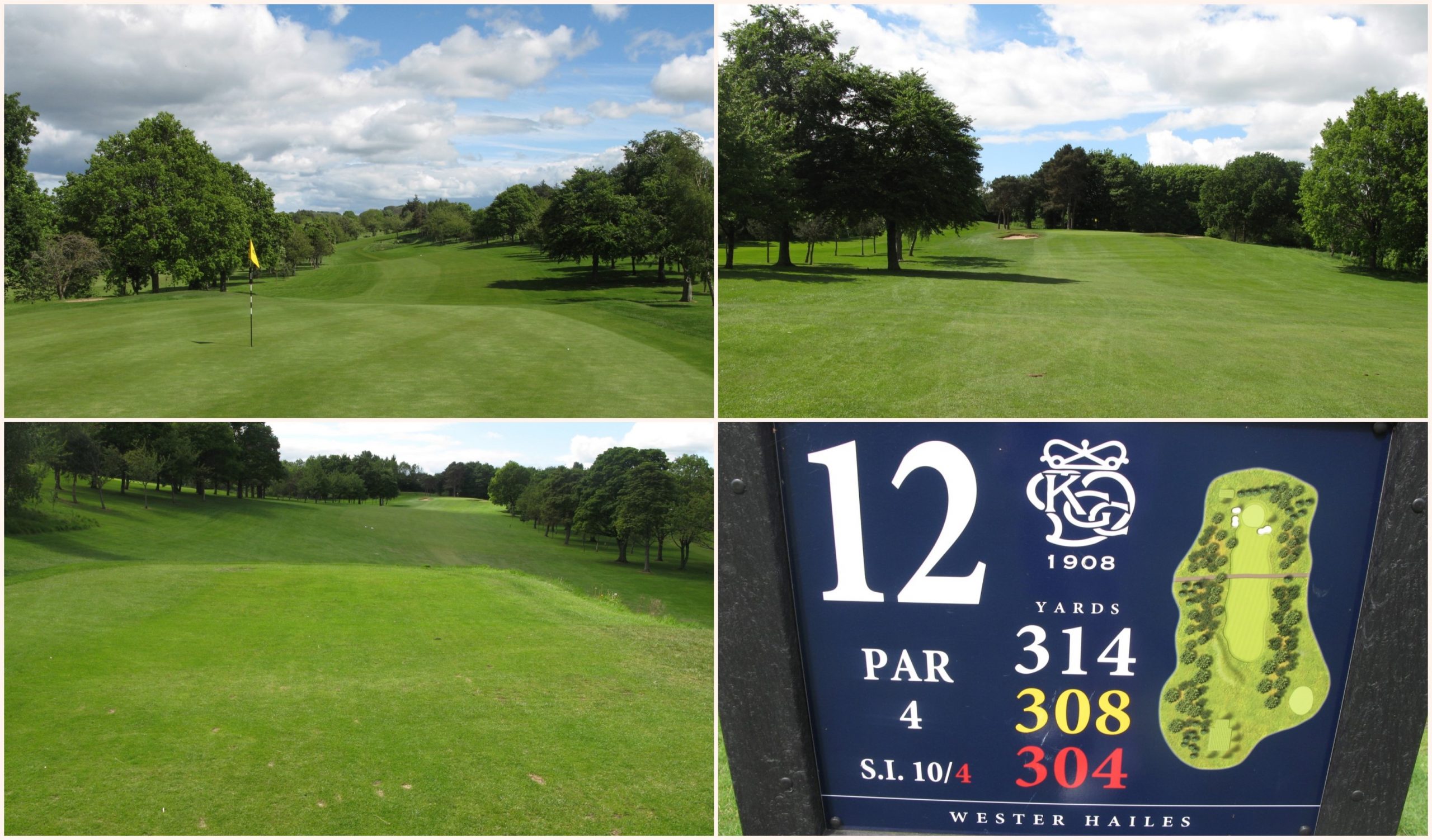
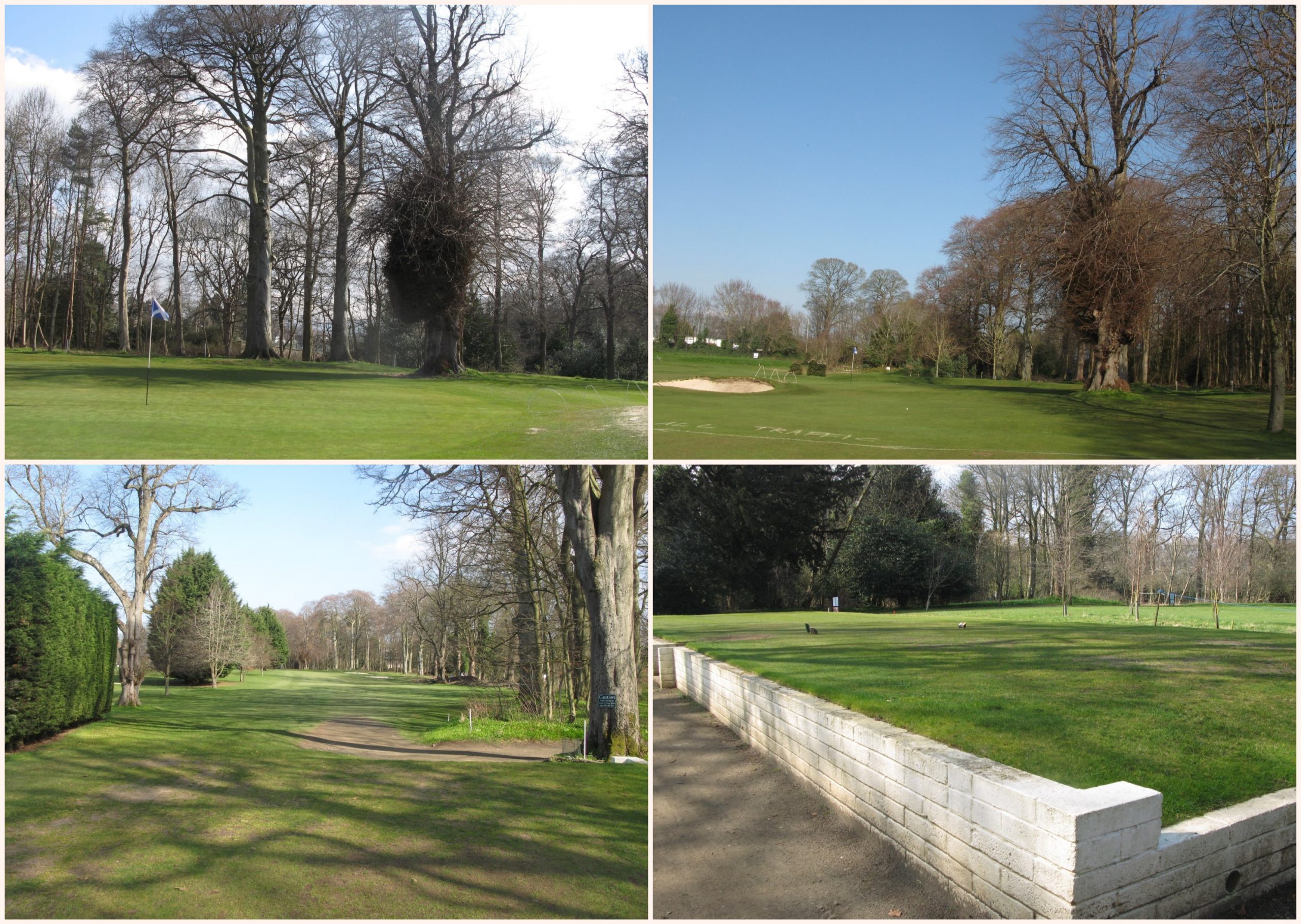
The actual “Wester Hailes” hole, 12th par 4, surprisingly not the one with most views of the estate.

Another great social change, is highlighted at the 12th, “Wester Hailes”, a mid length par 4. Named after the revolutionary housing development immediately to the north of the course, the social housing is actually visible on a great number of the holes. The large and formidable wrought iron boundary fence, tells only a fraction of the story.

Following slum closures elsewhere in Edinburgh, in the 60s, Wester Hailes, a development of over 4000 homes was to be one of the most ambitious housing projects in Europe. It transpired within 20 years into a haven of crime in which parts of the development were referred to as “Vietnam”. The Edinburgh News writes about “How a field of Dreams turned into a Concrete Jungle“. The building of the housing required the culverting of the Union Canal.

Whilst the ‘polis’ were dealing with major crime one side of the golf course, just over the fairways sits Merchiston Castle, the last all male boarding school in Scotland. Such a contrasting start to life, so close to each other. I wonder what percentage of the membership is from Wester Hailes?
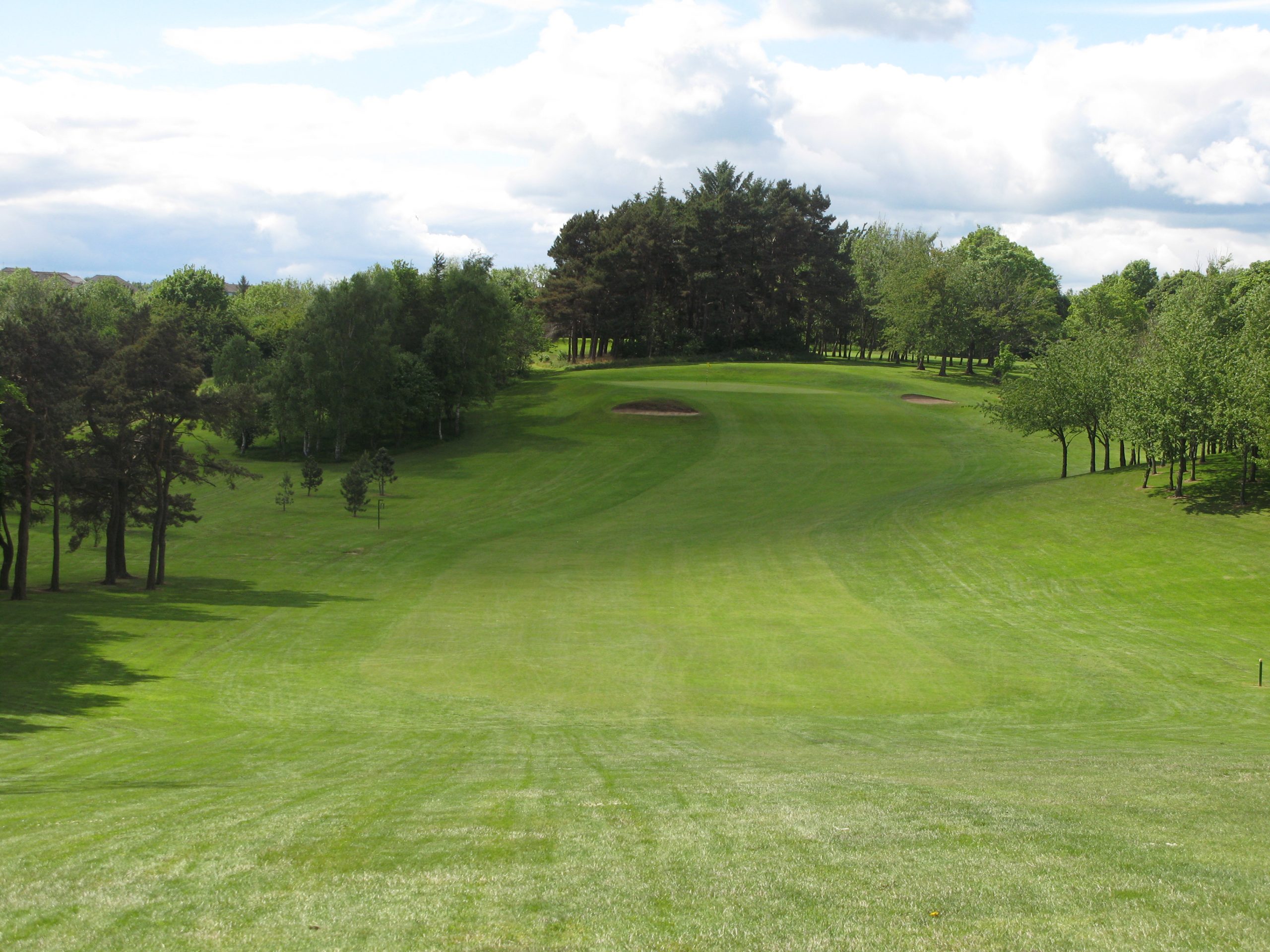
17th, “Plateau”, a short par 4, where like many I suspect I grossly under-clubbed with my second shot. Take 3 more clubs.

Back to the golf – tree lined, but not interfering too much, Kingsknowe, with its fine clubhouse, serves as a excellent society day. It’s is very well priced for visitors, I got a rate of only £22 through Golfnow, but the full summer fee of £35 still represents excellent value.

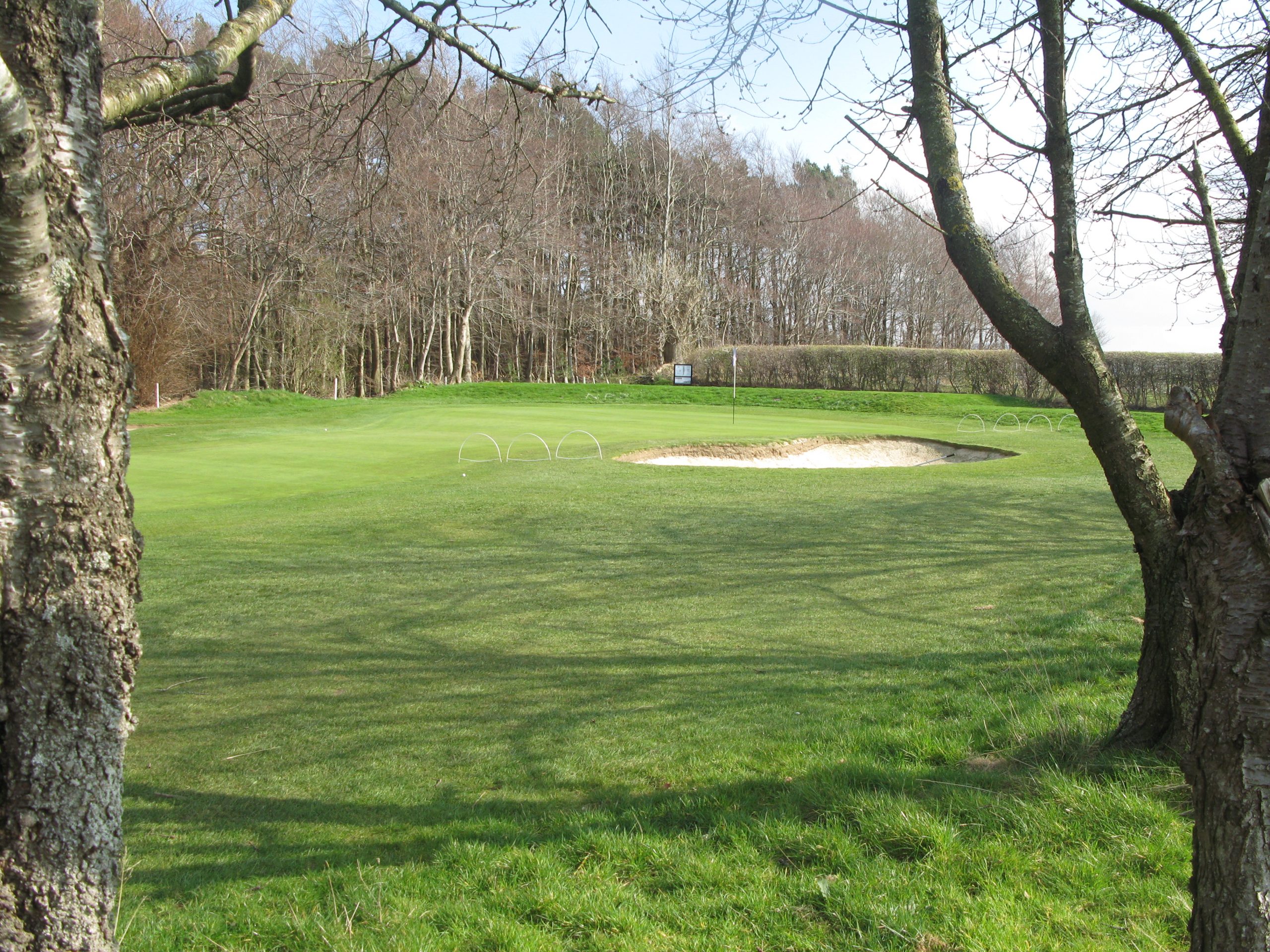
The course was in excellent condition, especially the teeing grounds. The greenside bunkers were great, highlighting the lack of fairway bunkers hadn’t diminished the green keeping skills.
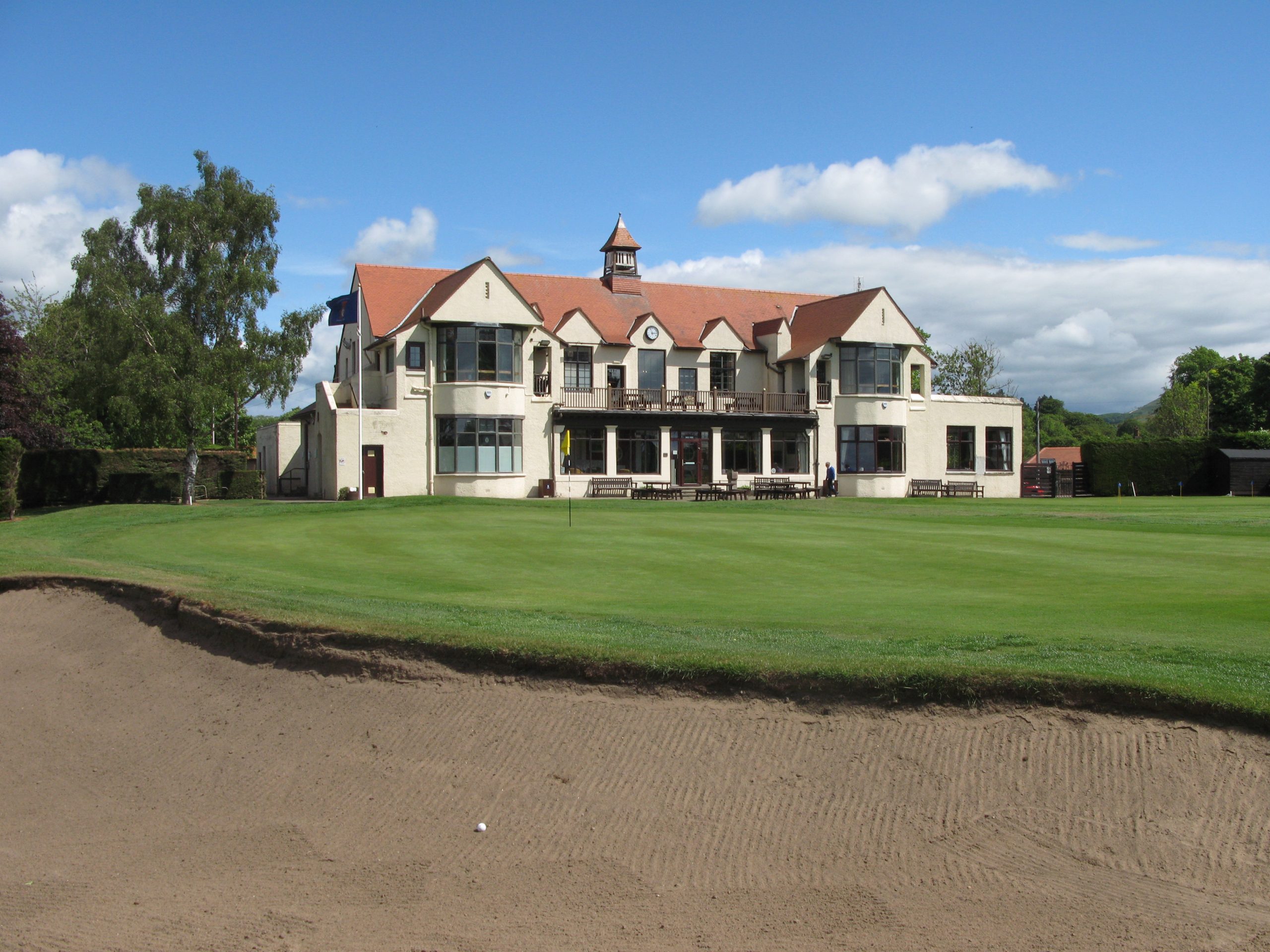
The magnificent clubhouse as a backdrop to the welcoming 18th green.

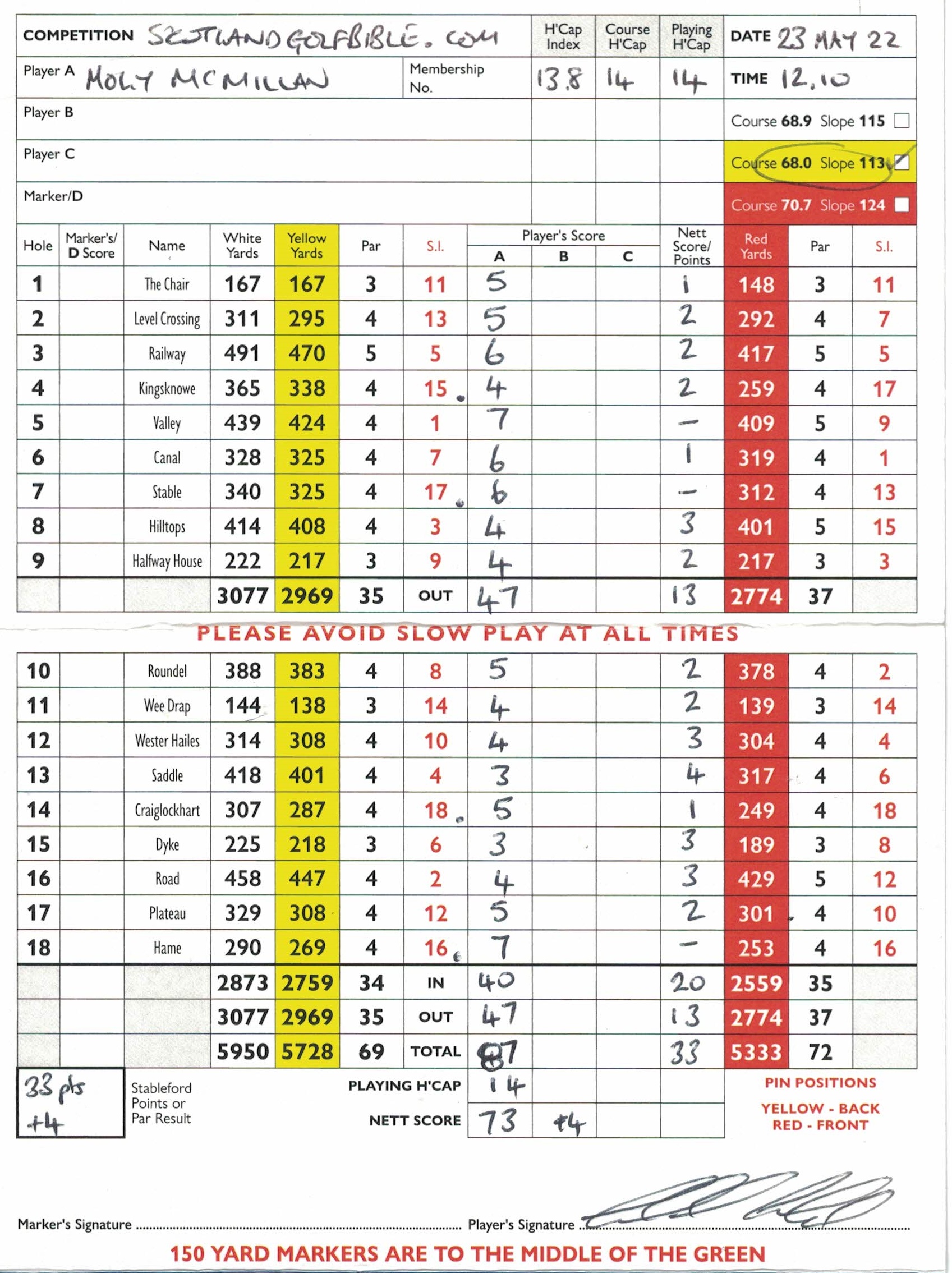
In a very high wind, up to 30 mph, I shot 87, four over net. This included almost driving the short par 4 finishing hole, but ending in a small copse left of the green. I won’t describe the rest of my play in recording a 7, but still came back in 40 shots.

Well worth playing at this well manicured and highly enjoyable course, where the hole names are also worth taking note with their clues – “Wee Drap”!

Course Type: Parkland

Par 69 (1 par 5s, 13 par 4s, 4 par 3s)

Distance: 5728 (yellow)

Moly’s Gross score87

Moly’s Kingsknowe scorecard, 87. Good back nine of 40, including a tripple bogie on 18th!

133. Gogarburn. 25 Mar 22.

This 12 hole course next to Edinburgh airport feels like what you would build if you could afford your own golf course

Round £17.50. Par 70. Course Rating / Slope Rating (yellow) 64.4/111. Value (out of 5) – 5

Gogarburn golf course is located very close to both Edinburgh airport and the headquarters of the Royal Bank of Scotland (RBS). RBS was around the year 2000 the “largest bank in the world”, but infamously came tumbling down as part of the 2008 Global Banking Crisis, triggered by the ‘unknown’ amount of sub-prime mortgages held on its books. Iain Martin’s excellent book “Making it Happen: Fred Goodwin, RBS and the Men Who Blew Up the British Economy” exposes the excesses of bankers which contributed to the crisis.

I mention this, because when I played Gogarburn, a quite delightful 12 hole course, it felt like it would be the sort of ‘spending excess’ that Fred Goodwin, the RBS CEO, would have built in his back garden. I was a bit disappointed to find it had never been owned by RBS, but I still strongly suspect that Fred must have tried to buy it at some point, as he was a great lover of golf and used the banks money to sponsor his golfing hero, Jack Nicklaus.

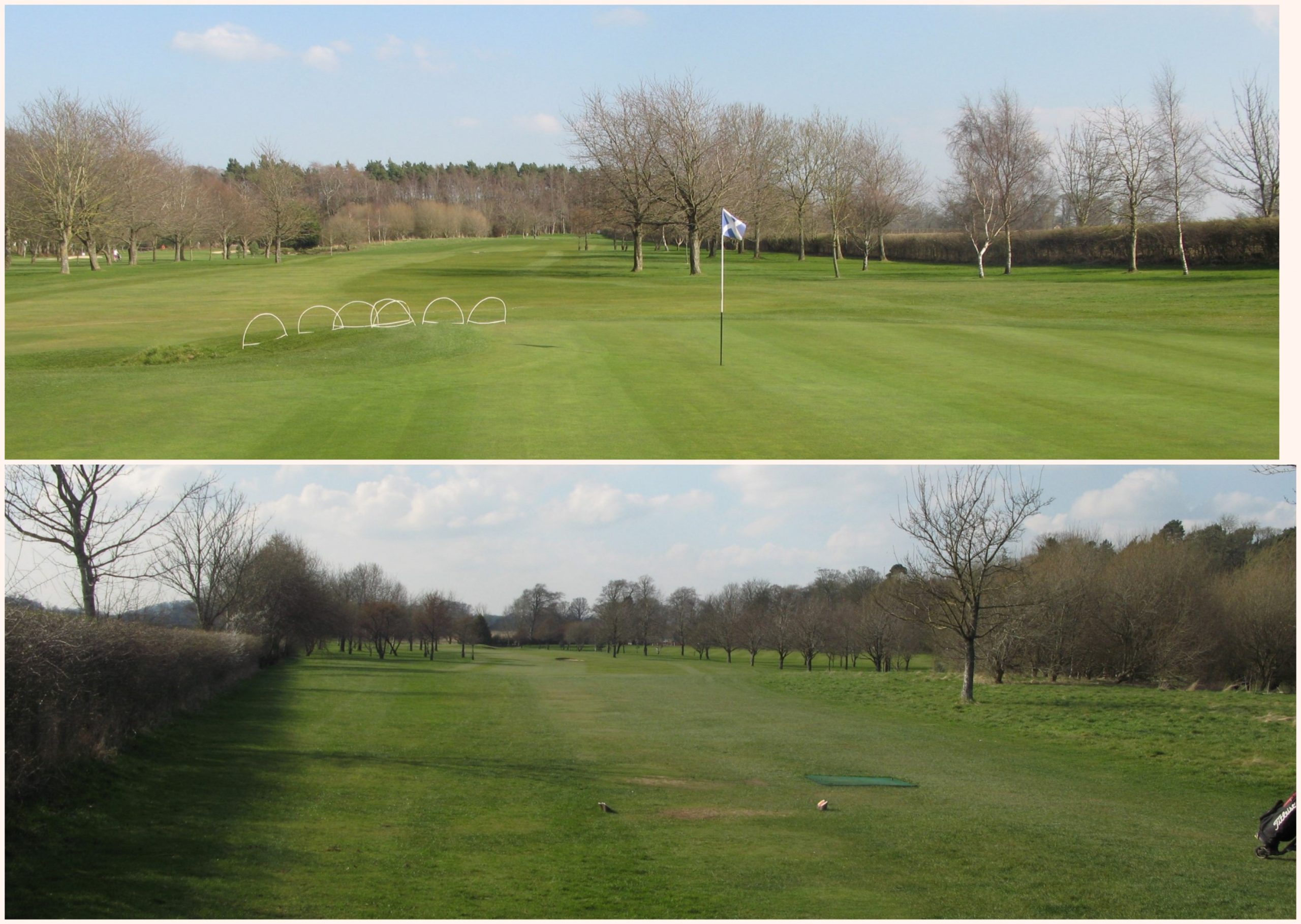
The stunning second hole at Gogarburn, a delightful par 4. Short, at 273 yards, but full of danger.

The golf course sits on the former 18th century Hanley Estate grounds, which had been in use as a hospital since 1948, and was actually created by some local hospital workers for their own leisure in 1977 with 9 holes, then extended in 1983 to the current 12 hole layout. So it wasn’t only bankers that overstepped their work boundaries!

The par four 5th hole at Gogarburn, another hole where an iron or hybrid off the tee makes sense.

The course is laid out in very mature and varied parkland, and has a clever layout, whereby 18 holes are played in competitions by using holes 6 through 8 once, and all the others twice. It would make for a lovely and easy walk for non playing partners.

Its not long, as the slope index would suggest, but it has some narrow channels to drive through, so don’t be fooled otherwise you’ll really rack up some big scores. Take hybrid or irons off the tee, or drive straight.

The pretty green at Gogarburn’s 11th, a good par three of 166 yards

Some of the short par 4s are technically drivable, but are cleverly protected by very narrow green entrances between bunkers. For example, the 259 yard, par four 3rd hole, has only nine yards between the greenside bunkers – although the ‘easiest’ hole, you need to take care. The greenside bunkering, with excellent sand, is one of the good features of this course.

The finishing hole at Gogarburn, the longest hole at 379 yards, and stroke index 1.

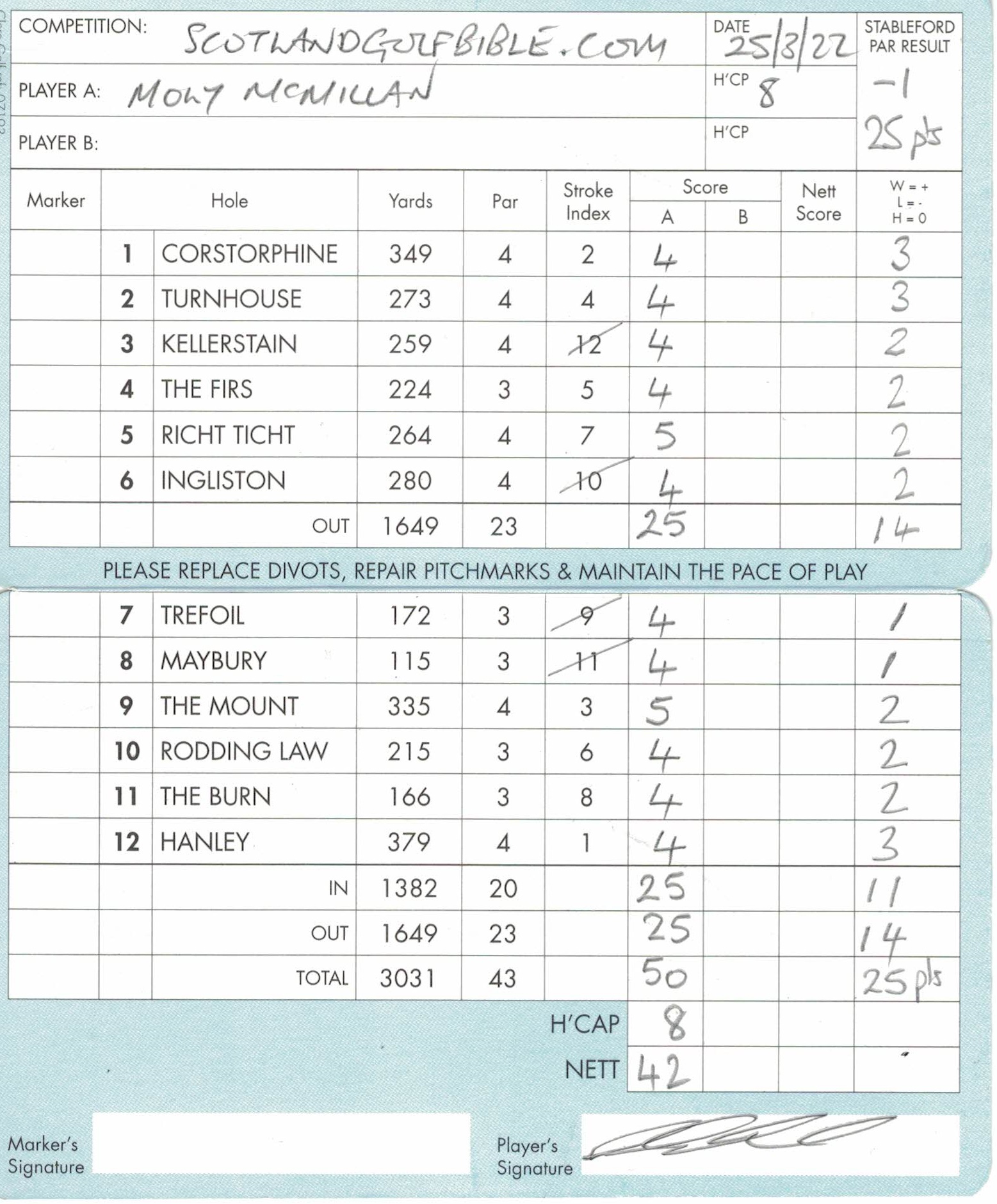
My round of 50, 7 over par, was made up of 5 pars and 7 bogies. I played very well and really enjoyed playing this course; not because of my score, but because of the all round condition and layout.

It’s brilliant value, especially at the discounted rate I paid of only £13 using the ClubV1 booking system; it’s still 5 star value at the £17.50 rack rate. A good place to practice your wedge game, but don’t get complacent. Overseas visitors might try and use it to overcome jet lag!

Course Type: Parkland

Par 43 (7 par 4s, 5 par 3s)

Distance: 3031 (yellow)

Moly’s Gross score50

Gogarburn card. Played well for 50, just 7 over gross.

128. Longniddry. 28 Sep 21.

High architectural pedigree at this well rated, but over priced, course that is a tale of two very different surrounds. Is this a camel I wonder?

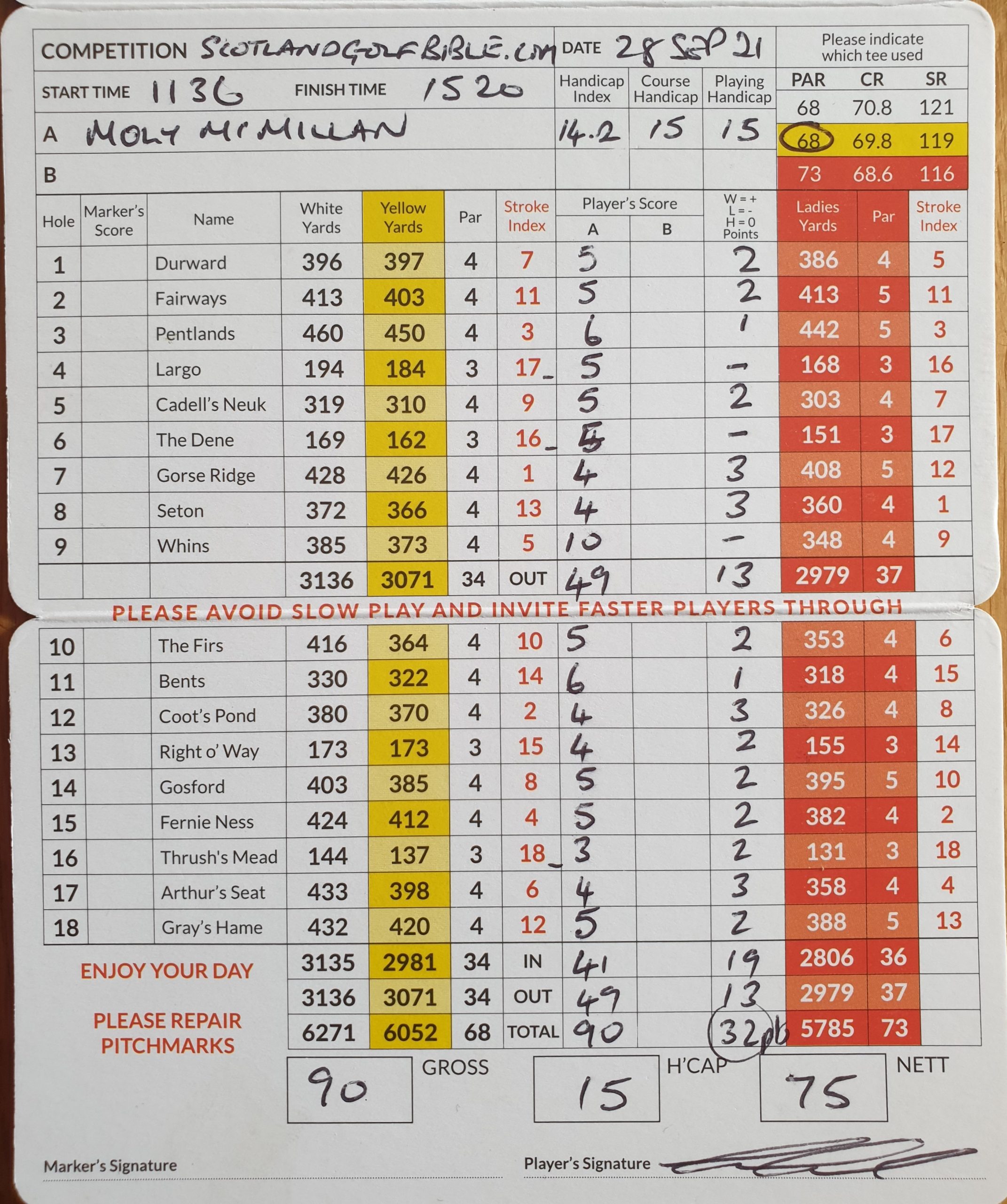
Round £75. Par 68. Course Rating / Slope Rating (yellow) 69.8/119. Value (out of 5) – 3

Sometimes expectation can get the better of you. I’d read that Longniddry, one of the courses along the so called “golf coast” of East Lothian, had been designed through its evolution by no less than four of the worlds best course architects.

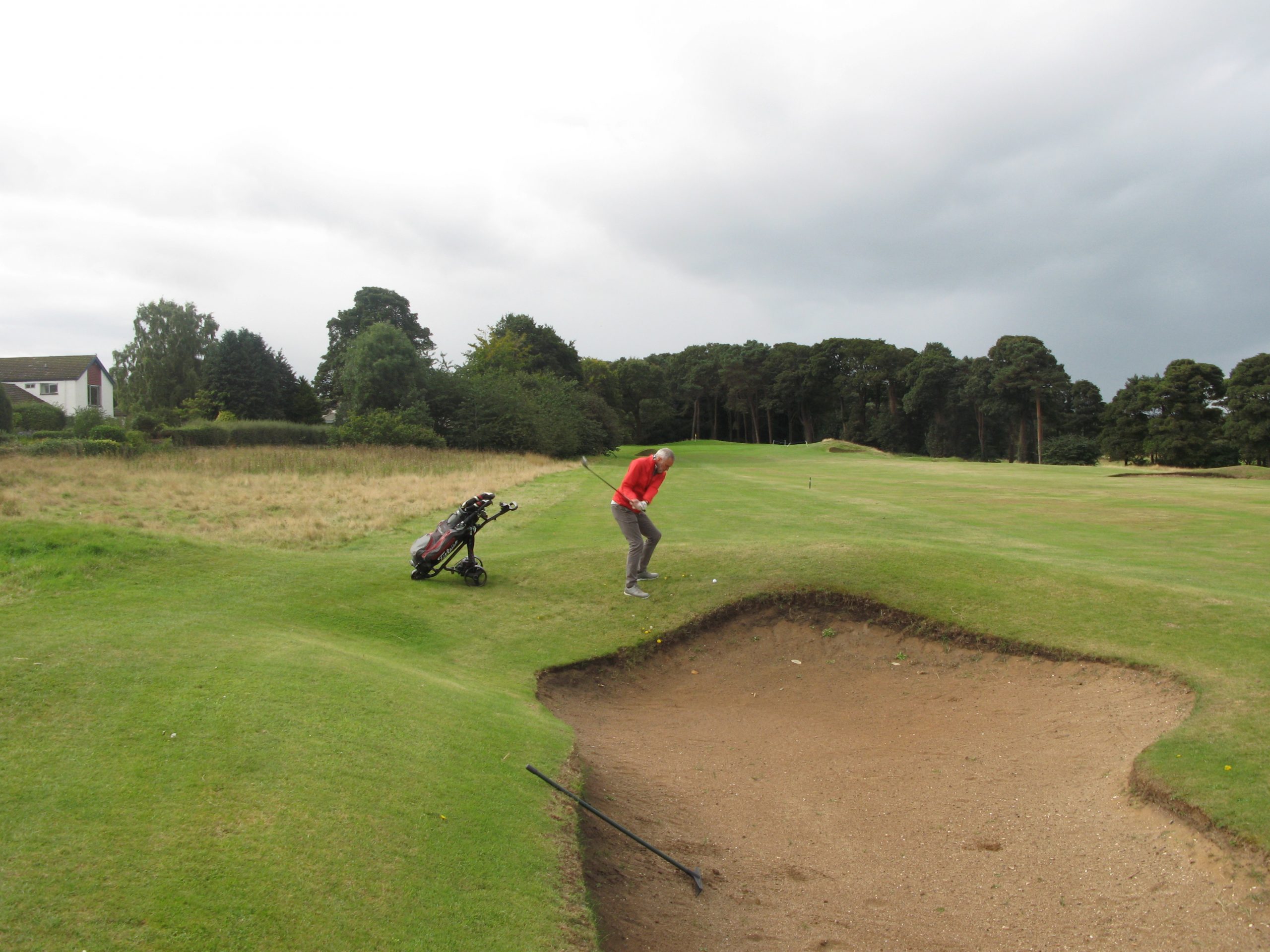
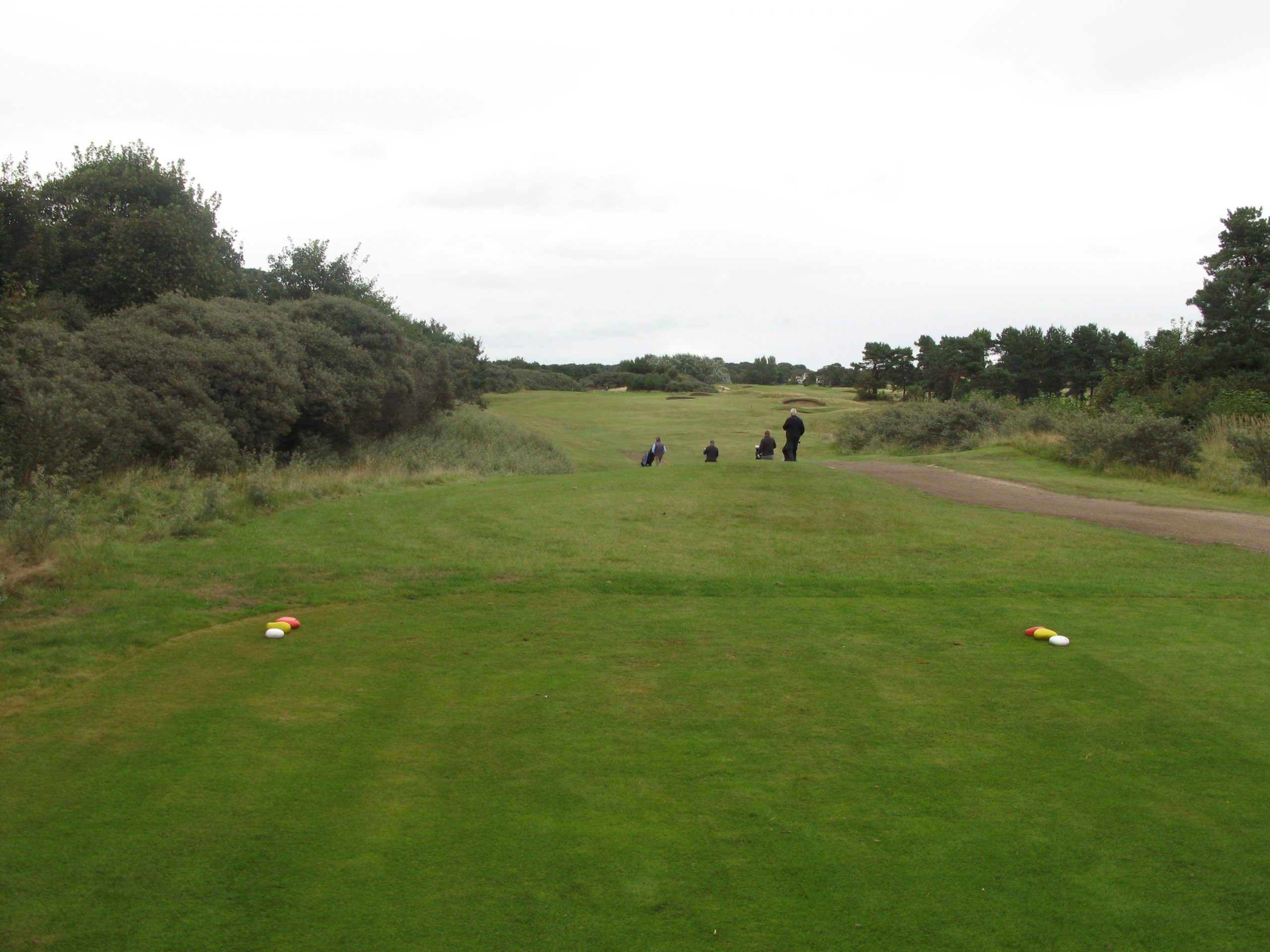
Gordon at the first. Lucky to miss the bunker off the tee, he sadly played his second into trouble to the left (see the bushes!). Always a great start:(

Harry Colt laid out the initial design in 1921, with subsequent adjustments by James Braid, Philip Mackenzie Ross and, finally, Donald Steele. That’s quite a pedigree.

Sir Alec Issigonis, designer of the original Mini motorcar, said, “a camel is a horse designed by committee.” The meaning was intended to convey how groups can be an ineffective method of development. Alternatively, “Too many cooks..” could also be used, in the same context.

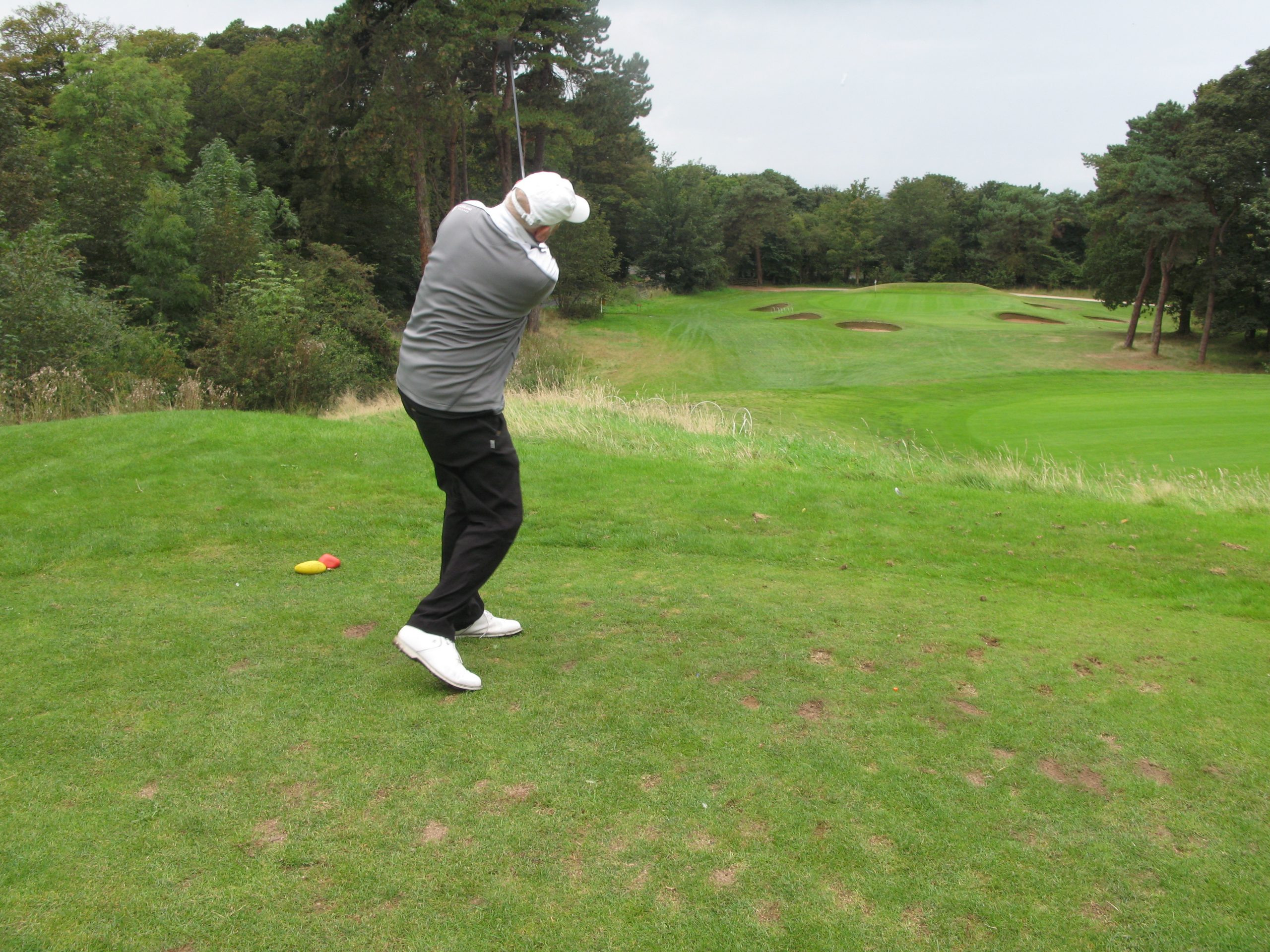
Brian, again displaying his well coached follow through, here at the par three 6th hole, surrounded by greenside bunkers. I think all 4 of us might have been bunkered here – teamwork:).

These comments came to the fore of my mind when playing Longniddry, along with three good friends with whom I had worked with at Apex Scotland, a not for profit organisation dedicated to supporting people with convictions find work and improve their lives.

The plateaued 5th green, with bunkering awaiting the misjudged approach shots.

Set in the affluent village of Longniddry, only 20 minutes by commuter train to Edinburgh, the course occupies a relatively contained acreage, and has many £1m++ houses adorning several fairways. It is a heavenly place to reside for golfers. But the impression is that Longniddry is not a stuffy place, and one of the few “Golf Coast” upper rated courses that allow booking and discounts through the Golfnow app. That is to be applauded, but it can backfire a little; after booking a round at £75 a head with the clubhouse, I found out about a week before that tee times very close to ours were available at only £50 – on phoning up to challenge our fees, it must be said the club responded well. I do recognise the difficulty for clubs, especially when third party marketing app tee time pricing is sometimes controlled by the club, sometimes by the app marketers direct.

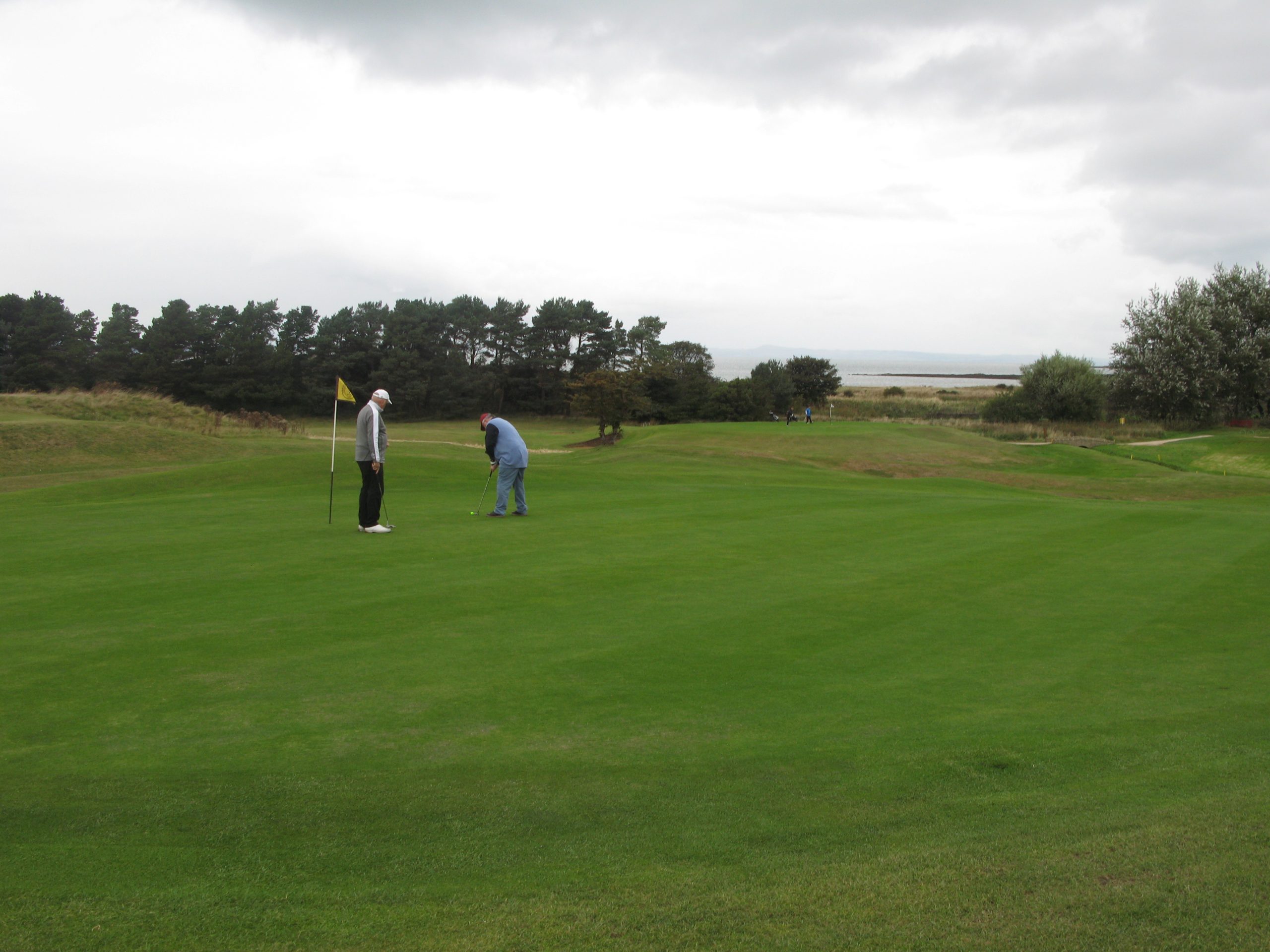
Frank putts out on the 173 yard uphill par three 13th, with backdrop of the Firth of Forth.

The course is very interesting. It has wide fairways, making for a relatively straight forward game off the tees, especially as the fairway bunkering is not as penal as some of its Lothian neighbours. The green surrounds are at times a real challenge, especially at the four par threes, where I lost count of the number of greenside bunkers. Unfortunately, the bunkers were still suffering (sic) from the Pandemic, like much of the population. If you plan to play Longniddry, spend a bit of time practicing your bunker play.

The par four 11th hole at Longniddry the start of the more ‘links’ feeling holes.

The fairways were fairly decent when we played on a lovely late September day. But the teeing grounds needed a little more care. The greens were good and clearly well watered.

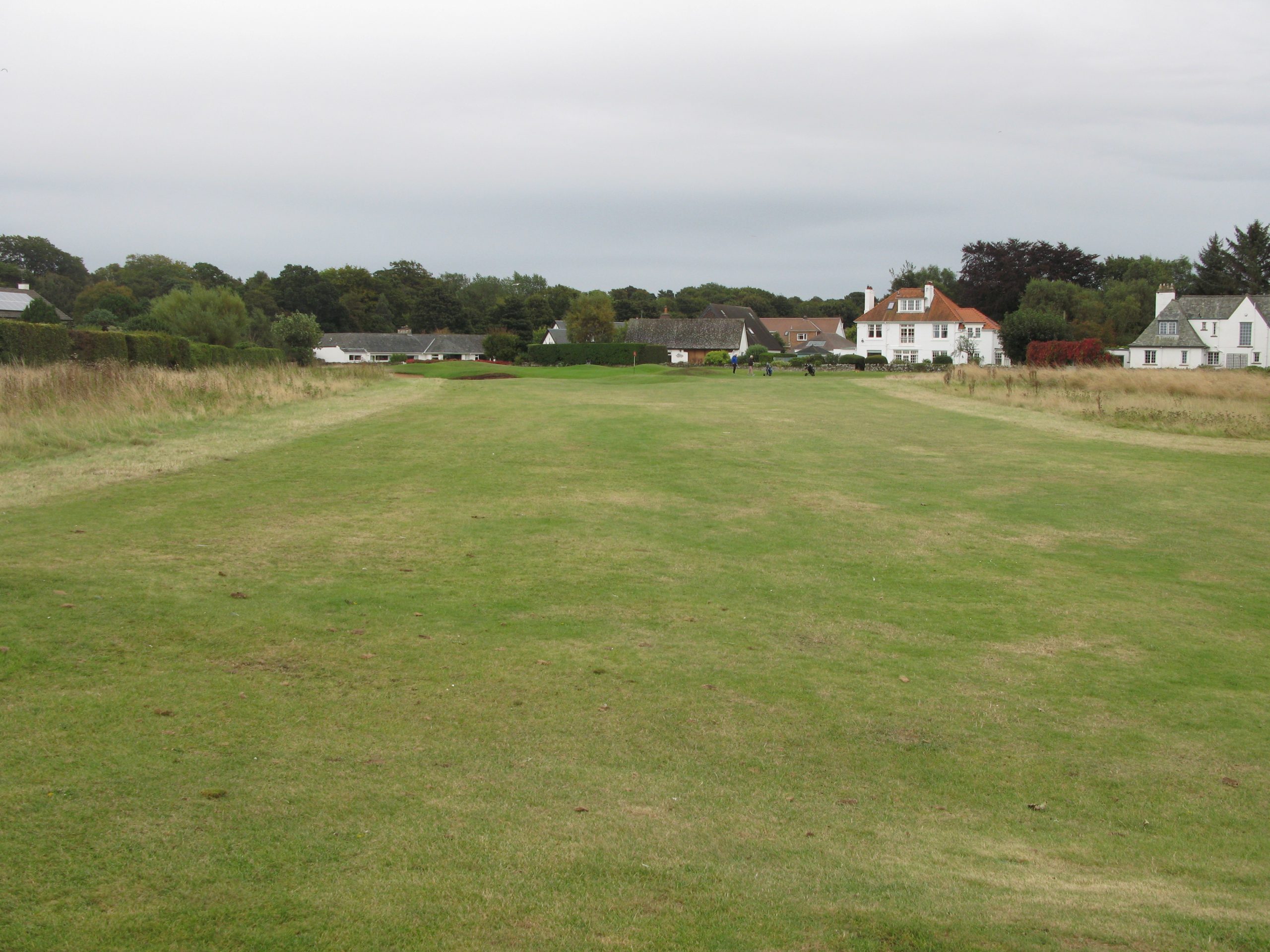
The layout is a tale of two quite different environs. The course was created largely by carving out an area from the Boghill Wood, and holes 5 through 10, in particular feel like a woodland course. From 11 onwards the course opens out into a much more traditional links land layout with most holes with gorse in play.

The tough par four 7th hole at Longniddry, in the tree lined section of the course – stroke index 1.

The course is quite long at over 6000 yards from the yellow tees, given that it is a par 68. The real question I have, architecturally, is why none of the renowned architects after Colt said, “what about extending a couple of longer par 4s to make par 5s”, getting the par to (say) 70. Without this, you are left with 14 par 4s, with precious few birdie opportunities for the higher handicappers. The 17th/18th, both challenging par 4s of well over 400 yards, could relatively easily be altered, as could the long par four 3rd at 450 yards. I’m certain it must have been a debate down the years.

The short 16th hole with some of the residences of the well heeled in the background – I suspect that’s envy on my part?

The stoke indices also seemed to not reflect the difficulty. For example, the well bunkered par 3s, being labeled as the 4 easiest holes (not so, surely!), and the last, a long par 4 at 420 yards (yellow) being only stroke index 12? It would be intriguing to get the membership views on this.

There were two stand out holes for me:

> The 5th, a dog leg left par four of only 320 yards, with the approach played to a green on a plateau fronted by two mass grave like bunkers. Stay well right with the drive, and commit to at least one extra club on the approach. Its the most un ‘links’ like hole.

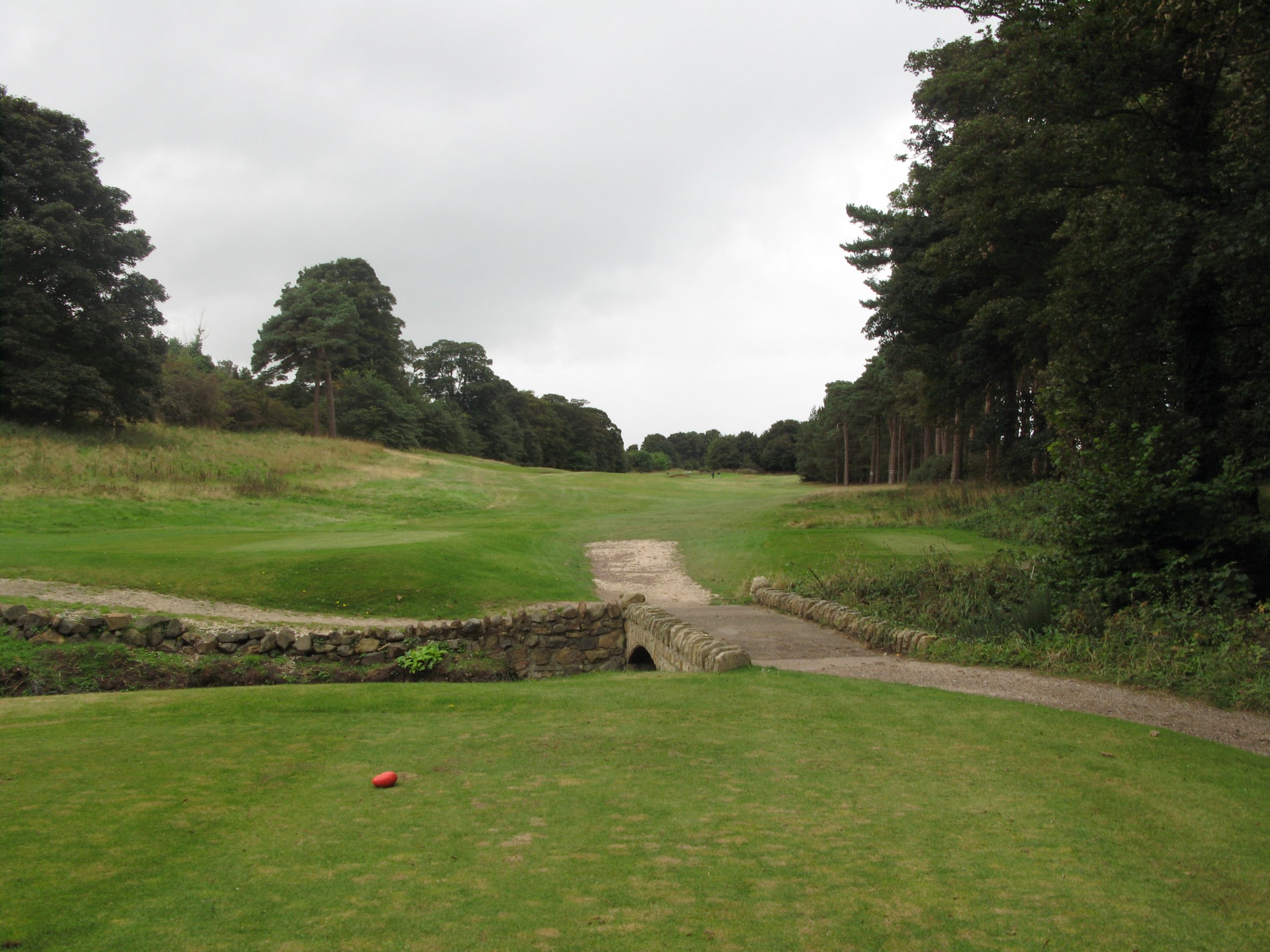
The cleverly designed par four 14th hole, where the burn comes into play for all but the longest off the tee. Good green complex.

> The 14th, a difficult par four, where only the long hitters can confidently drive over a ditch at around 200 yards, but the downhill fairway means that even a hybrid might run into the ditch. Then the approach is uphill to a carefully set green with difficult slopes.

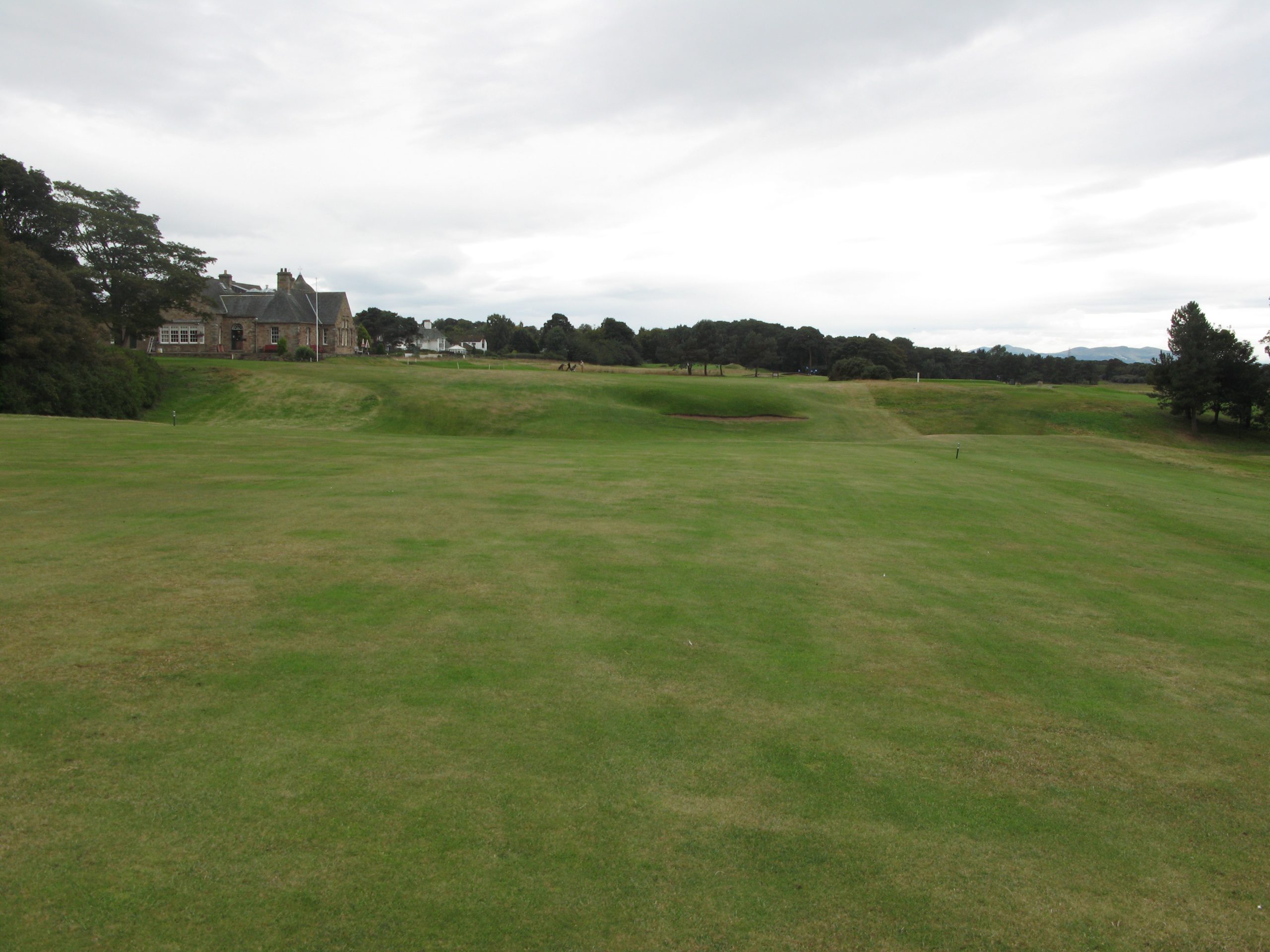
The nice clubhouse awaits at the 18th – a demanding finish, more difficult than the SI of 12, in my opinion.

I played pretty well. After a 10 at the ninth, having been in trouble on both sides of the fairway, I came back in 41 (7 over), to actually win our small stableford competition. The winner was meant to get their meal paid for after by the other 3, but a number of my colleagues had to rush off, quashing my opportunity to milk any praise. But I’ve not forgotten!

Finally, going back to the camel proverb. A camel is actually a highly efficient design for its environment, in which horses would soon die. You can make your own mind up about the course being a camel or not.

Finally, finally. It is reported that Mary Queen of Scots played in the area of Longniddry. But how so, I say, when the location of the course was previously the Boghill Wood?

Course Type: Parkland/Links

Par 68 (0 par 5s, 14 par 4s, 4 par 3s)

Distance: 6052 (yellow)

Moly’s Gross score90

Moly’s Longniddry scorecard – a 90 with an excellent 41 on the back 9; but, a 10 on the 9th!.

127. Winterfield. 26 Sep 21.

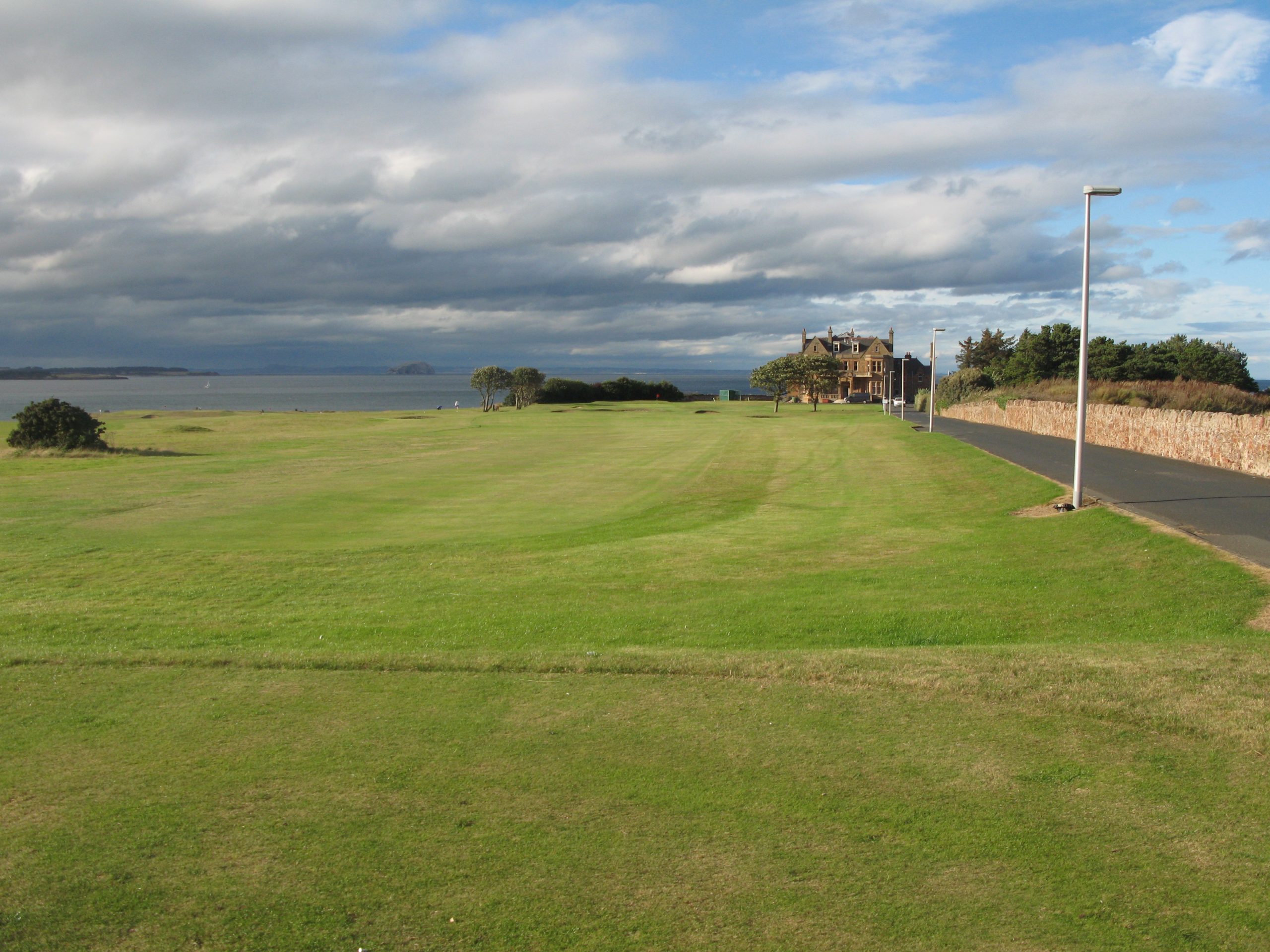
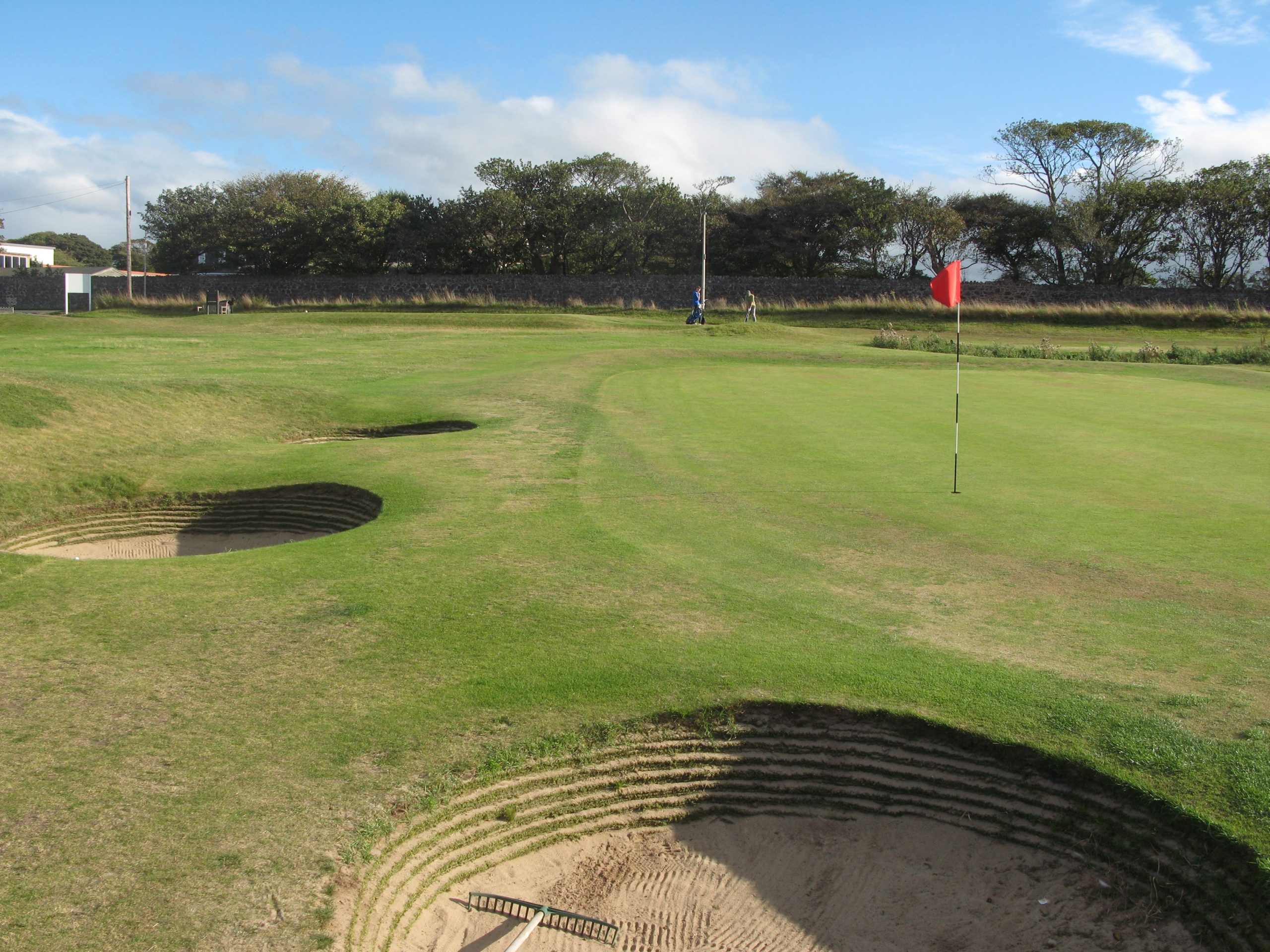
The greens might be the firmest in Scotland – any fast bowling attack would like them!

Round £31. Par 65. Course Rating / Slope Rating (yellow) 63.2/103. Value (out of 5) – 4

When I played Winterfield golf course, on a blustery, but warm, late September day, certain questions and thoughts kept going through my mind:

  • This is the most fun golf I’ve had in years.
  • The West Indies fast bowing heroes of my youth could bowl on these rock hard greens!
  • Tiger Woods couldn’t get near this pin – it’s impossible!
  • This is mickey mouse golf!
  • How can this be assessed as a 103 slope rating, with 4 par 3s well over 200 yards?
Fran at the very difficult par 3 opening hole, which is a par 4 for the ladies.

Winterfield golf course is located in Dunbar on the “golf coast” of East Lothian. Overshadowed by the magnificent Dunbar golf course, which is also known as the “East Links” course in Dunbar, Winterfield is close to the “West Links” area of Dunbar where golf is first recorded as being played in 1616. Therefore, there is arguably a greater historical story with Winterfield, albeit the course was only established by the local town council in 1935, without any note of the course designer in the club website.

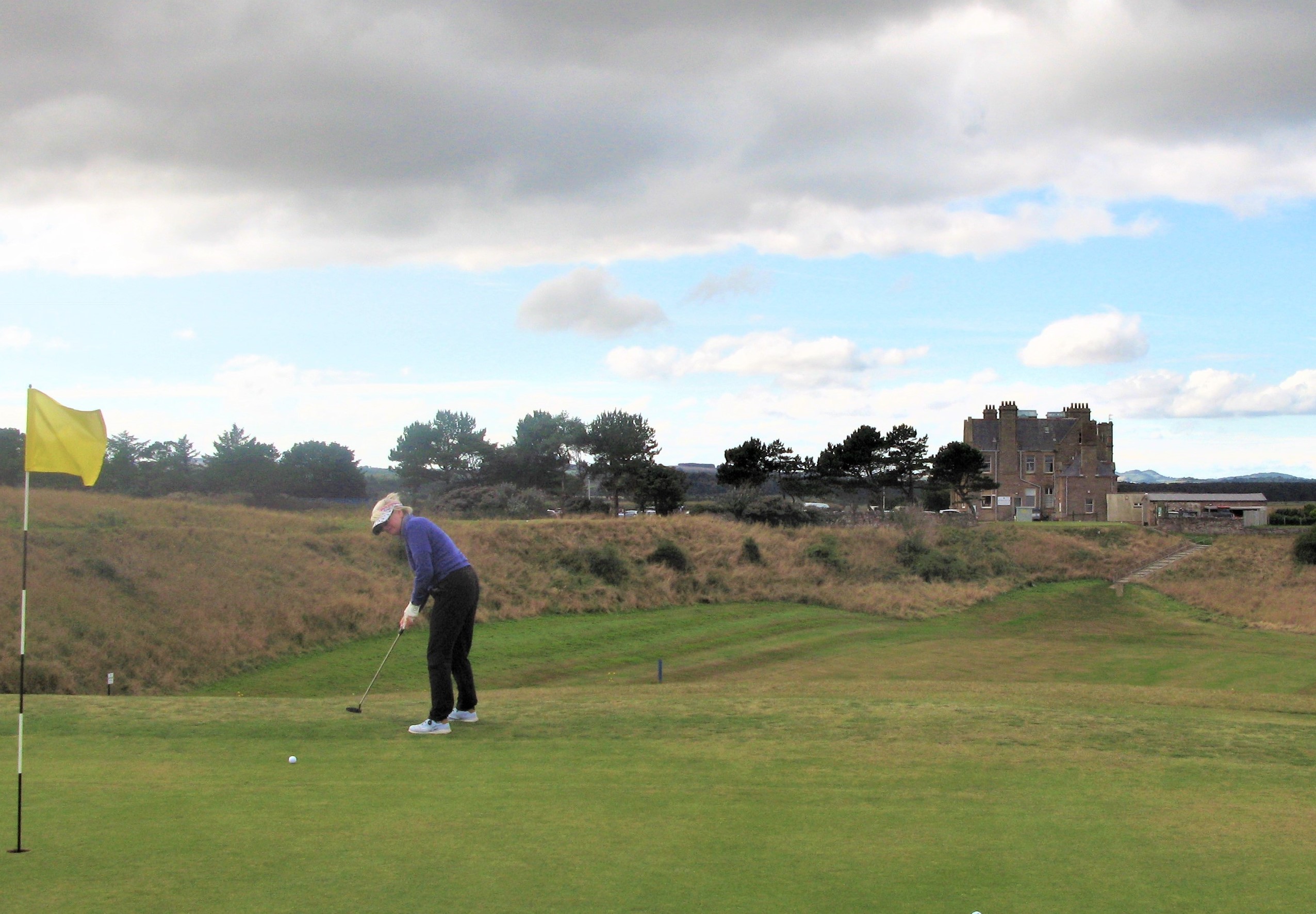
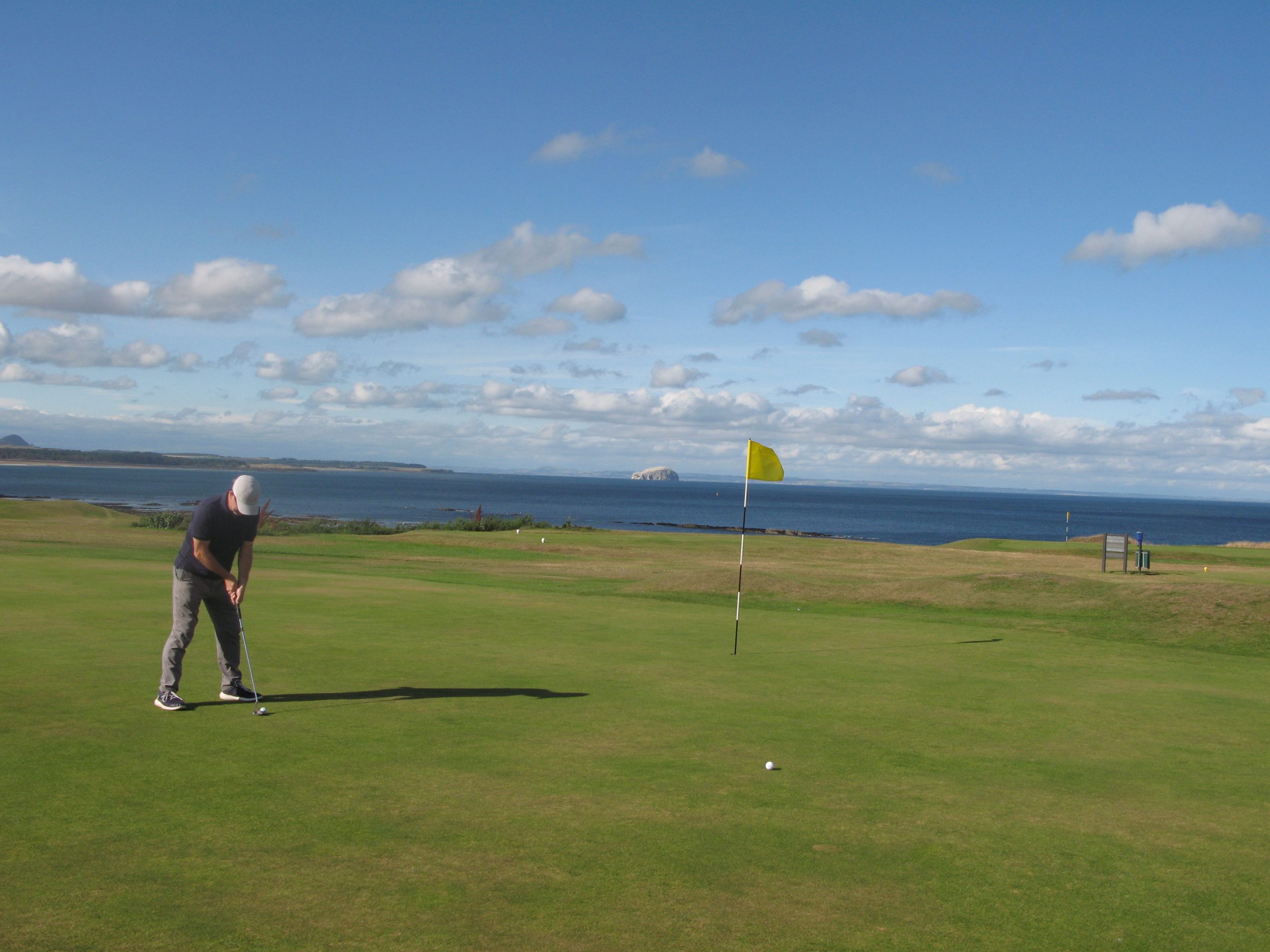
The Bass Rock dominates the backdrop of the 5th green, where Moly was putting for birdie (missed!).

The golf course sits on a beautiful piece of ‘links’ land around the fine clubhouse, called St Margaret’s House, which is home to the “Fairways” restaurant.

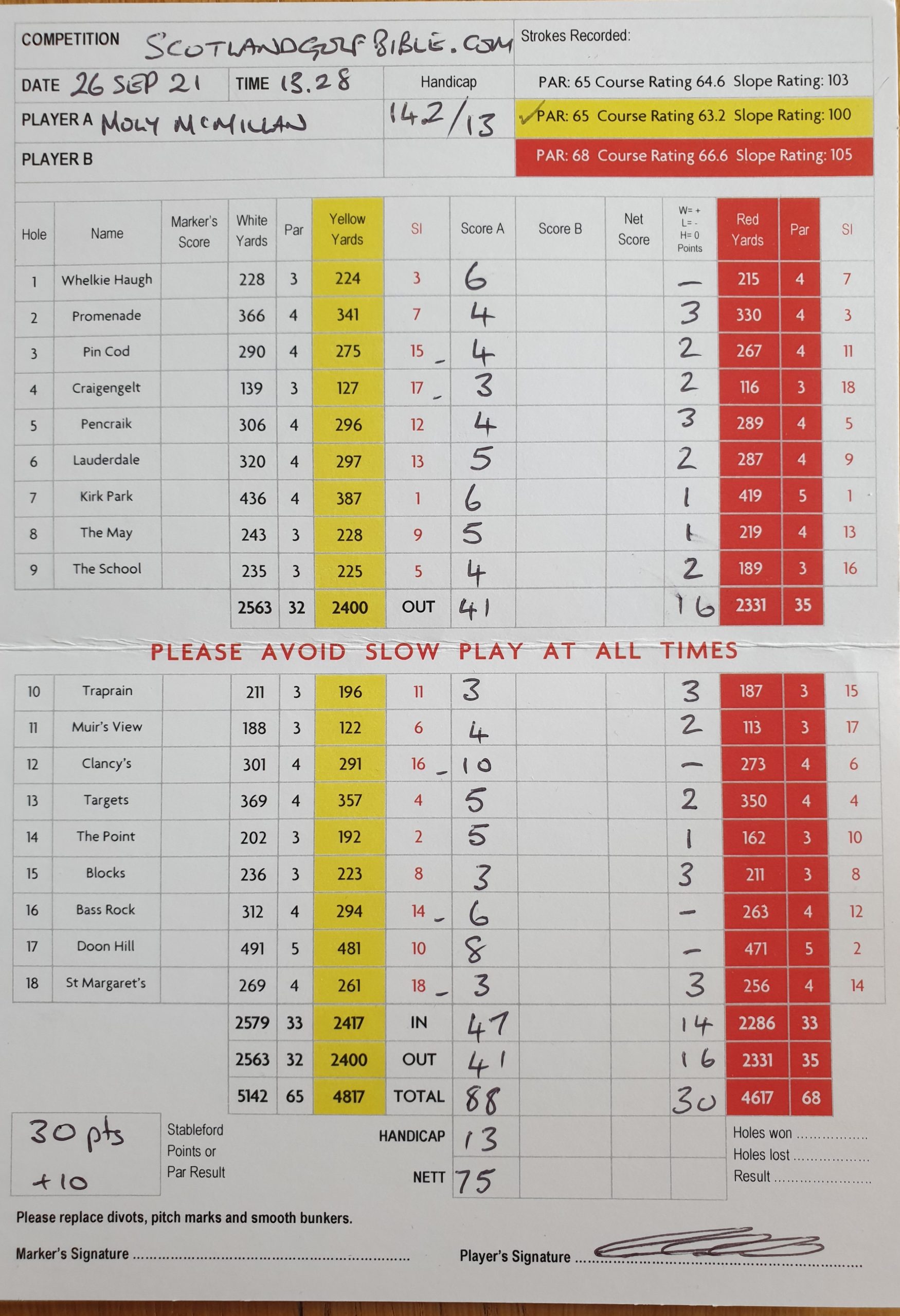
The 18 hole course is not long, at only 4817 yards from the yellow tees most visitors will use. However, the slope rating of only 103, belies the real challenge of the course. It has some of the toughest and long par 3s in the area, starting at the opening hole which is 224 yards long, over a long carry. It deserves the Stroke Index 3 rating. Play the first hole as if a par 4, and be happy with a bogie is my advice, as the holes 3 through 6 is the easiest stretch on the course and enable you to get under your handicap; the long par four 7th, SI 1, will challenge the best and has the most difficult green on the outward 9.

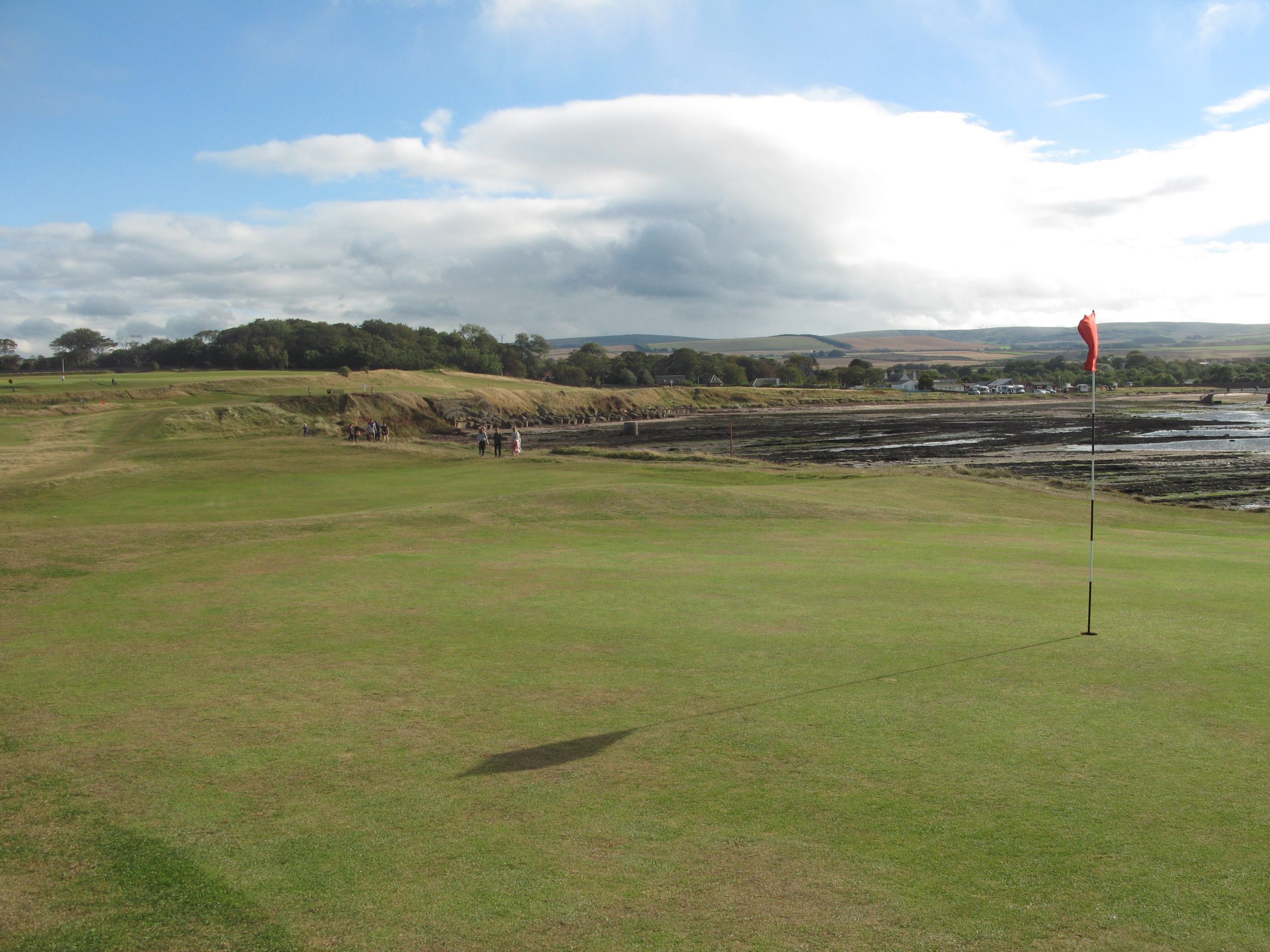
The wonderful par three 14th hole “The Point” (192 yards from yellow), here pictured from behind the green towards Dunbar Beach.

The back 9 is where the course presents the coastal challenges, with a number of the holes skirting Dunbar beach. No more so than at the aptly named “The Point”, the long par three 14th hole. With a very strong wind and fast running fairway I played a 9 iron (normally my 115 yard club) to the front of the green at the 192 yard hole! I four putted for a 5!

The last of the par 3s – the long 15th at 223 yards (yellow). The wind helped Moly reach the green here.

There are fantastic views views across the Firth of Forth towards The Kingdom of Fife, with the Bass Rock headlining the vistas. It is a nice walk for any non playing partners.

If you want a low cost links experience and challenge, in non stuffy surroundings, Winterfield is an ideal venue. But this is no easy holiday golf course and only the very top golfers will par many more than half of the par 3s on this course. The club also boast of a number of members who went on to play top amateur or professional golf.

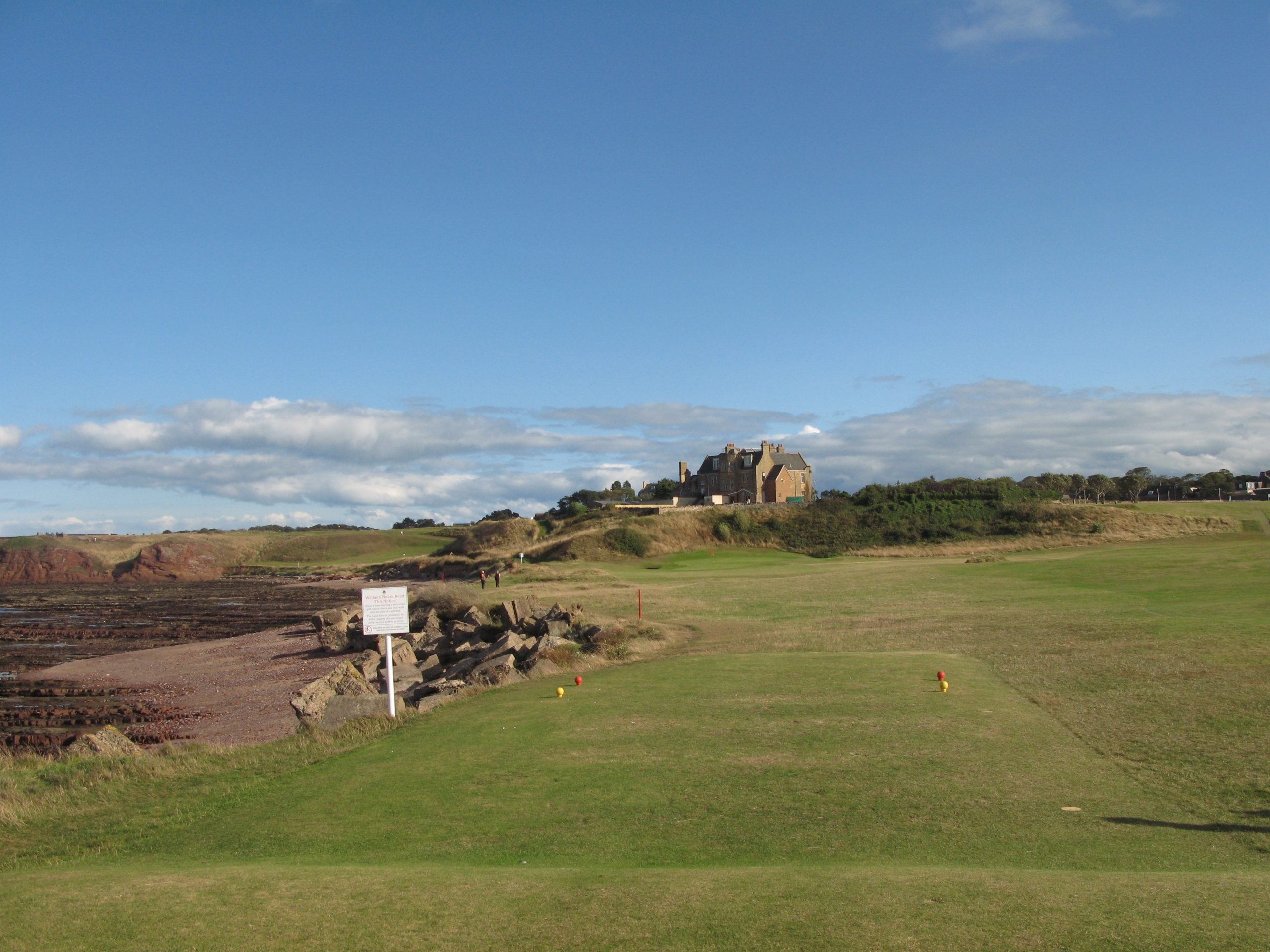
The 18th, a short par 4, with St Margaret’s house in the background.

I felt I played well for my 88, which although 10 over net, was 30 stableford points. The greens were treacherous; very dry and fast, impossible to get any check spin on. The positions of the pins were also very difficult. The green side bunkering is also pretty tricky, and you should try and navigate away if you can.

There is tough bunkering at Winterfield, here shown at the par five, 17th hole; where the tough pin positions meant it was nigh impossible to flirt with the pins.

In summary, don’t be fooled by the slope index, which I imagine will adjust higher after several years data is compiled. I think if felt more like a 115 course.

Great value golf, but the hard greens devalue it a bit, hence only 4 rather than 5 for value.

Course Type: Links

Par 65 (1 par 5s, 9 par 4s, 8 par 3s)

Distance: 4817 (yellow)

Moly’s Gross score88

Moly’s decent round of 88, for 30 stableford points, including a 10 at the par four 12th hole!
« Older posts Newer posts »

© 2026 Scotland Golf Bible

Theme by Anders NorenUp ↑