A guide to green fee value for money

Category: 3 star (Page 2 of 7)

136. Troon Links (Darley). 29 Mar 22.

Modernity and Tradition collide full on at this South Ayrshire Council course, which exposes the real challenges facing Scottish Golf everywhere – if you become a local councilor, beware the “golf brief”

Round £dynamic – typically £37. Par 71. Course Rating / Slope Rating (yellow) 70.1/123. Value (out of 5) – 4

Scotland has a tradition of great municipal courses, some of the world’s best. However, green fees and subscriptions often don’t cover costs, taxpayers paying the deficit, making municipal golf a political hot potato.
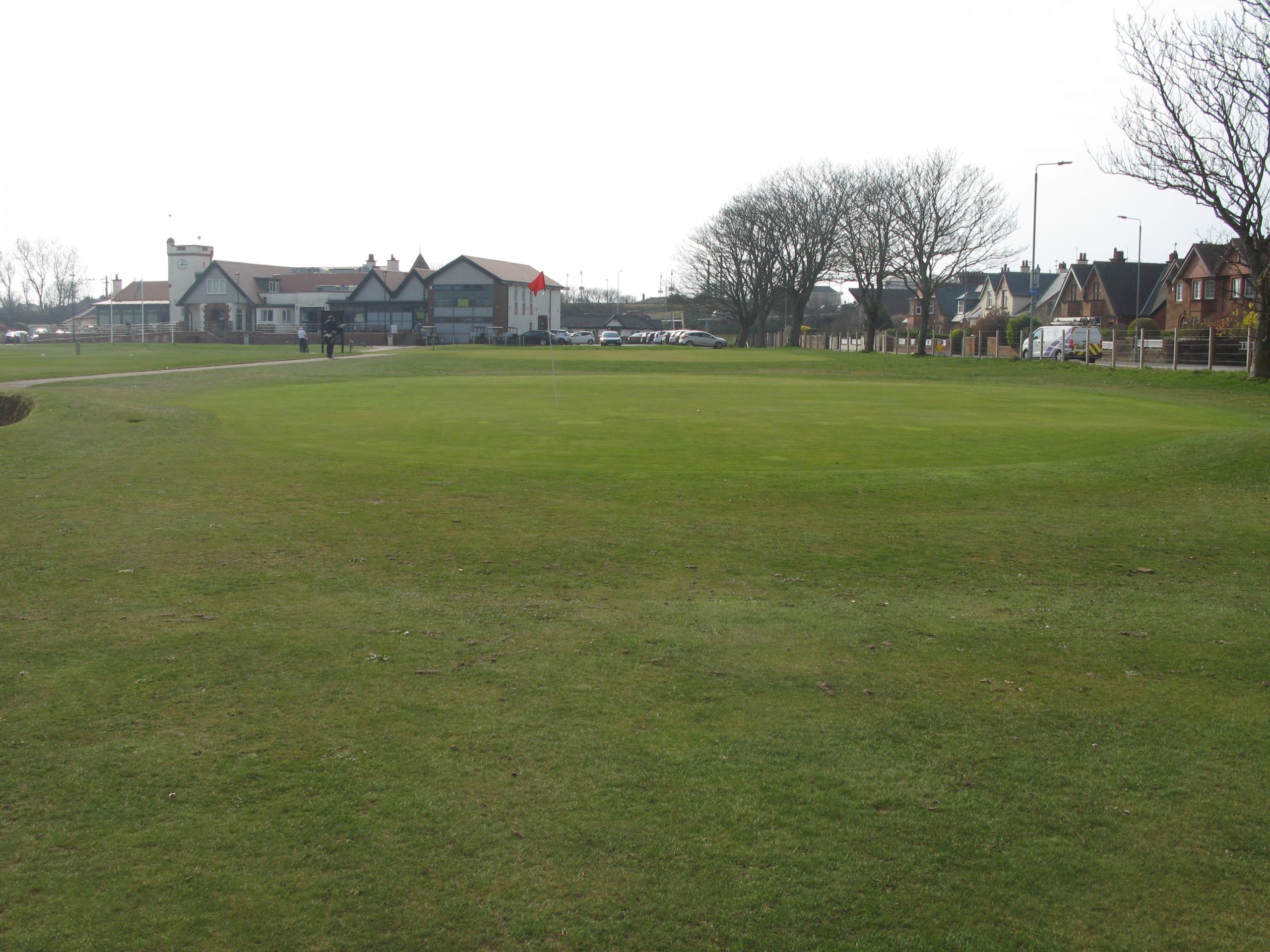
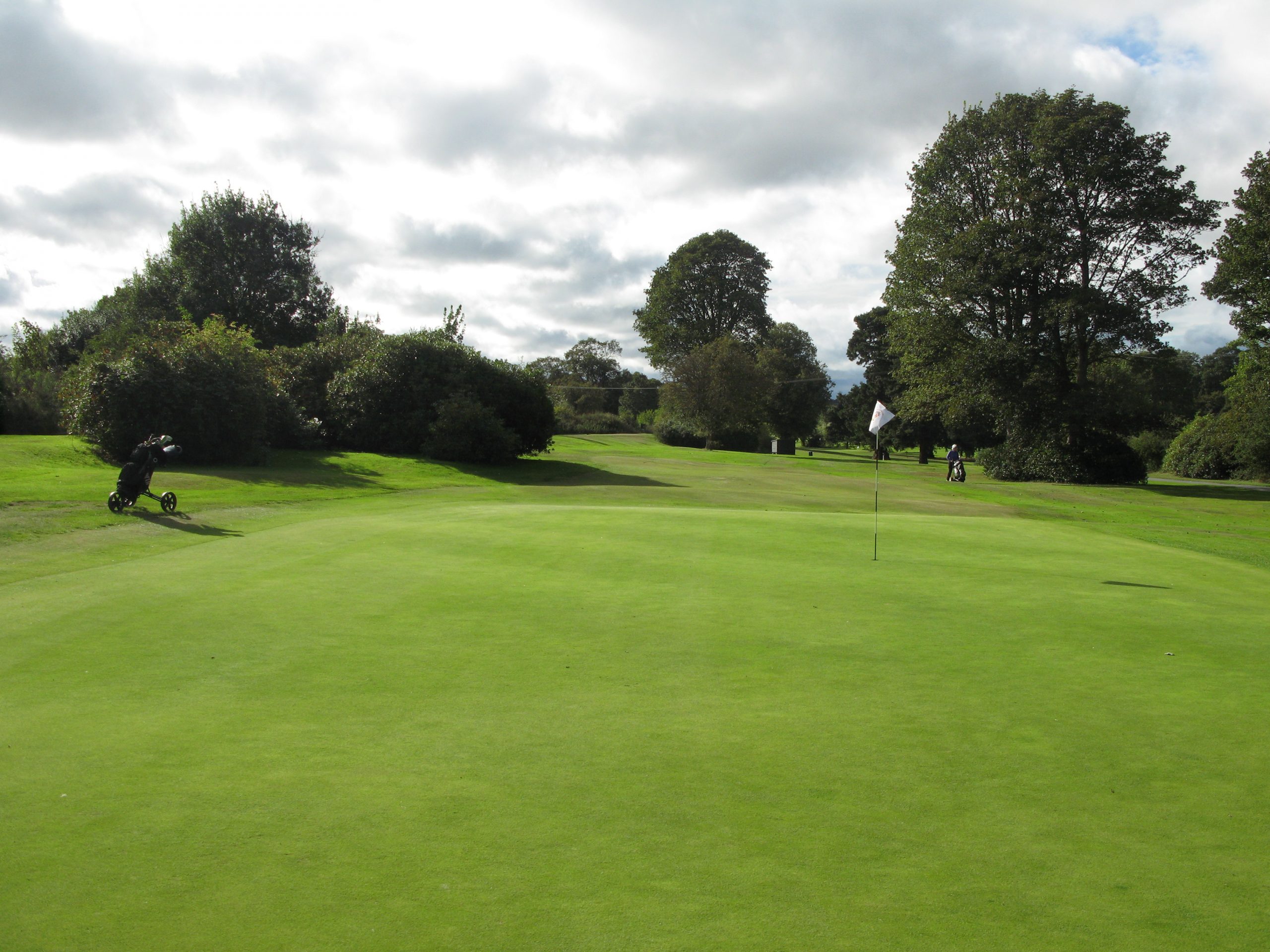
The 18th green at Darley with the impressive clubhouse serving the 3 Troon Links Municipal courses.

‘Golf South Ayrshire’ operates 8 municipal courses; Troon Links (Lochgreen, Fullarton, Darley), Belleisle Park Ayr (Belleisle, Seafield), Ayr Dalmilling, North Carrick Maybole, and South Carrick Girvan. In 2021 the Council’s new golfing strategy, to address a £300,000 annual deficit in the golf budget, resulted in annual 7 day membership to play all 8 courses rising by almost 50% to just over £500. This received extensive press coverage including “South Ayrshire golfers hit out at council’s ‘enforced changes’ to sport”, (Daily Record).
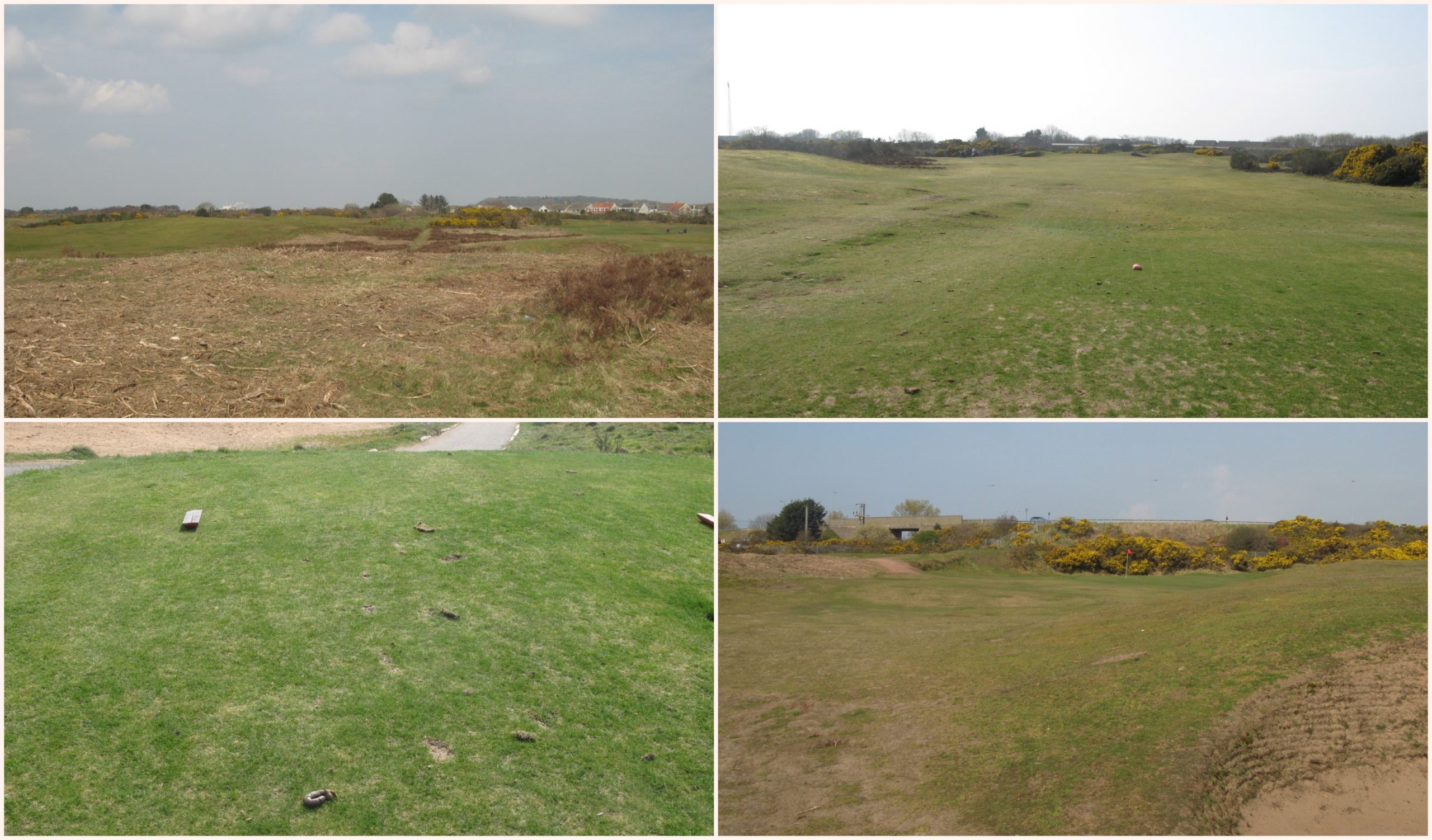
An overplayed and under cared for Troon Darley course.

In stark contrast, I recently visited Monteray in California, where a green fee at any one of the three headline ‘public’ Pebble Beach courses (Pebble Beach Links, Spyglass Hill and Spanish Bay Links) would have cost nearly $700. So, the price to play all eight Golf South Ayrshire courses as often as you want in a year, is about the same as a single green fee at a Pebble Beach course.
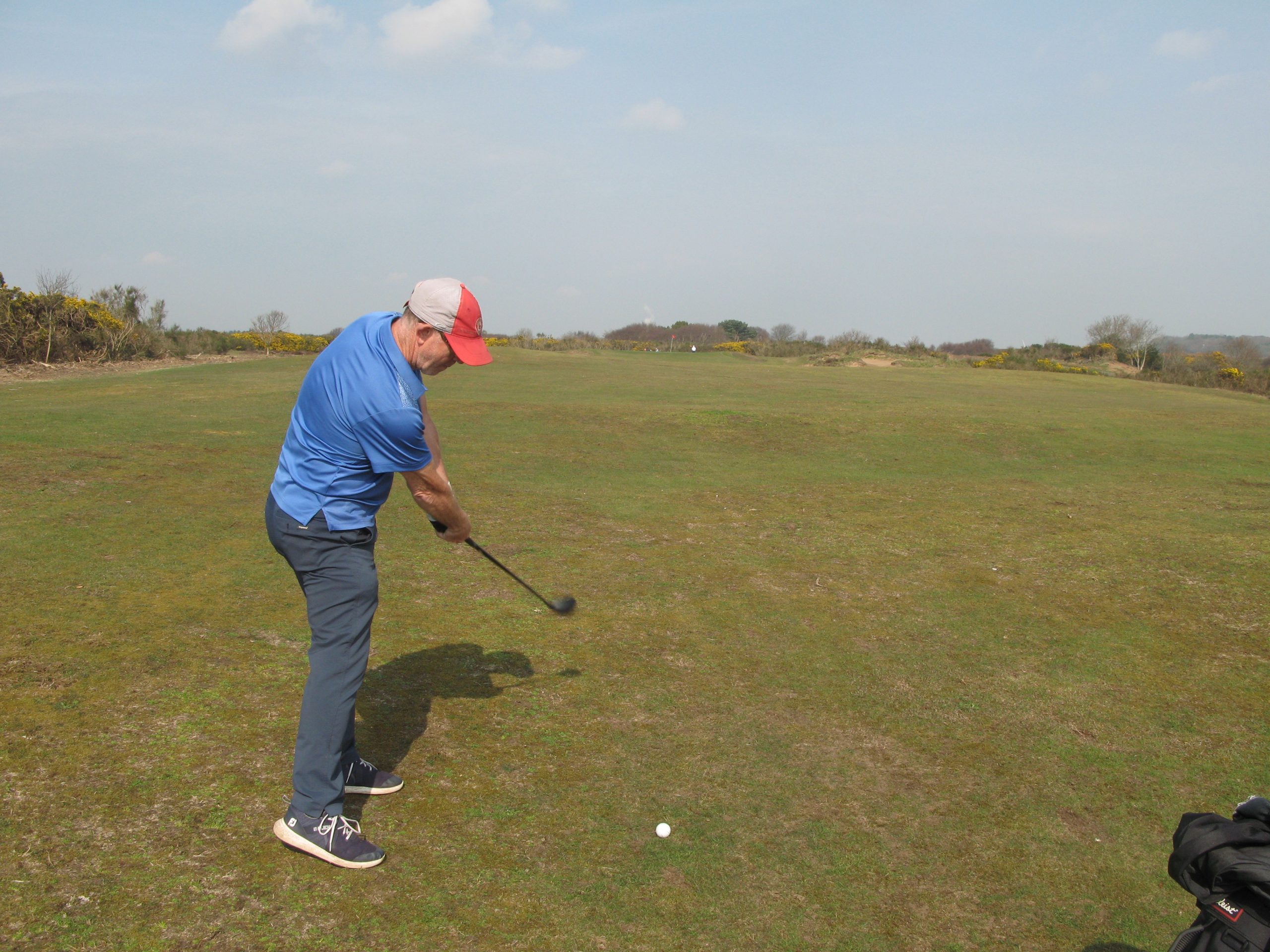
Why can’t you play with your practice swing? – Moly at the 11th, a par four over 400 yards. The fairways were pretty rough.

It’s little wonder, that golf holidaying Americans think golf is still cheap in Scotland, even when paying £300+ for a round at Royal Troon. The clubhouses of municipal Troon (Darley) Links and Open venue Royal Troon are less than a mile, but yet a world, apart.

There are two tiers of access to golf in Scotland. First, courses for the masses, like Troon Darley Links, which is incredibly affordable. Second, courses in the (say) top100 Scottish golf courses for the lucky local residents and/or those often professionally or family connected to existing members. These second category courses, have visitor green fees ranging from £140 to £300+ per round , equivalent to as much as about 25% to 50% of the lucky members’ annual subscriptions. Members of these affluent courses never relinquish membership readily and only wealthy visitors can afford green fees (Kingsbarns rate for 2023 will be £374, or more than £20 per hole).
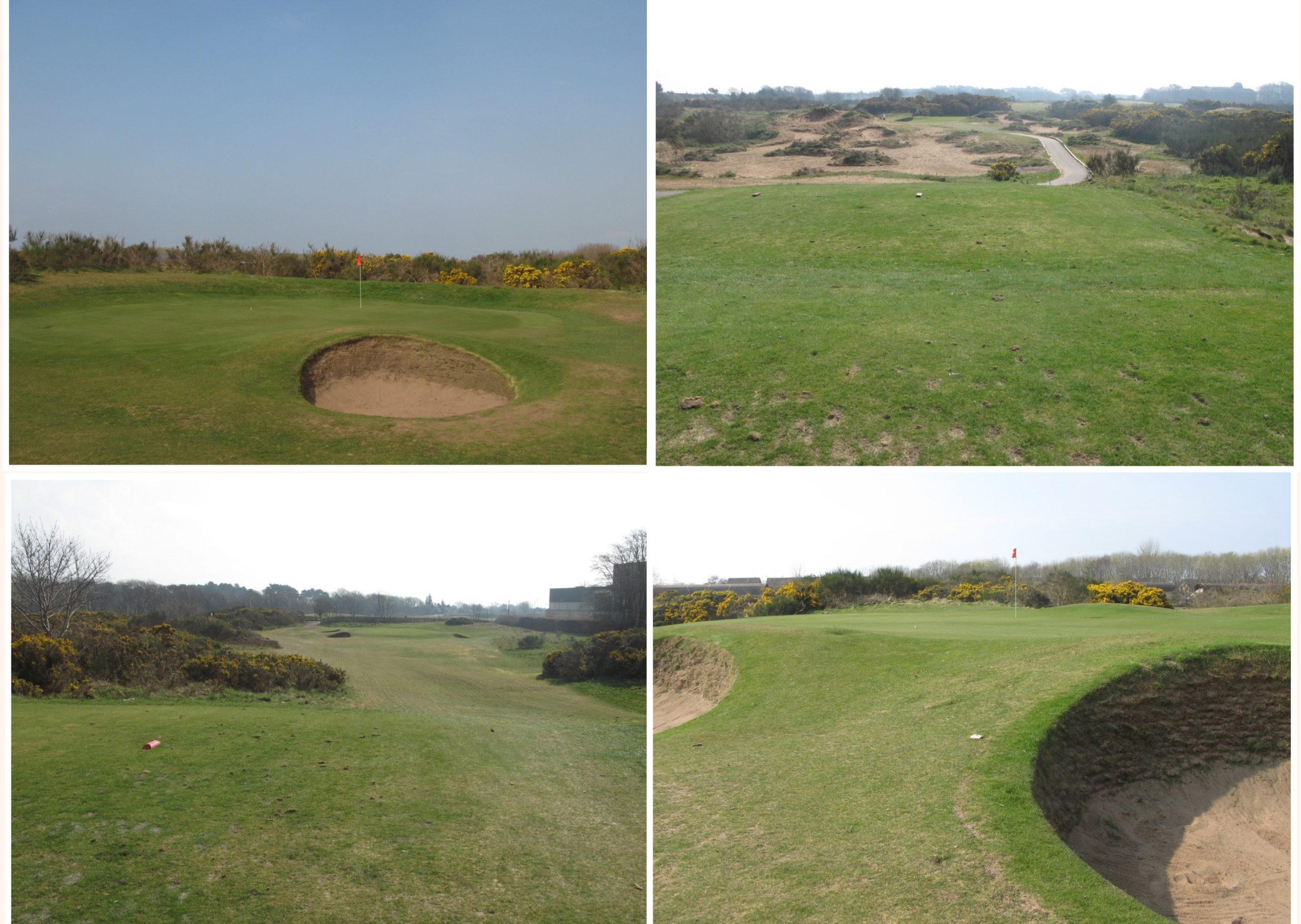
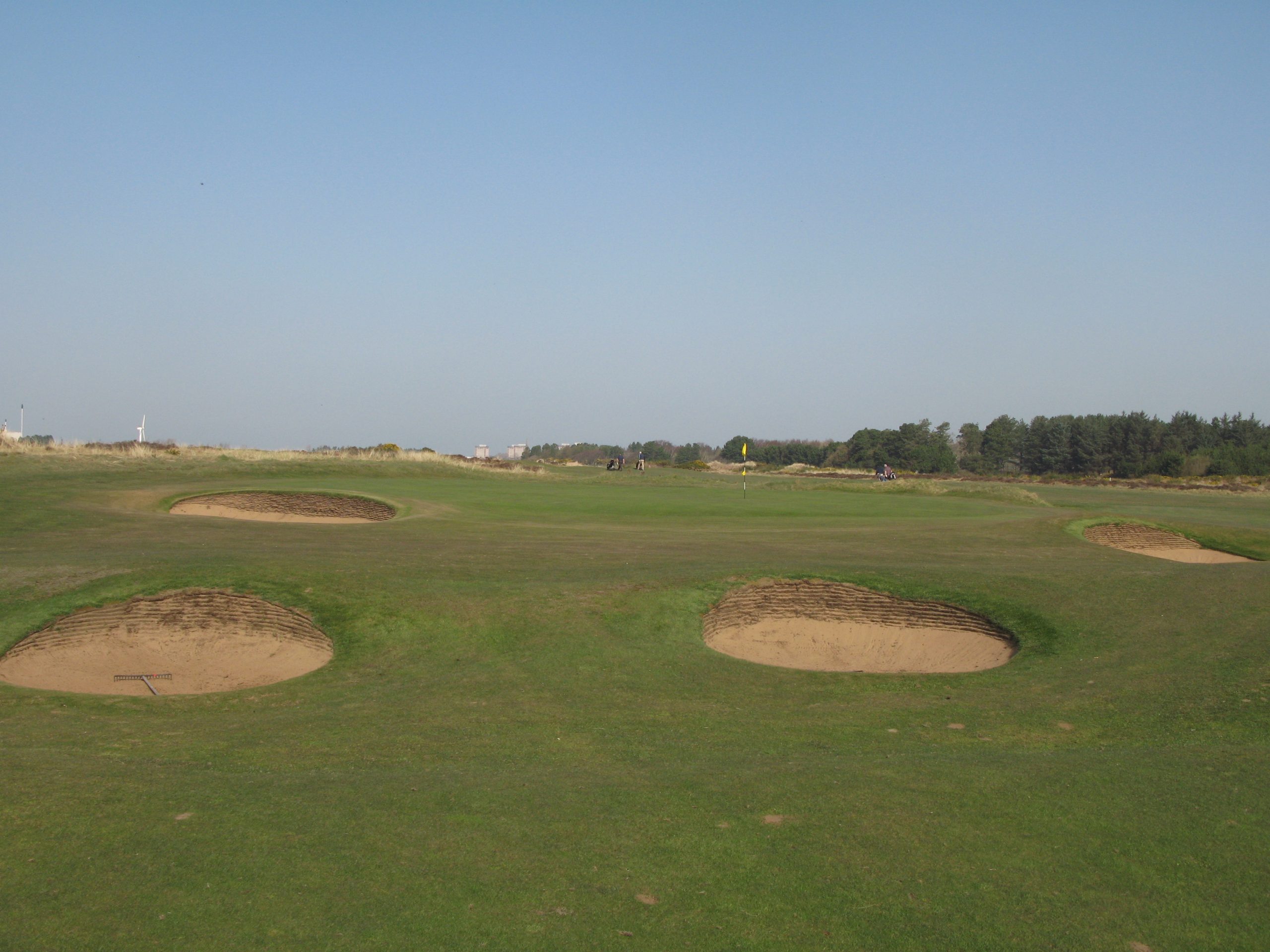
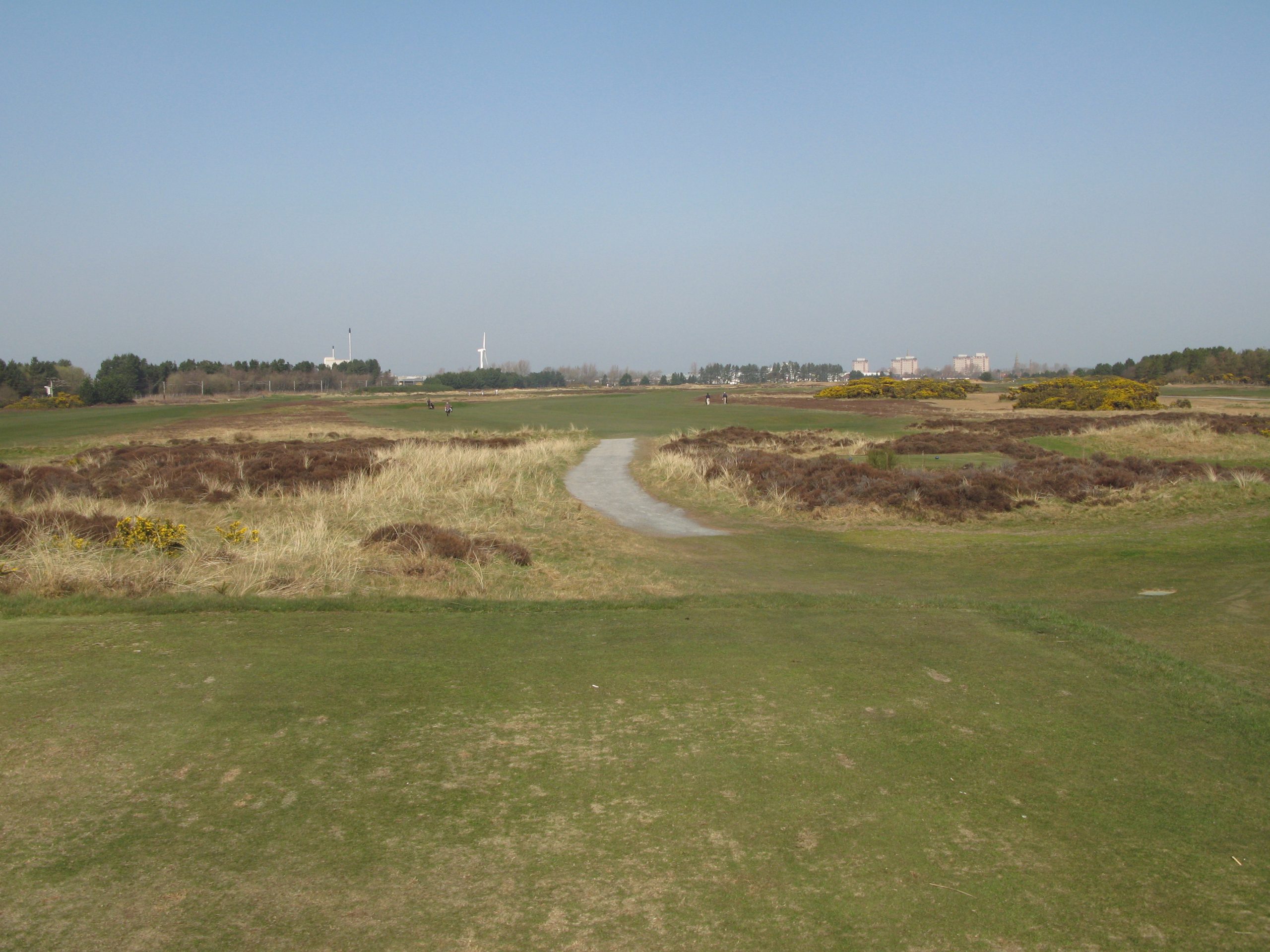
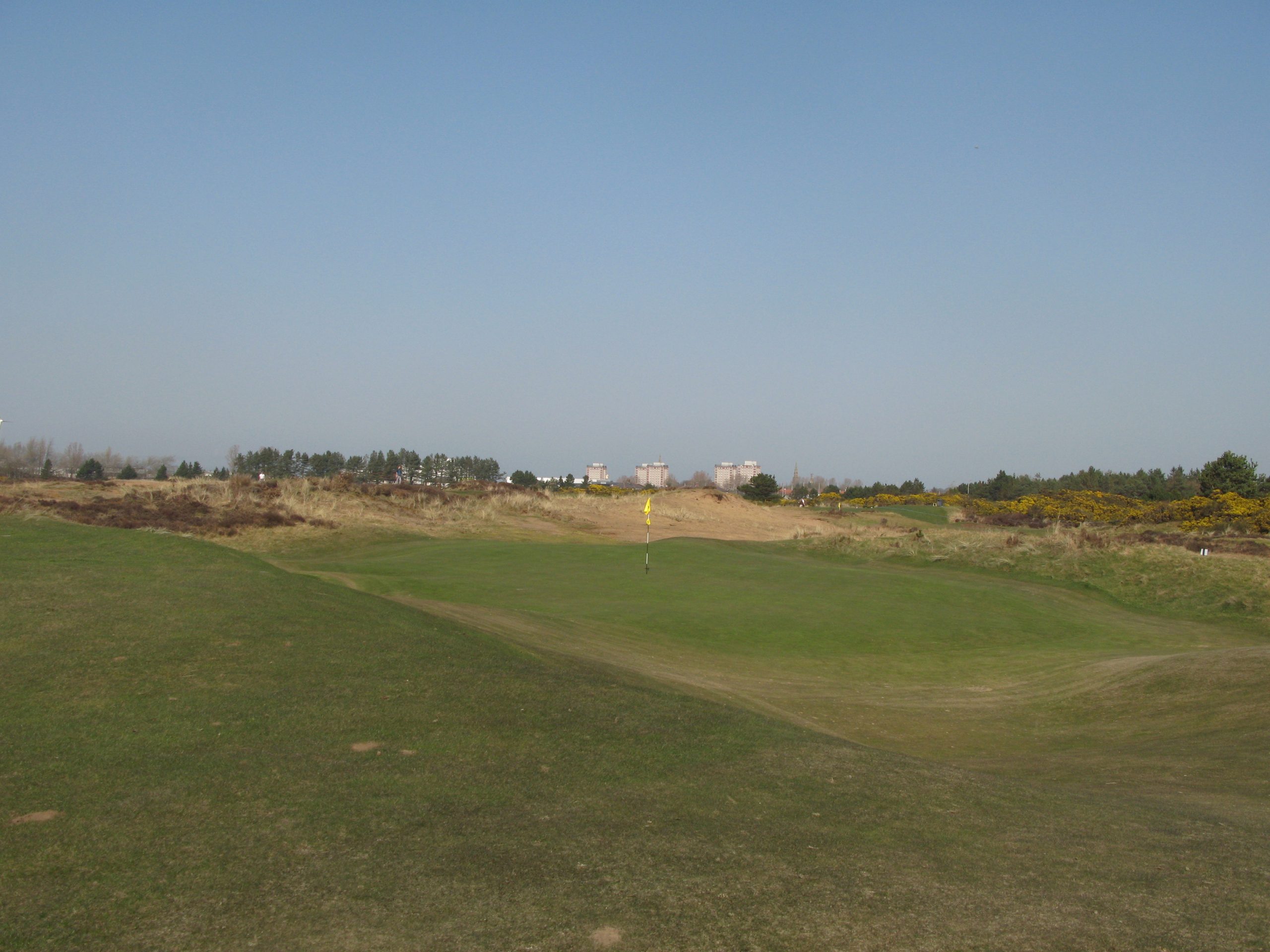
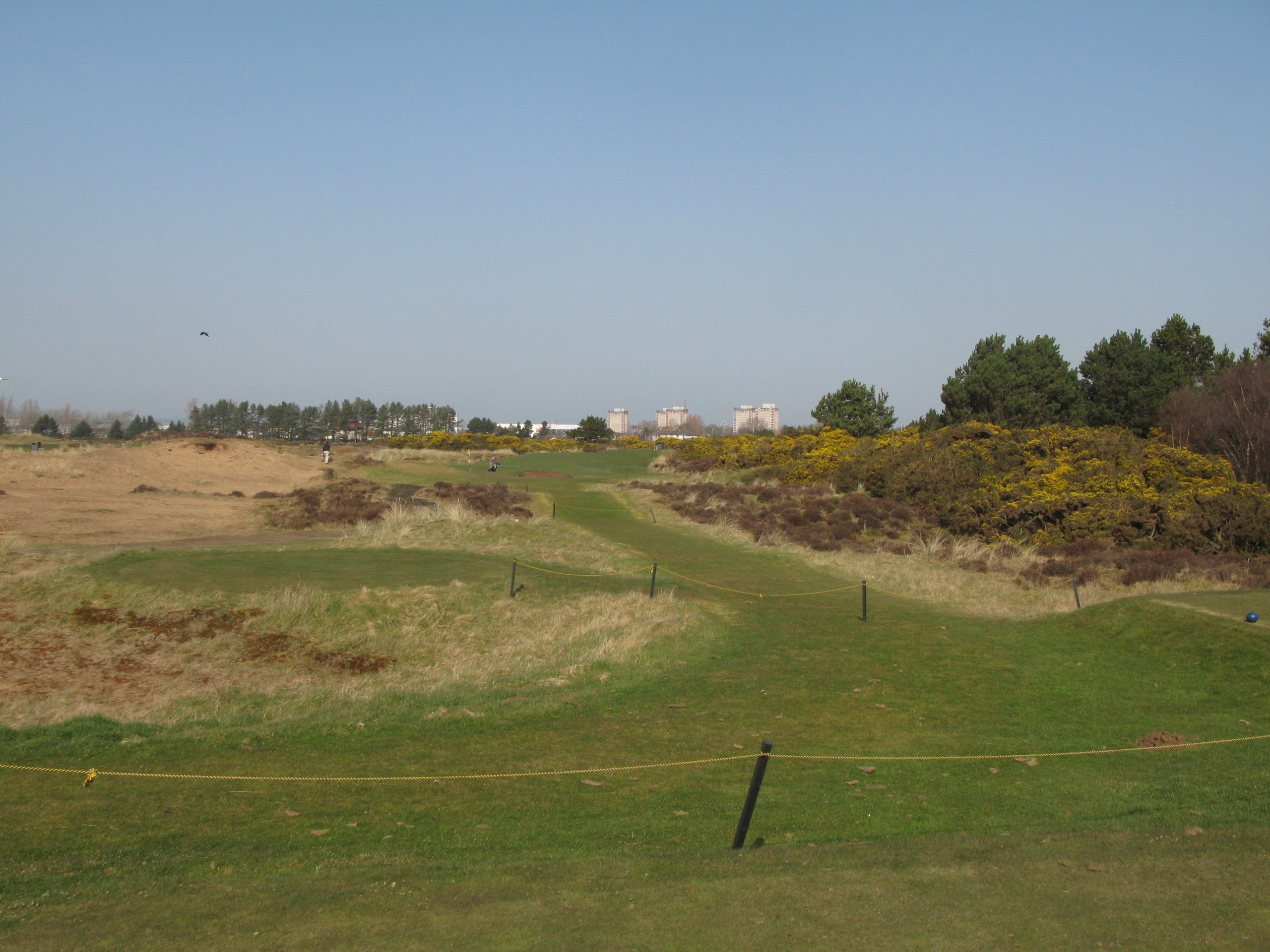
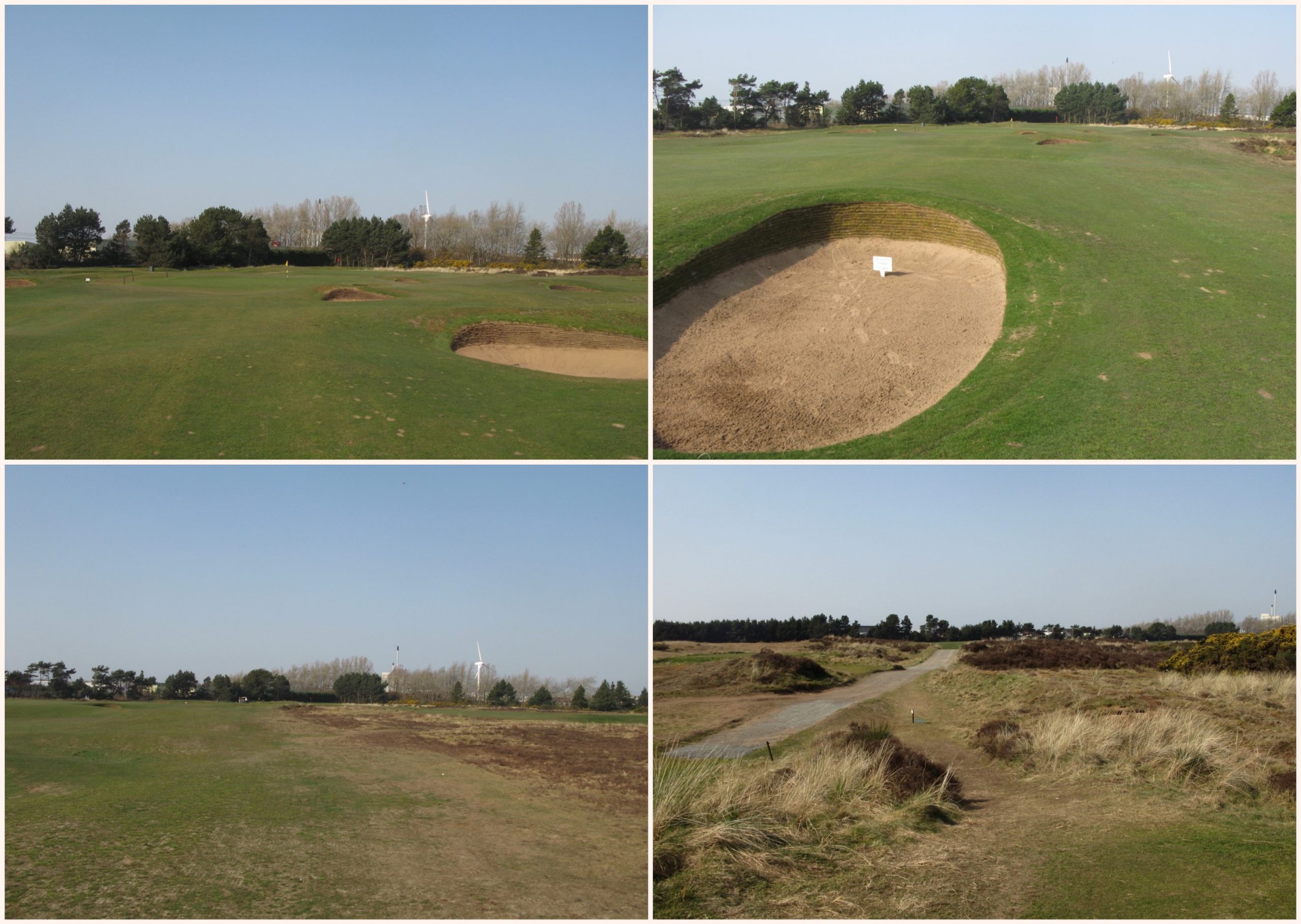
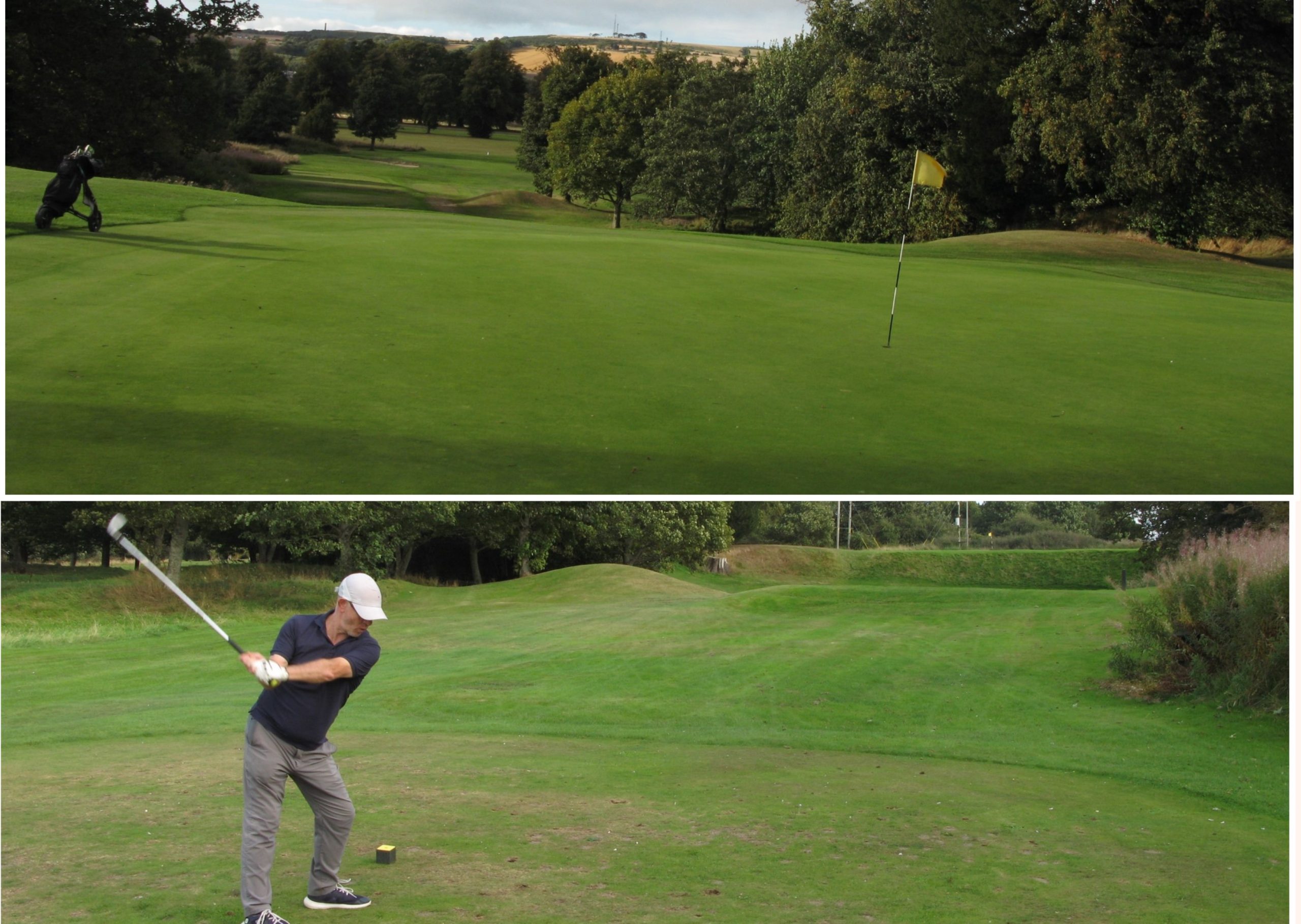
The four par 3s at Darley, clockwise from top left; 4th, 9th, 12th and 16th. The highlight at Darley.

The truth is, the vast majority of the Scottish golfing public playing “The People’s Game” will never play an Open venue.

Admittedly, the concept of “Scottish Resident” rates have emerged at the very expensive courses, but these are still sometimes up to £200. Scottish Golf have also introduced lotteries for members of all Scottish clubs to play at the great courses, typically at about £300-£400 per 4-ball, but these are limited and only available in the winter season.

Add into the mix the growing use of Golf discounted green fee apps, such as Golfnow, and you have an interesting time for golf pricing. Interestingly, the top clubs never appear on Golfnow, in fact you can probably gauge the wealth of a club by how many tee time are available on these apps.
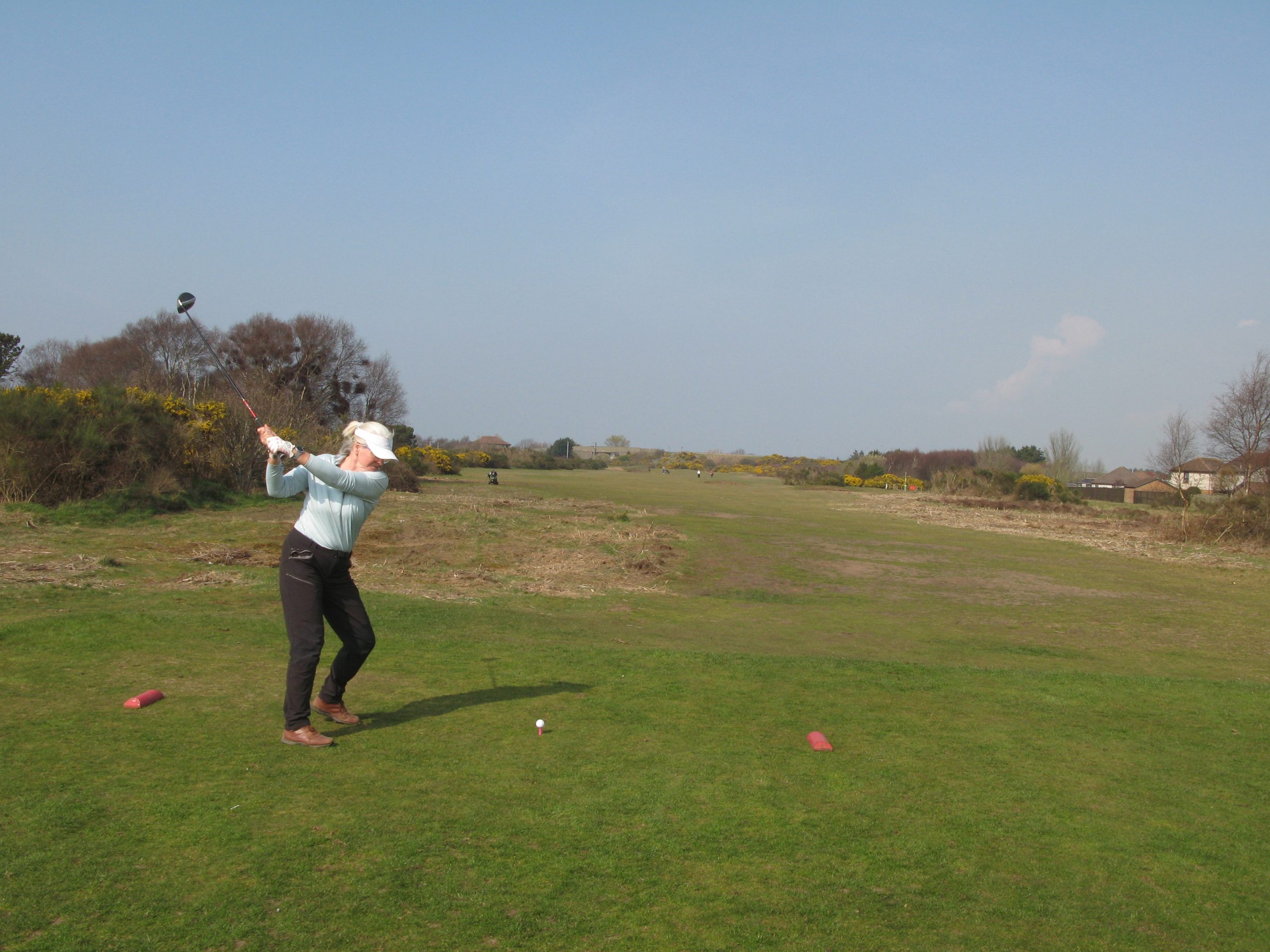
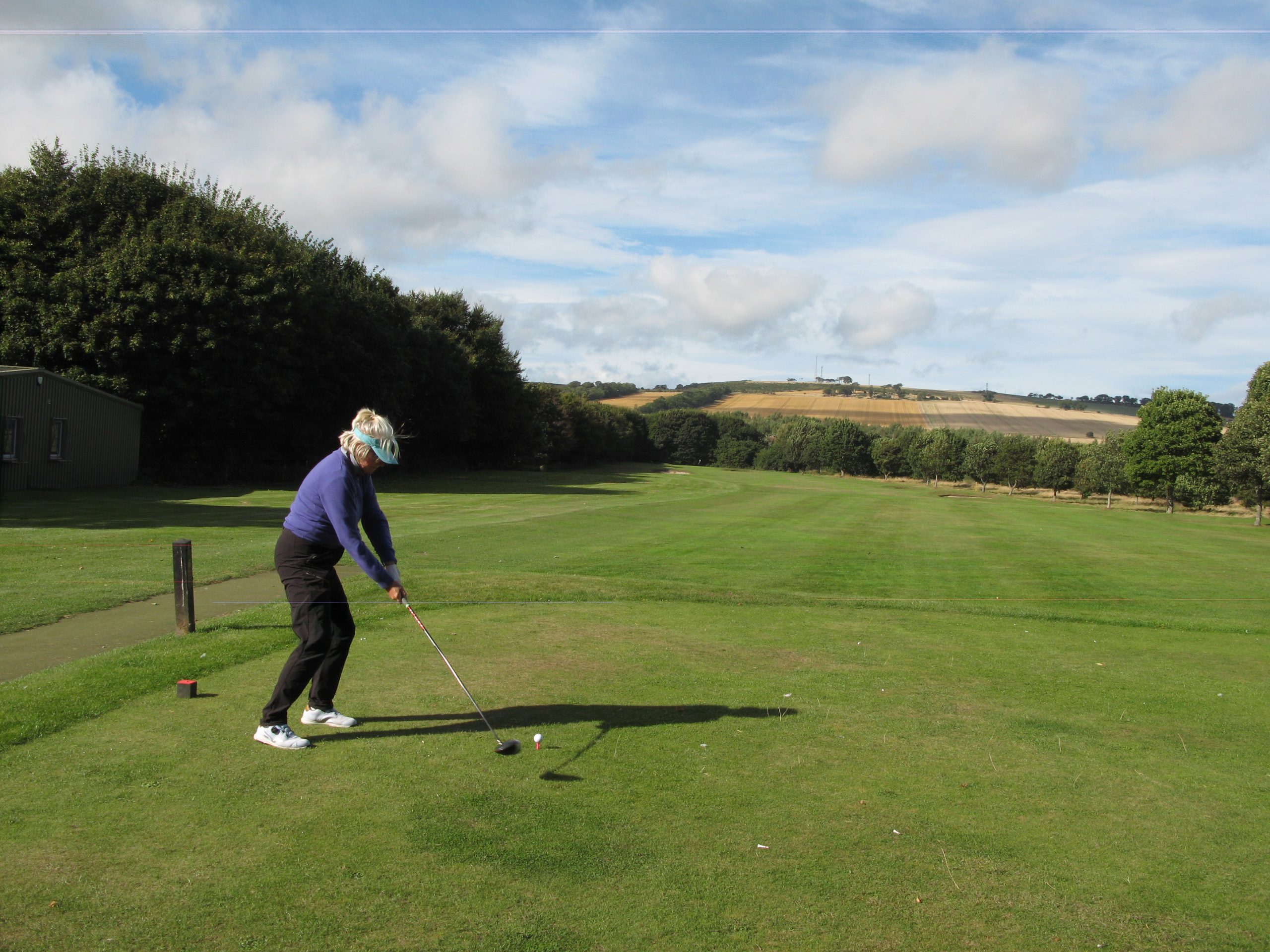
Fran teeing off at the par five 6th hole, at 535 yards from the red tee.

Strategically, looking at the bigger economic picture in Scotland, which still has well over 600 courses, it has more courses per person, per GDP, than any other country with more than 200 courses. In effect, the economy is not big enough to sustain the cheaper “courses for the masses”. This is one of the reasons behind the number of course closures since 2000.

I played Darley, one of the 3 Troon Links courses, on an unseasonably warm March day. I paid only £16.99 (via Golfnow), against the typical £37 for the summer rate, albeit the Troon Links website does advocate ‘dynamic pricing’, responding, in part, to users using the competing commercial green fee apps.

The course was basically ‘beaten up’, by the volume of winter play. I met a number of people who are based in Glasgow, whose courses are waterlogged in winter, and who make the short trip down the coast.
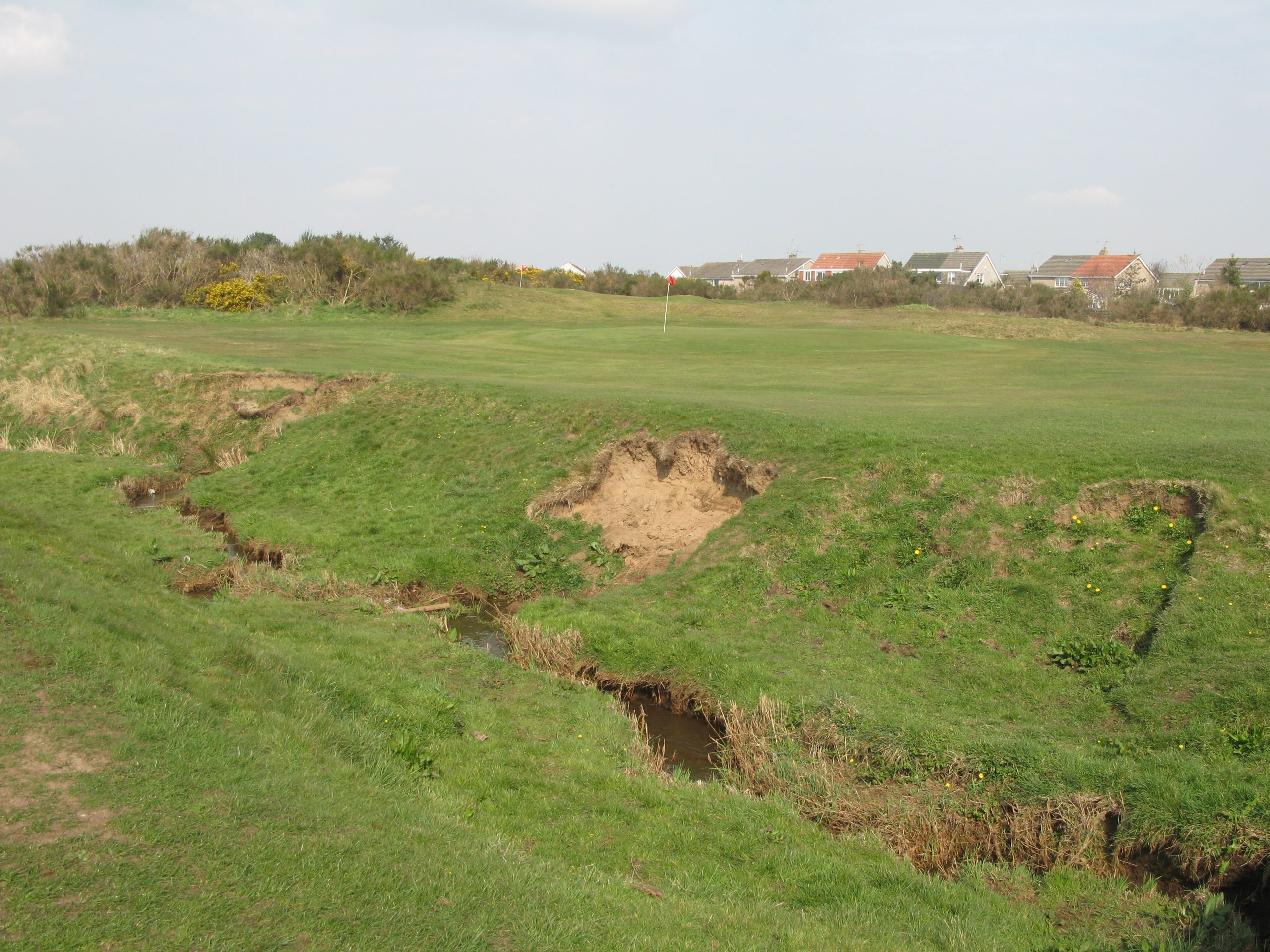
The burn in front of the 14th, a fairly long par four, which was a card wrecker for Moly, carding an 8.

The greens had held up, but the tees, fairways and bunkers were unkempt. There were very few rakes in the bunkers (the pandemic was ending and no longer an excuse). On advising one of the three people who were chatting in the green fee kiosk of the rakes situation, I got the comment “we thought all the locals would have all had a rake by now!”

Maybe the Ayrshire golfers complaining to the Daily Record, had contextualised their criticism on fees, with the ‘condition of the courses’. And there lies another conundrum – it takes effort and money to produce a course in great playing condition, and increasing fees restricts the volume of demand, making it good for the members. I’m not saying all this is easy to balance.
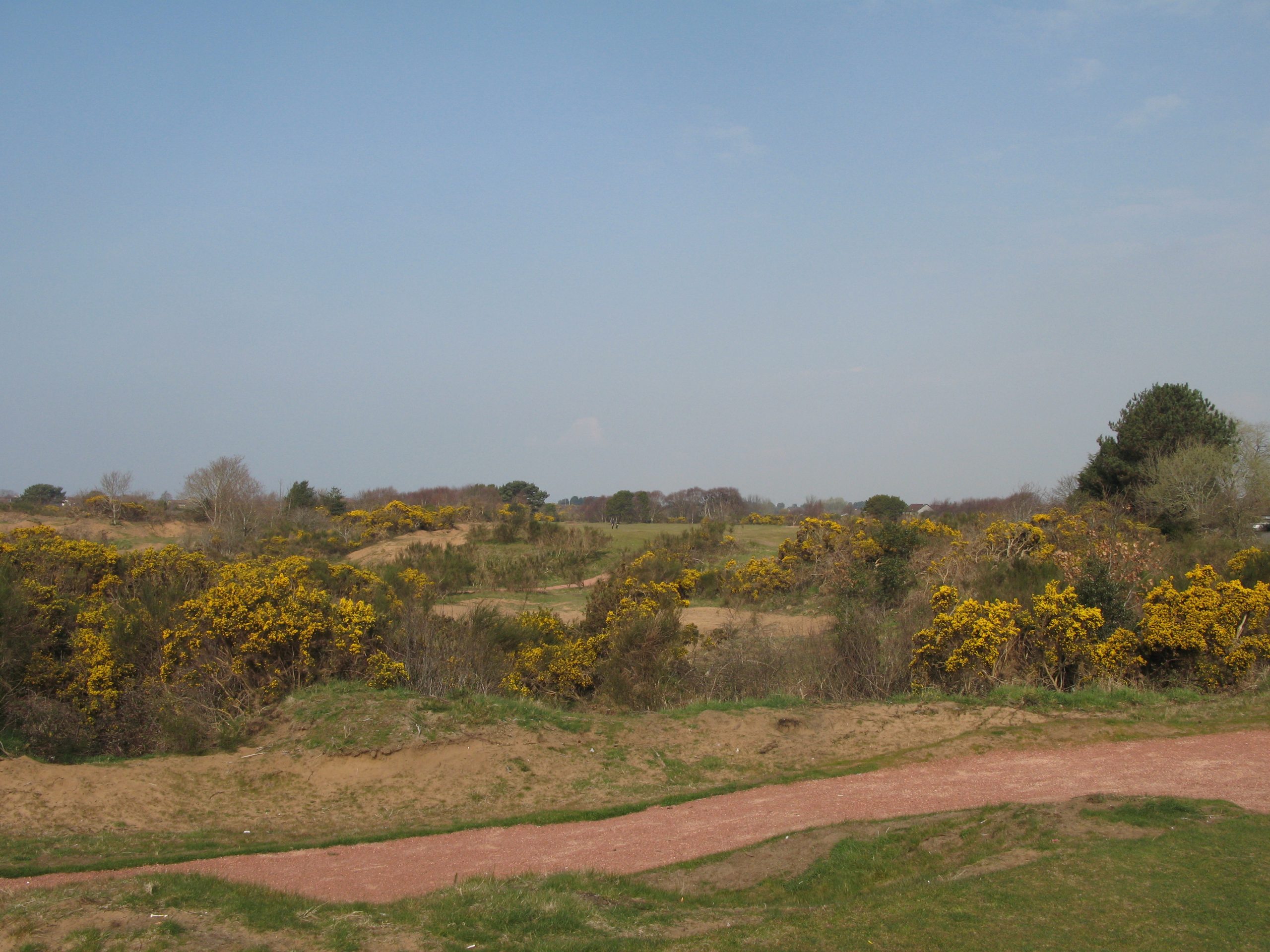
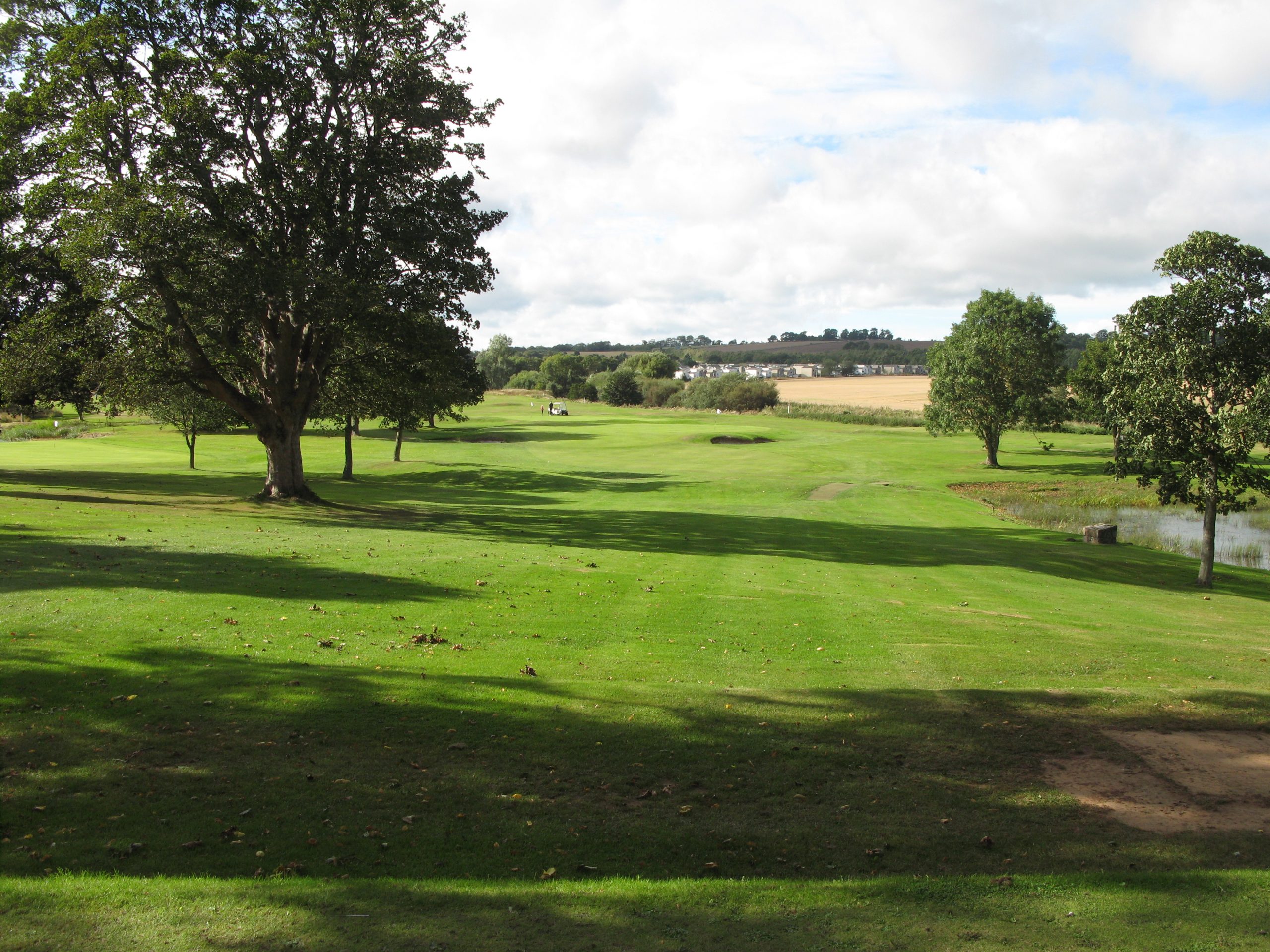
The tee shot at the 5th at Darley, the stroke index 1 par four a 411 yards, displaying the links land.

The Troon Links clubhouse has been a major investment for the Darley, Lochgreen and Fullarton courses.

As to the Darley course itself, between the pretty benign opening two holes and the closing two holes, the holes 3 through 16, represent a decent links layout, on firm turf, several good bunkers, with gorse lined fairways, and some tricky greens. Its a good test of golf, albeit the signage to navigate between holes would be a good investment. The four par 3s are the highlight for me, with the 9th standing up well to many more expensive club par threes; its the really stand out hole at Darley.
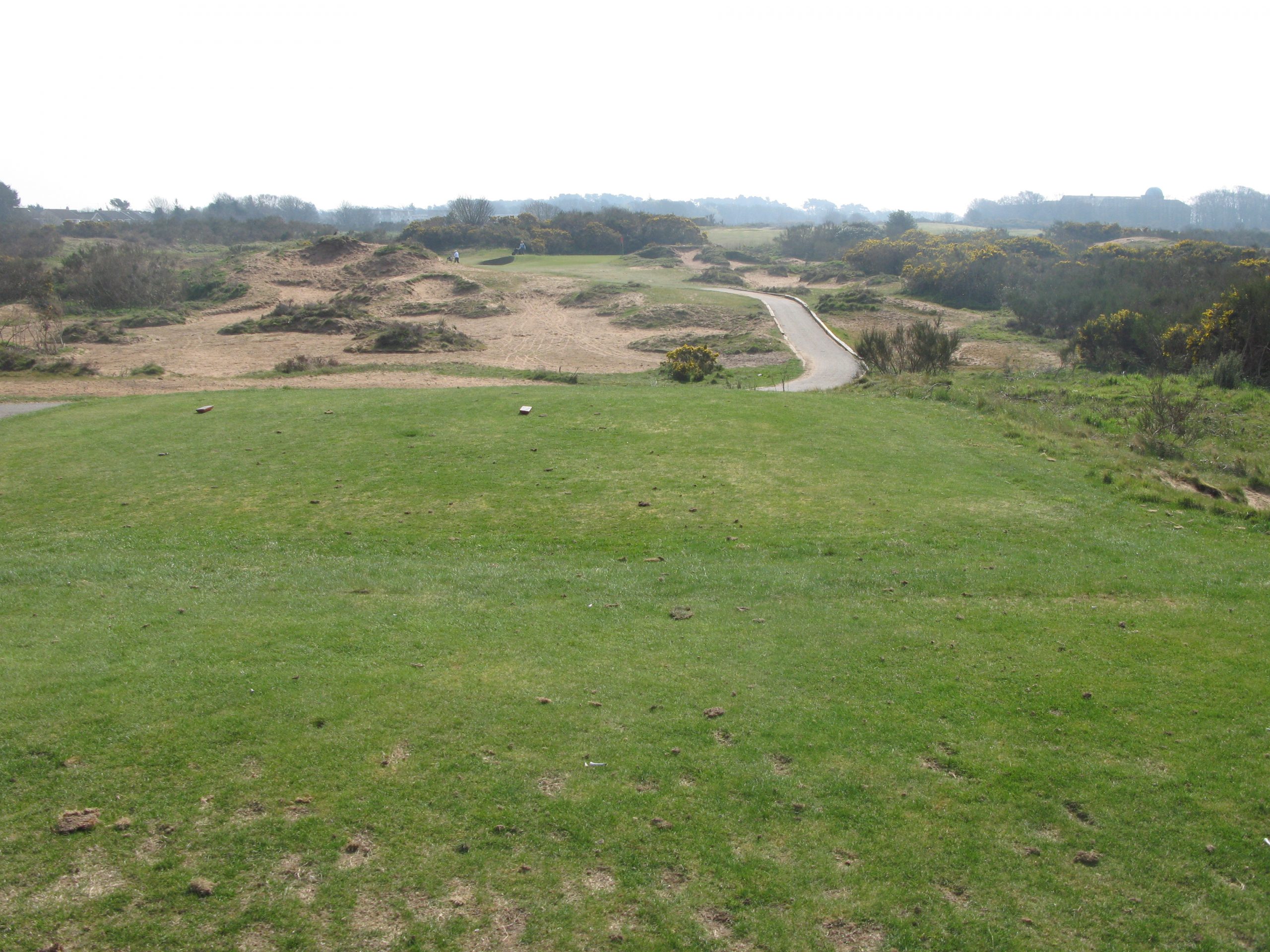
The 158 yard par three 9th hole, the absolutely stand out hole at Darley. Brilliant green complex.

I had a mixed round, with birdies at the 4th and 10th, but then 2 triples and 1 quadruple bogie at the 14th. So my gross 91, equated to 32 points off 15. Not bad for me.

It must be said that South Ayrshire Council probably leads the way in the provision of Municipal golf in Scotland. I would advocate more investment on the courses please, even if the price needs to rise a little. A good value course, which could have been really great value with a little more attention.

Incidentally, I decided not to play the main Pebble Beach courses, instead I had a good walk around ‘The Links at Spanish Bay’, and nearly had to pay excess baggage for the about 150 golf balls (All grade A) I found in less than an hour!

Course Type: Links

Par 71 (3 par 5s, 11 par 4s, 4 par 3s)

Distance: 5984 (yellow)

Moly’s Gross score: 91
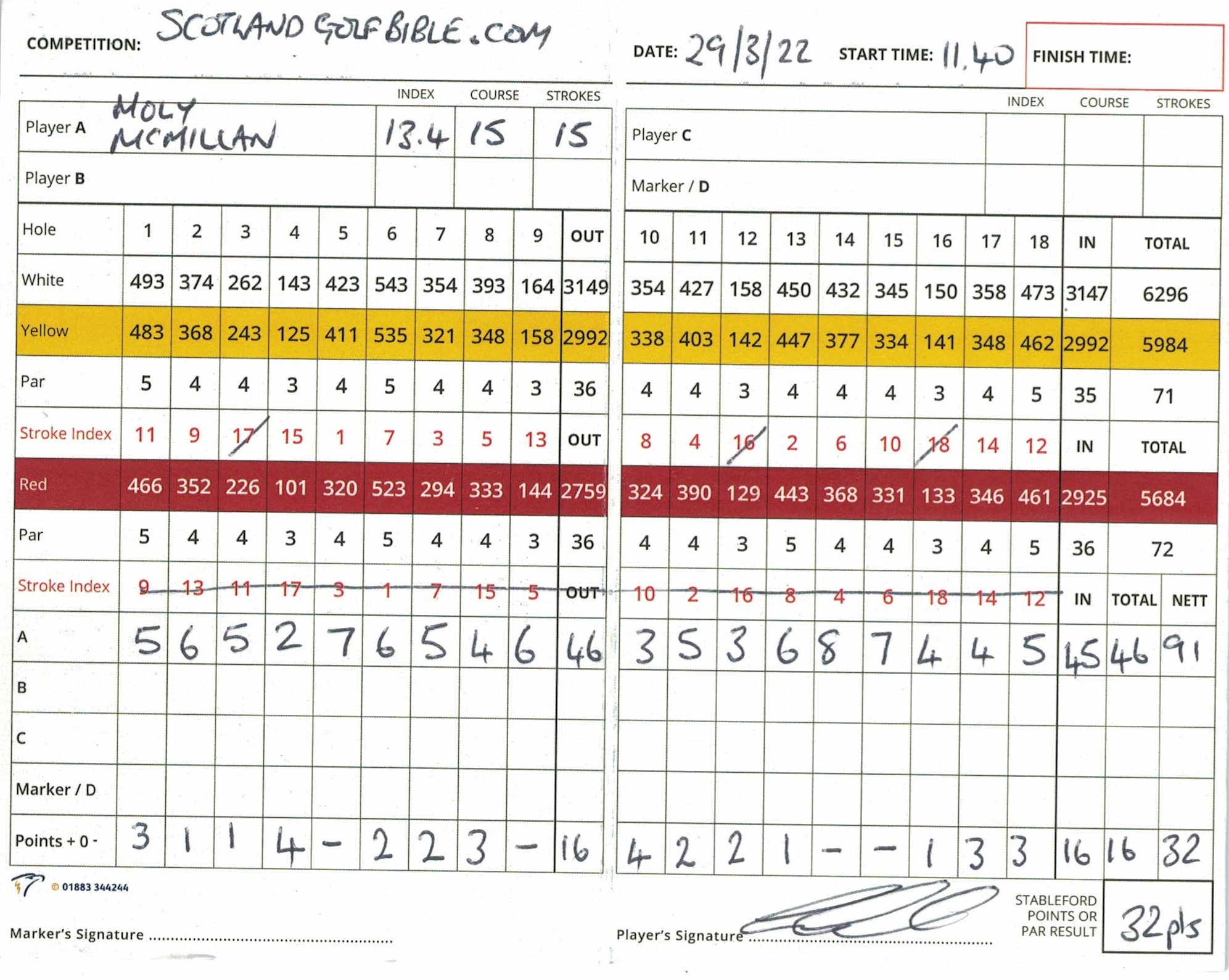
Moly’s Troon Darley scorecard. 91, but a very mixed bag with a couple of birdies and 4 blobs.

131. (Glasgow) Gailes Links. 23 Mar 22.

I wonder how many visitors drive to Killermont to uncover this true links test?

Round £110. Par 71. Course Rating / Slope Rating (yellow) 71.5/130. Value (out of 5) – 3

I probably know more than most about Scotland’s golf courses, plus I also lived in Glasgow; one of my son’s attended school in Killermont. Despite this, I find a geography lesson is needed for ‘Glasgow’ Gailes as I almost ended up back in Glasgow to play at the Gailes Links. That would have been a big mistake!

The bunkers at the first hole, a par four of 341 yards, serves notice of what lies ahead at Gailes Links.

Glasgow Golf Club was established in 1787 by the wealthy men of Glasgow making it the first club in the West of Scotland, and the ‘9th oldest club in the world’. It retains an exclusive air and its main headquarter club, based in Killermont in Glasgow, is not open for visitors, other than as a members’ guest. In 1892, the club built the Gailes Links course, initially designed by Willie Fernie, just south of the town of Irvine on the North Ayrshire coast. It is the most northerly of the great set of Ayrshire links courses, starting from Turnberry about 30 miles south. Since its inauguration the Gailes Links has been called ‘Glasgow’ Gailes, in part to distinguish itself from Western Gailes which it adjoins. Hence the confusion about its location. The Glasgow Golf Club might hold the record for the biggest distance between two club courses.

The ‘gorsy’ remains, where trees used to be, on full display at the 3rd, the challenging par 4, stroke index 1 hole, at Gailes Links.

The layout as it exists today, required a redesign by Willie Park Junior in 1912. Furthermore, and controversially, the course has undergone a complete transformation in the last few years, having uprooted tens of thousands of trees. I got mixed feedback from some members about the ‘carnage’ of the trees, which I understand is the reason that the Gailes Links course has been removed from the Open Qualifying rota.

The delightful fifth green complex at Gailes Links, with the social housing of Irvine in the background. A beautiful contrast.

One of the members said the resulting treeless course is much easier, as it has become a wide open links course. On at least two occasions I played from where trees would have been, likely saving me 4 shots. The courses main defense is now through clever and some severe bunkering – other than the westerly prevailing wind of course! This bunkering became sharply evident to me when, after a sound opening 5 holes, being called through by a 4 ball grouping, who then witnessed my 6, including 4 bunker shots, at a short par 3!

The 6th, the first of only three par 3 holes at ‘Glasgow’ Gailes.

My six at the 6th, provides a lesson how to score well at Gailes. Study the course guide and stay away from the bunkers, some of which are out of sight. I actually played well for my gross 88, albeit the course was playing short due to the very dry March weather. Along with no wind and sunny weather it felt more like the Algarve for the time of year.

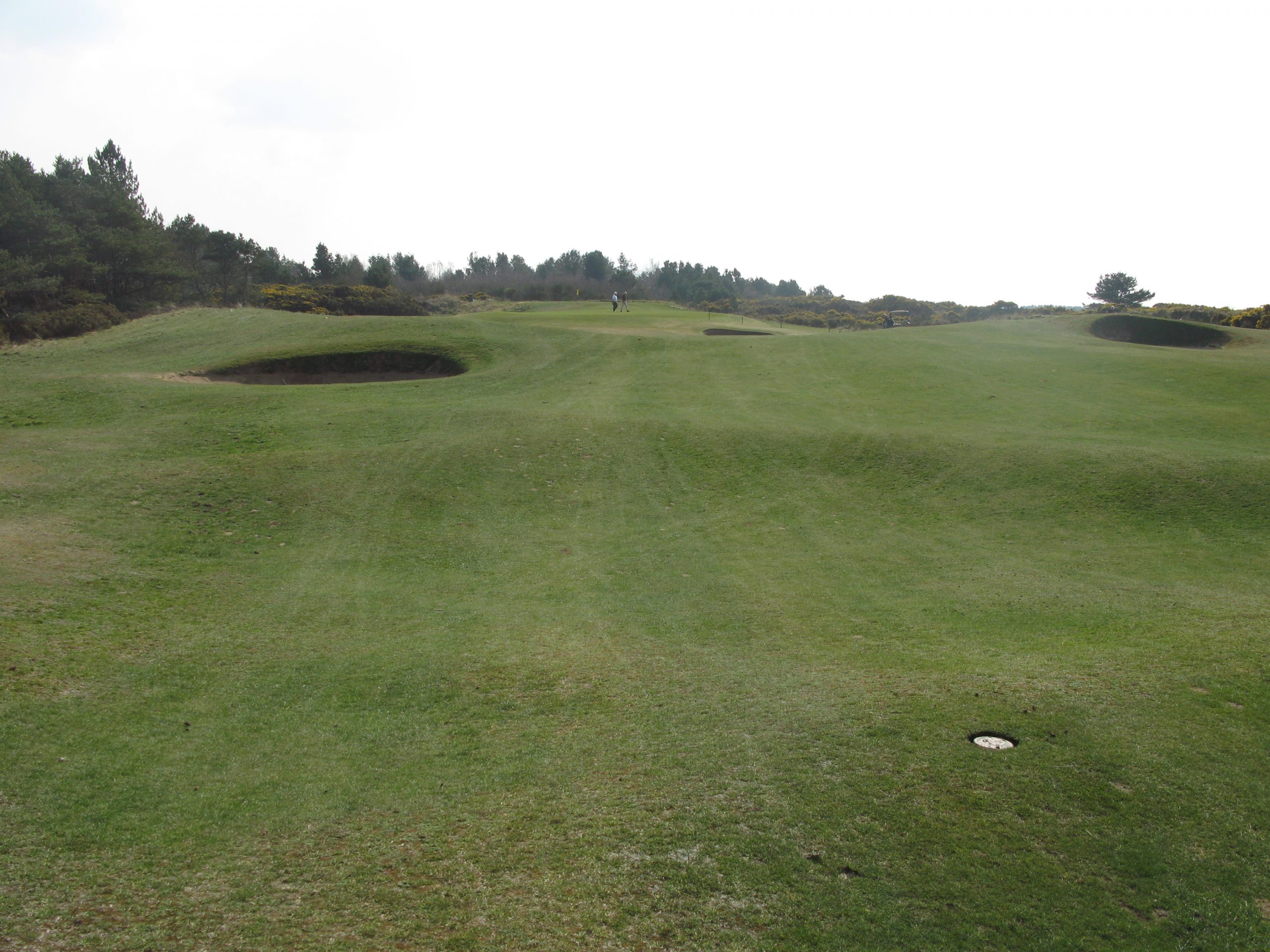
The only blind tee shot at Gailes Links is at the 7th (bottom right of the collage). There is much more space right of the ‘eye’ line, especially with the large scale tree removal.

The course is long at over 6300 yards from the yellow tees, and comprises a zig-zagged ‘north/south out and back’ layout, with about 4 transverse holes. The resulting layout provides a great many subtle changes of direction, which must be very challenging when the wind gets up.

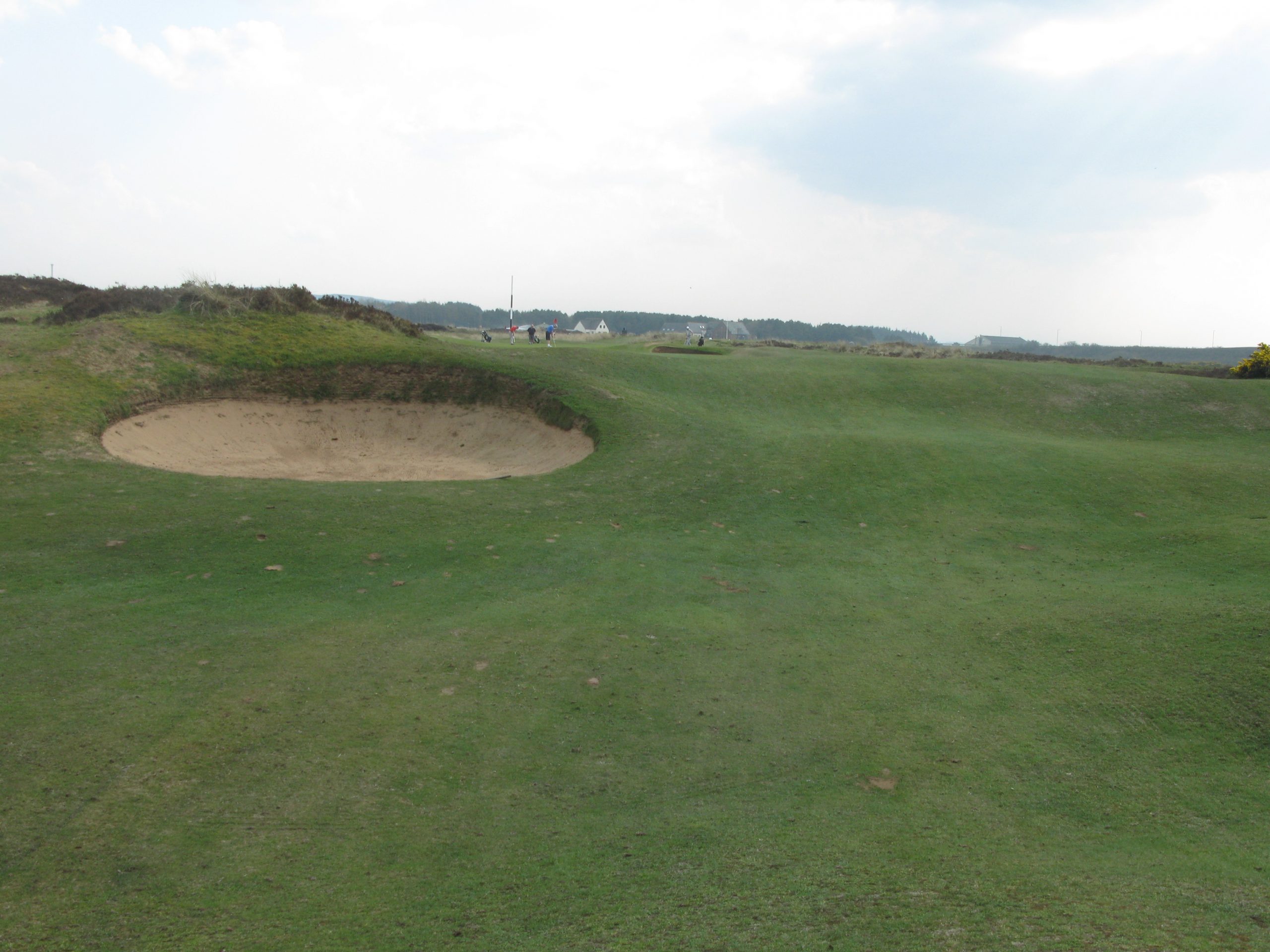
The 9th is the shortest par 4 at Gailes Links, at 304 yards, but well bunkered at a typical driving length for most players, who might be best to play a longish iron off the tee, to avoid the sand.

Without the trees, being wayward off the tees is not penalised, especially as there is only one ‘blind’ tee shot (par four 7th), and only one ‘blind’ approach, at the 14th, one of only two par 5s on the course. Along with only three par 3s, this makes the main challenge to score well, being your long iron/hybrid game being up to the challenge of the several par 4s over 400 yards. The resulting par is 71, although the yellow course rating is 71.5, with white being one more.

The approach at the 14th, a short but good par 5, where the long hitters will be tempted to reach the green in two, but will require to avoid a narrow bunker filled gap (above) about 100 yards short of the putting surface.

On the day I played, several of the bunkers were GUR, although not the ones I found at the 6th (my only bunkers of the day). I felt the winter rate I paid of £60 a little steep, with a few winter tees still in play, and despite the dry weather there was surprising indications of muddy locations – I wondered if that was a legacy of the tree removal, and impact on the drainage?

The local pro “Arthur” was really friendly and very welcoming, and therefore worth a mention.

If you get lucky with a winter rate in dry conditions, its fairish value, but the main fee of £110 for a mid week summer round, is not great value and getting out of range of affordability for most.

Course Type: Links

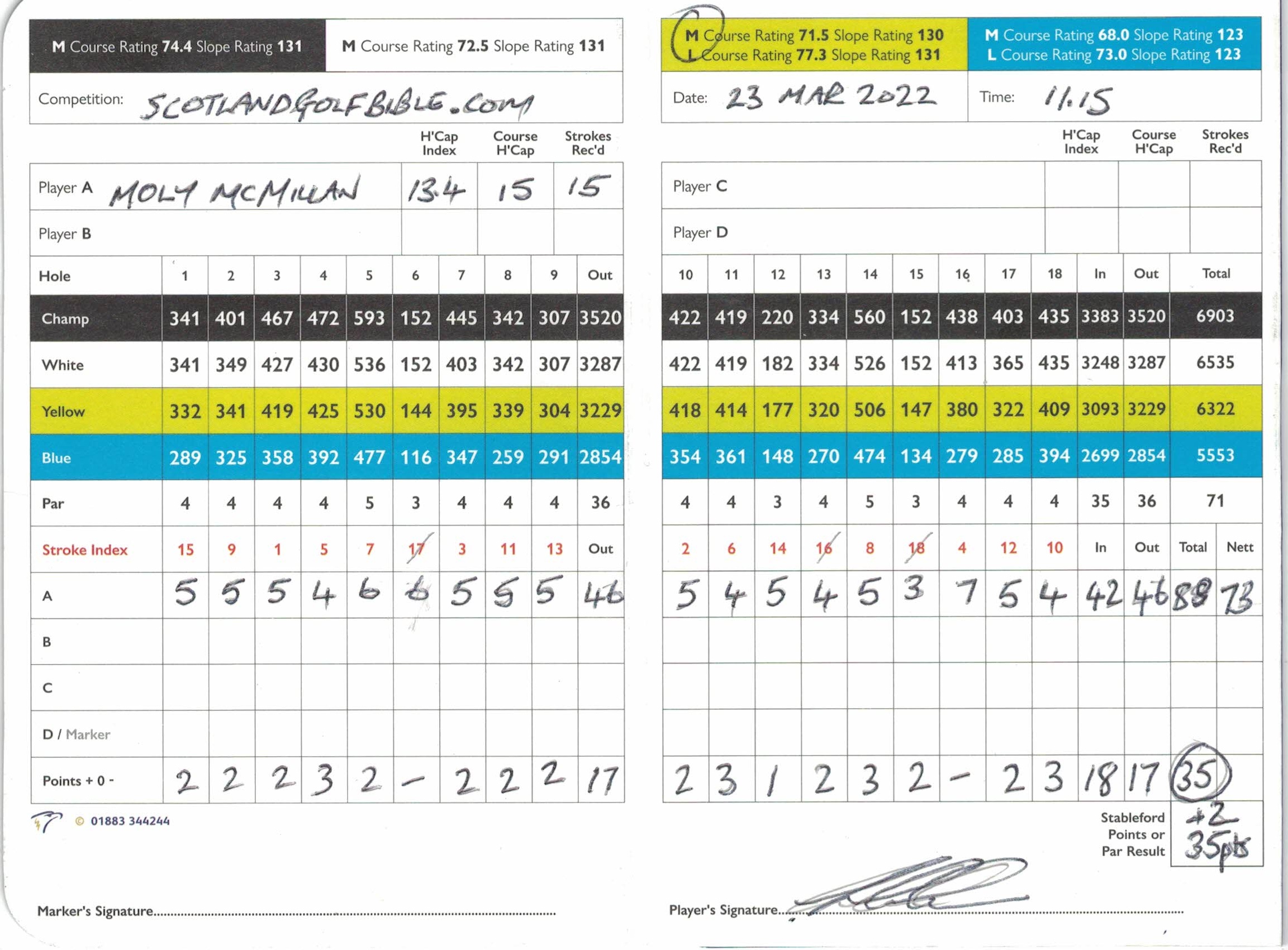
Par 72 (2 par 5s, 13 par 4s, 3 par 3s)

Distance: 6322 (yellow)

Moly’s Gross score: 88

Moly’s Gailes Links scorecard – 88, best round in a while.

126. Haddington. 24 Sep 2021

You’ll need your best putting game on the excellent greens

Round £55. Par 71. Course Rating / Slope Rating (yellow) 69.3/124. Value (out of 5) – 3

The town of Haddington, lies just off the A1, about 17 miles east of Edinburgh, and is very easily accessed. At the heart of East Lothian, Haddington is likely to be a popular venue to stay if on a golfing holiday to play the many world class golf courses on the self proclaimed “Golf Coast”, home to Muirfield and Gullane to name but two.

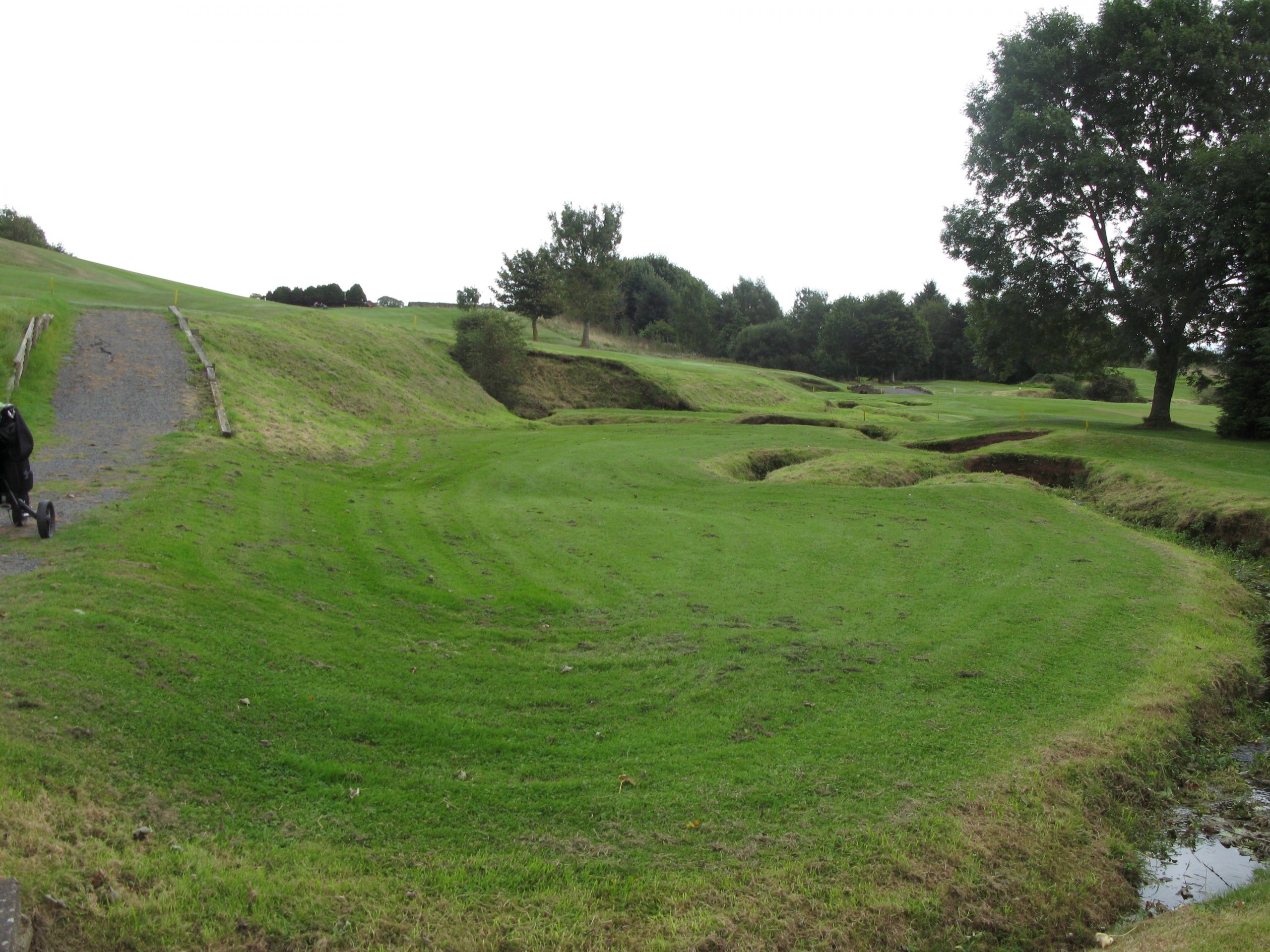
Moly playing the challenging par three 16th hole – take 2 more clubs than the distance, to get up the hill, plus there is little danger over the back of the green.

So if you’re planning to visit the area, should Haddington be on the play list?

First thing to say is that for a course, or rather club, founded in 1865 and claiming to be the “19th oldest course in the world”, no mention of the course architect can be found.

We found the greens very slick at Haddington, here the large green at the par three 10th.

The course is set in the nice mature parkland of Amisfield Park, much of it still walled, with some spectacular trees; it is a place with a wide and rich history, ranging from a Medieval Cistercian nunnery, through to playing a part in the Jacobean rebellion, the Napoleonic war and both world wars. The former grand Amisfield House is long gone, but its sandstone was, interestingly, used to build Longniddry Golf Course clubhouse. The park’s boundary to the north is the River Tyne, but the river doesn’t play a part on the course.

The short par three 4th, showing the mature parkland setting of Haddington.

The town of Haddington is relatively small with a population of 10,000, but in the “high middle ages” (AD 1000 – 1250) it was the fourth most significant Scottish city. So its glory days are long gone – that seems fitting in that the golf course is also a minor player in the Lothians. It’s Okay, but priced too high in my opinion.

Fran tees off at the 6th at Haddington – a par 4 of 375 yards (yellow)

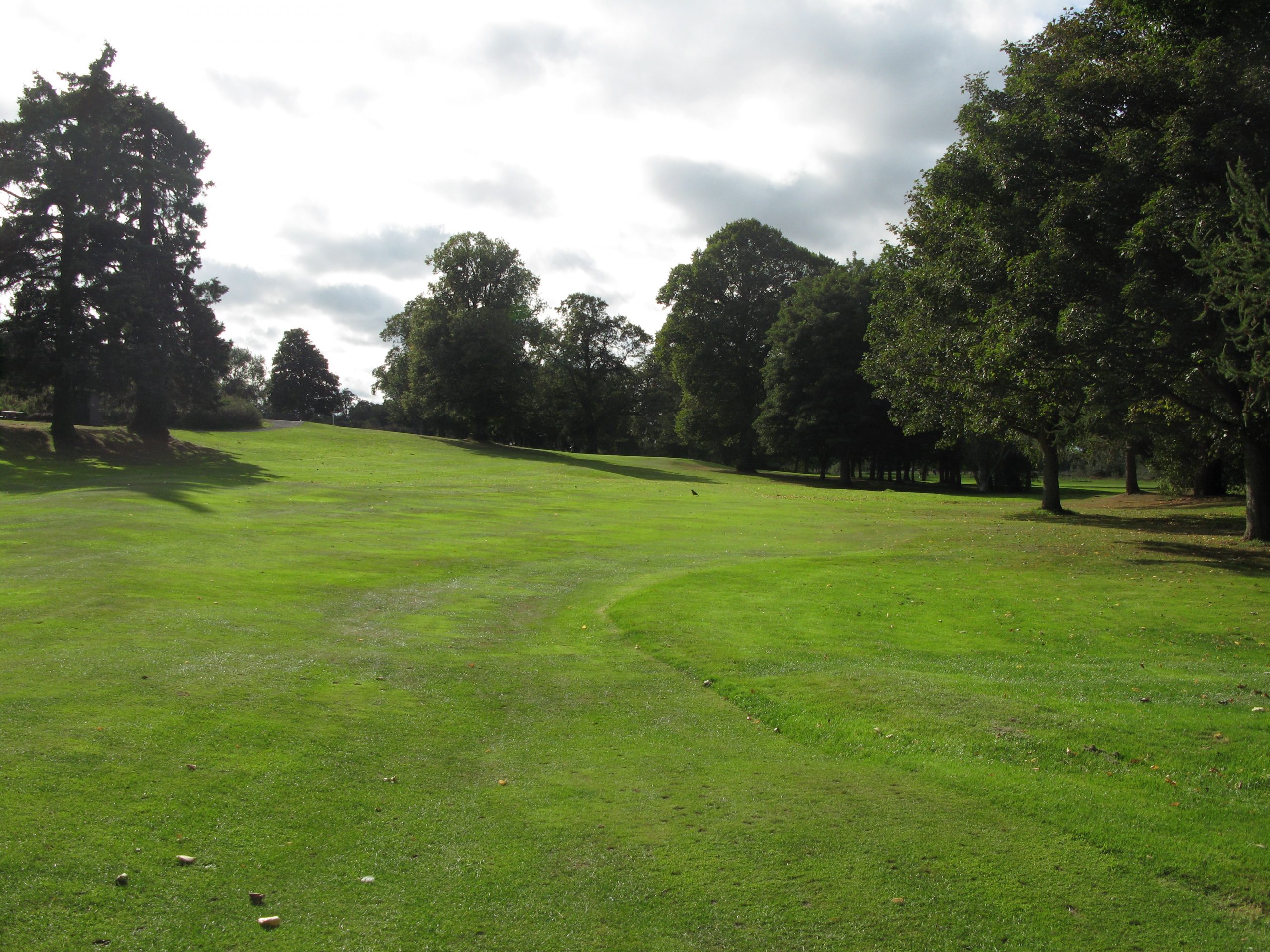
The condition of the course was very mixed. The greens and fairways were very good, but the tees were terrible, other than the red ladies tees. The greens were also very large, and coupled with the fast speed, led for a real challenge to avoid 3 putting. The fairways, were wide and forgiving, but there are some excellently placed fairway bunkers, that need to be navigated.

The nice fairways at Haddington, here shown at the 9th, a par four of 329 yards (yellow)

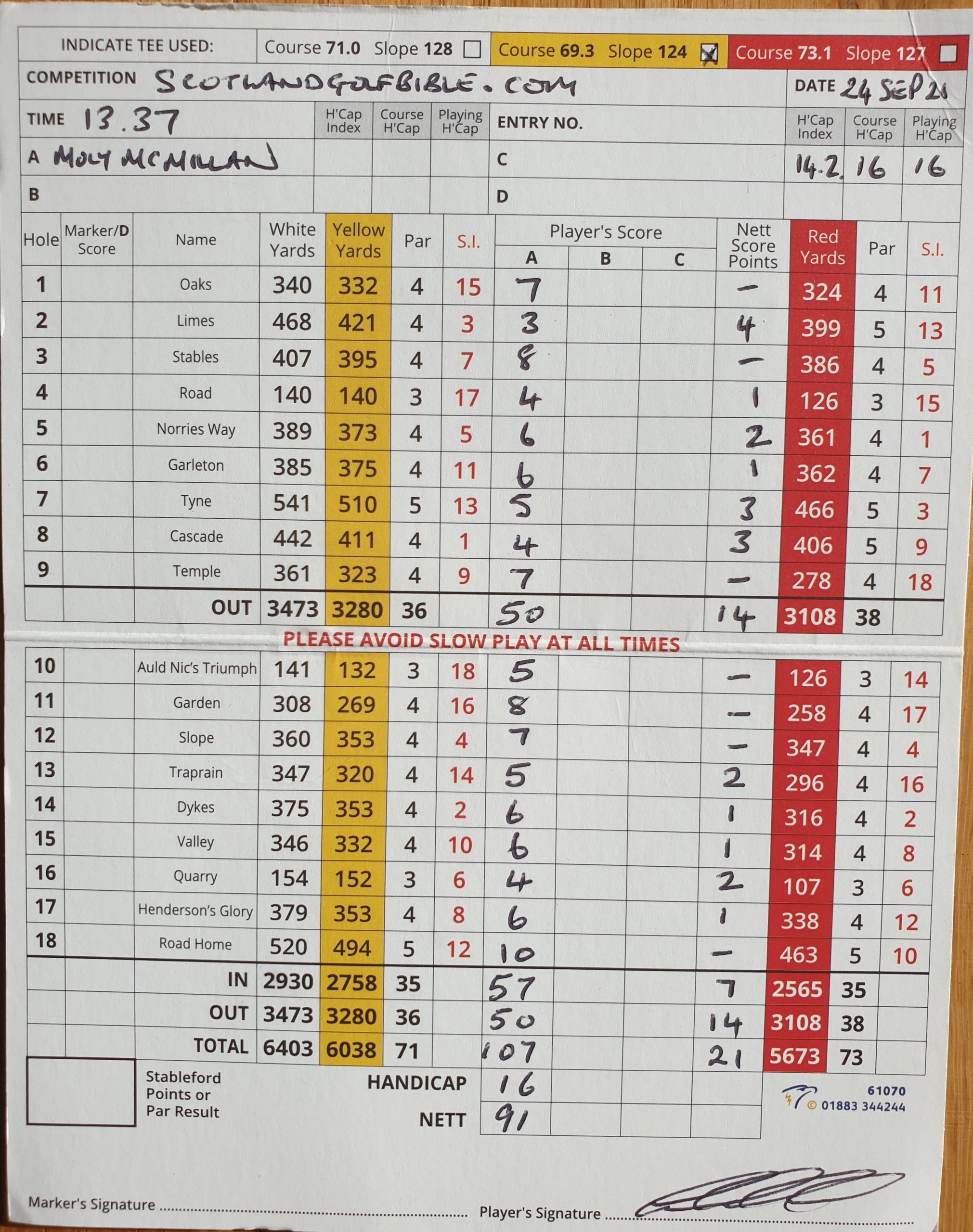
In extremely high winds, I struggled to a gross 107, for 21 stableford points (from a playing HCP of 16). This included a birdie 3 at the long par four second hole, measuring 421 yards from the yellow – the wind was strongly behind of course! In total I lost 5 balls, never nice!

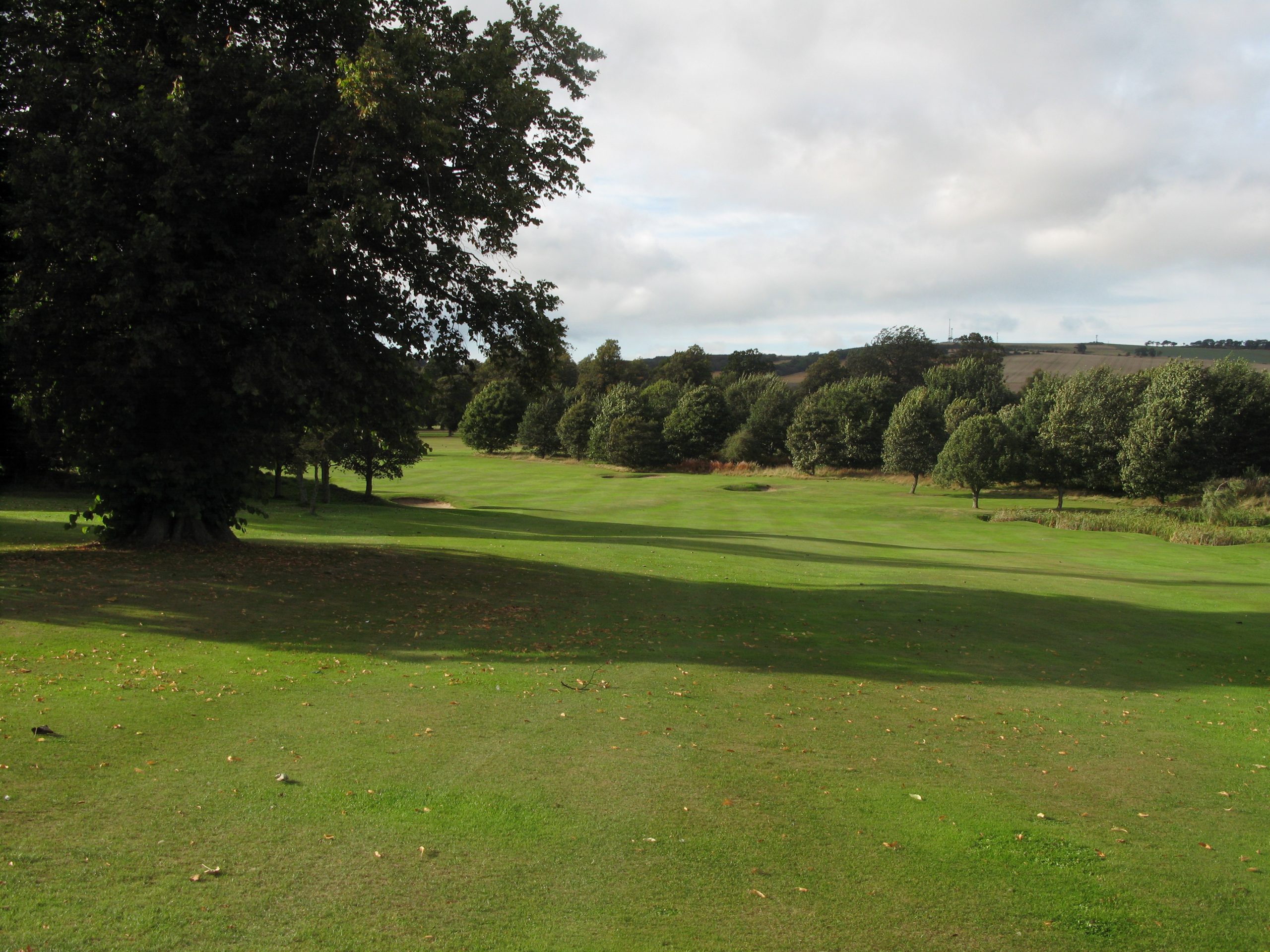
The approach to the par four 15th at Haddington, again showing the mature setting.

Haddington, is in summary over-priced in my opinion, and not worth prioritising in a Lothian golfing trip. The clubhouse building is also rather run down.

Course Type: Parkland

Par 72 (2 par 5s, 13 par 4s, 3 par 3s)

Distance: 6038

Moly’s Gross score: 107

Wind played havoc with Moly’s game, finishing with a 107, including a 10 at the last.

124. Duns. 21 Sep 2021.

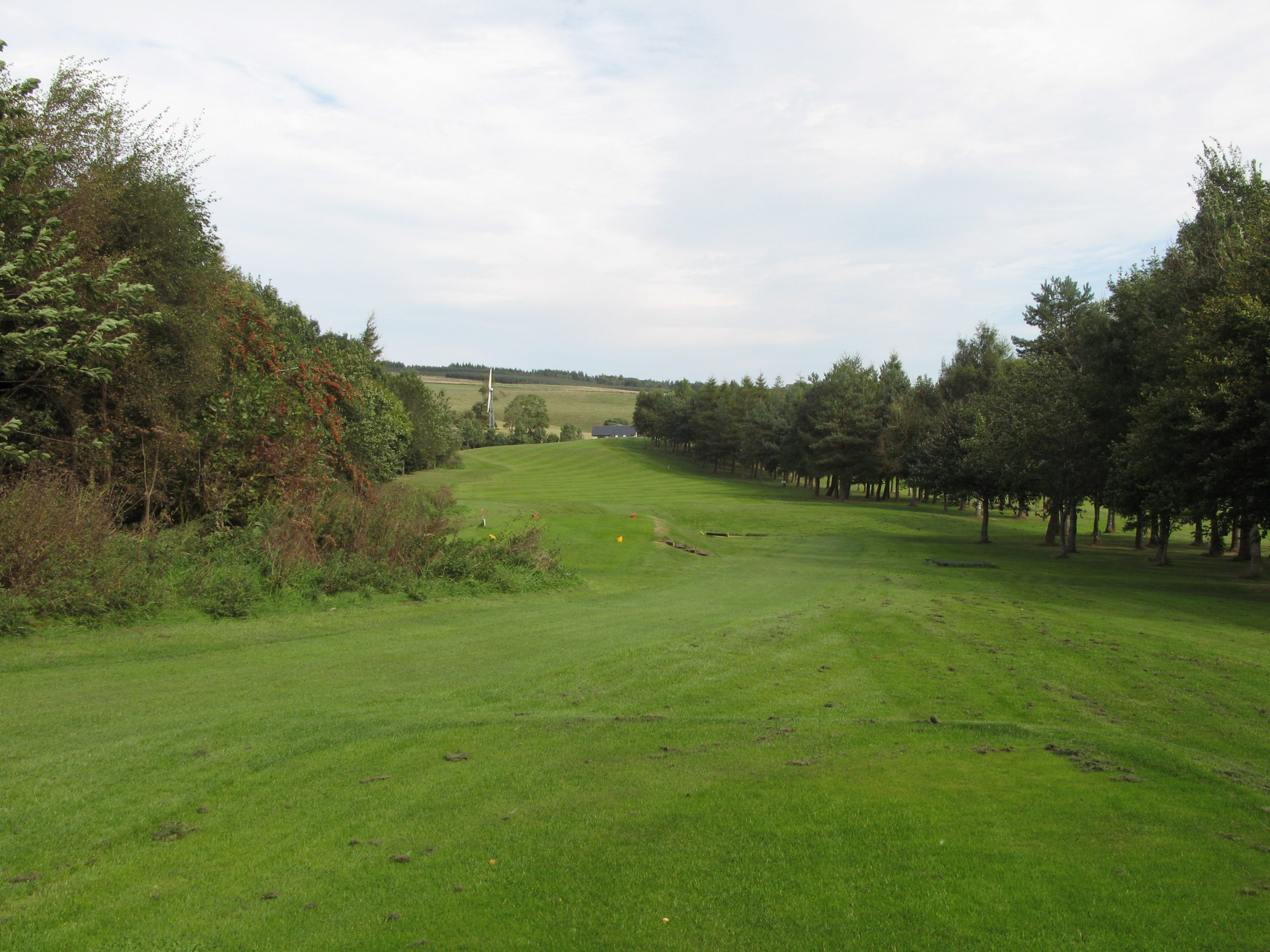
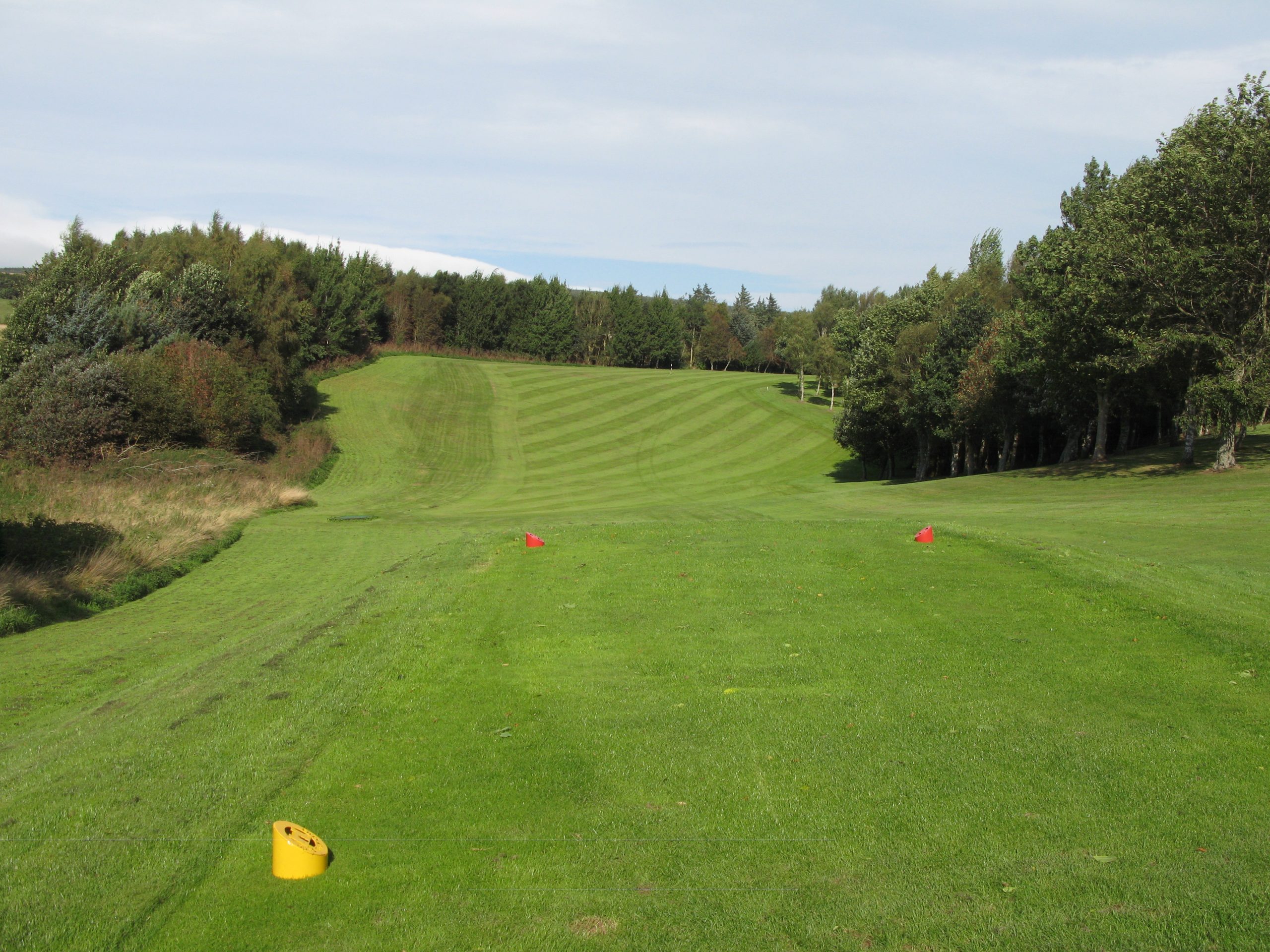
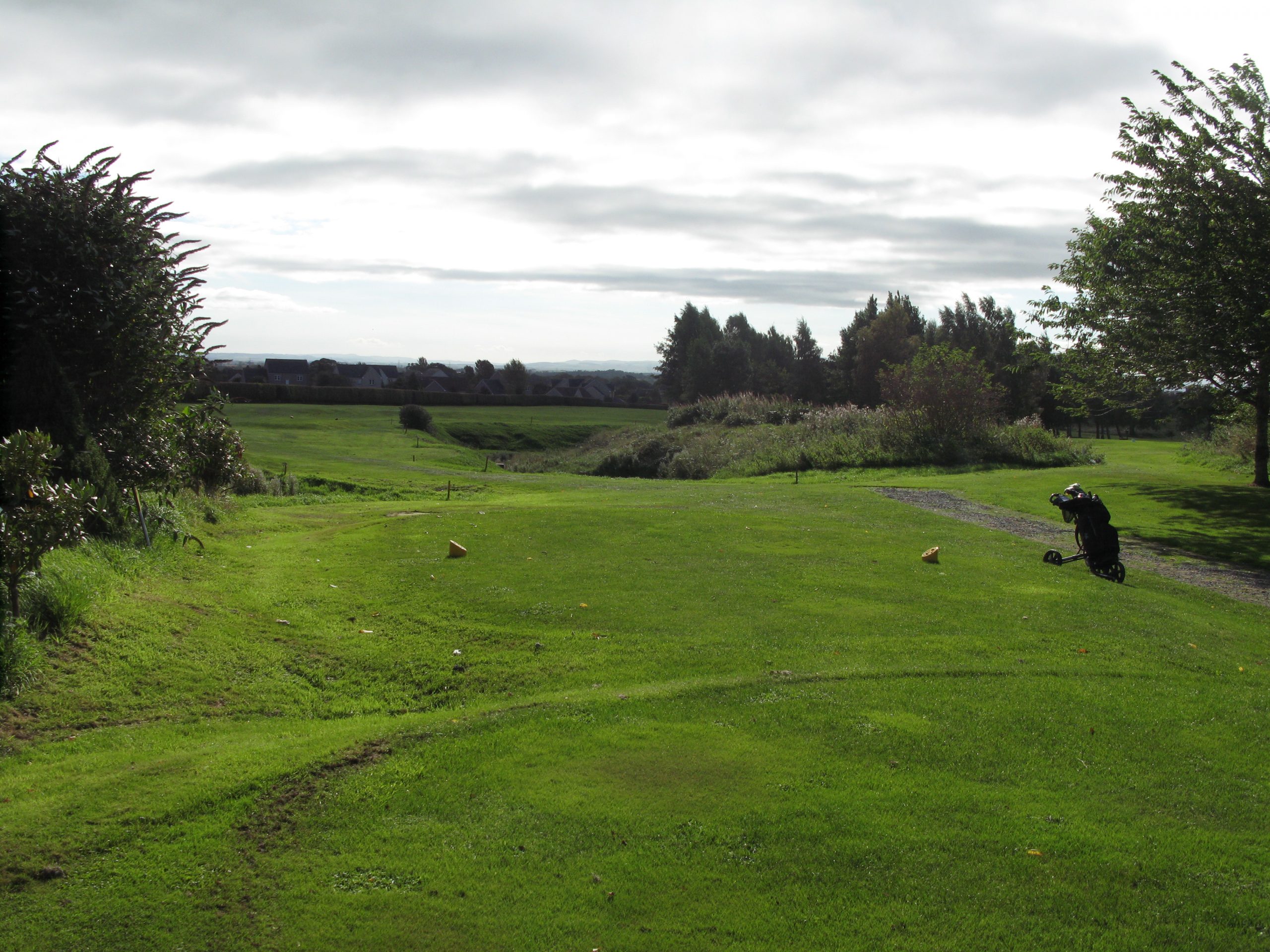
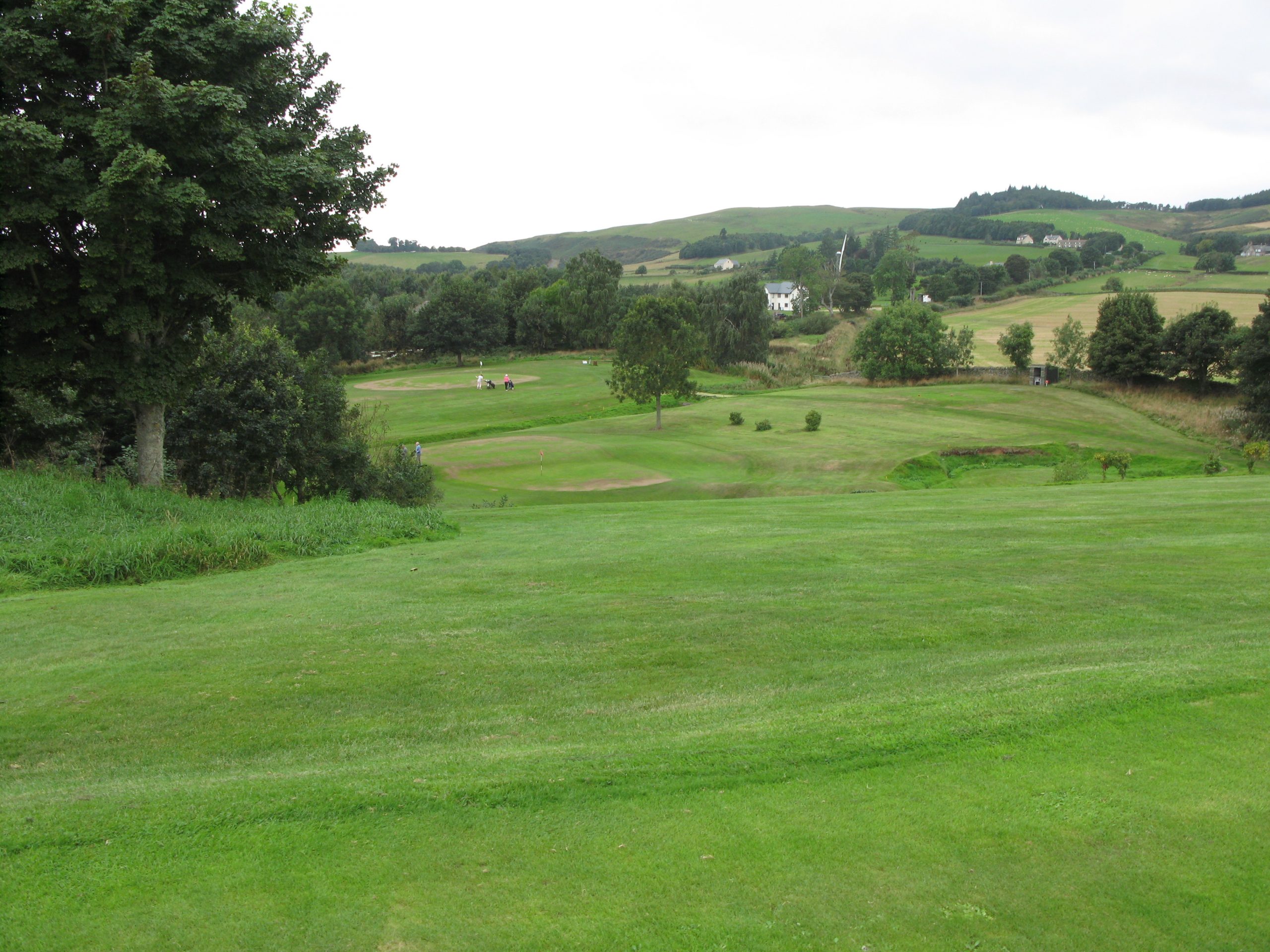
This well laid out course might just be “The Average Scottish Course” – that’s good!

Round £30. Par 70. Course Rating / Slope Rating (yellow) 69.2 /119. Value (out of 5) – 3.5

I’ve now played about 25% of all Scottish golf courses, with about 20% now blogged – that represents a statistically significant sample for the mathematical minded.

The Wellrig Burn comes into play on a number of holes, here shown at the 16th, a tough par 4, played uphill – it is Stroke Index 5.

Therefore, when I played Duns I couldn’t help but consider what the ‘average’ Scottish golf course would be like. A small town setting. A club formed in the latter part of the Victorian age. A course, starting off as a nine hole layout, now having gone through a number of variations, culminating in an 18 hole course only established in the last 30 years. A course length off the yellow tee just under 6000 yards. A nice clubhouse, but with no frills. A course with tees adorned with sponsorship from the local hotels and garages. A decent price of, perhaps, around £30, being low but higher than the municipals that still, thankfully, abound in Scotland. Decent and homely catering, attracting travelling “days out”. A good, but not necessarily outstanding course condition or difficulty.

The well framed 9th hole, ‘Green Knowe’, a par 4 of 354 yards (yellow) – I scored 5

All in all, I realised Duns might be one of the (reasonably many) ‘average’ golf courses that Scotland has; that is to say a really nice place to play golf at great value. With an annual membership fee of £460 (2021) that, in particular, represents excellent accessibility. It is also good to see Family memberships available (Couple plus 2 children under 16) at only £900.

The par four 8th, “Postie’s Walk”, at 363 yards.

Duns, with a population of just under 3000 is the historic county town of Berwickshire, in The Scottish Borders. Only 10 miles north of the Border, It is slightly off the beaten track, in that it doesn’t lie on any of the main trunk routes between Scotland and England. To that extent, Duns is a ‘day out’. It would be an ideal visit for lovers of motor sport, as it is home to the famous racing driver Jim Clarke who has a museum in the town dedicated to his life.

The second hole, the first of the tighter driving holes at Duns. It’s strategic, requiring good judgement on the second lay-up to leave a pitching iron to the dog leg right entered green. Good golf hole.

The course is blessed with some outstanding scenery over the Tweed valley towards the Cheviot Hills in Northumberland. Set in open agriculture countryside, it did at times have a heathland feel, in particular the turf. The course wasn’t in brilliant condition though, albeit the greens were being treated as it was the end of the season. I can understand why it plays fast in the Summer. The fairways were quite tight, but the rough was forgiving – a reasonable compromise.

The downhill par three 15th hole. Choose your club wisely, I overshot the green to find the very narrow burn! A 5 on the scorecard at the SI 18, always annoying. Play towards the right of the green

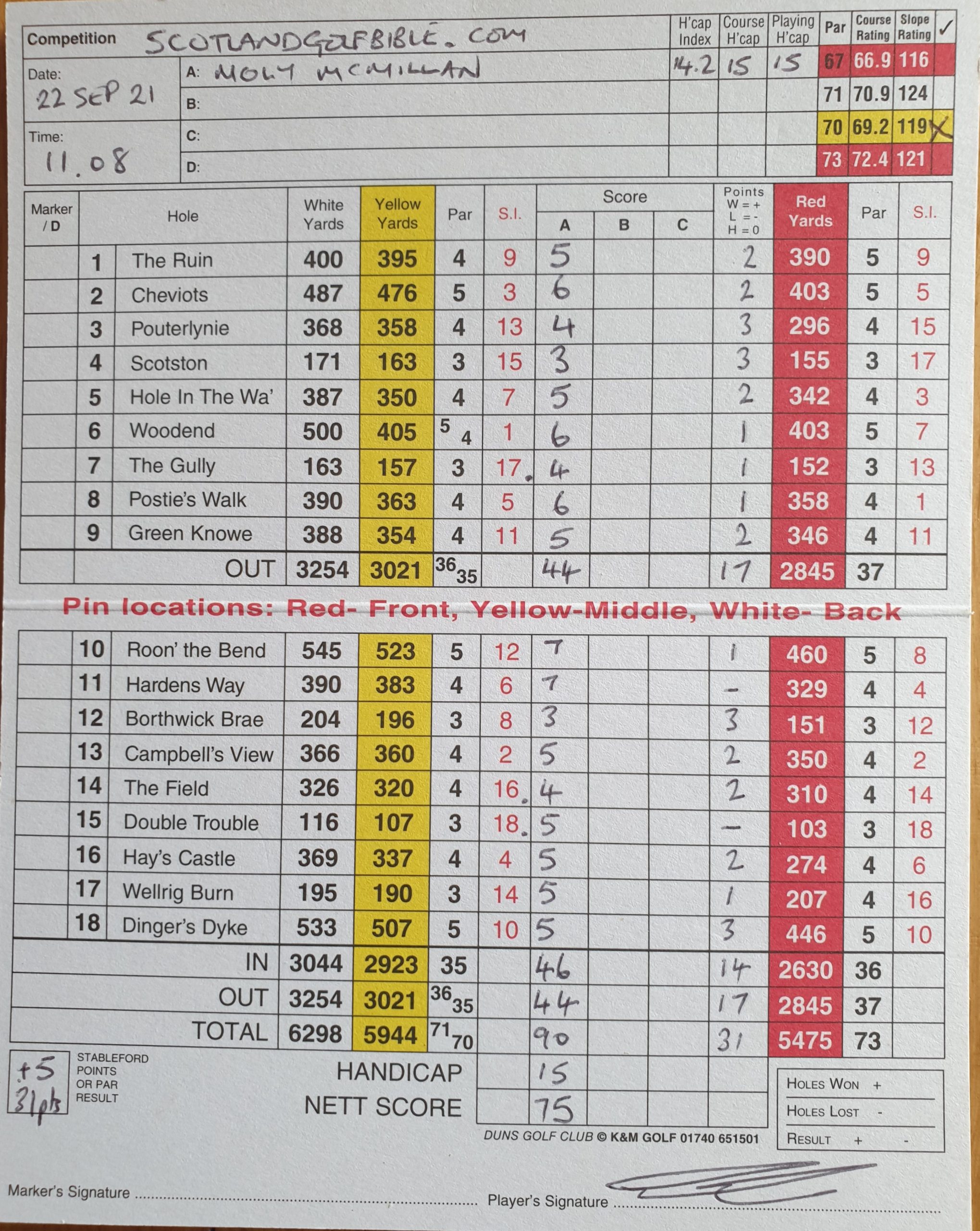
On a breezy day of 15mph wind, I played very soundly for my 90, which equated to 31 stableford points, breaking my contentment threshold of 30 points for a first time play.

Overall, this felt like an innovative and progress club, with attractive and variable pricing using the BRS booking system, increasingly common for tee bookings for several clubs.

If you wanted to visit Scotland for golf, playing Duns would give you a great feel for what most members of Scottish golf clubs experience. No nonsense, good value golf.

Course Type: Parkland

Par 70 (3 par 5s, 10 par 4s, 5 par 3s)

Distance: 5944

Moly’s Gross score: 90

A solid round of 90 on this decent Duns course
« Older posts Newer posts »

© 2026 Scotland Golf Bible

Theme by Anders Noren — Up ↑