The Golf Club and the Viaduct – which will last longest?
Green Fee: £15 (winter rate). Par 71. Course Rating/Slope: 71/128 (yellow tees). Value: 4/5.
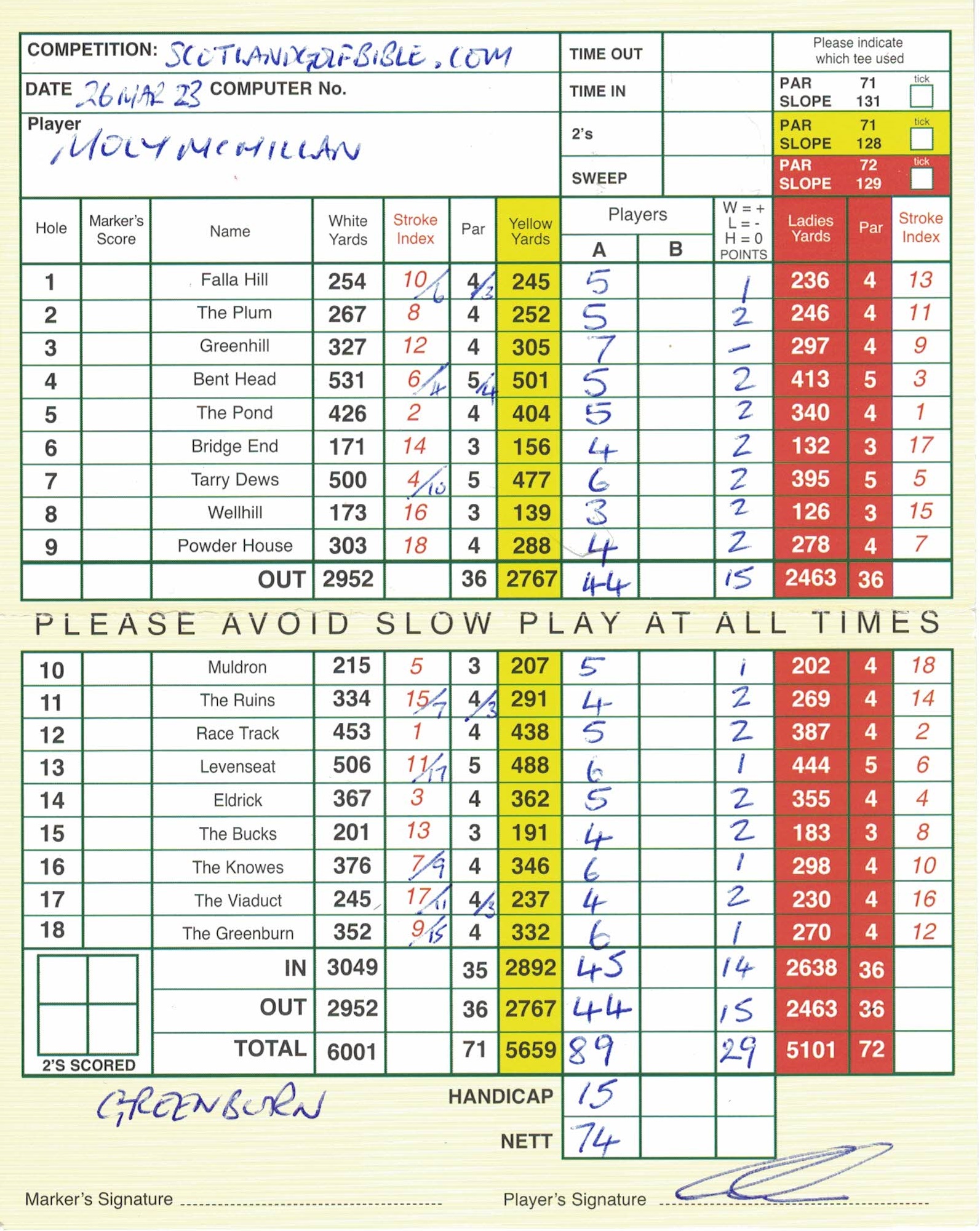
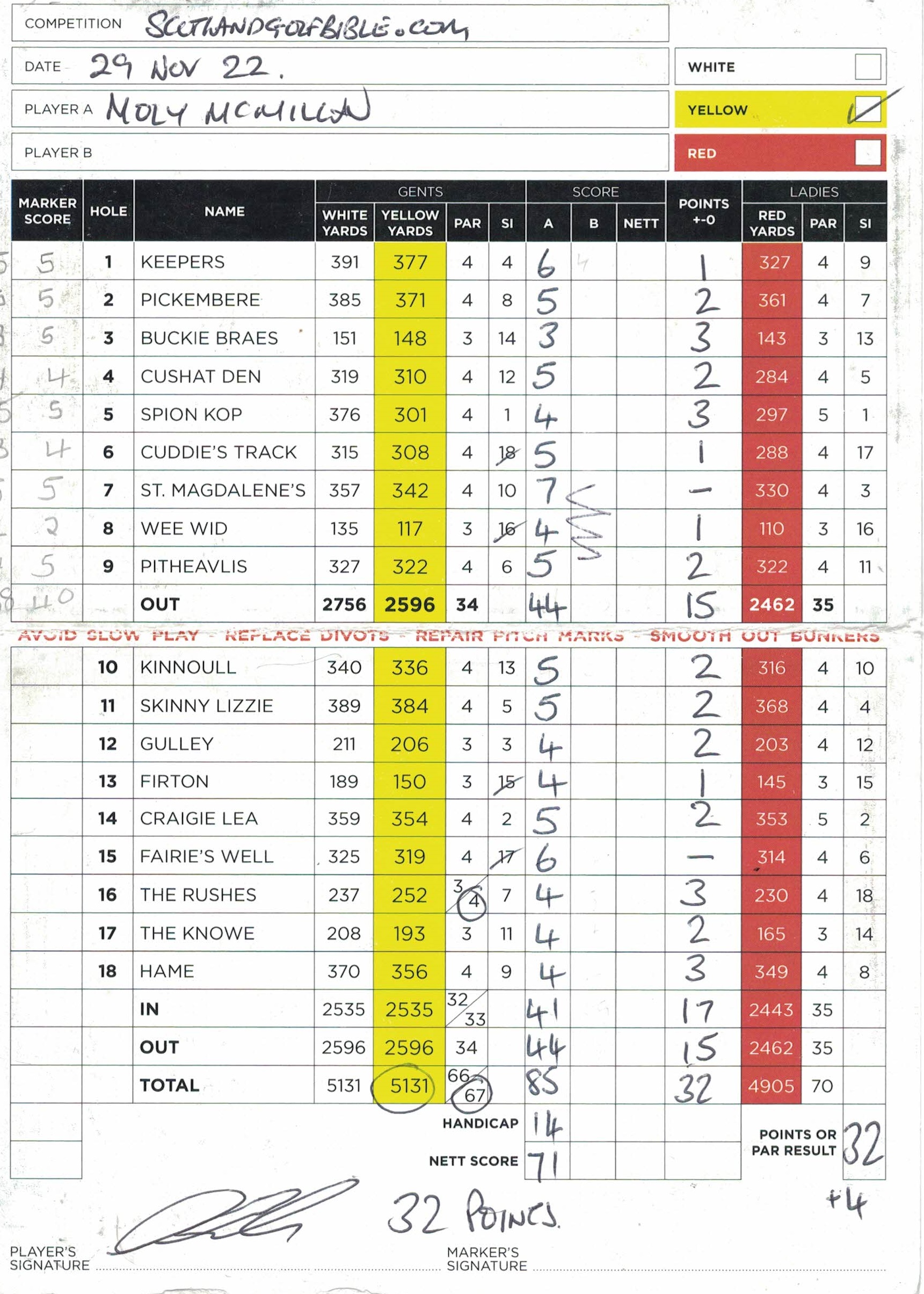
Moly’s Gross Score: 89
Playing Greenburn, I found myself thinking not just about where the course sits geographically – deep in Scotland’s central belt between Glasgow and Edinburgh – but where it sits economically. Scotland has around 575 golf courses and almost certainly cannot sustain all of them. I pondered which side of that financial reckoning Greenburn would end up on. Let’s park that for now.
Greenburn Golf Club traces its roots to 1894, when the working people of Fauldhouse built a course near their village. The present course, voluntarily built by the members in 1953, relocated to the Breichwater Valley. The club motto, Per Nostra Opera (“By our own endeavors”), says what it does on the tin.
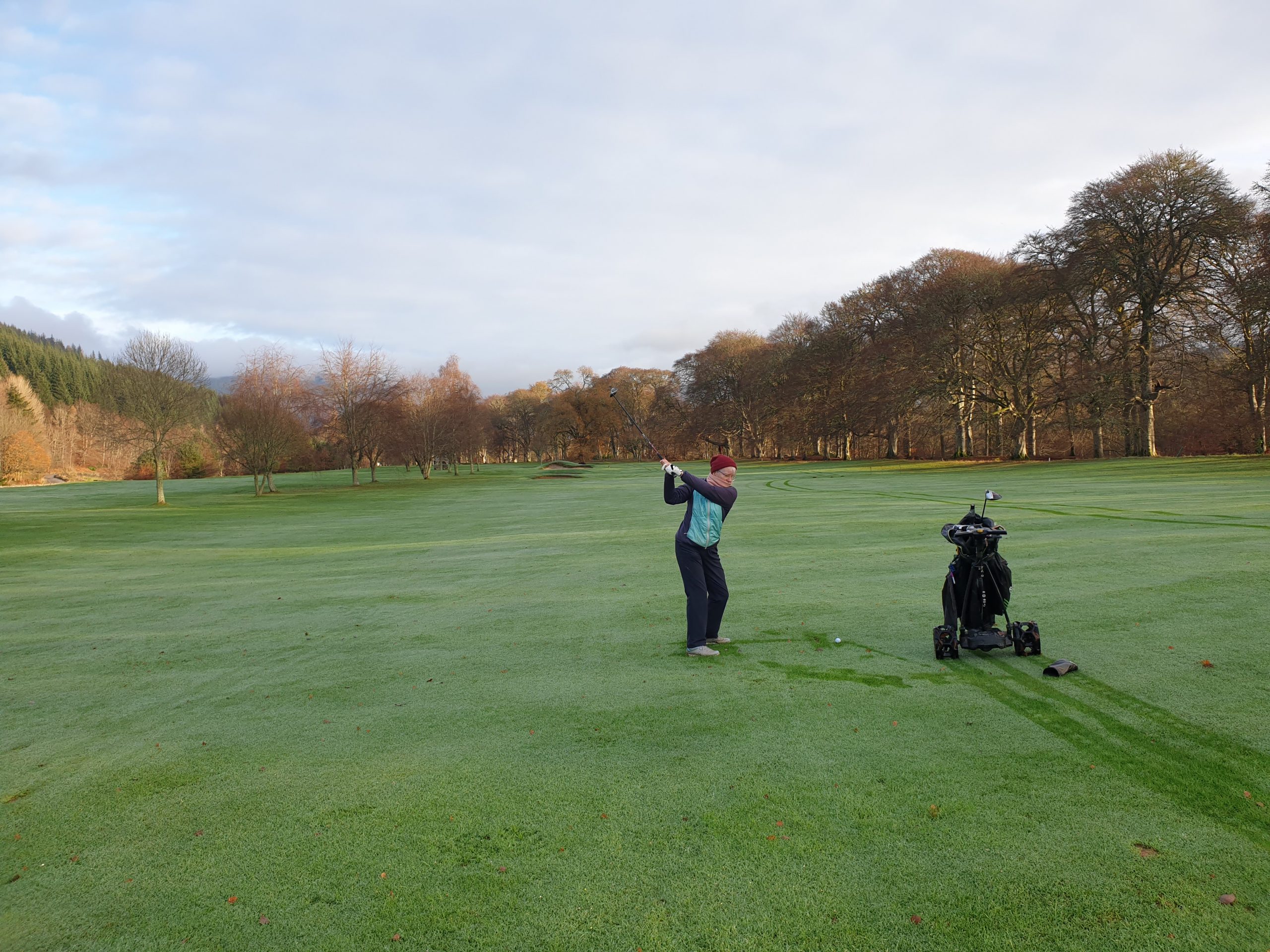
I played at a winter rate of £15, off temporary mats but normal greens. I met recent retiree and local member Gordon Cleland, a decent golfer and clearly very much at home.
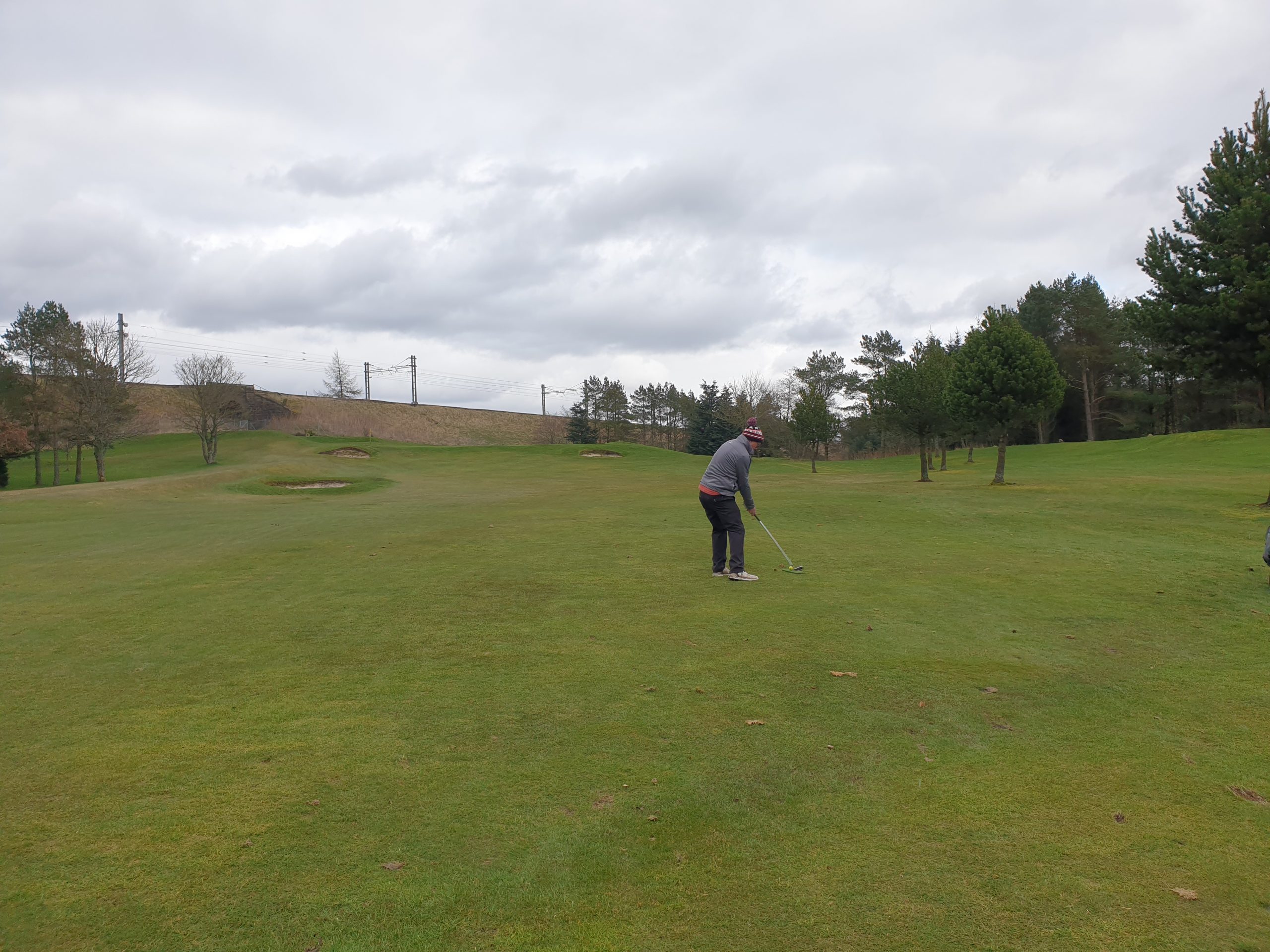
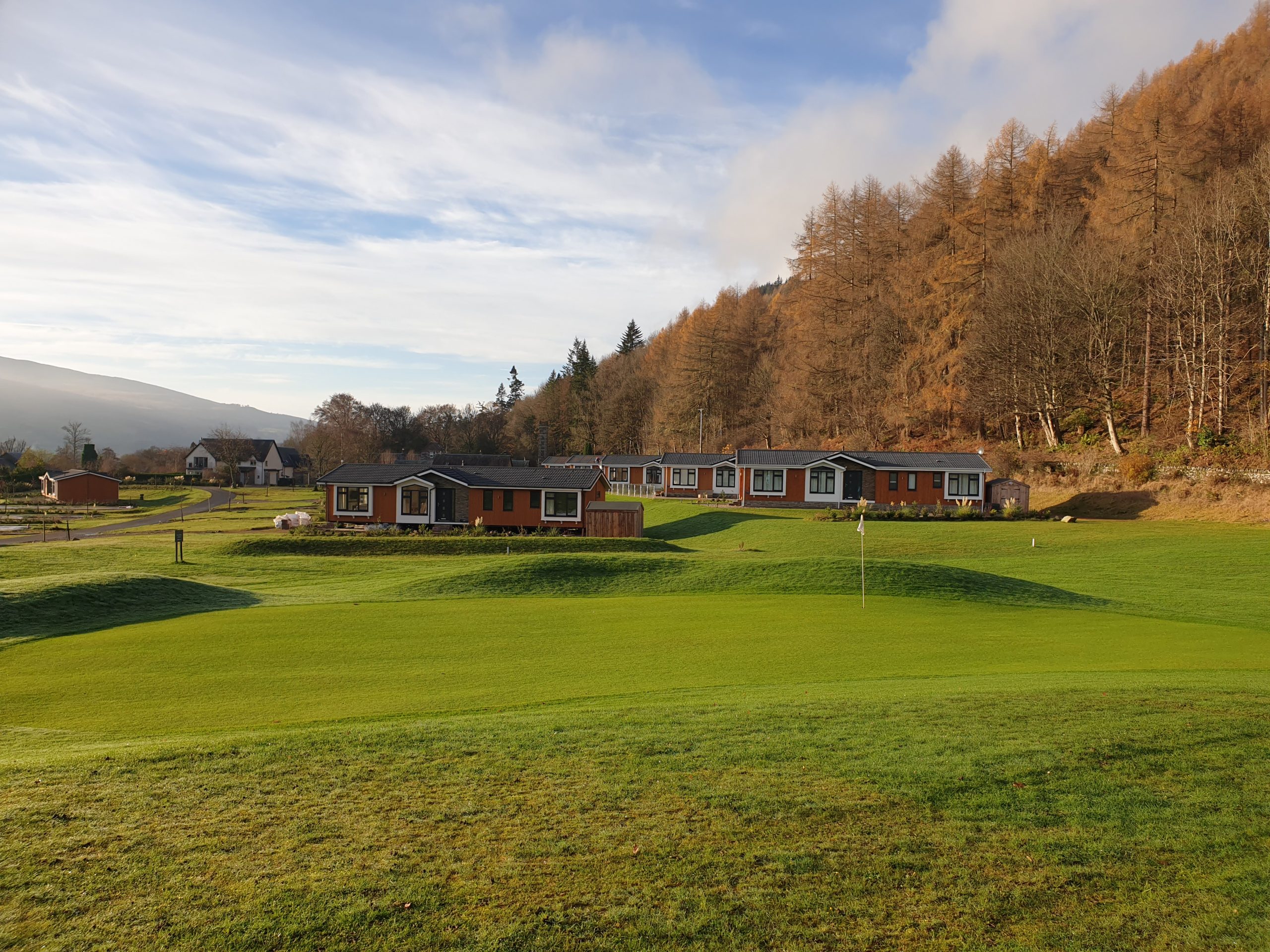
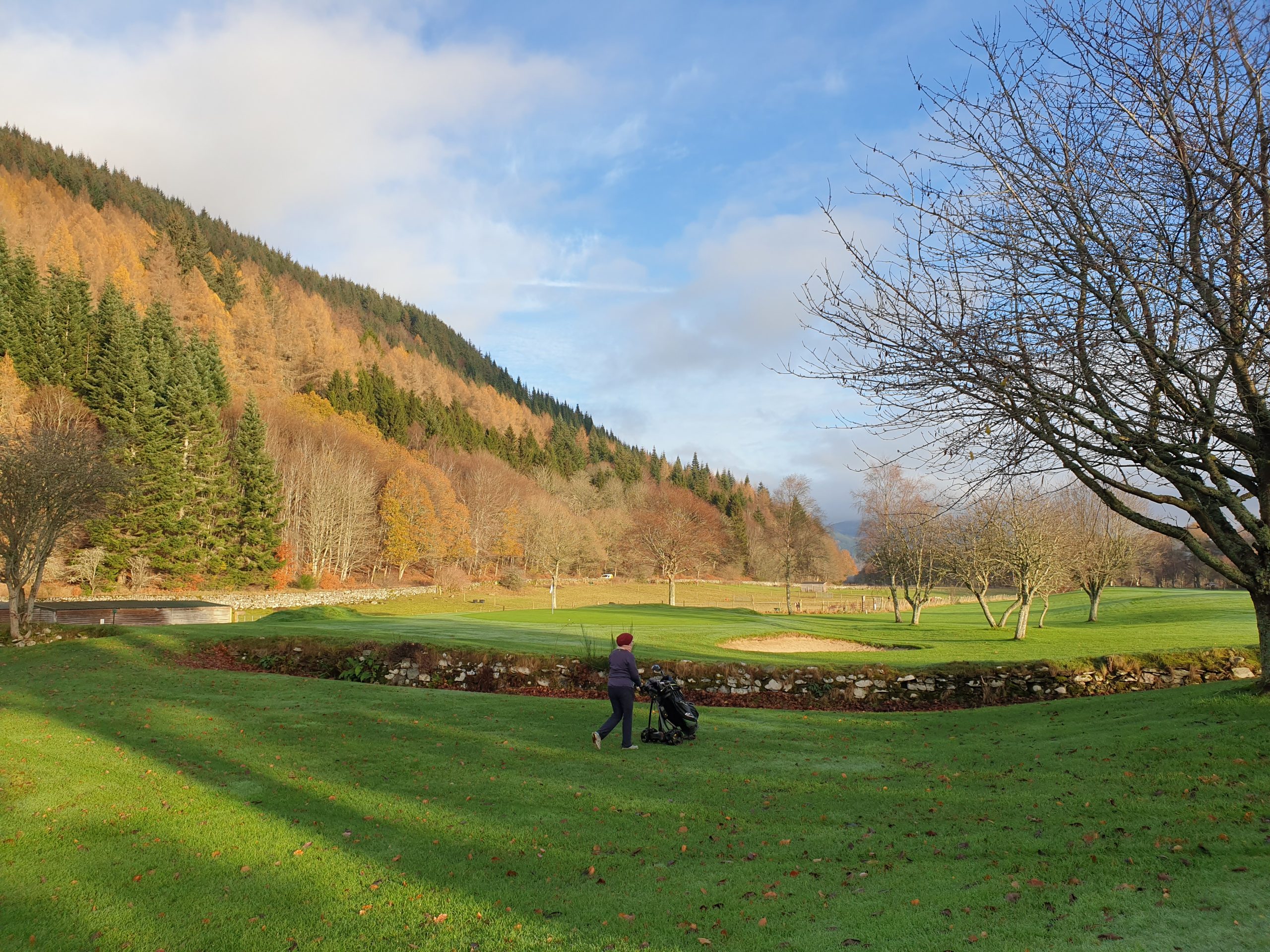
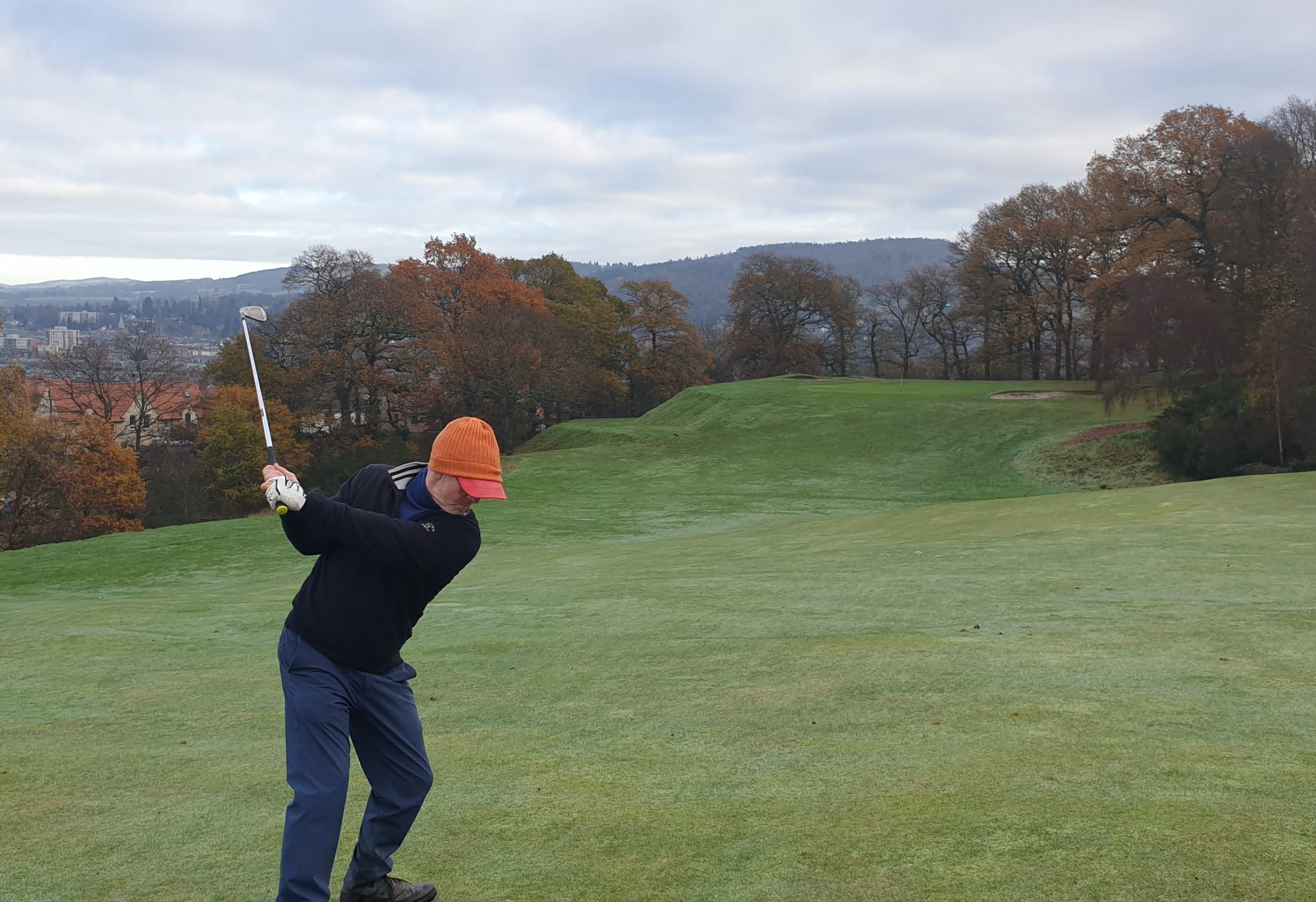
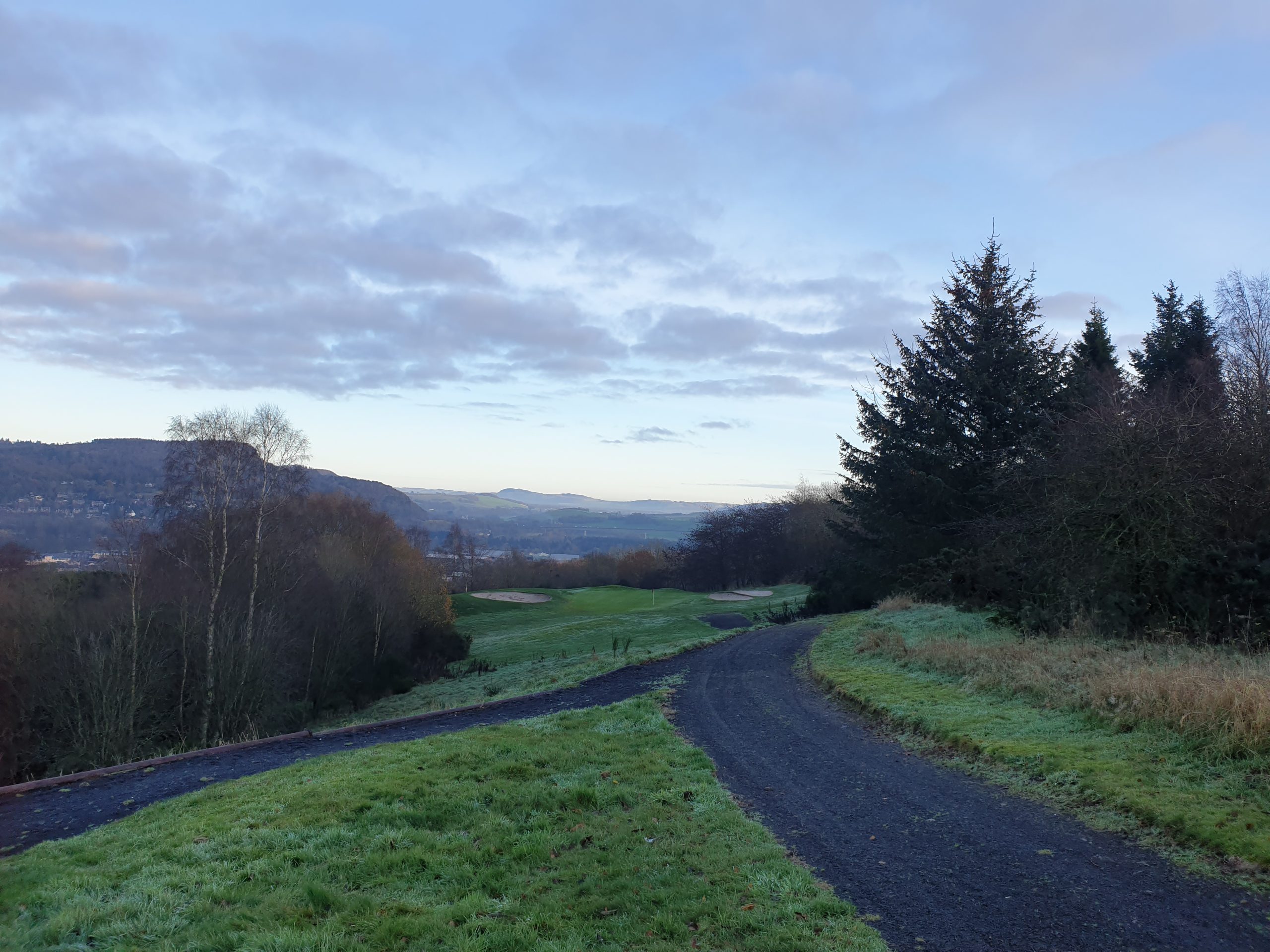
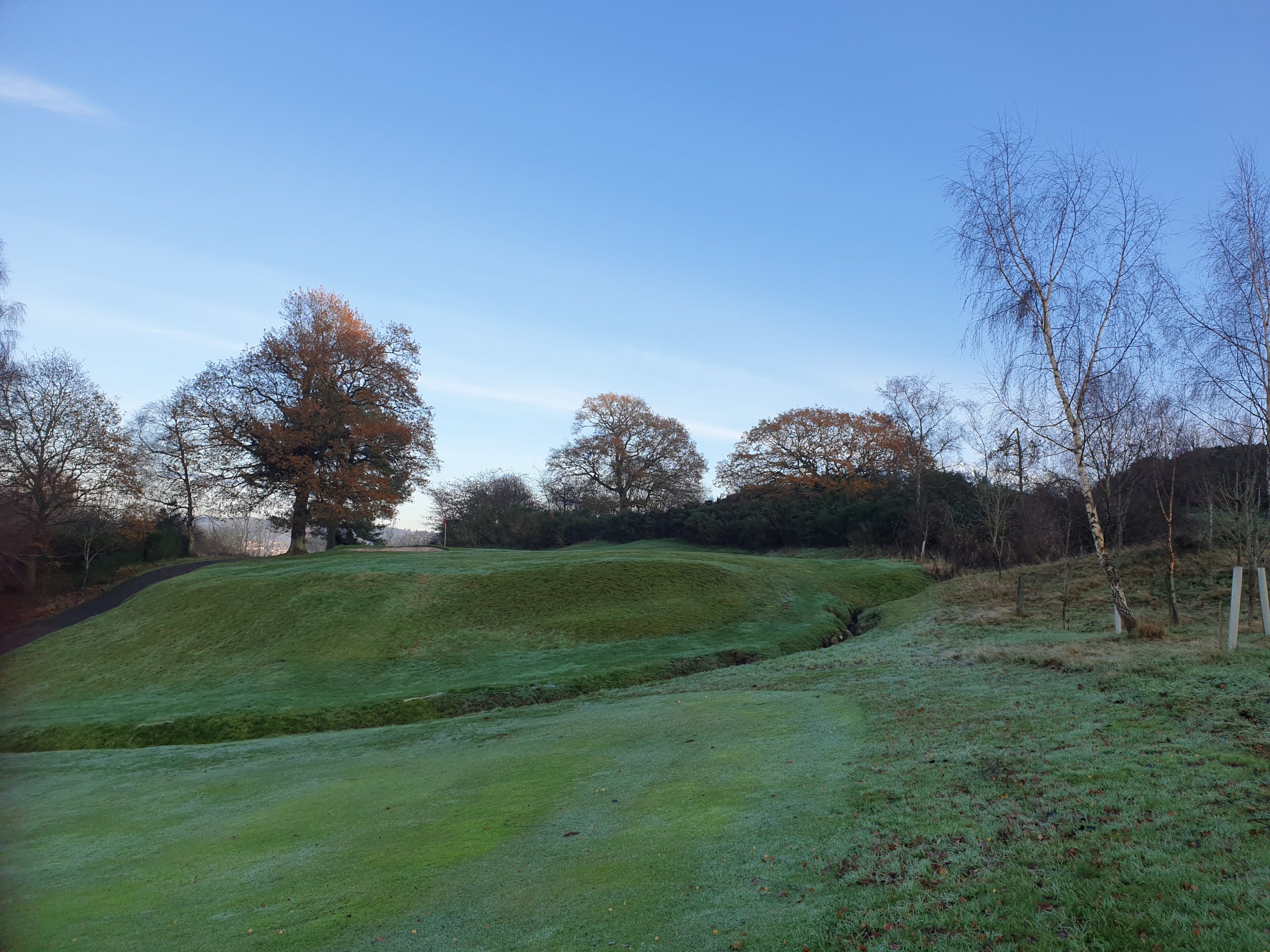
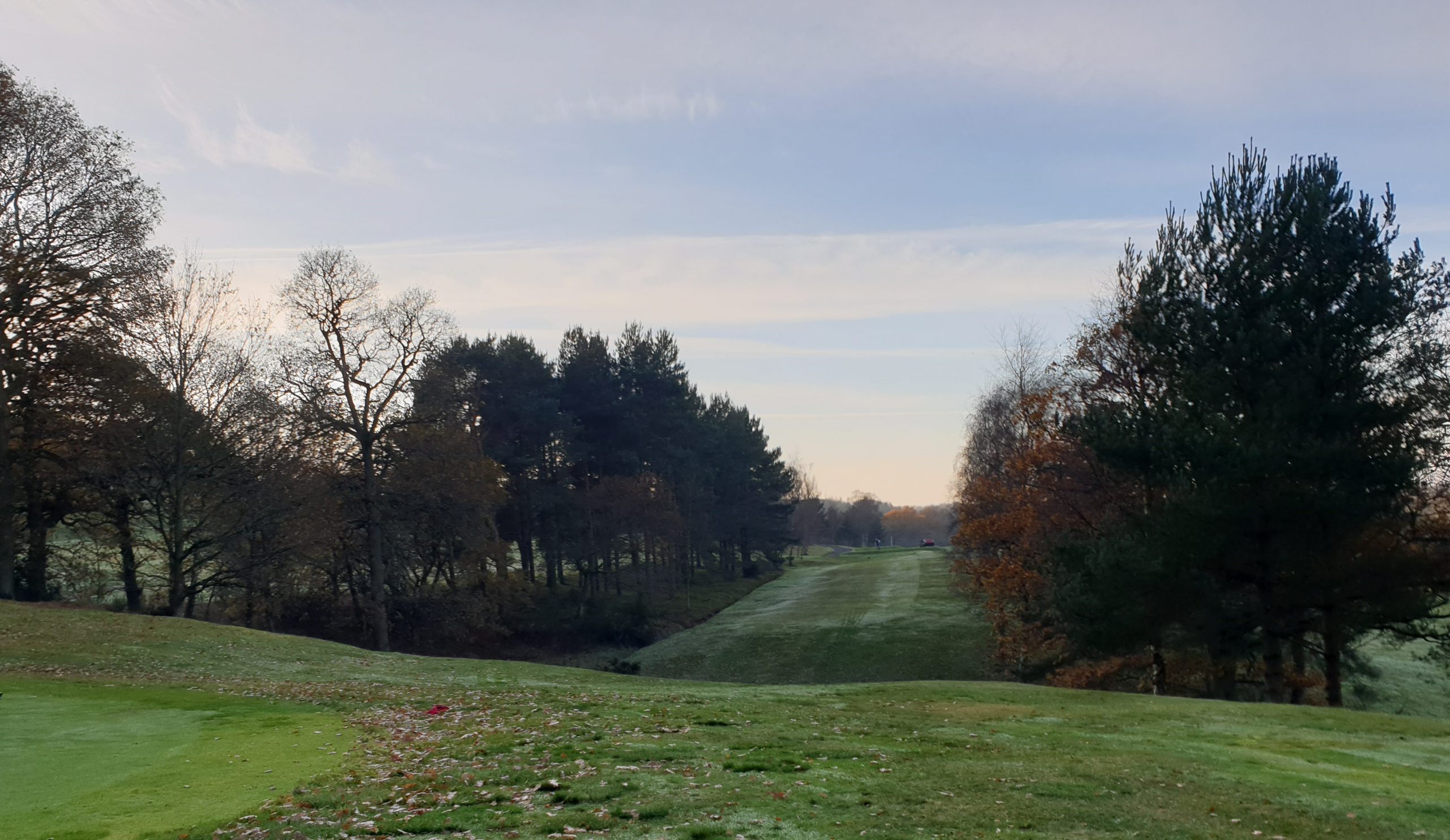
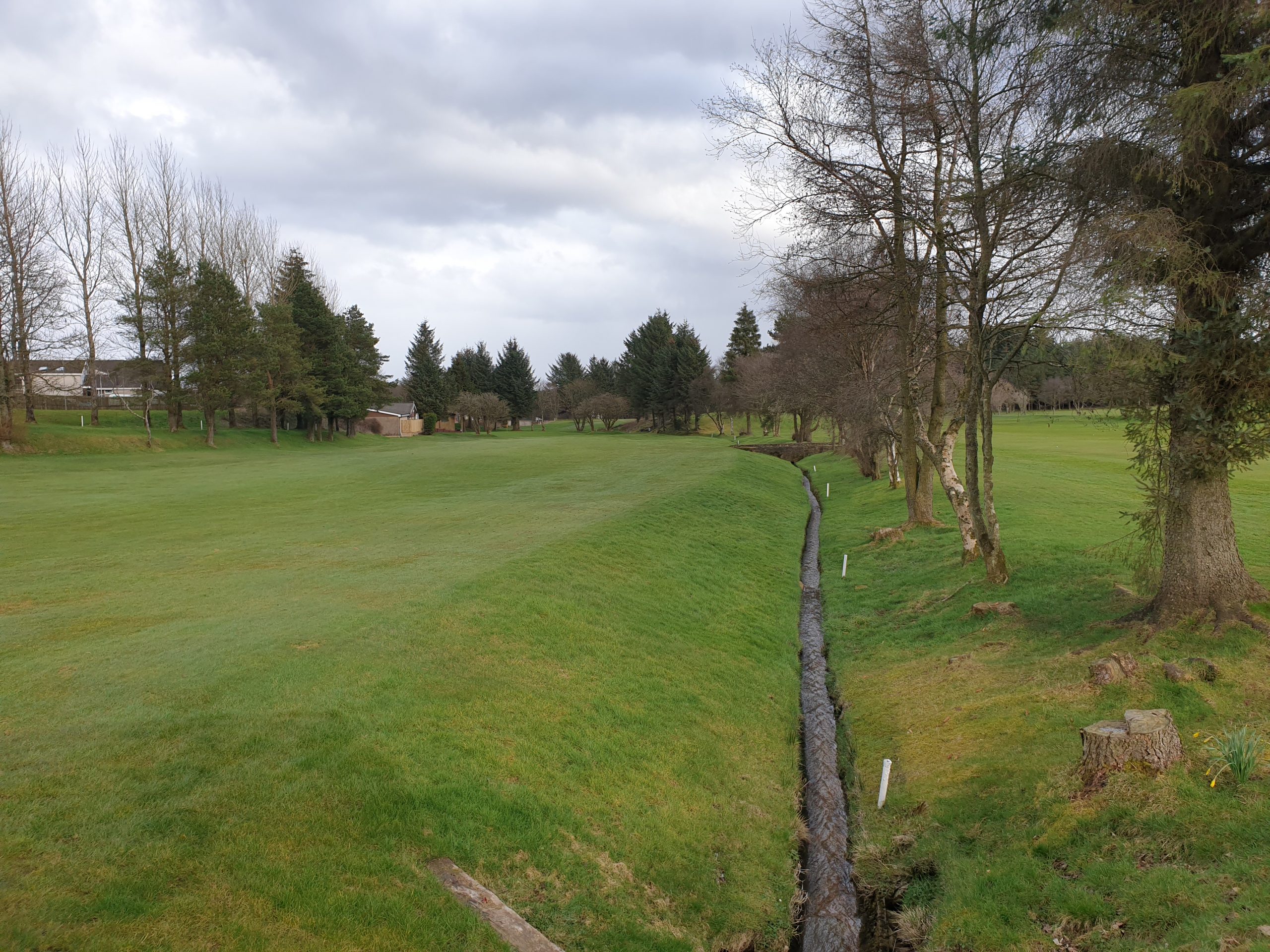
After a welcoming opening hole, Greenburn becomes a narrow course, surrounded by industrial landmarks, most notably the electrified Glasgow to Edinburgh railway line. Pylons and overhead wires run over some holes.
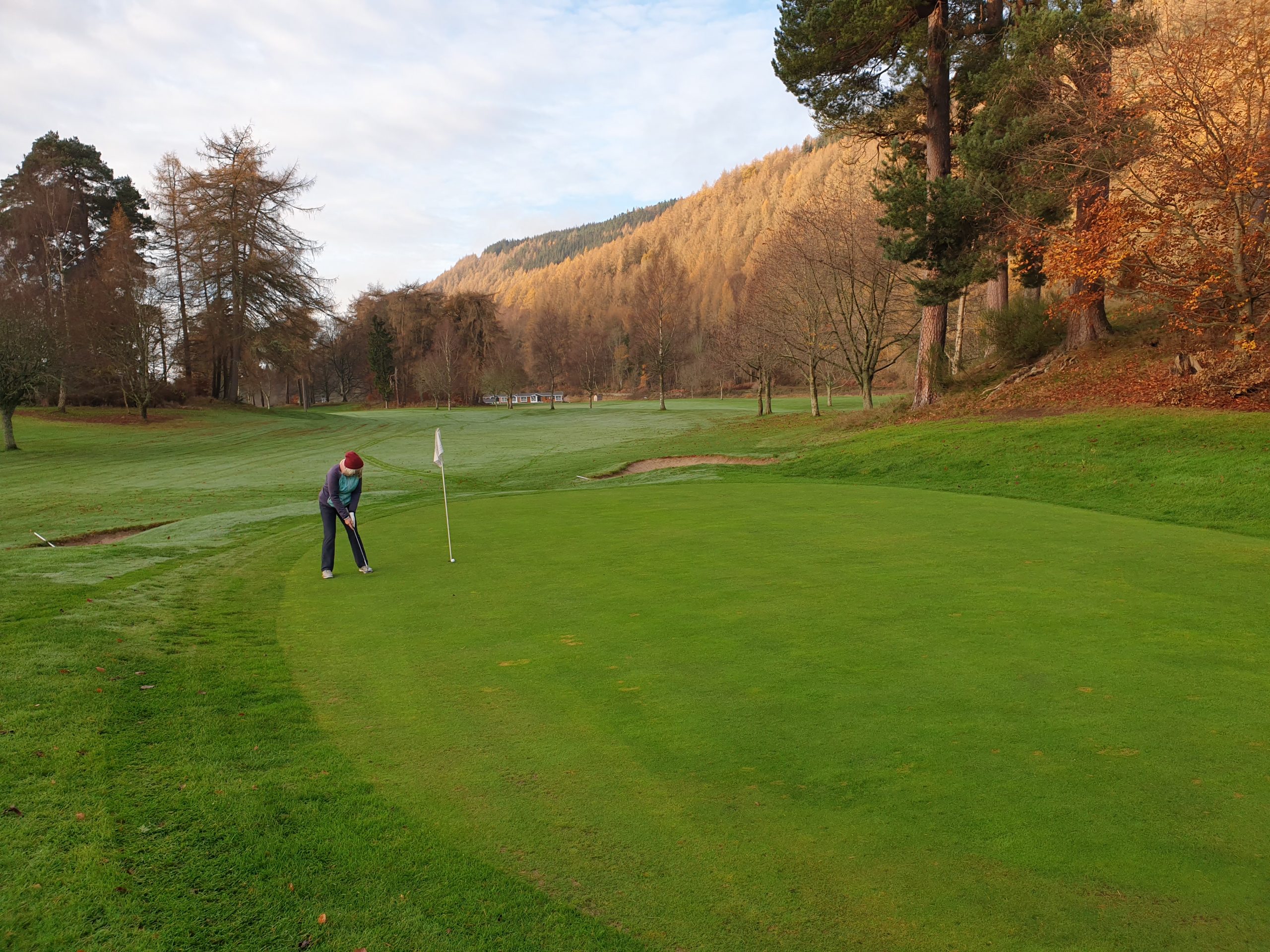
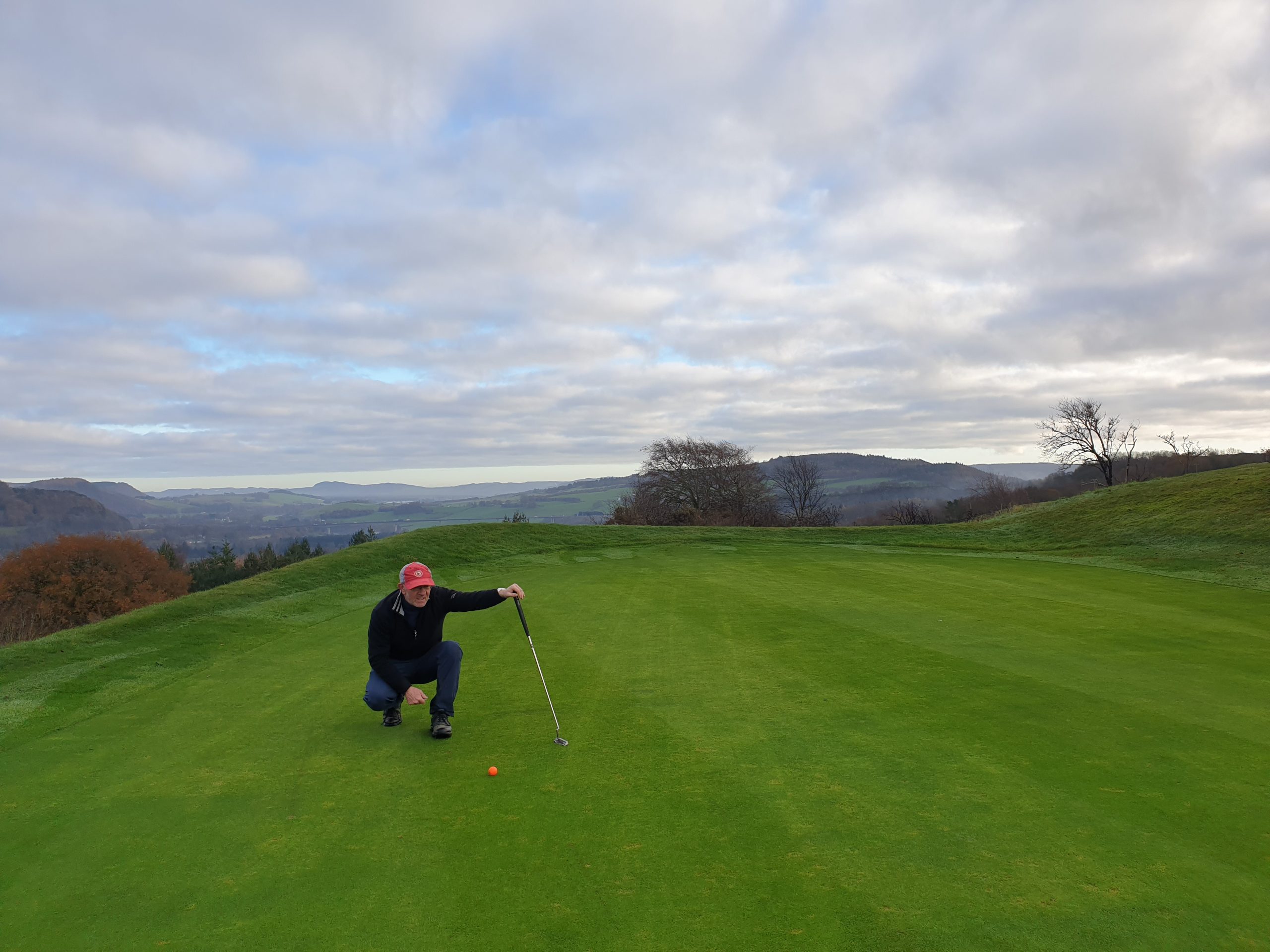
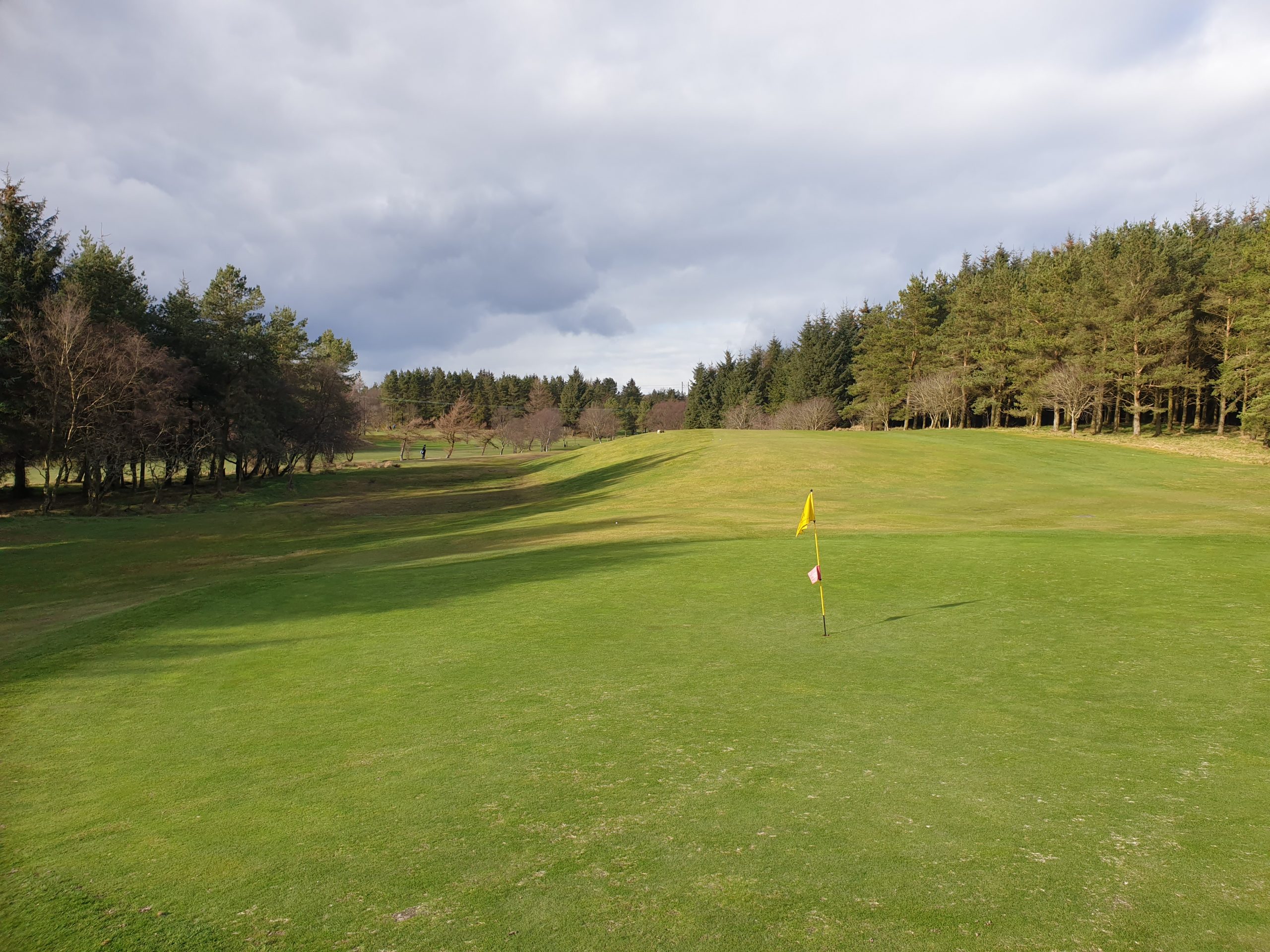
The sometimes very large and sloping greens were in good condition for the end of winter. I got the feel they would be fast and very difficult in Summer.
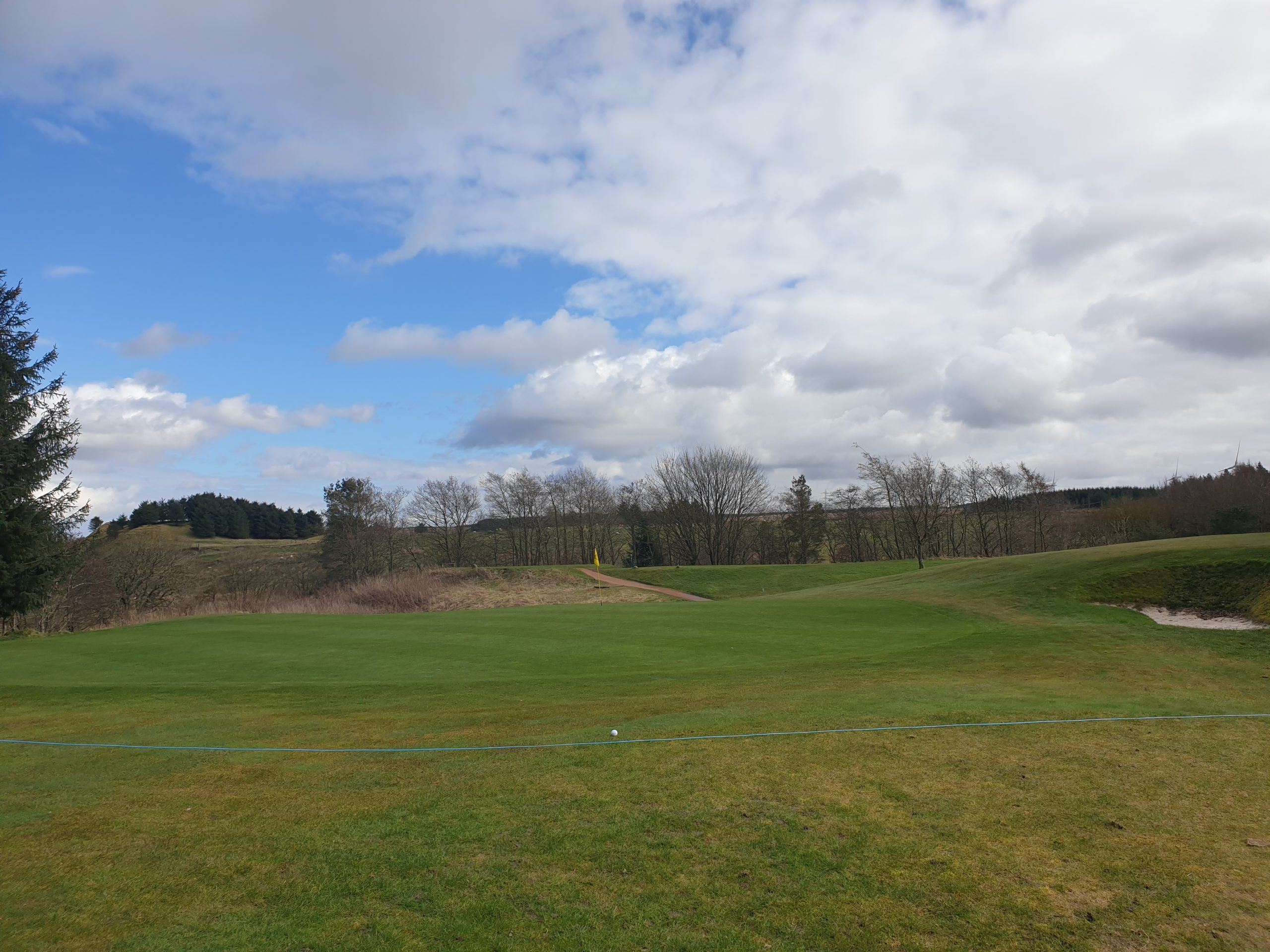
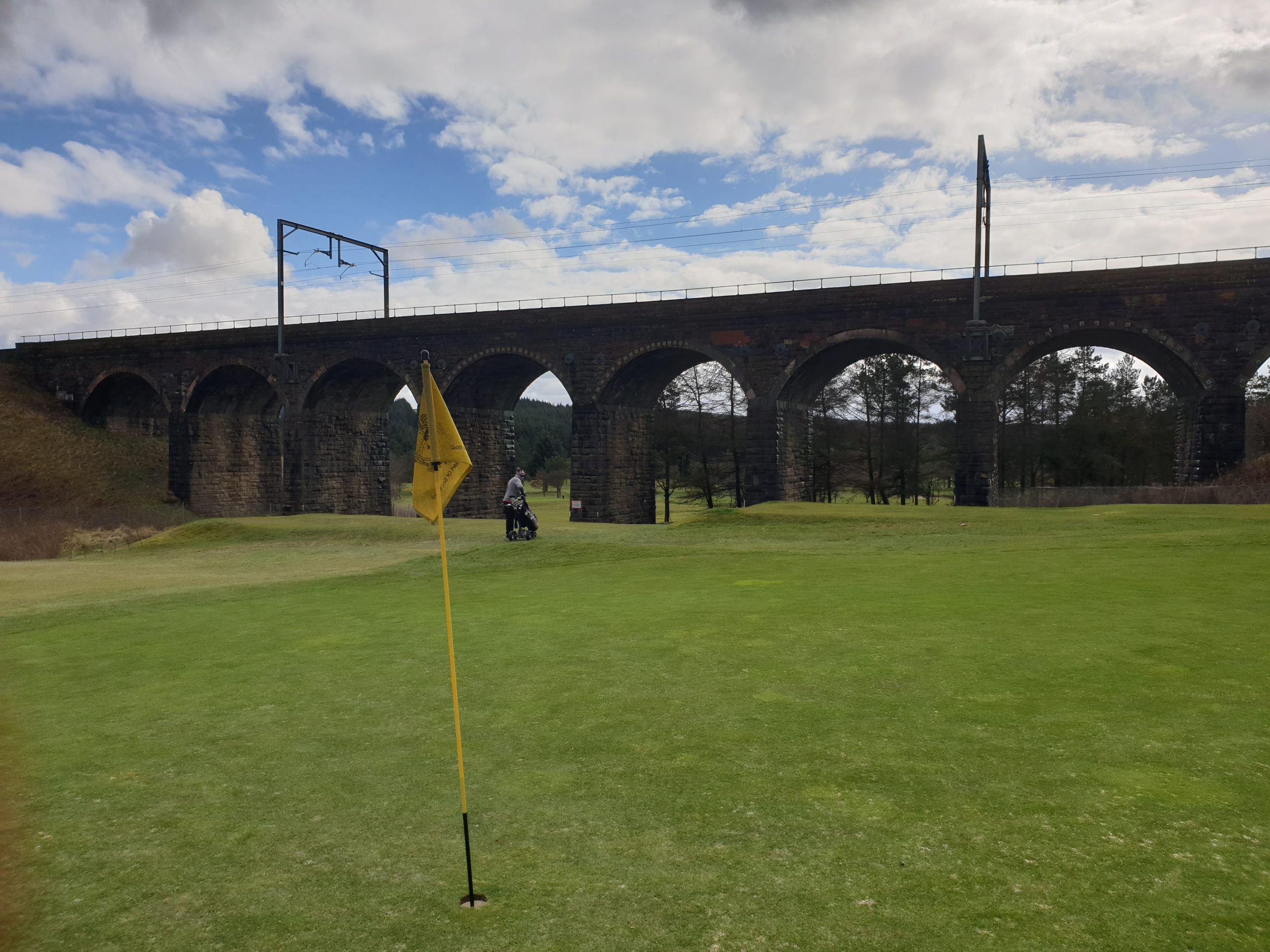
As you play toward the 4th green, a massive stone railway viaduct dominates – dark and monumental, it represents the ambition of the Victorian age, as does the existence of clubs like Greenburn. Nobody designs viaducts anymore, they’d be too expensive, but were they built to disturbingly outlast their surroundings.
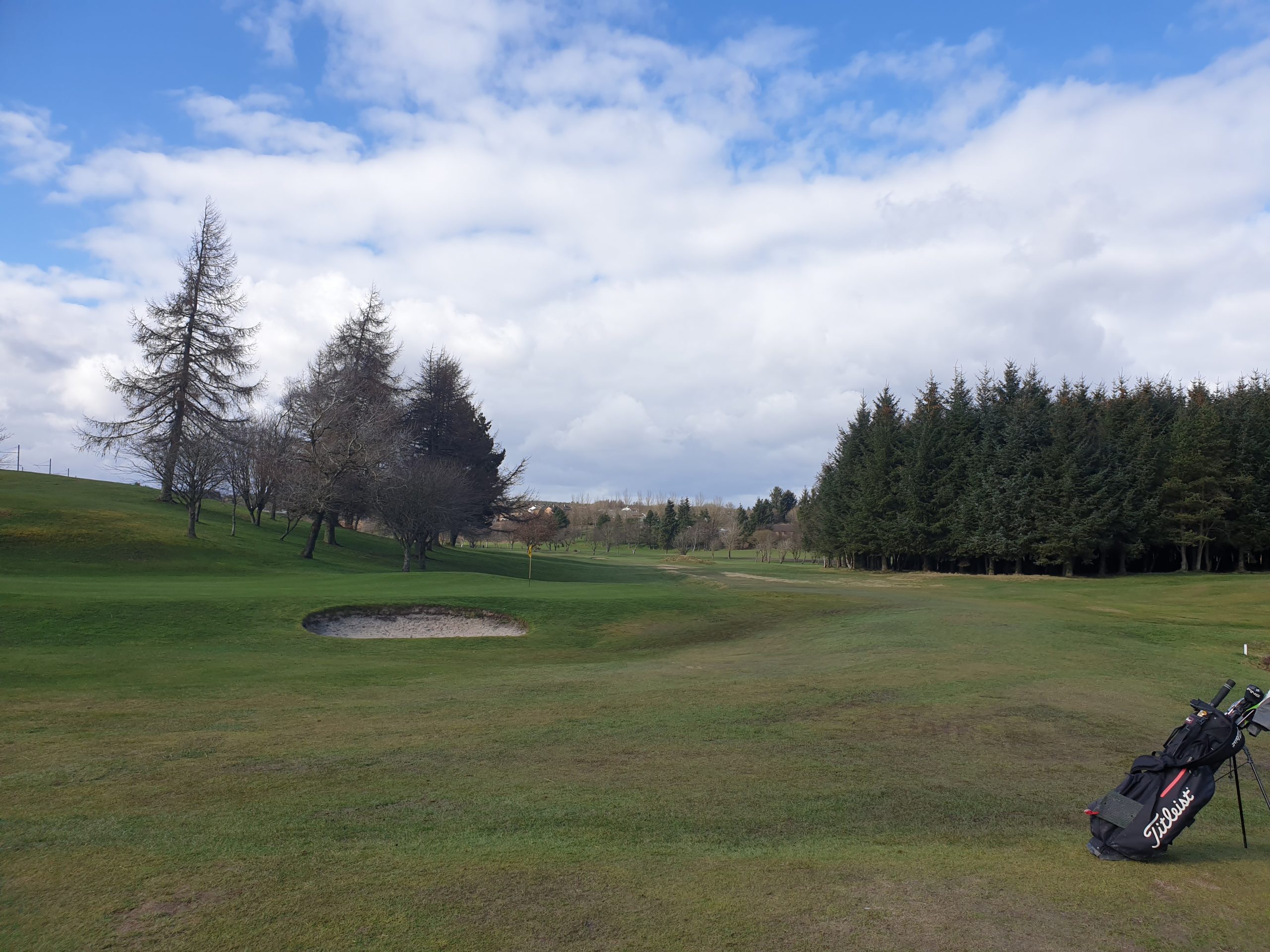
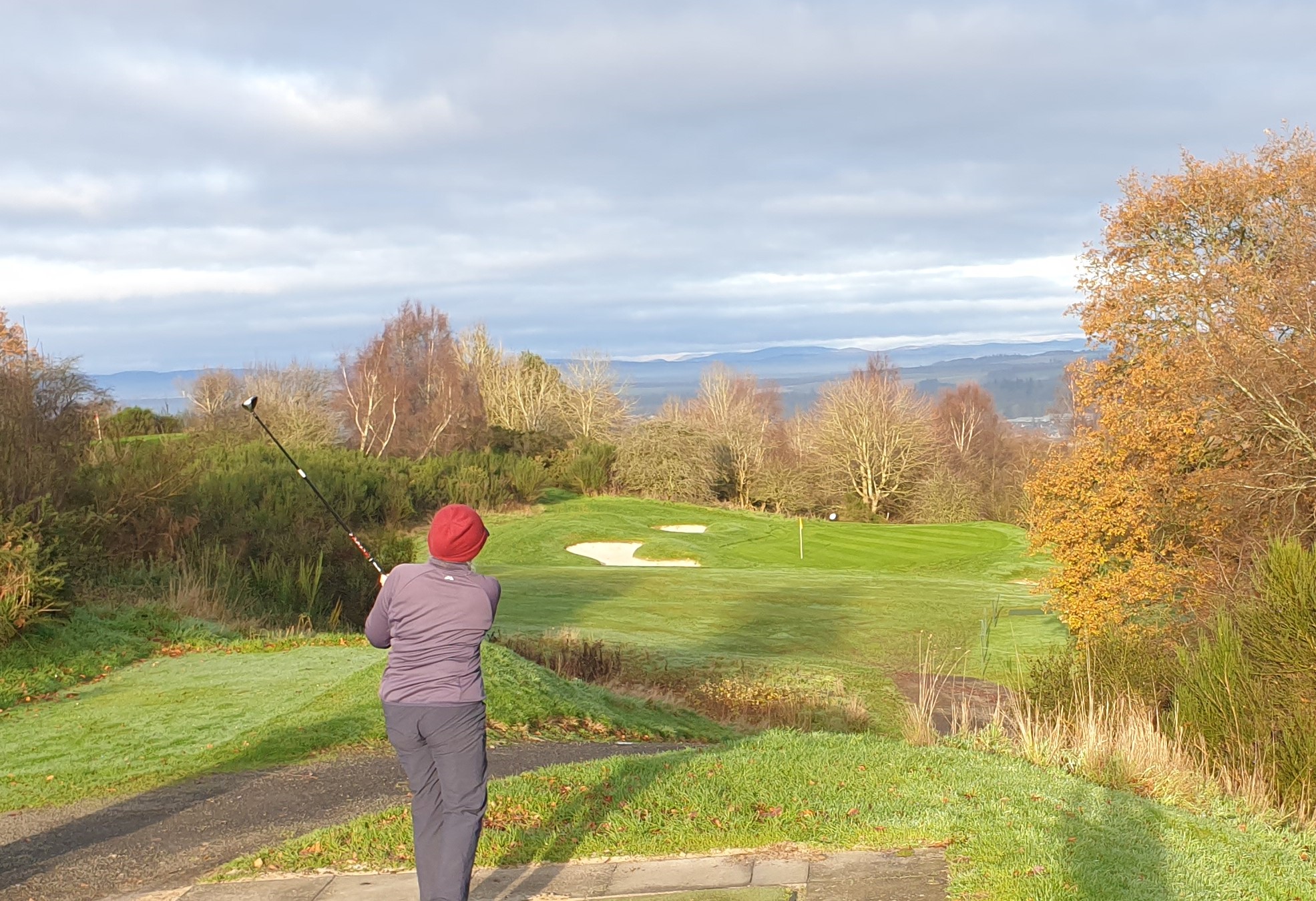
The highlight of the course are a quartet of difficult par threes, a truism brought to life by Gordon’s tale of the Greenburn “secret 2s pot”. Most clubs have a small stake side comp along side the weekly medal, the “pot” shared by players getting a 2 on their card. At Greenburn this side sweep is on only one of the par 3s, but secretly chosen. Given the difficulty of the par 3s, the pot can accumulate. On one occasion, Gordon took home £340 for a birdie two at the 10th, the stroke index 5, ‘Muldron’ .
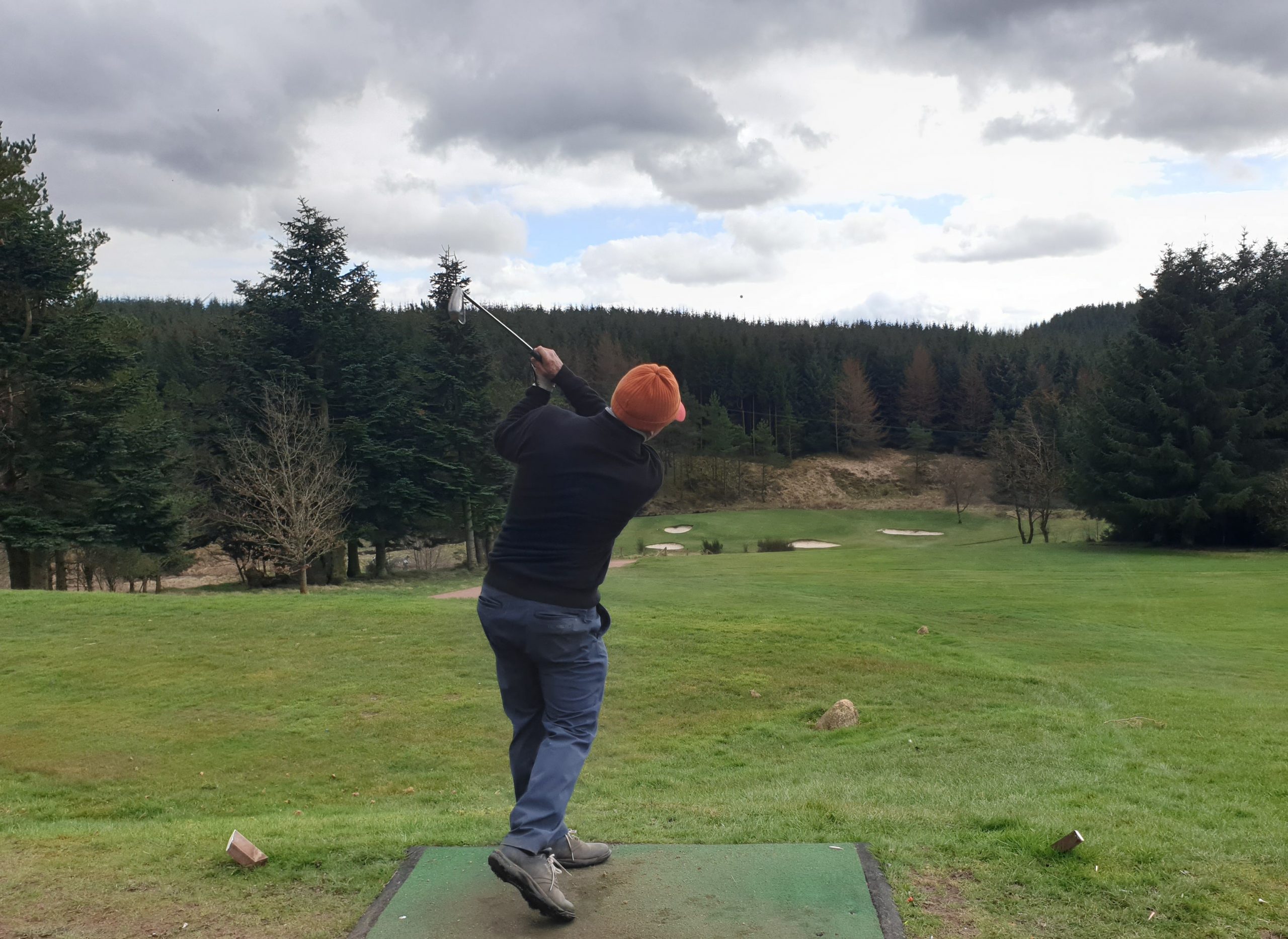
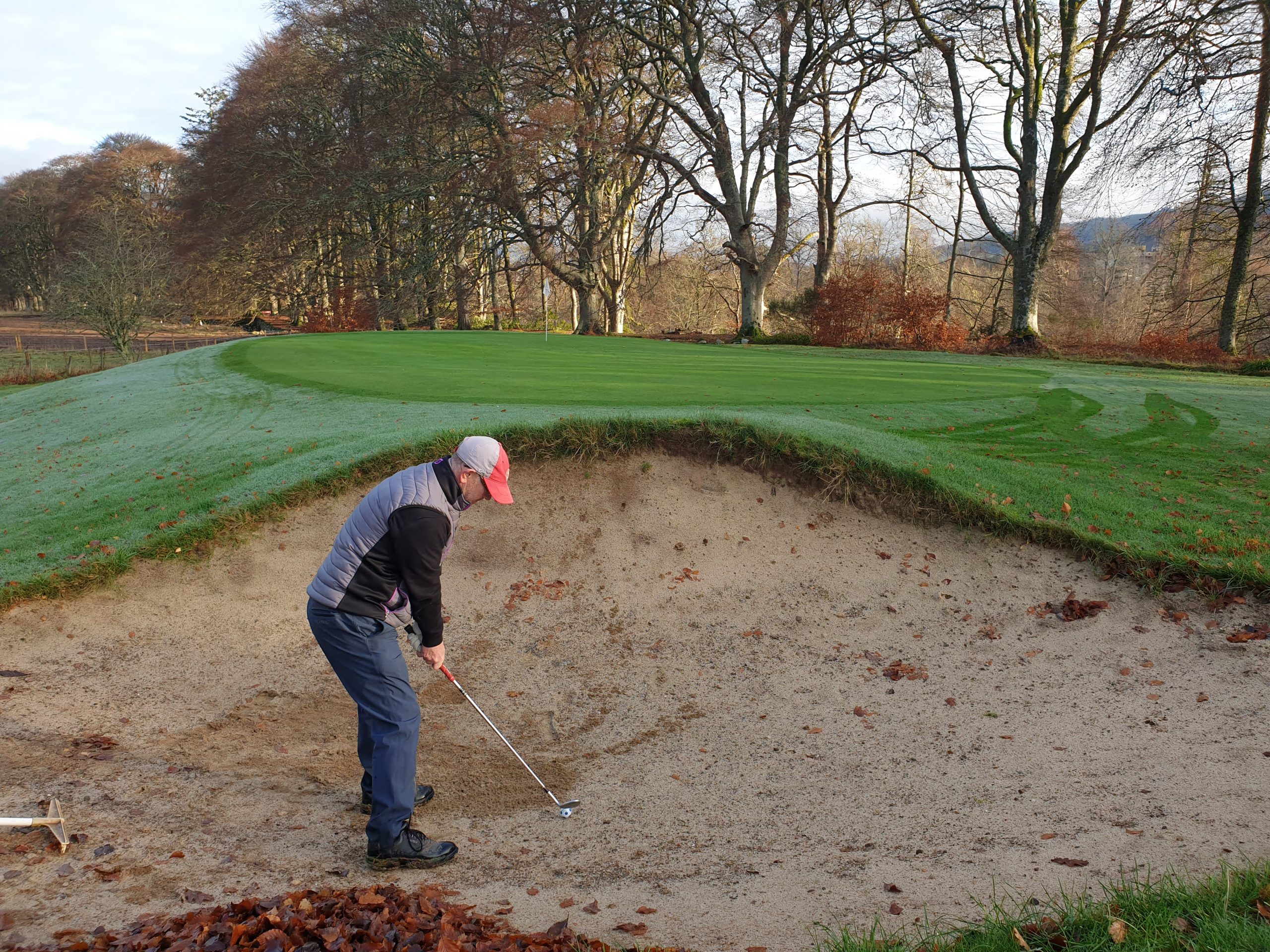
One disappointment was almost every bunker was marked GUR. Well-shaped, properly positioned, but out of play. Hopefully seasonal rather than structural.
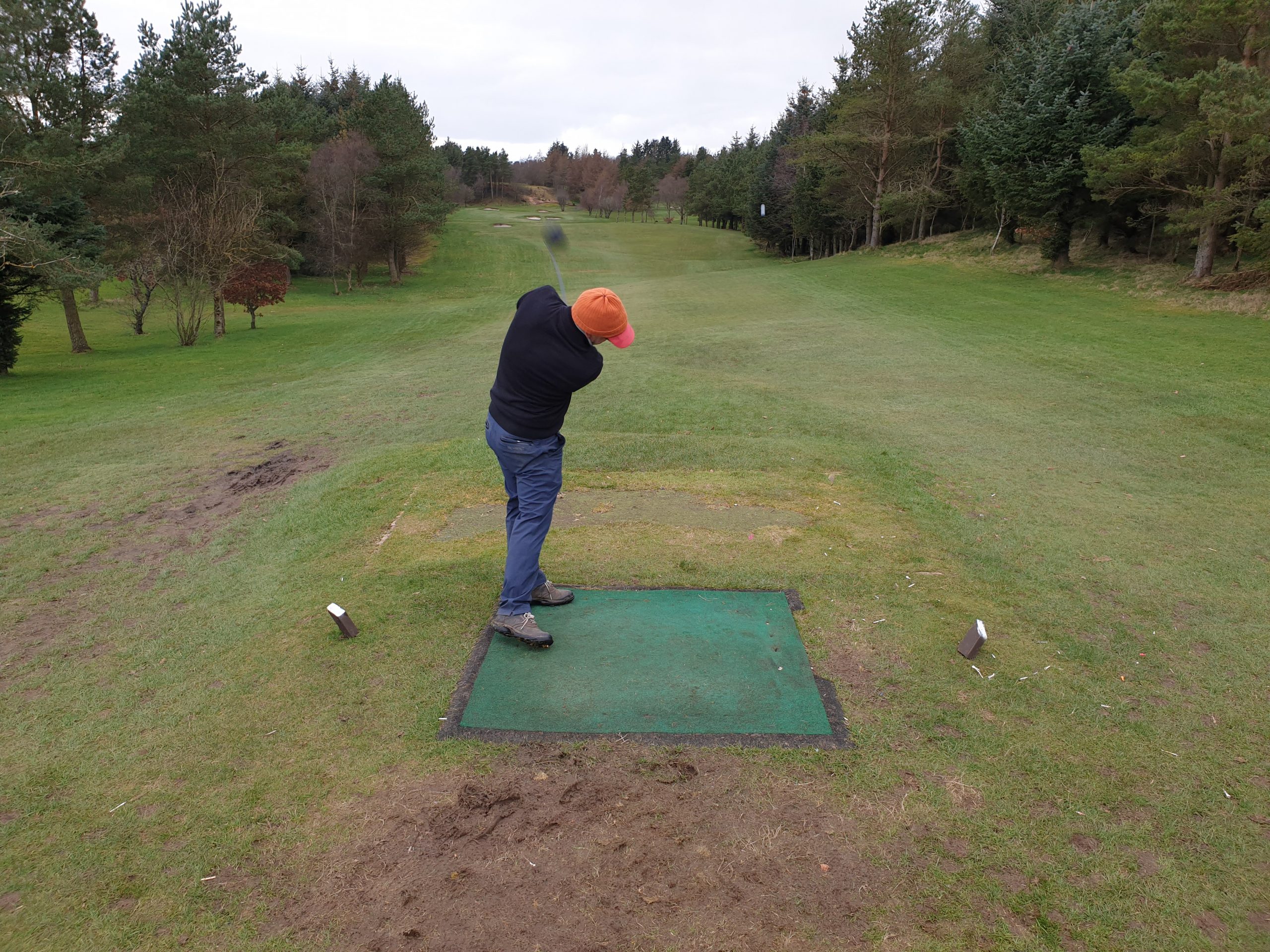
Greenburn is a good course, around mid-table in my ranking of Scotland’s courses that I’ve played. It sits in a central belt that offers a car-owning golfer several credible alternatives within thirty minutes. Membership at £738 a year is deliberately affordable — the club keeping itself within reach of its community. The £30 summer visitor is excellent value.
So to the viaduct or course question.
The viaduct was built in an era when Fauldhouse had the population, the industry, and the collective will to anchor infrastructure for generations. The golf club was founded in the same spirit, by the same kind of people, in the same era. Both have lasted. But the economic conditions that created them, dense local population, limited mobility, a working community that played its local course because there was no other, have long since dissolved.
Scotland probably cannot sustain 575 golf courses indefinitely. The adjustment will be slow and uneven, shaped by club type, geography, land ownership and sheer stubbornness. Members’ clubs built by communities like this one don’t close easily – they endure through loyalty, deferred maintenance, and people like Gordon who simply keep turning up. But the structural pressure is real, and it falls unevenly. A course in the middle of the quality distribution, in the middle of the country, with several competitors nearby and no obvious distinguishing draw for the visitor market, faces a particular kind of exposure that a municipal course or a well-capitalised commercial operation simply does not.
The viaduct will almost certainly outlast us all. The golf club? I genuinely hope it does too. But the question in the title isn’t rhetorical.
More on Scotland’s golfing landscape — and what the economics might mean for courses like this one — in a future post.
I scored 89. The course reminded me a little of East Ren (Blog 169).
Facts:
Course Type: Parkland/Moorland
Par: 71 (3 par 5s, 11 par 4s, 4 par 3s)
Distance: 5,659 yards (yellow tees)
Course Rating/Slope: 71/128 (yellow tees)
Moly’s Gross Score: 89
Green Fee: £15 (winter rate)
Value: 4/5