A guide to green fee value for money

Category: 2 star (Page 1 of 7)

185. Broadlees. 25 Mar 2023.

If a farmer builds a golf course, this is what might be par.

Price: £16. Par 36. CR 69.0, Slope 119.

Value: 3.5 / 5.

Moly’s Score: 45

In 1987, the UK Government launched the Farm Diversification Grant Scheme, to incentivise farmers to diversify; by the early 1990s courses began sprouting at a rate that may have startled Old Tom Morris. My own club, Isle of Wedmore in Somerset, was built in 1992 on Lineage Farm by Ken Abraham, using a standard hymn sheet – rolling agricultural land, modest construction budget, an unfussy layout, and a prayer that golfers would cover the mortgage.
“Anderson’s Garage” the aptly named first hole, par 4, surrounded by Farmer’s fields

Robert and Barbara Anderson did the same in 2004, converting their South Lanarkshire farm into the Broadlees Golf operation; range, 9-hole course, crazy golf, footgolf, academy, cafe and in 2021 a second very unusual addition (covered in Blog 186). They self-confidently named the course’s address “Anderson” Drive, Chapelton, after themselves!

The workmanlike hole names also gives insight to the Andersons; ‘Anderson’s Garage’, ‘Gas Works’, ‘Worker’s Way’, ‘Out the Moss’, ‘Old Road’ and ‘Five Acre’. The ‘Powmillon’ burn (hole 4) runs through well-heeled Strathaven a few miles to the south-east, whose own Golf Club has more bourgeois hole names.
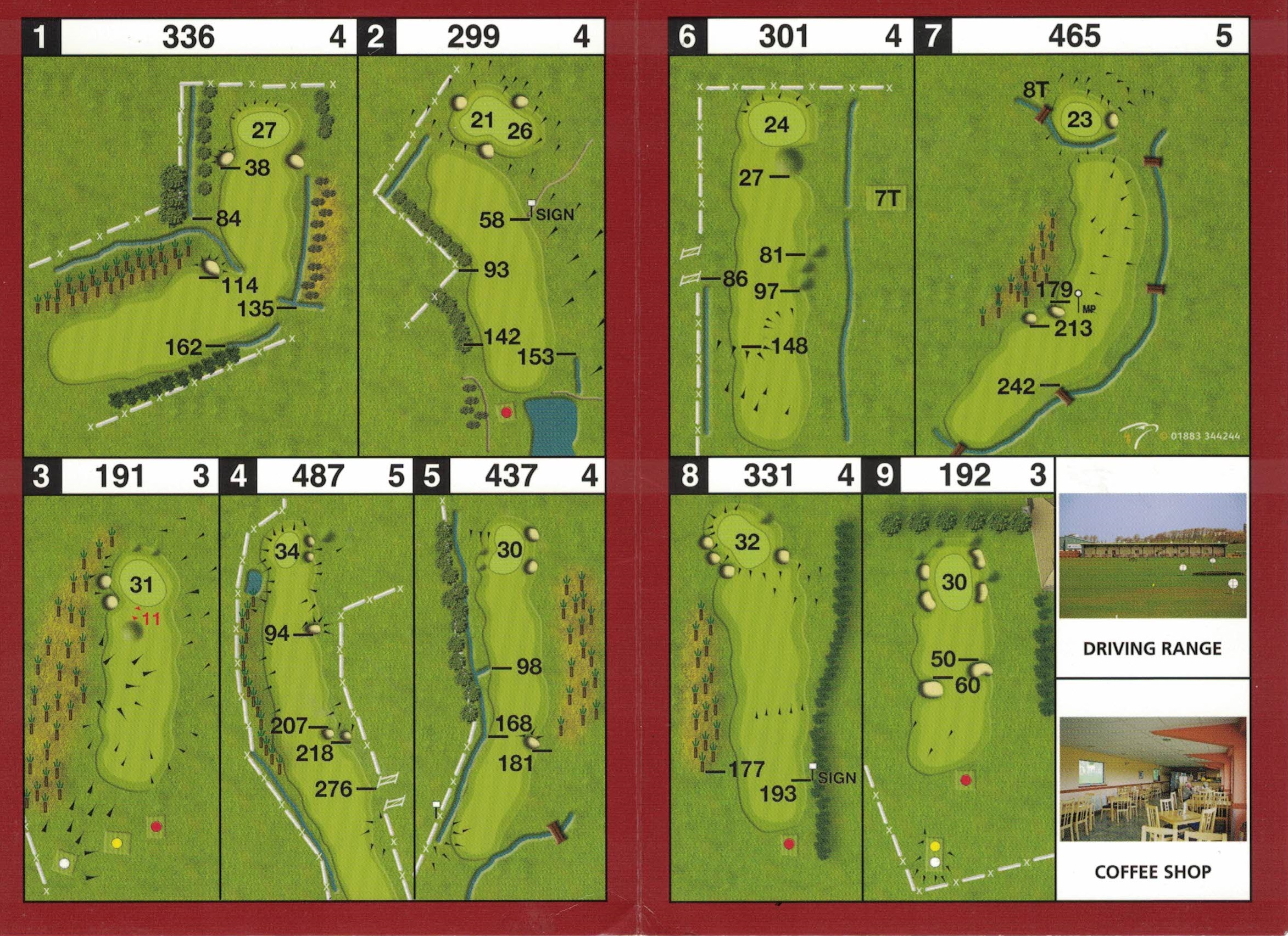
The Broadlees free laminated course guide, that much grander clubs could learn from.

The Andersons display good commercial instincts, no more so than with the ‘free’ laminated course guide (see above). For a pay-and-play operation of this scale it is more than you expect, and much better than many established member clubs that charge several times the greenfee.
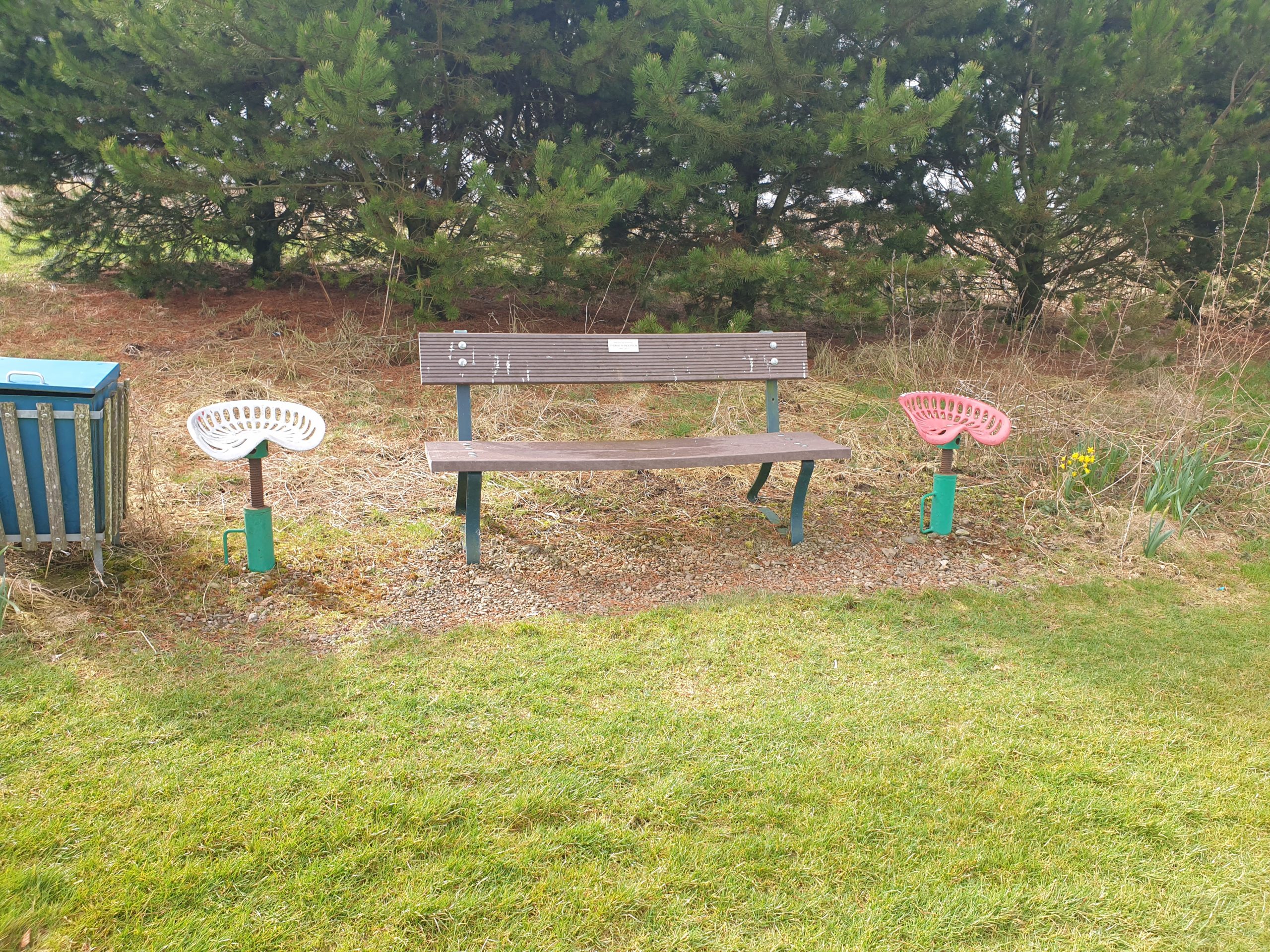
A poignant fifth hole spot with tractor seats (?) repurposed for rest — an honest summary of Broadlees origins. The memorial bench commemorates John Anderson.

What you might get when a farmer builds a golf course on a limited budget is, I think, what you get here. The bones are reasonable at around 3000 yards, a par 36 with two par fives and two par threes. The par-five 4th (Powmillion, 479 yards) and the par-five 7th (Over the Burn, 456 yards) give the round depth. Water features on some holes, including a pond at the 2nd and a burn that winds its way around the 7th green, retained by a rustic timber revetted bank. Bunkering is sufficient, but was unraked when I played.
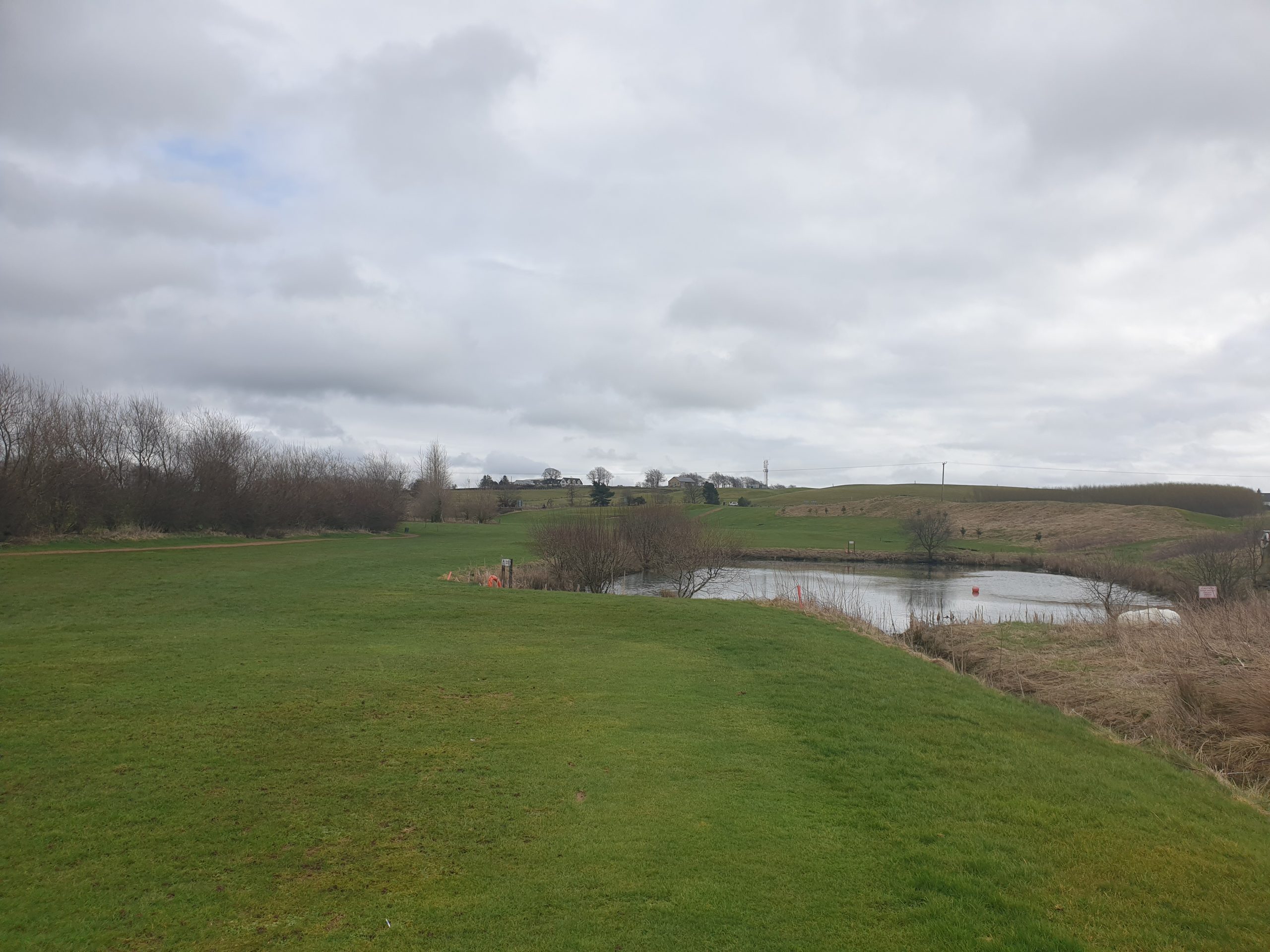
The limited framing developed is shown here at the 2nd hole, ‘Gas Works’, a short par 4.

The central challenge with designing a course on open farmland, such as Broadlees, is framing. Well framed holes visually present a picture using trees, contour, rough, bunkers, water and elevation. This skill is epitomised by the Camoufleur Alister MacKenzie, whose work can be seen at Pitreavie (Dunfermline) see blog 150. At Broadlees, fairways unceremoniously bleed into rough. The trees planted are still young; scrub and rough areas are unformed; the contours, while present, have not yet sharpened. I hope the Anderson family get to see Broadlees mature.
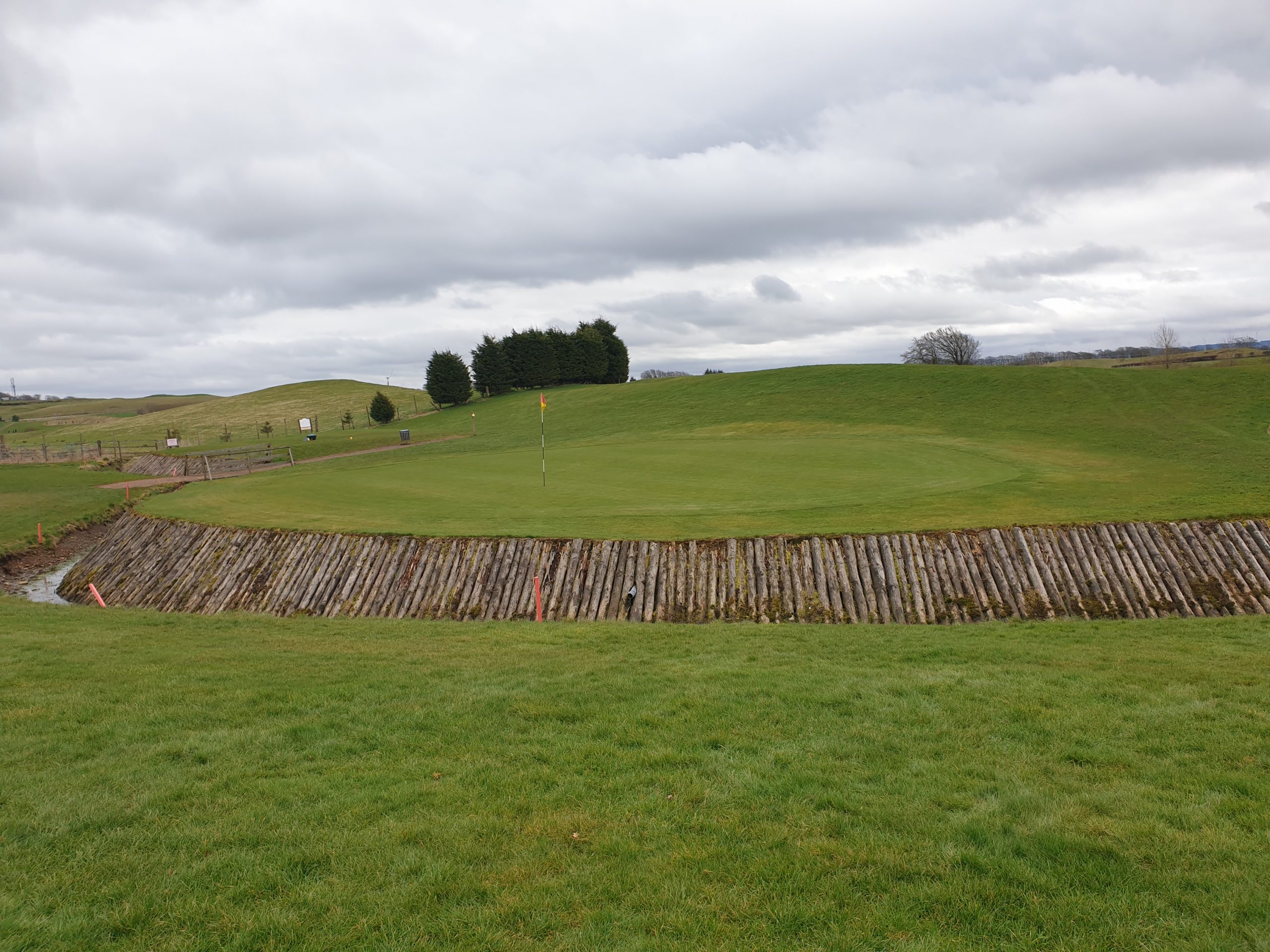
The 7th green (Over the Burn, par 5, 456 yards), its rustic timber-revetted bank is the course’s most marked piece of construction.

The greens are the strongest element. True, consistent and well-presented on a late-March morning when much of the course was still very wet. However, the claim that they rank among the finest putting surfaces in Lanarkshire is bold, and nowhere near the truth in my opinion.
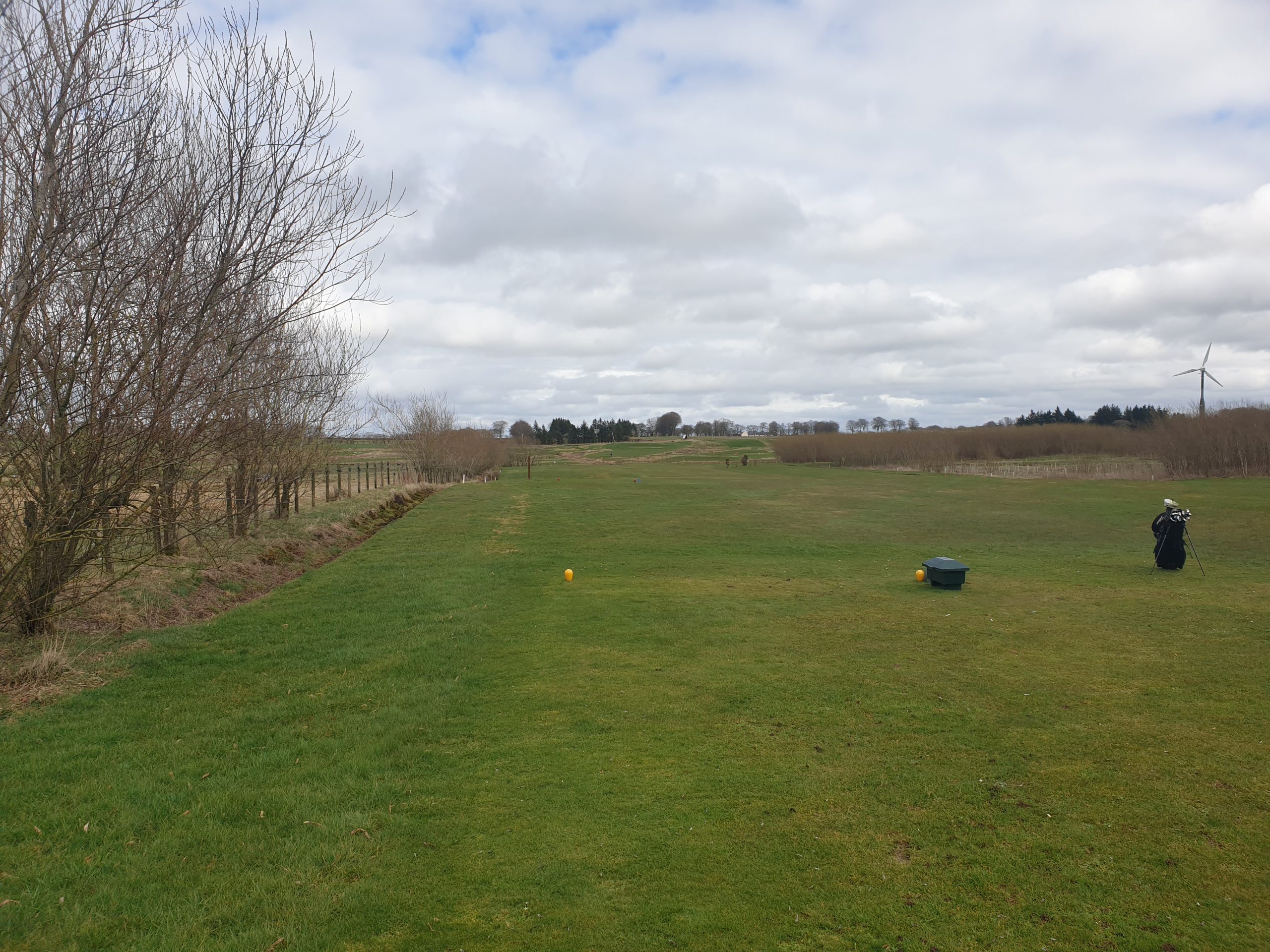
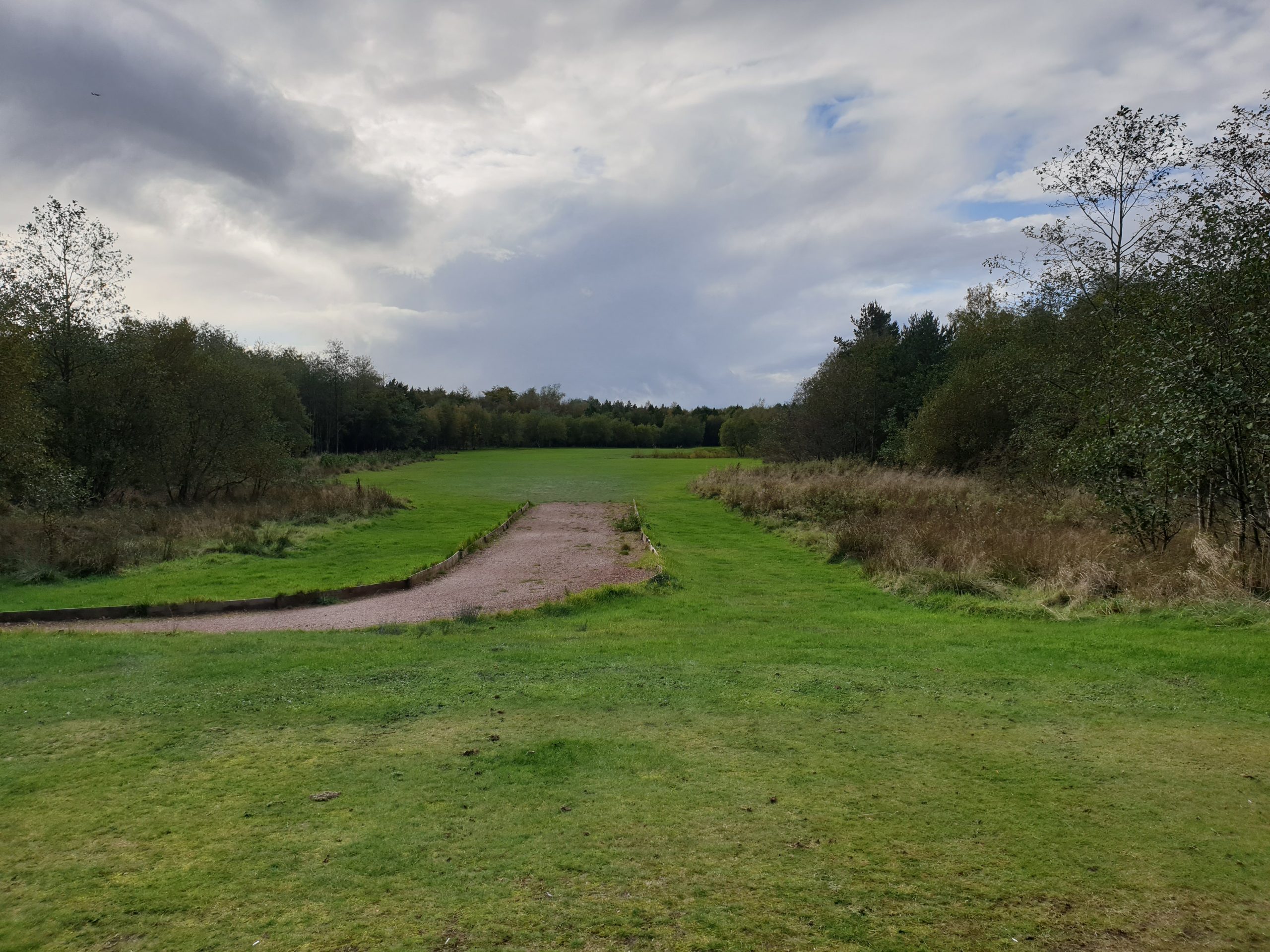
The 6th, ‘Out the Moss’ (par 4, 290 yards). A typical hole on Broadlees

The two wind turbines deserve a mention as they are visible from most holes and dominate the final green. They present a reminder that Broadlees is a commercial enterprise built by farmers who needed multiple revenue streams from a single property. The turbines, golf course, cafe, Santa’s grotto. Each a response to the same challenge – making a small rural business pay in a Scottish golf landscape where established member clubs and council-owned courses provide stiff, and often quietly subsidised, competition.
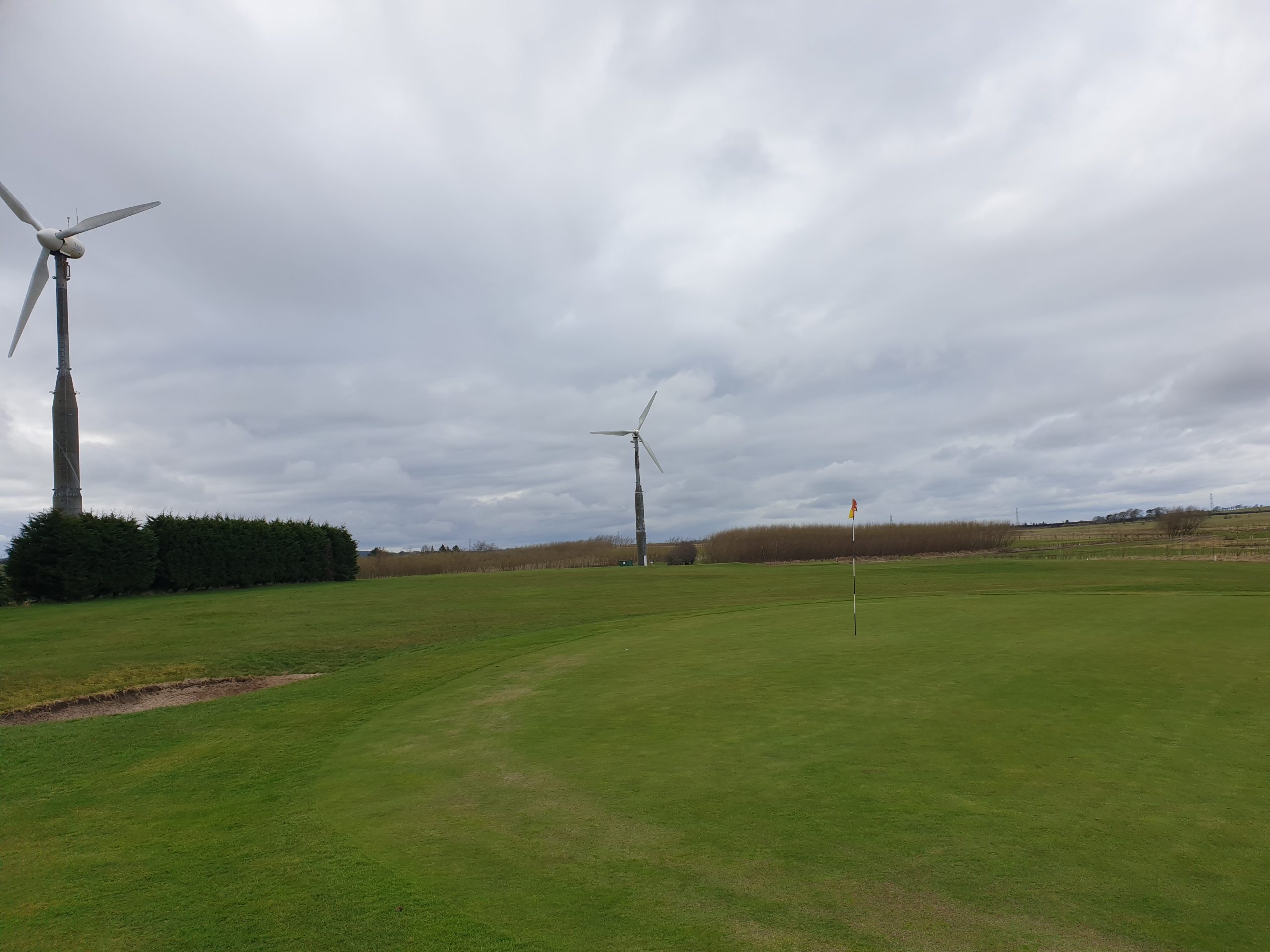
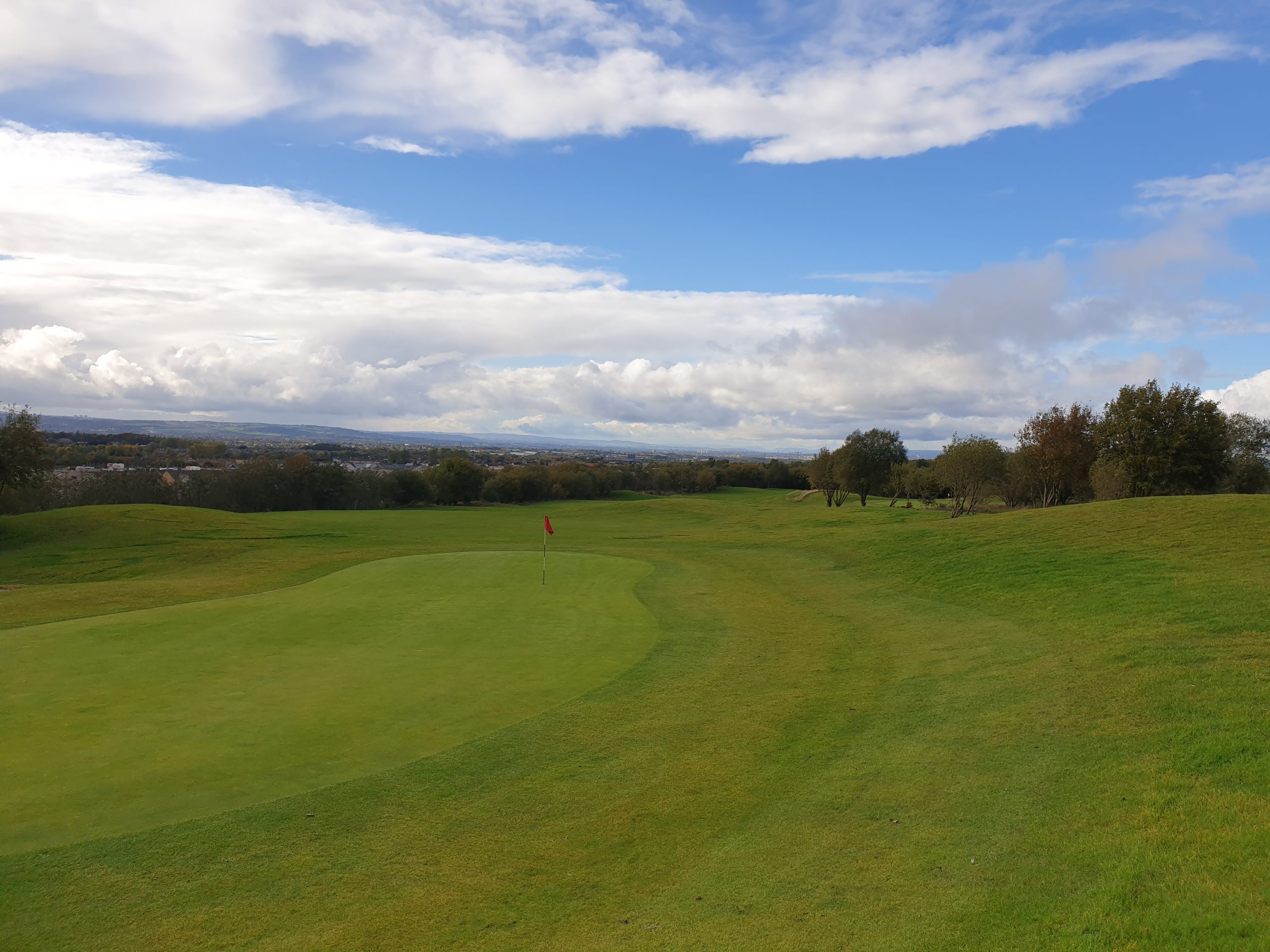
The ninth, with Farm windturbines

At £16 for nine holes, Broadlees is cheap, and relatively good value. Within a few miles, South Lanarkshire golfers have many choices, so Broadlees needs to keep well below the competition fees, certainly until the course matures.

The Andersons, however, were not finished. In 2021, they added a second course — and this one was genuinely unlike anything else in Scotland. See Blog 186 to find out more.

Value: 3.5 / 5. The Andersons have built something from nothing and kept adding to it for twenty years. That deserves acknowledgement. But a golf course is not only measured by the effort that went into building it. The framing will come. It just wasn’t there yet. But at the price it’s good value.

Facts:

Course type: Parkland/Pasture

Par 36 (2 par 5s, 5 par 4s, 2 par 3s)

Distance: 2,954 yards (yellow tees)

Moly’s Gross Score: 45 (9 holes)

See also: Blog 186 — Broadlees Par 3 Golf Course
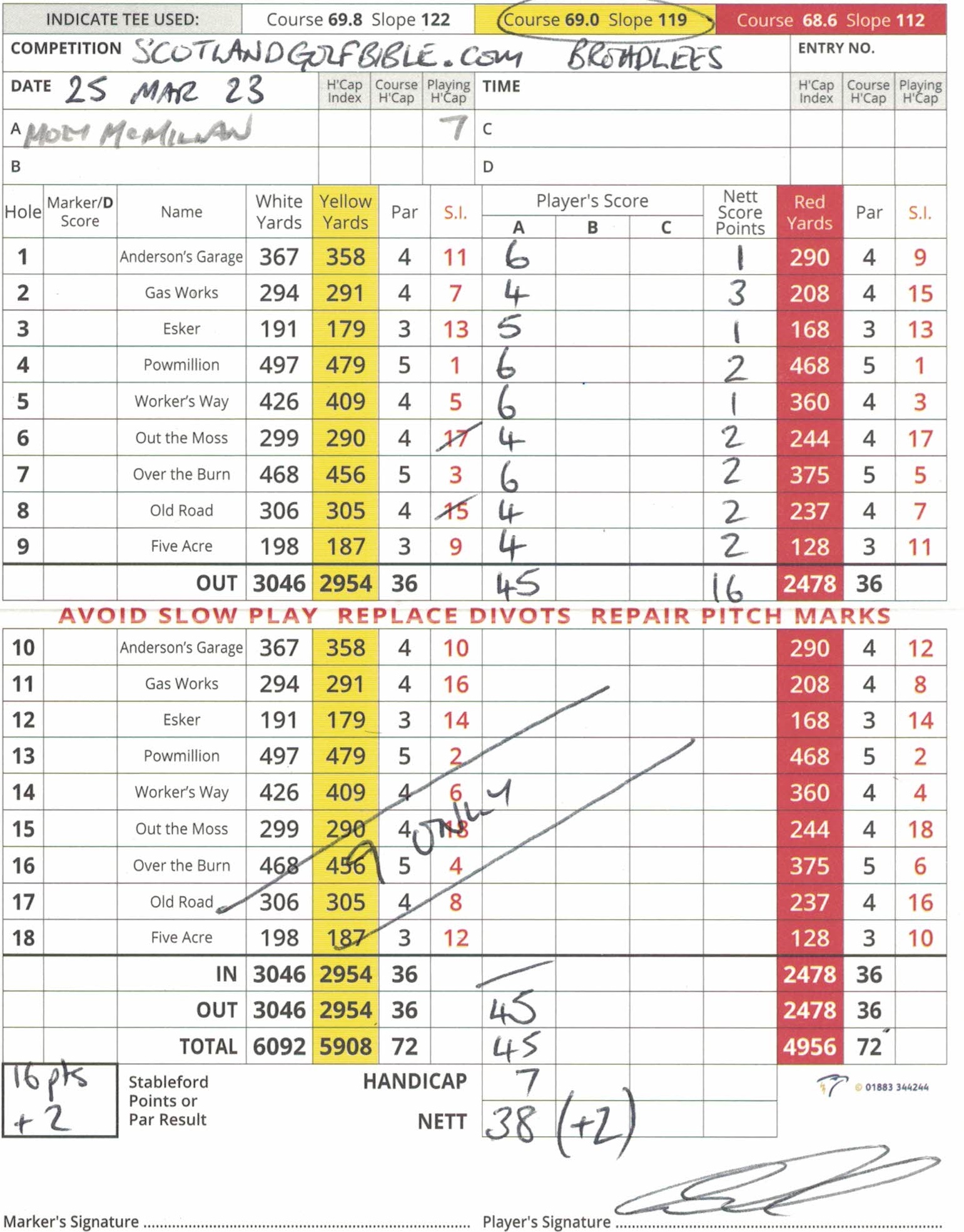
Moly’s card. Level 5s, I hit the ball pretty steady.

183. Mearns Castle. 24 Mar 23.

“Most scenic and challenging in the area.” An exaggerated claim by the Academy.

Round £10 (GolfNow Hot Deal, now £20). Par 31. Value 2/5.

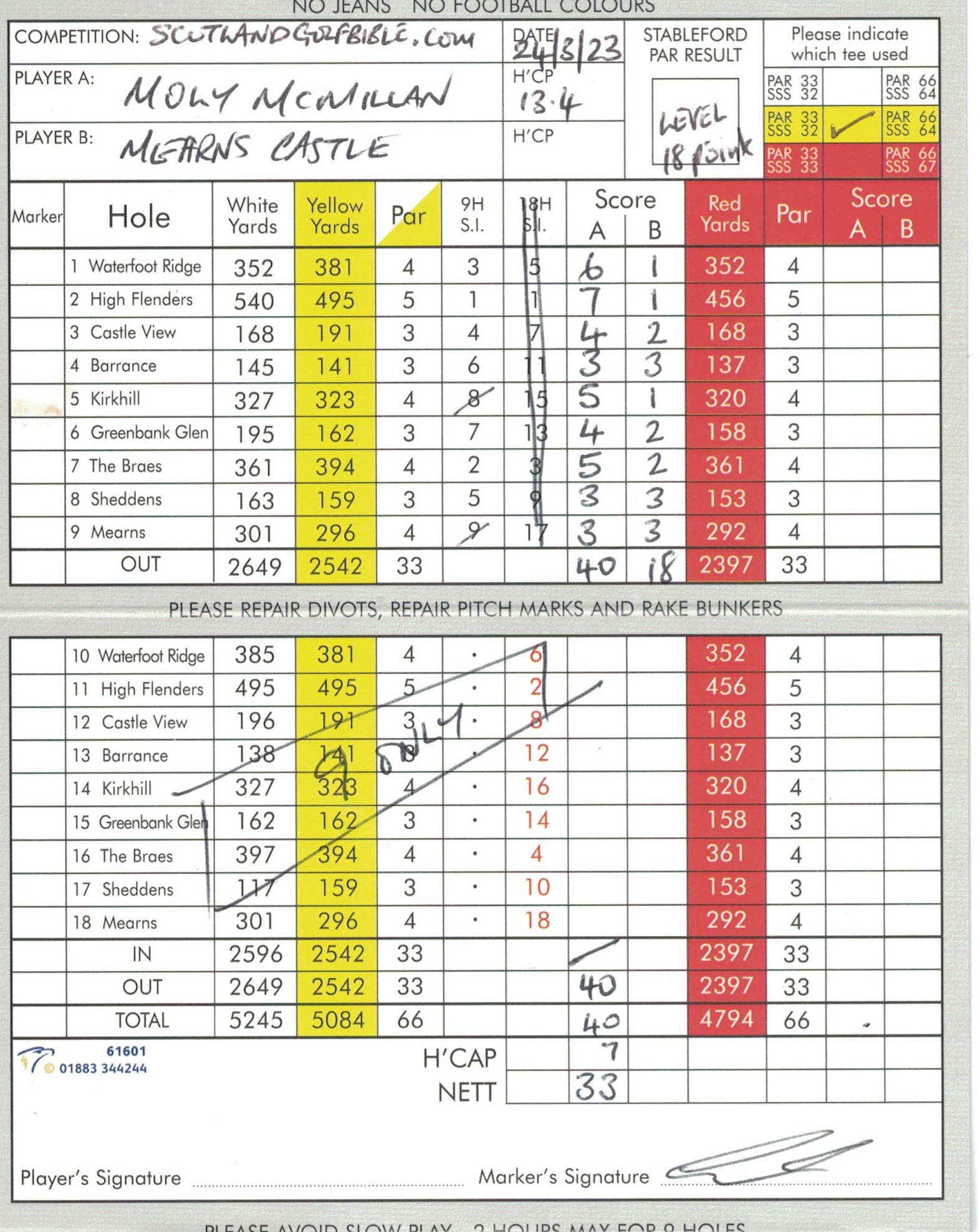
Moly’s Score – 40

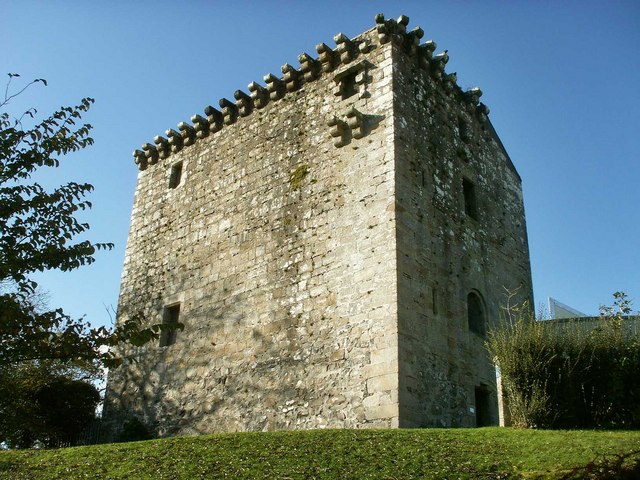
There is a real Mearns Castle about half a mile from the golf course, built in 1449 by Lord Herbert Maxwell. The same Maxwell family whose descendants would eventually own Southerness on the Solway Firth, reviewed in Blog 164, a course that justifies the word “scenic” more than anything I encountered here.

The actual nearby ‘Mearns Castle’, a 15th century Maxwell tower house, which the course takes its name. I wonder if Satnav ever gets this confused with the course.

The castle has, as far as I can establish, no connection whatsoever to the golf academy except proximity and, one suspects, the marketable romance of a medieval tower.

The golf academy is a substantial operation with Toptracer range, tuition, café, fitness studio, nail salon, and a massage therapist! More of a leisure complex with a 9-hole course attached. Nothing wrong with that, but problems begin when the website describes that course as “one of the most scenic and challenging courses in the area.”

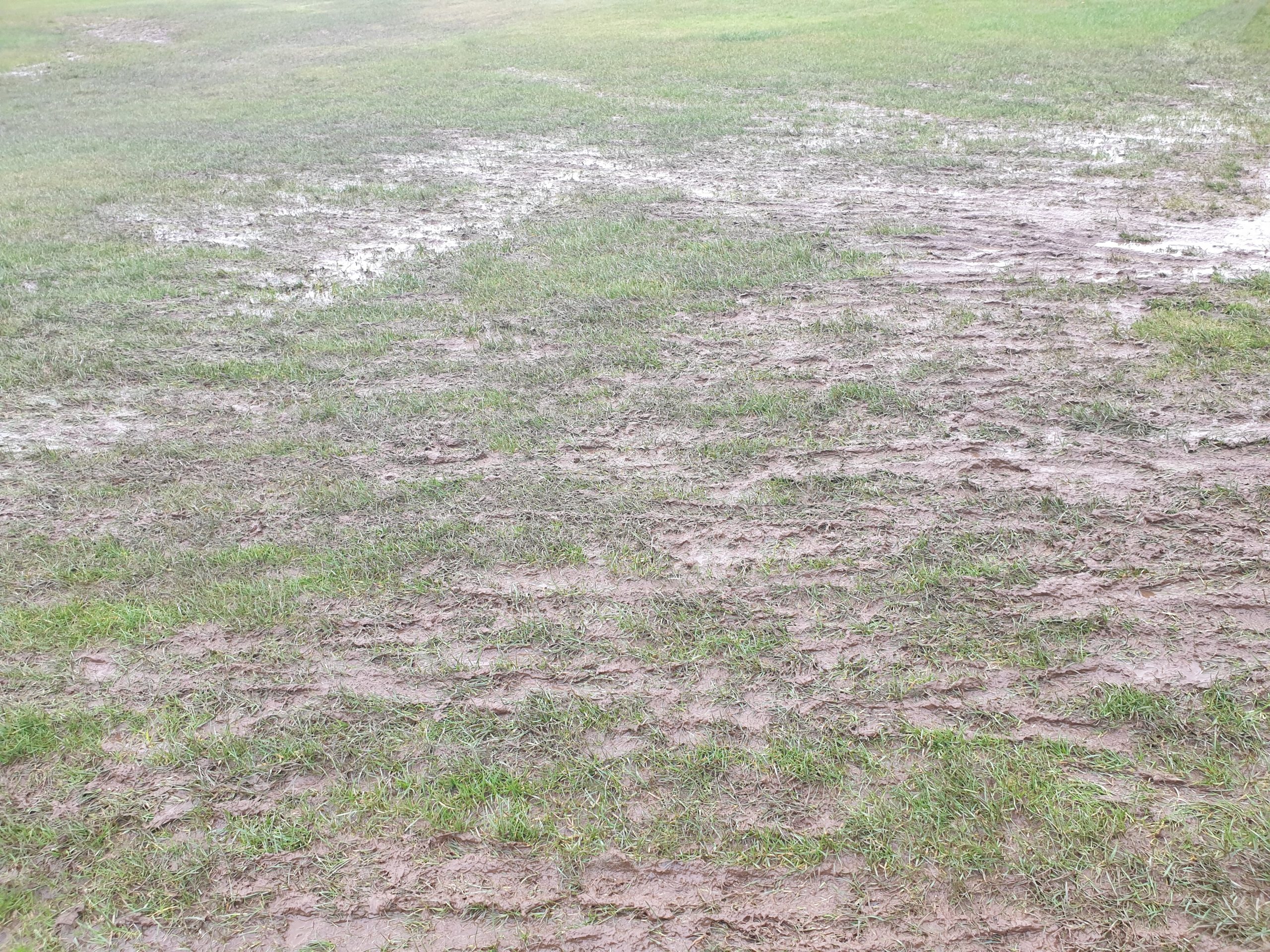
I played it on 24 March 2023, via a GolfNow Hot Deal, for £10. It was waterlogged. It should have been closed.

How could you allow play with fairways like this in several places. Sometimes short term economics doesn’t make sense. One never knows if a Blogger will come along!

The course occupies pleasant enough parkland on the southern fringes of Newton Mearns, the well heeled commuter town south of Glasgow. The 1st offered an early introduction to the course’s style: there is a hidden fairway ditch ready to swallow a ball without warning. This was one of the very few “challenging” features though.

The course had minimal fairway bunkering. However the greens were surprisingly good surfaces, so well done to the greenkeepers. It is the one positive comment I can offer.

The greens were redeeming, a benefit for players learning the game. Here at the 4th.

The course website mentioned “continued investment in drainage and course improvements.” This is a tacit acknowledgement that drainage was a problem, which again raises the question why the course was open. A course that quietly admits its drainage issues while remaining open in March when waterlogged is providing very poor value, even at £10.

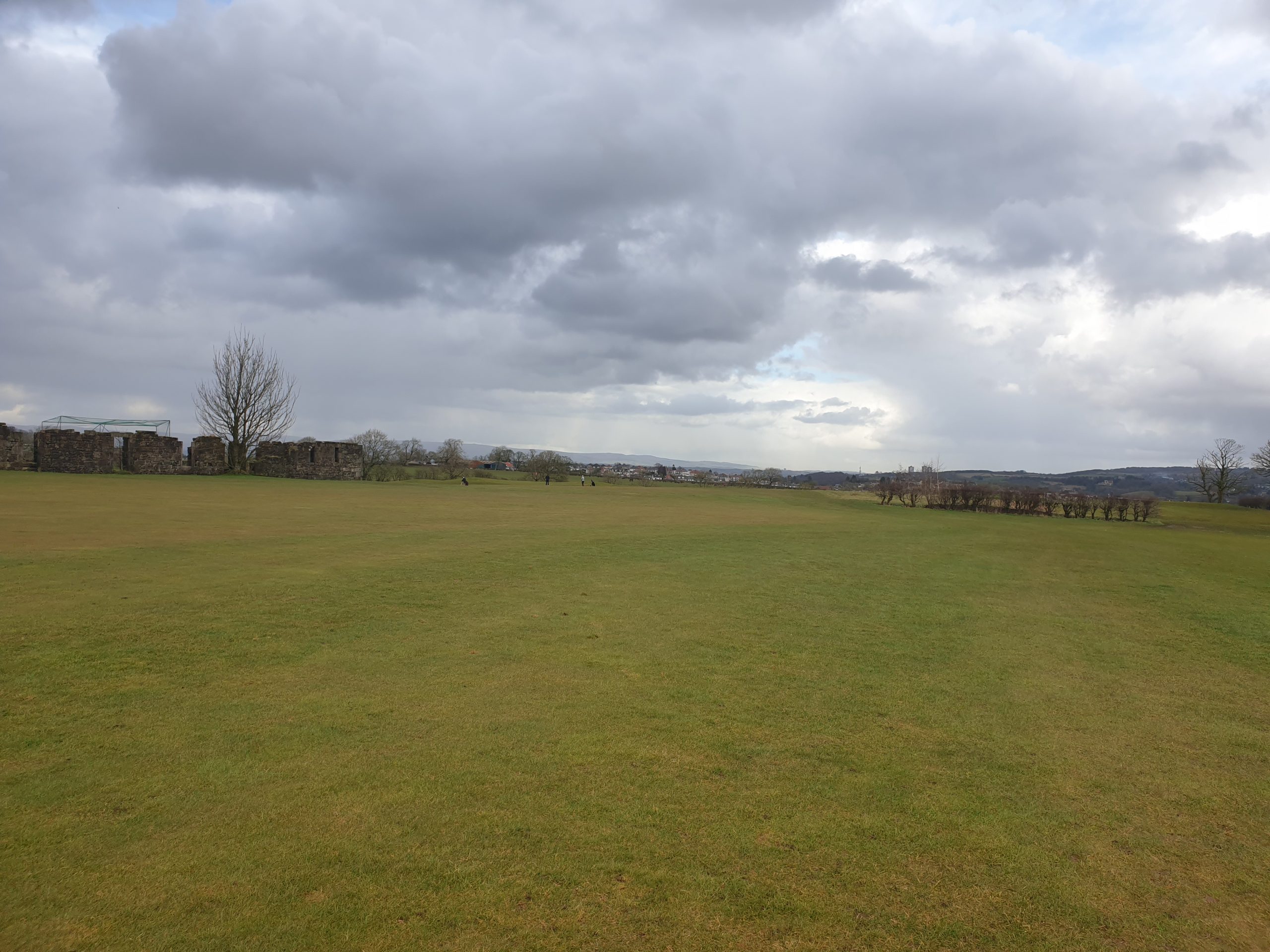
The was the typically bland approach view, here at the 5th hole, with the building ruins on the left being one of the very few interesting features.

The list price is now £20 for nine holes, I paid £10 on a Hot Deal. But golf on a course that should have been closed, is not good value at any price. The marketing overclaim tips it further – a course that sets expectations it cannot meet is doing its visitors a disservice.

Facts:

Course Type: Parkland

Par 31 (9 holes)

Moly’s Gross Score: 40 (net par)

Round: £10 (GolfNow Hot Deal). List price £20 (9 holes).

Value: 2/5

Moly shot 40 on a waterlogged day.

168. Rouken Glen. 16 Oct 22.

David Lloyd course fails to meet top council standards.

Value for Money (out of 5) – 2.5

Rouken Glen golf course, originally called Deaconsbank after the neighborhood it sits in, is close to junction 3 of the M77 between the Shawlands and Newton Mearns areas of South-West Greater Glasgow. The course was founded in 1923 by the Greater Glasgow corporation and its management was transferred to the David Lloyd sports club in 1999 at which time the Rouken Glen name was adopted. It is still leased from the council.

The short par three 8th green at Rouken Glen, which was in poor condition when we played.

The course is managed by the sports club as one of many activities on offer, and when you play it’s clear that golf is not the priority of this predominantly tennis club. Although specific golf annual membership is on offer for around £400, I suspect many members pay for golf as part of the wider sports club membership. I was previously a family member of the David Lloyd (now Nuffield Health) in Milgavie, which owned Dougalston Golf Club, for which golf as part of the whole family package represented good value.

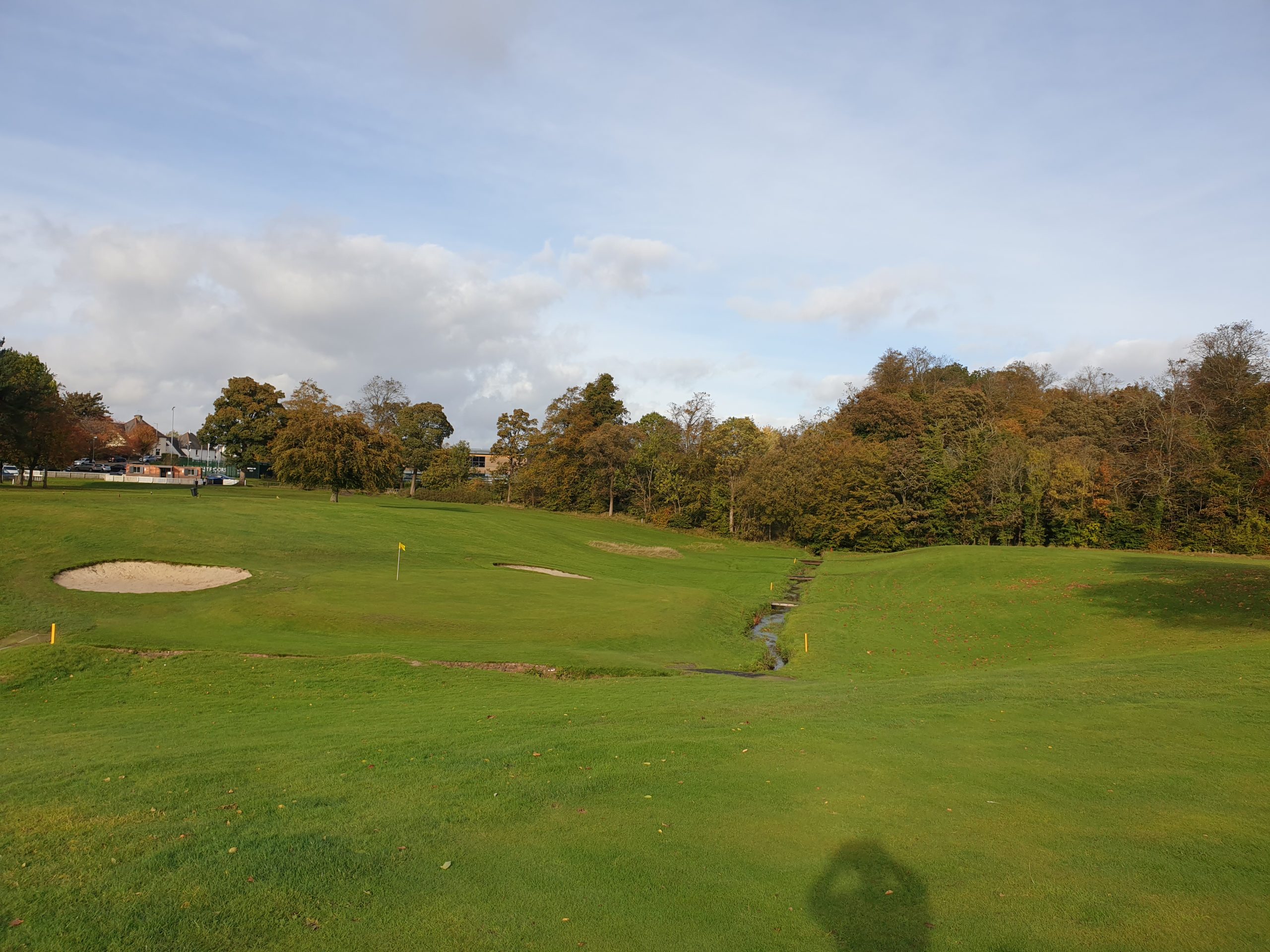
The first at Rouken Glen, a decent uphill par 4 of 322 yards, is one of the better holes.

When investigating a golf club one doesn’t know, price is the best measure. At typically £15 for a pay and play summer round using Rouken Glen’s variable pricing (I paid £12), the price is well set for what’s on offer.

Nice views north towards Glasgow and the Campsie Hills from Rouken Glen’s downhill par 4 12th, a hole probably drivable in the faster running Summer months

The course actually felt pretty ‘beat up’ on this “end of season” October day, with unkempt greens, bunkers and tees. The course showed a sever lack of green keeping investment. A few greens had actually been “lost”. Overall, the condition was worse than the average council run courses in Scotland, in my experience.

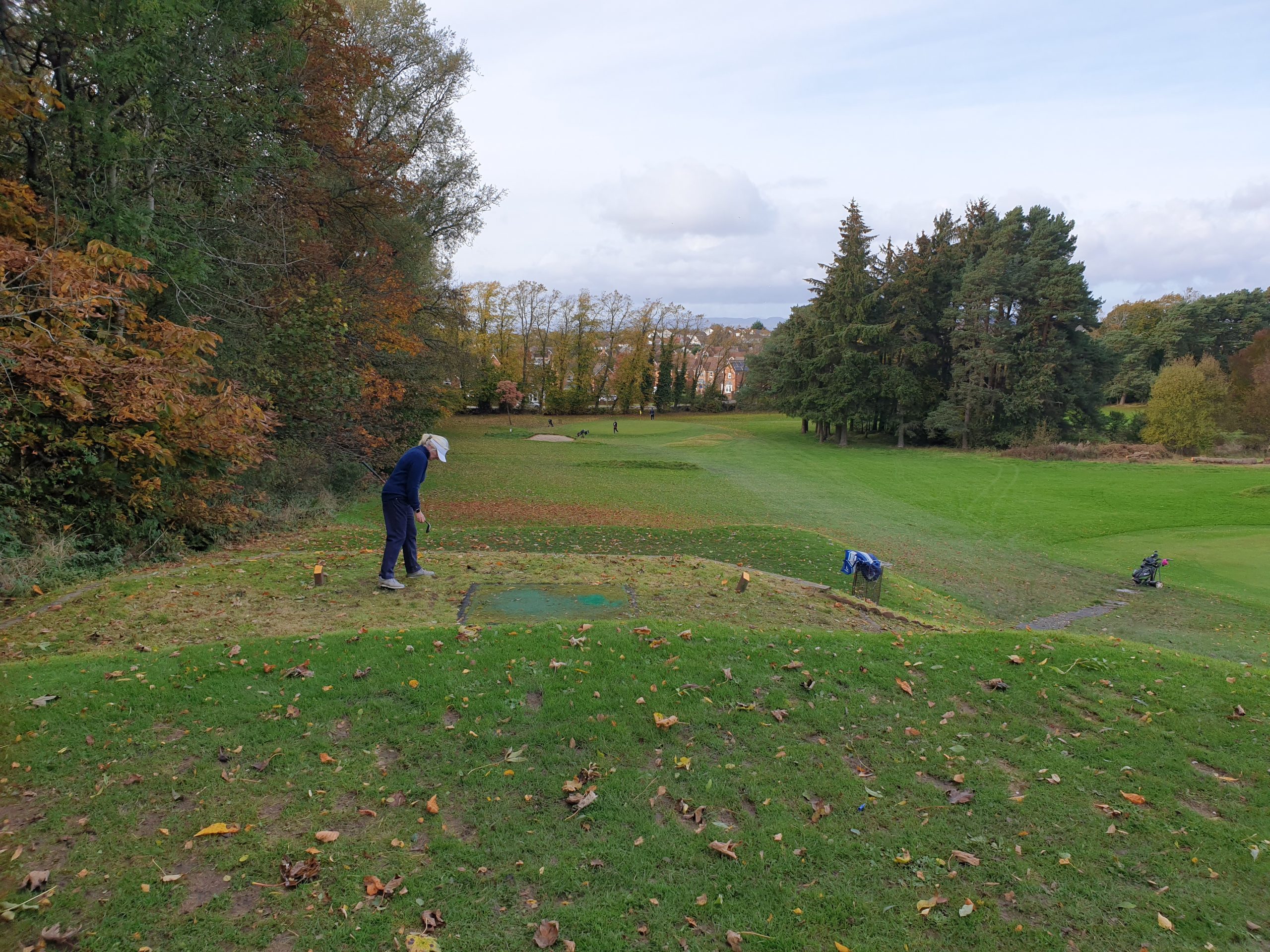
Moly driving at the 9th hole, a dog leg left at 351 yards.

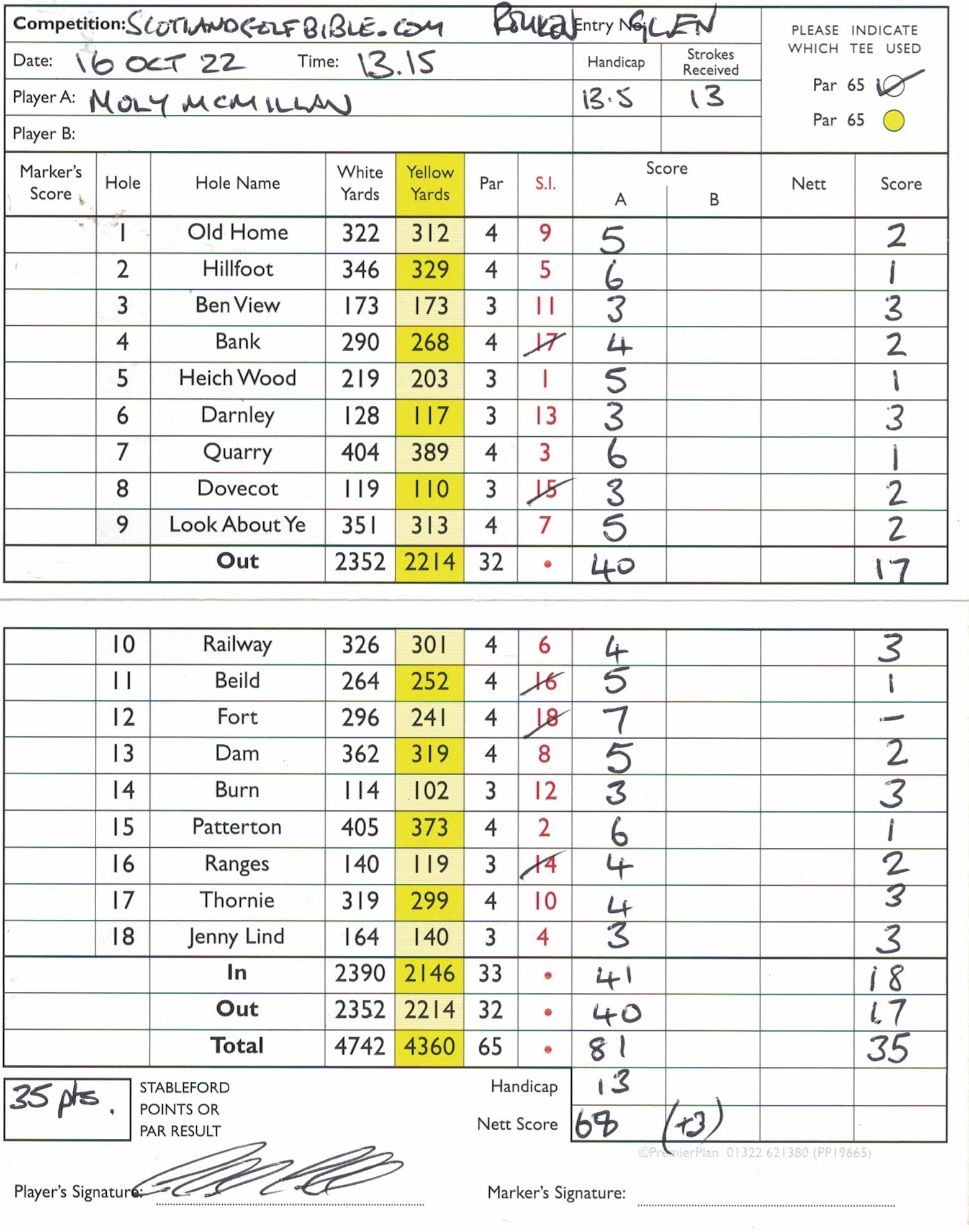
However, at only 4742 yards from the white tees, this par 65 generally open parkland course gives the mid teen handicap golfer the chance of “breaking 80”, that seemingly mythical number. On the day I shot 81, a score made worse by my triple bogie 7 at the downhill short par four 12th, the stoke index 18 hole – two balls were needed.

Fran trying to find a decent place to tee off at the par three 16th at Rouken Glen.

Although a short course, with several bland holes, it is a pretty tough walk and there are a few challenging holes – most notably the uphill par three 5th hole, where driver will be required for all bar the really long hitters. With such a congested golf course area, with several courses nearby, I rather think that without the Sports Club backing, Rouken Glen, would really struggle.

The open aspect of Rouken Glen shown here at the short par three 14th

This is no more than a 2 star quality course, but its cheap pricing means that an overall 2.5 for value is reasonable.

Facts:

Round List Price £15. Actual Paid £12.

Course/Slope Rating (yellow) 62.6/109.

Course Type: Parkland

Par 65  (11 par 4s, 7 par 3s)

Distance (white): 4742 yards

Moly’s Scorecard at Rouken Glen – 81

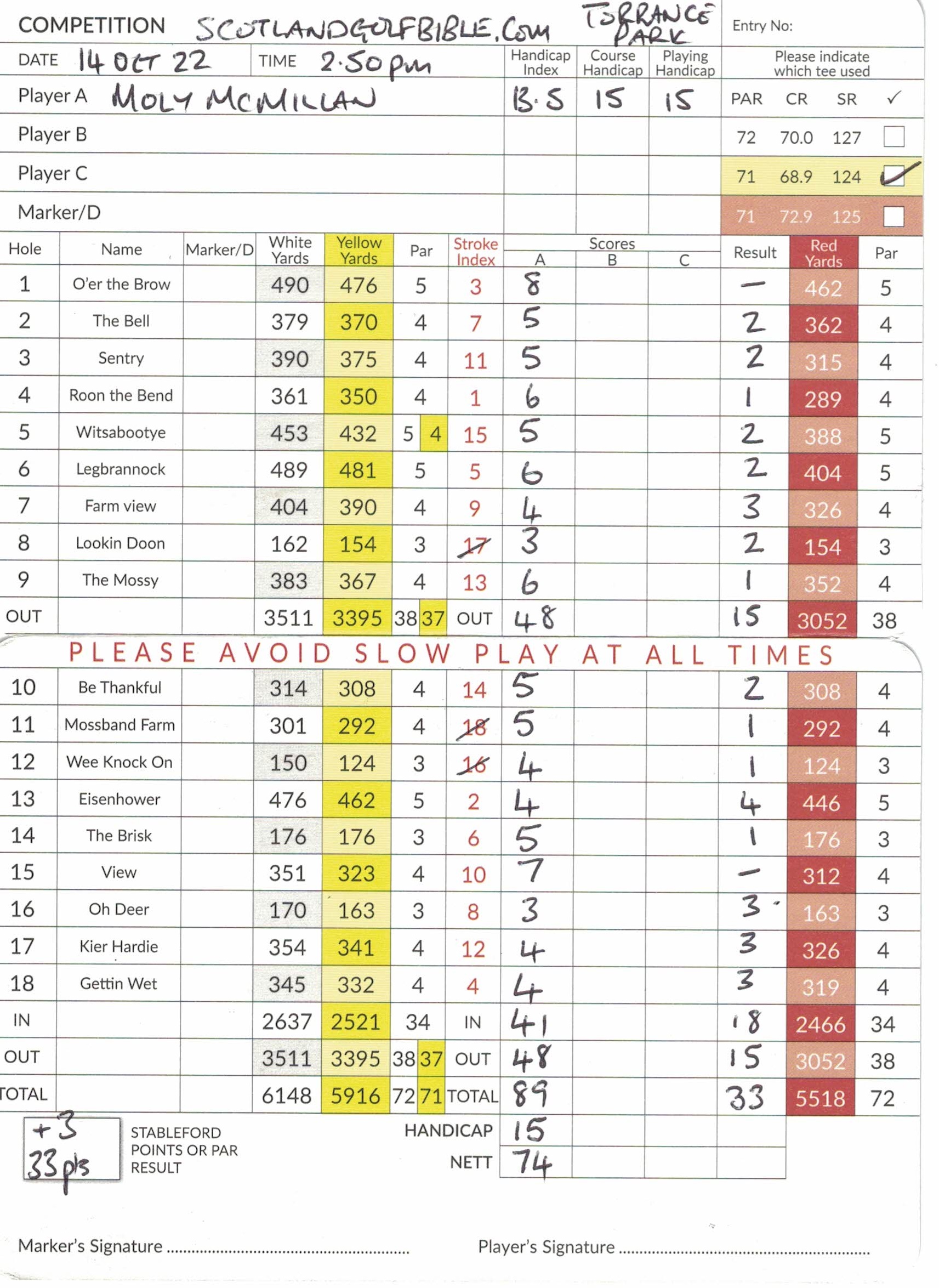
166. Torrance Park. 14 Oct 22.

Electrifying, but not in a way you would want.

Moly’s Score – 89

Round £25. Par 71. Course/Slope Rating (yellow) 68.9/124. Value (out of 5) – 2.5

Torrance Park golf course started off as an ambitious project. Owned by David Murray, the Scottish businessman and former owner of Glasgow Rangers FC, it was designed by Dave Thomas (The Belfry, Spey Valley) as an impressive PGA style 18 holes course and opened as recently as 2008. It had plans also for a driving range. Sited close to the M8 motorway and adjacent to the town of Holytown, an area with rapid housing development, it was ideally located.

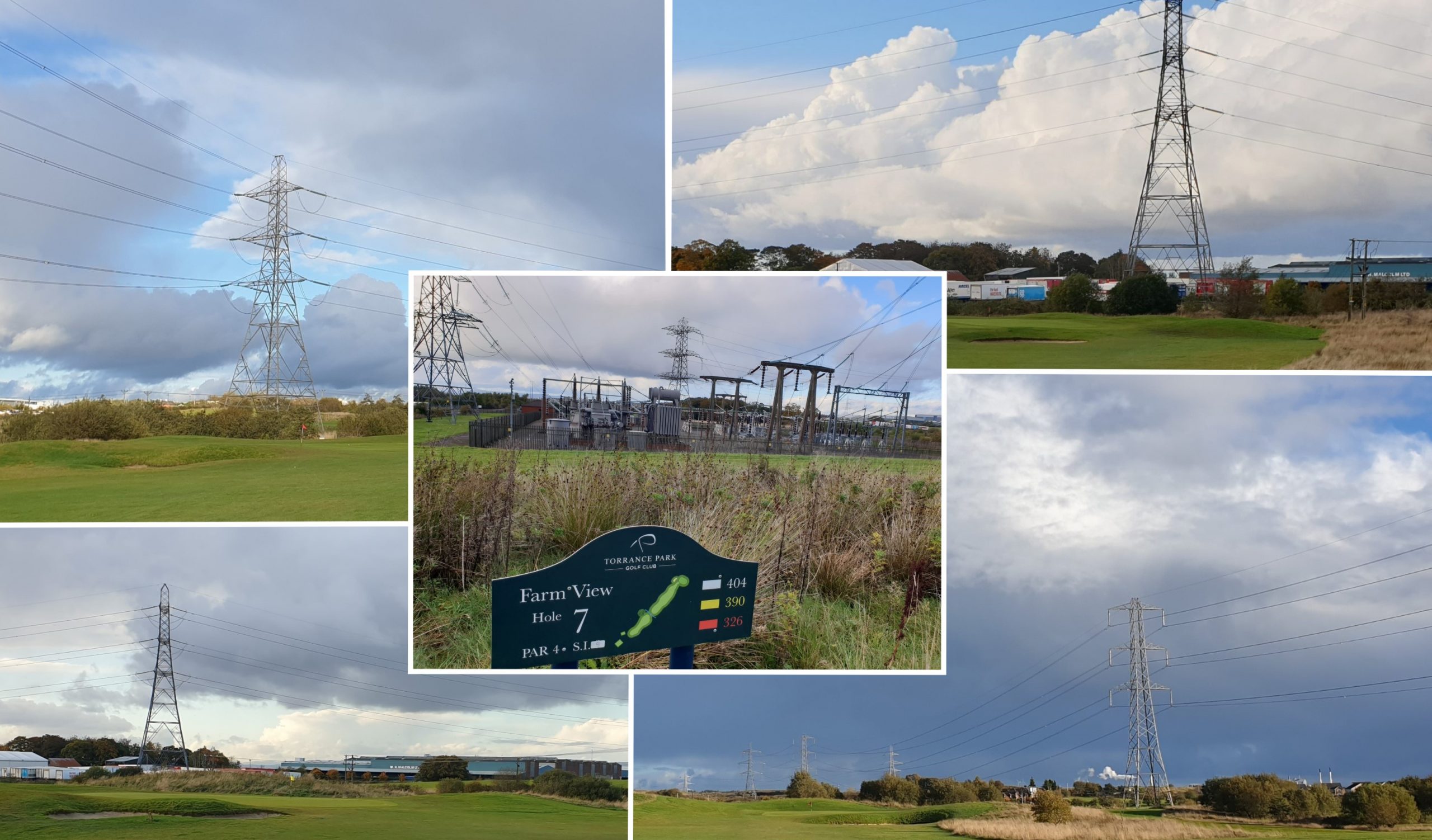
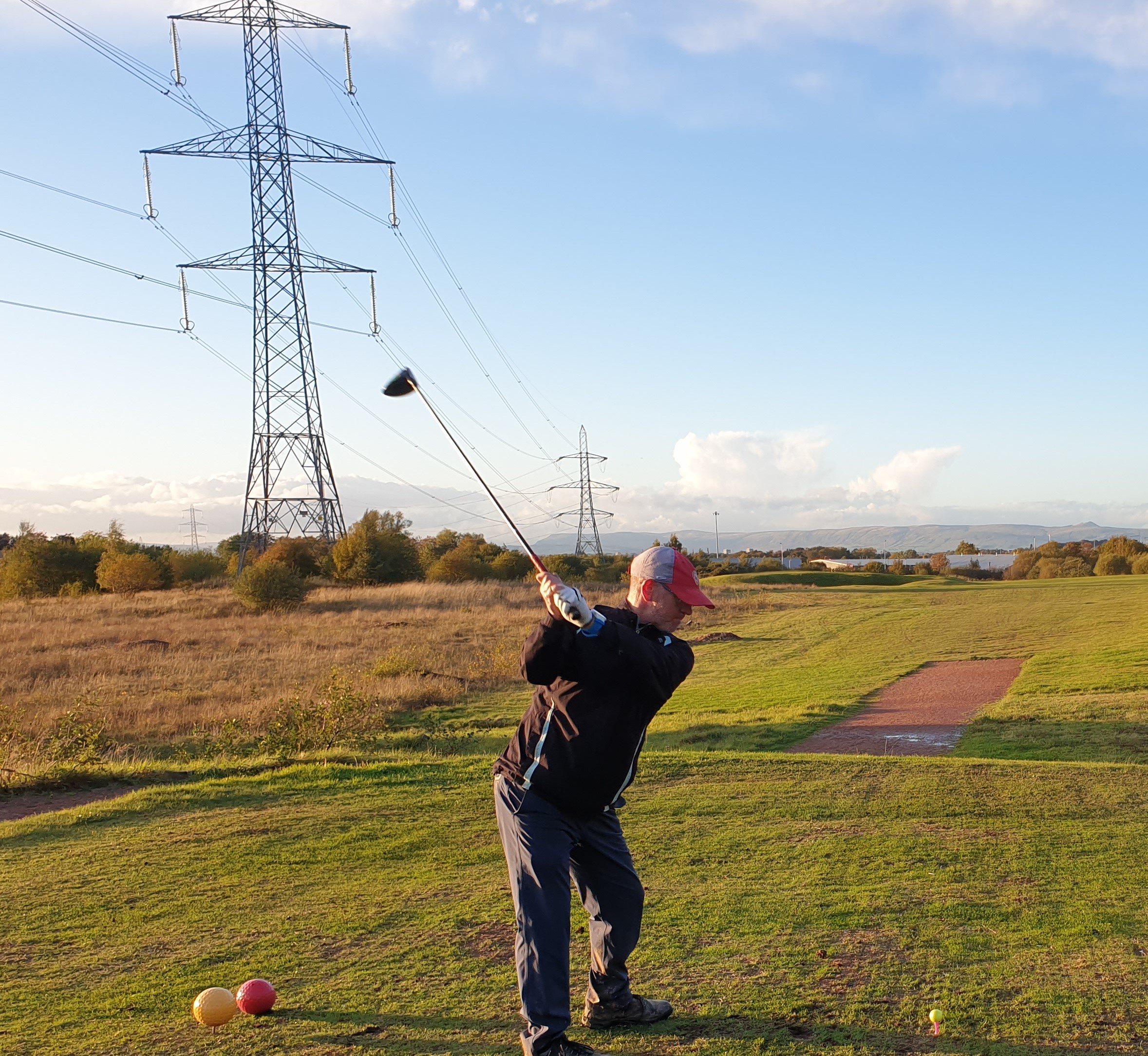
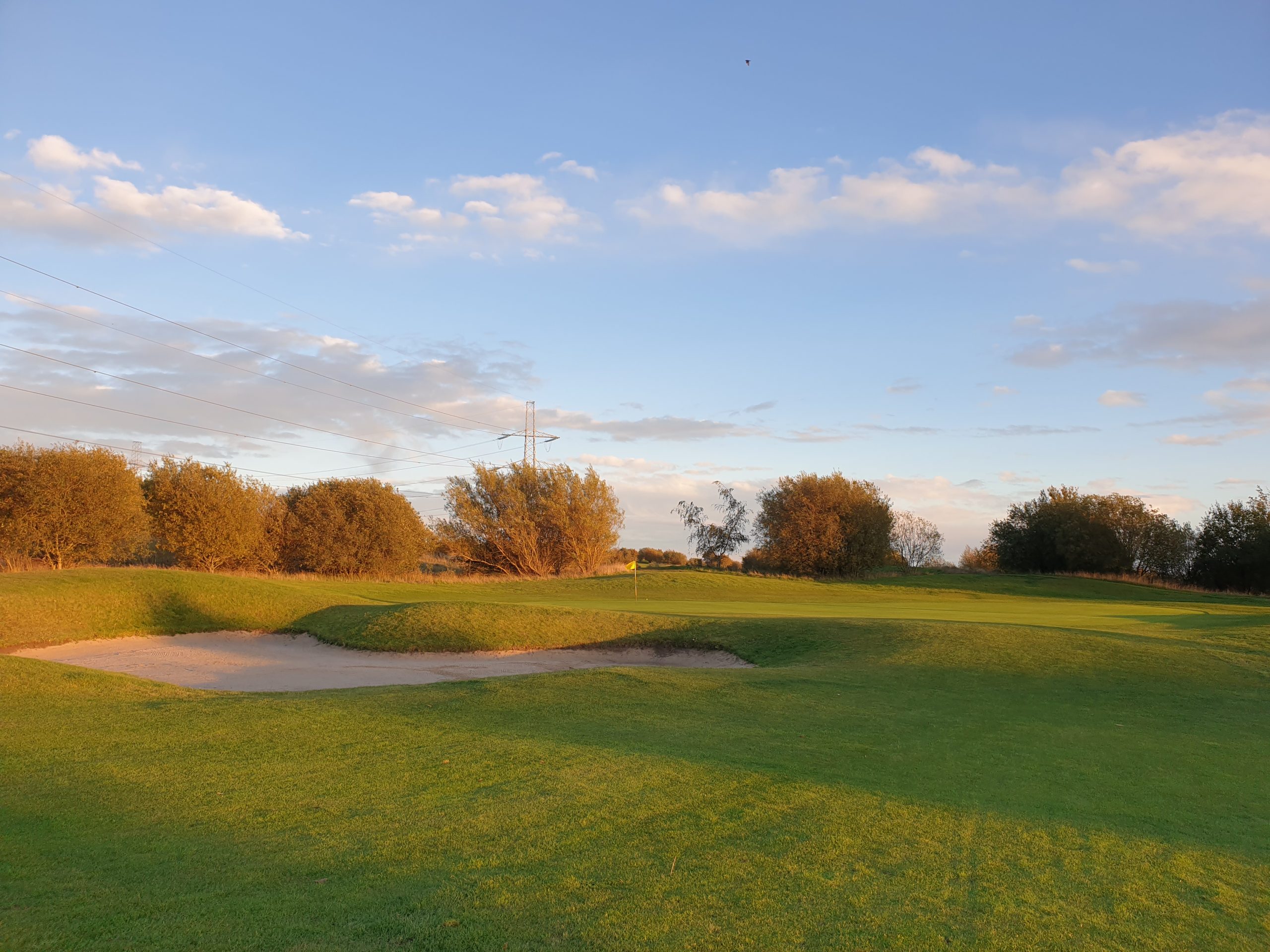
Torrance Park, adjacent to a major power distribution hub, might have the most pylons in Scotland.

However, jump forward 15 years, and the course was rather forlorn when I played, during which I also found out that from 2023, the course was to be 9 holes only. The land to the west of Legbrannock Road, was to be a housing development, leaving 9 holes currently the nearest around the modern clubhouse.

The greens, the 1st shown here, are well designed and well maintained, and the best feature of this otherwise uninspiring course.

When I played I met up with a local member, who was angry that he and many other members had paid their annual membership fees, before shortly thereafter being advised by email of the course reduction plans, but without an option to cancel their membership.

The par four 4th at Torrance Park, worthy of being the stroke index 1. A water feature ready to capture any right handed slice from the tee.

This parkland course feels rather odd. Fairways are wide, with disproportionally huge bunkers – it’s as if an innocuous municipal course had a few bunkers that would be at home in Valderrama! The greens are nonetheless pretty good, but again they feel better than the surrounding landscape and course conditioning.

The par four 17th (likely the new 8th), with views north towards the Campsie Hills. With another pylon to view!

When I played the course was very wet, although the greens had held up well. The new clubhouse had very friendly staff, and the building seems to be used as a ‘local’ for the adjacent housing estate. The food was good.

The par four 18th (which I would think is the 9th now) is a decent finishing hole – stroke index 4, with large front bunker, typical of the design here. I would recommend considering a shot to the front right of the green to leave a straight forward chip.

As for value, I struggle to think more than 2.5/5 is justified, using £25 as the stated amount. It’s convenient to the M8 if you want a quick knock about, but not worth going out of your way for, in my opinion.

Facts (pre 2022):

Course Type: Parkland

Par 71  (3 par 5s, 11 par 4s, 4 par 3s)

Distance (yellow): 5916 yards

Moly’s Gross score: 89

Moly’s Torrance Park scorecard – great finish meant decent score
« Older posts

© 2026 Scotland Golf Bible

Theme by Anders NorenUp ↑