A guide to green fee value for money

Category: Course Owned By (Page 23 of 45)

90. Musselburgh. 22 Oct 2018.

The highest ranked of the three Musselburgh courses even though the other two are more historically significant

Round  £60.   Par 71.  Value (out of 5) – 4

Musselburgh is the largest of the towns in East Lothian, situated on the coast about 5 miles from Edinburgh and close to the start of the great North Berwick coastal run of courses which includes Muirfield.
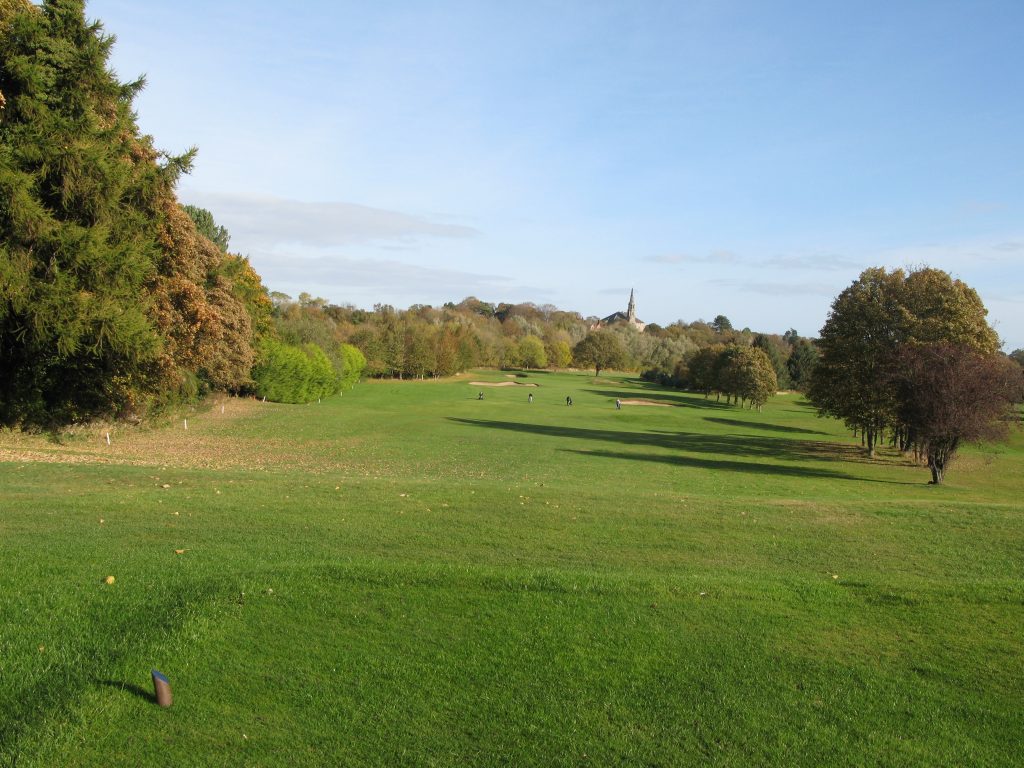
1st at Musselburgh, a very typically picturesque example of this courses holes

But to say you’re playing ‘Musselburgh’ doesn’t really clarify matters, nor indeed is saying you’re playing in Musselburgh. There are in fact three named ‘Musselburgh’ courses: ‘Musselburgh Links’, which is in Musselburgh and recognised by the Guinness Book of Records as the oldest course in the world; ‘Royal Musselburgh’, the regally appointed course somewhat nearer to Prestonpans than Musselburgh and; plain old ‘Musselburgh’, which is actually in Monktonhall. Confused?

Given that the two other Musselburgh courses enjoy either a pedigree as the oldest course in the world or has a ‘royal’ appendage, I suspect many people are surprised to learn that the course simply called ‘Musselburgh’ is the highest rated of the 3 in most compilations of Scotland’s courses.
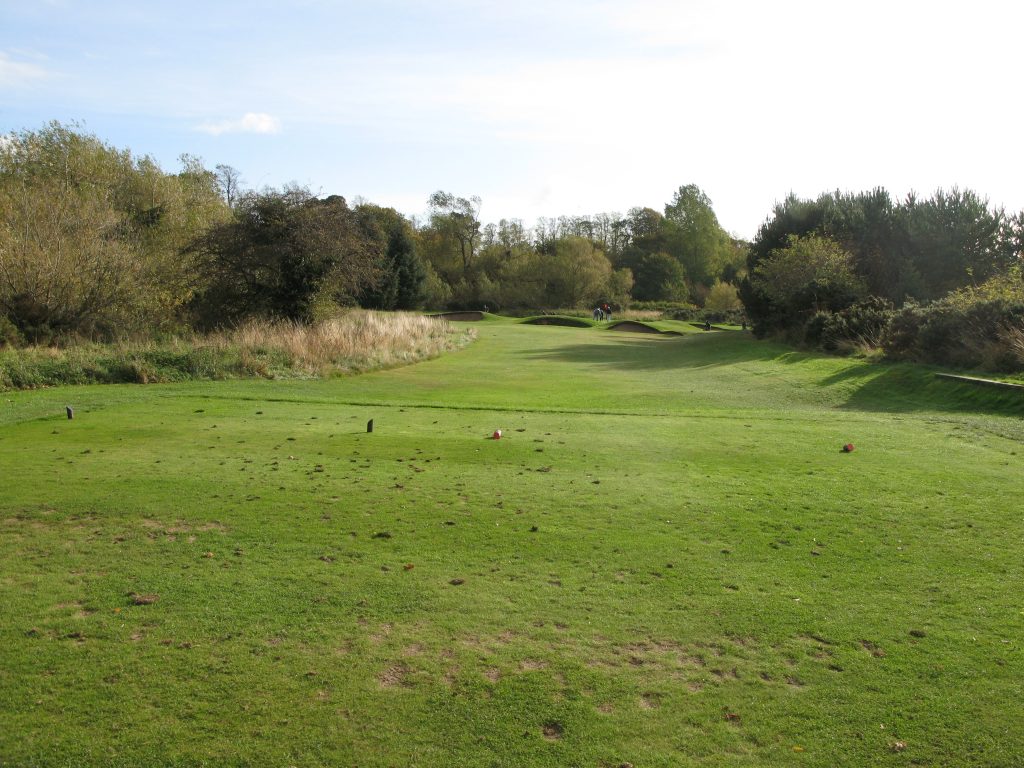
The well bunkered short 3rd hole at Musselburgh

This Musselburgh course opened in 1938 having been designed by James Braid as “a championship” layout. Off the back tees it’s over 6800 years long, and hosts many regional standard competitions, and in the past has held regional Open qualifiers and the Final Qualifier as recently as 2013, such is the best measure of this course.

Off the yellow tees, Musselburgh is still over 6200 yards, and given the amount of breeze on the day I played, presented a very stiff challenge. I shot 99, but 3 lost balls accounted for my scoring only 27 stableford points. I drove the ball well, and the often generous fairways allowed for that. The course was in good condition, although it was let down by the poor maintenance of the teeing areas and readers of my other blogs will realise this is one of my common misgivings, especially with a green fee of £60.
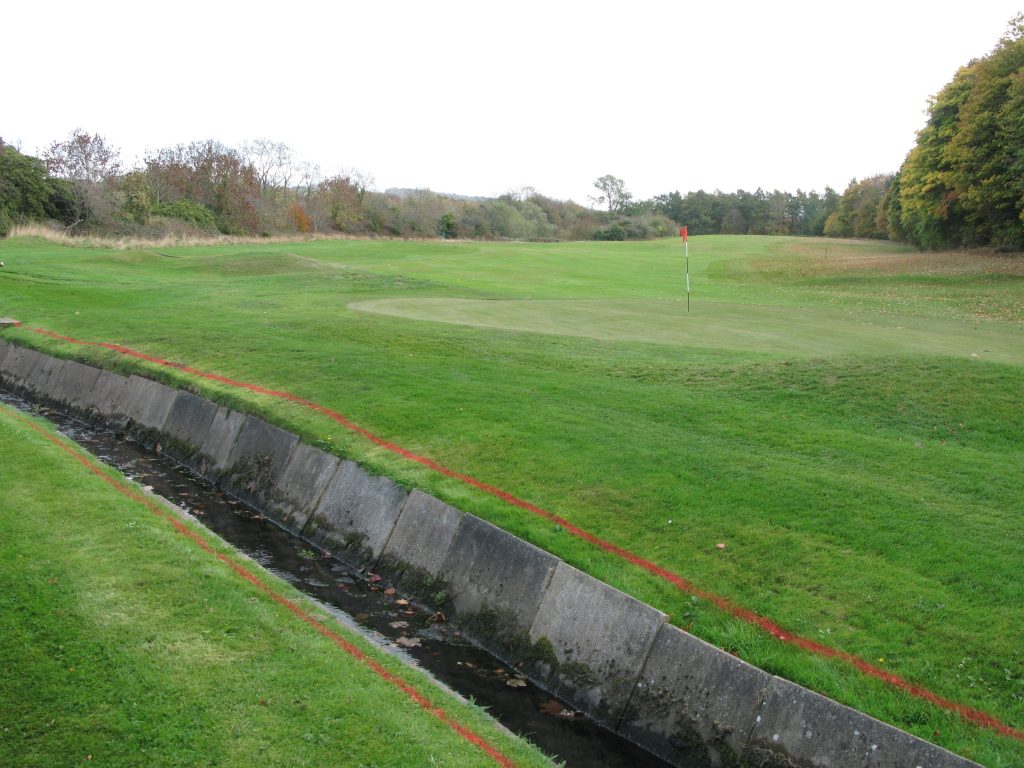
The ‘hidden’ hazard behind the difficult par 4 15th hole at Musselburgh

Apparently, the golf course was laid out in open parkand, but visionary tree planting during the 1950s has transformed this into a mature parkland setting and I benefited from the late autumnal colour.
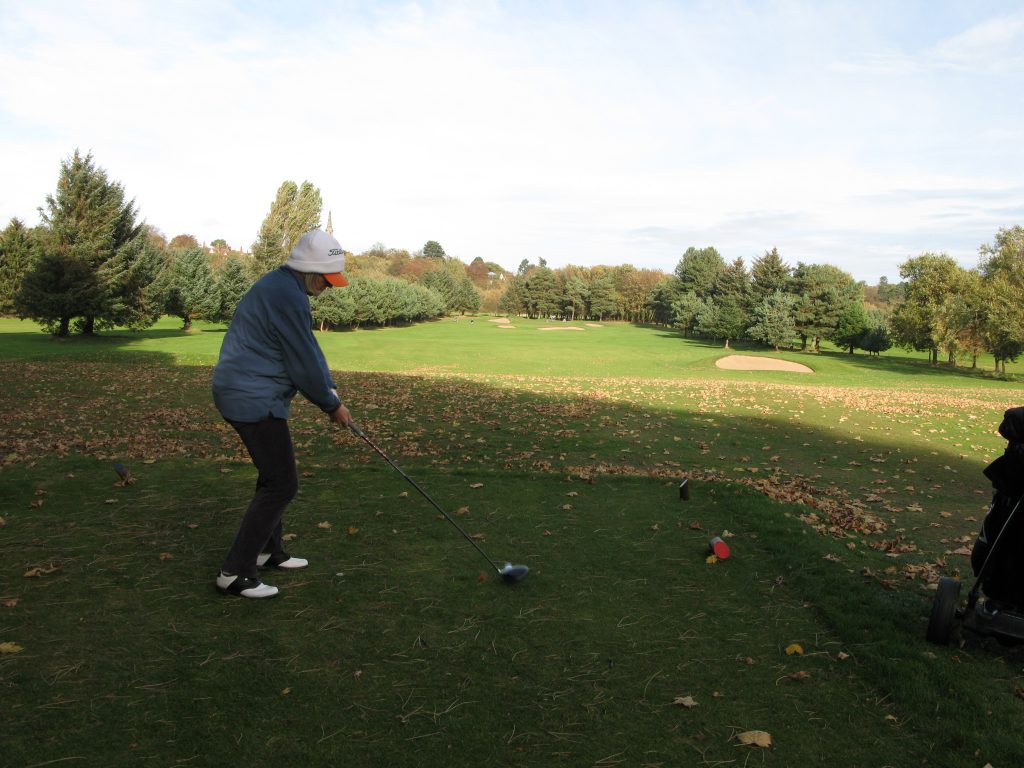
Fran drives at the inviting fairway on the 17th at Musselburgh

The greens were in great condition and very true to putt on, but you needed to be careful with the greenside bunkering, which I thought was the best feature of this nice layout. With the trees fully matured and the constant changes in direction, one needed to keep track of the wind direction.

My favourite holes were the short 3rd, the slight dog leg right 9th, which had a ditch which long drivers needed to be mindful of, and the tough par 4 15th where a water hazard lies at the back of the green which I found having hit my longest 7 iron of the season!

The last hole is a very long par 4 uphill to a welcoming clubhouse. Its worth mentioning the friendliness of the staff in the bar.
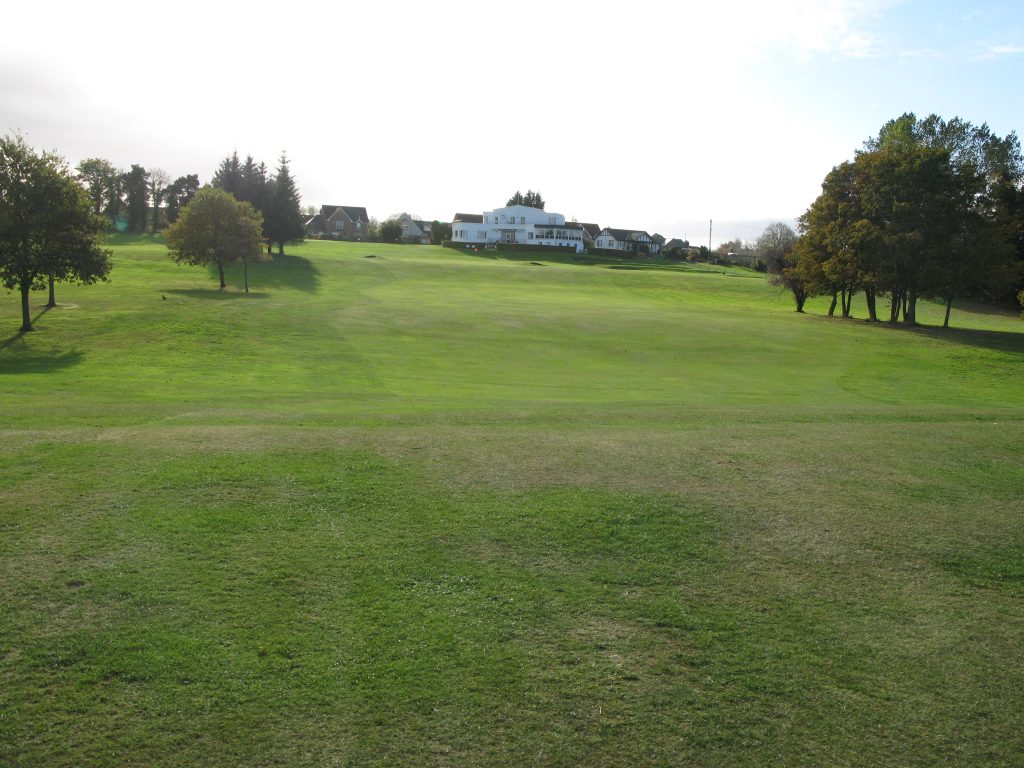
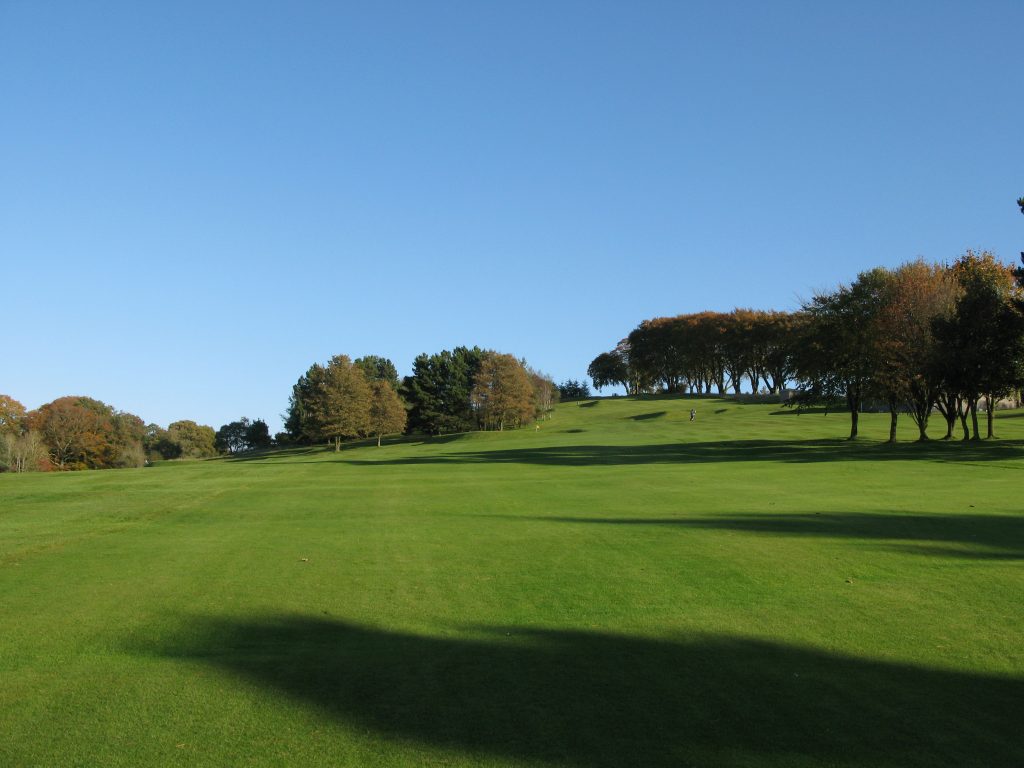
The brutish finishing uphill par 4 to the awaiting and impressive clubhouse at Musselburgh

Some Facts

Course Type: Parkland

Par 71 (3 par 5s, 11 par 4s, 4 par 3s)

Distance (yellow)   6241 yards

Moly’s Gross Score  99
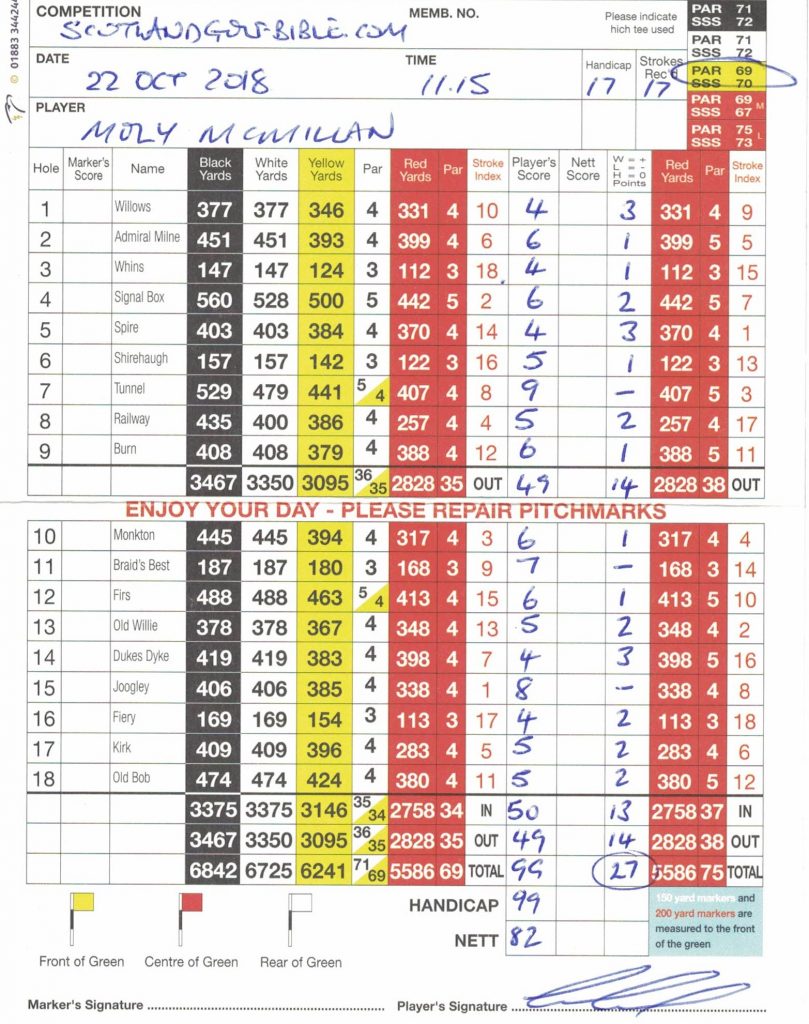
Moly’s Musselburgh scorecard – 99 for 27 points

89. Saline. 10 Oct 2018.

‘Salin’ feels like an intrinsic part of Scotland where community and golf are as one entity

Round  £15.   Par 34.  Value (out of 5) – 3

Courses like Saline, pronounced ‘Salin’ by the locals, somehow define Scotland, not just Scottish golf.

The Cleish Hills provide the backdrop to the par 3 8th hole.

Saline is a village in Fife, not far from Dunfermline. Its elevation on the western slopes of the Cleish Hills, mean that any visitor will get spectacular views of the Forth Valley estuary and river. However, for the great views, you have to work hard to walk to the top of the course, but it’s well worth it.

The magnificent Forth backdrop from the 6th tee at Saline

The club was founded in 1912, but as the club’s own website admits there is virtually no history documented about the course and club development, which is clearly a shame.

The village on the other hand, with a declining population, now around 1000, down from the almost 2000 in its heyday, has an interesting history as a weaving centre. It still has several listed weavers cottages, as a legacy to its former glory.

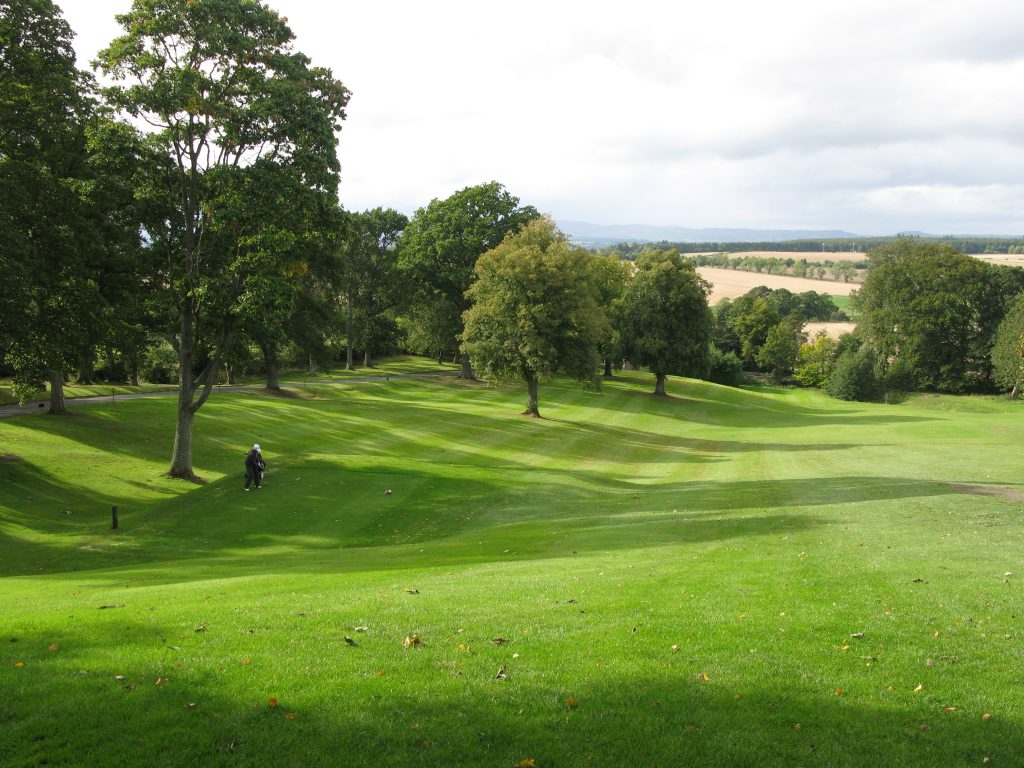
The 1st at Saline, which gets the heart pumping from the first minute.

The 9 hole course, was in fair condition when I played, along with my wife Fran. The fairways were lush and wide enough to allow for an errant drive or two, but the greens were a little bumpy, which could have been down to the amount of recent rain.

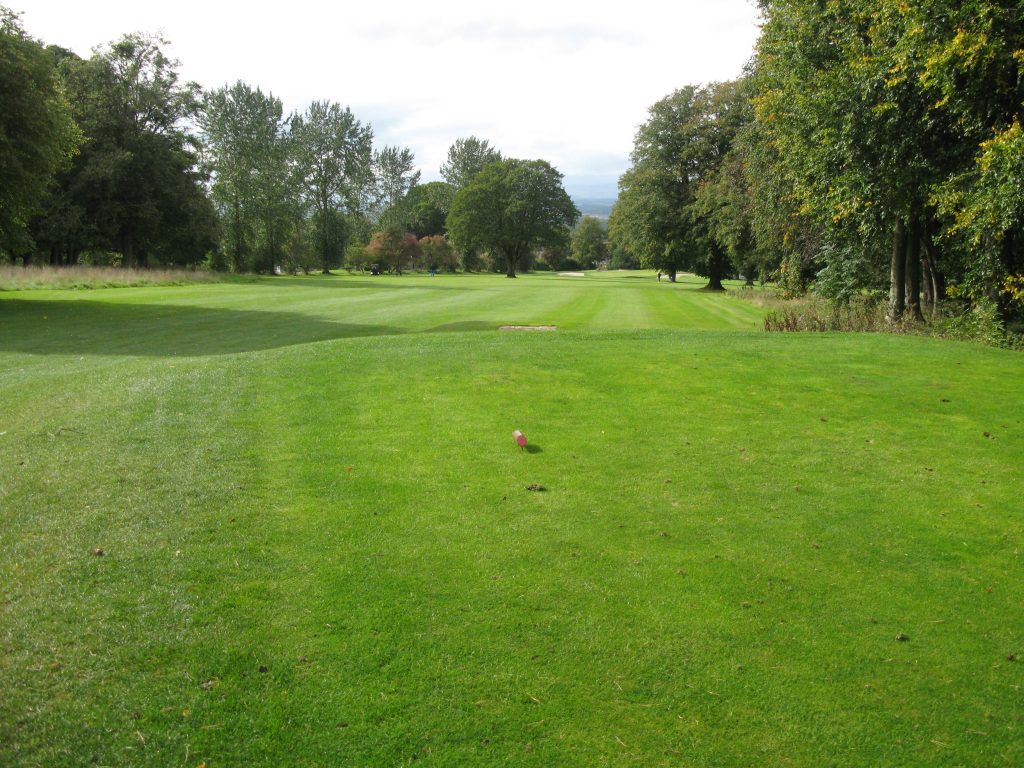
There were some decent holes as well. The steeply uphill par 4 5th at 368 yards is a really tough 2 shots, where I suspect most will require driver and fairway wood to reach. The par 3 8th is a great short hole, against the backdrop of the Cleish Hills; it required much less club due to the drop and it’s better playing long due to the front bunkers.

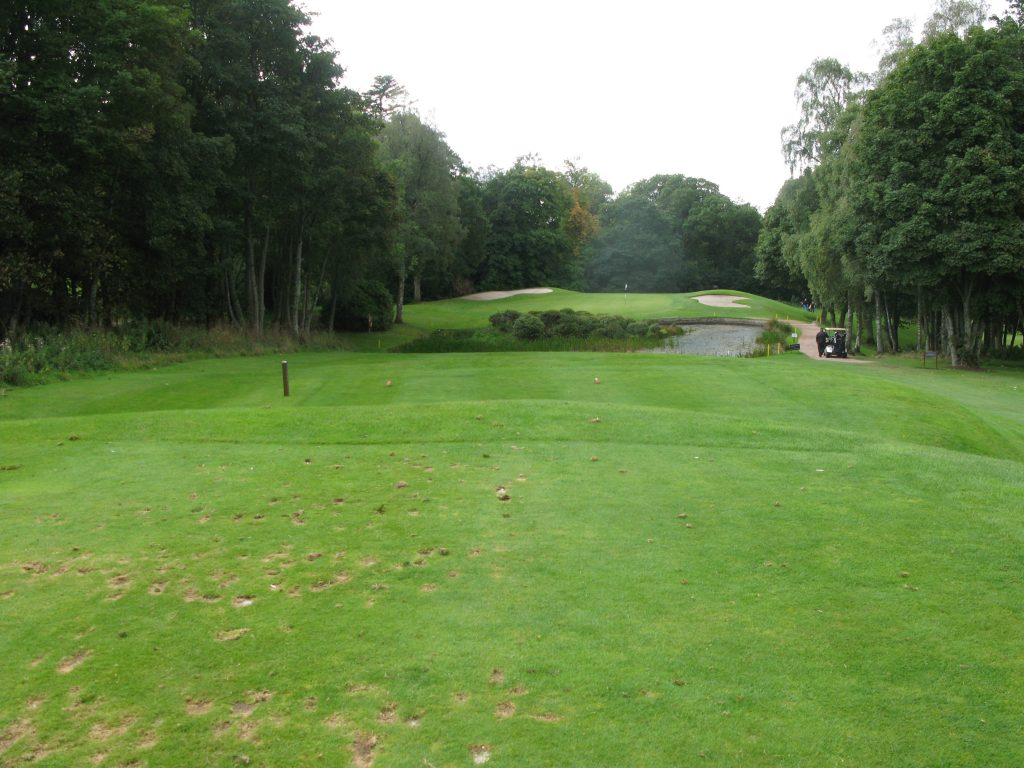
The tricky par 3, third hole at Saline, at over 160 yards

The golf club bar, acts as a community hub and social club, and from looking at the notice boards it was clear that the bar is an important part of the community. The welcome was extremely warm from the barman/host, and this alone would “hasten ye back”.

Some Facts

Course Type: Parkland

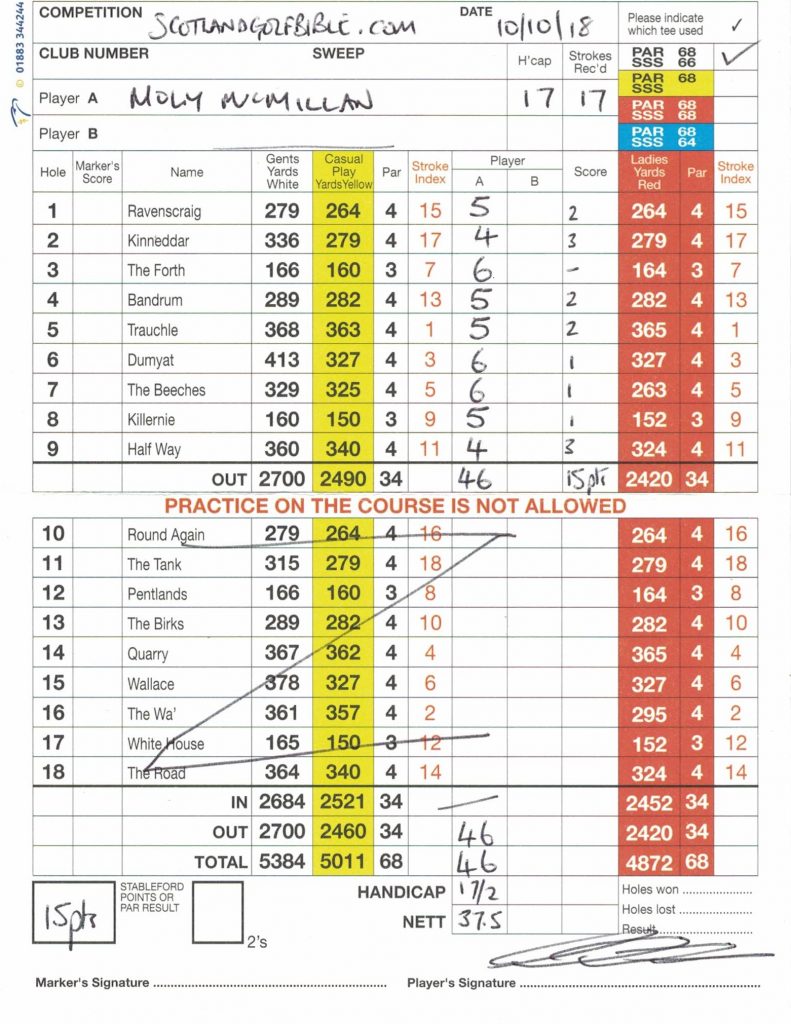
Par 34 (0 par 5s, 7 par 4s, 2 par 3s)

Distance (white)   2700 yards

Moly’s Gross Score  46

Moly’s card at Saline – 46

88. Murrayshall. 16 Sep 2018

Murrayshall is a nice parkland course, but its hotel partner course (Lynedoch) is much better value.

Round  £50 ( variable on-line).   Par 70.  Value (out of 5) – 3

The Murrayshall estate, first built in 1664, was established as a commercially successful Country House hotel in the early 1970s, following the sale of the estate by the Norrie-Millar family, of whom Francis Norrie-Millar was one of the key instrumentalists in building the General Accident insurance company in nearby Perth, only 3 miles to the west of Murrayshall.

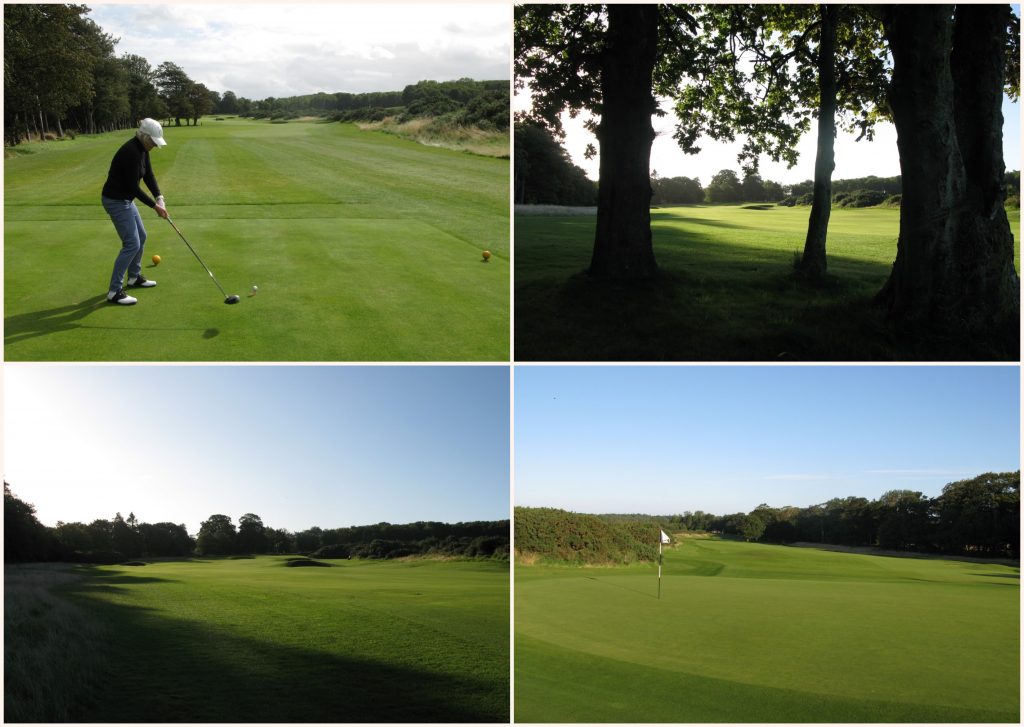
Fran plays at the par 5 9th at Murrayshall

The esteemed golf architect Hamilton J Strutt (grandson of James Braid’s foreman) designed this Championship course in the 70s, and returned to design the Lynedoch course which opened in 2000.   The Murrayshall course is indeed a fine example of Strutt crafting a course amidst mature parkland, leaving an impression that the course has been there for a hundred years.  This is almost completely true except for the bland and exposed par 4 13th hole, which was oddly the SI1 hole (more of later).

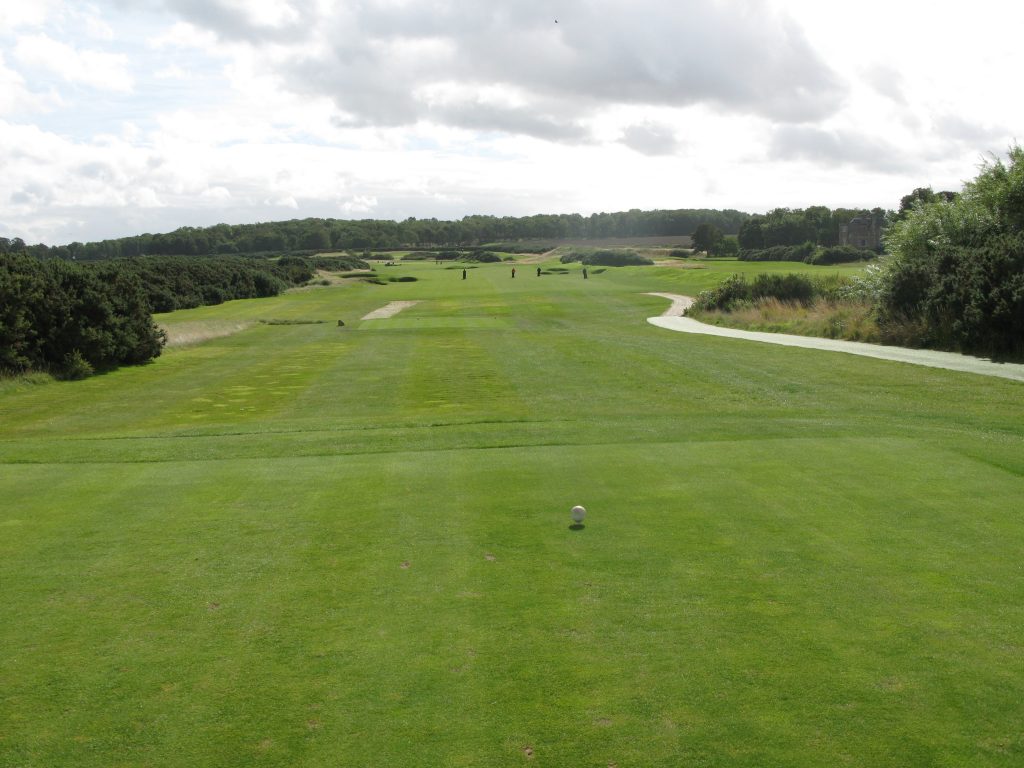
The 6th tee view, typical of the Murrayshall course

Whereas the sister Lynedoch course is partly woodland, Murrayshall is exclusively parkland.  I had previously played the Lynedoch track and had been very impressed (read my blog here).  I was therefore greatly looking forward to playing the hotel’s premium course, but must admit that I don’t think the higher price is worth it is versus its shorter neighbour.   It’s still a very nice course, with some outstanding countryside views, nice greens and good bunkering;  but, other than being a longer course, it lacked the guile of its smaller sister course.

The short par 3, 4th hole, at Murrayshall

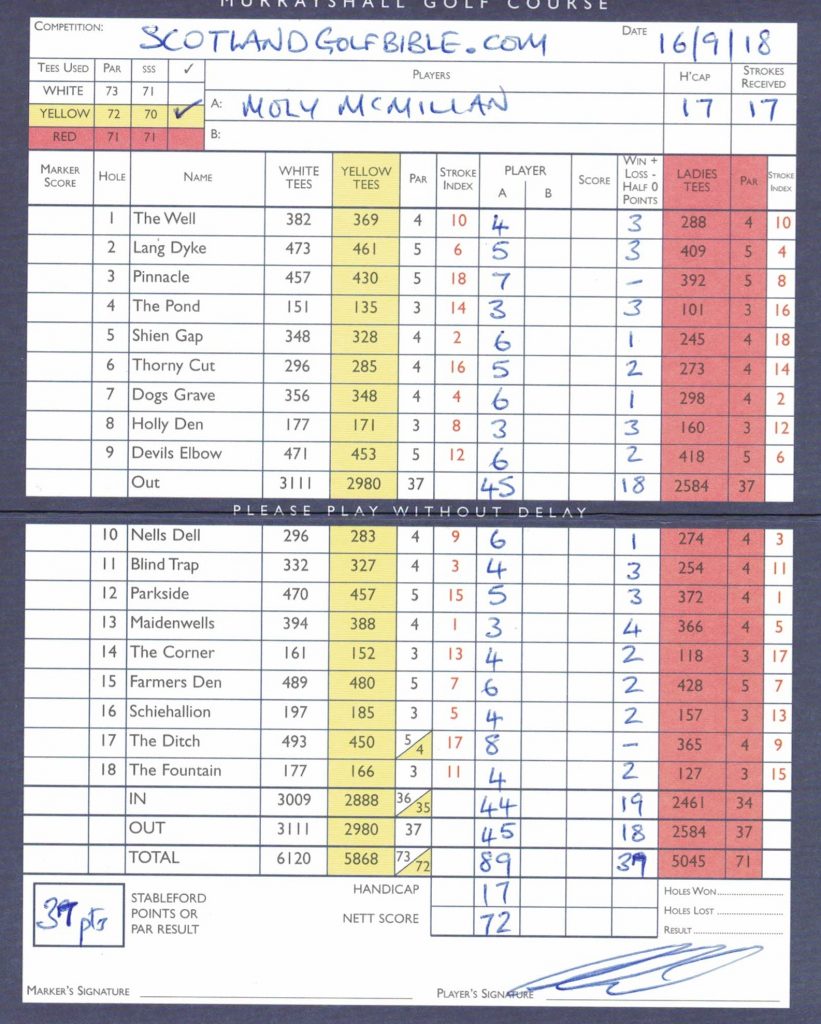
The course was in good condition when I played and I had a nice round of 89, for 37 stableford points (off 17);  including a birdie at the 13th, the stoke index 1 hole, which was one of the more bland holes played towards a local farmyard.  My score also reflects the fairly open fairways and relatively accessible surrounds of the trees.  Other notable holes were the stretch of 6th, 7th and 8th, a really nice set of challenges, with a reachable par 4, a difficult par 4, and a tricky par 3.  Also noteworthy is the mix holes, with five par 5s and five par 3s, its an odd mix.

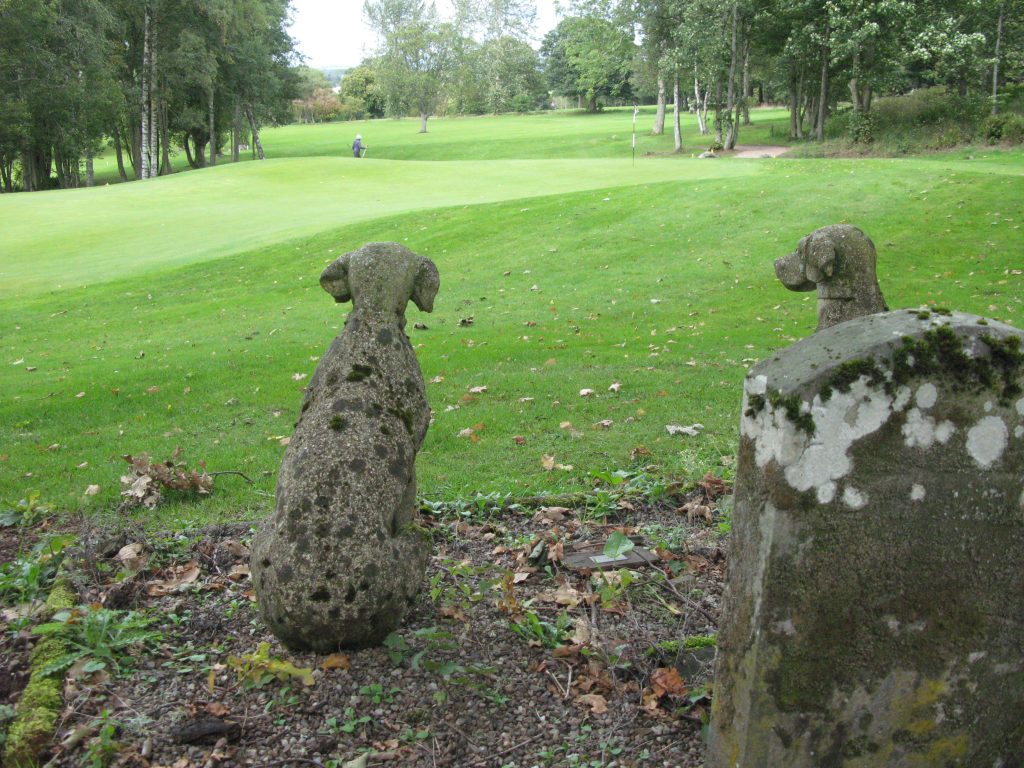
The two dogs (Isla and Joseph) whose grave guards the very difficult pay 4 7th, “Dogs Grave”

Unfortunately, the round at Murrayshall was the slowest I’ve played for several years, at around 4.5 hours.  Having caught up with the 4-ball in front, on hole 2, which actually turned out to be the last group of about 10 groups making up a society day, we then were delayed at about 5 minutes per hole for the remained of the round!  I’m writing this, to give context to my “value” assessment.  How should an assessment be dictated by pace of play?  Well, if I hadn’t been doing a blog, we would have walked in after 12 holes.   It was anything but value for money.  How many times have you heard “we would let you through, but it’s the group ahead holding us up” – I refer everyone to the Etiquette section of the rules of golf, which clearly recommends allowing a faster grouping through, regardless of circumstances.

It is worth playing, but perhaps check whether a society is playing in front!

Some Facts

Course Type: Parkland

Par 70 (5 par 5s, 8 par 4s, 5 par 3s)

Distance (white)   5868 yards

Moly’s Gross Score  89

Moly’s 89 at Murrayshall – a decent round given the chilly weather

87. Archerfield – Dirleton Links. 13 Sep 2018.

One of the two courses on the Archerfield Estate, Dirleton demands a place in the “Faux” Links discussion

Round £90…plus hotel residency!   Par 72.  Value (out of 5) – 3.5

Nestled between Muirfield and North Berwick, and adjacent to the magnificent Renaissance, the Dirleton Links and Fidra Links courses form the golfing challenges of the Archerfield Estate, a development created by the Edinburgh businessman Kevin Doyle over the last 15 years.   These additions strengthen the case that this East Lothian region is Scotland’s premier golfing destination.  Read my Fidra Links blog here and my Renaissance blog here.

The magnificent par 5 5th at Archerfield’s Dirleton Links, with Fran on the tee,

The estate has a range of 5 star accommodation options, with the 17th Century, 16 bedroom, flagship Archerfield House being available to rent in part or in whole.    With great accommodation, a quite superb Scandinavian inspired spa (I thoroughly recommend the Golfers Recover massage), and first rate practice facilities on offer, this is a world class golf resort on Edinburgh’s doorstep.  Curiously, the clubhouse restaurant and bar is adorned with African art, giving it a colonial feel?

The par 4 2nd, a typical hole at Dirleton, with the gorse surrounding the fairways.

In considering Dirleton Links, there is an argument that this is a “Faux” Links, a term that has gained traction in recent years, mainly coined for inland courses, designed to replicate Links conditions.  A couple of definitions are worth referring to:

The Wikipedia Definition of a Links course includes  “..comes via the Scots, meaning “rising ground, ridge” and refers to an area of coastal sand dunes and …. is typically characterised by () an undulating surface, and a sandy soil unsuitable for arable farming but which readily supports various indigenous browntop bents and red fescue grasses, that result in the firm turf associated with links courses and the ‘running’ game…”

Whereas the meaning of “faux” is “made in imitation; artificial”.

So is Dirleton Links a true links course?  I think what has crept into the game is the thought that Gorse forms a key part of a links layout, and that is what the creator of Dirleton, David J Russell, has surrounded the course with.  However, there is no sand dues to be seen, and I’m convinced that you could plant a fair few “Tatties” on those fairways.  So for me, its not a real links, regardless of the course name.

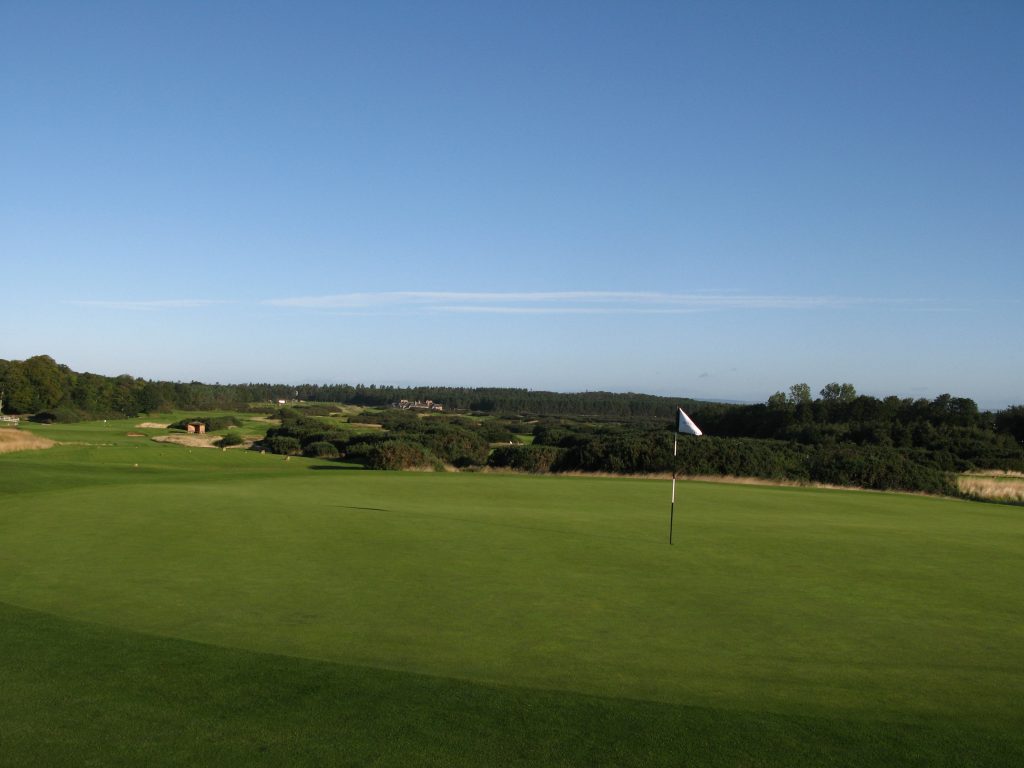
The view over the “Faux” Links from the beautiful 6th green at Dirleton

However, that’s not to say its a poor course, on the contrary it’s a terrific golf course, which in my opinion is better than its sister Fidra, which appears higher on most ratings lists of

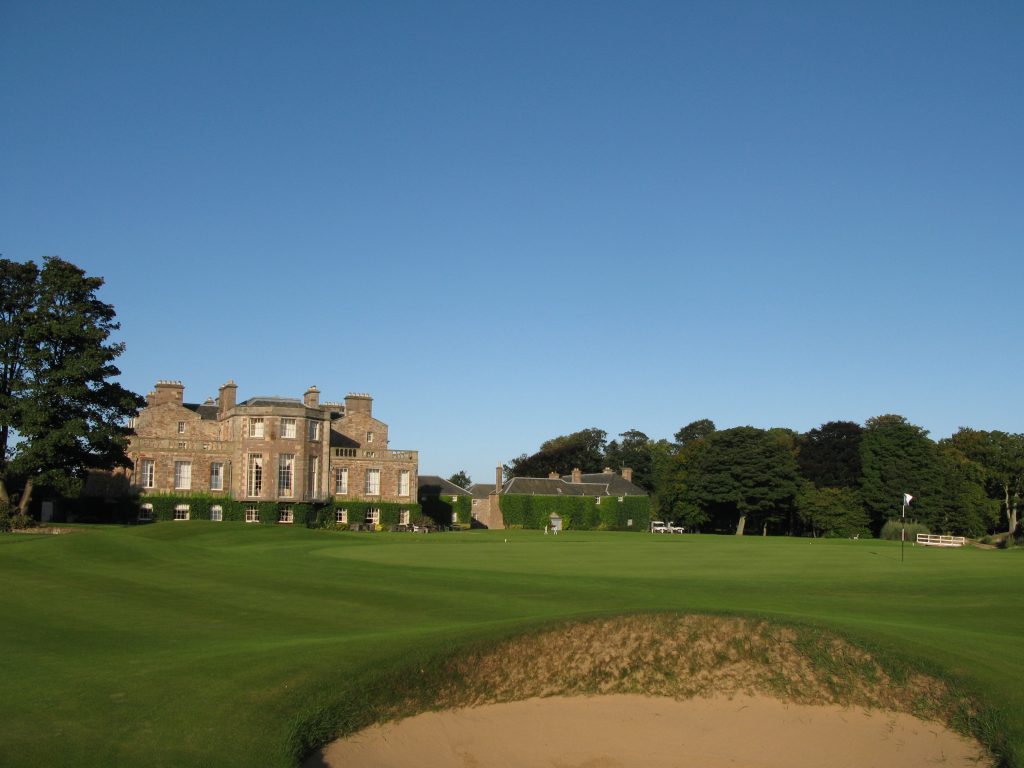
The Archerfield House behind the 7th green at Dirleton Links; which was rented out complete by 4 Americans, during our stay.

Scottish courses.

It’s a very traditional layout with both the outward and back 9s made up of 5 pars 4s, 2 pars 3s and 2 par 5s.  This is my favourite layout, and in addition there is a great mix of long and short par 4s.  The course meanders around itself, so wind direction was always changing from hole to hole.  It was one of those courses where the wind most often seemed to be against though!  It was a very windy day – gusts of up to 45mph, which played havoc with both Fran and my scores.   The fairway bunkers are really well positioned and force strategic decisions off the tee.   Overall a course I would like to take my A game to.

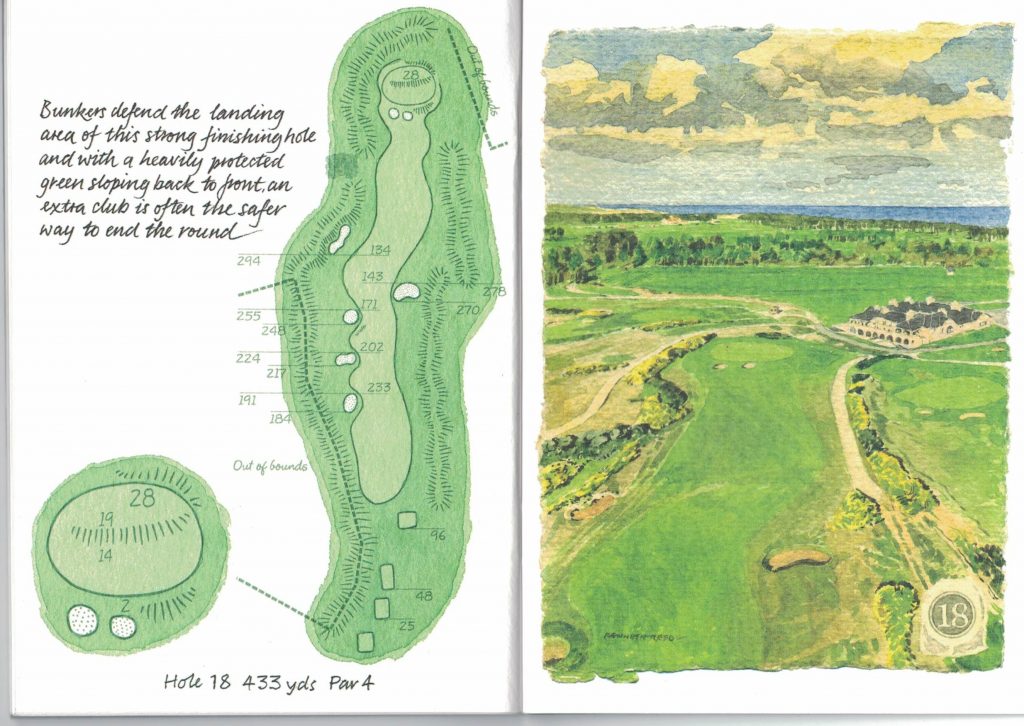
It’s not cheap;  membership via a debenture costs about £30,000, then around £3,000 annual fees.  But, you do get your shoes cleaned and don’t need to worry about paying for range balls.  You can have a “golf experience day” (price unknown), or as I did pay a £90 green fee as an accommodation occupant; I suspect many golfers play both courses either side of a single night B&B stay, which costs about £500; not bad for a short of this quality.  The clubhouse food is pretty good too, and not overpriced.  One of the benefits of the fee was a superb course planner, which was included, illustrated by Kenneth Reed FRSA.

The wonderful course planner at Archerfield’s Dirleton Links, illustrated by Kenneth Reed FRSA.

If you can afford it, its worth staying and playing at Archerfield.

Plus, whether a “Faux” or real Links, its a great course.

Facts:

Course Type: Links

Par 72 (4 par 5s, 10 par 4s,  4 par 3s)

Distance (white): 6133 Yards

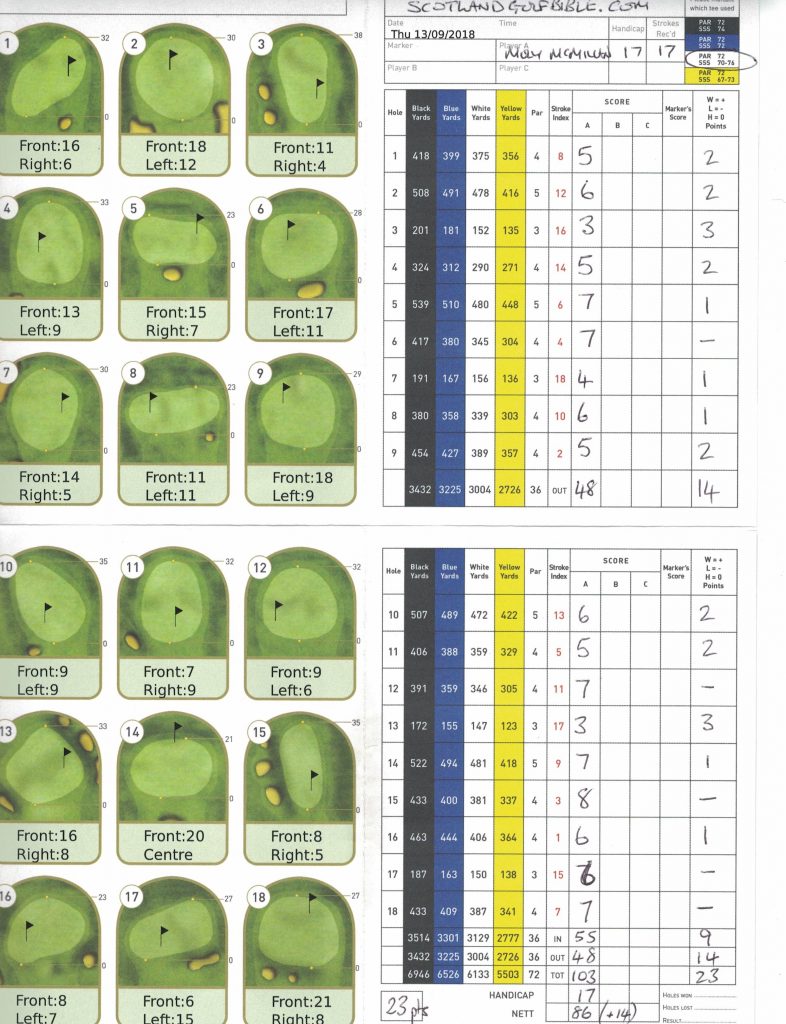
Moly’s Gross score: 103

The very high winds – gusts of 40mph – explain the 103 for 23 points

« Older posts Newer posts »

© 2025 Scotland Golf Bible

Theme by Anders NorenUp ↑