A guide to green fee value for money

Category: 1946 – 1999 (Page 4 of 10)

132. Grangemouth. 24 Mar 22.

Forget the industrial surround to experience Scottish golfing value at its best

Round £15. Par 70. Course Rating / Slope Rating (yellow) 69/121. Value (out of 5) – 5

As long as courses like Grangemouth remain open and accessible, Scotland will easily retain its lead in providing the best value golf worldwide. At only £10 for a ‘winter round’ or £15 for summer, this is as good value golf as you can get.
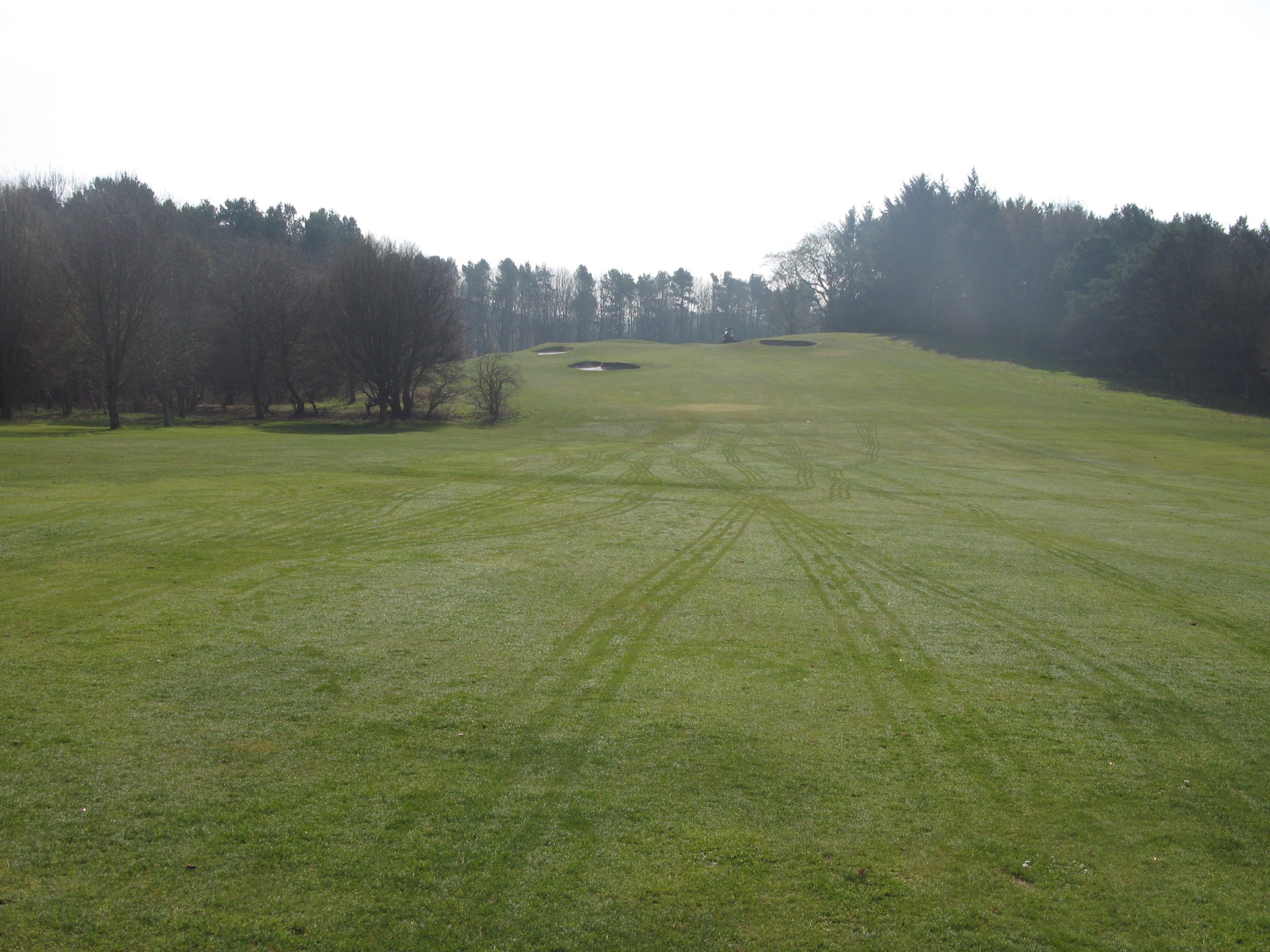
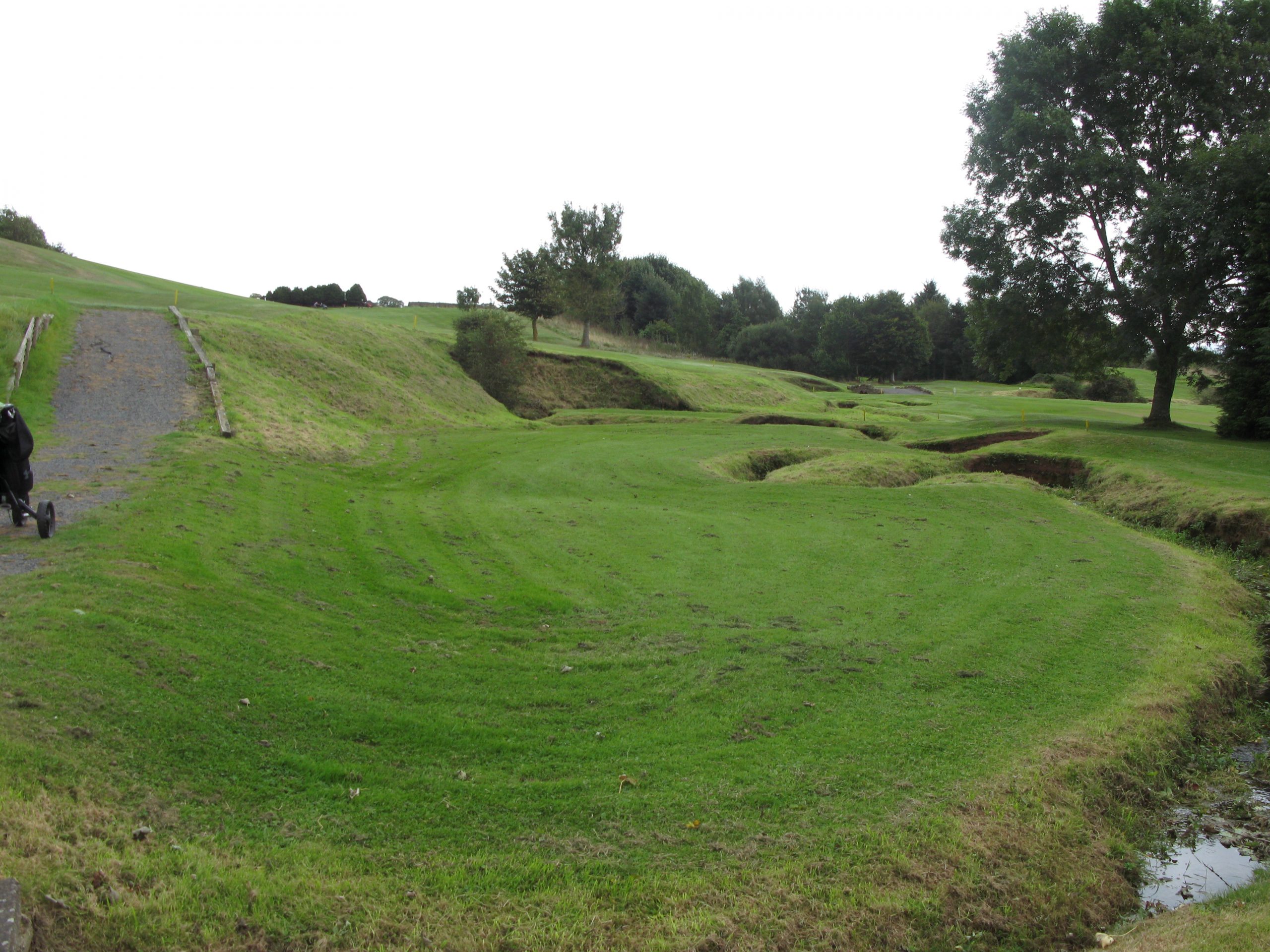
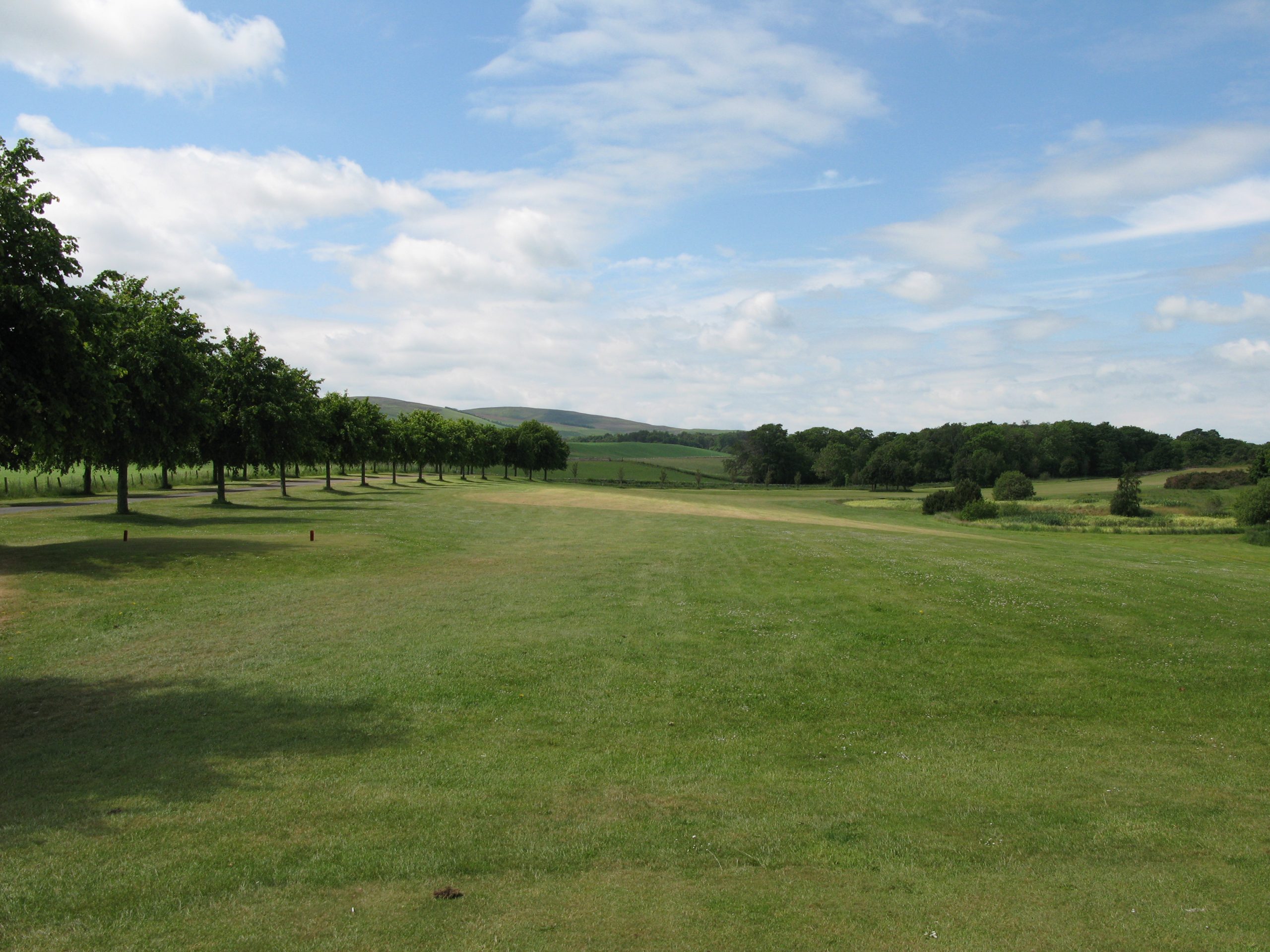
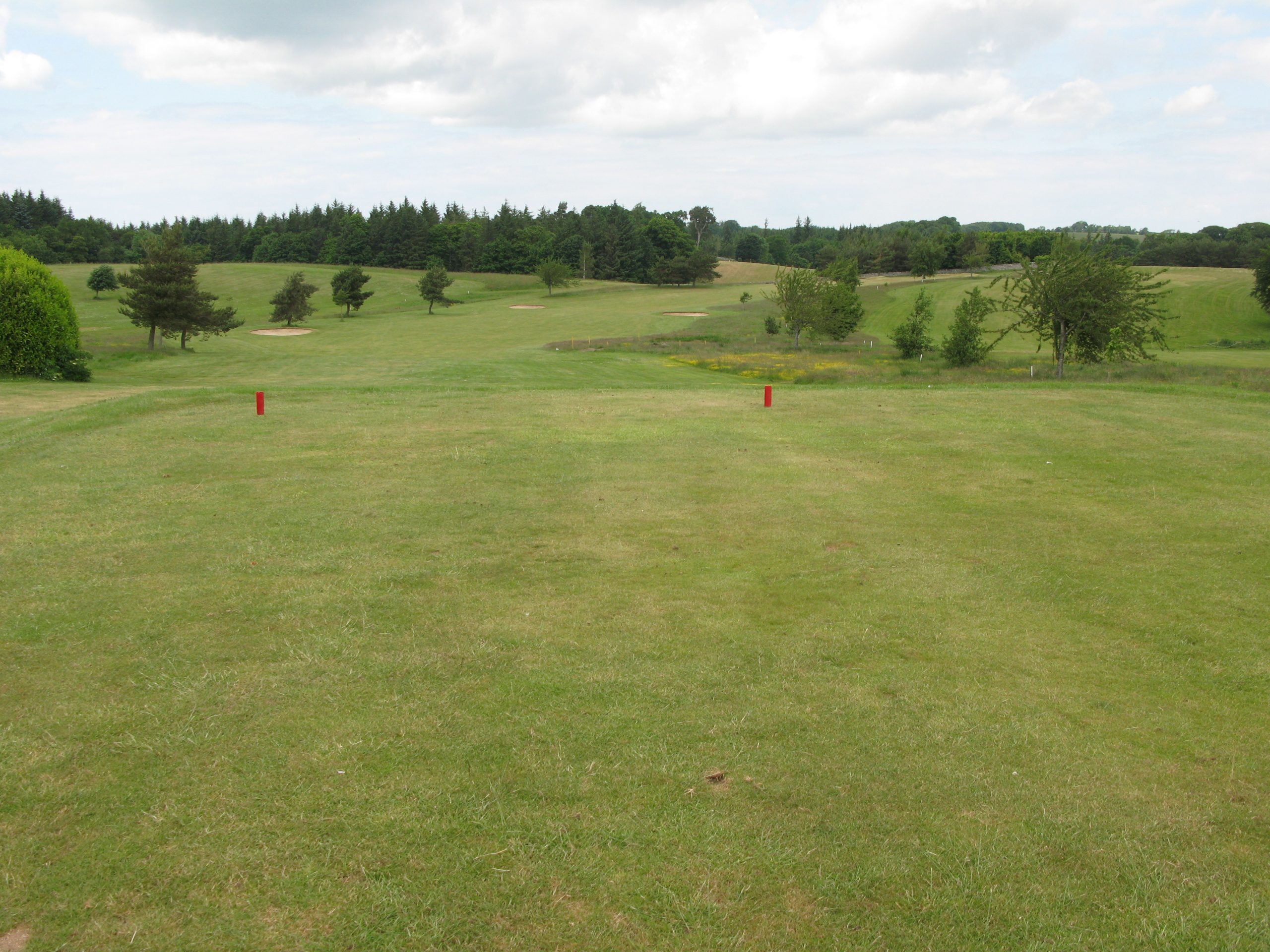
You quickly realise the quality on offer at Grangemouth, with the approach at the first hole.

But Grangemouth Golf Club and it’s courses, have not always had a guaranteed existence and the Scottish golfing community can’t take venues like Grangemouth for granted – its history is worth dwelling on.

The current parkland municipal course, opened in 1974 by the local council, is just outside the village of Polmont and close to junction 4 of the M9 motorway. However, the first Grangemouth golf course can be traced back to the mid 1890s, and its growth and decline are charted on the excellent web site “Forgotten Greens of Scotland”. After a few false starts, a 9 hole course opened in 1908 at Abottsgrange, including greens created through “beating, rolling, sanding, cutting”. A “small shelter was built to protect against the ‘Sudden Blast'”. Initially there were 113 men and 67 lady members, highlighting the non sexist nature of golf in Scotland. A clubhouse was soon built but burned down in 1924, with the most informative comment being the sad loss of 200 sets of clubs, “only those few who took clubs away at the weekend were saved”.
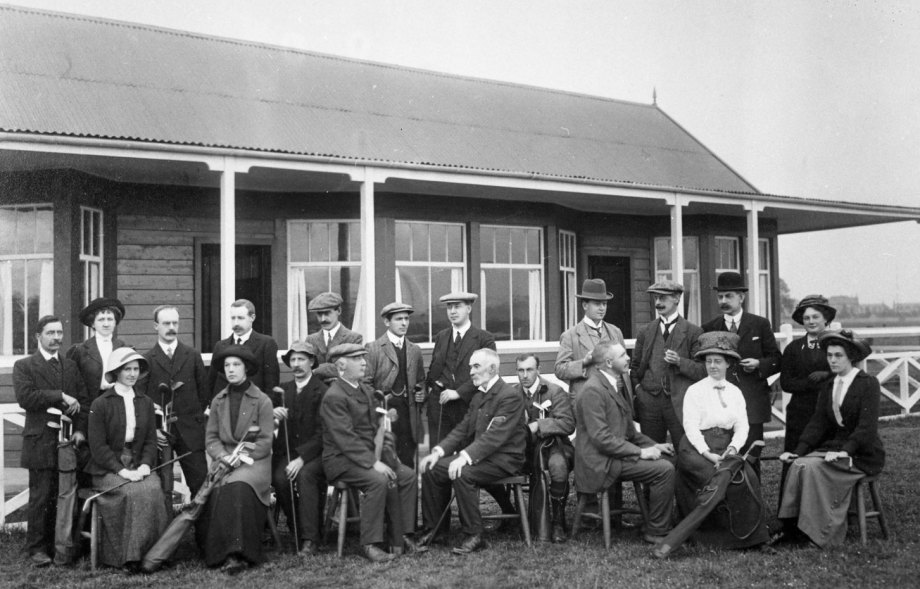
The original Grangemouth members. We should never take the longevity of courses for granted.

By the early 1950s the course, now with 18 holes, became a victim of a mix of expanding urban growth, the building of a new Scottish Central airfield and political wrangling within Stirling County and the local Town councils. This led to the closure of that course in 1954, now the sight of a school and housing estate, with the political promise of a new replacement course on Polmonthill. It was finally established 30 years later! Politics.
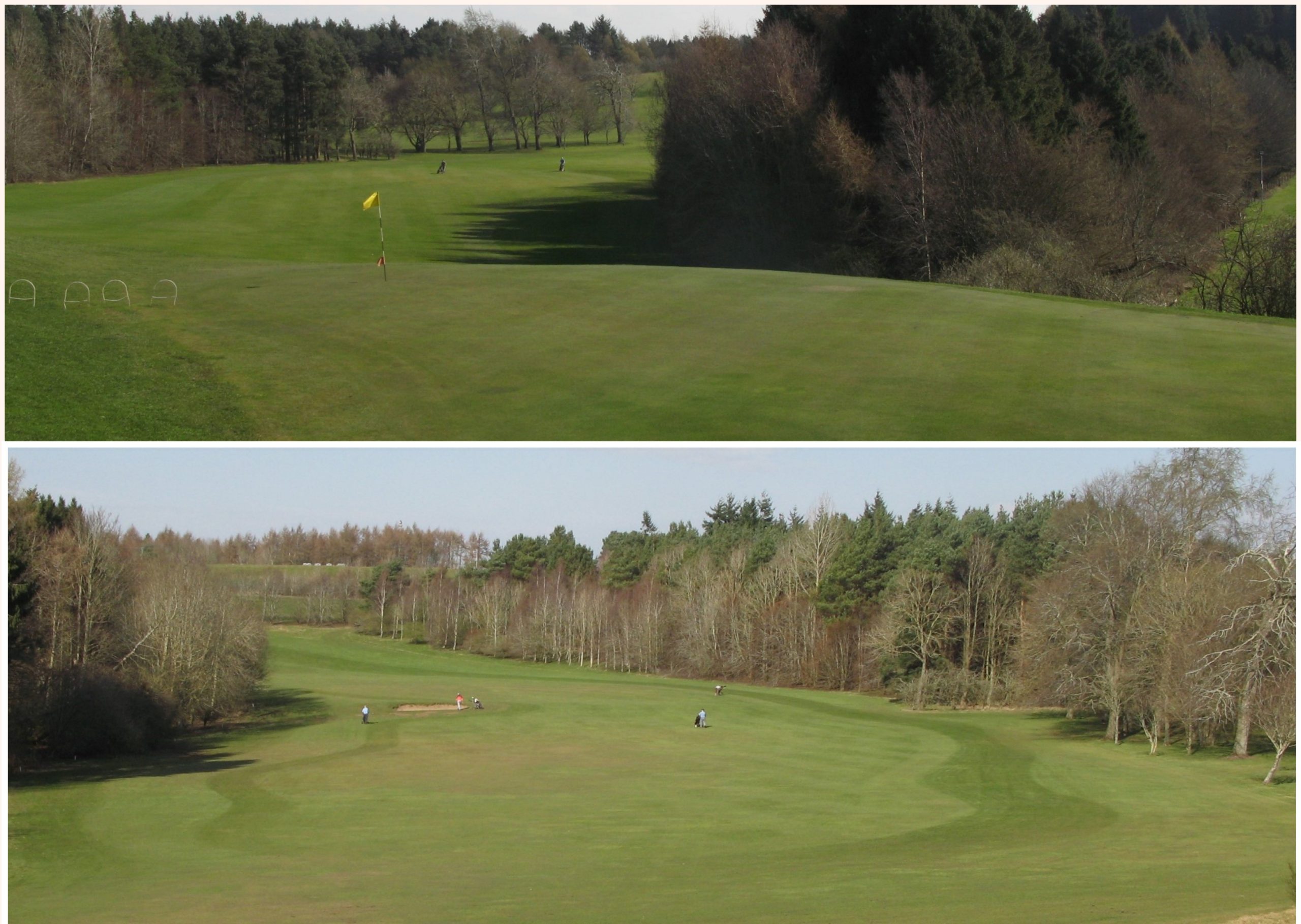
The long par four 8th, “Gambler’s Gap” (you can see it), the most difficult hole.

Arguably, the current course was worth the wait. At well over 6000 yards, this undulating layout, bordering Polmont Woods, is very challenging. When I played, on a fine March day, along with my old friend Frank Crowe and two of his friends, Colin Campbell (a local member) and Ian Ponton, it was in remarkable condition. It beggared belief that it is maintained by only two greenkeepers; the greens were first class.
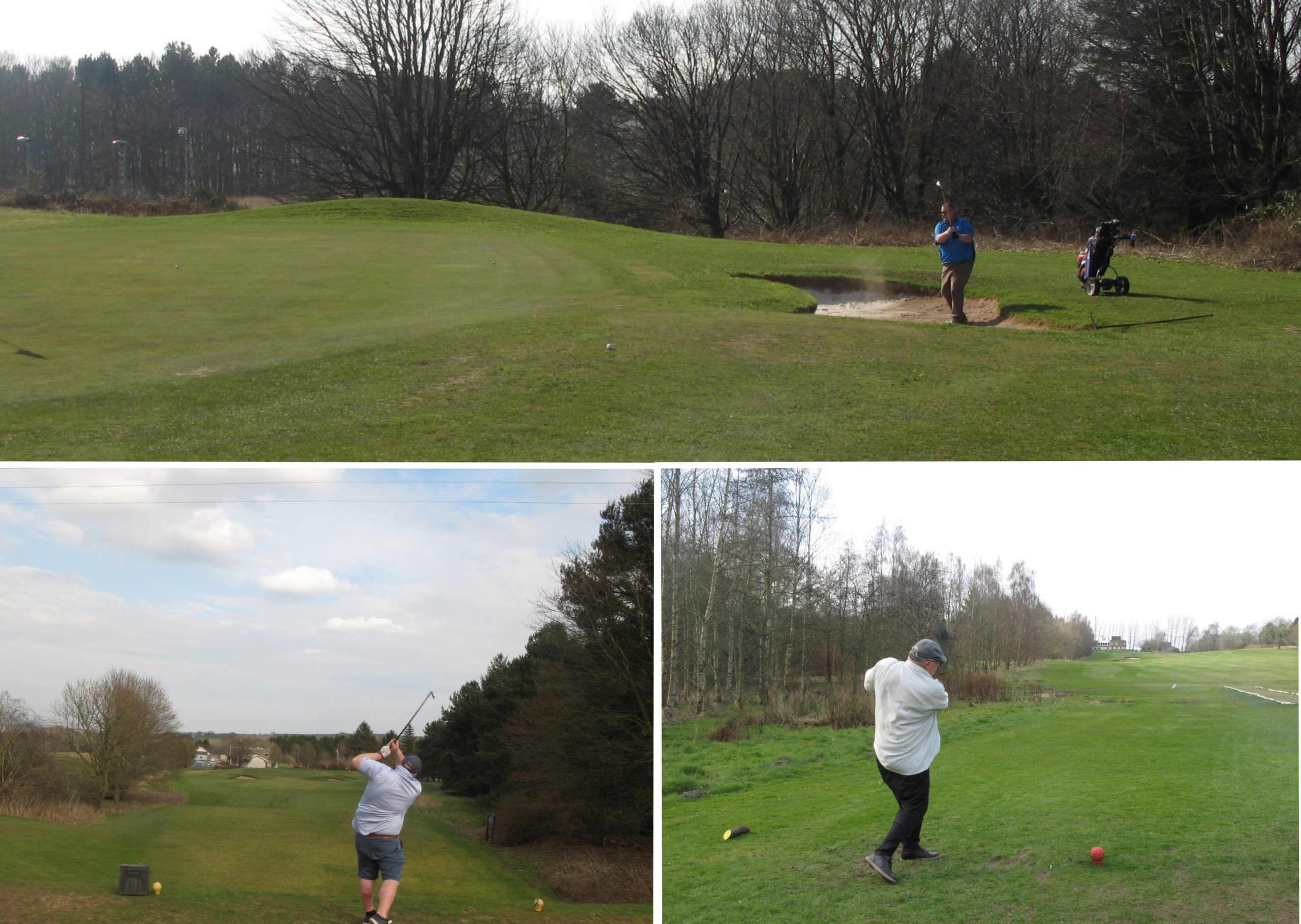
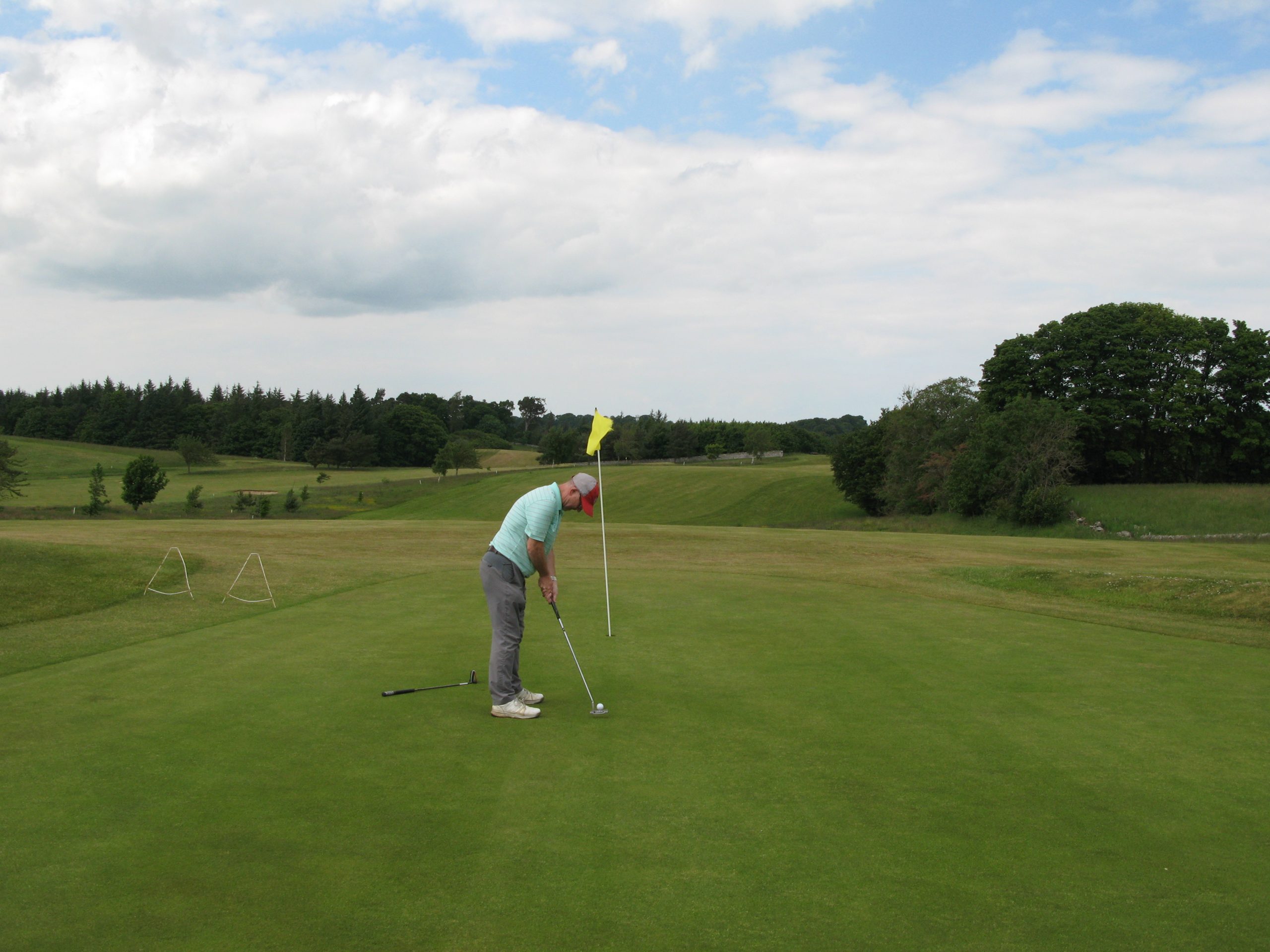
My playing partners in action.
Top – Ian Ponton at the 2nd; Bottom left Colin at the 15th; Frank at the 18th.

The course has won a “Scottish Municipal Course of the Year” award in the past, and you could see why. The bunkers, where admittedly more rakes were needed, and tees, could have been a bit sprucer; but this was golf costing about the same as two pints of beer, with high summer rates still being well short of £20. If any international tourists wanted to see what is on offer elsewhere in Scotland, other than the heady courses in nearby Fife or East Lothian costing over 10 times the green fee, this would be a great course to play.

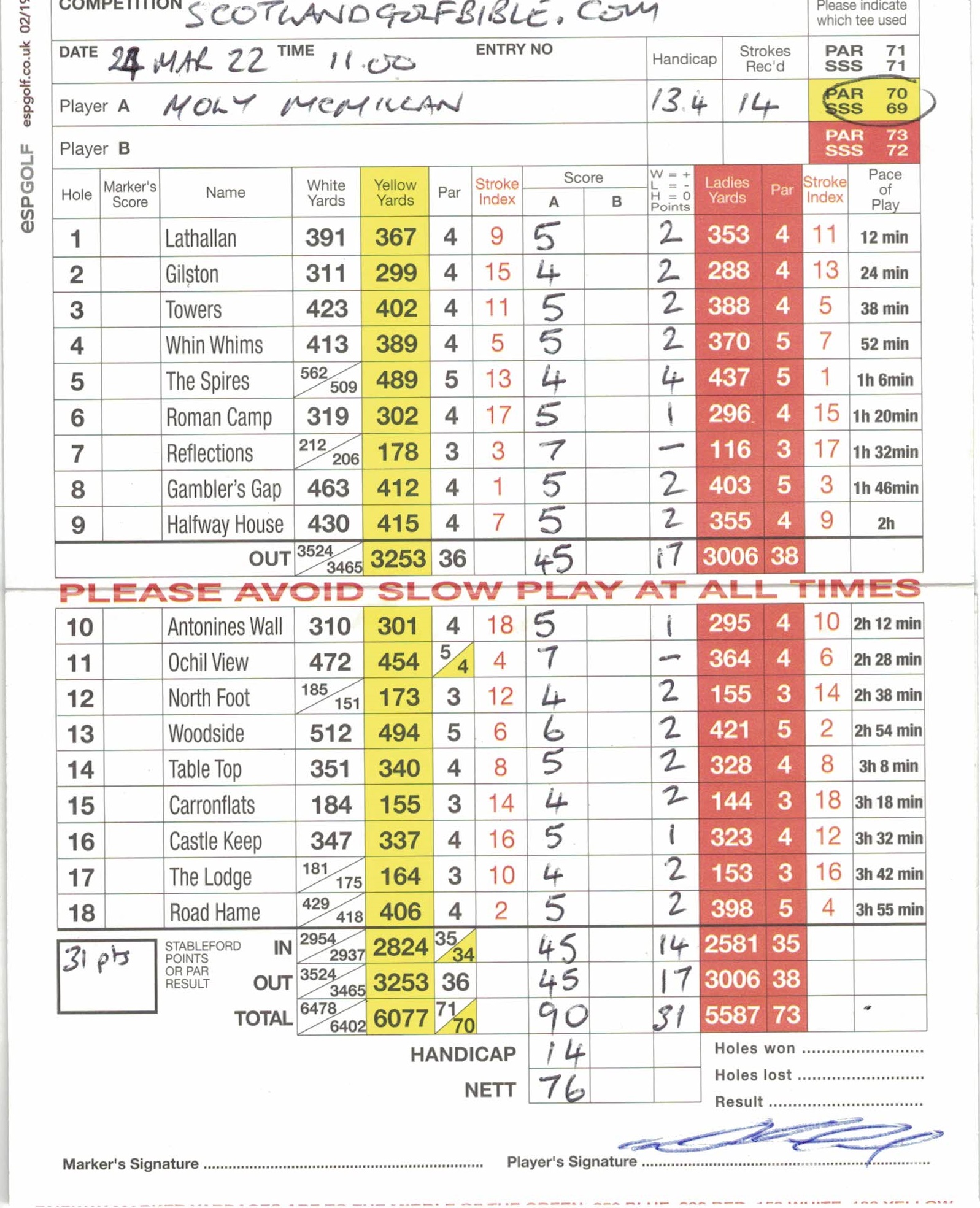
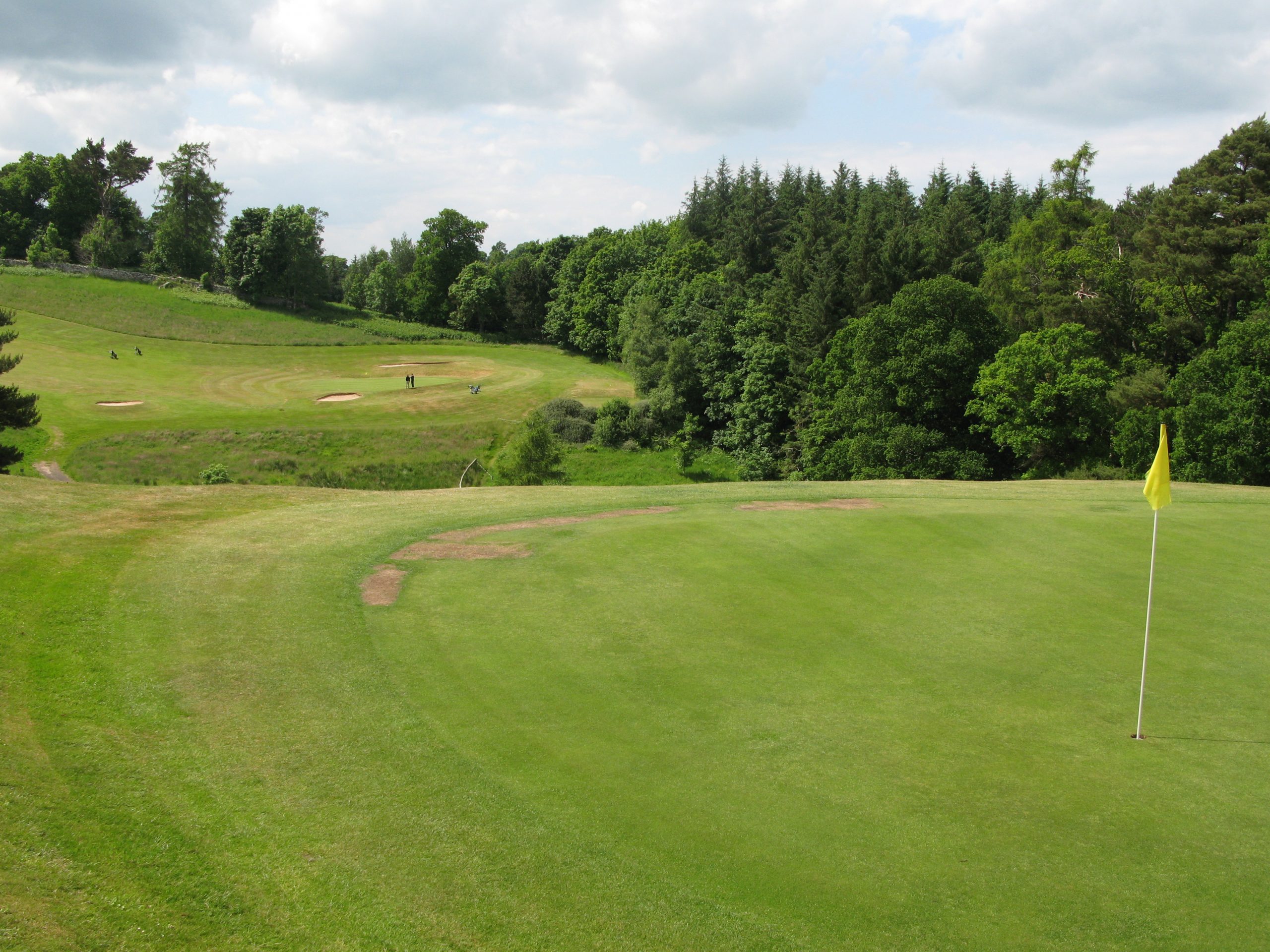
There are some memorable holes, not least the brilliantly framed par fours first and fourth holes, both played uphill into well bunkered greens. The signature hole, “Reflections”, the par three seventh at 178 yards, played over a resevoir, left me ‘reflecting’ how I racked up a 7, including my first ball finding the water.
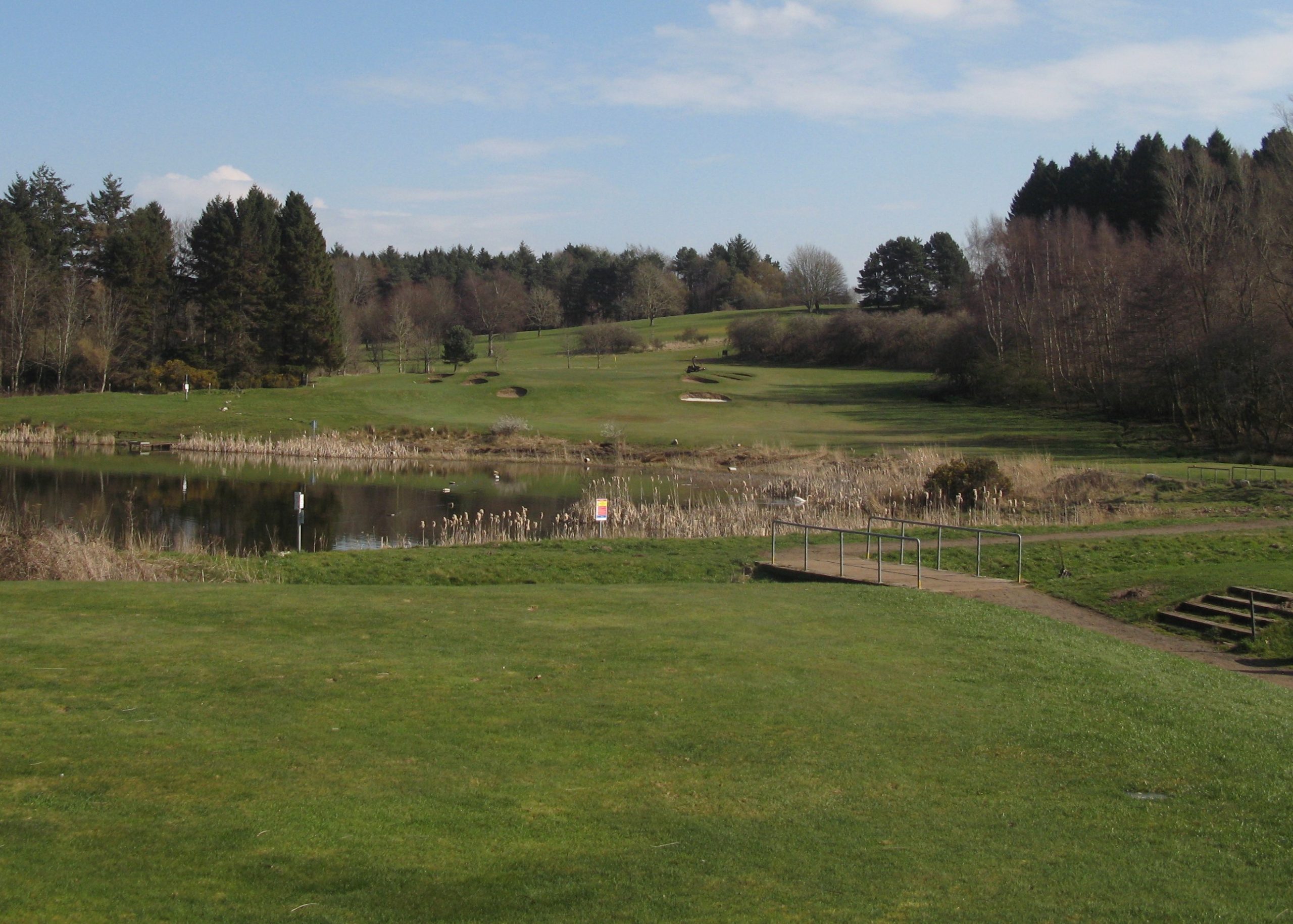
The par three 7th. Is there a finer visual par three on any other UK municipal course?

The greens were very tricky, as my seven 3 putts attest; this was due to the large and sloping nature of them, not the surfaces which were true. My gross 90, therefore, indicting my otherwise decent ball striking.

The overall layout has a nice variety of dog leg holes, blind shots, and some easier respite holes to catch the odd birdie or par. The four par 3s, collectively, are the course highlight for me.
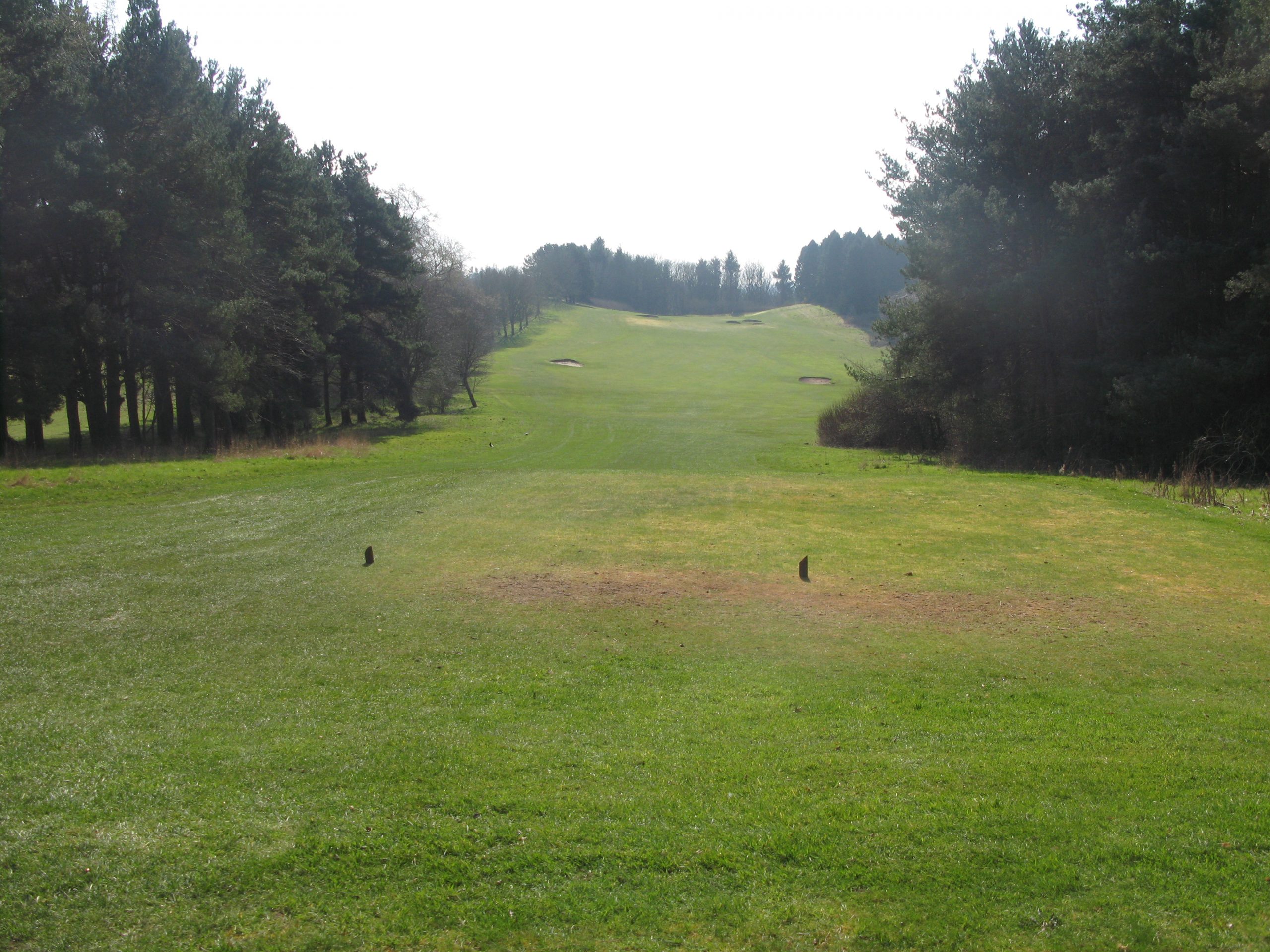
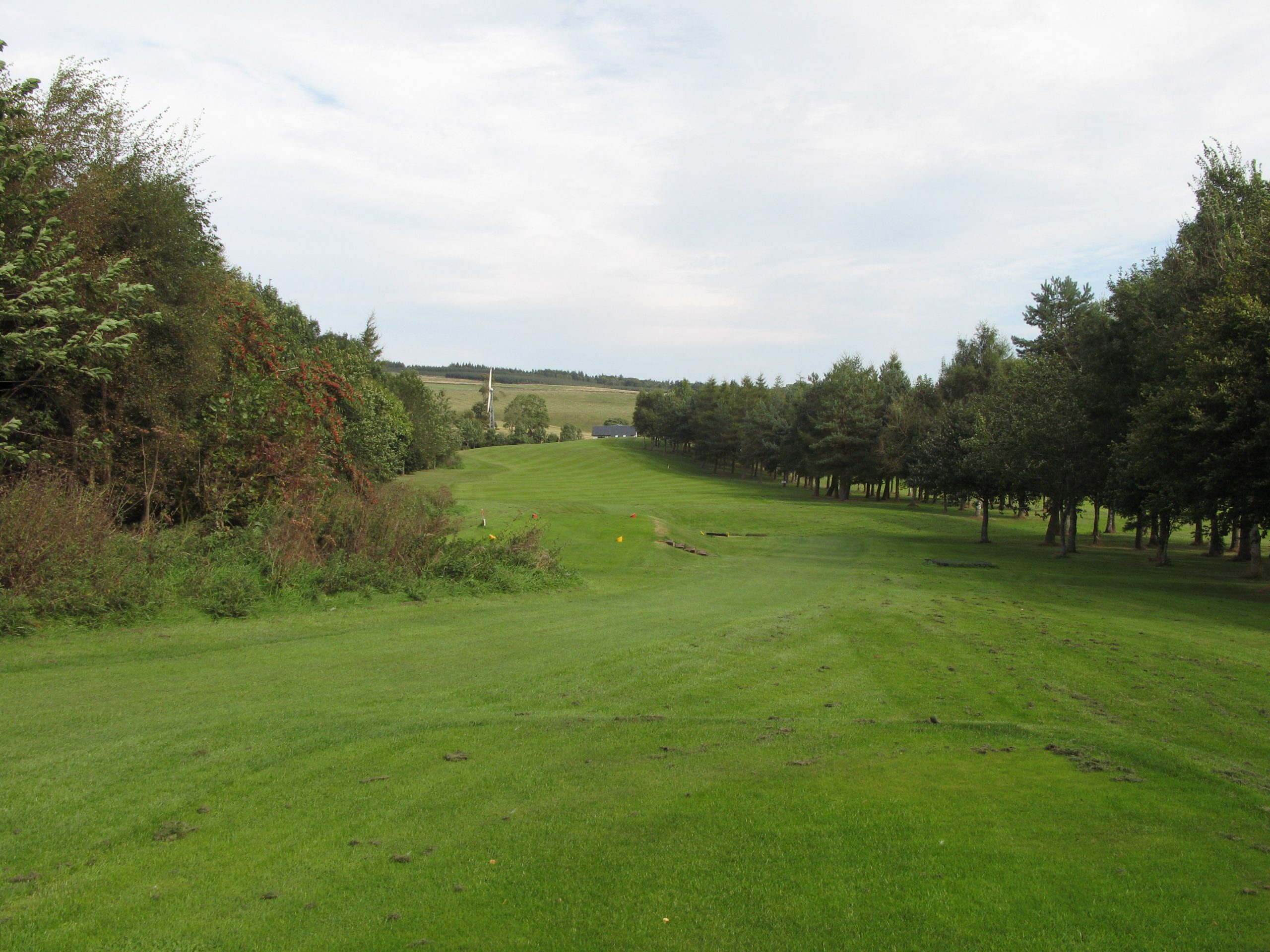
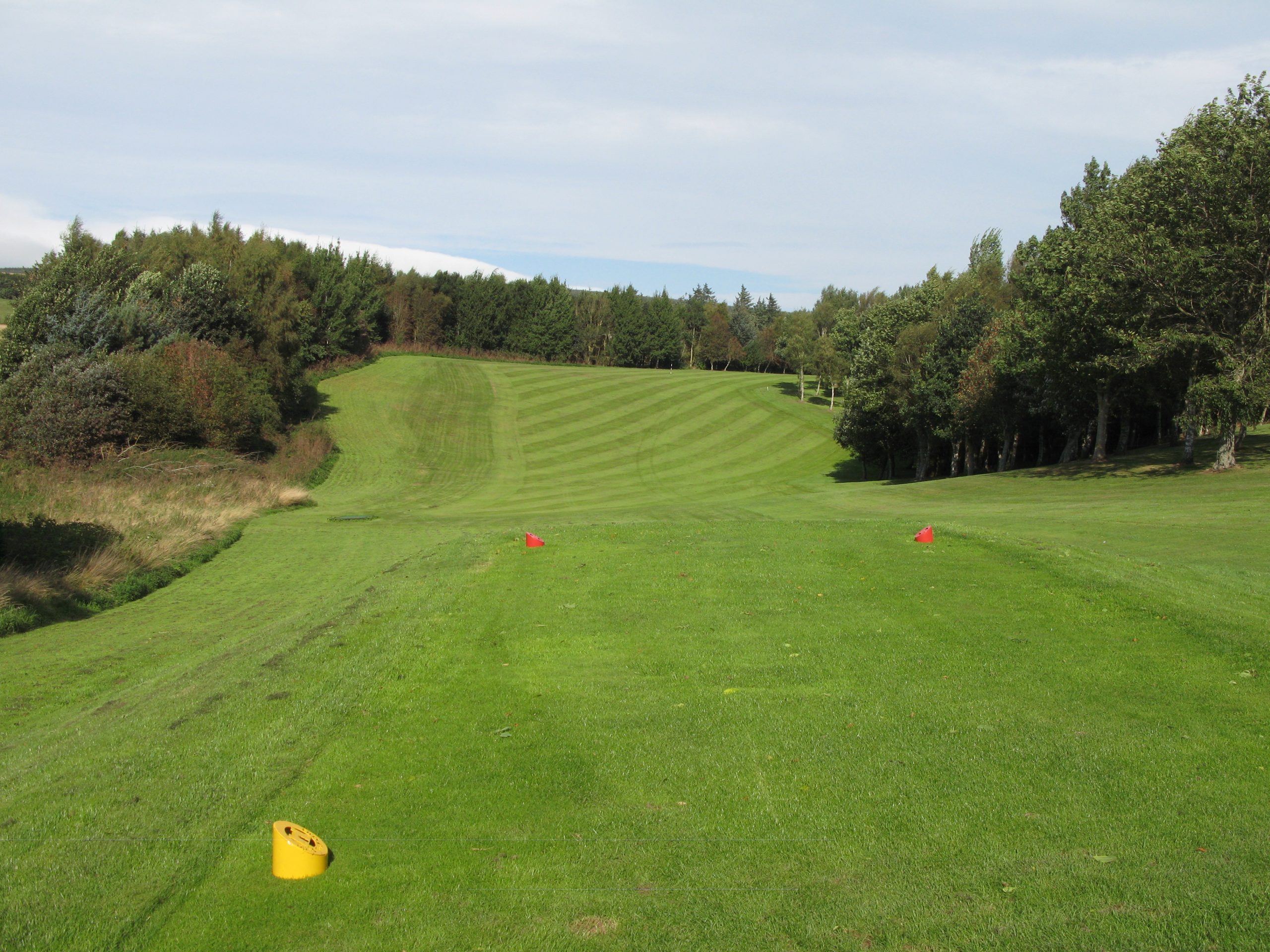
The great framing on the par four 4th hole. A tough challenge to reach the green in two here.

It is worth getting ready for the industrial views of the refinery, which only comes into view on a few holes, most notably at the 11th and 12th. Also nearby is one of the largest land fill sites in Scotland, but local member Colin commented that there was never any impact from smells. I would not let the local industrial surround put you off playing Grangemouth, it’s actually a reason to go.
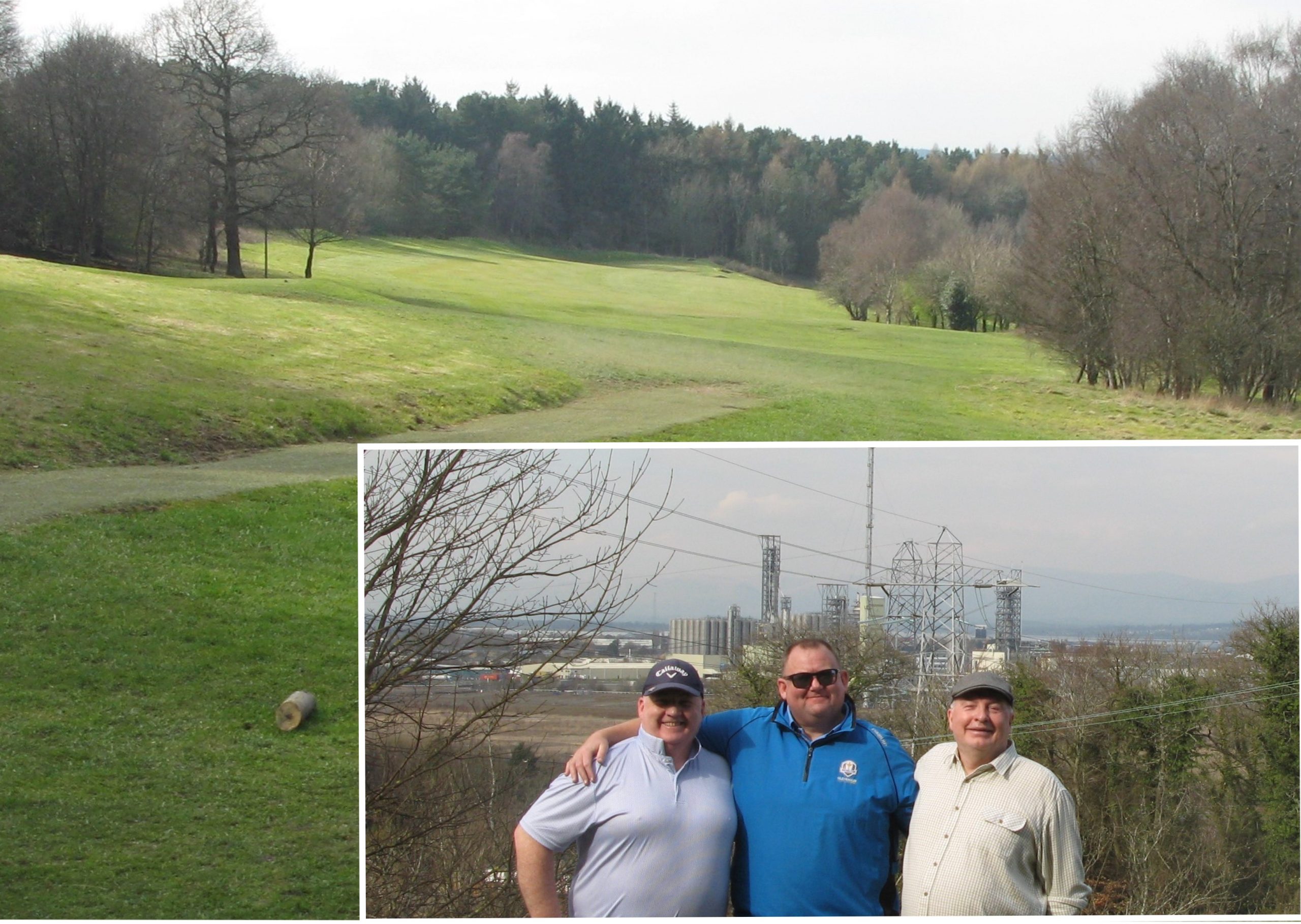
The very difficult long par four 11th (a par five from the white tees), with the inset showing the view at the tee of Colin, Ian and Frank (L to R) with the Grangemouth refinery in the background

The course, laid out as 4 loops of holes, makes it easy to just play a few holes, or cut out some of the track. As I was leaving, I saw a local member, taking advantage by jumping onto the back nine. He was a old guy, in jeans and t-shirt, whose clubs looked like they could have survived the 1924 fire. “Could be the Algarve” I said, commenting on the unseasonal weather. “Aye, yer right, ma five pals have gone tae Turkey and its pissing down and four o’ them have caught that ‘covee’, ****ing brilliant eh!”

Frank and I, played Colin and Ian, in a tightly contested four ball game that went to the last. Well played everyone, a memorable day’s golf on one of the finest municipal courses in the world. Now that is “****ing brilliant”.

Play Grangemouth. Its currently going through a change from municipal to private management, so you never know how long it might be there.

Course Type: Parkland

Par 70 (2 par 5s, 12 par 4s, 4 par 3s)

Distance: 6077 (yellow)

Moly’s Gross score90

Moly’s 90 scorecard at Grangemouth, for 31 stableford points, on this brilliant value golf course.

124. Duns. 21 Sep 2021.

This well laid out course might just be “The Average Scottish Course” – that’s good!

Round £30. Par 70. Course Rating / Slope Rating (yellow) 69.2 /119. Value (out of 5) – 3.5

I’ve now played about 25% of all Scottish golf courses, with about 20% now blogged – that represents a statistically significant sample for the mathematical minded.

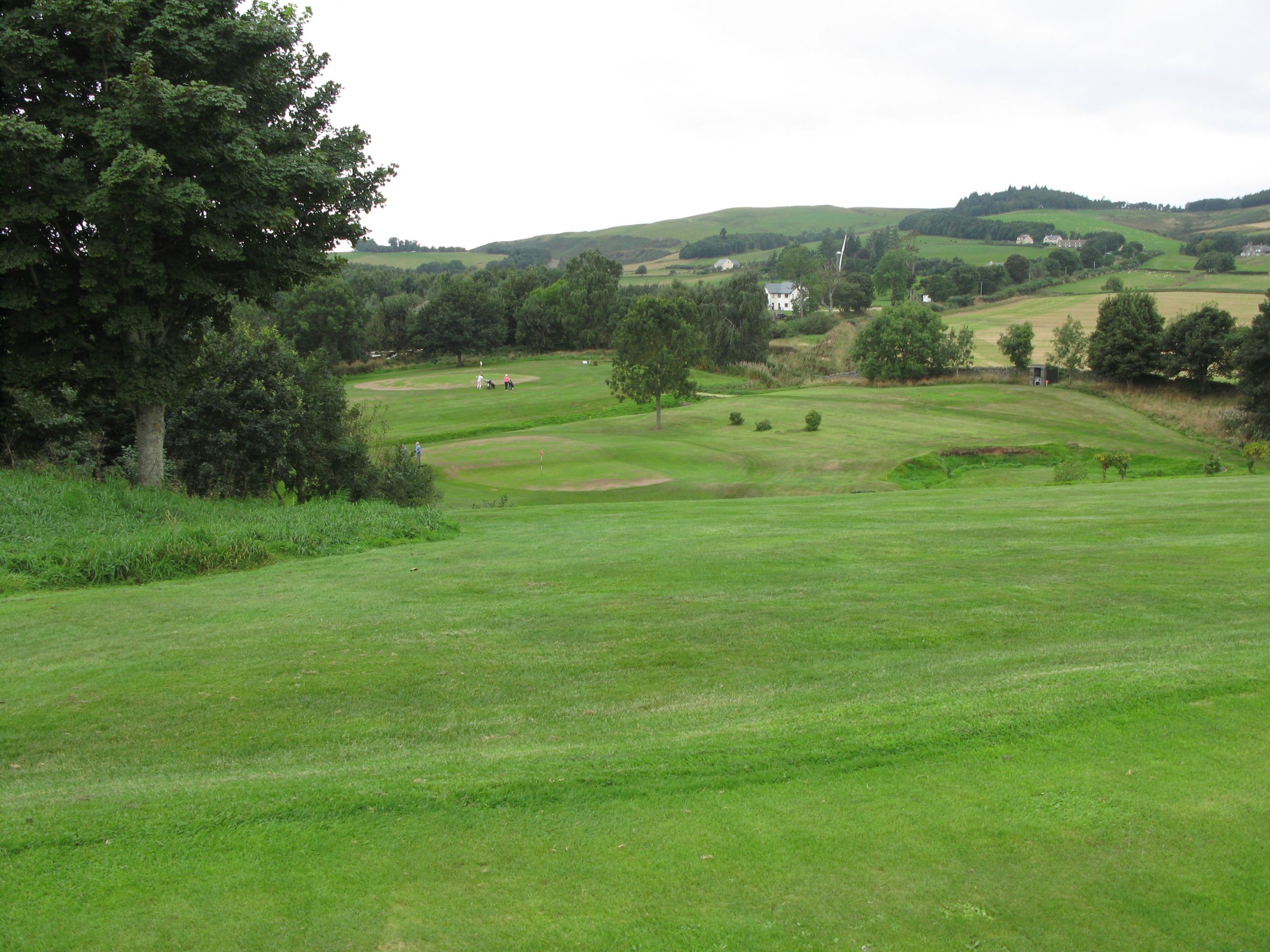
The Wellrig Burn comes into play on a number of holes, here shown at the 16th, a tough par 4, played uphill – it is Stroke Index 5.

Therefore, when I played Duns I couldn’t help but consider what the ‘average’ Scottish golf course would be like. A small town setting. A club formed in the latter part of the Victorian age. A course, starting off as a nine hole layout, now having gone through a number of variations, culminating in an 18 hole course only established in the last 30 years. A course length off the yellow tee just under 6000 yards. A nice clubhouse, but with no frills. A course with tees adorned with sponsorship from the local hotels and garages. A decent price of, perhaps, around £30, being low but higher than the municipals that still, thankfully, abound in Scotland. Decent and homely catering, attracting travelling “days out”. A good, but not necessarily outstanding course condition or difficulty.

The well framed 9th hole, ‘Green Knowe’, a par 4 of 354 yards (yellow) I scored 5

All in all, I realised Duns might be one of the (reasonably many) ‘average’ golf courses that Scotland has; that is to say a really nice place to play golf at great value. With an annual membership fee of £460 (2021) that, in particular, represents excellent accessibility. It is also good to see Family memberships available (Couple plus 2 children under 16) at only £900.

The par four 8th, “Postie’s Walk”, at 363 yards.

Duns, with a population of just under 3000 is the historic county town of Berwickshire, in The Scottish Borders. Only 10 miles north of the Border, It is slightly off the beaten track, in that it doesn’t lie on any of the main trunk routes between Scotland and England. To that extent, Duns is a ‘day out’. It would be an ideal visit for lovers of motor sport, as it is home to the famous racing driver Jim Clarke who has a museum in the town dedicated to his life.

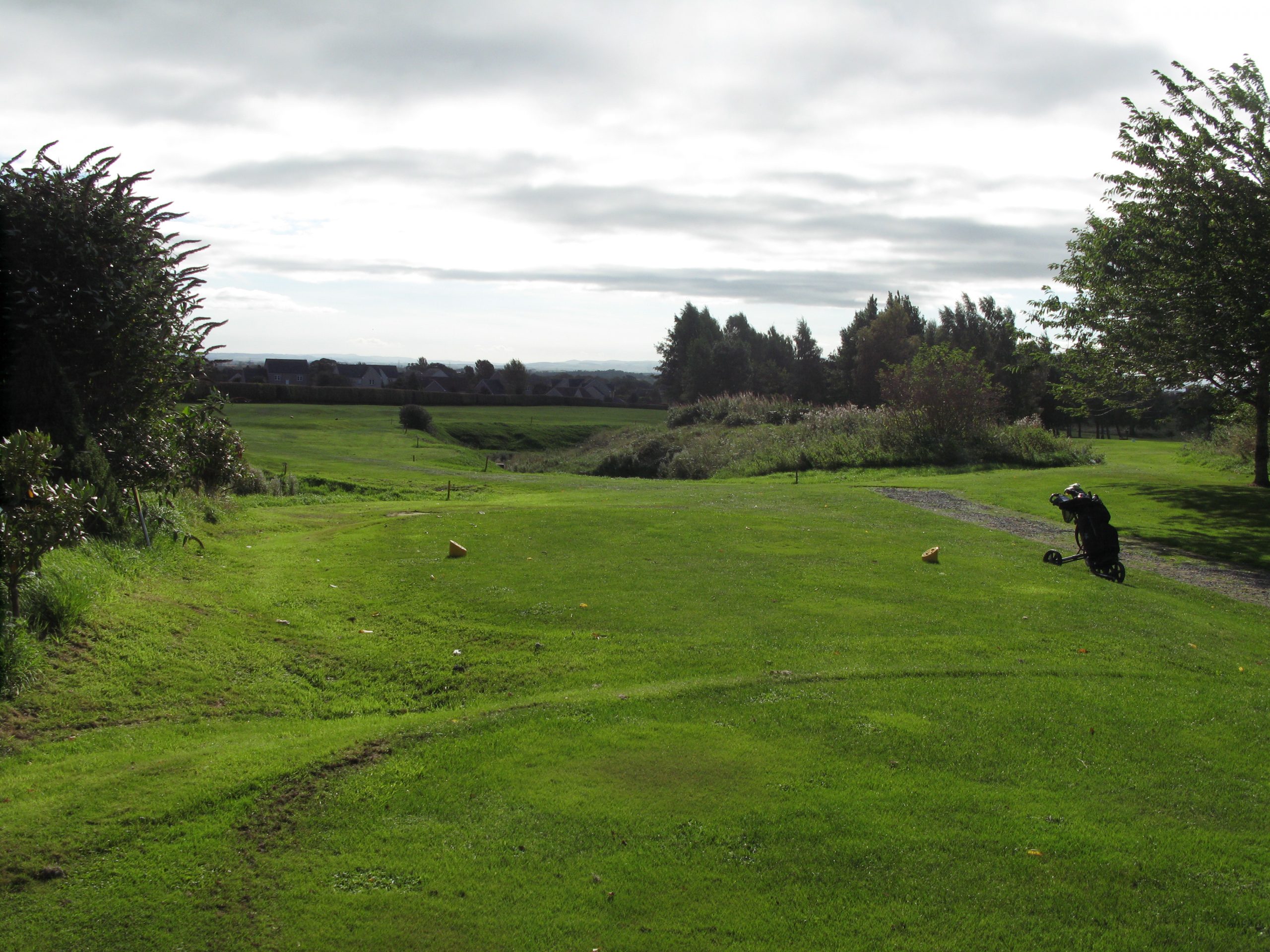
The second hole, the first of the tighter driving holes at Duns. It’s strategic, requiring good judgement on the second lay-up to leave a pitching iron to the dog leg right entered green. Good golf hole.

The course is blessed with some outstanding scenery over the Tweed valley towards the Cheviot Hills in Northumberland. Set in open agriculture countryside, it did at times have a heathland feel, in particular the turf. The course wasn’t in brilliant condition though, albeit the greens were being treated as it was the end of the season. I can understand why it plays fast in the Summer. The fairways were quite tight, but the rough was forgiving – a reasonable compromise.

The downhill par three 15th hole. Choose your club wisely, I overshot the green to find the very narrow burn! A 5 on the scorecard at the SI 18, always annoying. Play towards the right of the green

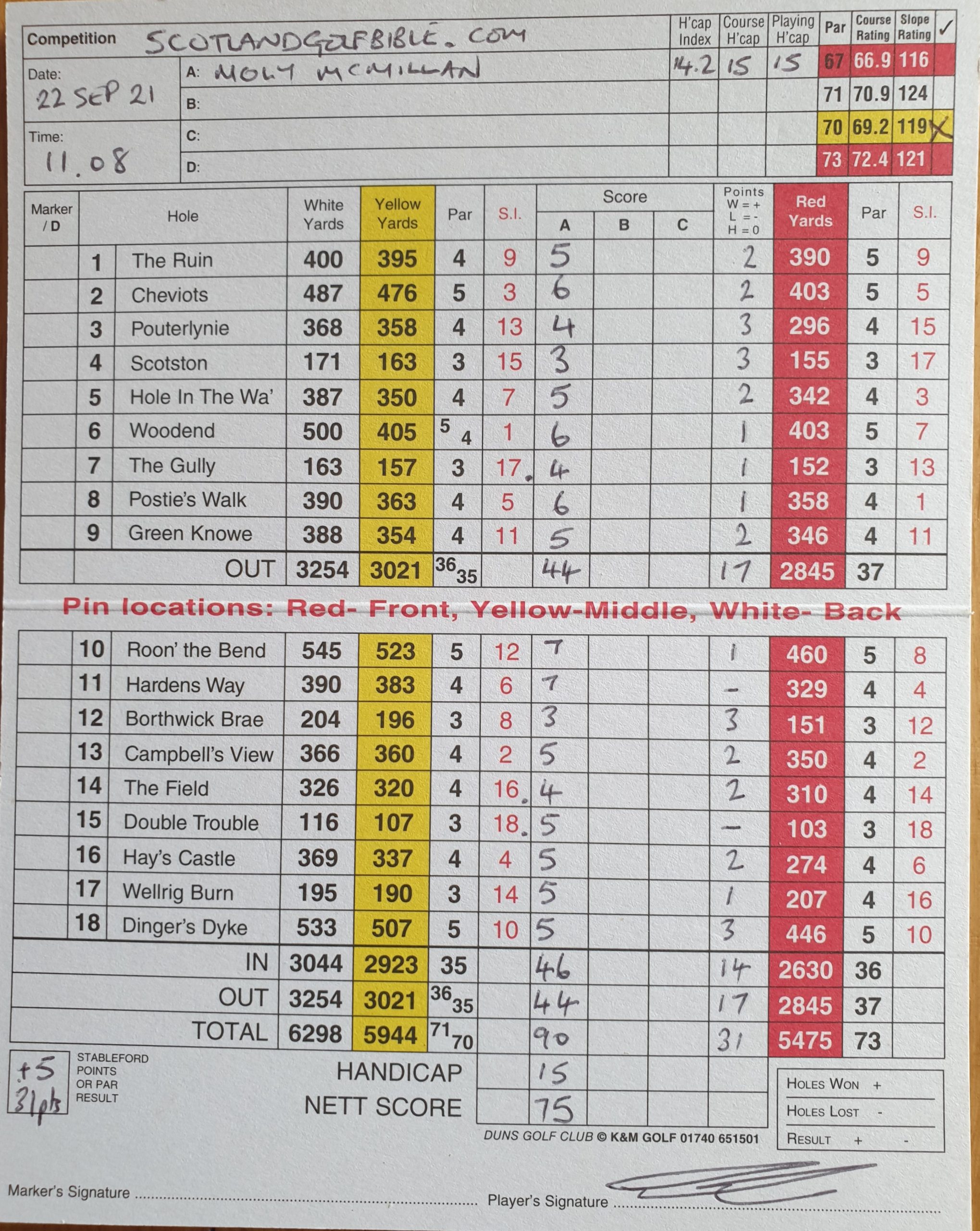
On a breezy day of 15mph wind, I played very soundly for my 90, which equated to 31 stableford points, breaking my contentment threshold of 30 points for a first time play.

Overall, this felt like an innovative and progress club, with attractive and variable pricing using the BRS booking system, increasingly common for tee bookings for several clubs.

If you wanted to visit Scotland for golf, playing Duns would give you a great feel for what most members of Scottish golf clubs experience. No nonsense, good value golf.

Course Type: Parkland

Par 70 (3 par 5s, 10 par 4s, 5 par 3s)

Distance: 5944

Moly’s Gross score90

A solid round of 90 on this decent Duns course

120. Castle Park. 21 Jun 2021.

This course’s struggle epitomises Scotland’s golfing challenge

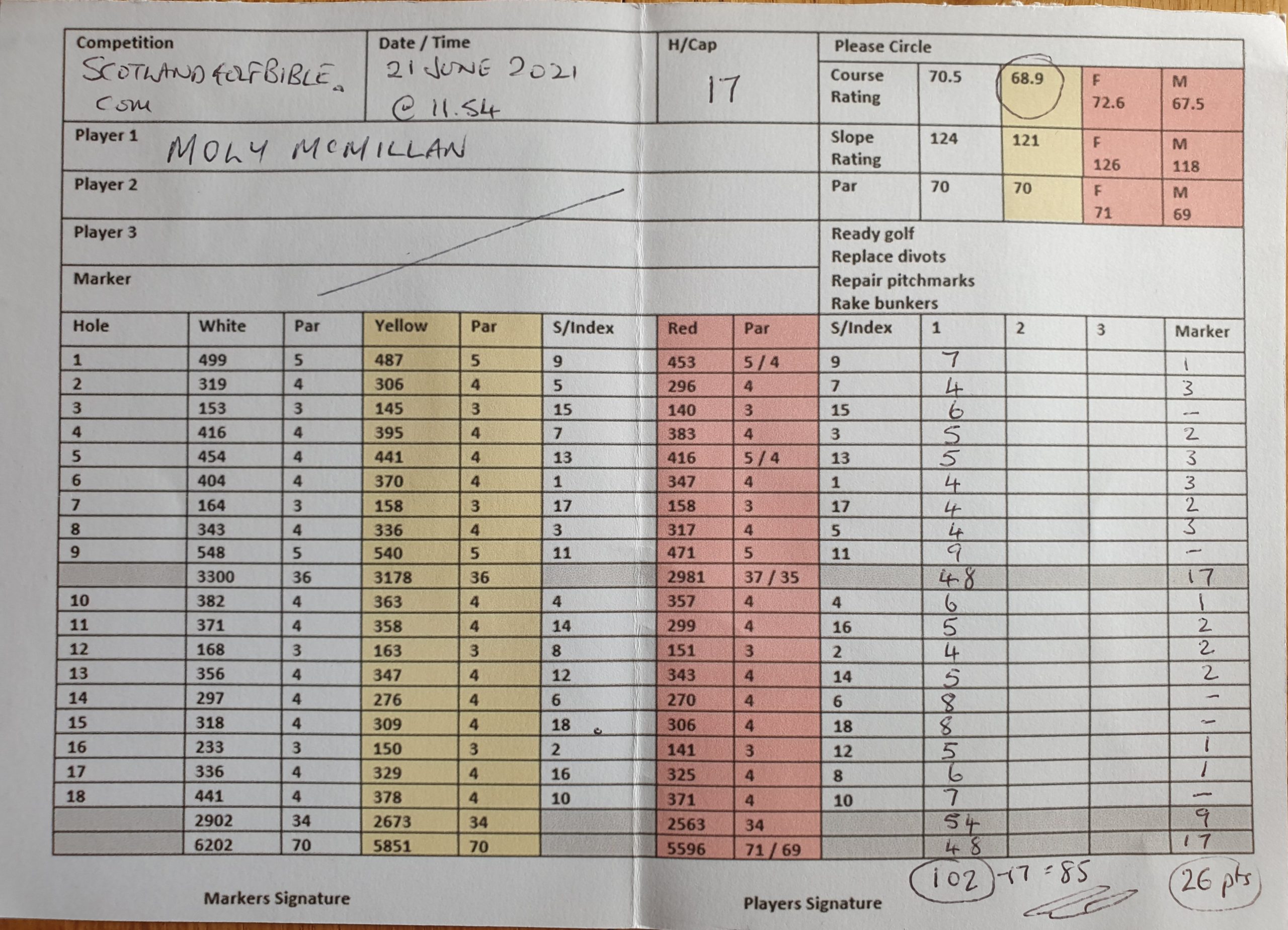
Round £30. Par 70. Course Rating / Slope Rating (yellow) 68.9/121. Value (out of 5) – 2.5

One of the sadder days of my golfing life, was reading about the closure of Camperdown golf course in my home town of Dundee in 2020, a course that I’d once written about as “probably the best value golf in the world“. Thankfully, it has recently been announced that a 9 hole course will be re-opened along with a driving range.

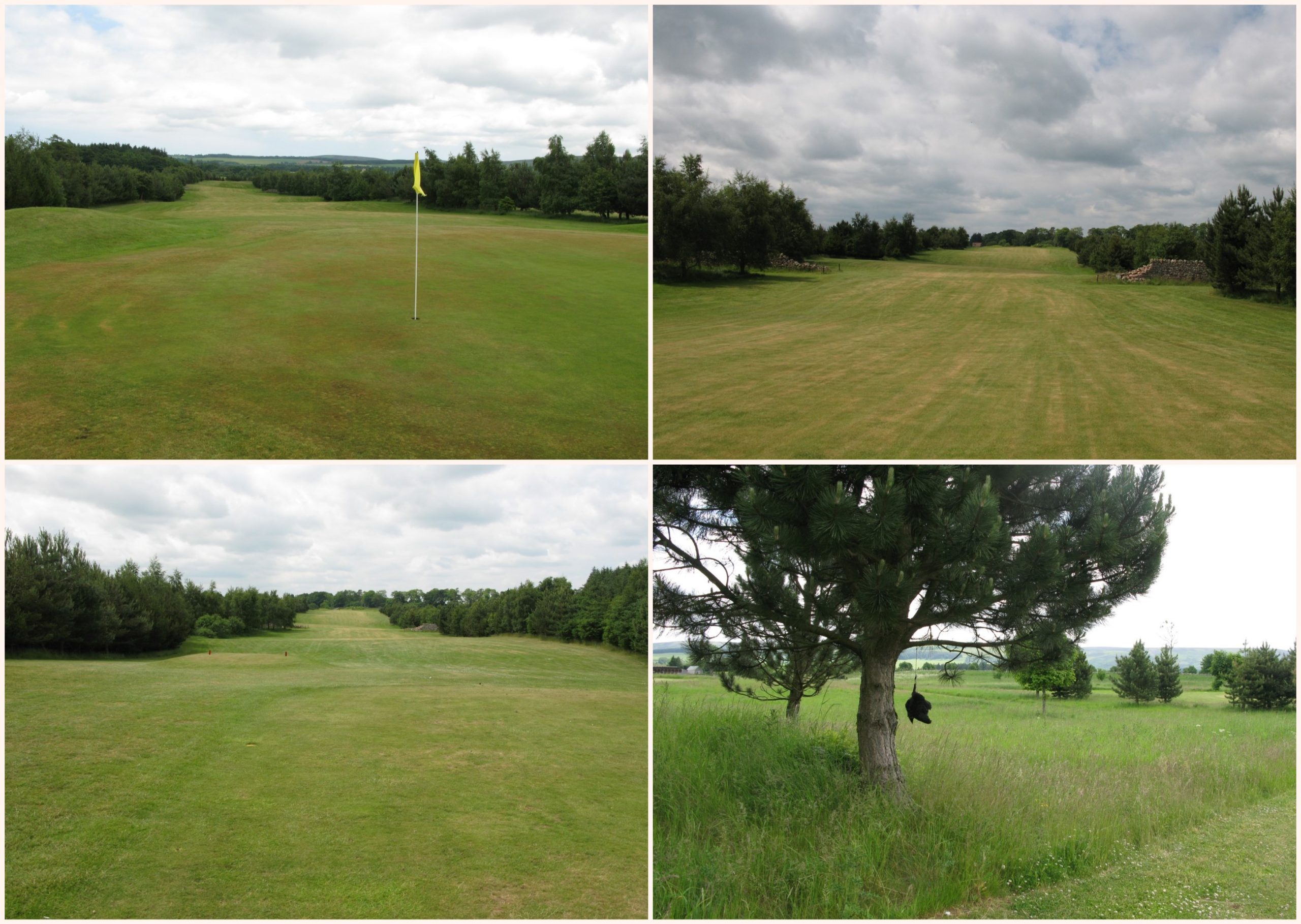
The 5th at Castle Park, one of the better holes on the front nine on this course. Mind the Crows!

One of the legacies of being the ‘Home of Golf’, is that on a per head basis Scotland has the most golf courses of any country. Moreover, when analysed on the GDP per head basis, it’s clear Scotland doesn’t have an economy big enough to sustain so many courses. The long term decline in courses seems set to continue.

The opening hole at Castle Park in Gifford. Typical of the open fairways.

However, this is not a ubiquitous story. Whilst attending a conference of Scottish Golf in 2018, one of the things that became apparent to me, was the divide existing between “have” and “have not” clubs, exposed during a debate about increasing the Scottish Golf ‘members sub’ paid as part of each individual golf club fee. There were several speakers from wealthier clubs (those likely occupying the top 100 Scottish courses) who resented any increase in the levy, as they were “doing very well, thanks very much”.

The 10th at Castle Park. Don’t go to the 18th after this, like I did!

The evidence as I see it, is that the top courses make significant visitor fee income, with many courses costing well over £120 per round, whilst their annual membership fees remain significantly under £1000 per year. For example, for 2022 Carnoustie will charge £270 per visitor round during Summer, but local members only paying the equivalent of not much more than 2 visitor green fees for their annual membership. Living close to a top course is like winning a mini golfing lottery.

Considering the courses outside the (say) top 200 courses, of which Castle Park, in Gifford, is a good example. Opened in 1994, during a period of golfing optimism, by 2015 Castle Park was up for sale and highly anticipated that it would revert to farmland; it was not commercially viable. It was saved from closure by a local Gifford businessman, Craig McLachlan, with a partnership consortium resolved to keep the ‘community resource’ open. This threat to courses and passion to keep them open, is understandable, but the big picture economics will remain a challenge.

Take enough club to carry the valley at the par three 12th at Castle Park.

So has it been worth it, in Castle Park’s case – from a golfing perspective? The short answer for me sadly is no. I would anticipate the continued struggle. Why?

Castle Park sits in a lovely part of the East Lothian countryside, adjacent to the Lammermuir Hills and the affluent village of Gifford, which also has a wonderful Harry Colt designed 9 hole course (Gifford golf course). Many of the Gifford GC Members are also members at any number of the world class courses along the nearby East Lothian ‘Golf Coast’. Gifford is only 20 mins from Gullane Golf Club. So to say the golfing competition is fierce, is an understatement.

Perhaps as a ‘PR defense mechanism’, the course’s website declares itself “The Gleneagles of the South — Peter Allis”. Let’s examine the evidence:

> The scorecard was a haphazard affair on a printed piece of normal paper.

> On arriving at the club and showing our www.golfnow.com booking, we were told “They shouldn’t have allowed your booking” – as if it was our fault! Why do some people go into service?

> Two of the management team were driving around on a buggy – when we walked very close by them we were completely ignored, almost as if we ‘didn’t exist’.

> The tee markings were wooden pegs – no nomenclature.

> There was no guidance to find the next tee boxes, even although it was not always clear. We were well down the “11th” before we realised we were actually playing the 18th, that being the only tee box visible from the 10th green.

> There were dead crows hanging from trees everywhere, apparently to stop the crows eating worms (according to a green keeper).

I honestly find it hard to believe that Peter Allis would have made his Gleneagles comparison. I wonder whether he ever played at Castle Park?

The course itself is a tale of two halves. The front nine is an easy walking affair, but the back nine is very undulating and a really tough walk. It is fairly open parkland, but very long penal rough when you do miss the generous fairways. The greens were well watered and very true, but some had several patch repairs. The bunkers were shallow with insufficient sand.

Moly putting out on the 18th at Castle Park – Decent Value but nothing like “Gleneagles”!

Overall, it was a fairly tough challenge but with some decent holes; the slope index of 121 from the yellows, might have been from a 110 front 9, and a 130 back nine. The memorable holes were mainly on the back, with the par three 12th, played over a valley and the long par three 16th being the highlights for me.

The tale of two halves also represented my score, with 17 stableford points going out, and only 9 points coming back.

The best part is the price which is a very affordable £30, the price alone telling the story of the quality. It’s 2.5 star value, but lets not kid ourselves, this is no more “The Gleneagles of the South”, than Peter Allis, God rest his soul, is part of the woke generation. It’s also too tough a walk to be used as a Society day out – in my humble opinion. That’s why it sadly will struggle – no amount of ‘questionable’ PR will address that.

Course Type: Parkland

Par BB (2 par 5s, 12 par 4s, 4 par 3s)

Distance: 5851

Moly’s Gross score102

113. Cally Palace. 23 Oct 2020.

Don’t believe the hotel’s description – this is no better than your average council course.

Round £32. Par 71. Course Rating / Slope Rating (yellow) not registered. Value (out of 5) – 2

The hotel website quotes: “The Cally Palace has it’s own 18 hole parkland golf course, which is one of the finest golf courses in the area.”

Utter rubbish, this course, designed in 1994 by Tom Macauley, an architect described as “adequate” by golfclubatlas.com, is no better that many average council run courses in Scotland. In fact, that might be doing a great disservice to many of the wonderful council run courses.

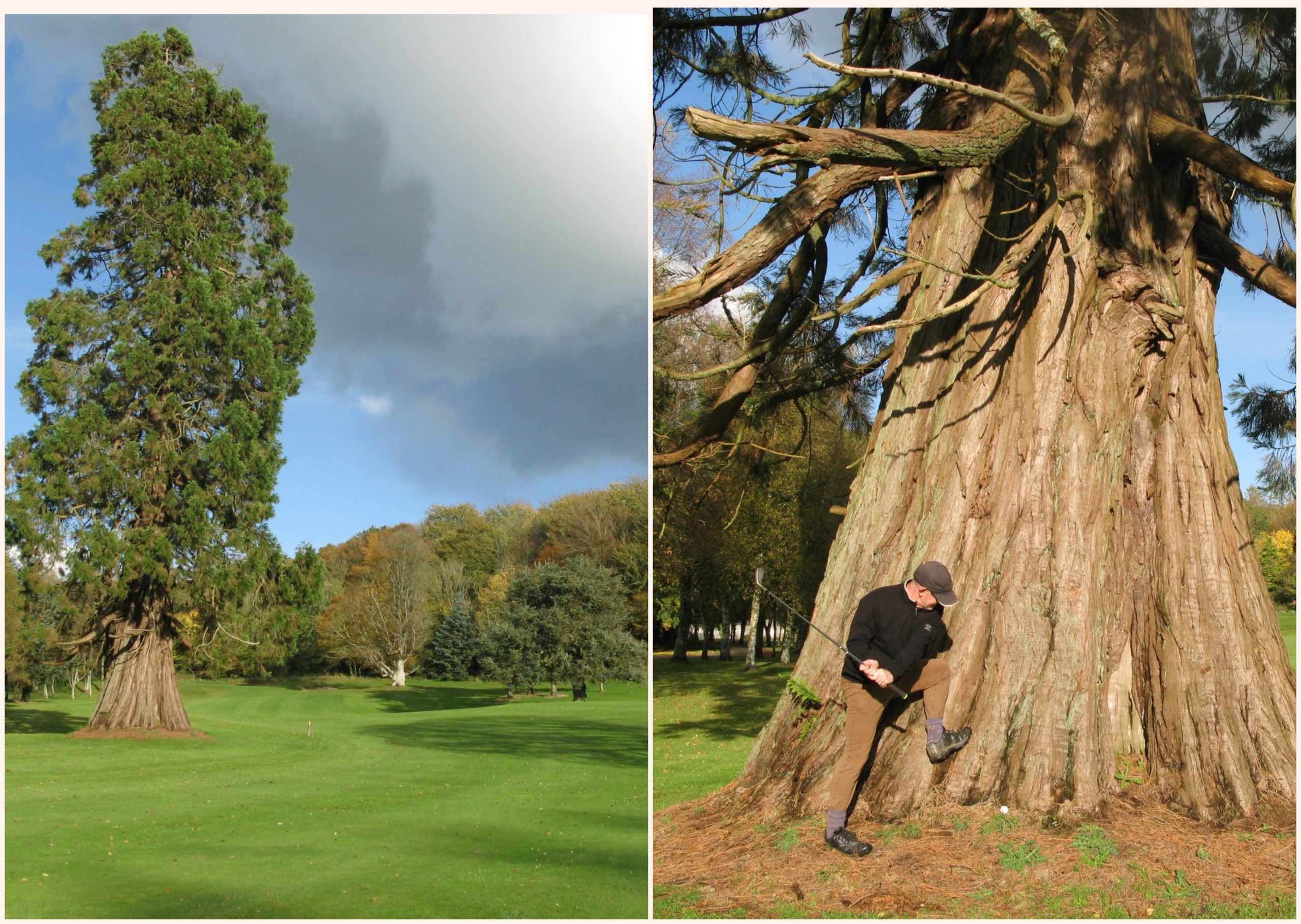
The trees are the star on this course – Moly finding a nice hazard on the 16th fairway!

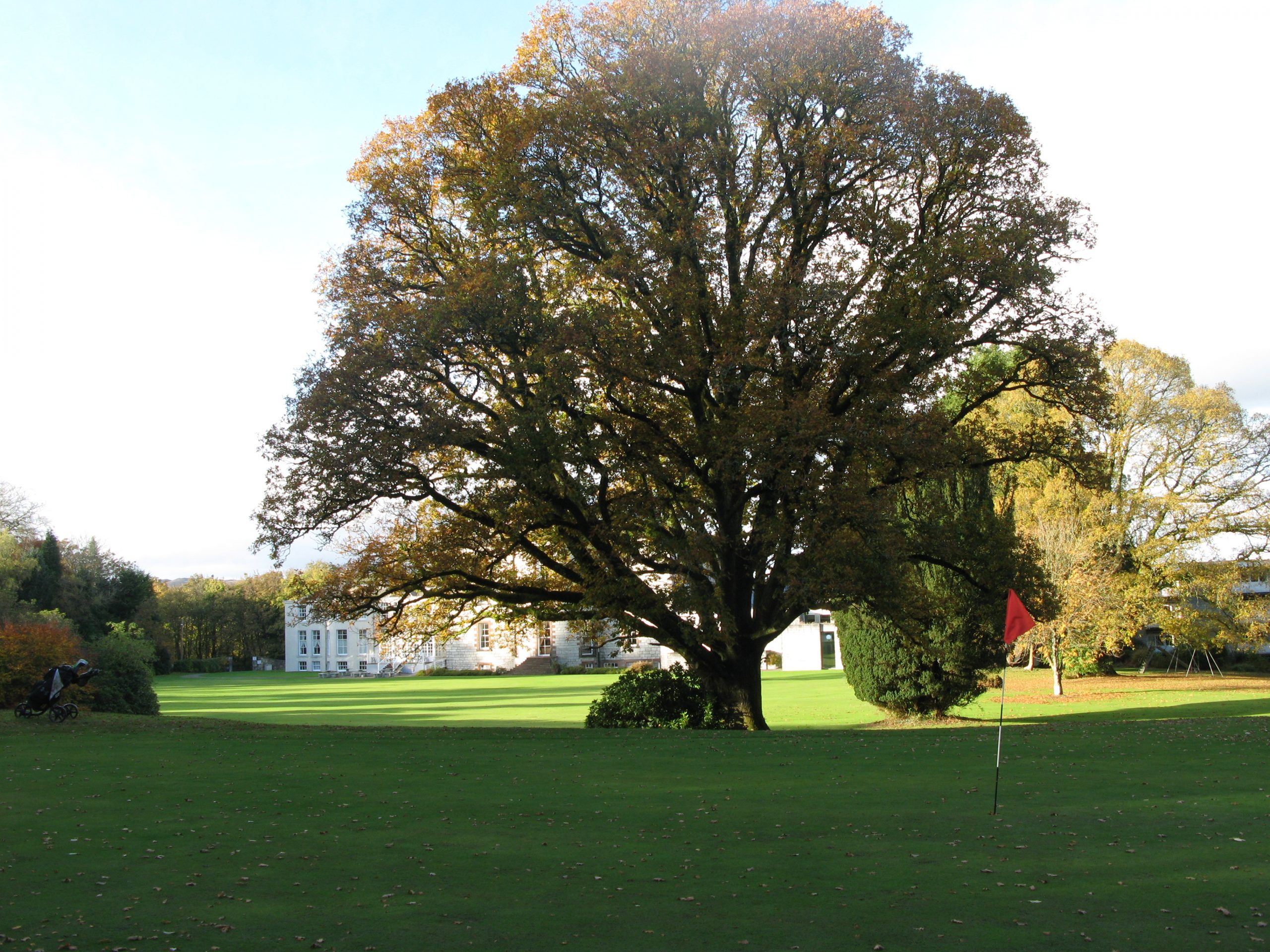
If there is a highlight at this ‘free to hotel residents’ course in Dumfries and Galloway, it’s the many beautiful trees that adorn the grounds of the hotel. They are worth seeing – albeit one of them made for a difficult lie on the 16th!

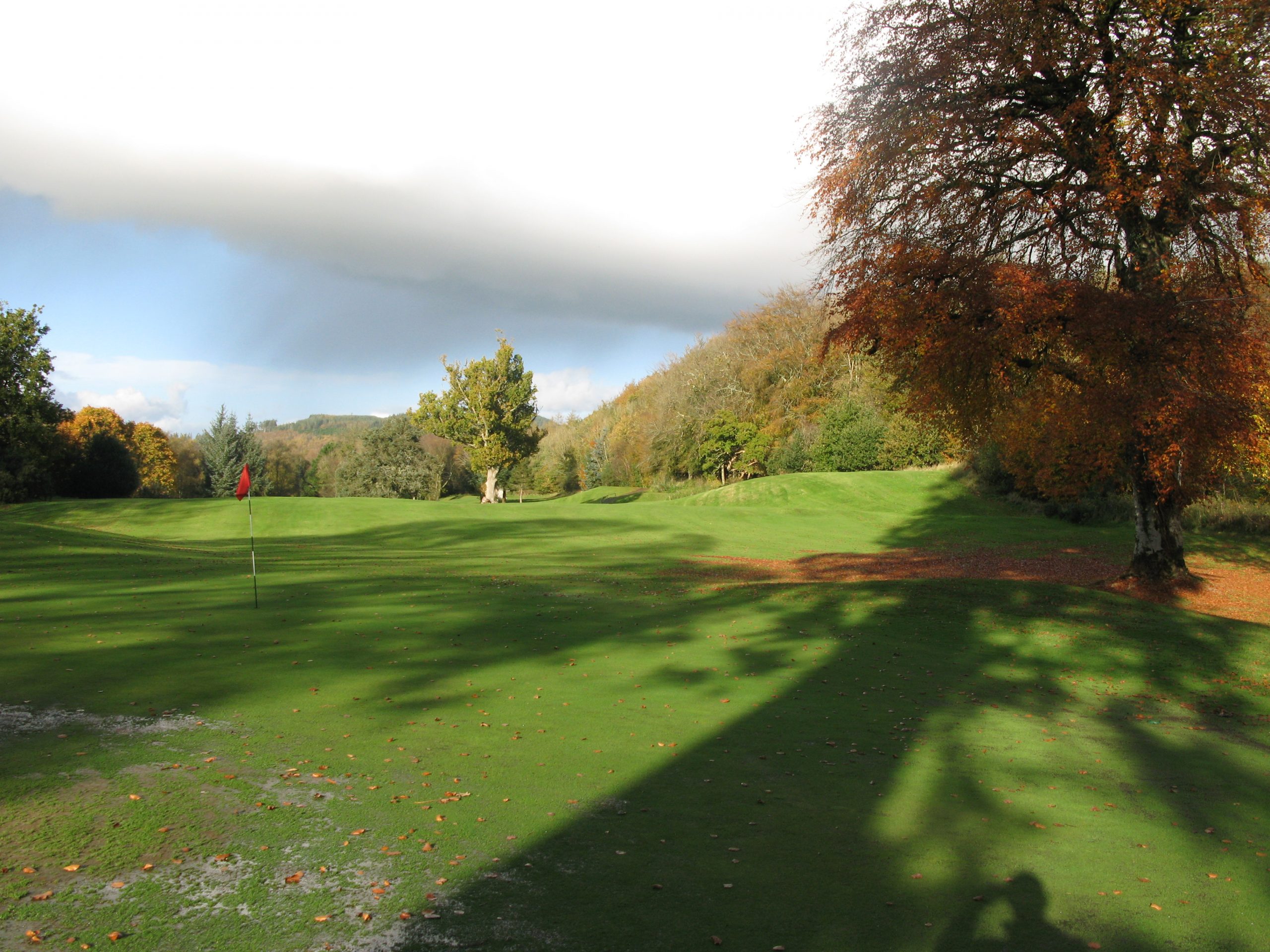
The trees are the star at The Cally – here as a backdrop to the hotel at the 18th

Everything about the course spoke about it being done ‘on the cheap’. The bunkers were shallow, the greens were small and, disappointedly, the course made little use of the magnificent Cally Loch on the estate. In addition, several of the greens were indistinguishable from their surrounds.

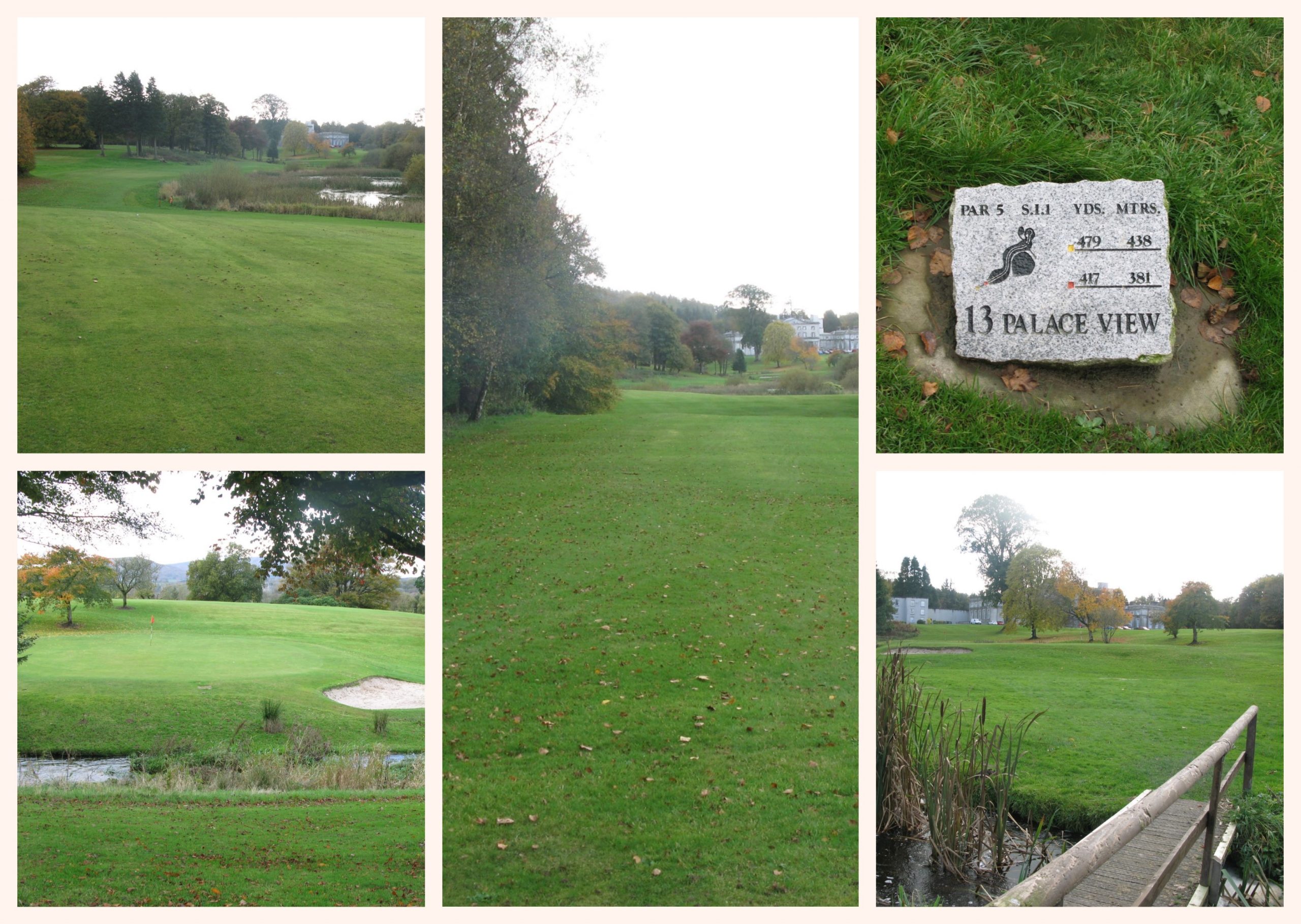
The 13th at Cally Palace – by far the best hole on the course.

Although the course is free to residents, this is definitely not a golfing hotel, with no changing facilities for the visiting golfer. It is also closed in January and February, made possible by not having any golfing members. It’s also not listed on Scottish Golf’s list of courses, so it doesn’t have a course rating or slope index.

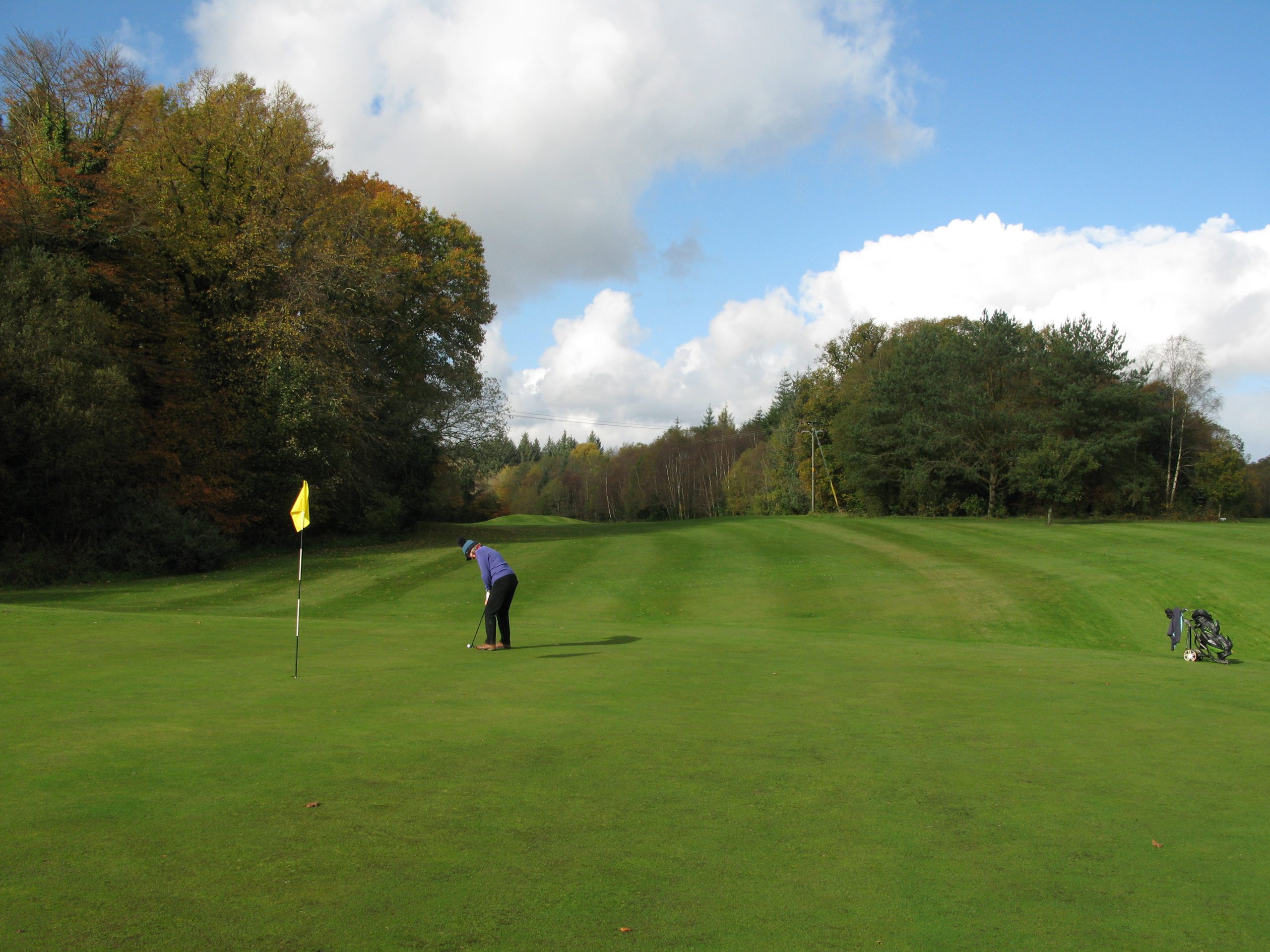
When I played, the course should really have been closed due to being waterlogged, but the benefit at least being that Fran and I were the only people playing.

The very poor 17th green at The Cally – typical of the course, unfortunately.

Other than the trees, the only hole of real note was the Stroke Index 1, short par 5 thirteenth hole – by for the best on this layout. I was very lucky to get a par, after pulling my drive, only to find I’d miraculously cut the corner of the dog leg and able to get to the green in 2!

The 7th at The Cally, a typically bland par 4.

The course helped me to another personal record, the most occasions relief for casual water has been taken.

Don’t go out of your way to play Cally Palace.

Facts:

Course Type: Parkland

Par 70 (3 par 5, 11 par 4s, 4 par 3s)

Distance: 5706

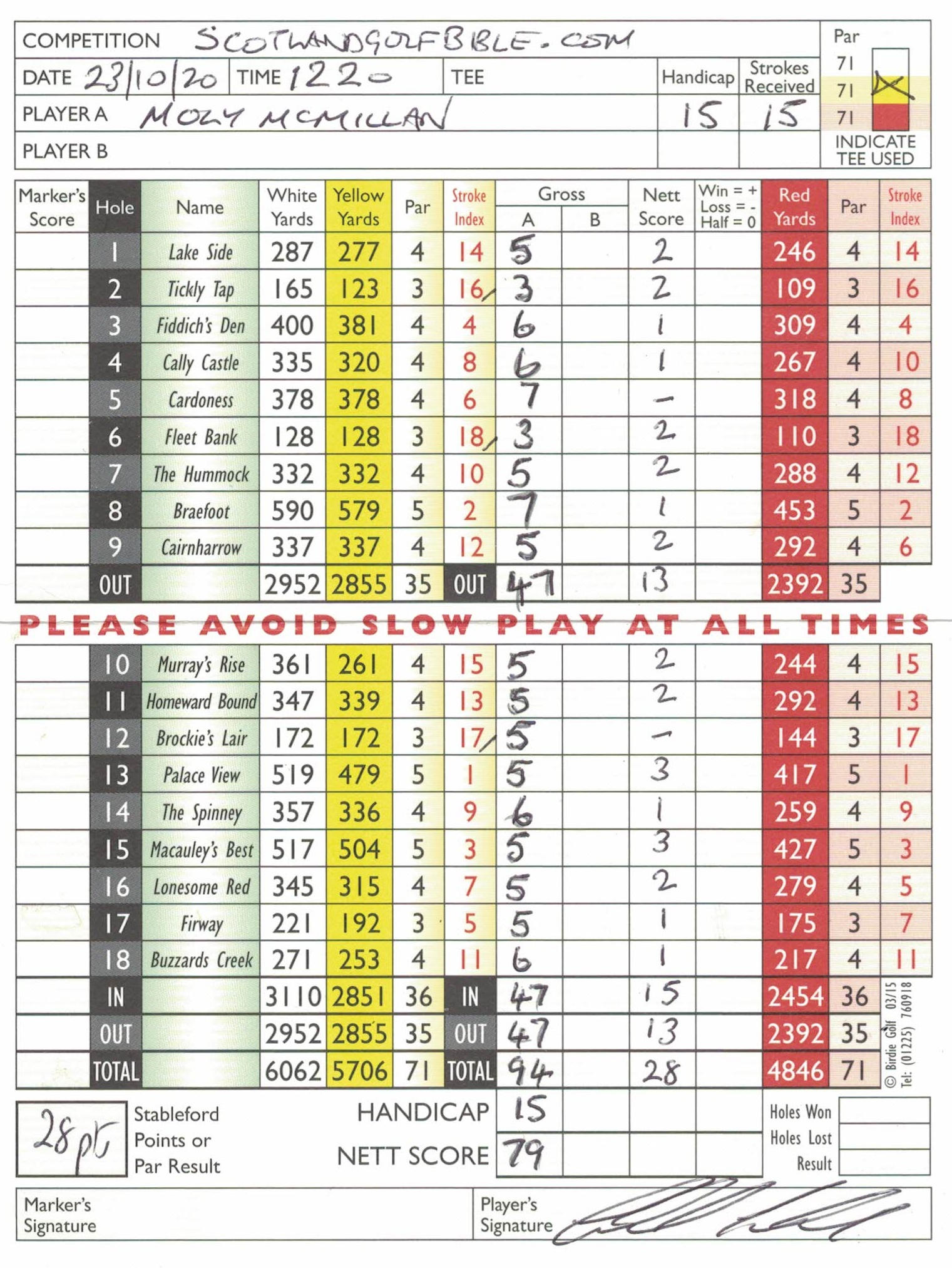
Moly’s Gross score94

A wet day, making the 94 at The Cally, better than the score really.
« Older posts Newer posts »

© 2025 Scotland Golf Bible

Theme by Anders NorenUp ↑