A guide to green fee value for money

Category: Parkland (Page 5 of 25)

145. The Royal Burgess Golfing Society. 26 May 22.

Golfing grandeur nestled out of sight – just like Augusta National – with azaleas and other mysteries thrown in.

Round £175. Par 68. Course Rating / Slope Rating (yellow) 67.4/113. Value (out of 5) – 2.5

As I played Royal Burgess, close by a busy traffic junction in Edinburgh, I had a nagging thought; this venue has parallels to Bobby Jones’ Augusta National, an oasis of golfing perfection just off a nondescript highway.

The humble Burgess entrance, belying the wonderful parkland beyond, had me musing of Augusta.

This is not a ‘Golf Club’ though, but the more grander ‘Golfing Society’, a term dating back to 1735, some 150 years before the creation of the current golf course at Barnton.

The difficult par 4, fourth hole, one of the best at Royal Burgess.

A ‘Burgess’ is a term used differently in different countries. In Scotland in 1735, the year of the Societies origin making it the oldest golf club in the world, ‘burgesses’ were city freemen with exclusive trading rights and members of trade guilds. In a sense, they were the Scottish Bourgeoisie. The men would also, probably without exception, have been Freemasons, as Scotland was the birthplace of post middle-age freemasonry. There is a very interesting article “How freemasons invented golf” in the www.scottishgolfhistory.org website which also covers how the Burgess Society was involved.

Ian Ponton plays from a typically well manicured bunker, here at the 2nd, a short par 4.

There is also a lovely Burgess history here on the clubs website, and covered in fine detail on the walls of the impressive 1897 “Arts and Crafts” clubhouse, which is well worth visiting when you play.

Moly’s tee shot at the 121 yard par three 8th hole, with a typically aesthetic surround.

The society originally played over 6 holes at Bruntsfield Links near Edinburgh Castle, then at Musselburgh from 1874 along with some rival societies (you may be able to guess them?). The Burgess finally came to its current location in 1895 on land that had been the private course of a wealthy businessman, Robert Clark. It was an ideal location in its day, with the current starters hut, adjacent the first tee, formerly being the ticket office for the Barnton railway station of the Caledonian line.

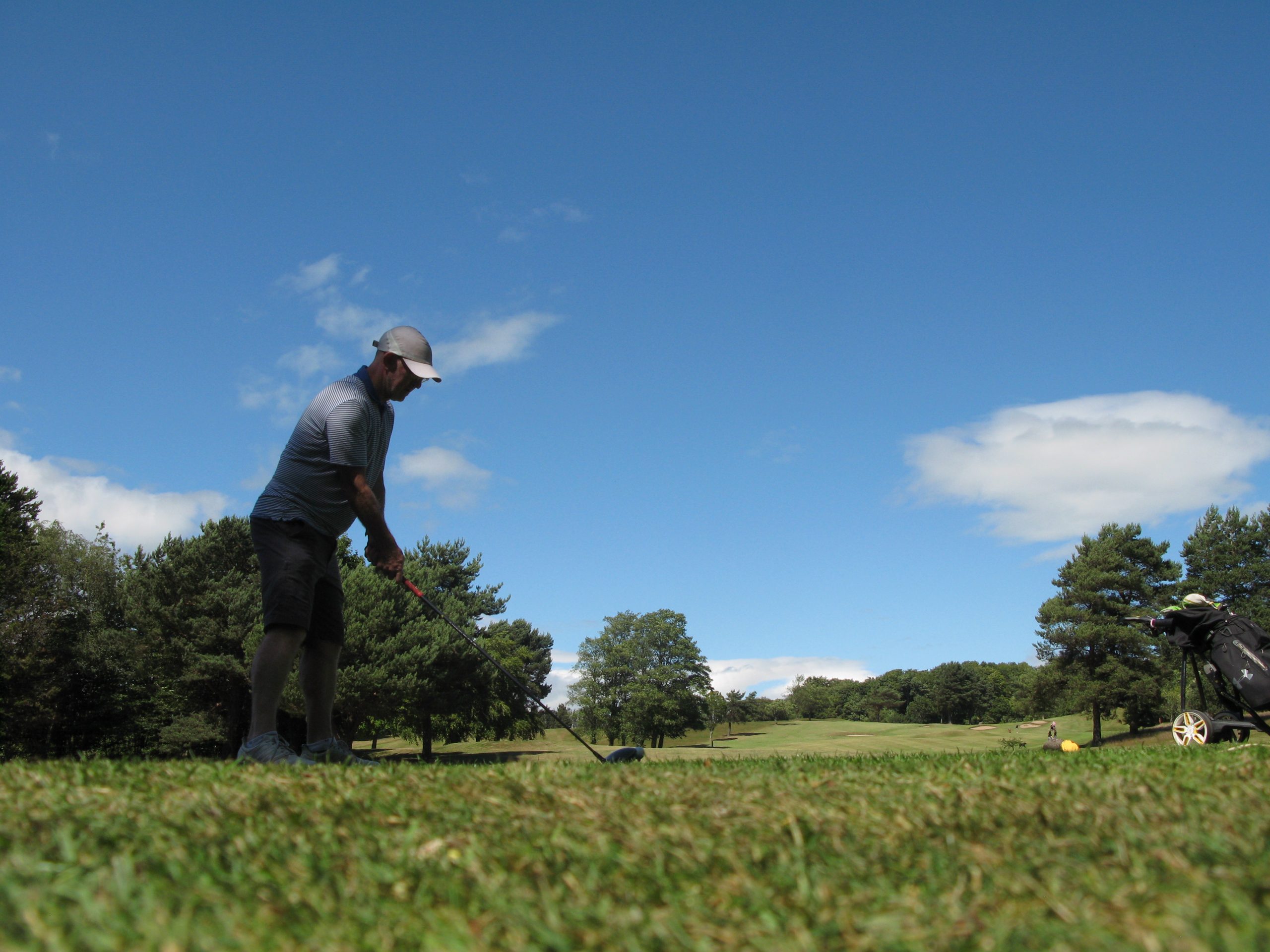
Bob Tait, demonstrating a full extension through the ball, at the 437 yard par four 6th hole. Royal Burgess is a good course to use in any debate for advocating different stroke indexes for each tee box.

Since 1895, no lesser than Old Tom Morris, Willie Park Jnr (main designer), James Braid and Philip MacKenzie Ross have developed the course – that’s quite an architectural pedigree.

The course sits in a beautifully manicured arboretum with a wide variety of trees and plants, including azaleas and rhododendron. Although not a long course and constrained by the tight parkland surrounding, the ‘yellow’ course feels longer than its 5700 yards, comprising several long par 4s and no yellow par 5s. There are many large and deceptive greens making three putts a constant hazard. An anomaly in yardages means that the 210 yard par three 18th, is stroke index 18, due to the championship tee designating it a par four. I imagine most matchplay games reaching the 18th, strongly favour a lower handicapper.

Jamie Snedon playing from the greenside bunker at the 15th, a tough par four.

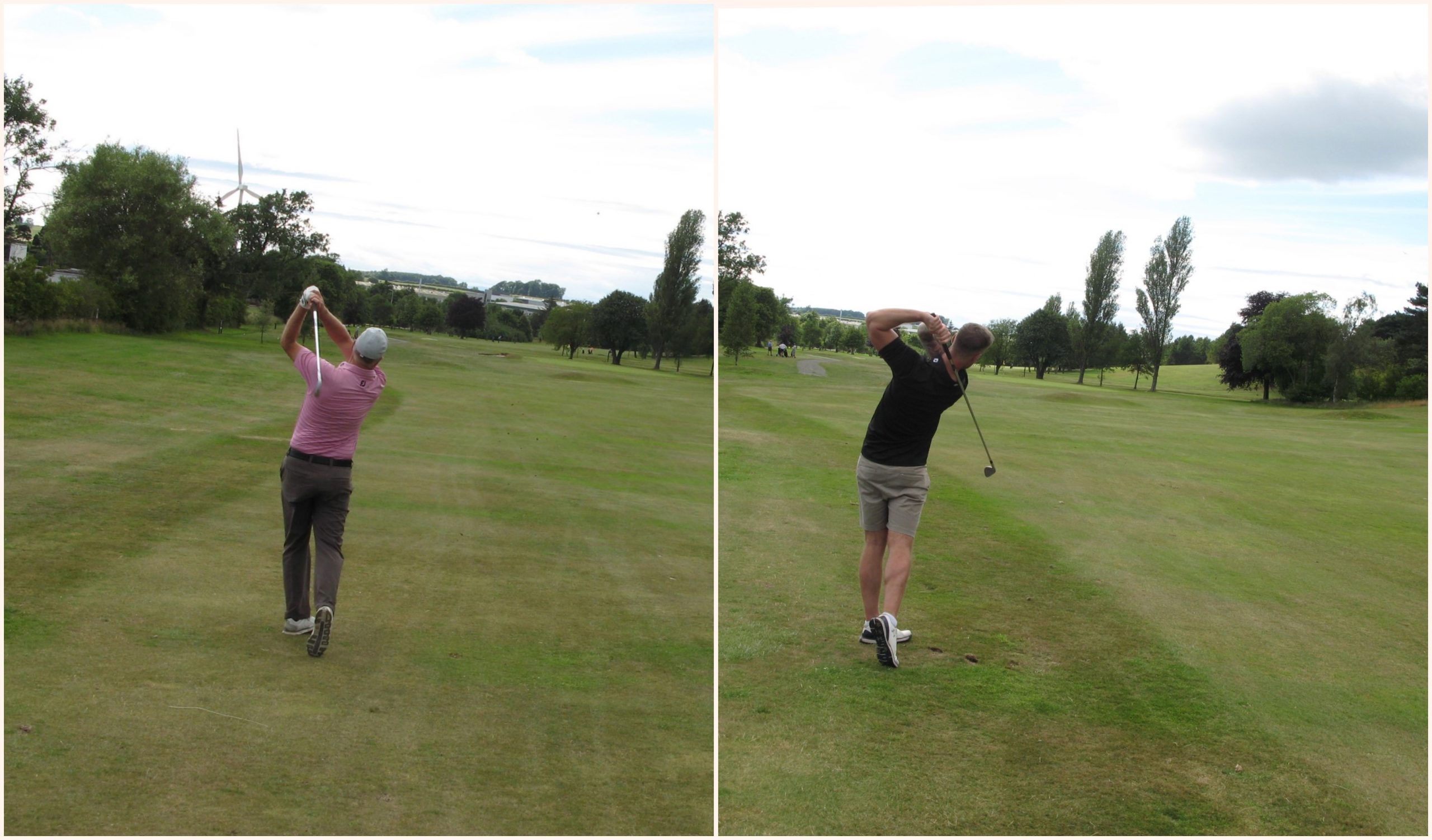
The course was in great condition when I played, hosted by the affable Ian Ponton, owner of the Oz Bar in Candlemaker Row in Edinburgh, along with his great friends Bob Tait and Jamie Snedon. Jamie played by far the best golf on a very windy day, but thankfully we hadn’t made a wager as we started off in a bit of Scottish drizzle.

The 10th, a testing dog leg par four and a very characteristic Burgess hole

The wind didn’t hamper our enjoyment and one could really appreciate the course design, where many large fairway and greenside bunkers were of the highest order, with perfect sand. Many bunkers have been added over the years, some recently. The course sets up better for a fader of the ball (such as Jamie), with all bar one (the 14th) of the many dog leg holes being left to right.

The par threes were well bunkered albeit, other than the 18th, they were short to mid length iron shots for most players.

The approach at the 11th, the signature hole at The Burgess

I struggled to a score of 95, which can’t all be attributed to the wind and my recently developed fade was turned into a monstrous slice on several occasions. It’s important to avoid the bunkers to score well at Burgess, something I failed to do.

I can’t imagine anyone not liking Royal Burgess, a place of genuine history in the developing of the game. It’s beautiful condition, makes it a four for value at its current price.

The clubhouse is the backdrop to the 18th, with a plaque commemorating Henry Cotton’s visit to Royal Burgess, where I conveniently located my tee shot!

The “Royal” patronage was bestowed on the club in 1929, due to a friendship between Robert Boothby, a Burgess member, and the Prince of Wales, later King Edward VIII (he who abdicated). Boothby was knighted the same year the club became Royal Burgess.

Finally, lets return to my Augusta National ‘gut feeling’ comparison. In looking for a comparable Augusta picture to the Royal Burgess entrance photograph, I stumbled upon a quite remarkable thing. Directly opposite the unobtrusive entranceway to The Masters venue, is the headquarters of the Ancient Scottish Rite Freemasonry organisation. Dig only a little deeper and you find that none other than Augusta hero Brother Arnold Palmer was a Grand Great 33 degree Freemason of the Scottish Rite.

Augusta National entrance with inset of the building opposite – the HQ of Scottish Rite Freemasonry

Plenty of mystery and history to ponder in playing this recommended, but overly priced, course.

Facts:

Course Type: Parkland

Par 70 (0 par 5s, 14 par 4s,  4 par 3s)

Distance (yellow): 5704 yards

Moly’s Gross score: 95

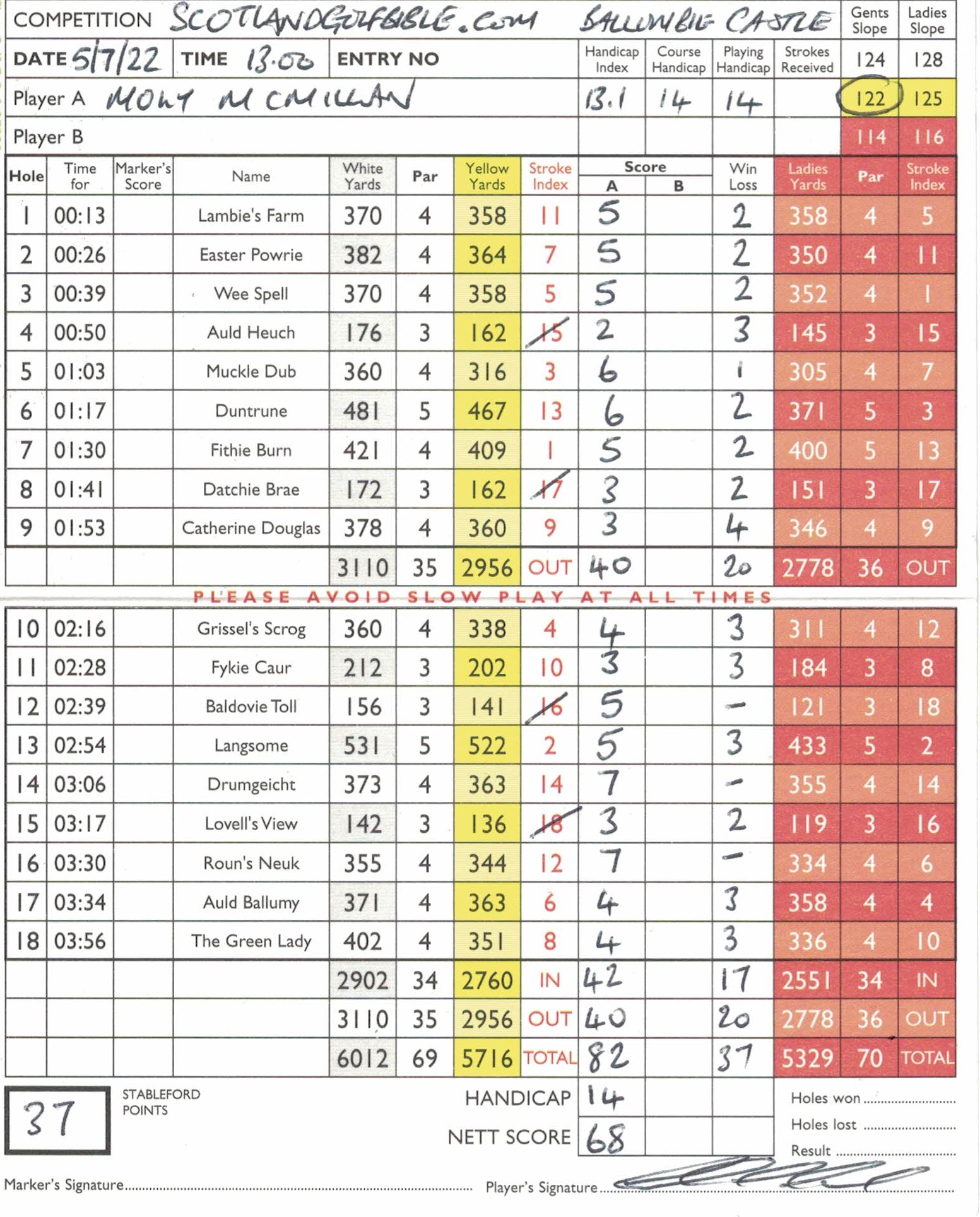
Moly’s Royal Burgess scorecard – 95 – dominated by up to 40 mph wind.

144. Lochend Craigentinny. 25 May 22.

Municipal courses like ‘The Tinny’ are at risk from green fee apps

Round £27.50. Par 67. Course Rating / Slope Rating (yellow) 64/108. Value (out of 5) – 3.5

Edinburgh Leisure, runs 6 municipal golf courses across Edinburgh on behalf of the council, including Craigentinny, an 18 hole course on the east of the city between Leith and Portobello, just off the A199.

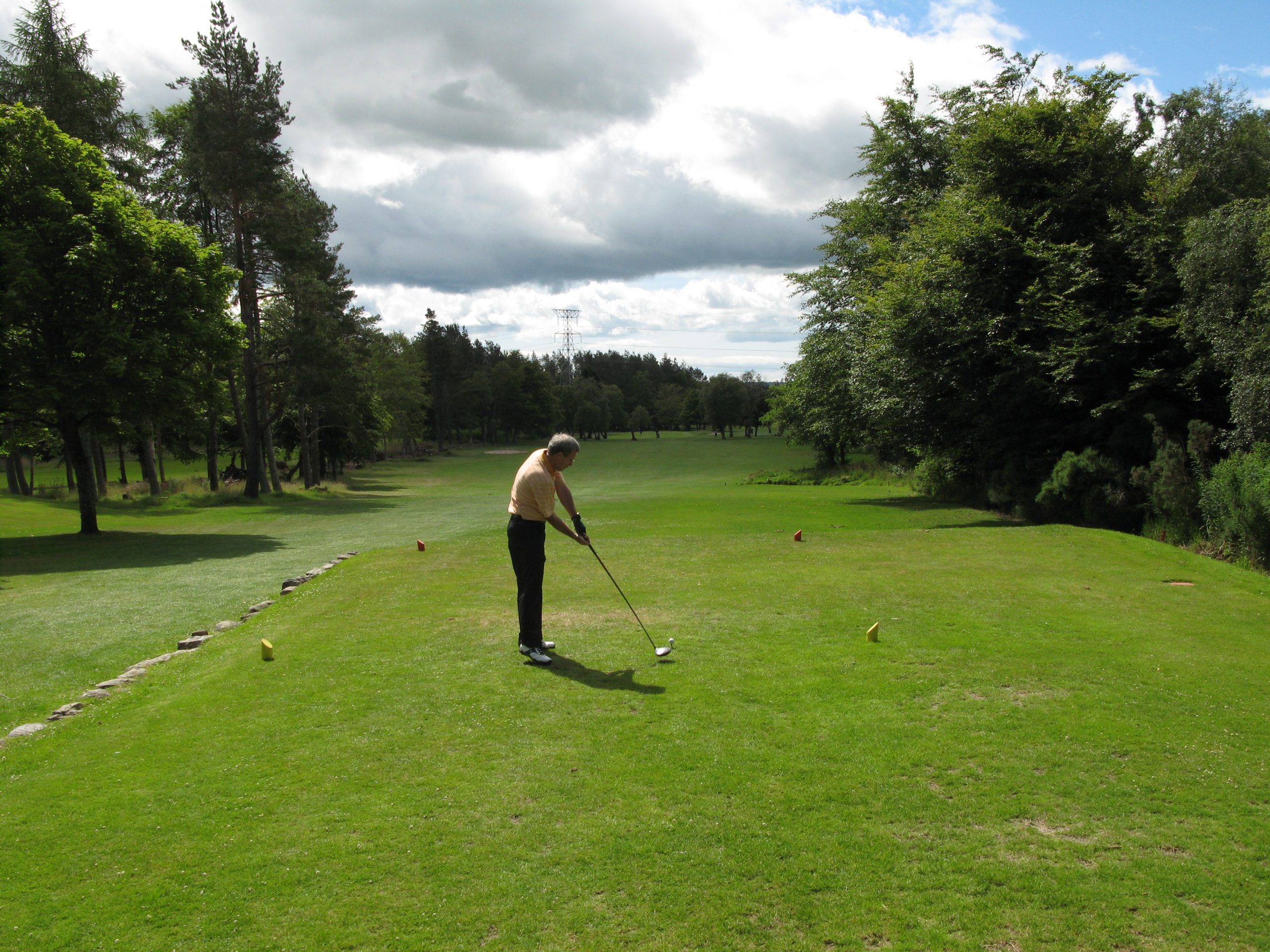
From left, Gordon, Frank, Brian and Moly at the 18th, with 40 mph winds to help put 3 OOB.

“The Tinny”, as it is known, is a decent little course at just over 5000 yards (yellow). It has no par 5s, and only one of the par 4s, the 10th, is over 400 yards. With wide open parkland, light rough and only a handful of fairway bunkers to speak of – there were signs of some bunkers having been filled in – the Slope Rating of 108 (yellow) lets you know this is ‘friendlyish’ golf.

Gordon driving at the 7th, a par 4 of 274 yards, with the social housing that surrounds “The Tinny”

Perhaps uniquely, the most difficult two holes are par 3s; the long 13th (234 yards) and 4th (216 yards), being stroke index 1 and 2 respectively. I have never come across this situation with a golf course before. The five par 3s are the best of this course.

Moly at the well bunkered 6th, supposedly the easiest hole.

The course was in good condition, with the small greens being the highlight. There was potential to move on to the wrong holes, with a few long walks between green to tee and no tee box marking. Referral to the scorecard map is essential, as its easy to get waylaid looking at the fine views of Arthur’s Seat from many of the holes.

Brian played a good bunker shot at the 6th green.

I played alongside my former Apex Scotland board members. The charity continues to do sterling work supporting people with convictions back into the workplace and society.

We had a competitive game, albeit we all (bar Brian who scored a fine 32 points) suffered from the very high winds that got up to about 40 mph, especially on the back 9. No matter how easy the course is, 40 mph is going to be penal!

Frank playing one of his “Links” shots into the 9th, with Arthur’s Seat in the background.

There are no specific council facilities at the course, other than a kiosk, toilet and a basic vending machine in the “pavilion” style ‘clubhouse’. There is however, a co-located clubhouse for the Lochend Golf Club, named after the nearby Lochend Loch, which play at “The Tinny”, hence the blog and course is called “Lochend Craigentinny”.

Lochend Golf Club does have a lengthy history, dating back to the 1700s, albeit they didn’t play at “The Tinny” till it opened in 1908, a few years after the Council banned golf at the then open Leith Links. The club costs an additional £177 for its annual fee, to get access to to the usual club benefits. The clubhouse was closed when we played, hence why the lack of Council provided facilities were brought into focus. Thankfully, nearby Newhaven, where we retired to afterwards, has arguably the best fish restaurant in Scotland!

The par four 10th, over 400 yards, is the longest hole and typical of “The Tinny”

An annual 7 day ticket for the 6 municipal courses costs £500, incredible value. An individual visitor green fee on any of the 18 hole courses is £27.50, again decent value, but this pricing is starting to look relatively expensive when set alongside the offers available through golf fee apps, led by Golfnow. On any given weekday, you can play much better nearby courses than Craigentinny, at significantly lower than £27.50; including Newbattle, Baberton, Turnhouse and Royal Mussleburgh. Some Scottish Councils (such as South Ayrshire and Aberdeen) are offering discount pricing through Golfnow, and I think Edinburgh Leisure would do well to consider that.

The Stroke Index 1 hole – the long par three 13th hole, at 234 yards.

Overall, I would say this is “an average Municipal course”, and will need to keep a keen eye on visitor income, which will be an increasing challenge from apps such as Golfnow.

Facts:

Course Type: Parkland

Par 67 (0 par 5s, 13 par 4s,  5 par 3s)

Distance (yellow): 5141 yards

Moly’s Gross score: 88

Moly’s 88 at “The Tinny”, with the back 9 explained by 40 mph wind.

142. Kingsknowe. 23 May 22.

Brilliantly priced golf course with divergence of views

Round £35. Par 69. Course Rating / Slope Rating (yellow) 68/113. Value (out of 5) – 4.5

When I played Kingsknowe, pronounced Kings-NOW, on a magnificent May day, with clear skies and beautiful views, I was struck by how much the surroundings of the golf course must have changed over the last 100 years, since its foundation in 1908. It has literally ‘lived’ amongst the great social changes of the 20th Century.

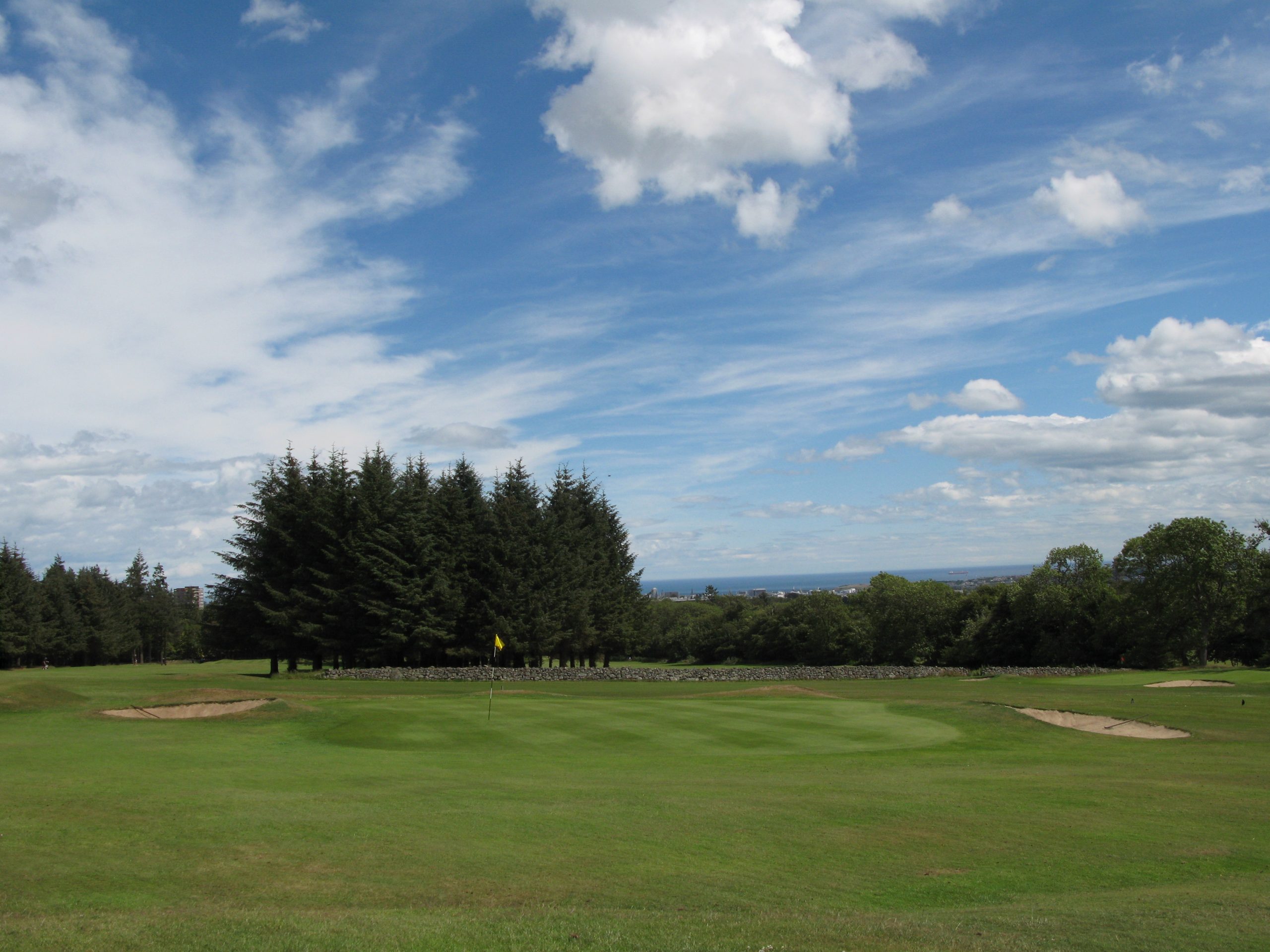
Great downhill par three first of 167 yards, a tough par to start, with longstanding views towards the Queensferry Crossing, the Tillicoultry Mountains and Ochil Hills

Sitting on the western side of Edinburgh, Kingsknowe is only 4 miles from Edinburgh Castle, obviously well within the city boundary. However, go back over 100 years, and the course would have been surrounded by countryside. At the time, the nearby Union Canal, was one of the main traffic routes near the course.

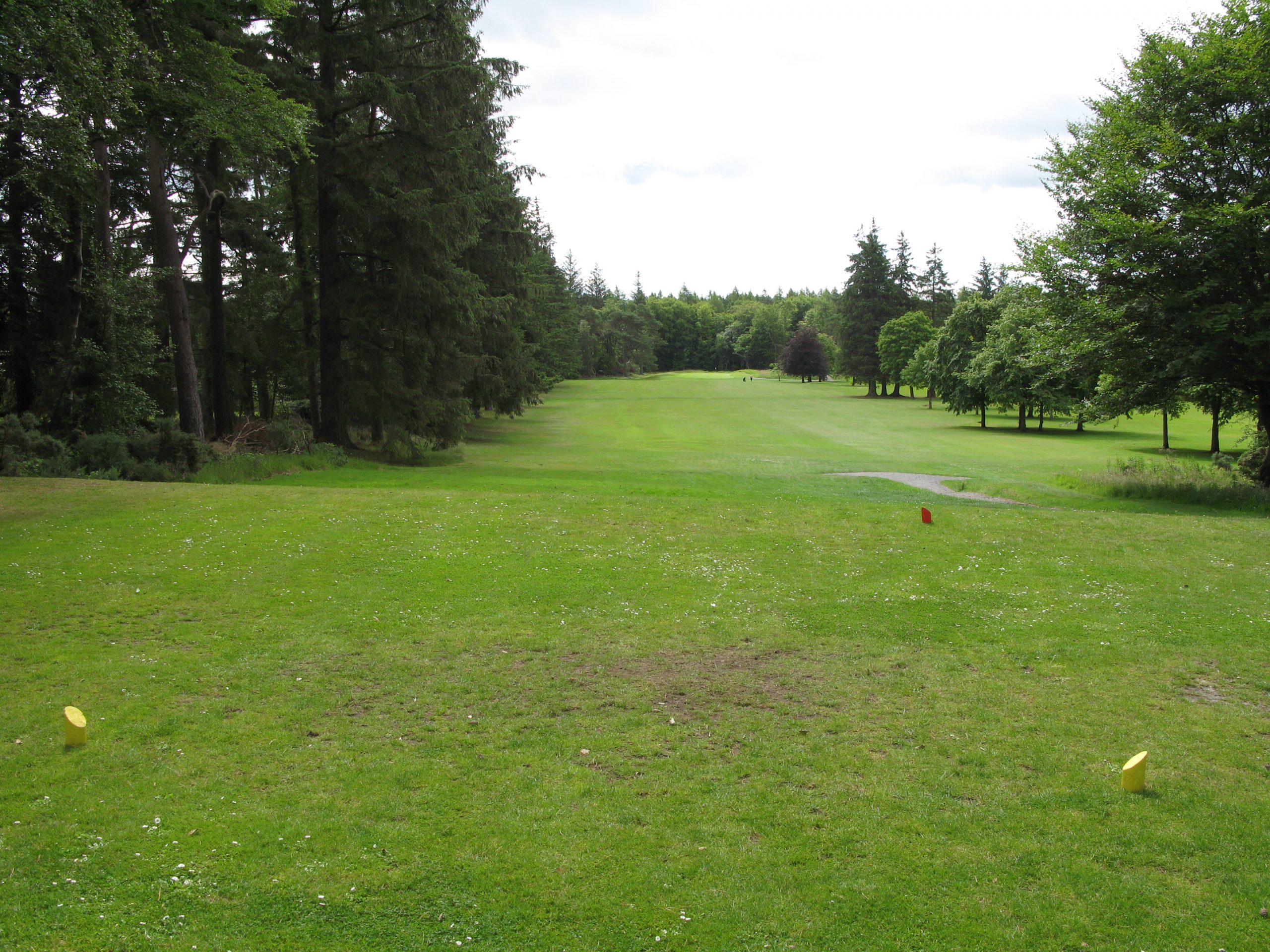
The long third hole, 470 yards, into the prevailing wind, with Arthurs Seat in the background.

Initially laid out by the 1902 ‘Champion golfer of the year’ Alec Herd, the first major impact the club suffered was the loss, during WWI, of 27 of its members, commemorated by a plaque in the clubhouse and recorded on the Imperial War Museum website here. During the second world war, by which time James Braid had been commissioned to implement some architectural changes, some of his changes were turned to farming use to support the war effort.

The justifiably chosen stroke index 1, par four, 5th hole, at well over 400 yards.

The course opens with a tricky par three, very untypical of a Braid Course, which normally has a straight forward short par four to get things going. The course character is further reinforced with the dog leg right 2nd, then a long par five into the prevailing wind. Playing to handicap through the first three is a challenge.

The 10th green, with the dominating views of Wester Hailes housing estate. Many of the holes could be named “Wester Hailes”

With several more undulating and dog legs, I was very surprised by the Slope Rating of only 113 (yellow), but I guessed this may be due to its relatively short length and the fact that there are no – yes zero – fairway bunkers. This bunker situation makes me question the validity of Braid’s involvement in the design, as he placed so much emphasis on this element of architecture. If anyone knows of his exact involvement, that would be interesting.

The actual “Wester Hailes” hole, 12th par 4, surprisingly not the one with most views of the estate.

Another great social change, is highlighted at the 12th, “Wester Hailes”, a mid length par 4. Named after the revolutionary housing development immediately to the north of the course, the social housing is actually visible on a great number of the holes. The large and formidable wrought iron boundary fence, tells only a fraction of the story.

Following slum closures elsewhere in Edinburgh, in the 60s, Wester Hailes, a development of over 4000 homes was to be one of the most ambitious housing projects in Europe. It transpired within 20 years into a haven of crime in which parts of the development were referred to as “Vietnam”. The Edinburgh News writes about “How a field of Dreams turned into a Concrete Jungle“. The building of the housing required the culverting of the Union Canal.

Whilst the ‘polis’ were dealing with major crime one side of the golf course, just over the fairways sits Merchiston Castle, the last all male boarding school in Scotland. Such a contrasting start to life, so close to each other. I wonder what percentage of the membership is from Wester Hailes?

17th, “Plateau”, a short par 4, where like many I suspect I grossly under-clubbed with my second shot. Take 3 more clubs.

Back to the golf – tree lined, but not interfering too much, Kingsknowe, with its fine clubhouse, serves as a excellent society day. It’s is very well priced for visitors, I got a rate of only £22 through Golfnow, but the full summer fee of £35 still represents excellent value.

The course was in excellent condition, especially the teeing grounds. The greenside bunkers were great, highlighting the lack of fairway bunkers hadn’t diminished the green keeping skills.

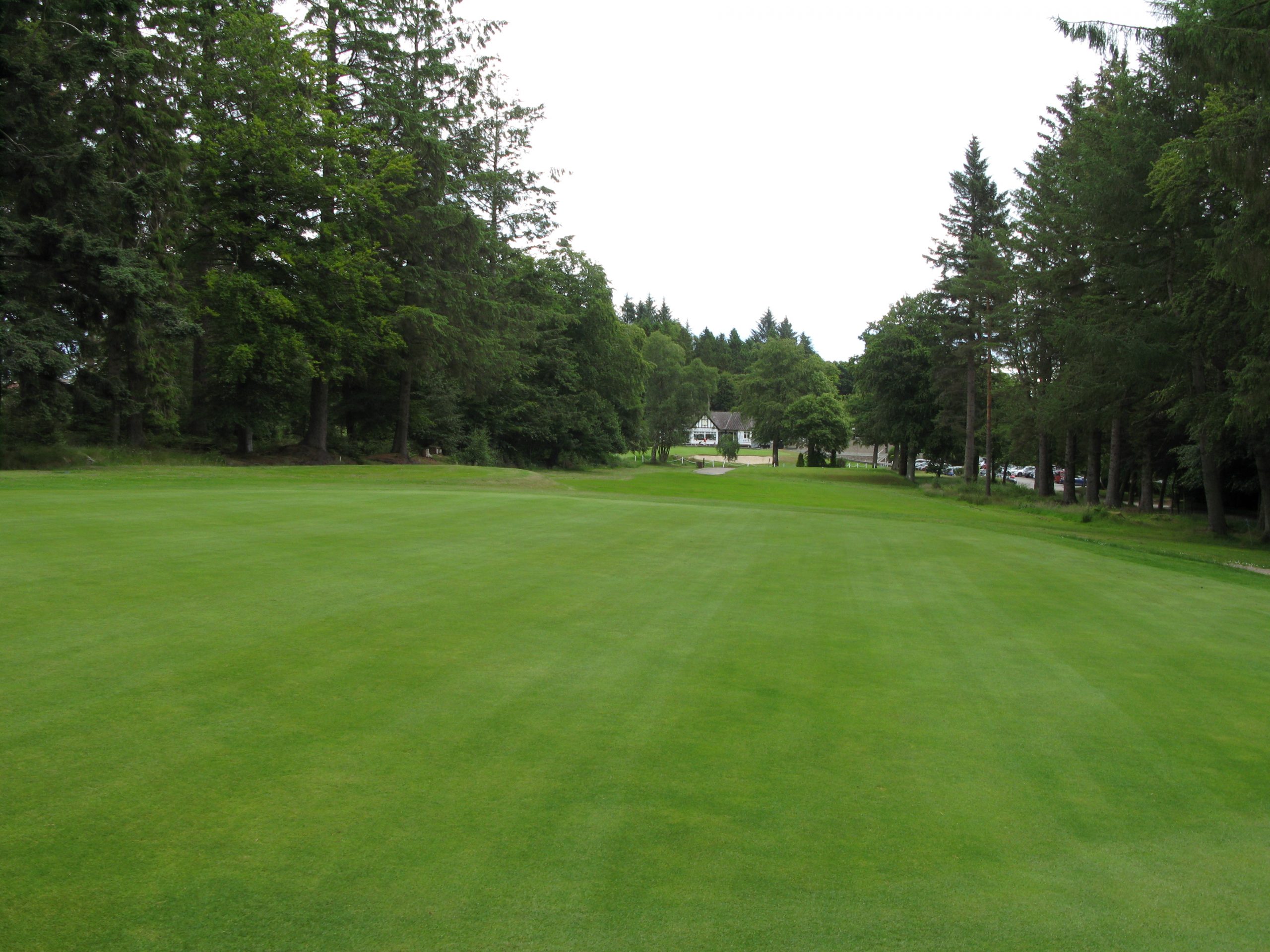
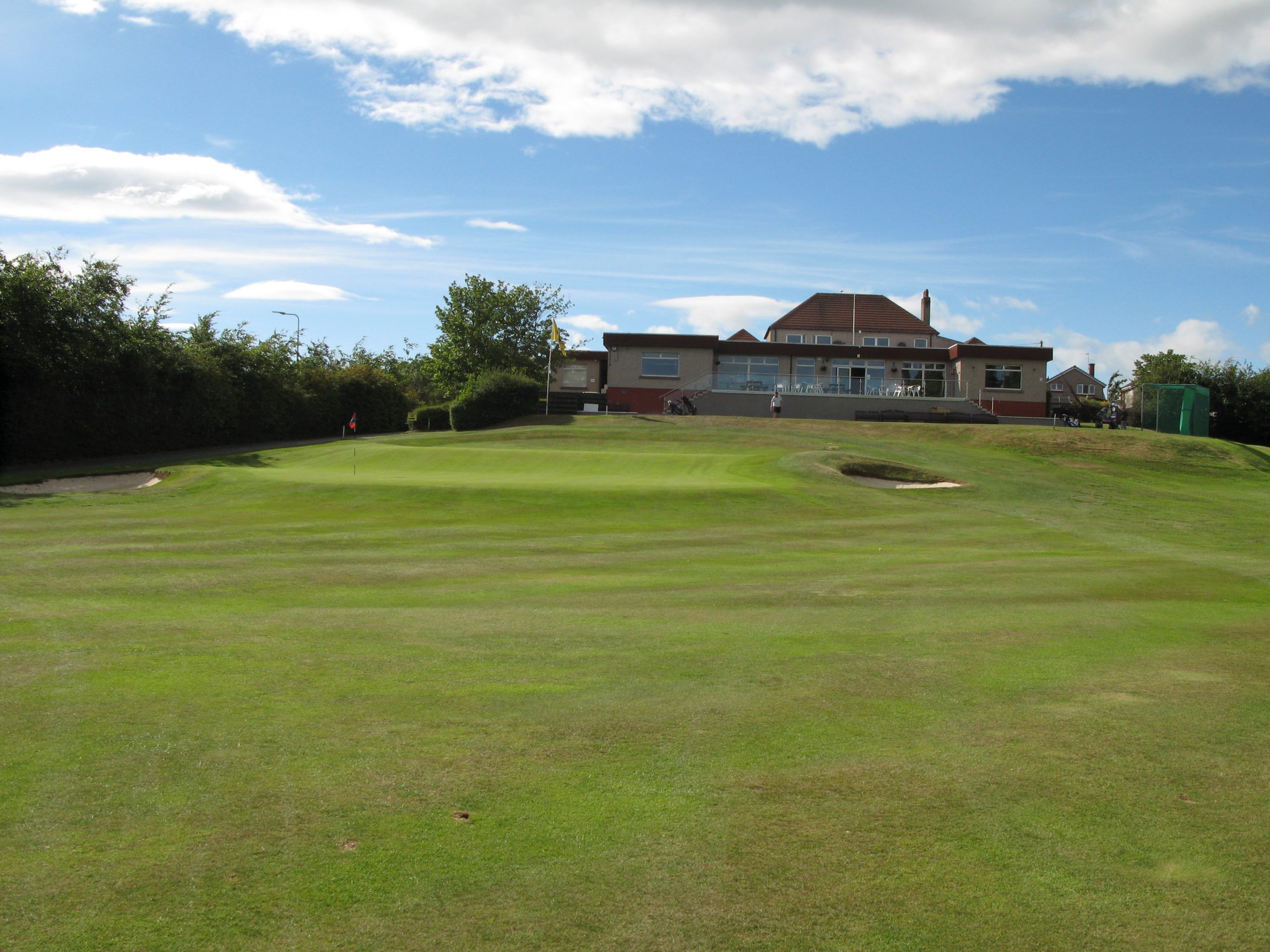
The magnificent clubhouse as a backdrop to the welcoming 18th green.

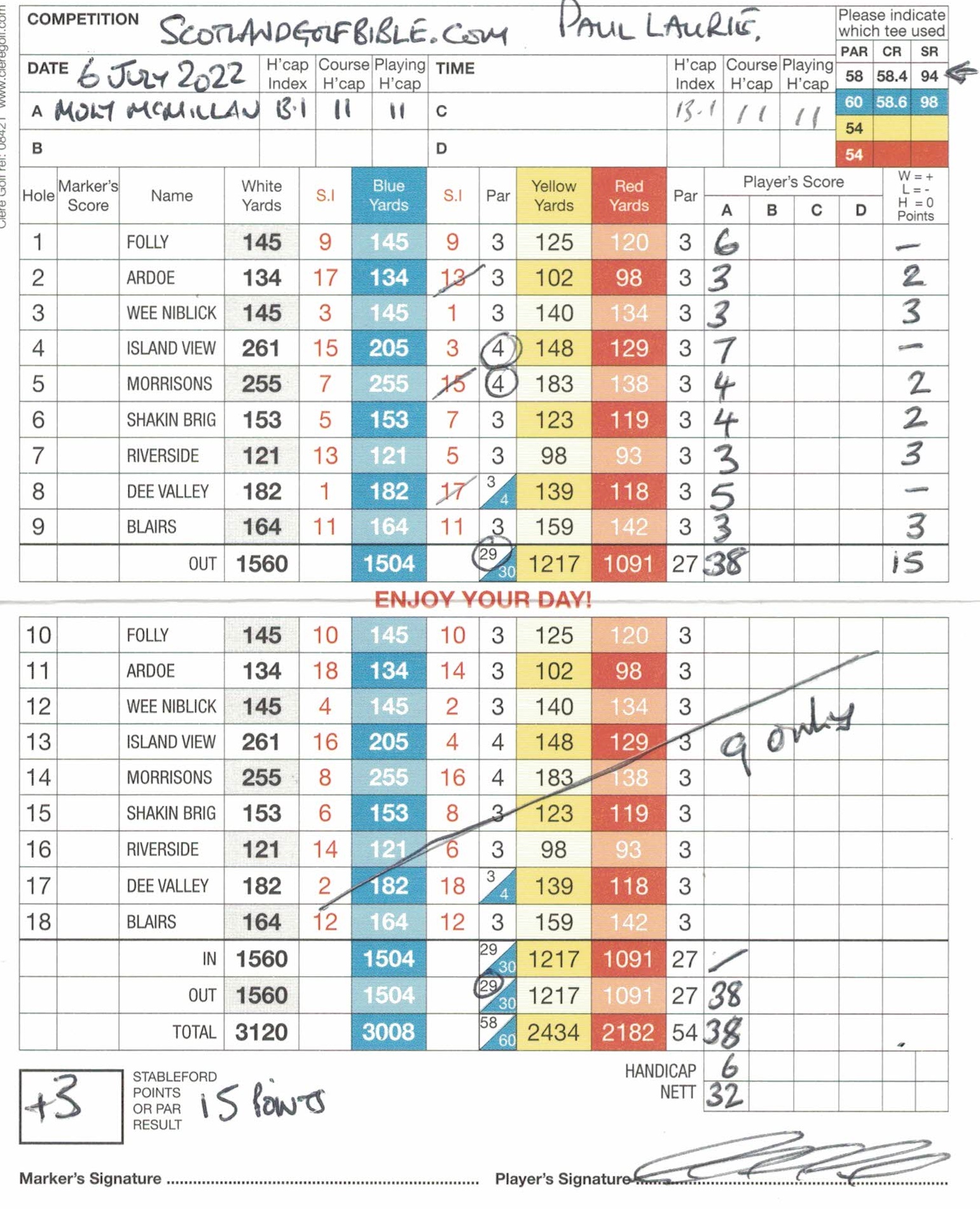
In a very high wind, up to 30 mph, I shot 87, four over net. This included almost driving the short par 4 finishing hole, but ending in a small copse left of the green. I won’t describe the rest of my play in recording a 7, but still came back in 40 shots.

Well worth playing at this well manicured and highly enjoyable course, where the hole names are also worth taking note with their clues – “Wee Drap”!

Course Type: Parkland

Par 69 (1 par 5s, 13 par 4s, 4 par 3s)

Distance: 5728 (yellow)

Moly’s Gross score87

Moly’s Kingsknowe scorecard, 87. Good back nine of 40, including a tripple bogie on 18th!

140. Canmore. 20 May 22.

‘Municipal’ feel course, with an Amen Corner worth playing

Round £25. Par 67. Course Rating / Slope Rating (yellow) 65.9/124. Value (out of 5) – 3.0

When you look at the economics of Scotland and its number of golf courses, it’s little wonder that courses have closed regularly over the year. Put simply, there is not the GDP to sustain the highest number of courses per capita in the world (for countries with more than 200 courses).

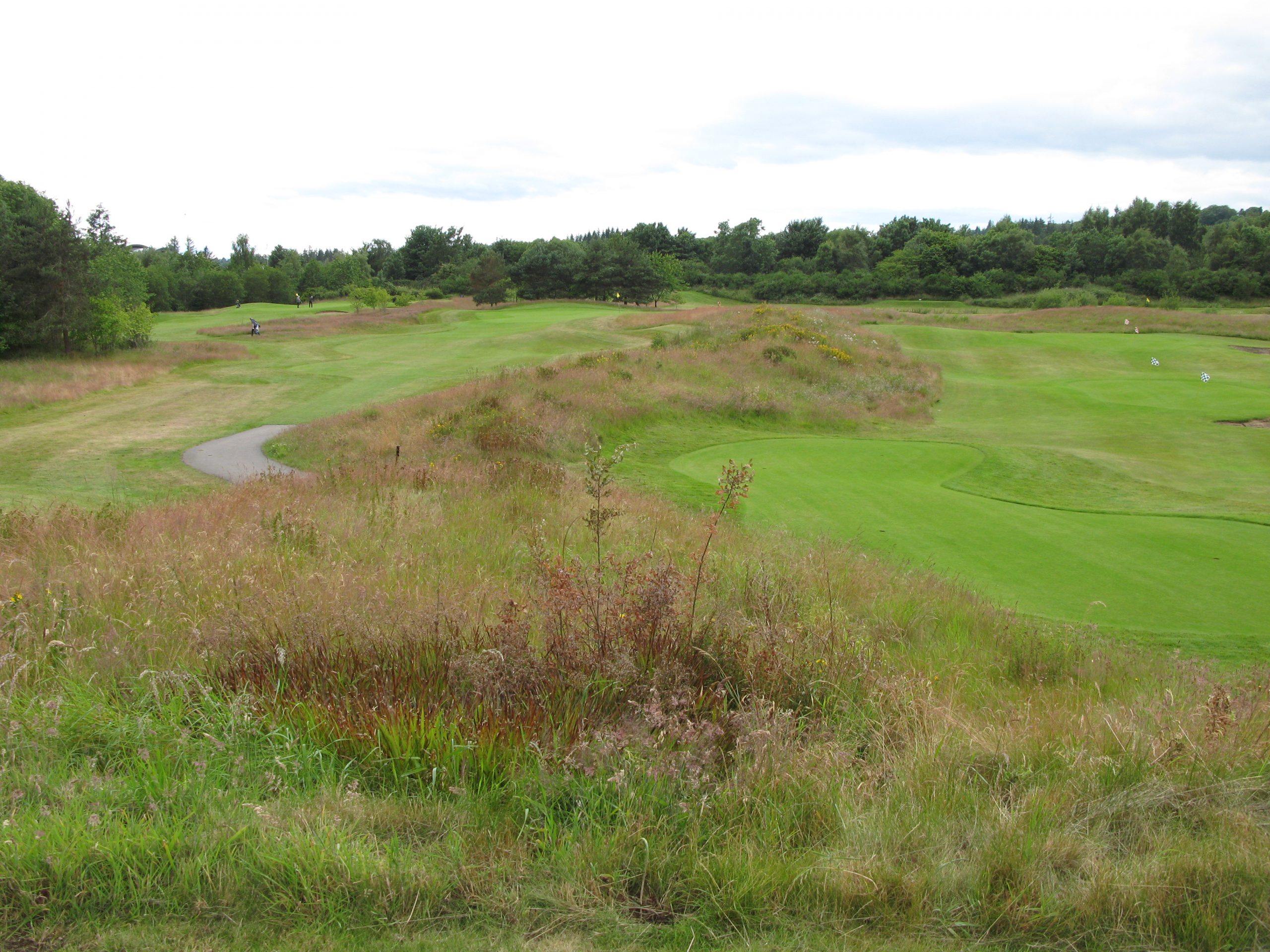
The par four 5th at Canmore, a typical looking hole at this Dunfermline course.

Canmore, is one of those courses that over time is at threat, in my opinion. Sited in the Headwell area on the north of Dunfermline, there are about a dozen courses within a 10 mile radius, a number of which are much better, such as Pitreavie. Although competitively priced with a headline rate of £25 for a peak season round and with Golfnow rates available, I paid only £16, other than a few holes it was a rather forgetful experience.

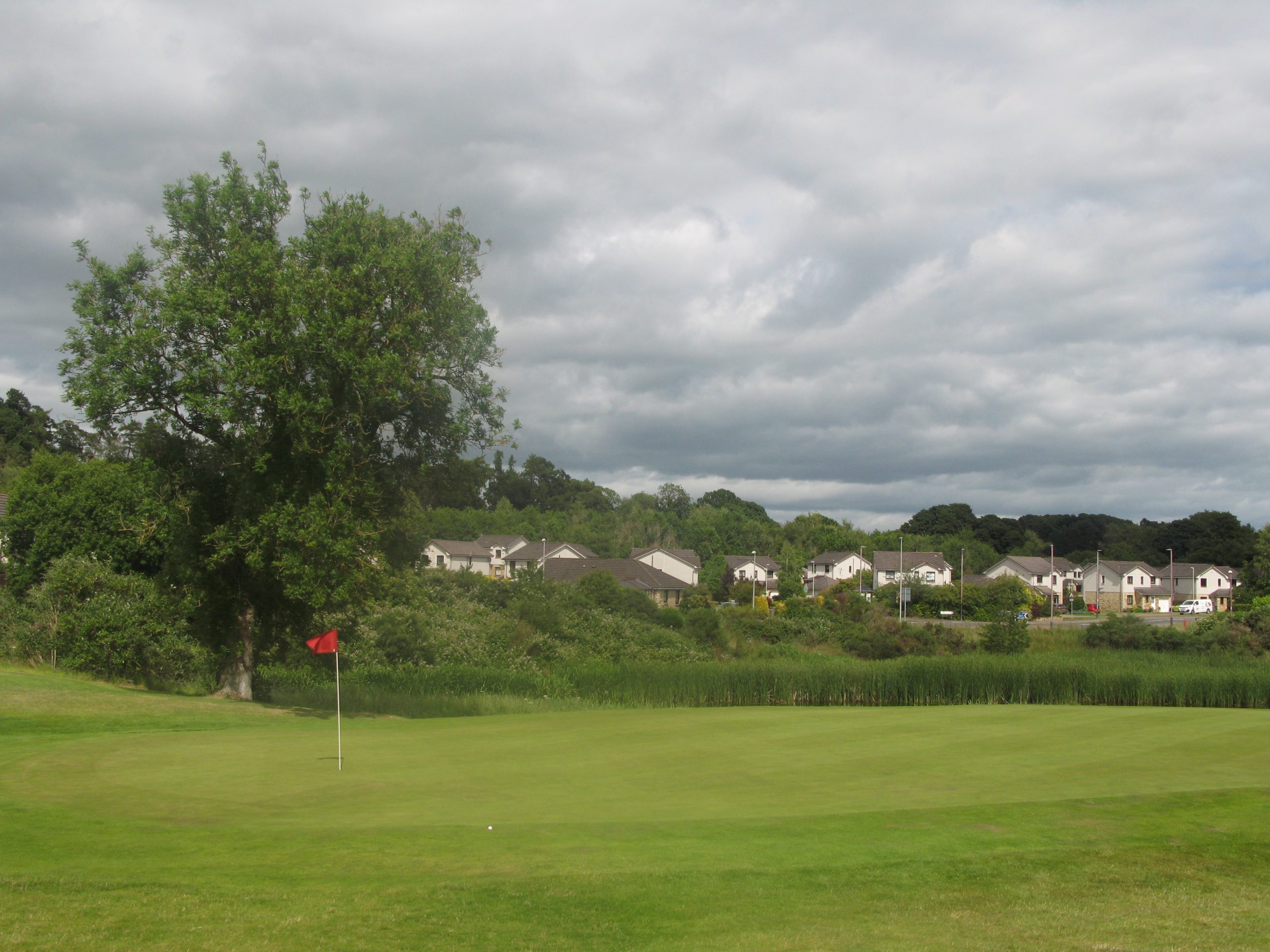
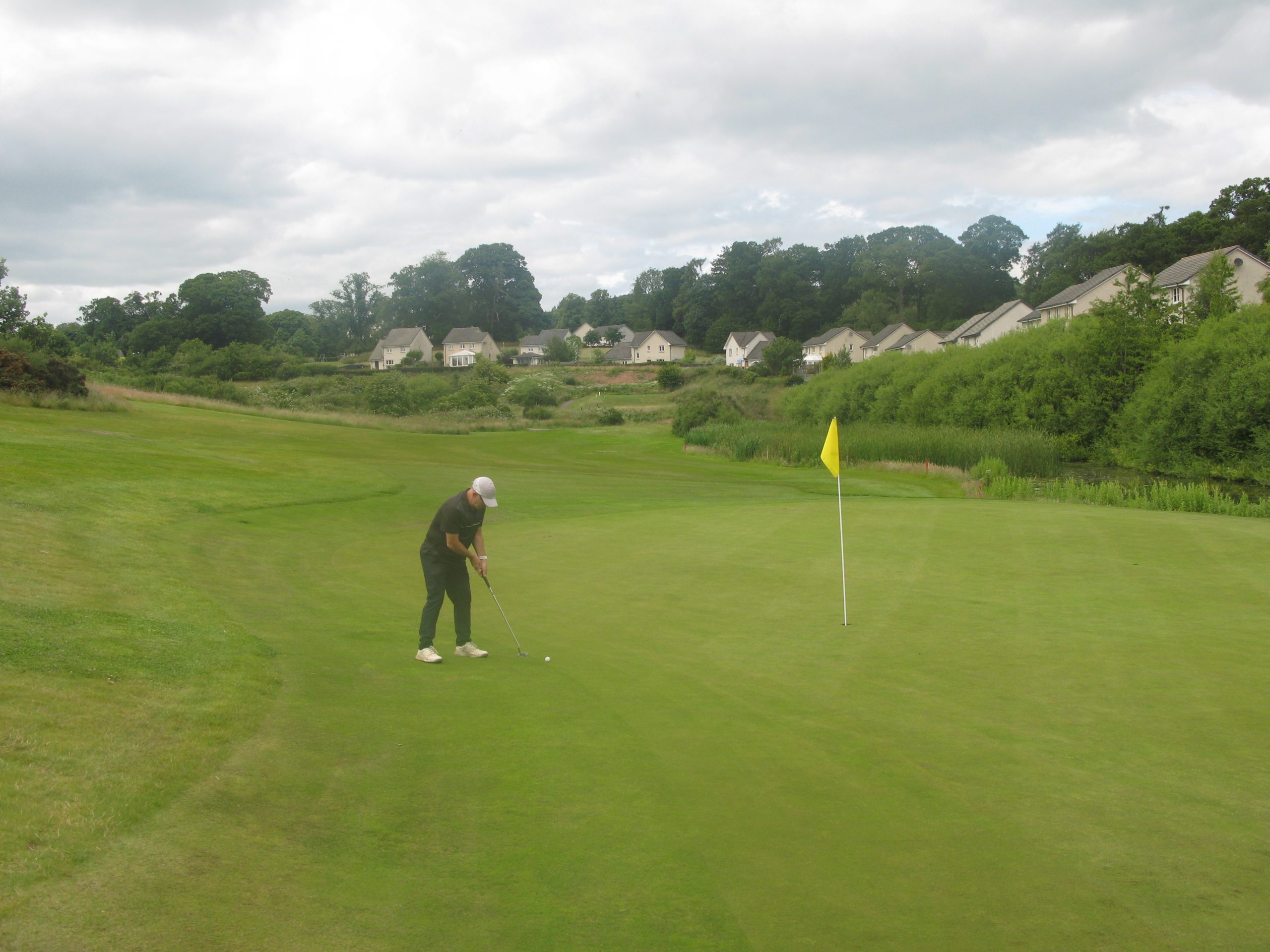
The green at the difficult par four 10th hole.

Founded, apparently, on its present site in 1902, Canmore is a parkland course at just over 5000 yards long. It actually doesn’t feel that old a course, and without any history on its web site, it’s difficult to find any background context, including its designer.

There is however, a very difficult set of holes around the turn, which are worth testing your game against.

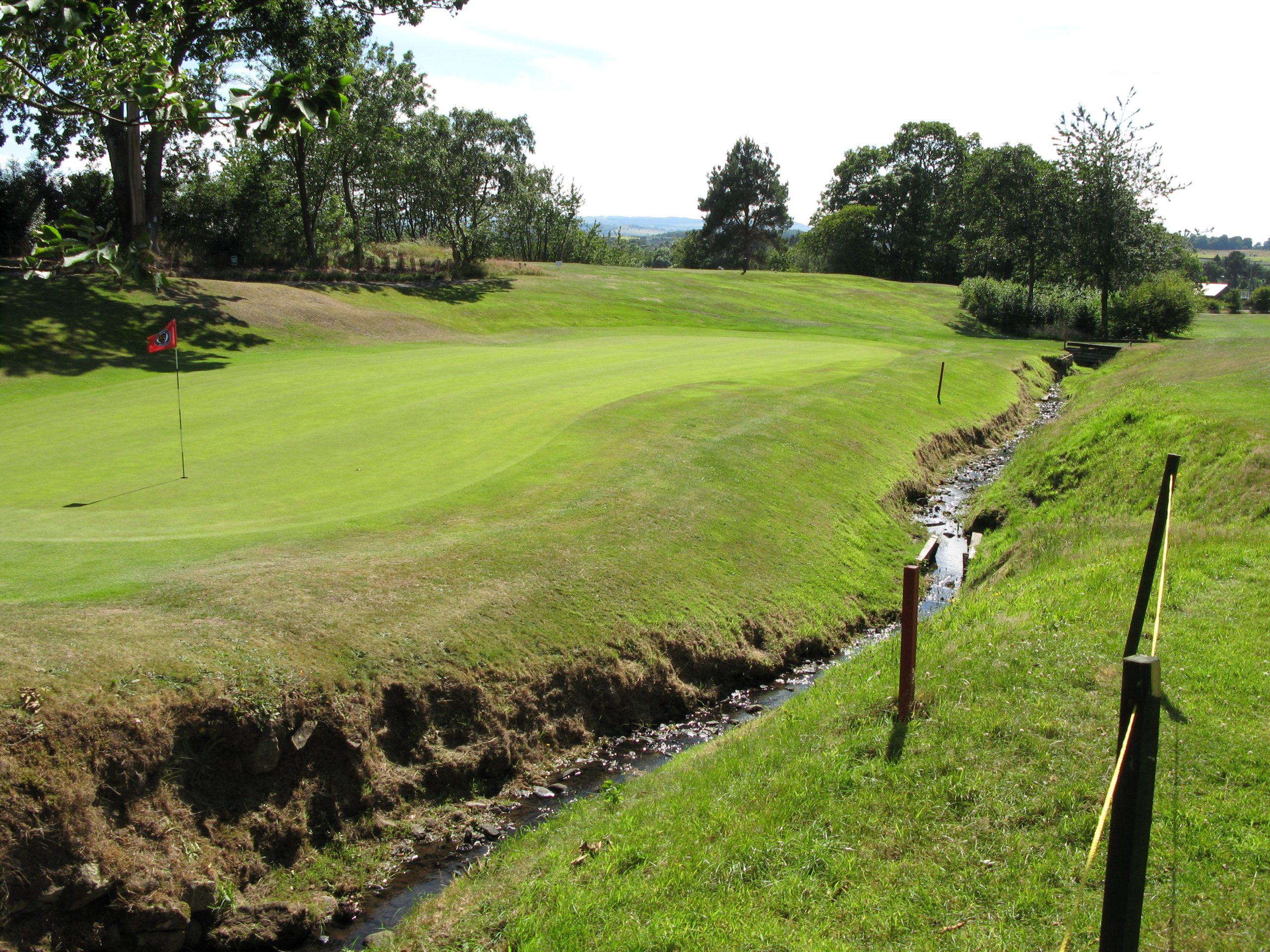
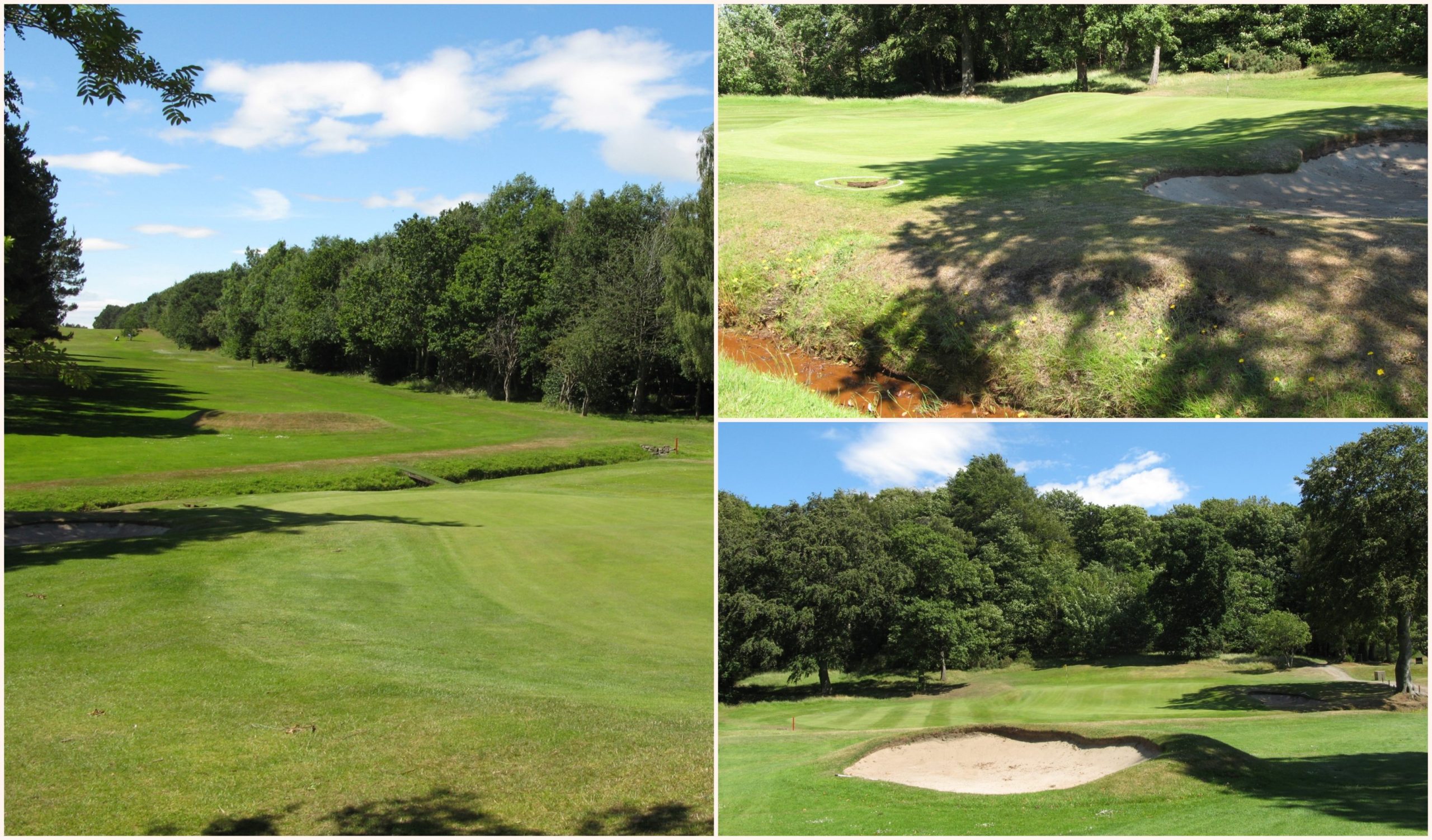
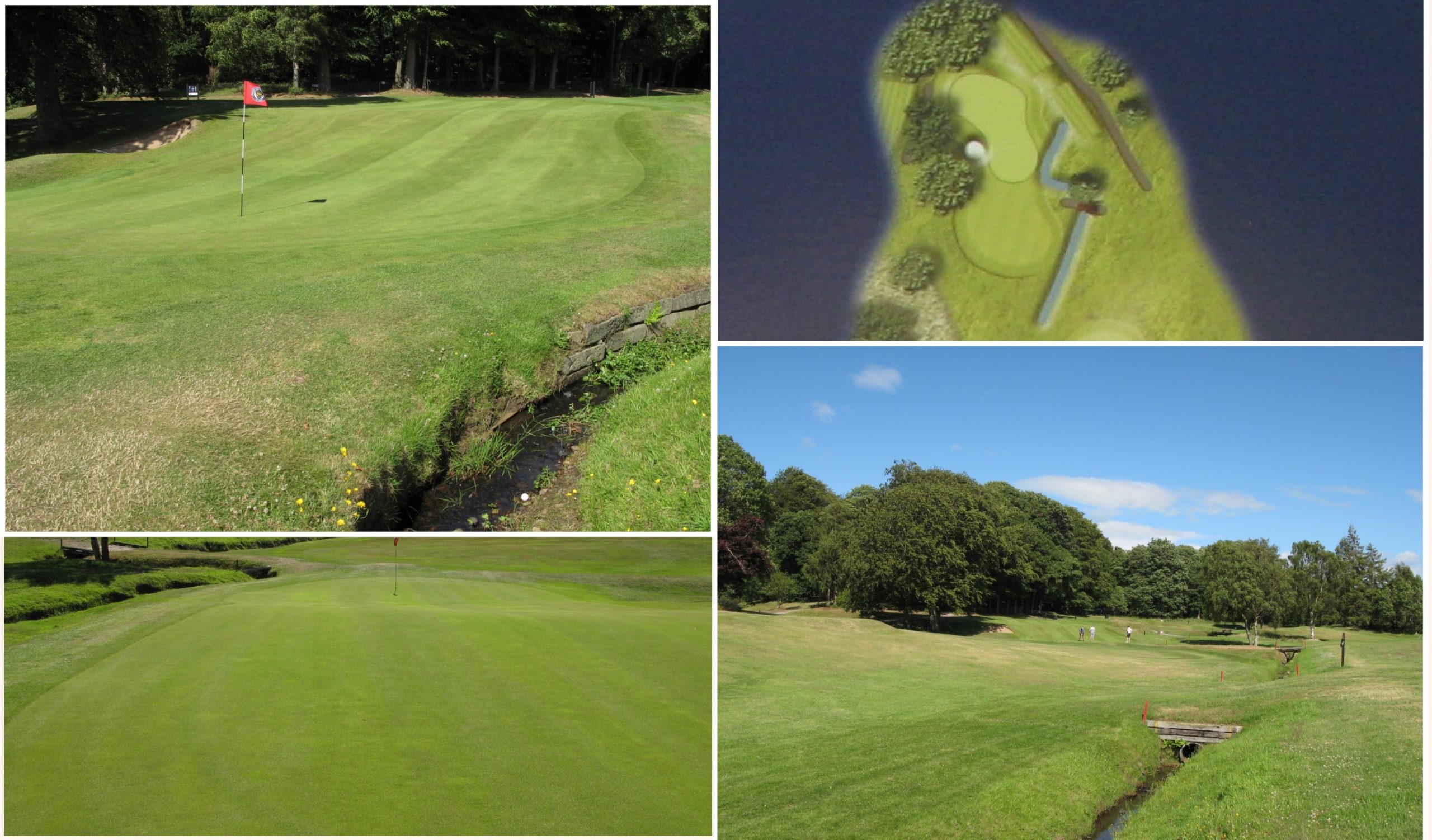
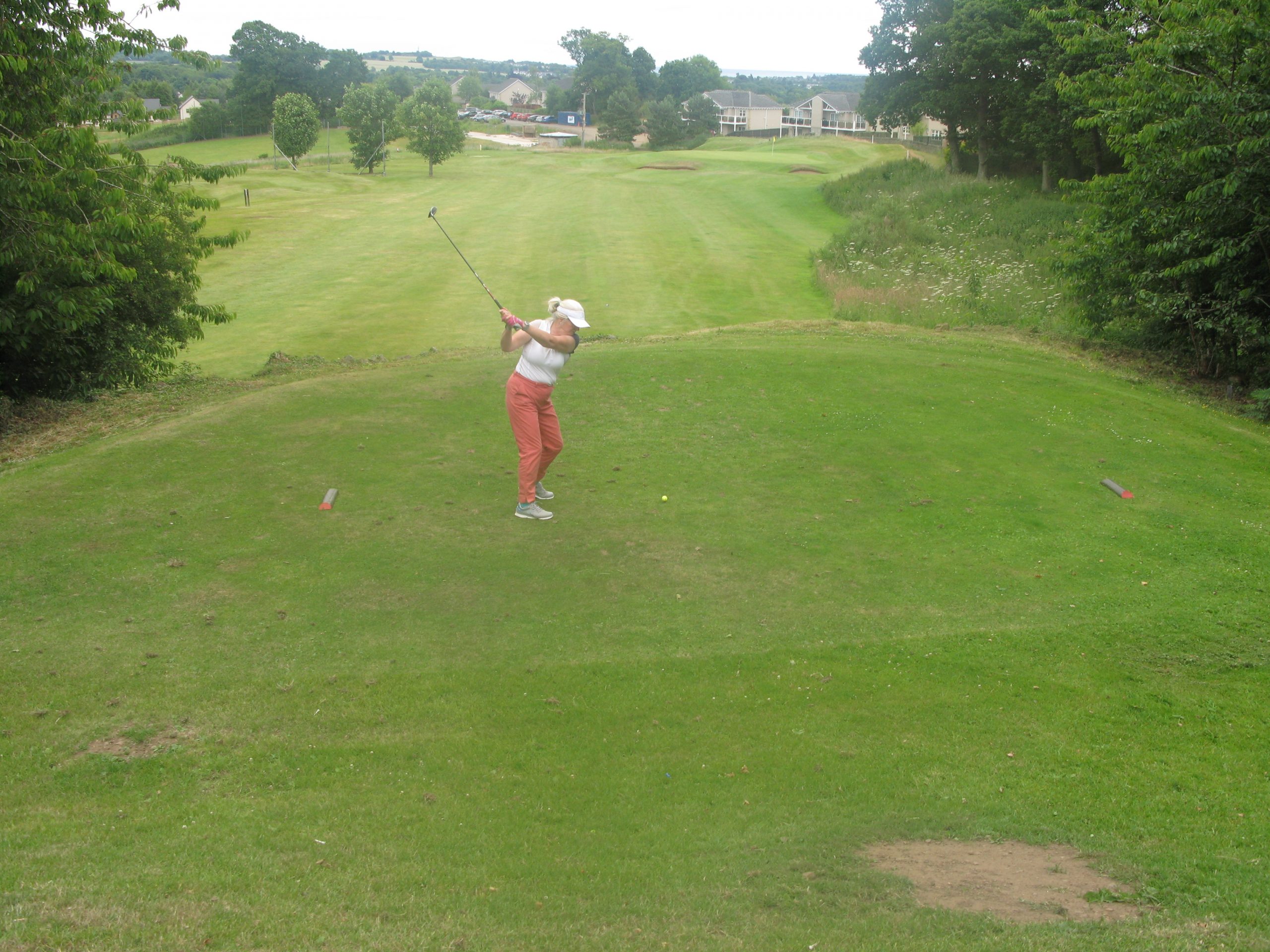
The 9th, a dog leg par four of 371 yards, has a ditch in play for the long drivers and worthy of being stroke index 4.

The 10th, played into the prevailing wind is a more difficult hole (in my opinion), with out of bounds all the way down the left of a sweeping horseshoe shaped hole – keep right at all costs.

The 11th, the signature hole, must be a banker for home matchplay games, with the yardage of the second shot, played over a marker post to a sunken hazard surrounded green, being critical to judge. A bogie is a good score at this SI 2 hole, I really couldn’t work out why it wasn’t SI 1.

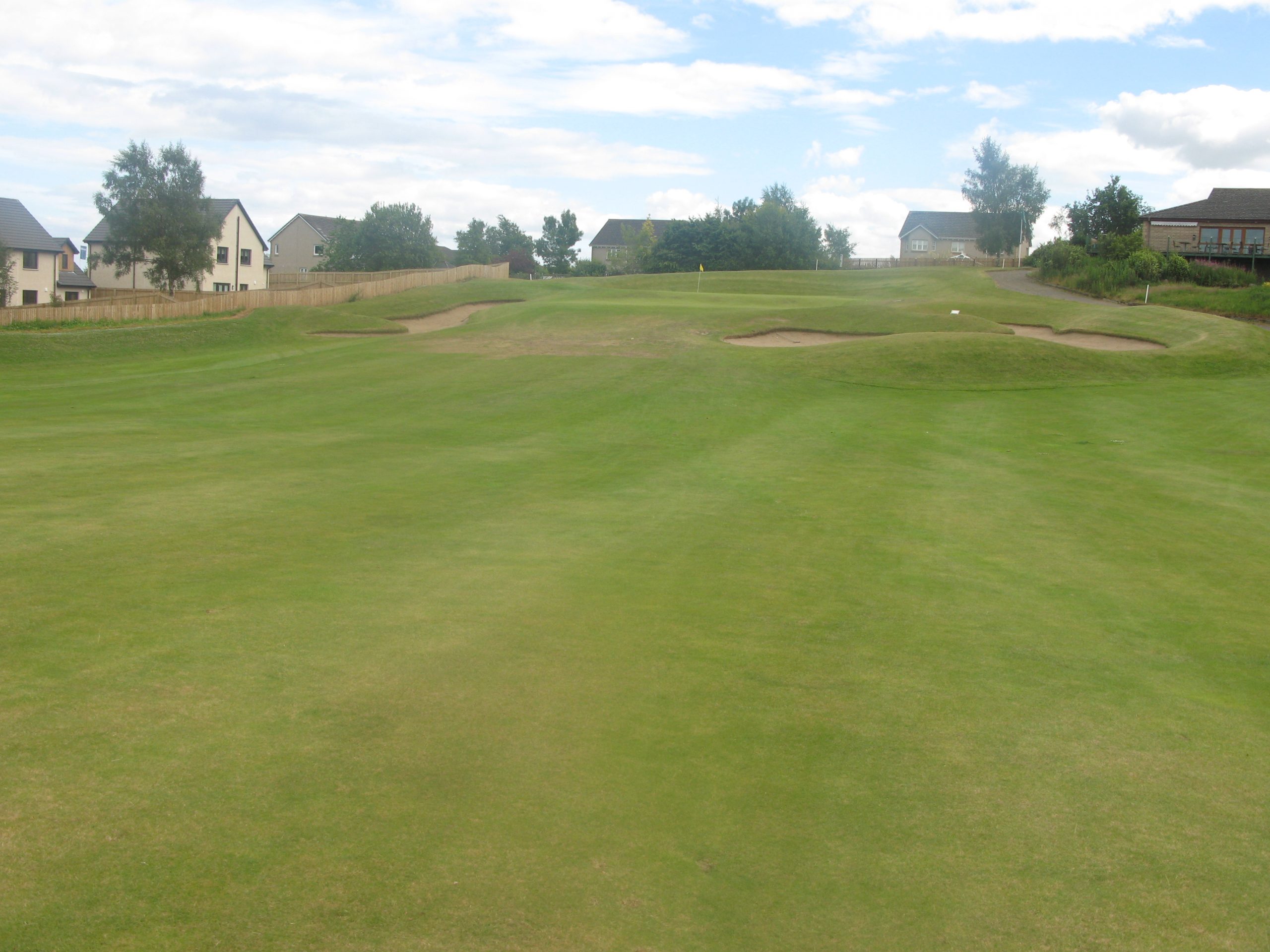
The 11th the signature hole, a par 4, at Canmore.

Finally, the 12th, is a really challenging long par 3 (nearly 200 yards), played uphill to semi blind green.

The course was in okay condition when I played, albeit all areas could have been mown, a mark of understaffing on greenkeeping.

The long par three 12th hole, the end of the treacherous stretch of holes

This is not a course that will attract many holidaying tourists, and I wouldn’t be recommending going out of your way to play here. At just over £500 for an annual membership, its probably a decent course if you like your local golf and tend not to travel around.

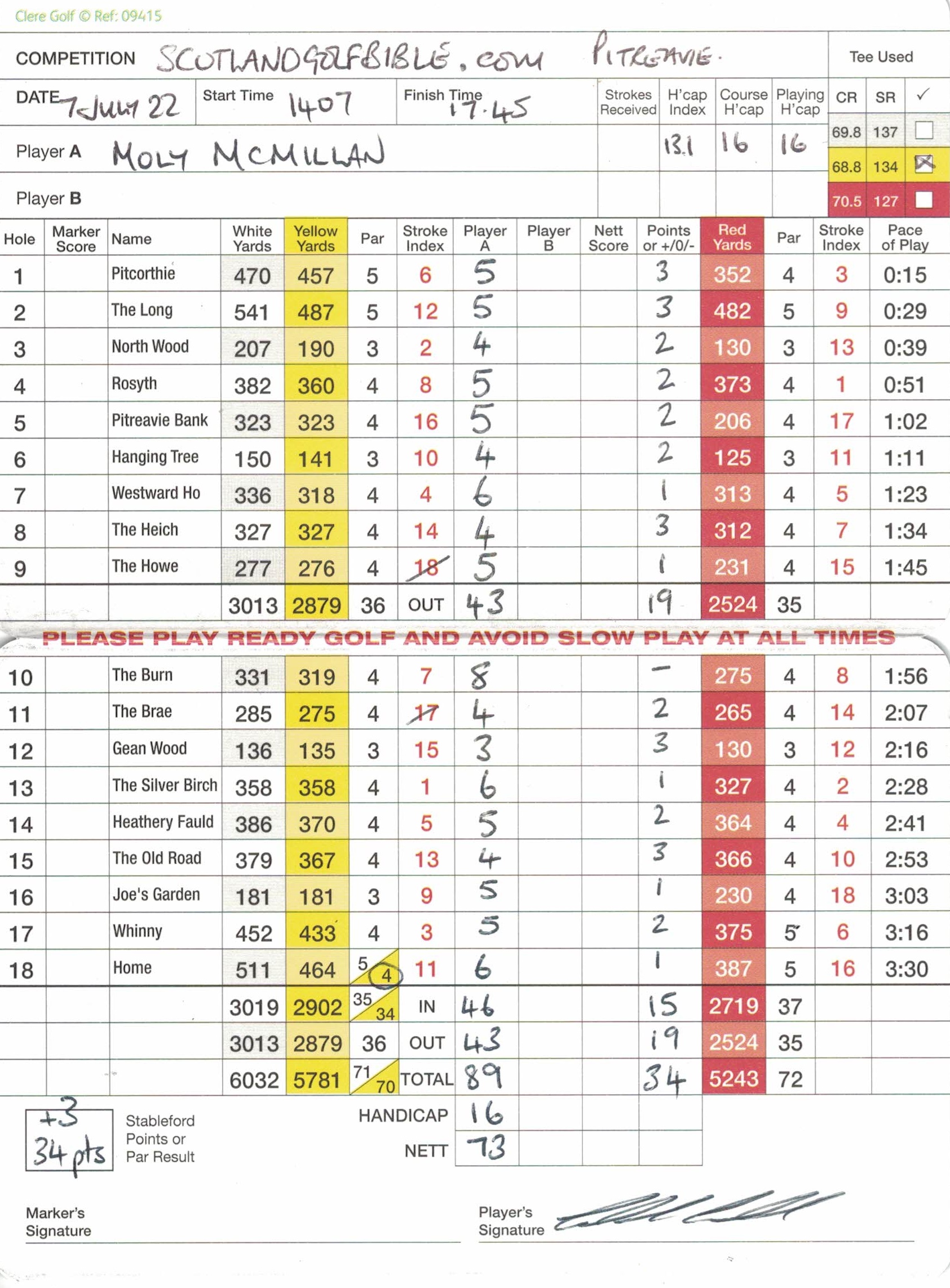
On the day, I shot 90, for 28 points, and did well to overcome two 7s at the par fours 5th and 6th holes. Plus, I didn’t blob any of the tough stretch which I was very pleased with indeed.

The difficult par three 4th hole, with clubhouse in view.

Other than its Amen corner (9-12), this feels like a standard ‘municipal’ course. I was made very welcome by the staff in the pro shop.

Course Type: Parkland

Par 69 (0 par 5s, 13 par 4s, 5 par 3s)

Distance: 5214 (yellow)

Moly’s Gross score90

Moly’s scorecard at Canmore – a 90 for 28 points.
« Older posts Newer posts »

© 2025 Scotland Golf Bible

Theme by Anders NorenUp ↑