A guide to green fee value for money

Author: Moly McMillan (Page 29 of 45)

Moly McMillan lives in Somerset. He is a business management consultant helping businesses scale and also devotes time to playing all of Scotland's golf courses, assessing their value for money.

67. Bridge of Allan. 11th Oct 2017.

A 9 hole course from bygone days worth experiencing. 

Summary:  Round  £20.   Par 33.  Value (out of 5) – 4

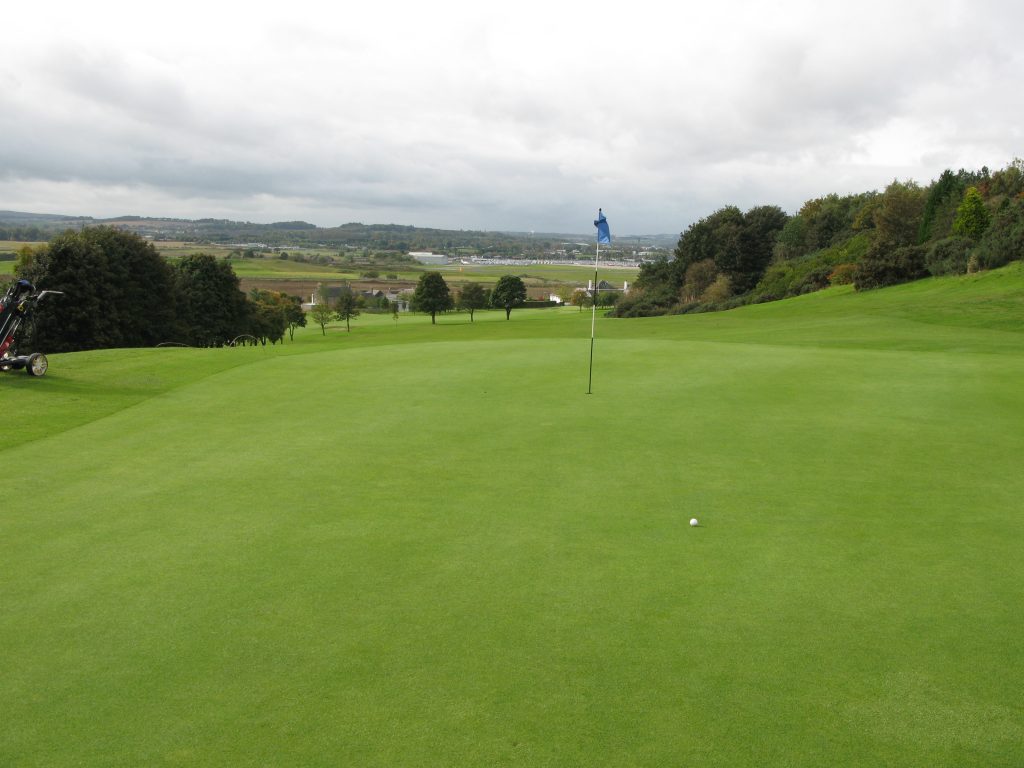
There can’t be many golfers who play Bridge of Allan for the first time that find the par 3 1st green with their tee shot; less than 5% I suspect, probably much lower.  It’s not that it’s the most difficult par 3 ever, it’s just also so unusual.  It’s 223 yards up a steep slope (40% they say!), with a blind plateau green that has a dry stone dyke across the fairway about 30 yards in front of the green.  Welcome to one of Old Tom Morris’ famous holes.  Thankfully not all of Old Tom’s holes are as demanding as this, otherwise golf in Scotland may not be as popular as it is!
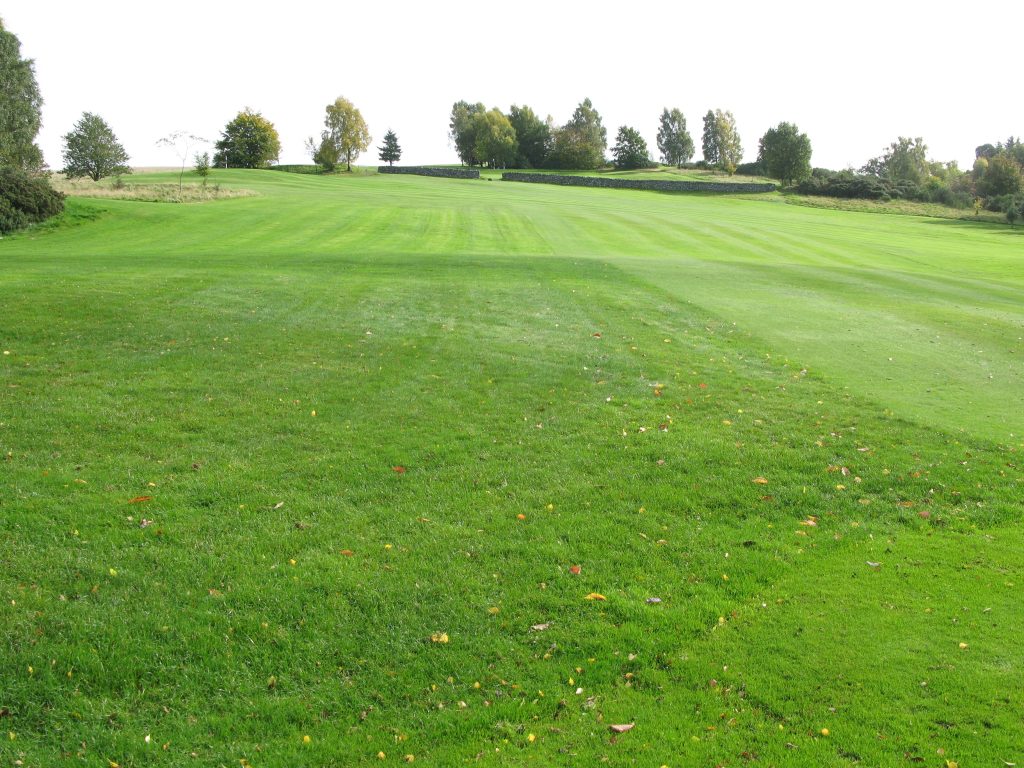
The very demanding first shot at Bridge of Allan – the long par 3.

Old Tom Morris designed this nine-hole golf course in 1895, in the affluent Victorian spa town of Bridge of Allan and the course has commanding views of the surrounding hills and countryside, including Ben Lomond, and also Stirling Castle which is only a few miles away.

According to the golf historian, Robert Kroeger, in his book ‘ The Golf Courses of Old Tom Morris’, Bridge of Allan is “the best preserved in that the layout and length of holes and greens are exactly the same as they were in 1895”.  So for historical reasons alone, it’s worthwhile playing here, and that is why I’ve said this is a 4/5 for value.
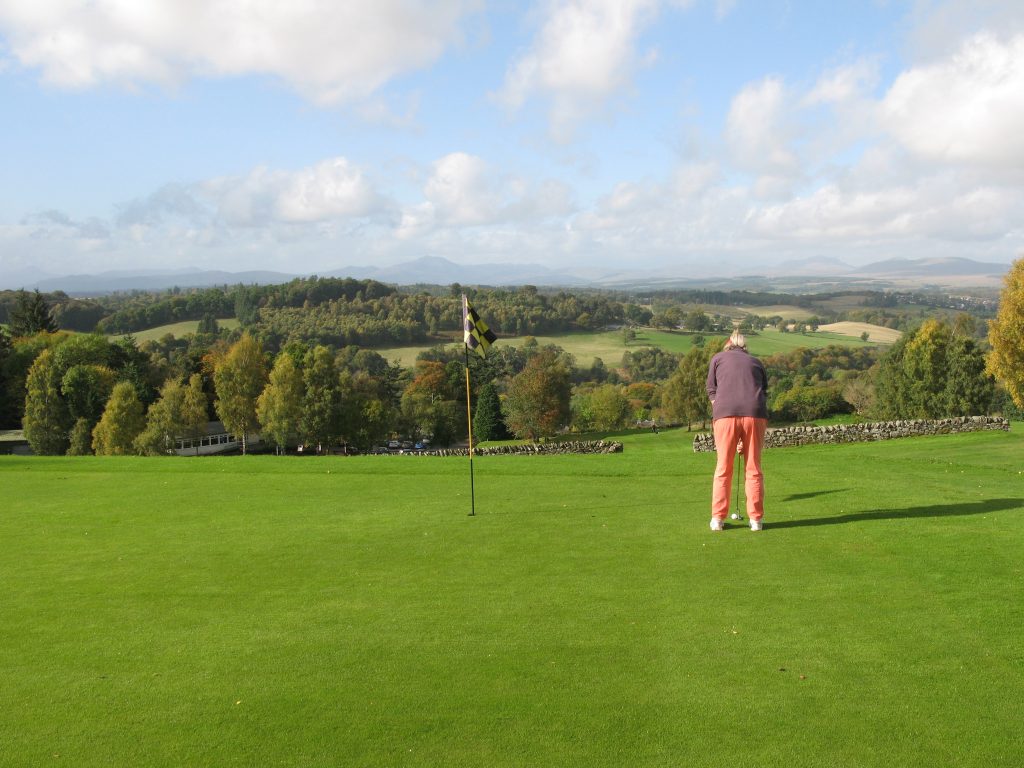
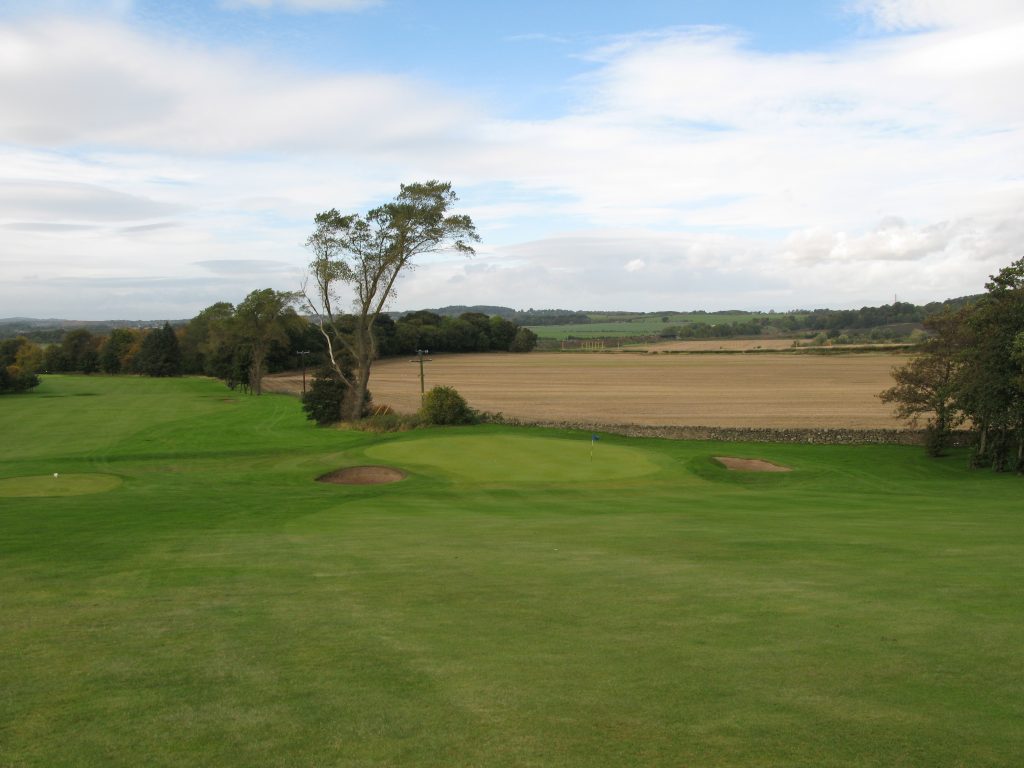
Fine views from the 1st, which also shows the typical flat greens

However, I suspect the course will not be to everyone’s taste.  Most of the holes have out of bounds (OOB) in play, mainly for the right handed hooker.  OOB areas are also tight behind some greens, especially the 4th which also has a dyke in front of the green.  There are hardly any flat lies as the course is so hilly.  The greens are however pretty flat, which meant that when I played 2 greens were out of action due to being waterlogged.  Of course, Old Tom mainly designed links greens, which naturally drain much better than parkland.
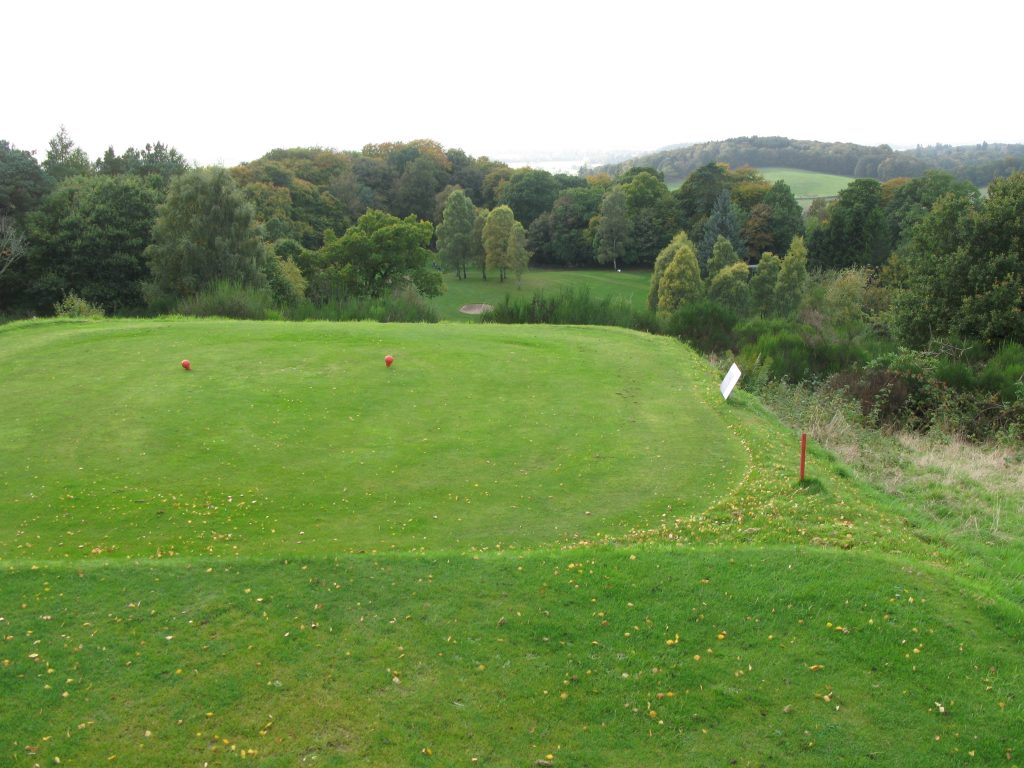
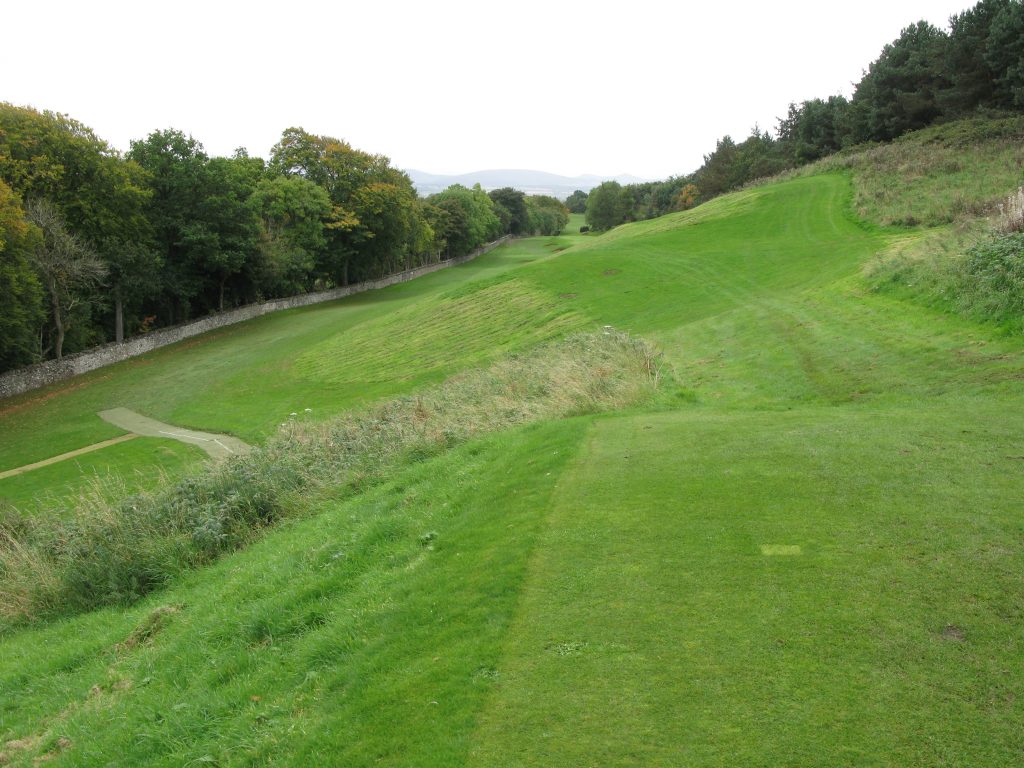
The semi-blind par 4 7th at Bridge of Allan

Old Tom makes much use of existing dykes which are in play on several holes and also blind tee shots by carefully using existing tree lines – this is especially true on the 6th and 7th holes, which need to be played more than once to get a feel for the line from the tee.

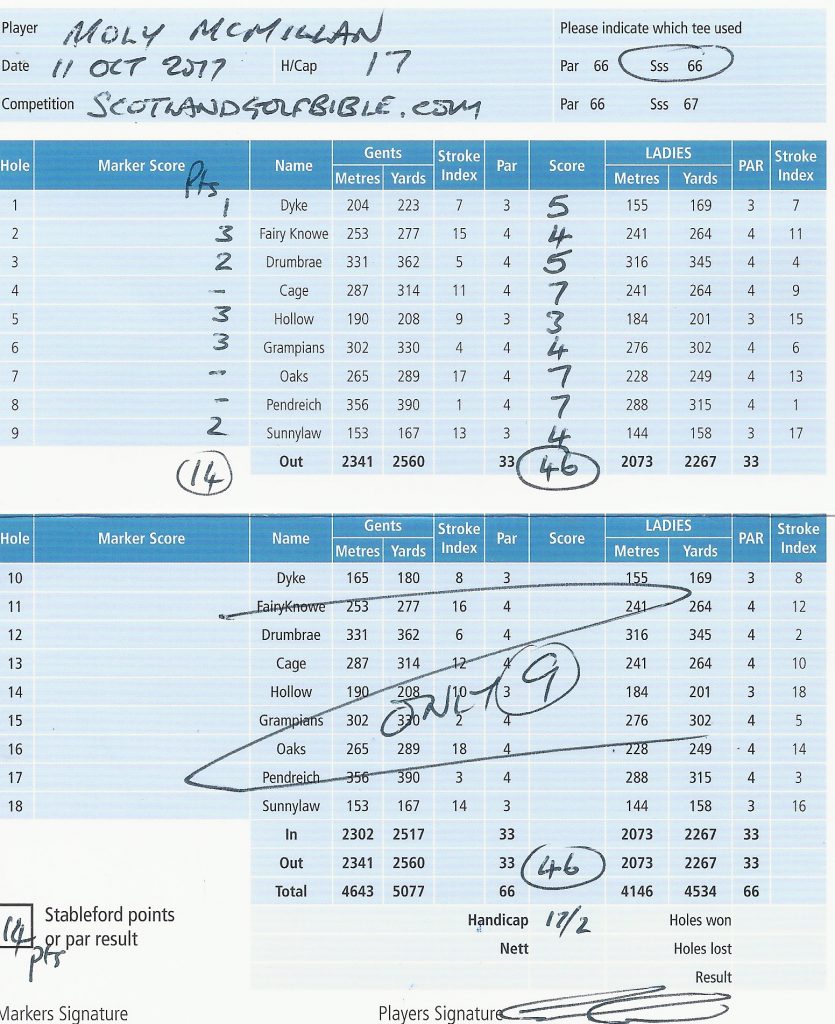
I had a difficult time on the day, including three 7s in my 13 over for 9 holes.  My day was typified by hitting a magnificent drive (probably about 240 yards) at the 7th, but I never found my ball as it was very likely plugged.
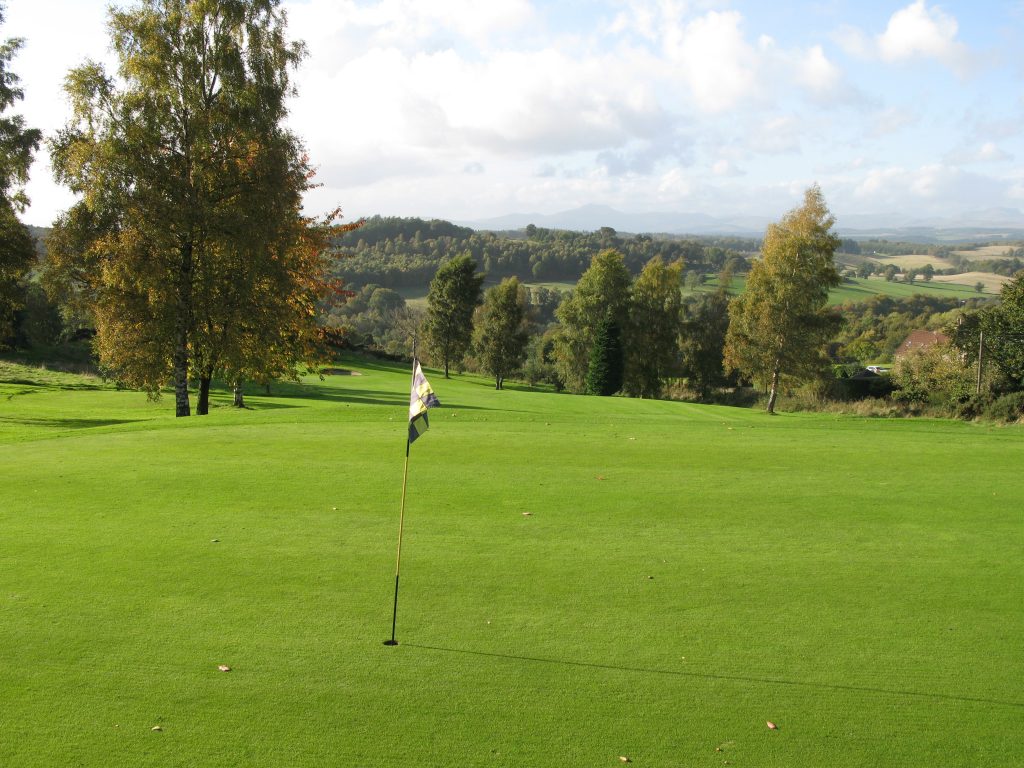
The difficult par 4 8th, another uphill hole at Bridge of Allan

The course was very wet when I played which was a pity, but the fairways were in good condition.  I think that it must take several rounds here to get used to the tricky layout.  The highlight holes for me in addition to the 1st were the 4th, 5th and 7th.

Facts:

Course Type: Parkland

Par 33 (0 par 5s, 6 par 4s, 3 par 3s)

Distance (yellow): 2517 (9 holes)

Moly’s Gross score46.

Moly’s Bridge of Allan Scorecard – 46
66. Turnhouse. 10th Oct 2017

Nice layout with good greens with upside for plane spotters! 

Summary:  Round  £35.   Par 69.  Value (out of 5) – 3.5

Turnhouse golf course was laid out with 9 holes in 1897, and extended to 18 holes a few years later.  The original course designer is not known, but James Braid carried out a redesign in 1928, characteristically focused on the use of bunkers.

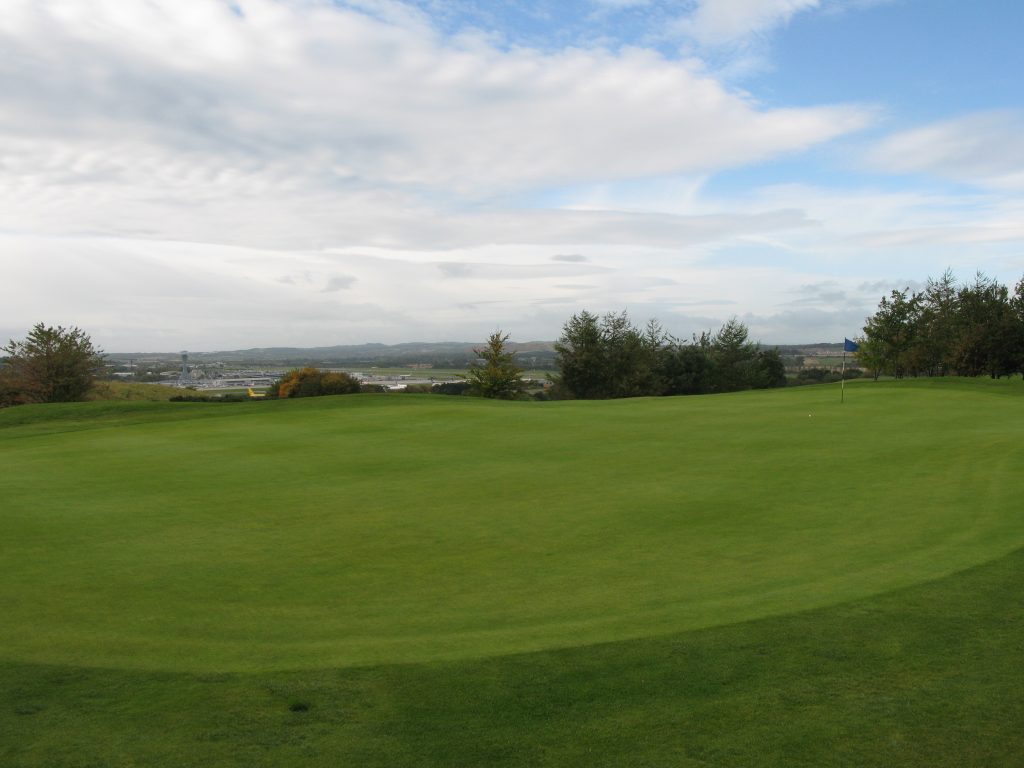
Views of Edinburgh airport from the 5th green at Turnhouse

The course sits on Lennie Hill, very close to Edinburgh airport and easily accessed by road.  There are good views of the Pentland Hills to the south and to the Fife Ochill Hills to the north.  For a parkland course designed in the 19th century it unusually has two 9 hole loops, starting at the clubhouse.

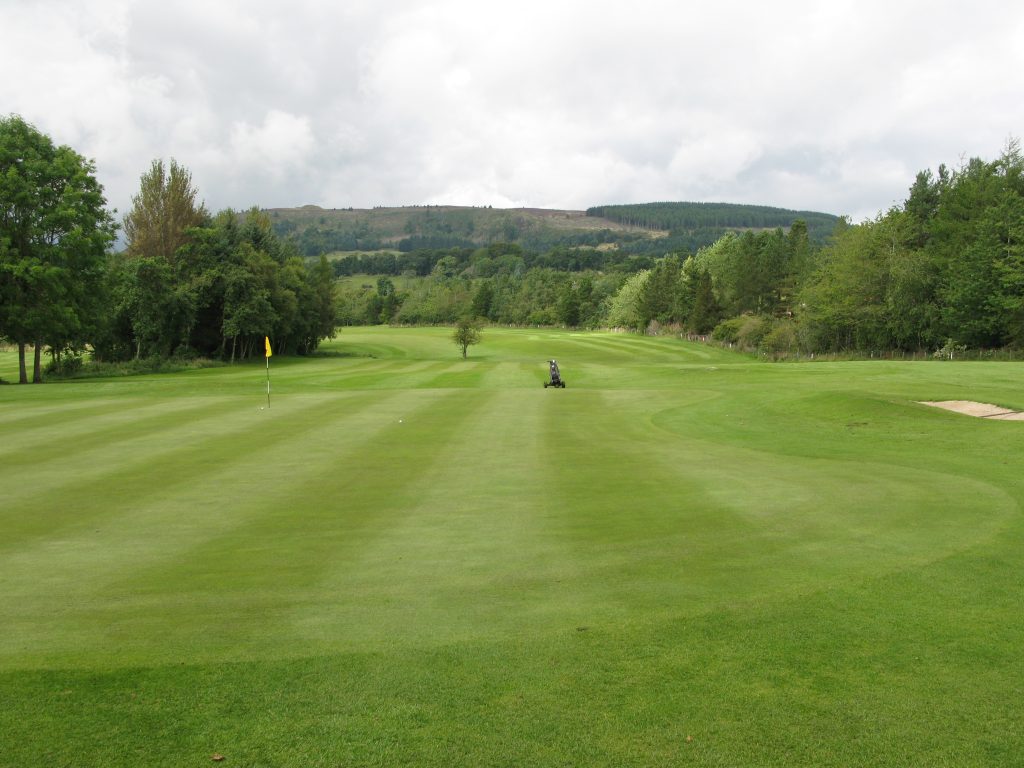
The nice par 4 6th hole at Turnhouse – where I had one of my 3 birdies

Turnhouse has a classic parkland feel and there is a good mix of some generous and some tighter fairways.  I thoroughly recommend the excellent online course planner available on the club website, especially as there are several blind tee and second shots.  A good example is the long 4th hole which has a nasty blind bunker on the right hand side of the fairway at about 430 yards awaiting a well struck second shot – bear in mind out of bounds is tight along the left of this hole.

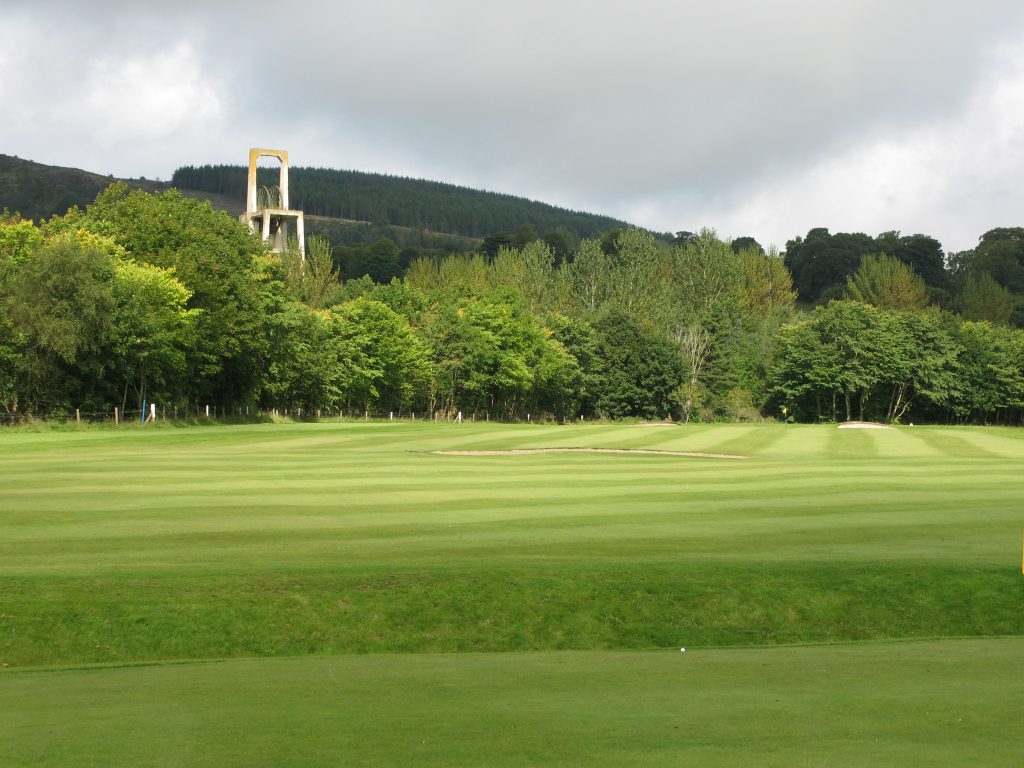
The fast Stroke Index 1 10th green at Turnhouse, a tough start to the back 9.

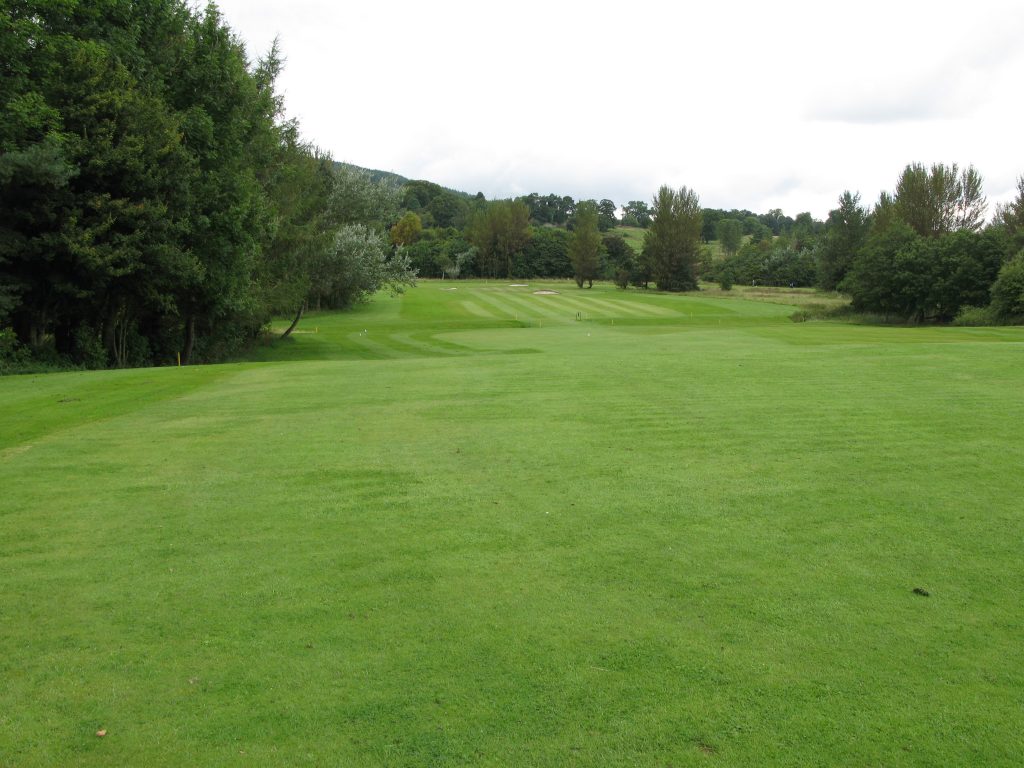
The planner might also help gauge driving distance on some of the tighter holes, with the formidable 13th tee shot being actually easier that it looks, with only a hybrid or fairway wood being needed at the tee, with a larger landing area being available than at first sight.

The greens were surprisingly well drained and quiet fast – I putted off  the 9th green where the pin had been placed on the right – beware!     Overall the course was in good condition, with only the tees perhaps in need of some effort.

The frightening looking 13th tee shot at Turnhouse – take a hybrid to guarantee playing from the fairway.

I had a most mercurial round.  I only hit 3 greens in regulation and birdied all 3 of them! (4th, 6th and 11th)  – my stableford had three 4 pointers but no 3 pointers!

There is an interesting quote on the club web site about the hazards in the development of parkland courses around the turn of the 20th century, and worth sharing:

In those early days, golf courses were shaped by natural terrain and while links courses had sand bunkers, inland courses relied on gorse, whin and dry stone walls for hazards. At Turnhouse there is a record of turf dykes about three feet high being built forty or fifty yards from the tee across some fairways and in January 1908 an instruction was issued to remove steps over the walls and have gaps made in their place.”

Turnhouse was a most pleasant surprise and one of the lessor known Edinburgh courses well worth a visit.

Facts:

Course Type: Parkland

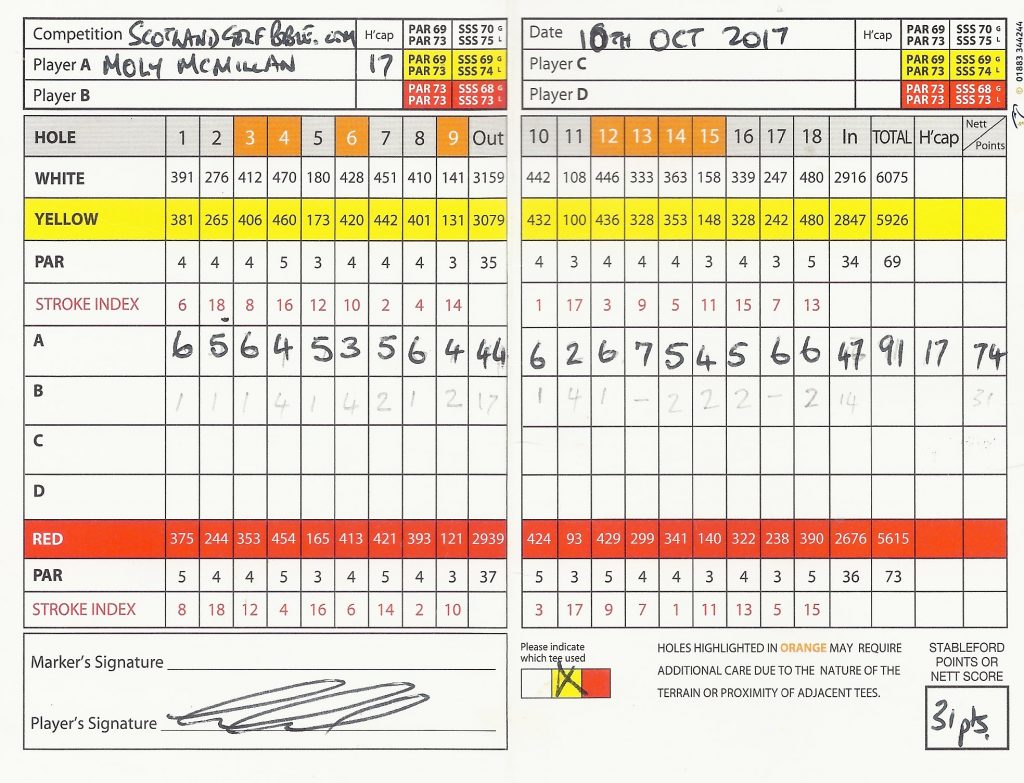
Par 69 (2 par 5s, 11 par 4s, 5 par 3s)

Distance (yellow): 5926

Moly’s Gross score: 91.

Moly’s Turnhouse scorecard: 91 for 31 points

65. Lochore Meadows. 1st Sep 2017

Good value 9 hole course managed by Fife Golf Trust 

Summary:  Round  £12.   Par 36.  Value (out of 5) – 3.5

Lochore Meadows is one of 7 courses managed by the Fife Golf Trust which was established in 2011 to take over Fife Council’s directly managed courses. This is becoming a common practice by Local Authorities in Scotland to manage golf courses.  The golf club is private, like many Scottish clubs associated with public courses.

The 1st at Lochore Meadows, with a mine shaft a reminder of better times for this poor area.

Lochore Meadows Golf Course, located within Lochore Meadows Country Park, was formerly called Ballingry Golf Course.   It was founded in 1981.

The country park is just north of Lochgelly, in the Benarty area, comprising the separate villages of Ballingry, Lochore, Crosshill, and Glencraig; this is a poor part of Scotland still in need of economic regeneration following the demise of the coal mining industry – a former mine shaft being a major feature to the left of the first hole.

The 3rd green at Lochore Meadows.

The 9 hole golf course is really good value.  It has a very traditional layout with 2 par 3s and 2 par 5s, and at over 3000 yards, from the yellow tees, is a full length course.  It was also in very good condition when I played, with the medal tees looking like they would have been at home on a much more prestigious Fife course.

The par 5 8th hole at Lochore Meadows with the hazard in play for the second shot.

The fairways are very generous so you can take driver on most holes.  There is also a stream running across the course which comes into play on the 1st, 8th and 9th. The large greens were also in great condition when I played.

There are some lovely views of the surrounding hillsides, which coupled with the good course, means that it is worth travelling to play Lochore Meadows.

Key Facts:

Course Type: Parkland

Par 36 (2 par 5s, 5 par 4s, 2 par 3s)

Distance (yellow):3010

Moly’s Gross score48.

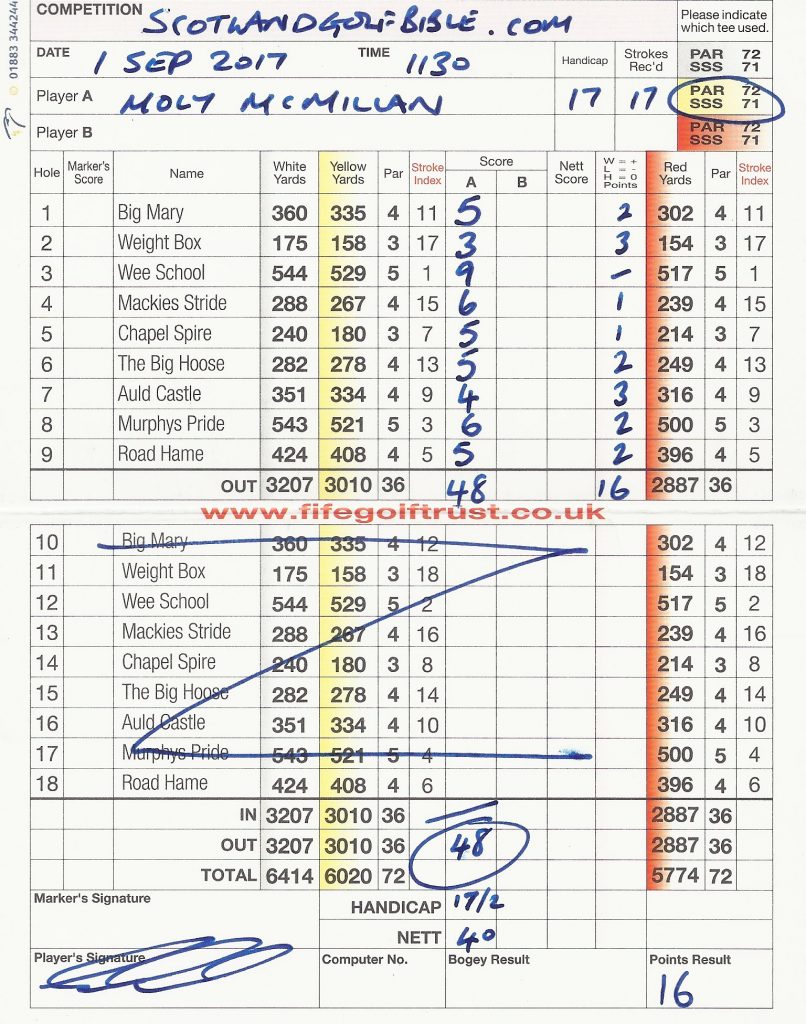
Moly’s Lochore Meadows scorecard – 48 for 16 points (off 17 hcp)

64. King James VI. 29th Aug 2017.

Easy walking freshwater “island” course on the River Tay in Perth ideal if you are a trainspotter!

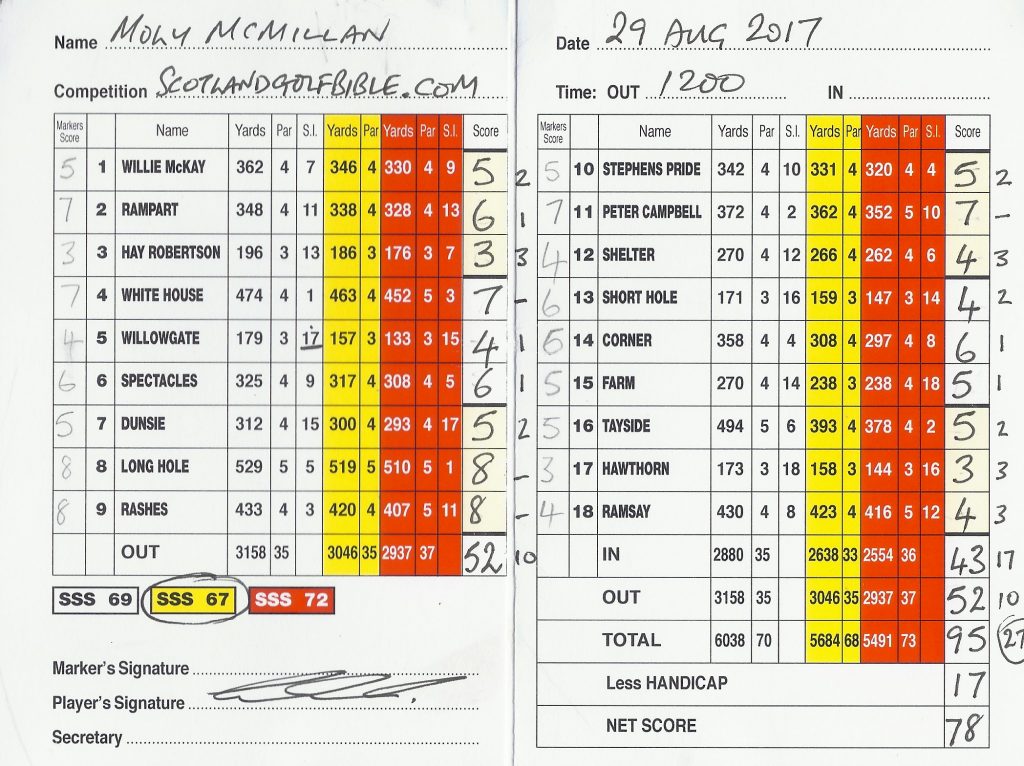
Summary:  Cost £25.  Par 68.  Score 95. Value (out of 5) – 2.5.

The “King Jimmy” golf club was founded in 1858 and initially played on North Inch; it was named because King James VI had played golf on the “Inches”, the public land for common use along the River Tay.  Golf can actually be traced back 500 years in Perth and this in covered in an earlier blog here.

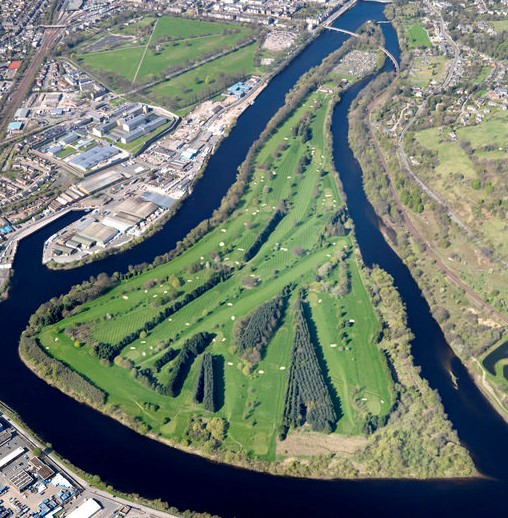
Moncreiffe island, home of the “King Jimmy” golf club

The club relocated to Moncreiffe Island in  1897, to a course designed by ‘Old’ Tom Morris, and is believed to be the only freshwater island course in the UK.

 This presents a challenge for any visiting golfer, as the only access to the course is by using the narrow walkway across the railway bridge, accessed by steep stairs on either side of the bridge.    The walk from the nearest public car park is around 500m.

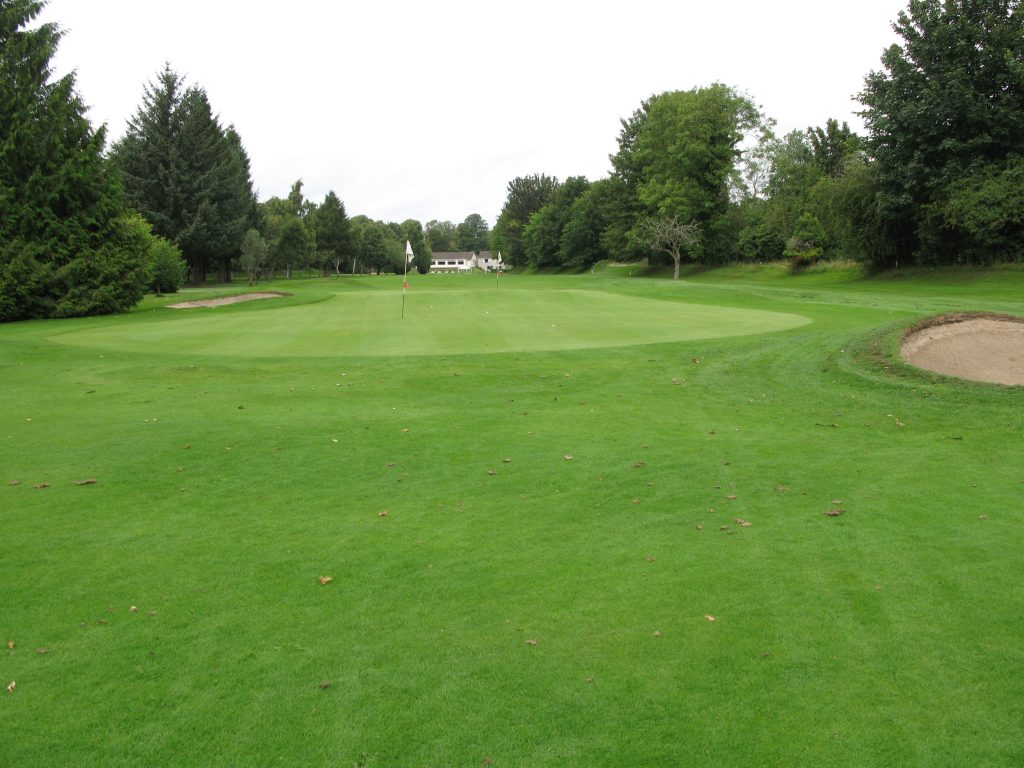
The double green on the 1st/4th with King James VI club house in the background.

The course is very flat and its lack of undulation makes for a fairly repetitive round with many holes looking the same.  Although I played in late August after a relatively dry spell the course was very soft and preferred lies would have been appropriate.  I understand that the course is impacted significantly after rainfall.  This softness made the course play much longer than its stated yardage.

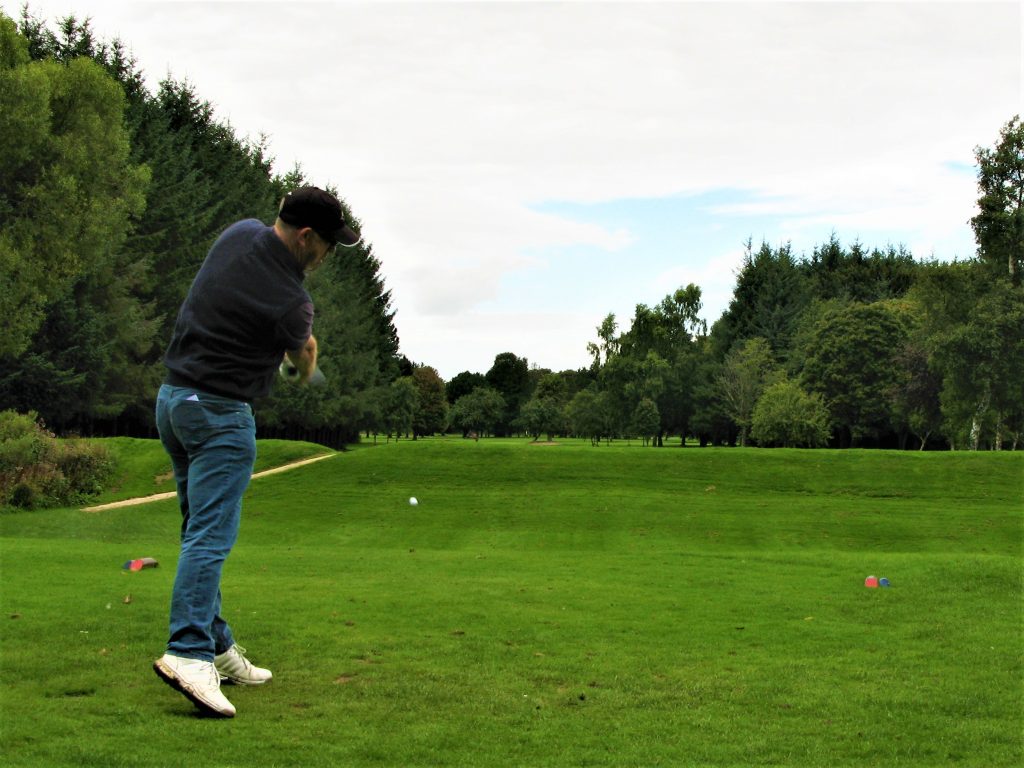
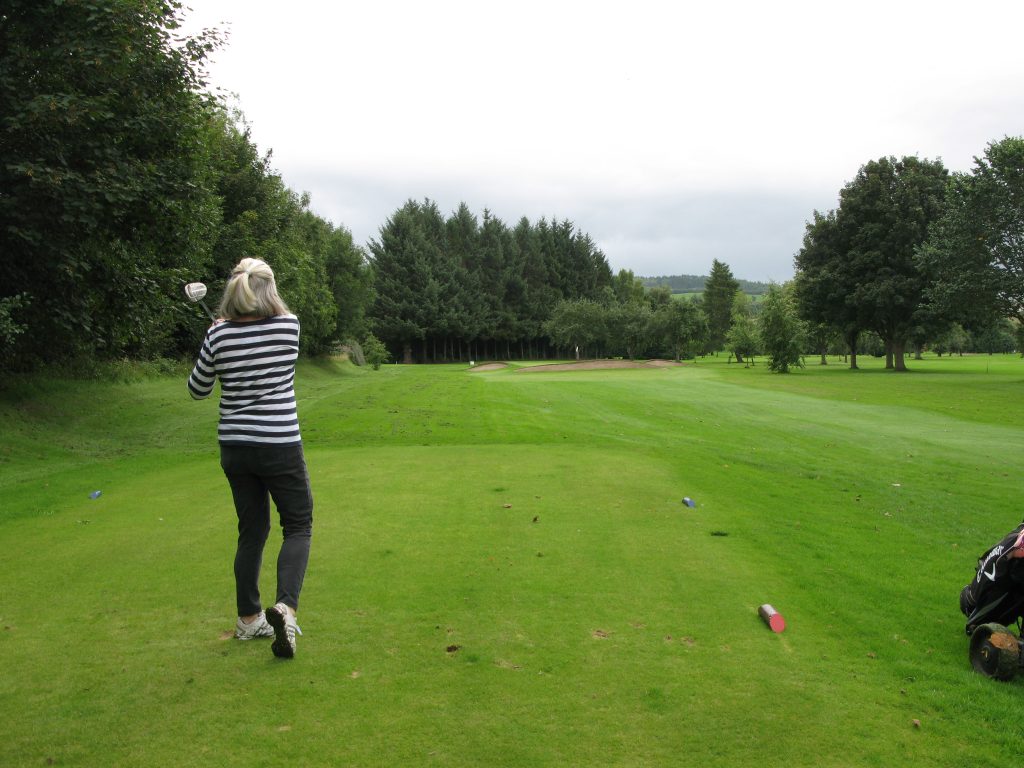
Moly driving at the tree lined short par 4 12th hole

The very lush grass also meant that balls were easily lost in the short semi rough, in fact I found 3 balls sitting in the open;  make sure you get a good line on the ball after each shot.

The greens were the best feature of the course, closely followed by the lush fairways. The tees would benefit from some work. The main hazards are the course boundaries and some majestic tree lines. 

The 8th green, typical of the scenery at King James VI in Perth

The most memorable holes were those played over a grassy dyke built into the 11th and 13th holes, where it’s important to know your yardages.  The dyke is almost 50 yards in front of the 11th green, so make sure you take enough club.

Fran, my playing partner, at the par 3 5th hole.

I played with Fran and we both had good and bad patches in our round.  My highlight was reaching the 423 yard par 4 18th green in 2 blows.  Pity about much of the rest.

If you do plan to play here, I strongly recommend using a half set carry bag and hiring a trolley from the club.

Key Facts

Course Type: Links

Par 68 (1 par 5s, 12 par 4s, 5 par 3s)

Distance (yellow): 5684

Moly’s Gross score95.

Moly’s King James VI scorecard – 95 for 27 points (off 17 hcp)

« Older posts Newer posts »

© 2025 Scotland Golf Bible

Theme by Anders NorenUp ↑