A guide to green fee value for money

Category: 3 star (Page 3 of 15)

147. Edzell West Water. 4 Jul 22.

Good nine hole course to sit alongside its wonderful big brother

Round £15. Par 32. Course Rating / Slope Rating (yellow) 60.8/99. Value (out of 5) – 3

The main course at Edzell is a well established heathland course and my blog from 2016 is here. This nine hole course, called “Edzell West Water”, was designed by the prolific Scottish golf course architect, Graeme J Webster, of Team Niblick of Inverurie, Aberdeenshire. The course has excellent views of nearby Fettercairn and was opened in 2001, following the period of buoyant economic activity in the 1990s.
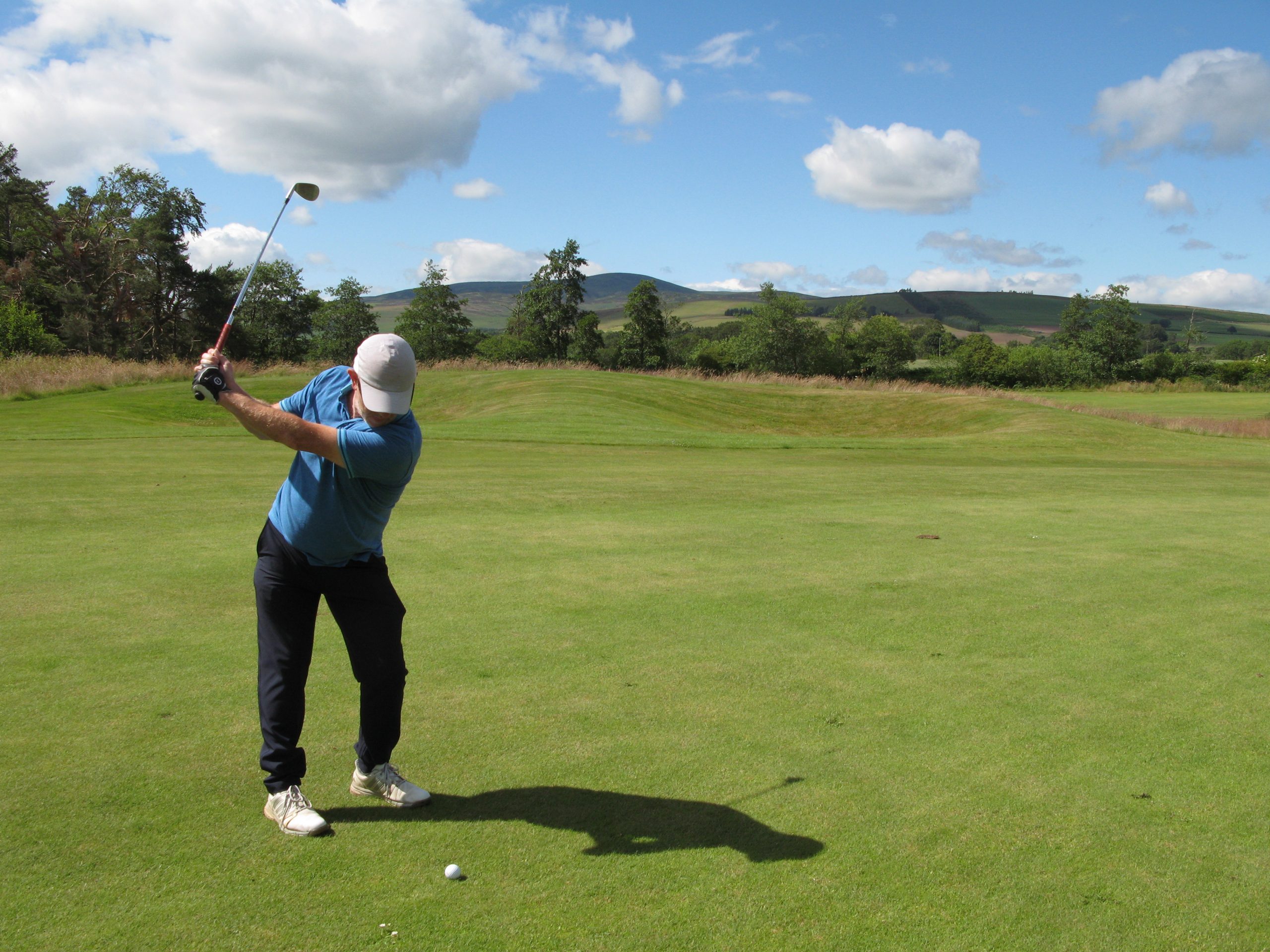
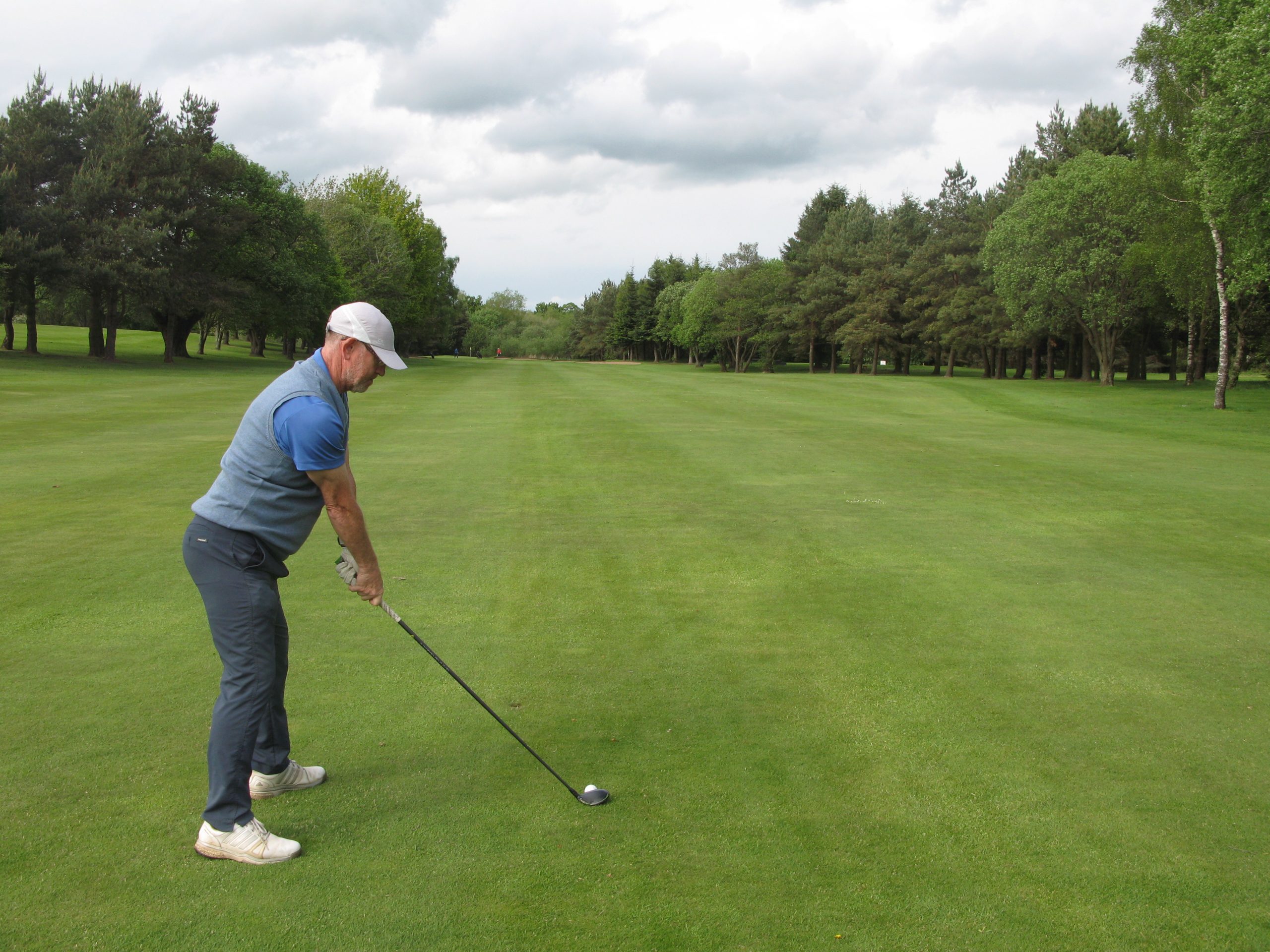
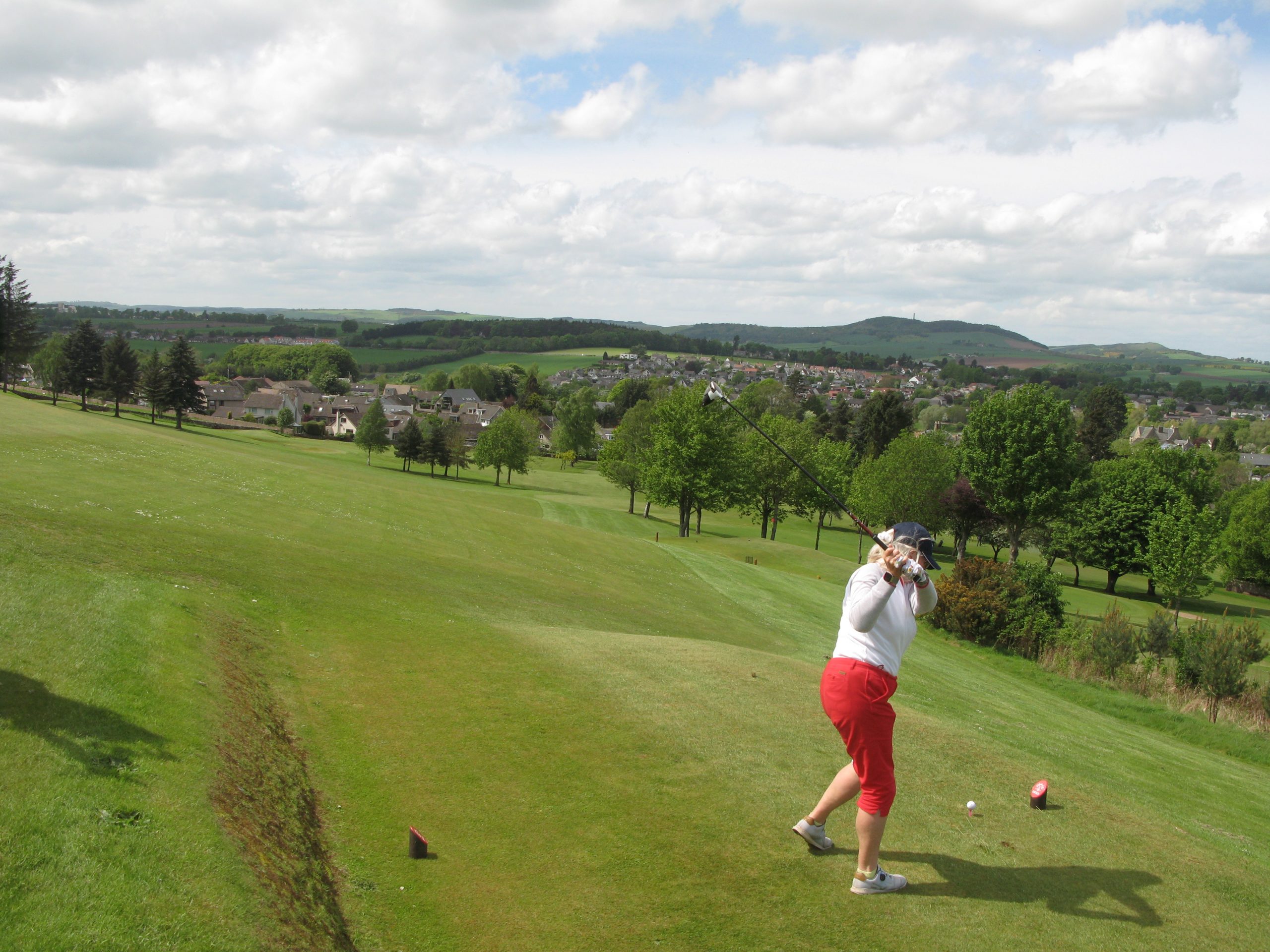
Moly on the 9th fairway at the picturesque Edzell West Water

The course is an ideal adjunct to its big brother, albeit it is accessed via a separate road to the main club, and like many people, I suspect, we were directed to the course from the main clubhouse. We got the impression, the staff were fed up re-directing people!

Nonetheless, the welcome from the starter at the small hut serving the West Water course could not have been friendlier.
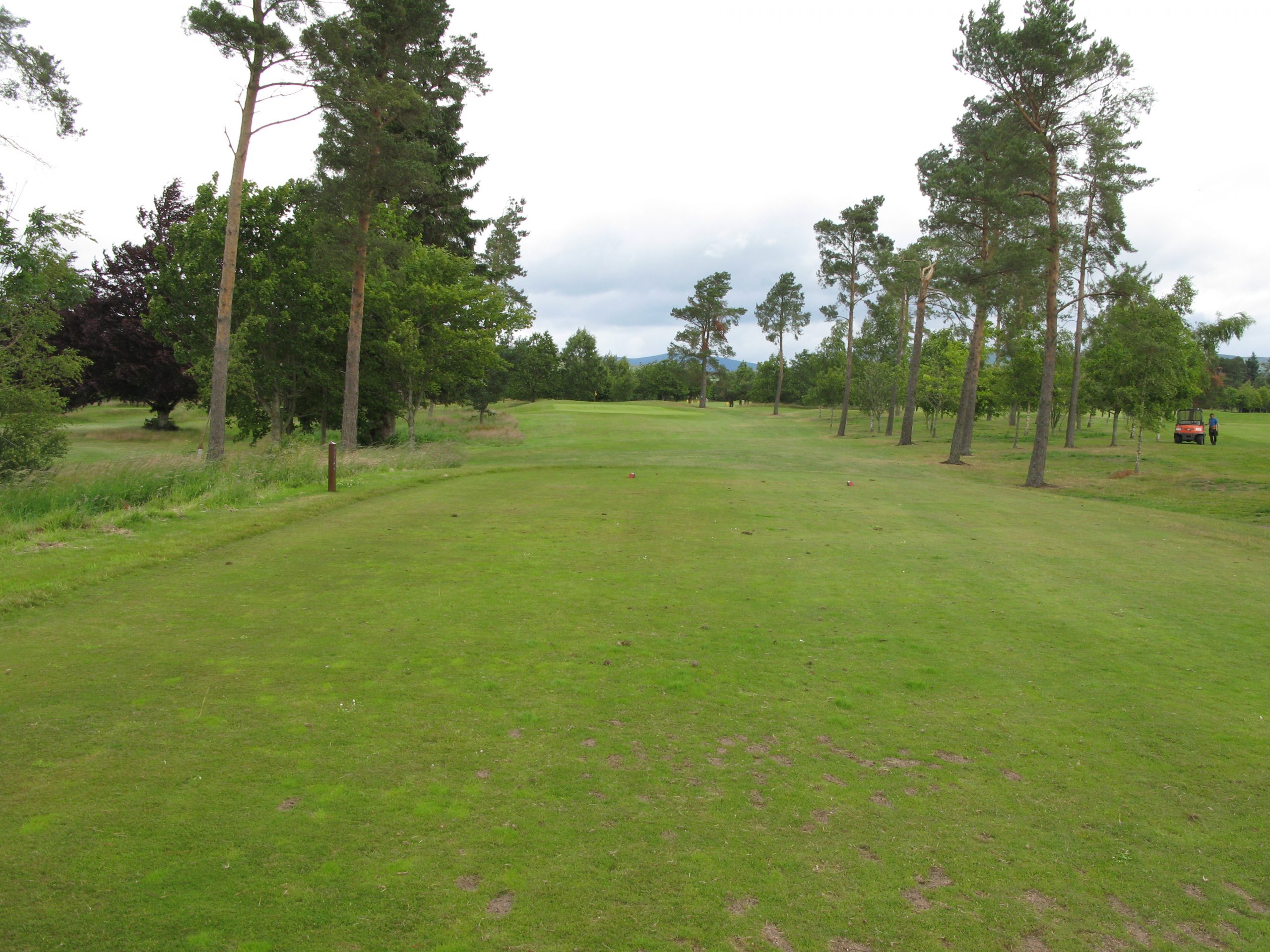
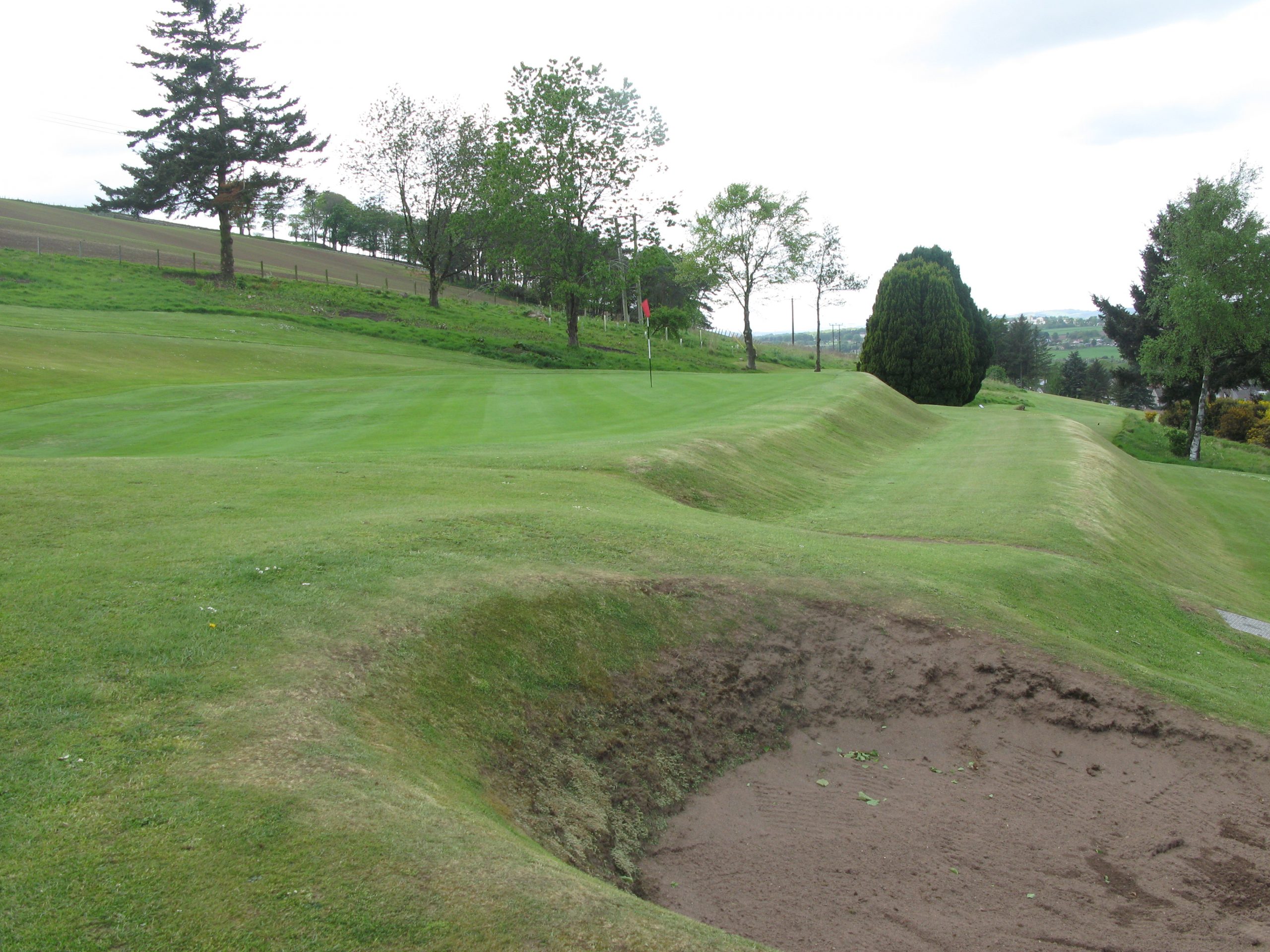
The tough 3rd hole at “West Water”, a par 3 of 157 yards.

The course is short, but certainly not easy, with several challenging holes. The first has a two tier green that will likely need 3 putts if you don’t reach the right level. Having secured a decent par, I then had a disaster at the par 5 second, including two air shots, trying a miracle shot from the heather to the left of the fairway!

Comprising five par threes, this is a course where good iron or hybrid play is needed to score well. The par four 5th hole, SI 1, is also an excellent hole.
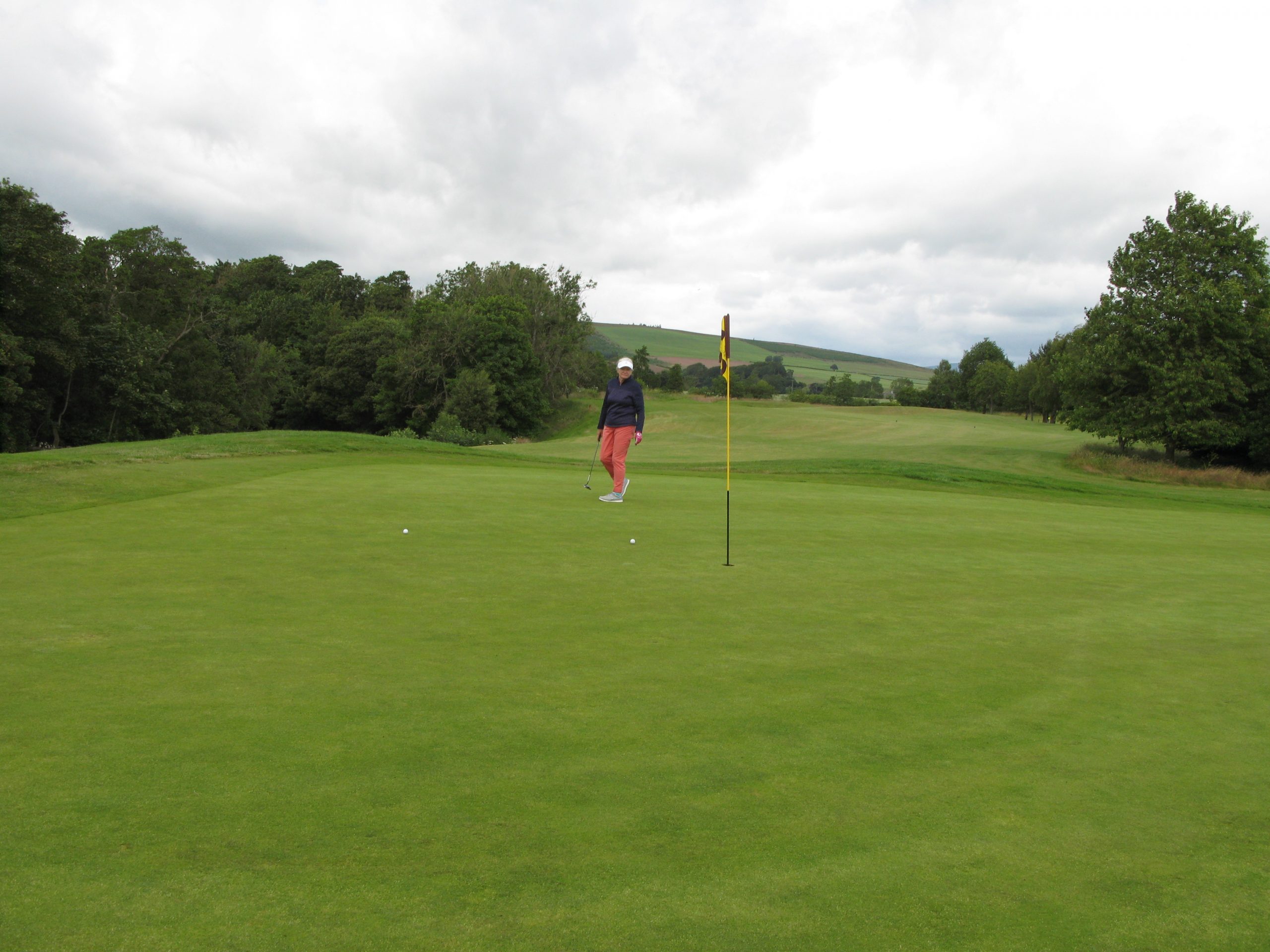
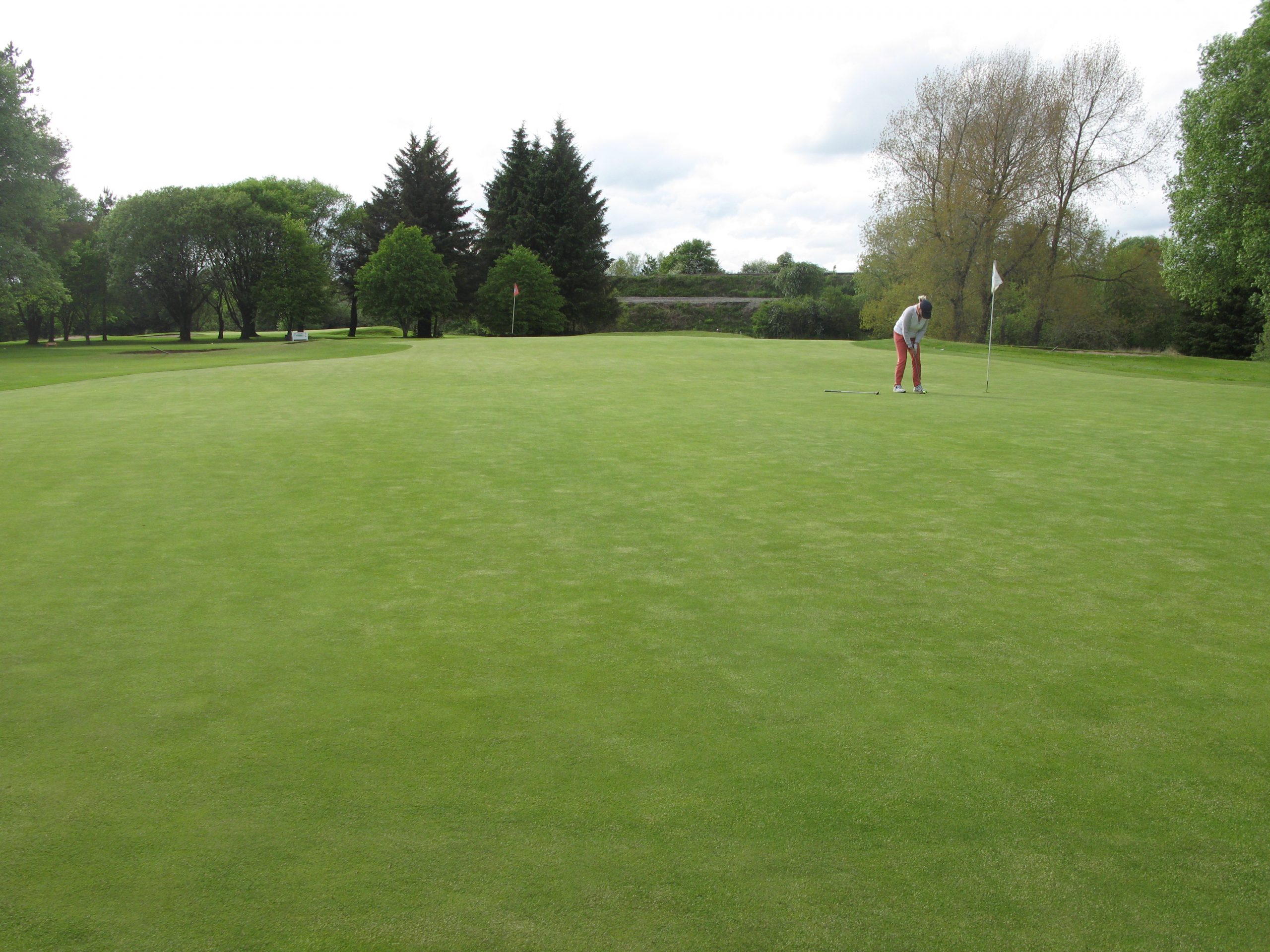
Fran ponders the line on the 6th green, one of the shorter par 3s at Edzell West Water.

The course, which has great ‘heathland’ turf, was in good condition, with green complexes worthy of ‘bigger’ courses, albeit the greens were a little mossy in places, giving some variability in pace. The greenside bunkering is very good.
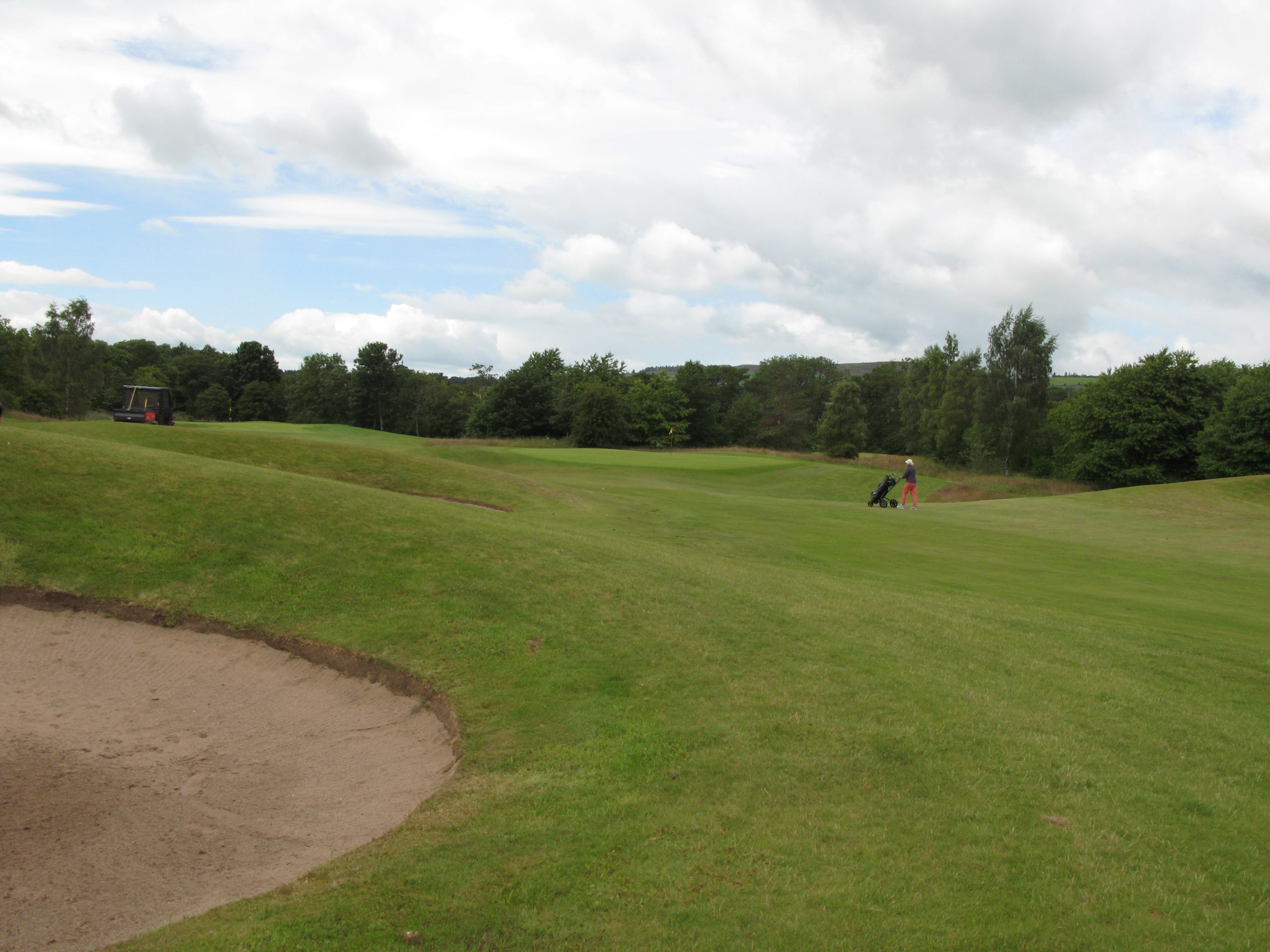
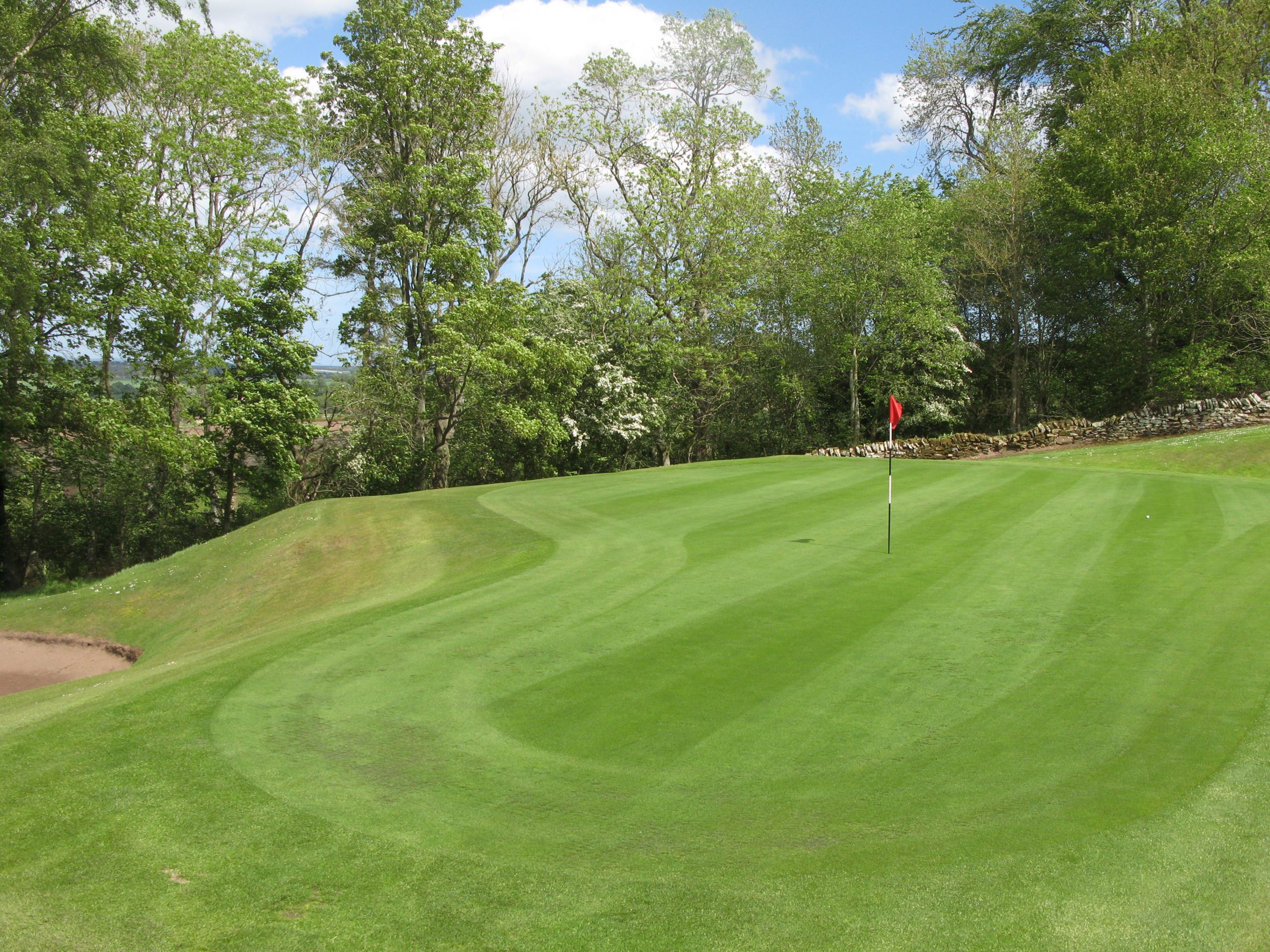
The entrance to the par four 5th green, the worthy SI 1 hole.

The green fee of £15 was actually for the whole day, which is a real pity if you want to only play 9 holes. That deflates the ’round’ value a lot. There is a good offer of a return fee of only £10, which I think they would do well to charge it someone only wanted to play 9 holes.
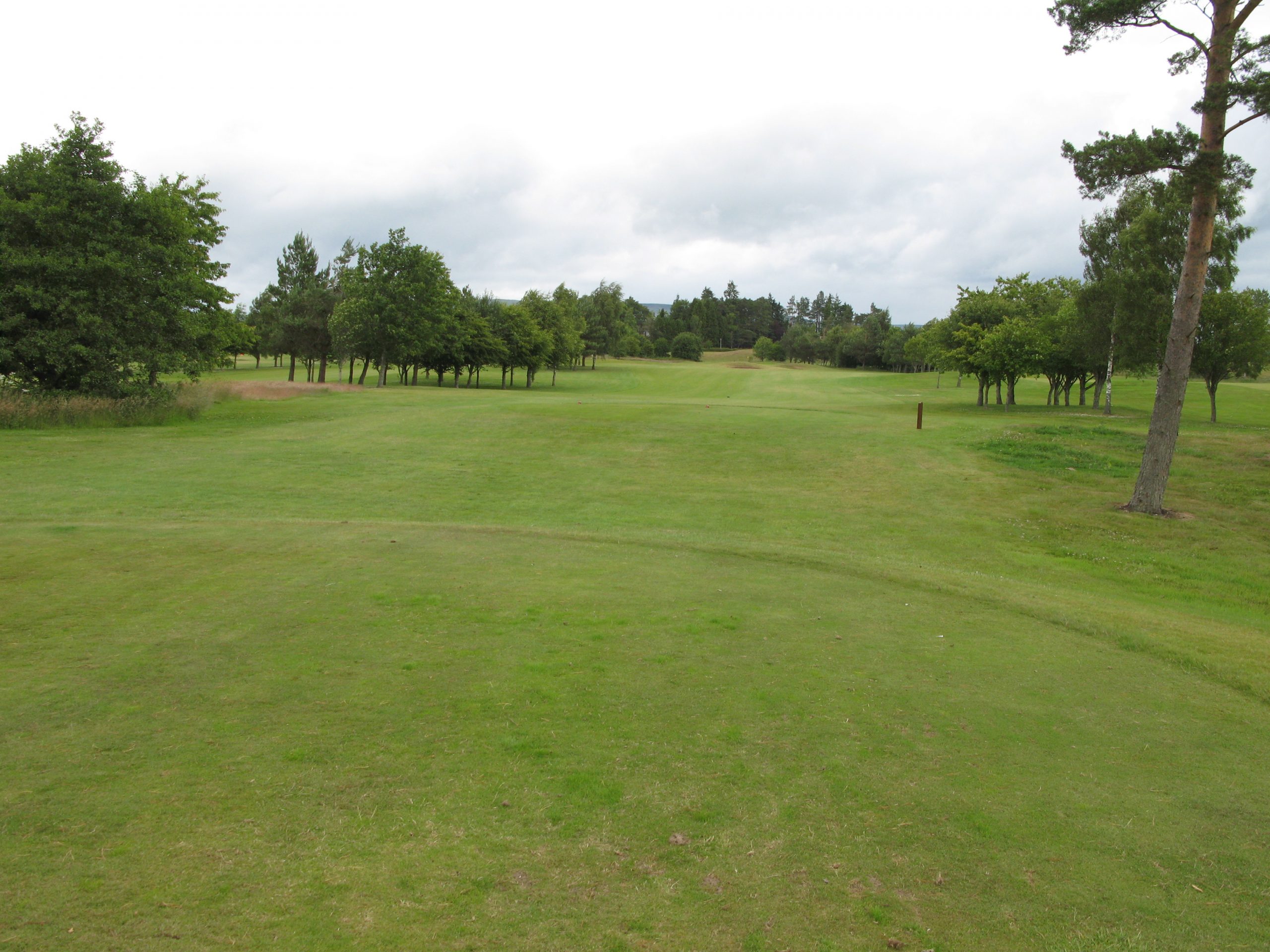
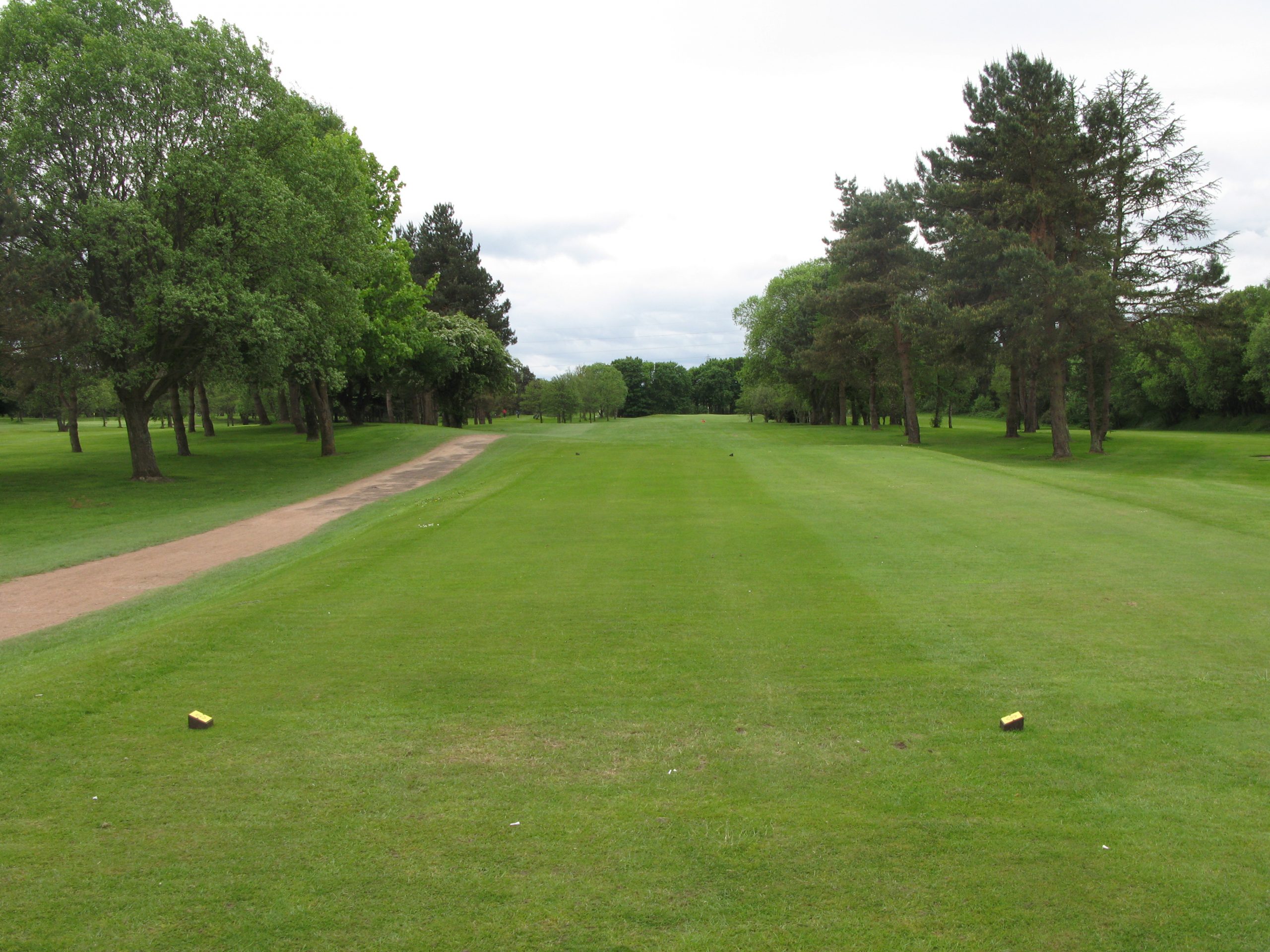
The 4th at Edzell West Water, one of only three par 4s.

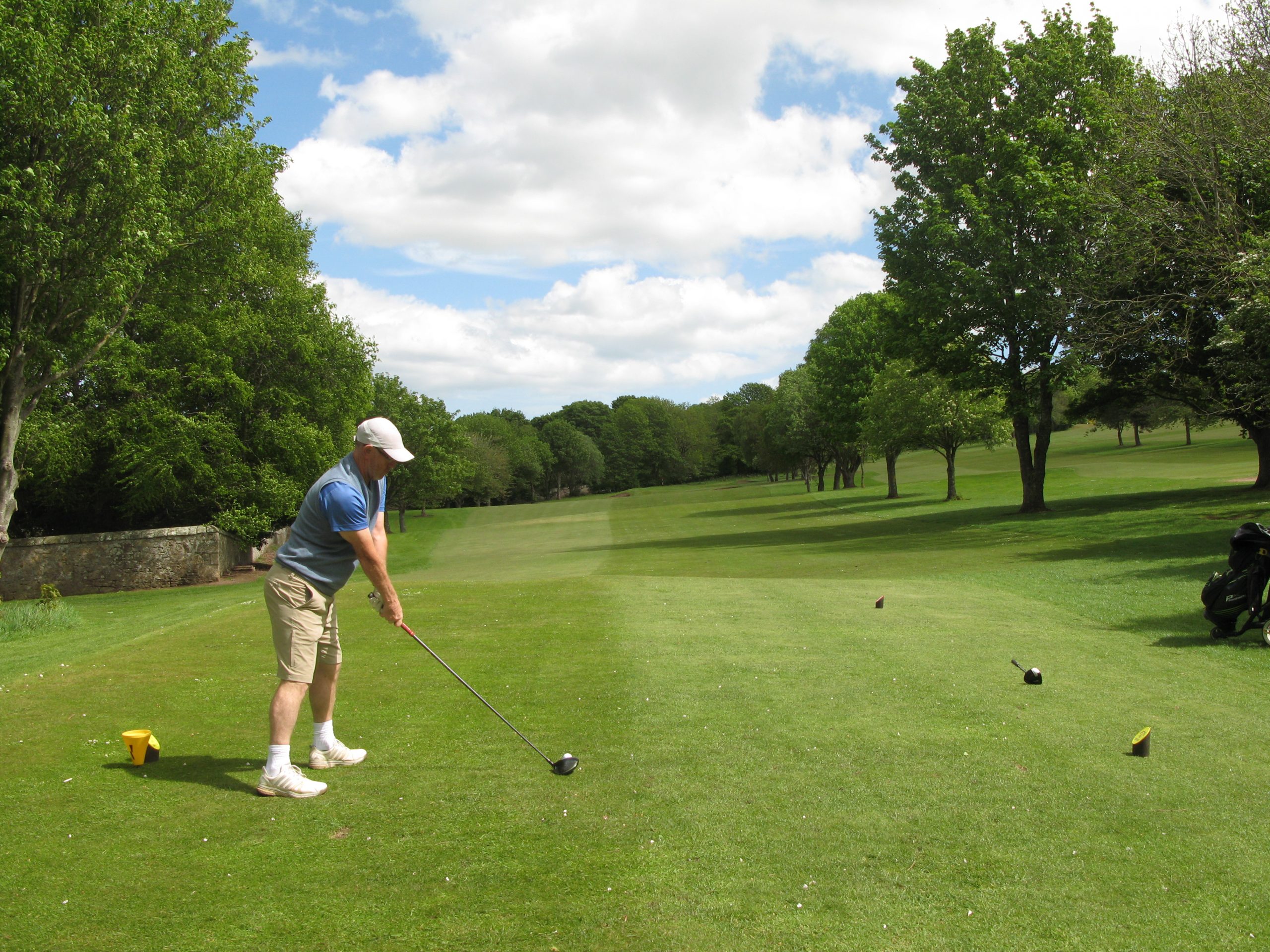
There is also collocated driving range, which does present an OOB hazard, especially at the par for 7th hole, ‘Wirren’, where you need to keep your tee shot well left off the tee. I didn’t!

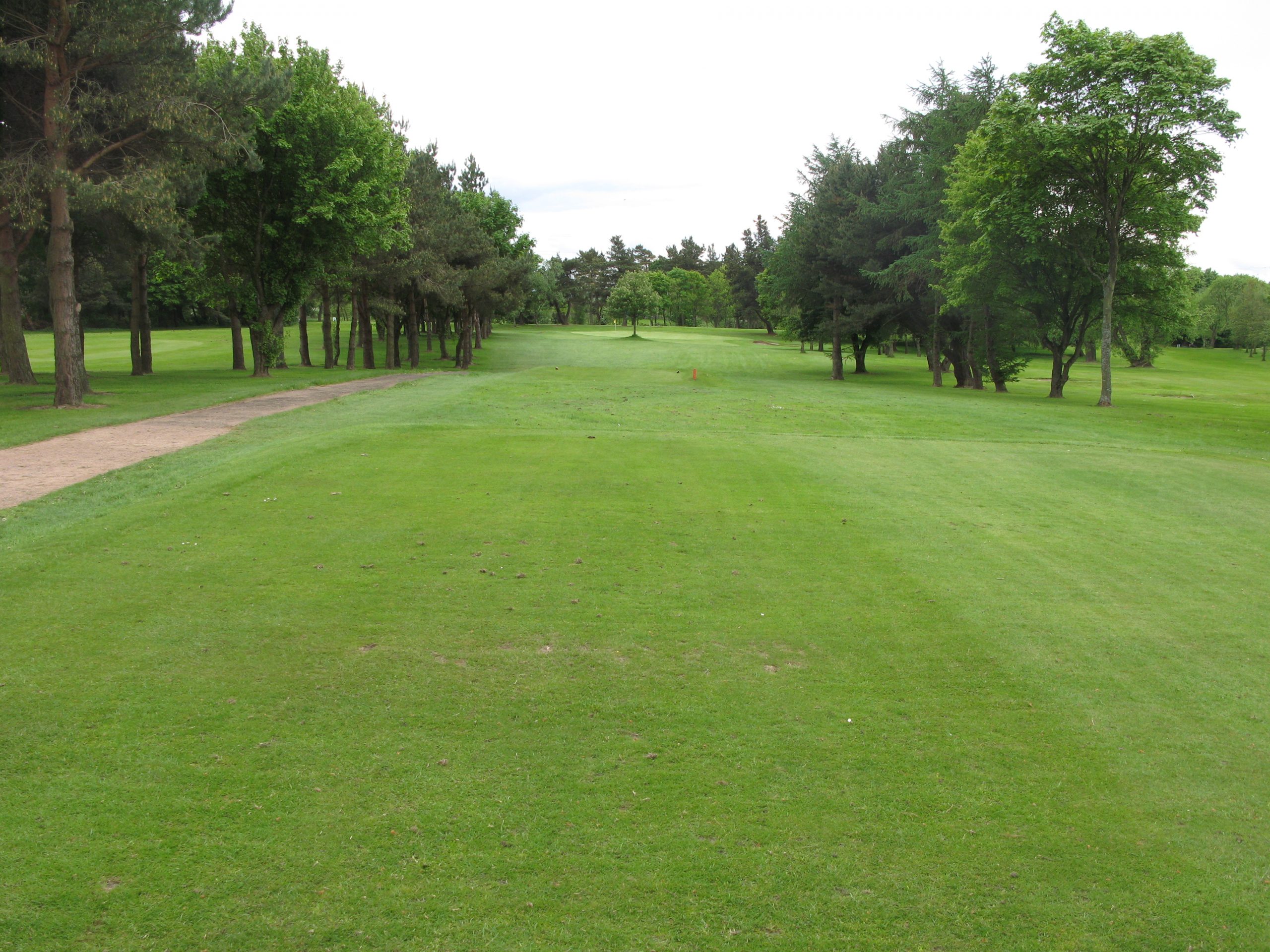
The 7th and 8th run alongside the “west water”, hence the name of this course, which is worth playing, but only if you want to play more than 9 holes in my opinion or perhaps combine with the main track.

Facts:

Course Type: Heathland

Par 32 (1 par 5s, 3 par 4s, 5 par 3s)

Distance (white): 2057 yards

Moly’s Gross score: 46
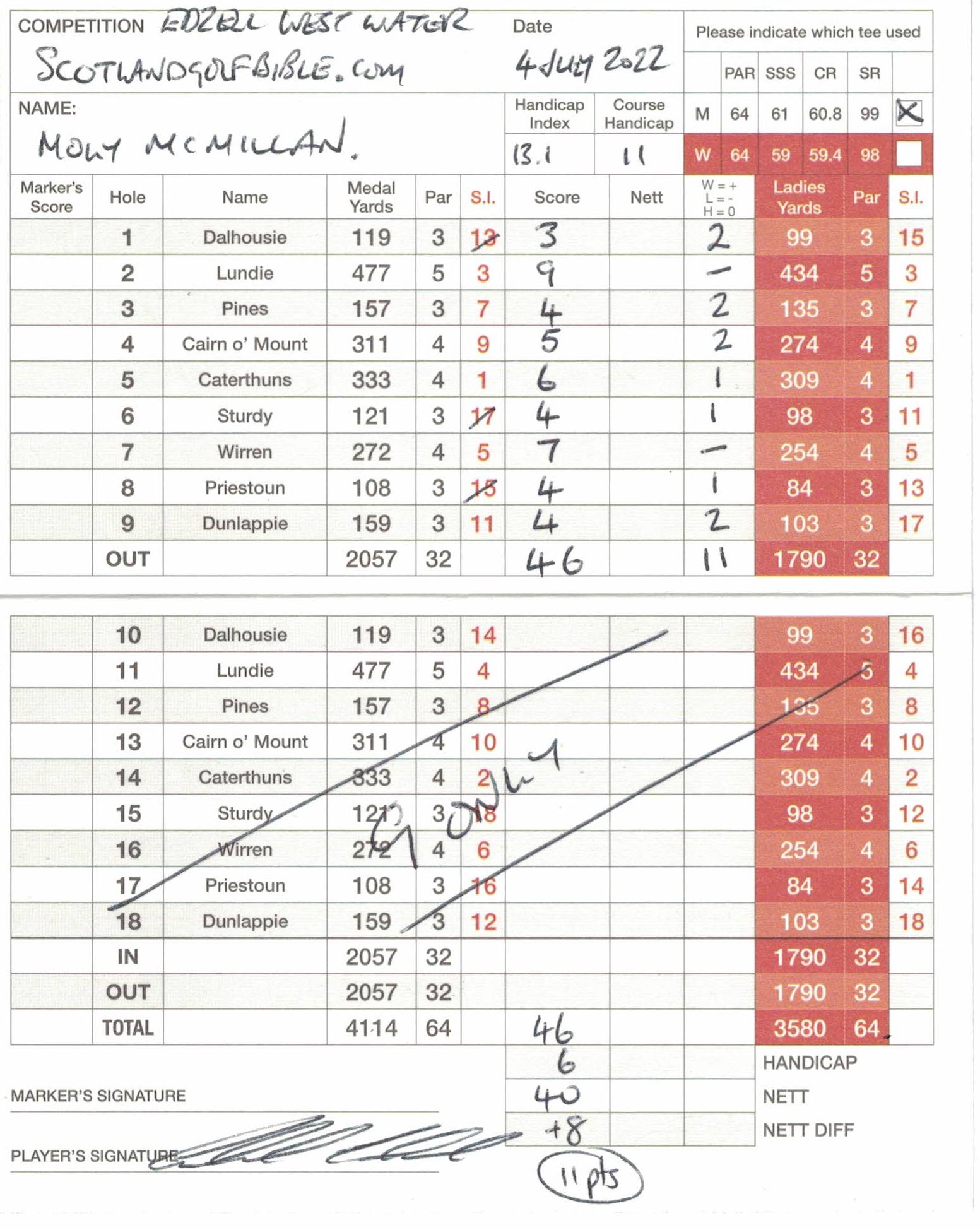
Moly’s Edzell West Water card – high winds didn’t really explain this poor round of 8 over net

144. Lochend Craigentinny. 25 May 22.

Municipal courses like ‘The Tinny’ are at risk from green fee apps

Round £27.50. Par 67. Course Rating / Slope Rating (yellow) 64/108. Value (out of 5) – 3.5

Edinburgh Leisure, runs 6 municipal golf courses across Edinburgh on behalf of the council, including Craigentinny, an 18 hole course on the east of the city between Leith and Portobello, just off the A199.

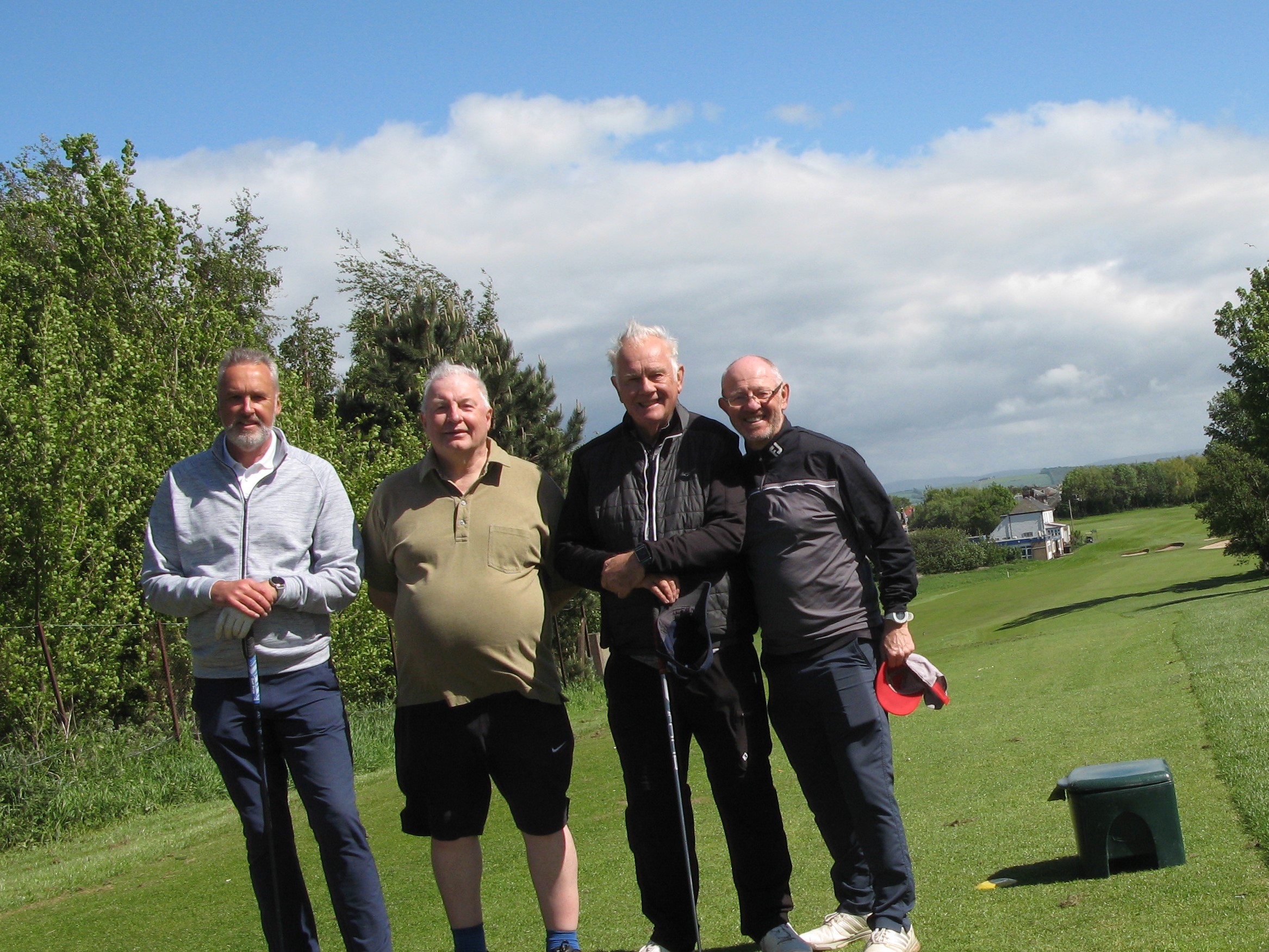
From left, Gordon, Frank, Brian and Moly at the 18th, with 40 mph winds to help put 3 OOB.

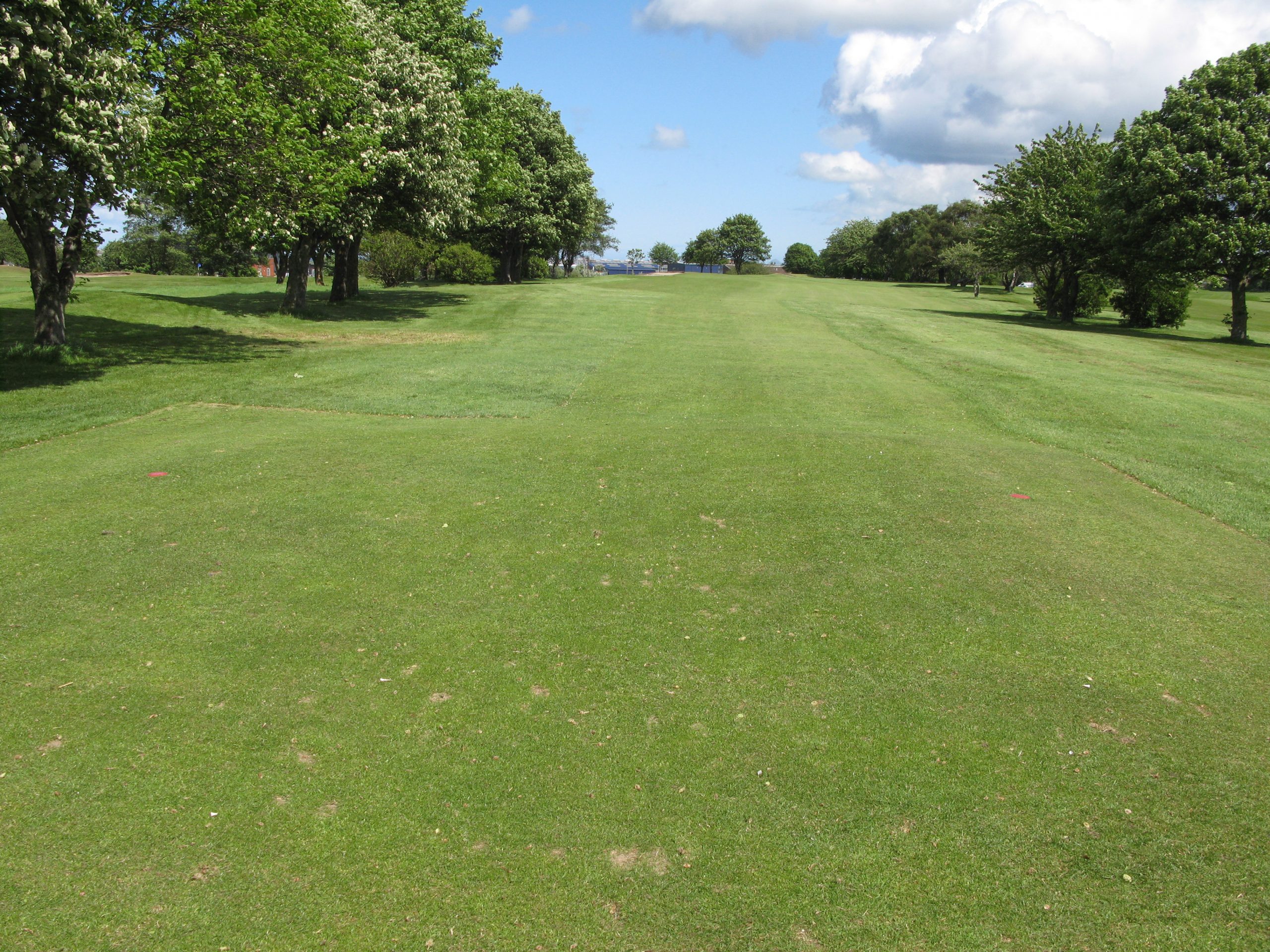
“The Tinny”, as it is known, is a decent little course at just over 5000 yards (yellow). It has no par 5s, and only one of the par 4s, the 10th, is over 400 yards. With wide open parkland, light rough and only a handful of fairway bunkers to speak of – there were signs of some bunkers having been filled in – the Slope Rating of 108 (yellow) lets you know this is ‘friendlyish’ golf.

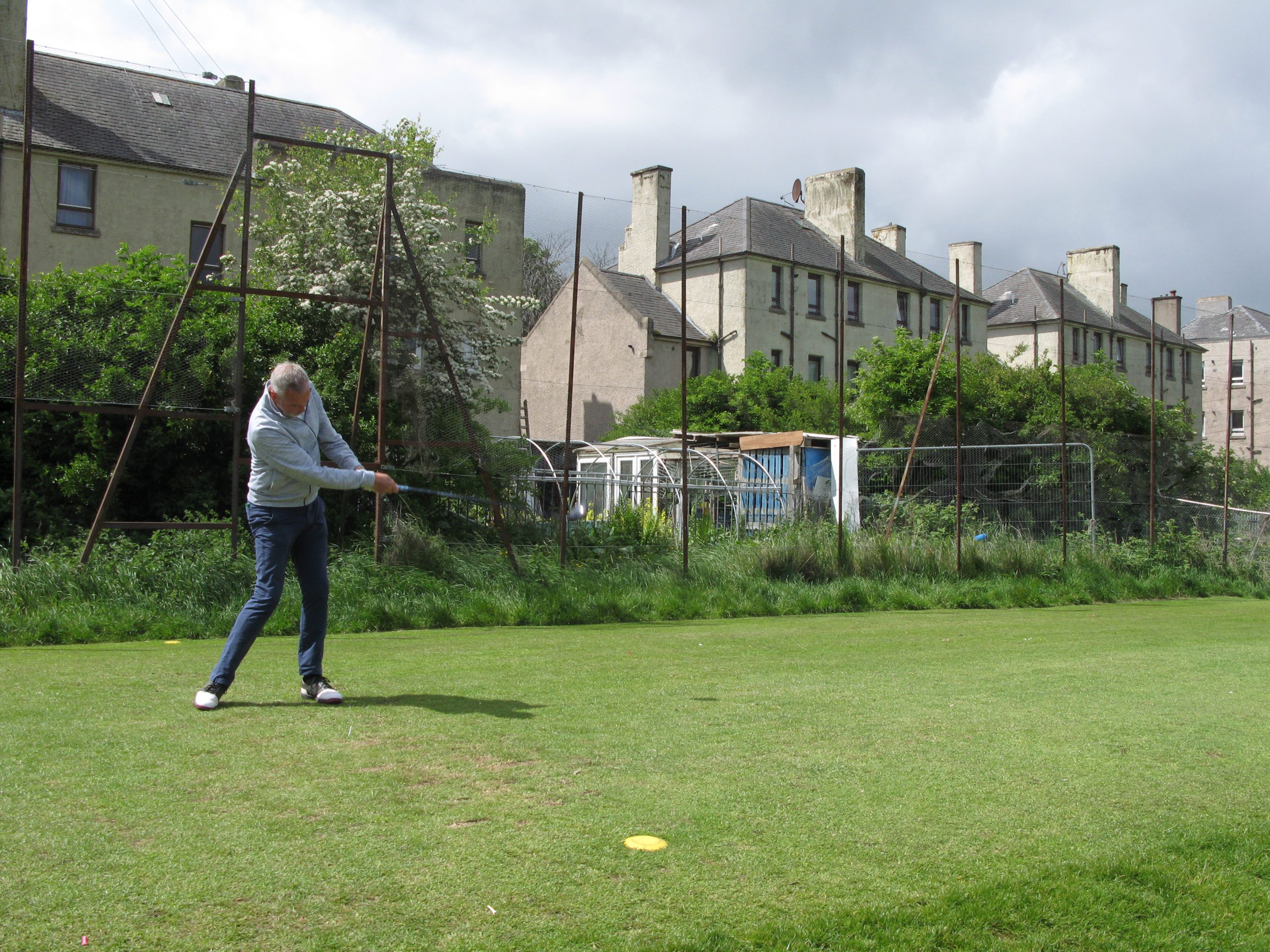
Gordon driving at the 7th, a par 4 of 274 yards, with the social housing that surrounds “The Tinny”

Perhaps uniquely, the most difficult two holes are par 3s; the long 13th (234 yards) and 4th (216 yards), being stroke index 1 and 2 respectively. I have never come across this situation with a golf course before. The five par 3s are the best of this course.

Moly at the well bunkered 6th, supposedly the easiest hole.

The course was in good condition, with the small greens being the highlight. There was potential to move on to the wrong holes, with a few long walks between green to tee and no tee box marking. Referral to the scorecard map is essential, as its easy to get waylaid looking at the fine views of Arthur’s Seat from many of the holes.

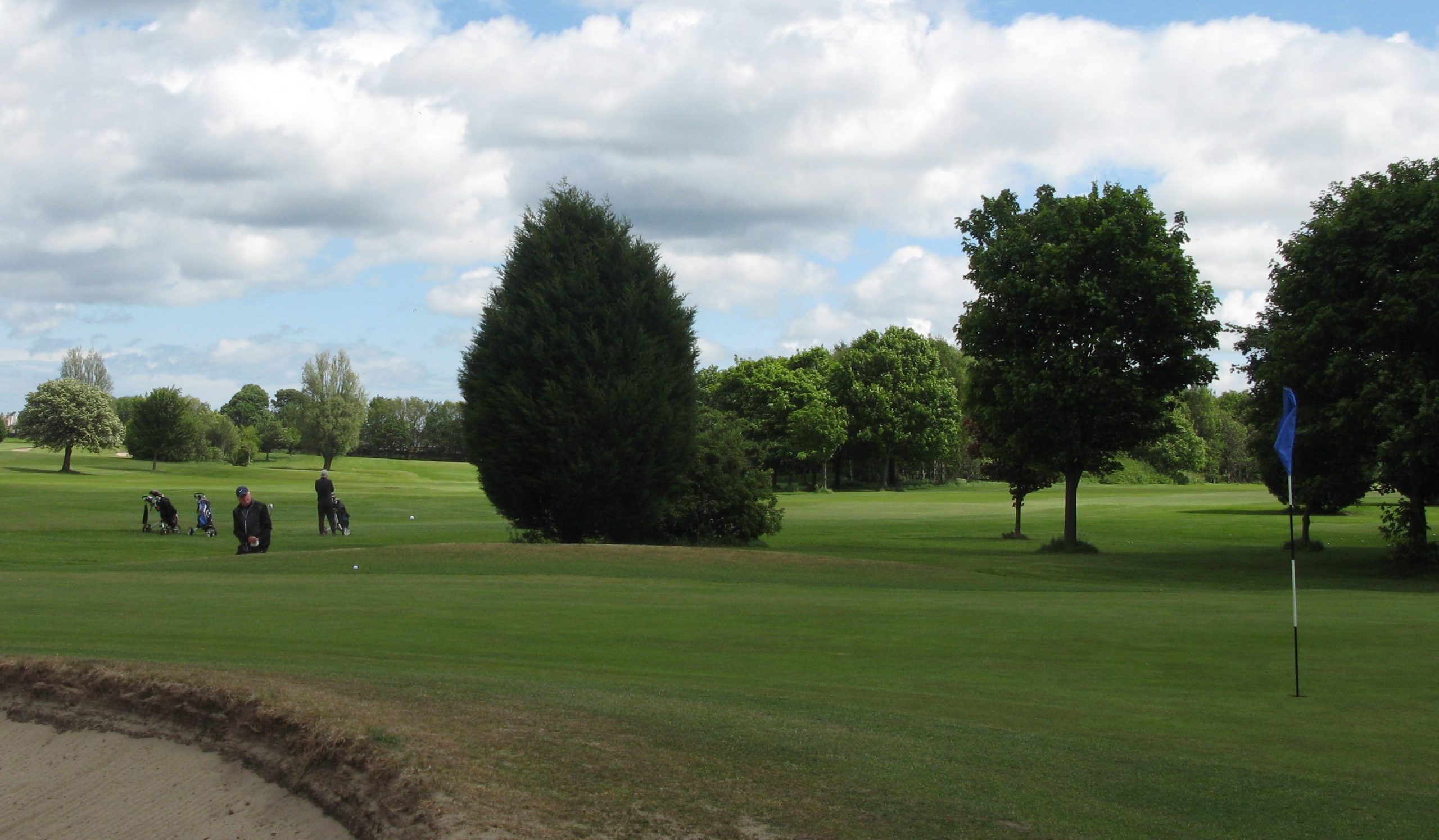
Brian played a good bunker shot at the 6th green.

I played alongside my former Apex Scotland board members. The charity continues to do sterling work supporting people with convictions back into the workplace and society.

We had a competitive game, albeit we all (bar Brian who scored a fine 32 points) suffered from the very high winds that got up to about 40 mph, especially on the back 9. No matter how easy the course is, 40 mph is going to be penal!

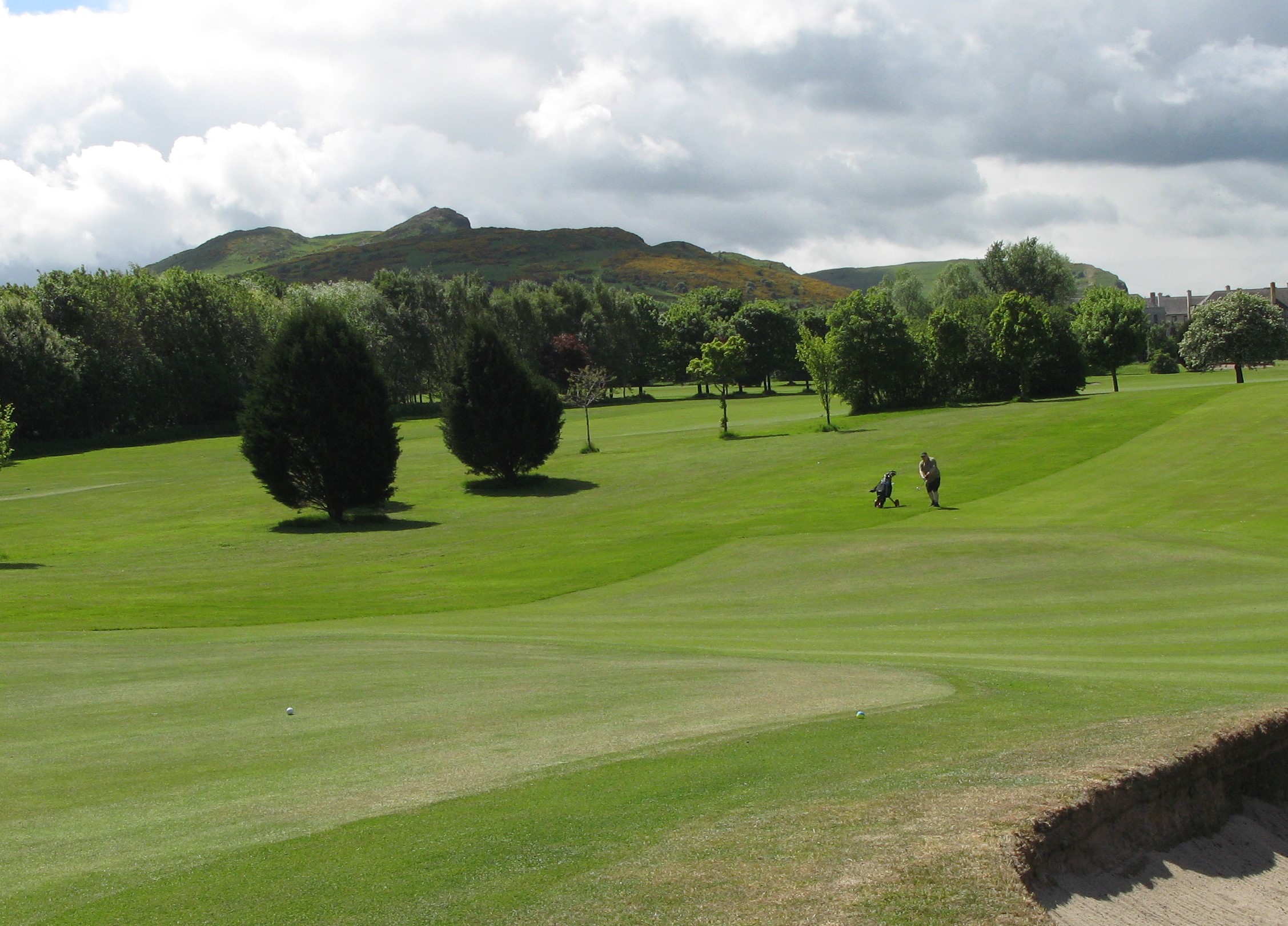
Frank playing one of his “Links” shots into the 9th, with Arthur’s Seat in the background.

There are no specific council facilities at the course, other than a kiosk, toilet and a basic vending machine in the “pavilion” style ‘clubhouse’. There is however, a co-located clubhouse for the Lochend Golf Club, named after the nearby Lochend Loch, which play at “The Tinny”, hence the blog and course is called “Lochend Craigentinny”.

Lochend Golf Club does have a lengthy history, dating back to the 1700s, albeit they didn’t play at “The Tinny” till it opened in 1908, a few years after the Council banned golf at the then open Leith Links. The club costs an additional £177 for its annual fee, to get access to to the usual club benefits. The clubhouse was closed when we played, hence why the lack of Council provided facilities were brought into focus. Thankfully, nearby Newhaven, where we retired to afterwards, has arguably the best fish restaurant in Scotland!

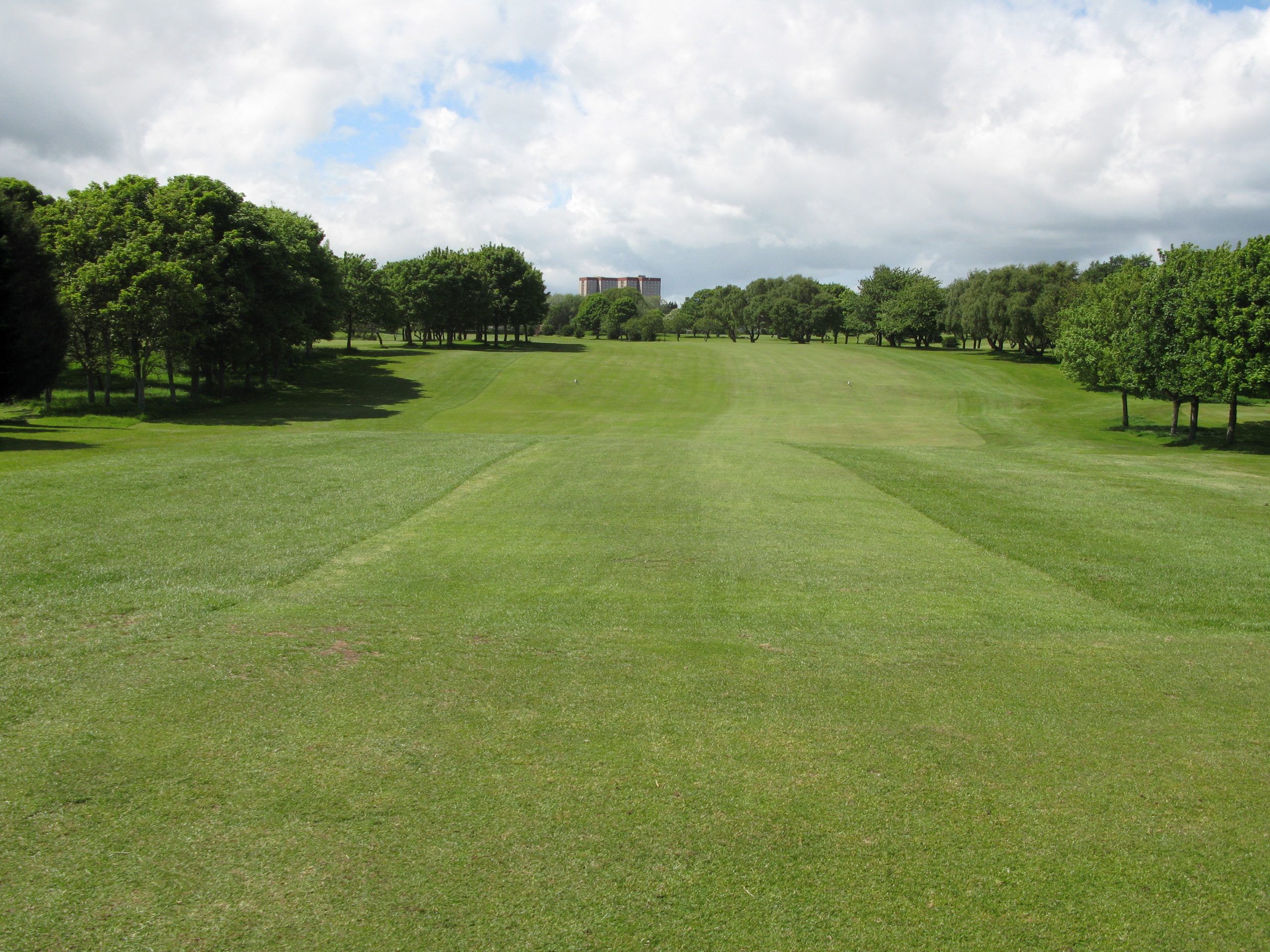
The par four 10th, over 400 yards, is the longest hole and typical of “The Tinny”

An annual 7 day ticket for the 6 municipal courses costs £500, incredible value. An individual visitor green fee on any of the 18 hole courses is £27.50, again decent value, but this pricing is starting to look relatively expensive when set alongside the offers available through golf fee apps, led by Golfnow. On any given weekday, you can play much better nearby courses than Craigentinny, at significantly lower than £27.50; including Newbattle, Baberton, Turnhouse and Royal Mussleburgh. Some Scottish Councils (such as South Ayrshire and Aberdeen) are offering discount pricing through Golfnow, and I think Edinburgh Leisure would do well to consider that.

The Stroke Index 1 hole – the long par three 13th hole, at 234 yards.

Overall, I would say this is “an average Municipal course”, and will need to keep a keen eye on visitor income, which will be an increasing challenge from apps such as Golfnow.

Facts:

Course Type: Parkland

Par 67 (0 par 5s, 13 par 4s,  5 par 3s)

Distance (yellow): 5141 yards

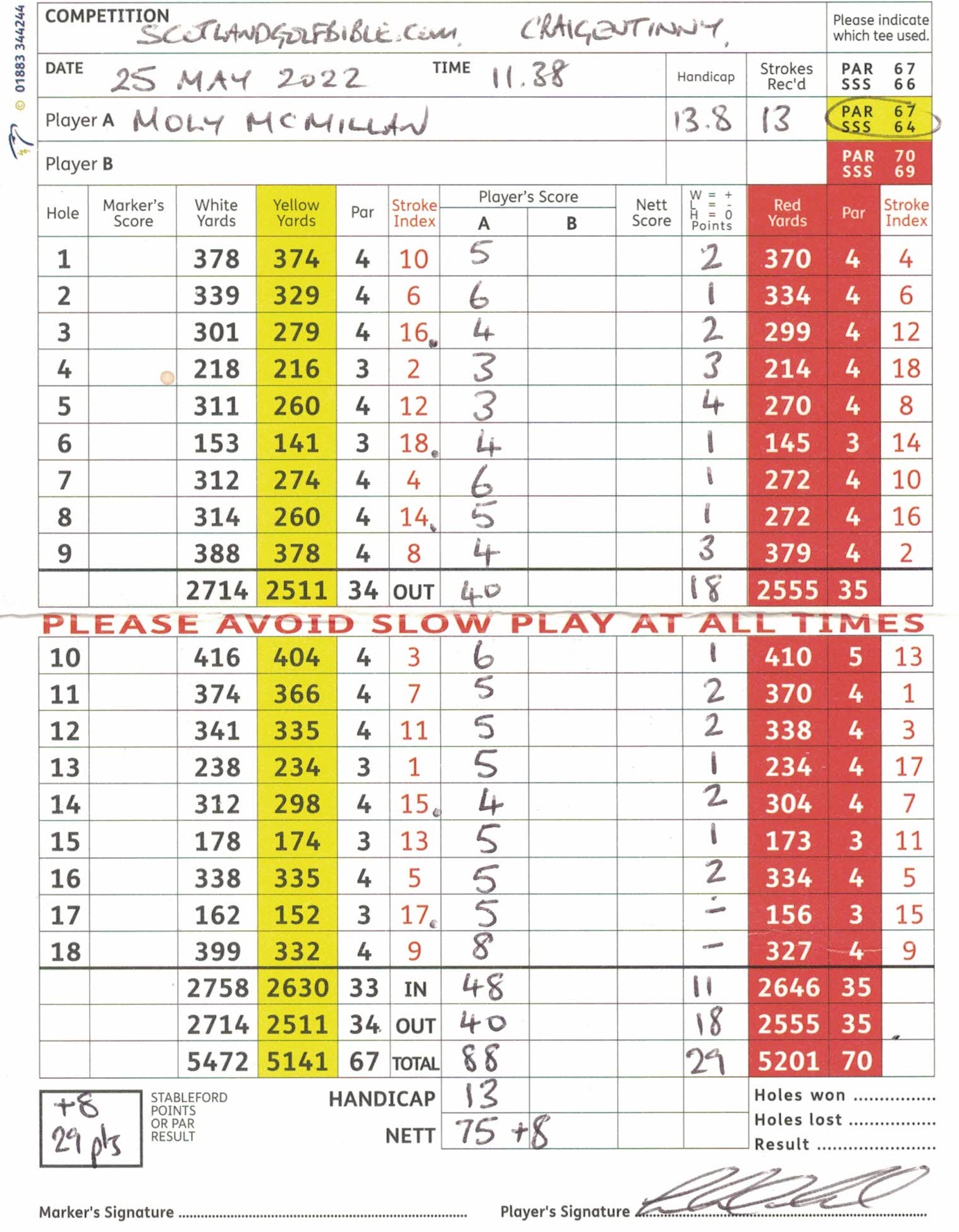
Moly’s Gross score: 88

Moly’s 88 at “The Tinny”, with the back 9 explained by 40 mph wind.

141. Thornton. 21 May 22.

Well presented course proves greenkeeping importance in competitive market

Round £30. Par 70. Course Rating / Slope Rating (yellow) 68.4/119. Value (out of 5) – 4.0

Golf operates in an increasingly competitive market. When clubs come to trim budgets, the last to go should be good greenkeeping staff. Thornton has invested wisely.

The appealing opening tee shot at Thornton, typical of the first 6 holes.

Thornton is a fairly unmemorable village in Fife set between Glenrothes and Kirkcaldy. Nestled not far off the high street is a surprisingly well conditioned parkland course, well worth a visit.

Established in 1921, and seemingly ‘designed’ by the forming committee, this course of about 6000 yards presents a course of three distinct phases.

Holes 1 through 6, are of an “up and down’ nature and although fairly repeatable, and I could imagine some visitors bemoaning this part of the course, it had sufficient variations in length and subtlety to deserve your attention. Interestingly, a couple of members ‘jumped in’ in front of us at the seventh tee, which is close to the clubhouse.

The tough par three 3rd hole at about 200 yards, with a tree in the front of the green.

A number of more changes of direction ensue between 7 through 13. But the most interesting holes are from 14 through 17, dominated by the Lochty Burn.

Fran putts at the 10th, the only double green on the course. Great putting surface.

We played on a very nice May day and the course was in fabulous condition. In fact, it was the best condition of a course at its price point I had played in a while. You expect courses at £50+ to guarantee good playing conditions, but at £30 or under, you never quite know what to expect. Clearly you’re not going to get Open Qualifying conditions.

Moly sets up for his second at the par five 13th hole. The quality of the fairway in clear evidence.

The greenkeepers at Thornton had done a magnificent job. Tees, fairways, bunkers, greens – all were first class. Rough was very appropriately managed as well. Although we didn’t try the clubhouse (we played late on a Sunday, it was closed), it looked an impressive set up.

The 14th “Burn”, a hard par 3. SI 3 tells the story, especially with the hard right to left wind!

The club pro, Jamie McLearly, who was a former touring pro, was really friendly explaining the course before our round – this is also important as it’s not always usual to get such a warm and genuine welcome. Clubs are also a business and visitor income is a crucial part of the business model. You could do worse than copying Thornton’s all round professionalism,

As mentioned, the best part of the course starts from the 14th, a very difficult hole. However, I don’t really need to be too explanatory, as there is an excellent set of hole videos on the website here.

The lovely “risk reward” short par four 16th hole.

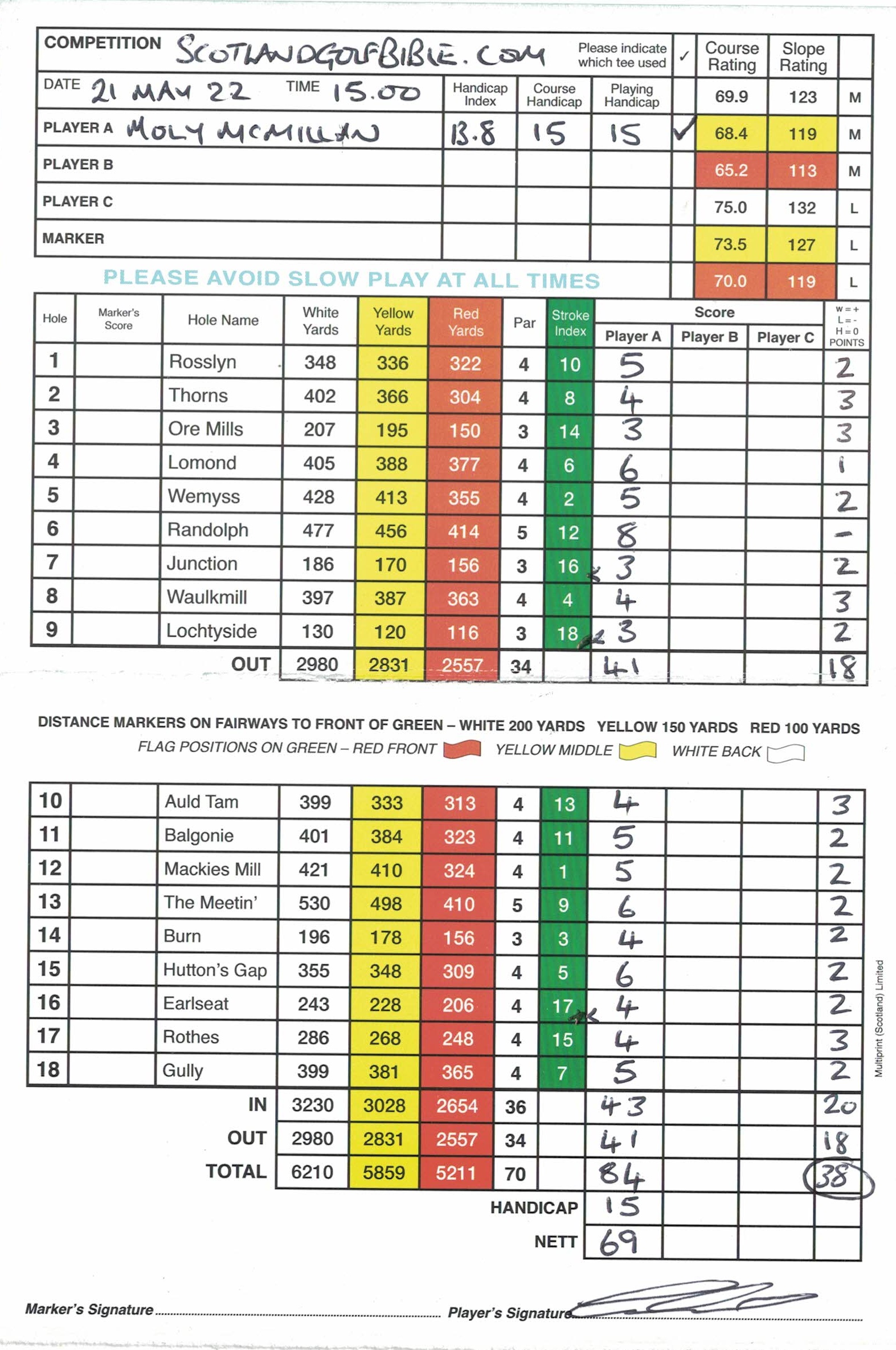
I played well, scoring 84, net 1 under par, despite taking an 8 on the par five 6th. My highlight was parring three of the four par 3s; of most note was my par on the long par three 3rd hole, with a tree in front of the green. However, I “couldn’t hole a putt for toffee”. Never mind.

I really enjoyed Thornton, not because I played well, but because it was in such great condition. In a competitive market, this is what will keep it in business.

Course Type: Parkland

Par 70 (2 par 5s, 12 par 4s, 4 par 3s)

Distance: 5859 (yellow)

Moly’s Gross score84

Moly’s Thornton scorecard – 84

138. Cupar. 18 May 22.

Don’t get confused by historic rhetoric – you play the course, not the ‘club’.

Round £16. Par 33. Course Rating / Slope Rating (yellow) 31.9/114. Value (out of 5) – 3.5

Cupar is a quaint 9 hole course in the town of the same name, only 10 miles to the west of St Andrews.

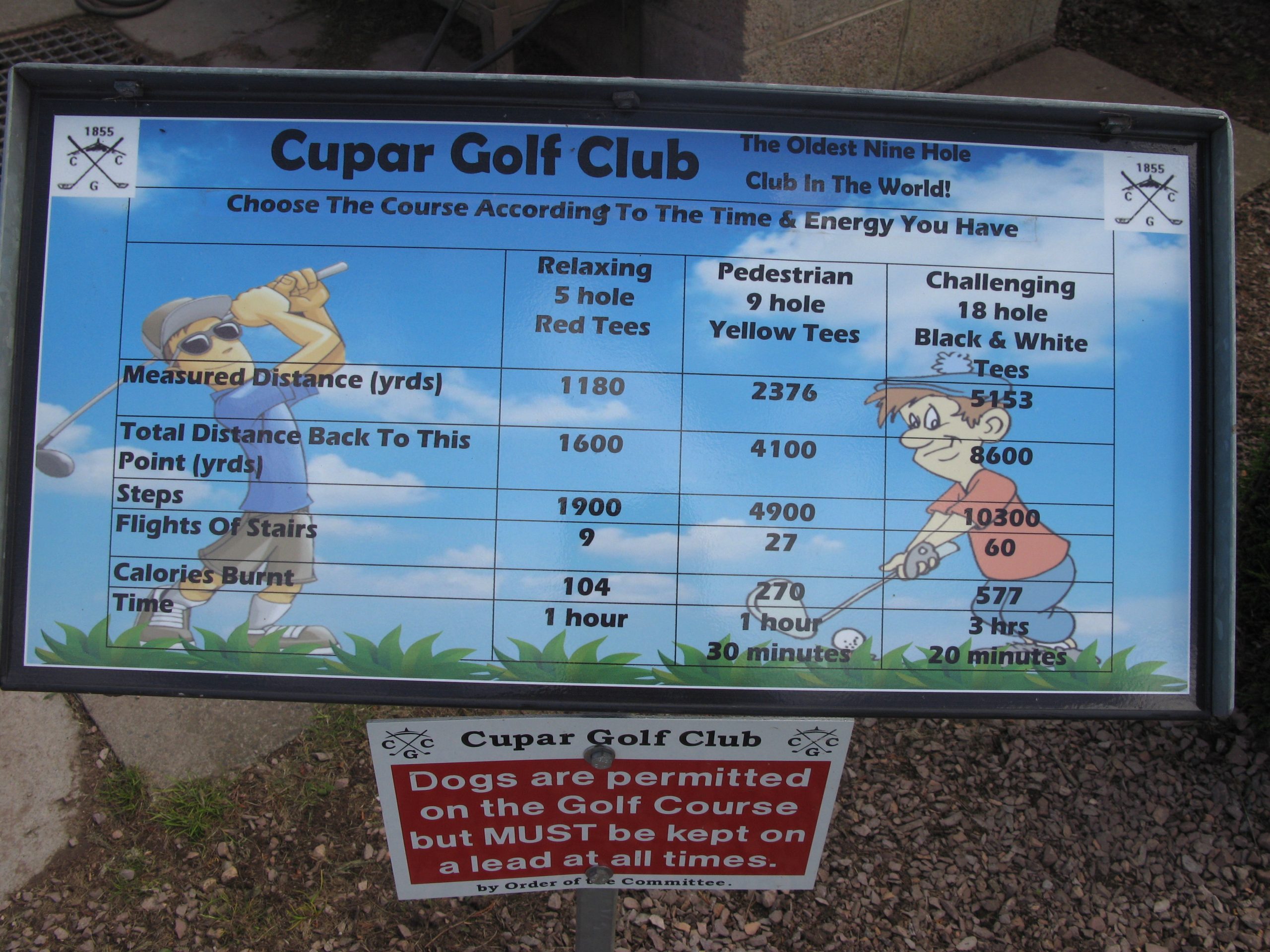
The web site and a sign at the first hole declare you’re playing at “the oldest 9 hole golf club in the world”. Dig just a little under the surface and you realise this is just a trifle disingenuous.

The delightful and fun sign on near the first at Cupar.

Firstly, you play on a golf course, not on a golf club. So whilst Cupar Golf Club was founded in 1855, it was at a 6 hole course (note not 9) some distance from the current location, which is in the Hilltarvit area of Cupar.

The green at the short 6th, which plays much longer that the yardage, perhaps 3 clubs longer. Try and look closely you’ll note the greens could have been better.

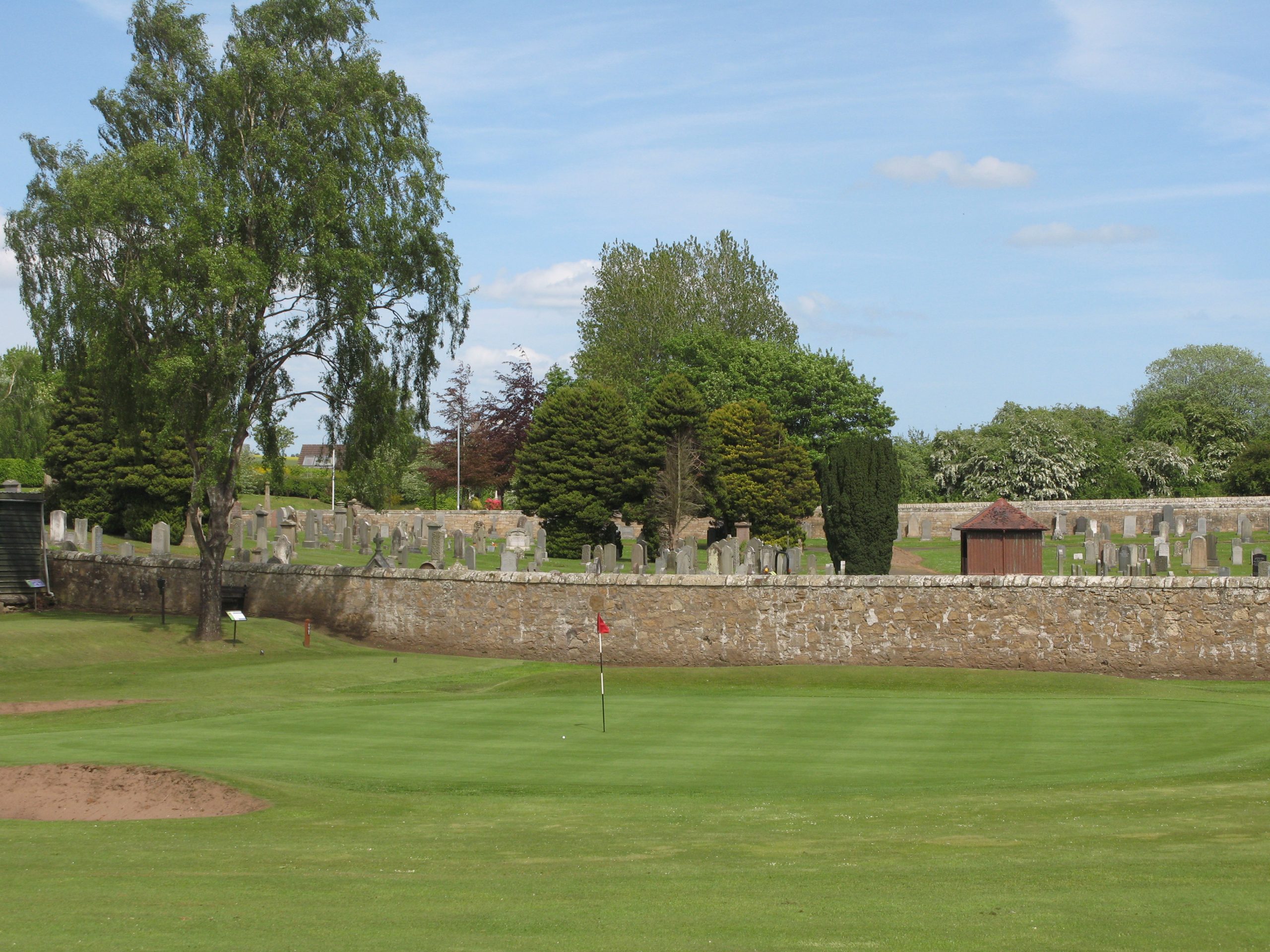
After an interesting first 40 years of existence, during which the Cupar Golf Club located and played at Ladybank golf course, this current 9 hole layout which plays across the slope of Tarvit Hill was laid out in 1896, after a few years of a more “up and down” layout.

Moly at the 255 yard par 4 third hole from the well prepared teeing ground

Do some research and you uncover there are a number of 9 hole courses still in play from the early 1890s, with nearby Anstruther (click for my blog), being a good example.

Set aside the longevity, and you do have a delightful little fun course to play, along with its nice wooden clubhouse.

The tricky surrounds of the green at the 7th, a par 4 of 344 yards.

The course was in pretty good condition, although the greens were soft in places and many pitch marks had not been repaired, which was a shame.

Fran at the 8th, with long reaching views and showing the sloping fairways that await you at Cupar.

Although set on a hill, with great views over the town and surrounding countryside, many of the holes played across the slopes so it was a much easier walk that we had envisioned.

The last hole!

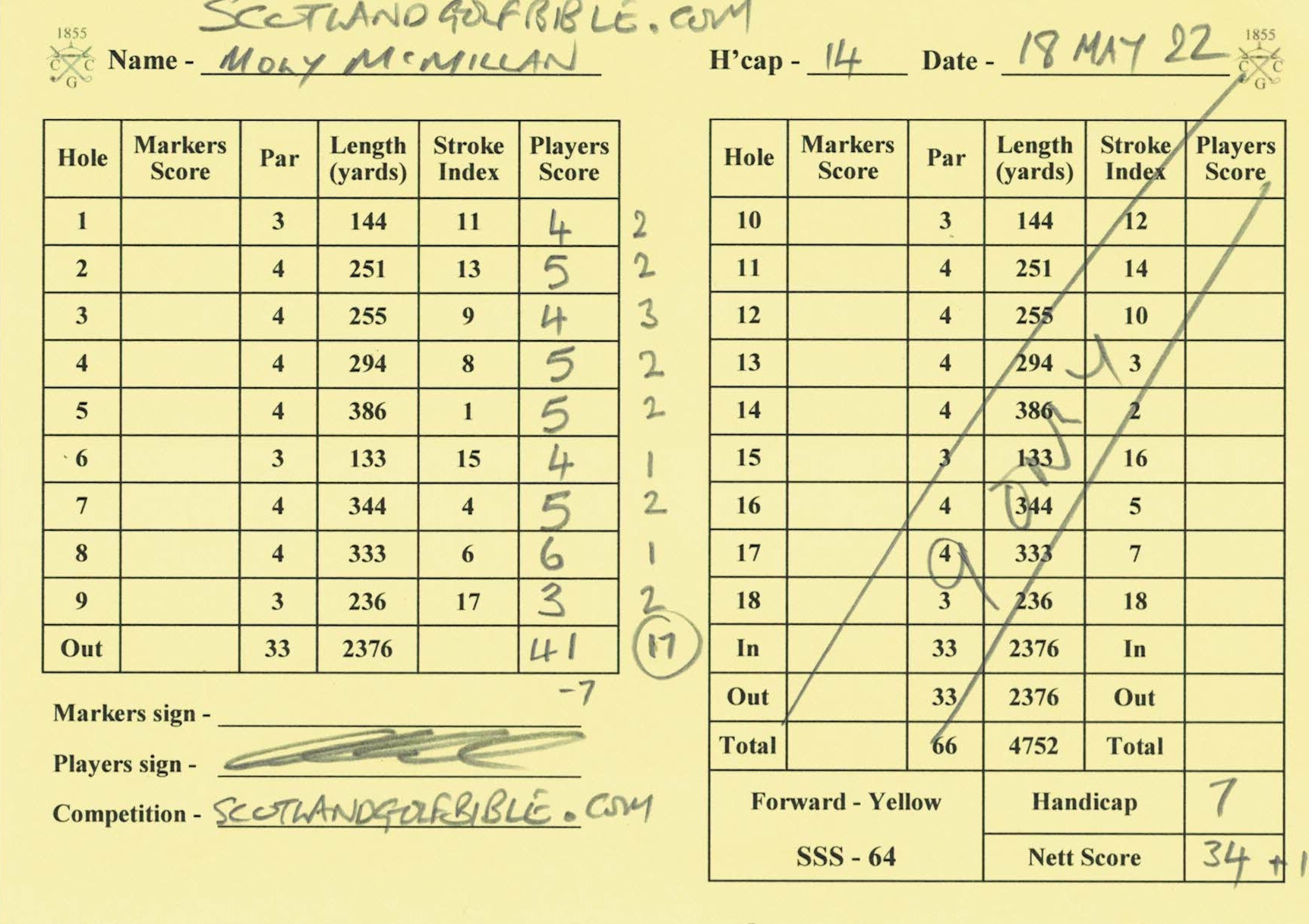
I played very well, in blustery conditions, for a 41, 7 over, which was about to handicap for the 9 holes. I drove to 4 feet at the last (see photo above) but missed my birdie putt.

It’s well worth playing Cupar, but don’t buy any of the “oldest” stuff, is my steer. But don’t take my word for it – check out the nice history overview on the web site here and make your own mind up.

Cupar GC allow bookings direct on their BRS system, where I got a decent discount and paid only £13 for 9 holes. Good value.

Lastly, don’t put Hill of Tarvit into your sat nav, as you’ll end up a few miles south at Kingarrock Hickory golf course, another place well worth a visit.

Course Type: Parkland

Par 33 (0 par 5s, 6 par 4s, 3 par 3s)

Distance: 2376 (white)

Moly’s Gross score41

Moly’s Cupar 9 hole scorecard – 41, net 34, 1 over par. A good day in blustery conditions.
« Older posts Newer posts »

© 2026 Scotland Golf Bible

Theme by Anders NorenUp ↑