A guide to green fee value for money

Category: Members (Page 8 of 26)

140. Canmore. 20 May 22.

‘Municipal’ feel course, with an Amen Corner worth playing

Round £25. Par 67. Course Rating / Slope Rating (yellow) 65.9/124. Value (out of 5) – 3.0

When you look at the economics of Scotland and its number of golf courses, it’s little wonder that courses have closed regularly over the year. Put simply, there is not the GDP to sustain the highest number of courses per capita in the world (for countries with more than 200 courses).

The par four 5th at Canmore, a typical looking hole at this Dunfermline course.

Canmore, is one of those courses that over time is at threat, in my opinion. Sited in the Headwell area on the north of Dunfermline, there are about a dozen courses within a 10 mile radius, a number of which are much better, such as Pitreavie. Although competitively priced with a headline rate of £25 for a peak season round and with Golfnow rates available, I paid only £16, other than a few holes it was a rather forgetful experience.

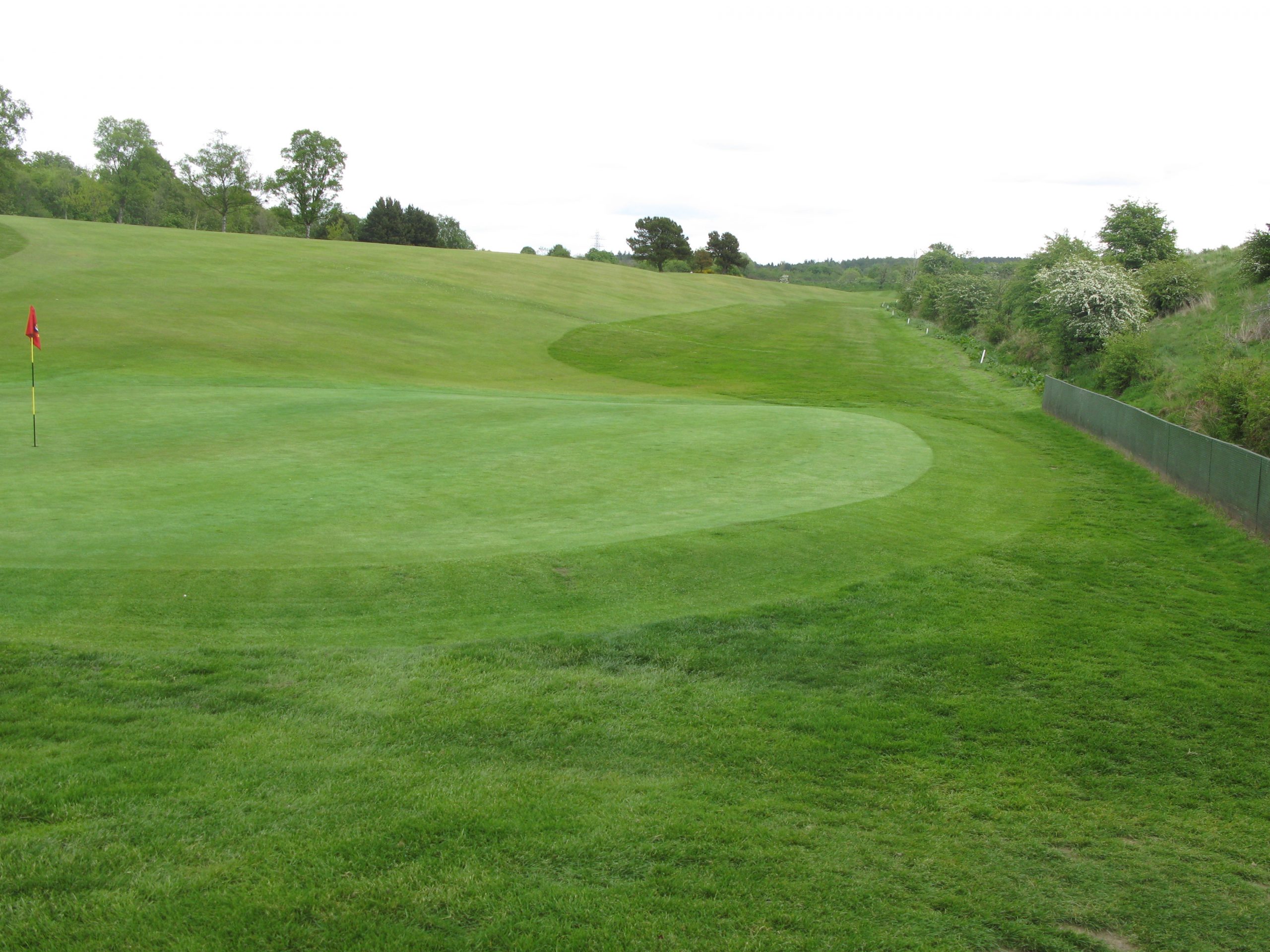
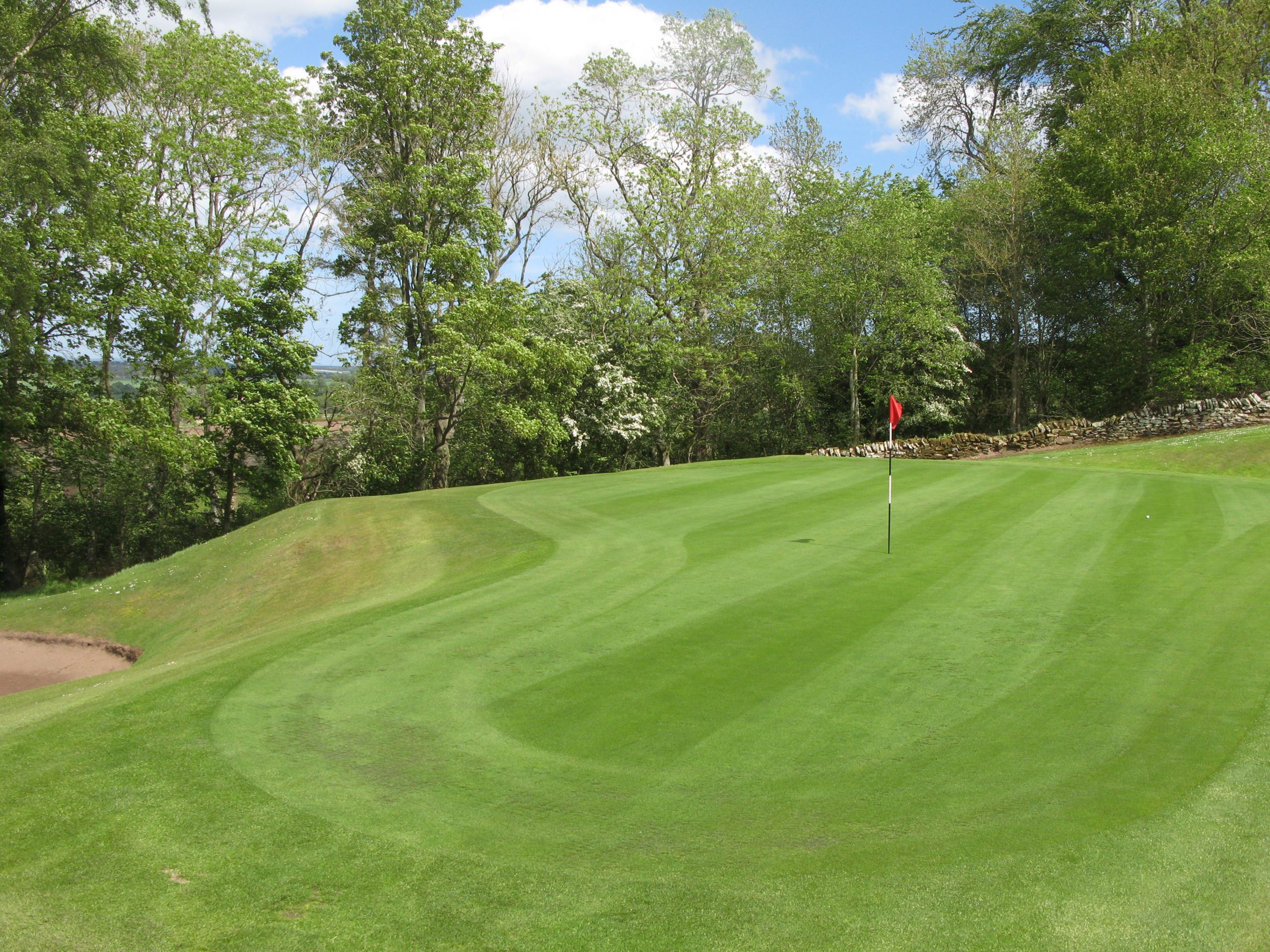
The green at the difficult par four 10th hole.

Founded, apparently, on its present site in 1902, Canmore is a parkland course at just over 5000 yards long. It actually doesn’t feel that old a course, and without any history on its web site, it’s difficult to find any background context, including its designer.

There is however, a very difficult set of holes around the turn, which are worth testing your game against.

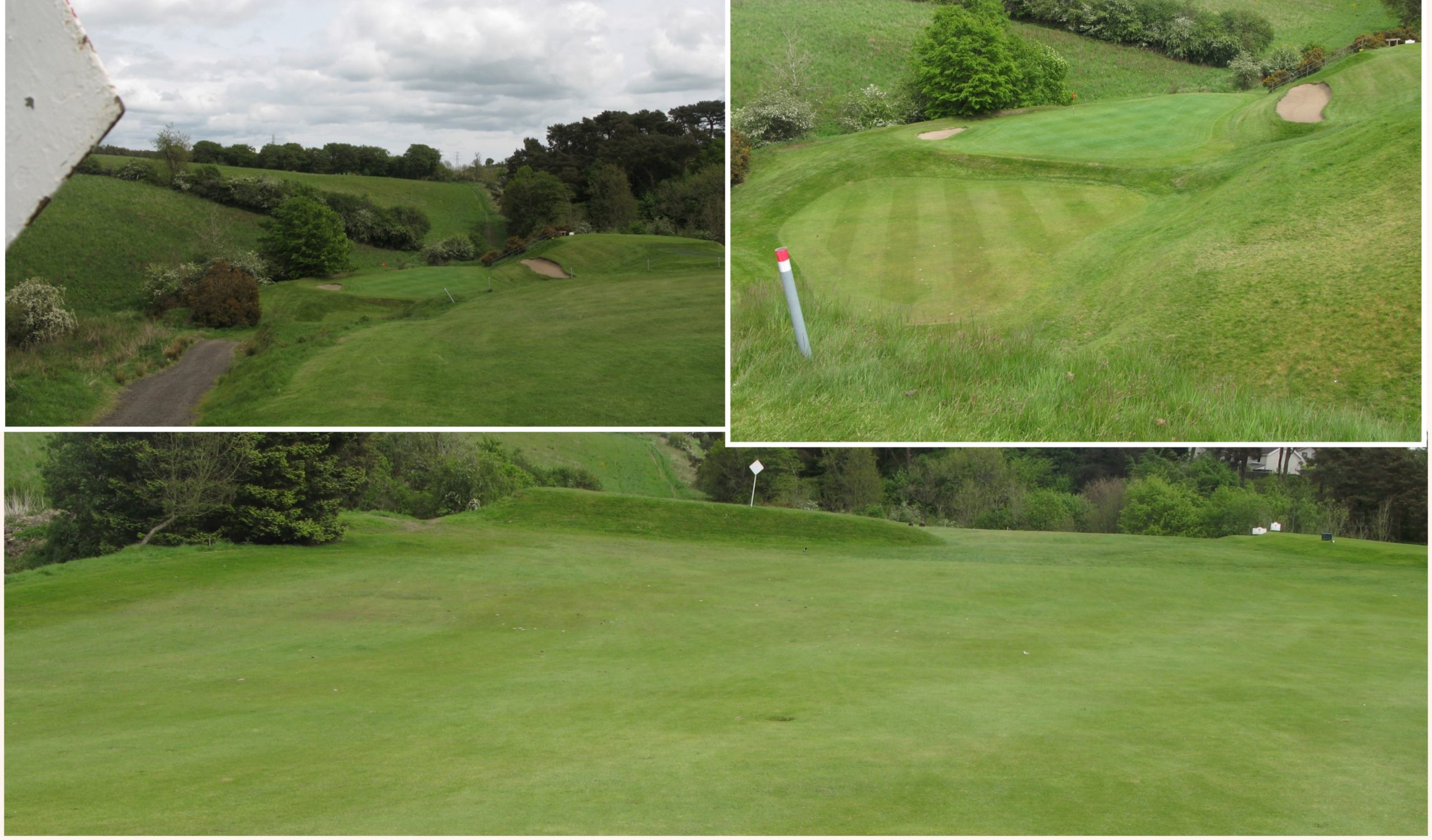
The 9th, a dog leg par four of 371 yards, has a ditch in play for the long drivers and worthy of being stroke index 4.

The 10th, played into the prevailing wind is a more difficult hole (in my opinion), with out of bounds all the way down the left of a sweeping horseshoe shaped hole – keep right at all costs.

The 11th, the signature hole, must be a banker for home matchplay games, with the yardage of the second shot, played over a marker post to a sunken hazard surrounded green, being critical to judge. A bogie is a good score at this SI 2 hole, I really couldn’t work out why it wasn’t SI 1.

The 11th the signature hole, a par 4, at Canmore.

Finally, the 12th, is a really challenging long par 3 (nearly 200 yards), played uphill to semi blind green.

The course was in okay condition when I played, albeit all areas could have been mown, a mark of understaffing on greenkeeping.

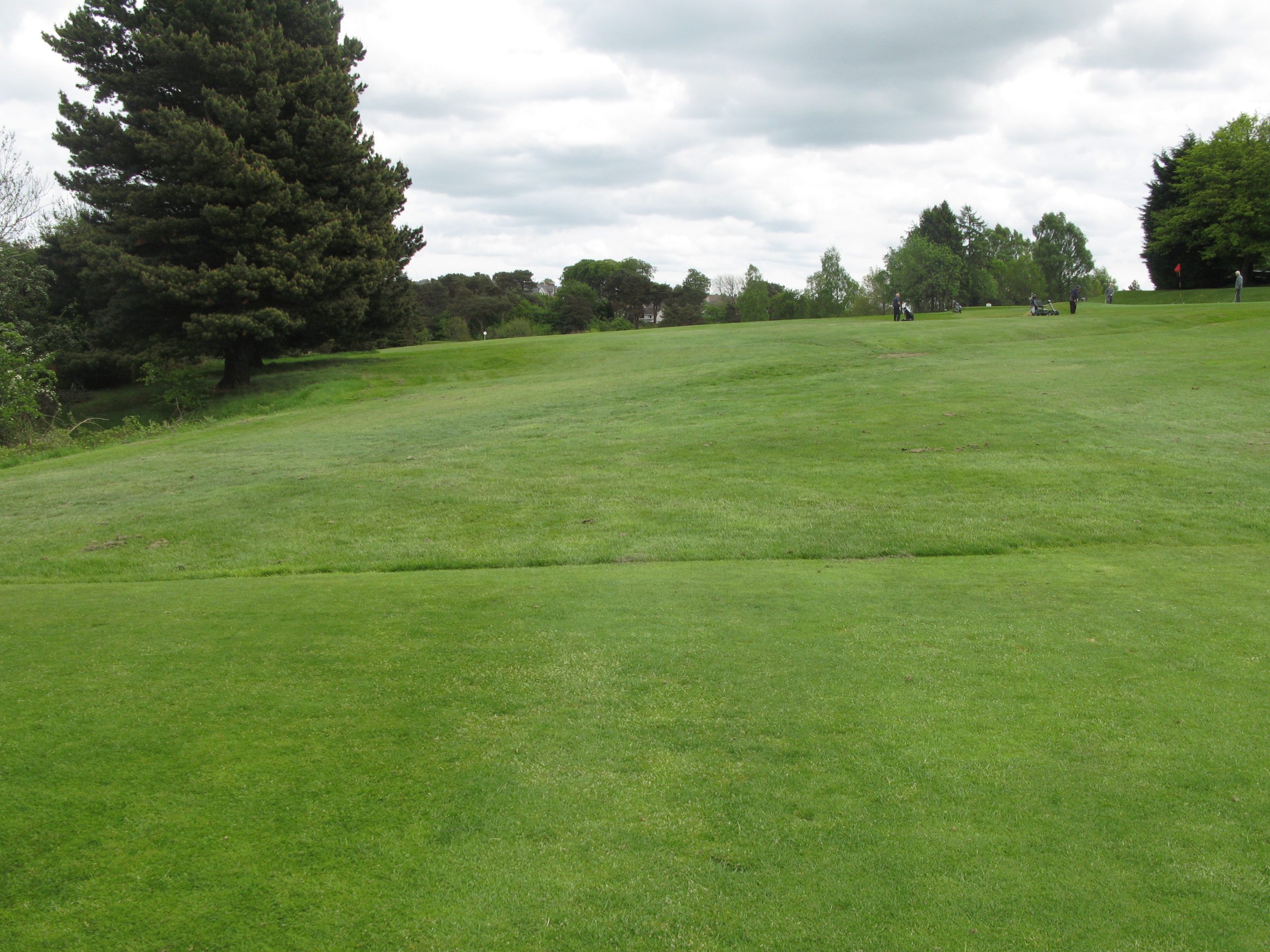
The long par three 12th hole, the end of the treacherous stretch of holes

This is not a course that will attract many holidaying tourists, and I wouldn’t be recommending going out of your way to play here. At just over £500 for an annual membership, its probably a decent course if you like your local golf and tend not to travel around.

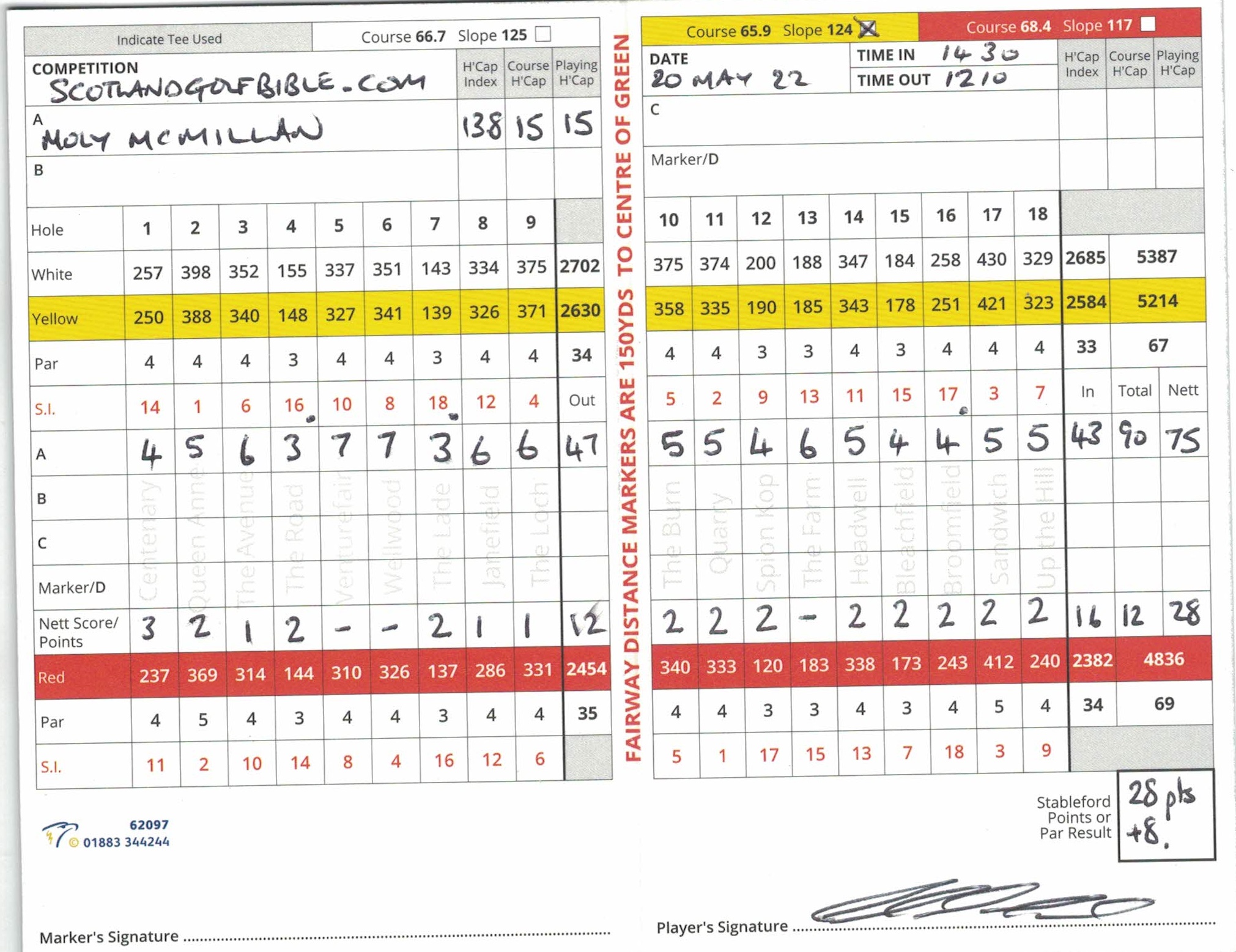
On the day, I shot 90, for 28 points, and did well to overcome two 7s at the par fours 5th and 6th holes. Plus, I didn’t blob any of the tough stretch which I was very pleased with indeed.

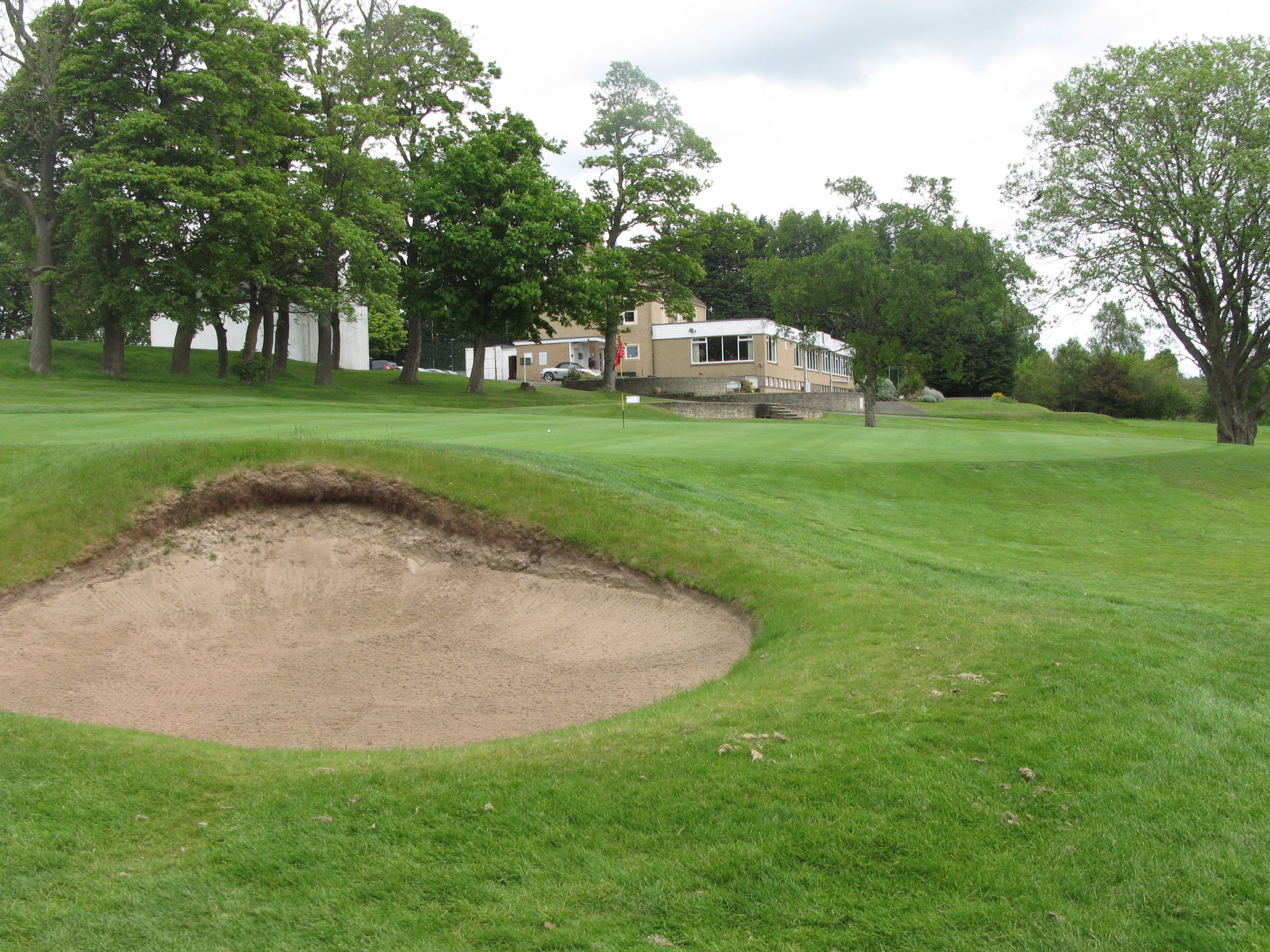
The difficult par three 4th hole, with clubhouse in view.

Other than its Amen corner (9-12), this feels like a standard ‘municipal’ course. I was made very welcome by the staff in the pro shop.

Course Type: Parkland

Par 69 (0 par 5s, 13 par 4s, 5 par 3s)

Distance: 5214 (yellow)

Moly’s Gross score90

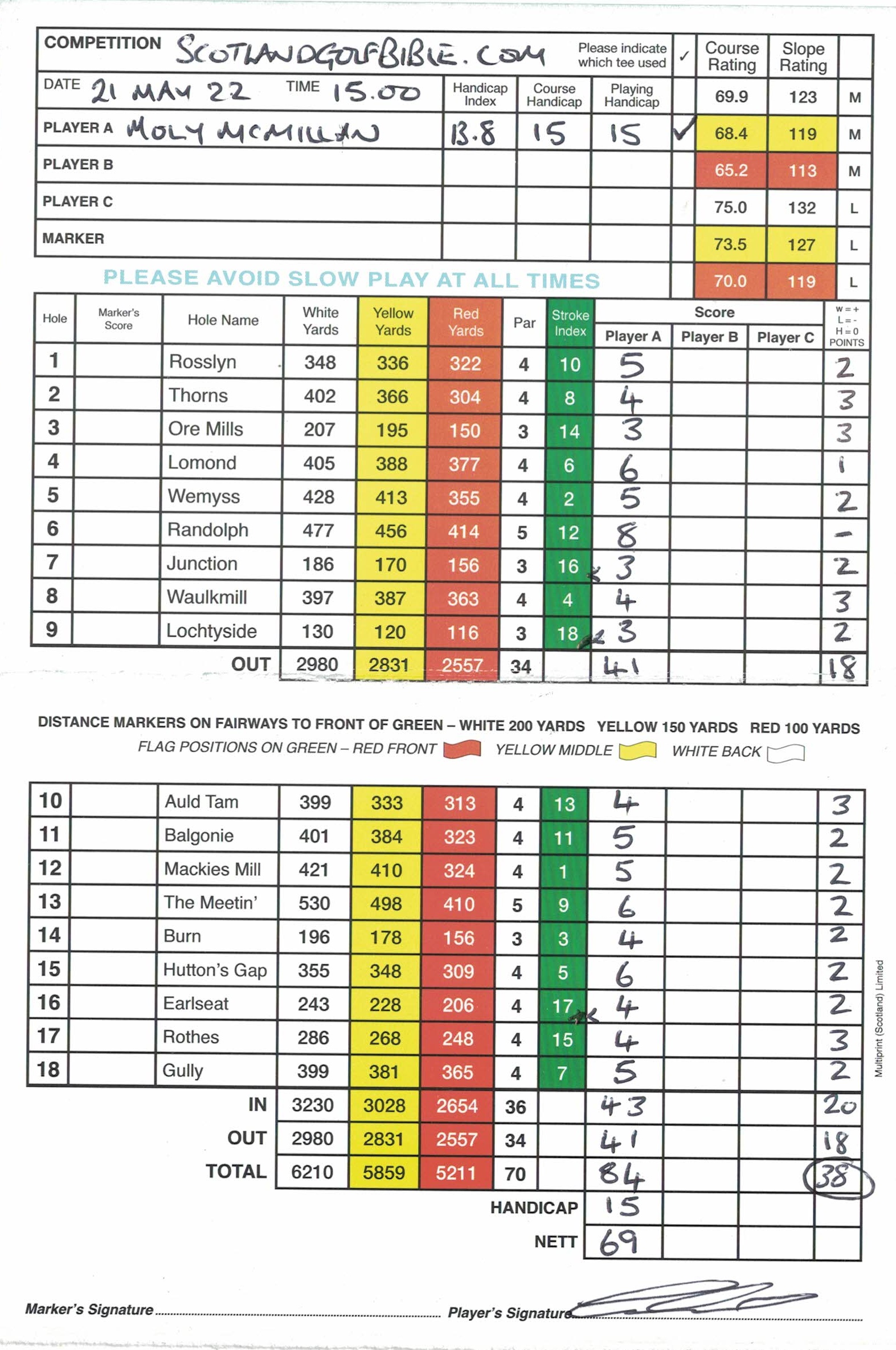
Moly’s scorecard at Canmore – a 90 for 28 points.

138. Cupar. 18 May 22.

Don’t get confused by historic rhetoric – you play the course, not the ‘club’.

Round £16. Par 33. Course Rating / Slope Rating (yellow) 31.9/114. Value (out of 5) – 3.5

Cupar is a quaint 9 hole course in the town of the same name, only 10 miles to the west of St Andrews.

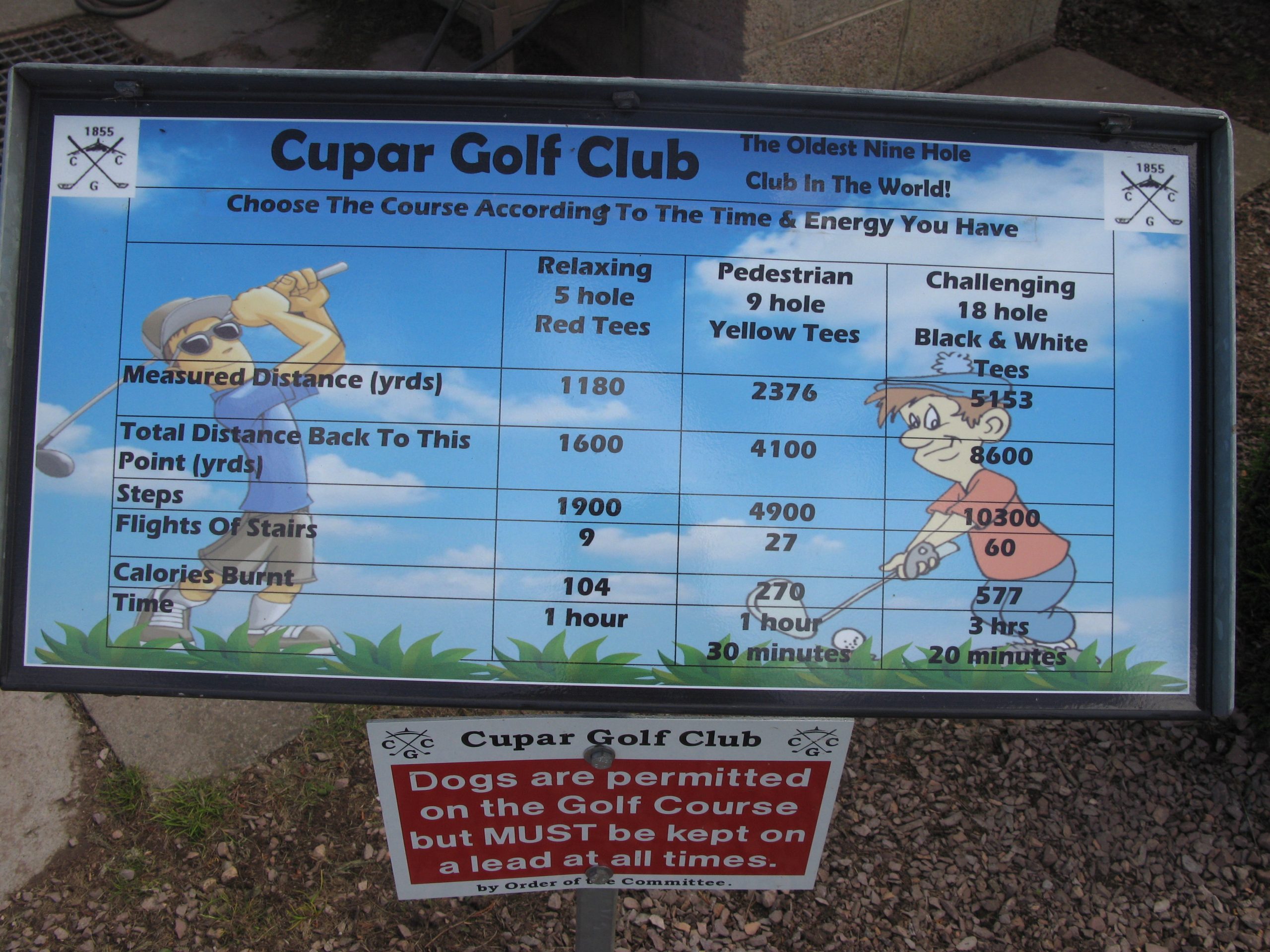
The web site and a sign at the first hole declare you’re playing at “the oldest 9 hole golf club in the world”. Dig just a little under the surface and you realise this is just a trifle disingenuous.

The delightful and fun sign on near the first at Cupar.

Firstly, you play on a golf course, not on a golf club. So whilst Cupar Golf Club was founded in 1855, it was at a 6 hole course (note not 9) some distance from the current location, which is in the Hilltarvit area of Cupar.

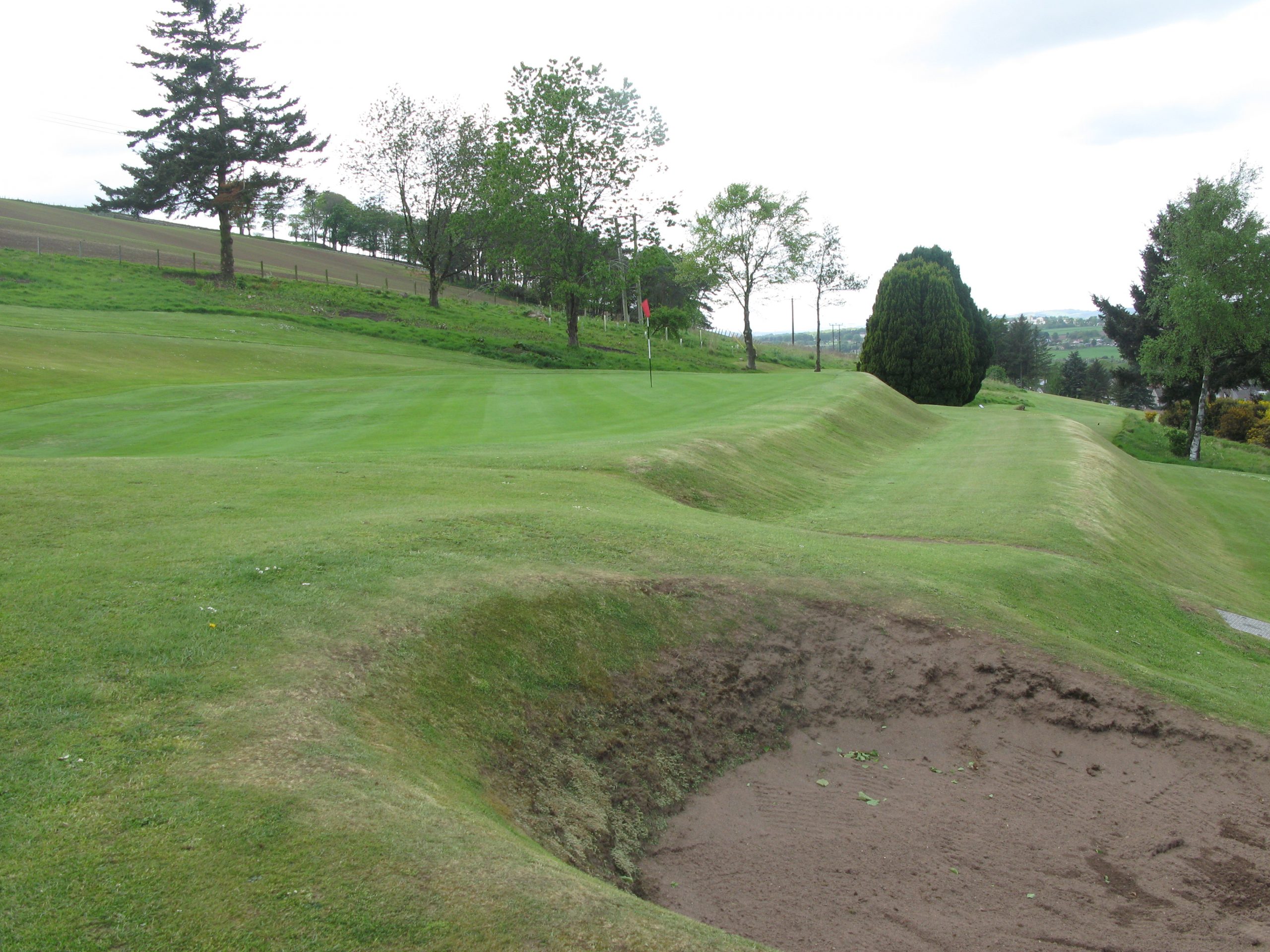
The green at the short 6th, which plays much longer that the yardage, perhaps 3 clubs longer. Try and look closely you’ll note the greens could have been better.

After an interesting first 40 years of existence, during which the Cupar Golf Club located and played at Ladybank golf course, this current 9 hole layout which plays across the slope of Tarvit Hill was laid out in 1896, after a few years of a more “up and down” layout.

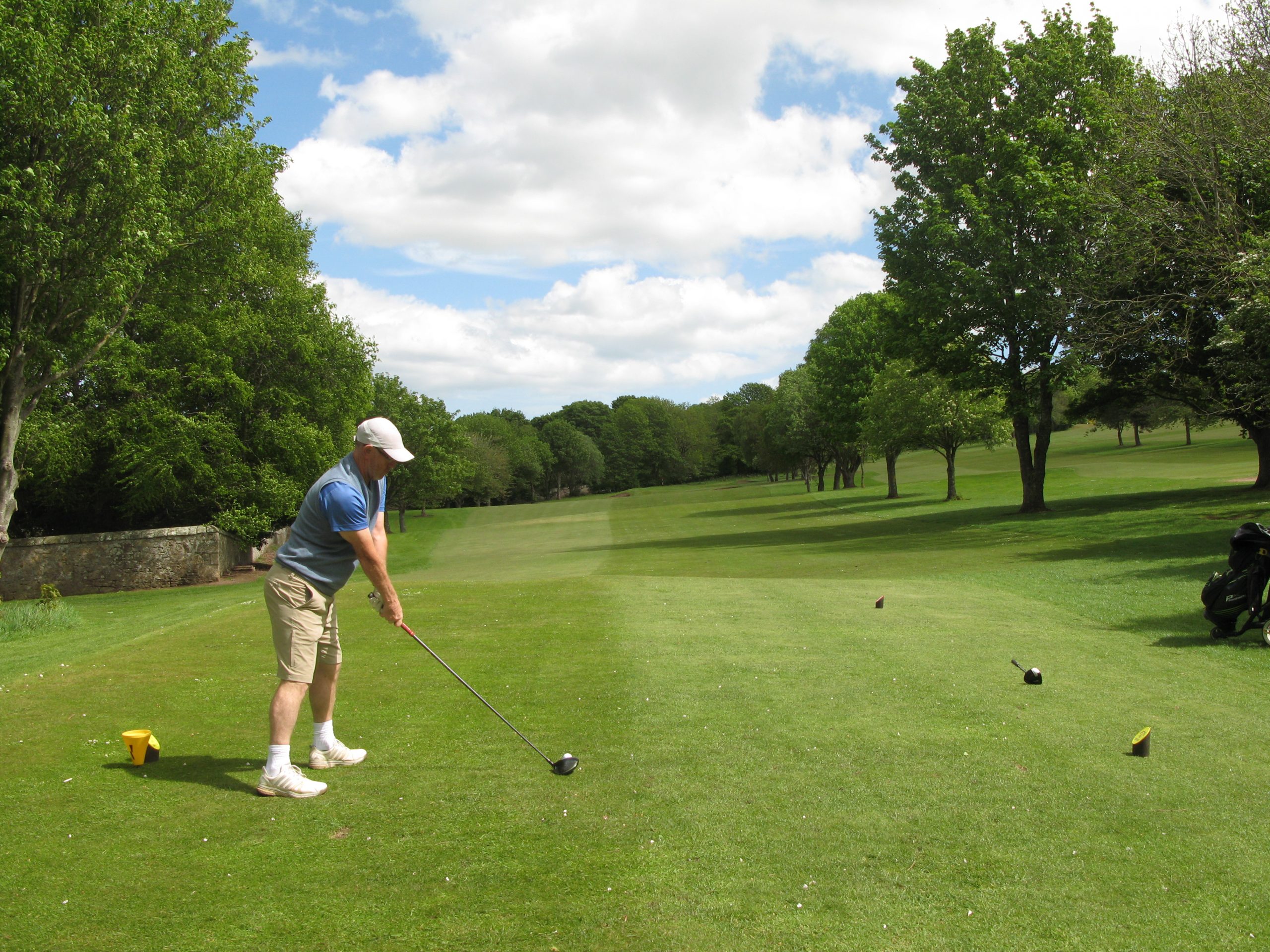
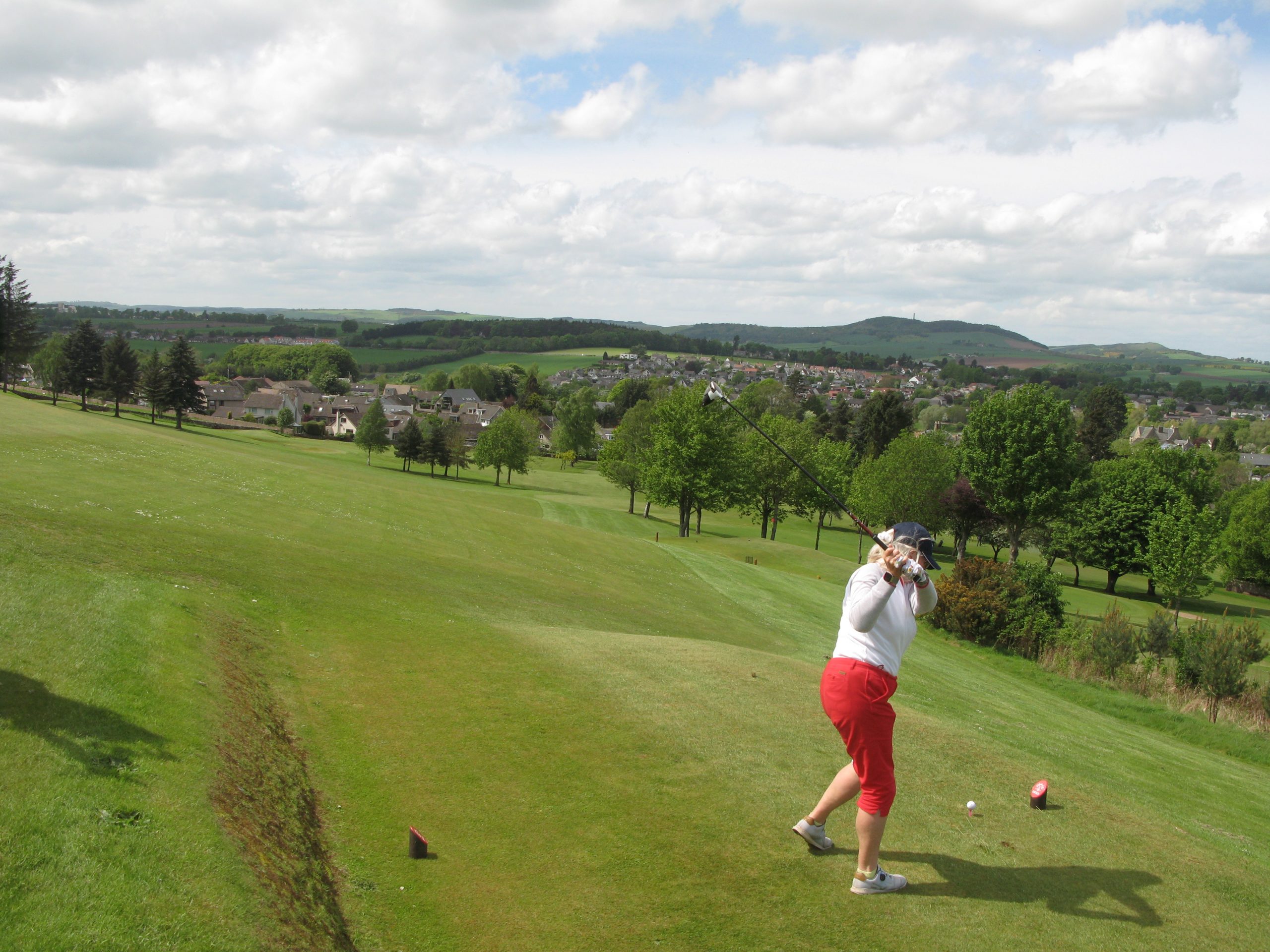
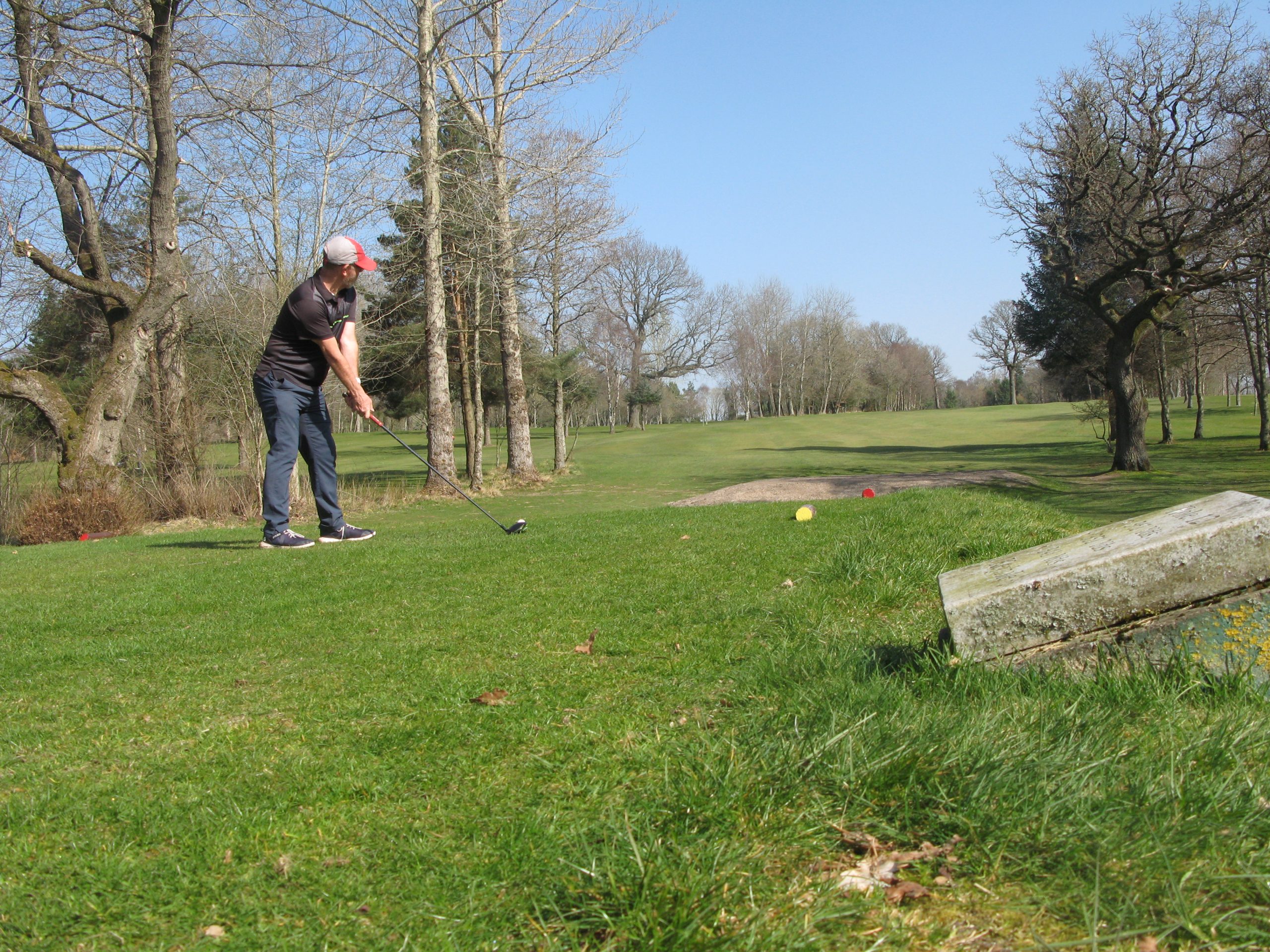
Moly at the 255 yard par 4 third hole from the well prepared teeing ground

Do some research and you uncover there are a number of 9 hole courses still in play from the early 1890s, with nearby Anstruther (click for my blog), being a good example.

Set aside the longevity, and you do have a delightful little fun course to play, along with its nice wooden clubhouse.

The tricky surrounds of the green at the 7th, a par 4 of 344 yards.

The course was in pretty good condition, although the greens were soft in places and many pitch marks had not been repaired, which was a shame.

Fran at the 8th, with long reaching views and showing the sloping fairways that await you at Cupar.

Although set on a hill, with great views over the town and surrounding countryside, many of the holes played across the slopes so it was a much easier walk that we had envisioned.

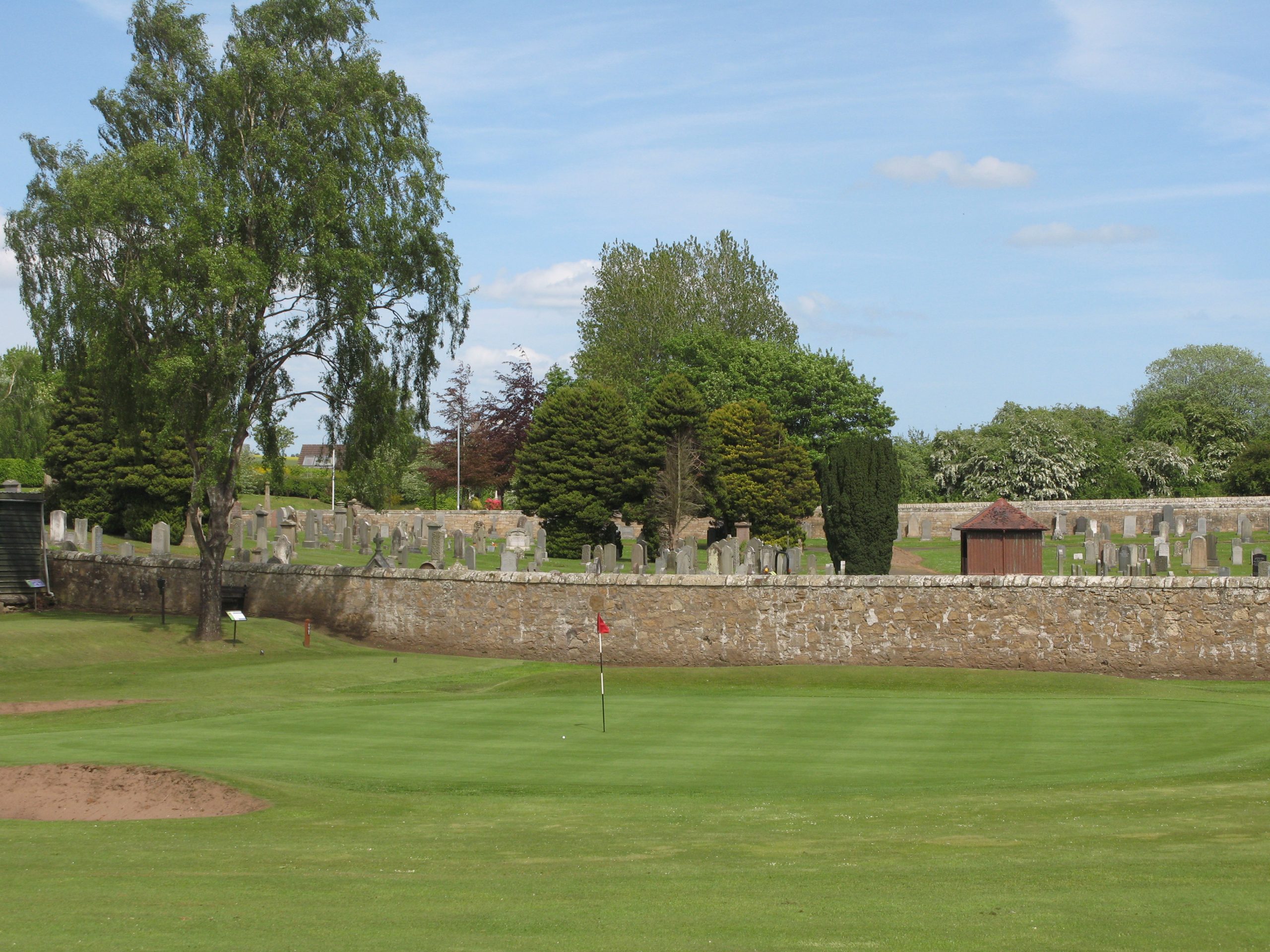
The last hole!

I played very well, in blustery conditions, for a 41, 7 over, which was about to handicap for the 9 holes. I drove to 4 feet at the last (see photo above) but missed my birdie putt.

It’s well worth playing Cupar, but don’t buy any of the “oldest” stuff, is my steer. But don’t take my word for it – check out the nice history overview on the web site here and make your own mind up.

Cupar GC allow bookings direct on their BRS system, where I got a decent discount and paid only £13 for 9 holes. Good value.

Lastly, don’t put Hill of Tarvit into your sat nav, as you’ll end up a few miles south at Kingarrock Hickory golf course, another place well worth a visit.

Course Type: Parkland

Par 33 (0 par 5s, 6 par 4s, 3 par 3s)

Distance: 2376 (white)

Moly’s Gross score41

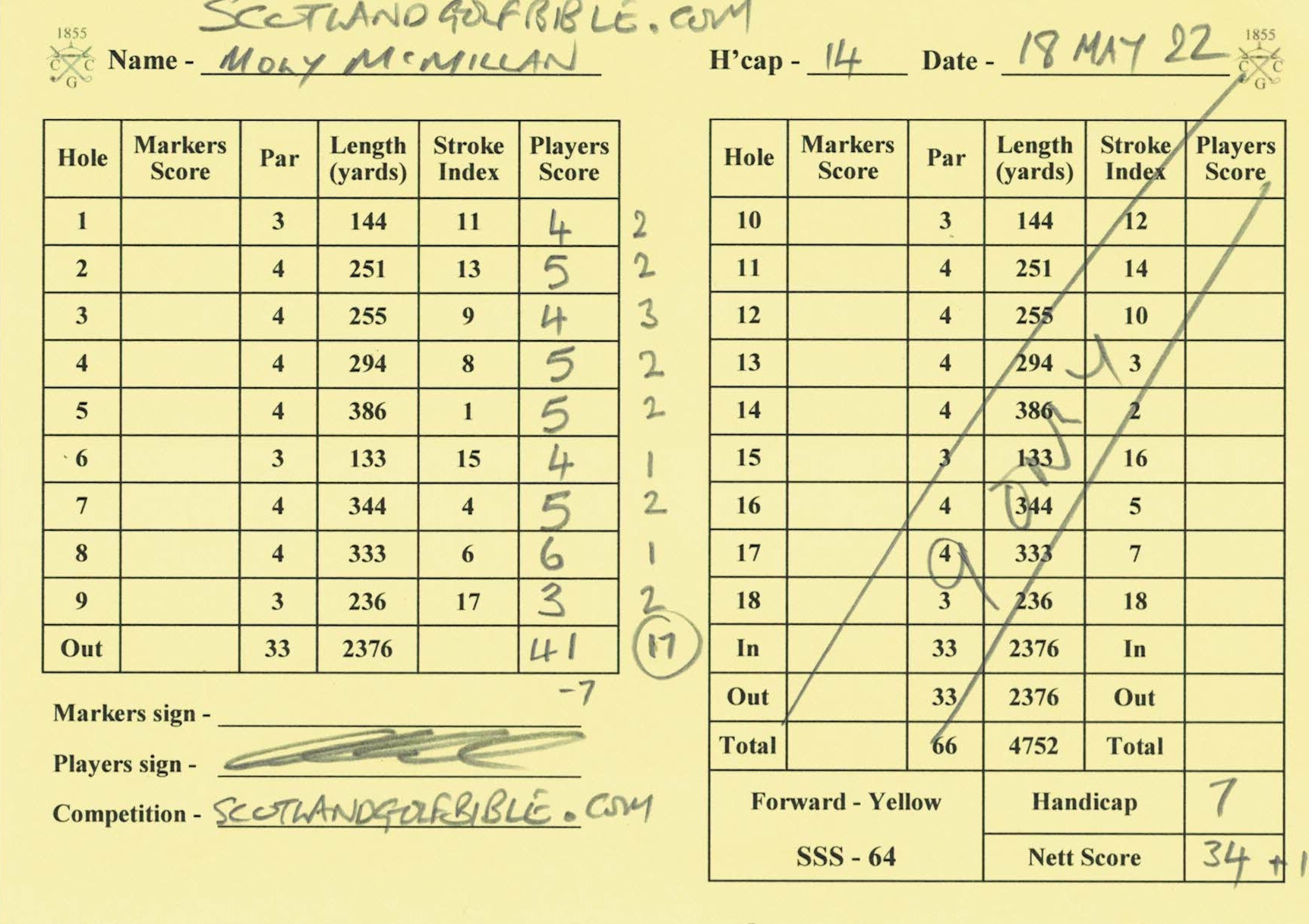
Moly’s Cupar 9 hole scorecard – 41, net 34, 1 over par. A good day in blustery conditions.

135. Bellshill. 28 Mar 22.

A great lesson in the use of internal OOB at this excellent course, built on a key social history site

Round £25. Par 69. Course Rating / Slope Rating (yellow) 68.3/120. Value (out of 5) – 4.5

I really liked playing Bellshill. Set in lovely parkland alongside Strathclyde Country Park, it is a popular venue for golfing societies given its central and easily accessed location. Founded in 1905, with 9 holes, and later extended to 18, it has an excellent history documented here by one of its former captains Alexander Gardner; it doesn’t record the course designer.

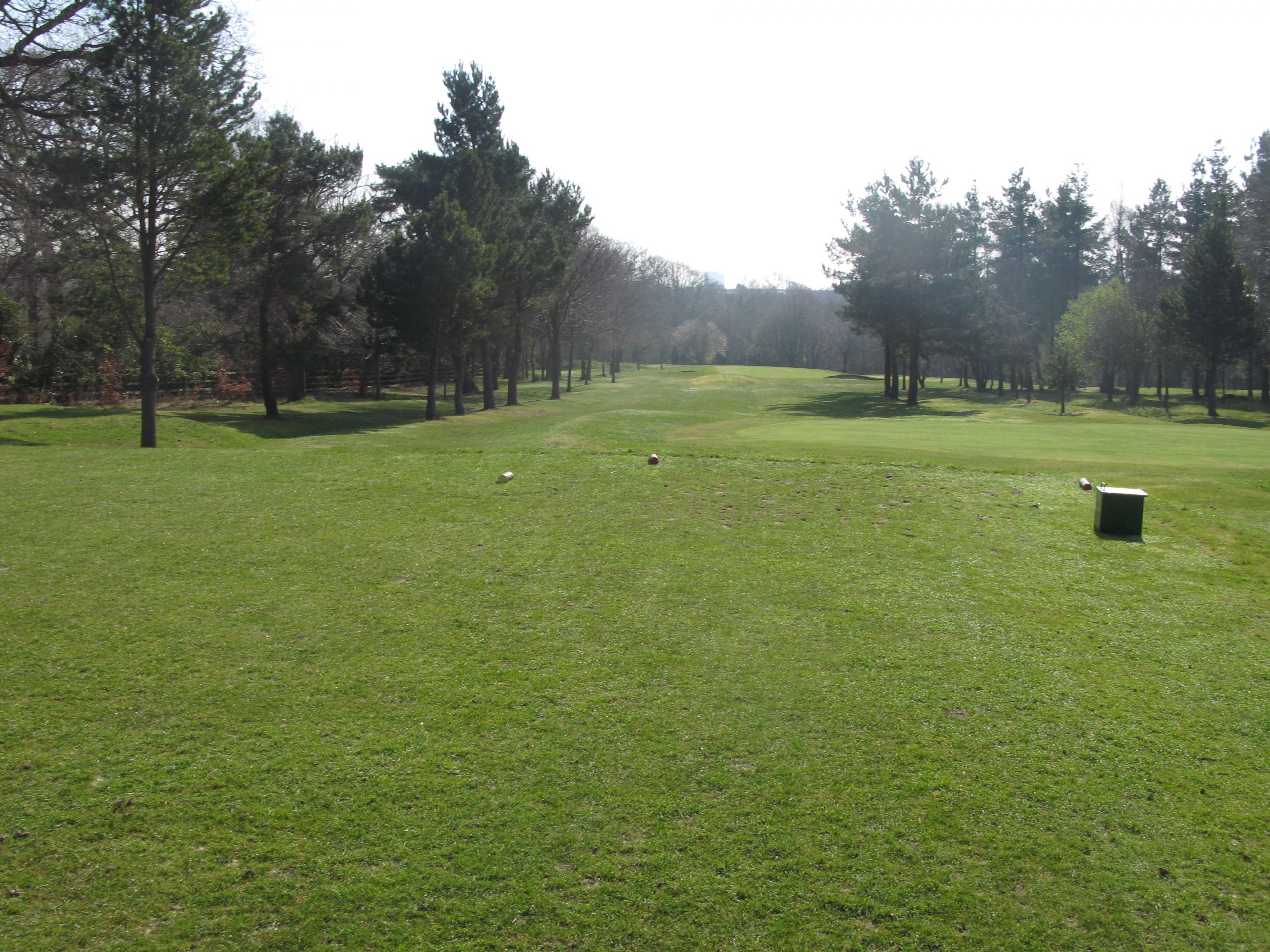
The quality is clear right at the start at Bellshill – here the long par four (449 yards) opening hole.

Look deeper into the course’s history and you uncover a remarkable story of societal development, that I suspect the vast majority of local golfers know nothing about.

It’s very fitting you enter the golf course through a humble, working class area. Go back 200 years and you would be sited on the Orbiston Community, set up by ‘Owenites’, the followers of the Welsh social reformer, Robert Owen (1771-1858). It was a community of ‘co-operation and equality and to social provisions, such as education and welfare’. Robert married a local Scottish woman, hence his association to Lanarkshire. Like many ‘utopian’ projects, it didn’t last forever, albeit the par three 8th hole is still called “Orbiston”.

Moly about to drive at the mid length 12th hole – the 351 yard par four, stroke index 6 hole. Beware the tree in the fairway at about 220 yards, just visible here.

The course has 9 holes either side of a main railway line, with the first five and last four being on the side of the clubhouse. There is excellent signage to navigate between holes and either side of the line.

If you look at the first hole and the last 4 holes, you get a sense that it was an experienced course architect who first laid out Bellshill. Variety, undulations, appropriate bunkering and good green surrounds are testament to the quality of the designer.

The brilliant short par four 6th hole. Both “easy” and a “potential nightmare”

There are some memorable holes, in my book most notably the sixth. A short par four of only 292 yards, from both white and yellow tees, it has a blind tee shot over a slight brow about 140 yards from the tee. With a green fronted bunker and a front to back sloping green, it is impossible to drive. I was very lucky to unknowingly hit driver, which came up just short of the bunker. With a front pin, it was then impossible to get close to. Somewhat lucky to get a par 4, I preceded to have an interesting conversation with a greenkeeper on the next hole. He said many members don’t like the 6th hole, but the more experienced golfers, “just hit two short irons hoping for a single putt”. Alternatively, with a good bunker game, a shot into the front green bunker is also an option. A good example of a short hole giving good options, at all levels.

Many courses can learn from Bellshill’s good use of an internal OOBs, here shown at the 4th hole where OOB is on the right of the hole.


The course had very few fairway bunkers, but that was compensated by many undulating greens, some very difficult. The good finish, from holes 15 to 18, includes some card wreckers, most notably the stoke index 4, 16th par four. The 18th, with OOB right, is also a difficult green to hit in two.

The 8th hole “Orbiston”, a tough par 3, named after the community founded by Robert Owen the 18th Century social reformer.

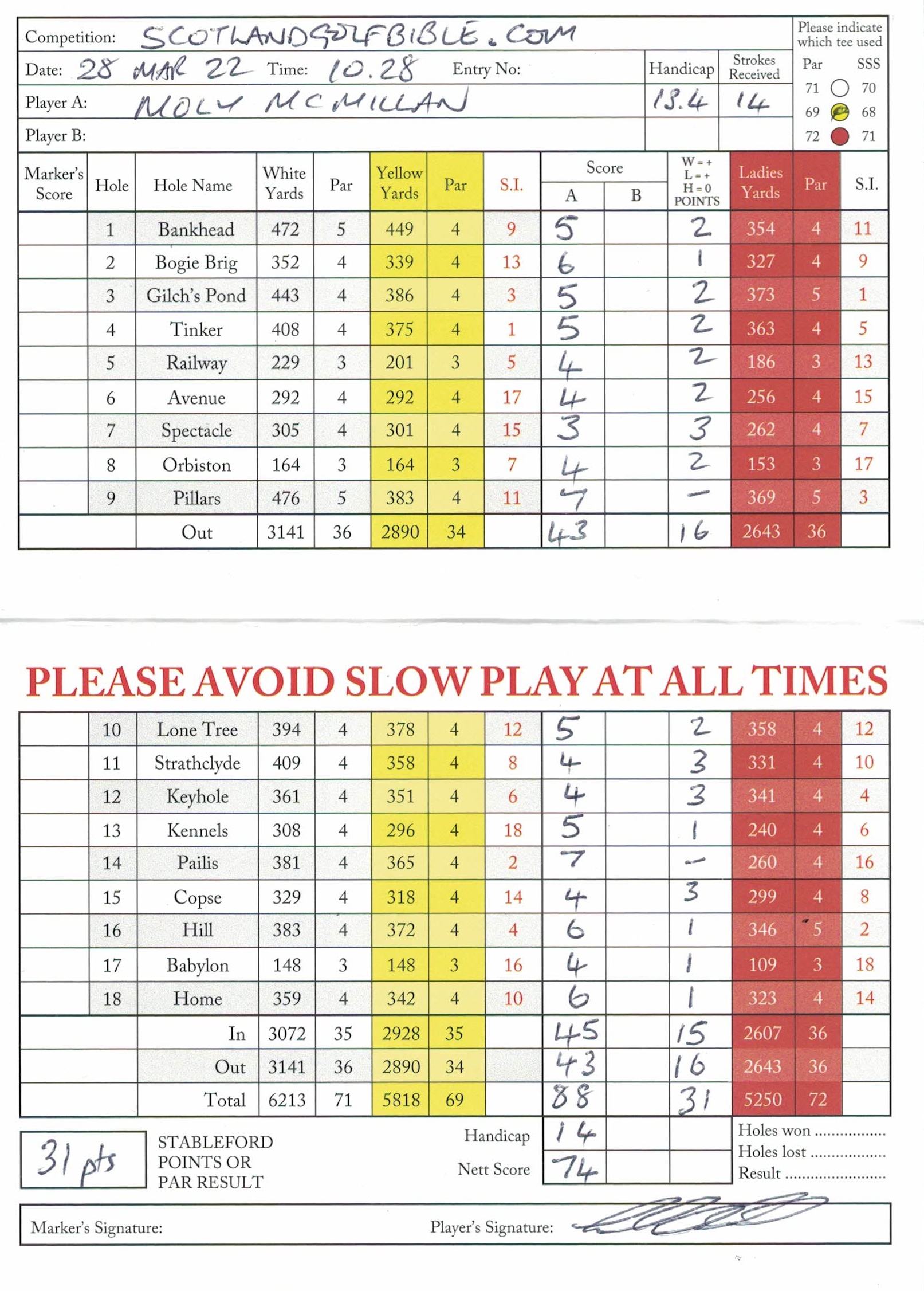
I had a solid game, scoring 88, or net 74, 5 over par. Any time over 30 points on a new course, I’m very satisfied. The condition of the course was superb when I played. At an annual membership just under £600, it represents a great value course to play on regularly amongst the many available in this urban area of Central Scotland.

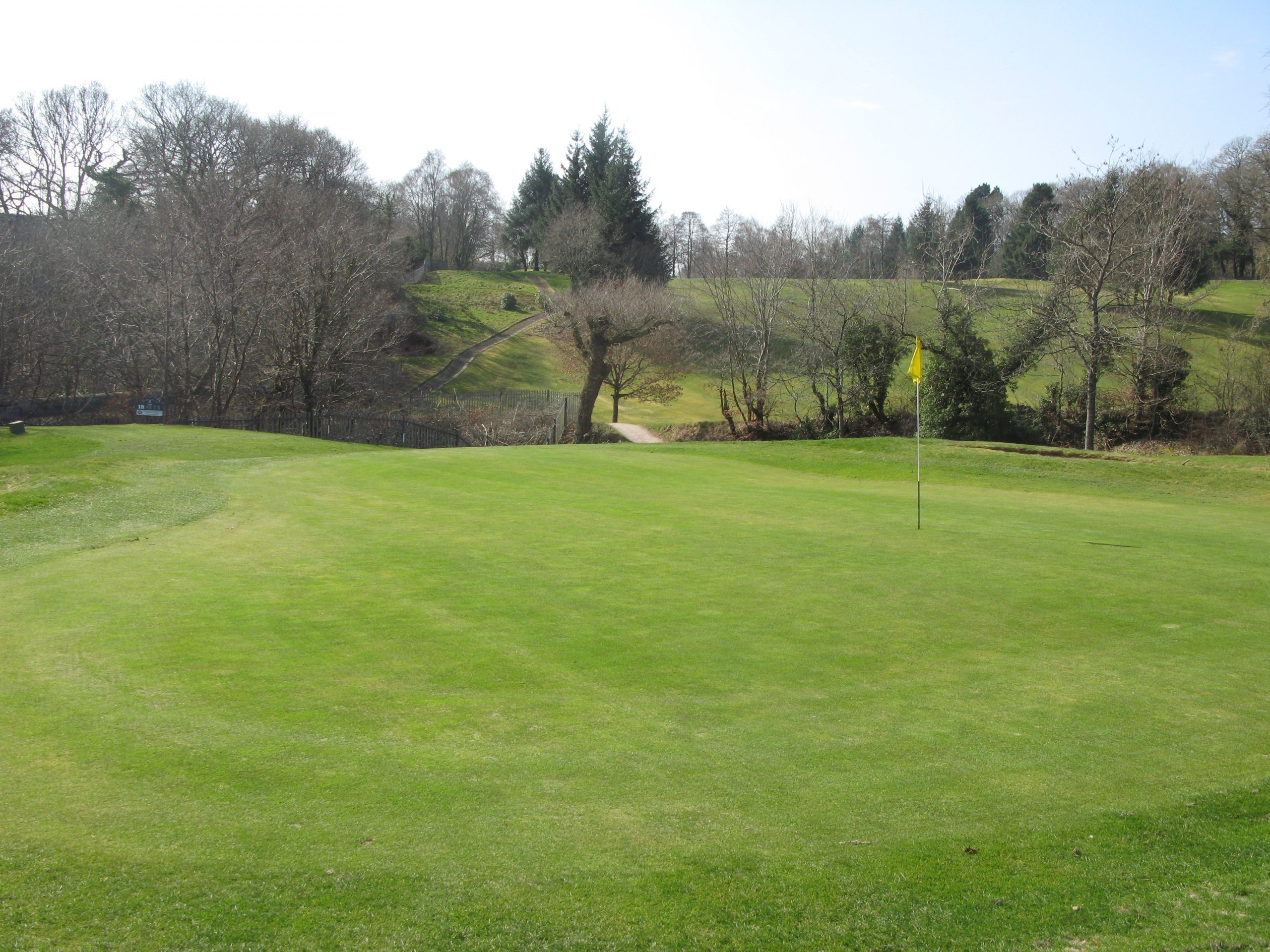
The difficult par three 17th hole, ‘Babylon’, part of the very fine last four hole stretch at Bellshill.

I had a great and welcoming conversation with two local members in the changing rooms and did indeed get a feeling of ‘community’ which somehow felt right. They told me a great many members volunteer to maintain the course in such good condition. I was let wondering if they knew how fitting that was and how proud Robert Owen might have felt at that feeling of community.

Course Type: Parkland

Par 69 (0 par 5s, 15 par 4s, 3 par 3s)

Distance: 5818 (yellow)

Moly’s Gross score88

Moly’s 88 at Bellshill – a solid golfing day.

134. Fereneze. 27 Mar 22.

What a great surprise to find this course, so close to Glasgow

Round £30. Par 71. Course Rating / Slope Rating (yellow) 67.7/123. Value (out of 5) – 4.5

“Go and play Fer-En-Eeze”, said the helpful professional at Gailes Links in Irvine, when I told him my mission of playing all golf courses. “I’m talking about Scottish golf courses”, said I, thinking his suggestion sounded more Italian than Scottish. “It’s in Barrhead” he said. That, of course, didn’t make it any easier to understand the name.

The first, but by no means the last, magnificent view towards Glasgow. Here at the second, looking back towards the tee. A difficult short hole at 140 yards, playing at least 1-2 clubs longer.

Fereneze has been, to date, the most wonderful surprise of courses I’ve played. A quite remarkable heathland setting with exceptional views over Glasgow and the Clyde valley. Set only a few hundred feet above the tough town of Barrhead, a place more known for products most peed on by UK residents – i.e. Armitage Shanks porcelain!

The start of the moorland holes, the par five third, is also the most difficult hole at Fereneze. Keep your drive left to avoid finding the gorse at this left to right sloping hole (bottom right quadrant highlights).

The ‘rough’ town claim is well justified; when searching for information on Fereneze Golf Club you keep finding stories like local youths setting fire to the heathland or the greenkeepers spending much of their time cleaning up the cans and bottles from heathland parties. None of that, however, should put you off playing at Fereneze, which provides excellent value.

The lovely par three 7th at Fereneze at 148 yards.

As to the the origin of Fereneze golf club, little is really documented other than on its crest showing it was established in 1904. The club sadly no longer operates a web site. The course is situated on The Fereneze Hills and the origin of the name is reportedly from a Gaelic name “Fernieneese” as it is spelled in some old records—meaning, fern, or alder [reference: A History of the Parish of Neilston].

The drivable par four 9th at Fereneze, where Moly 4 putted from just off the front of the green….ouch!

Back to the golf course. The Gailes Links professional, was spot on. Fereneze is well worth a visit. After a severely uphill par four opening hole, followed by a tricky par three, your walk to the third tee leaves you in no doubt what you are then facing. A magnificent piece of moorland; dry fairways, gorse and broom in abundance. Thankfully, I played on an exceptionally dry and unseasonably warm March day. I can imagine this being a windswept landscape that takes no golfing prisoners.

A more successful hole for Moly, here just missing a birdie at the 320 yard par four 11th hole.

The course is a par 71, but relatively short at 5676 yards. Most of the variety is in the front nine, with the back nine having only one par three (the 14th) and the rest being par fours. That makes for a fairly imbalanced layout; with the last few holes being the most disinteresting. But there is still plenty of variety in the use of blind shots and dog legs, to retain your interest. The course was in excellent condition and playing like a June day, not a March one. For example, I nearly reached the green at the par four 9th (300 yards) and actually reached the green at the 377 yard 18th which was both downhill and downwind.

The severely downhill par four 18th hole at Fereneze, Moly 3 putted for par after driving the green. That typified the day really.

The greens were very fast and the sand excellent. Although generous off the tee, finding the rough or gorse tended to mean double bogie. Stay on the fairway, even if that means taking iron from the tees. I shot 92 for 30 stableford points, and felt I played more solidly than my score suggests.

The shop staff were a little cold, and not particularly helpful towards my wife in seeking where the ladies toilets were. It was the only downside of an otherwise memorable golfing day.

Course Type: Heathland

Par 71 (3 par 5s, 11 par 4s, 4 par 3s)

Distance: 5676 (yellow)

Moly’s Gross score90

Moly’s 90 at Fereneze, a course well worth playing.

« Older posts Newer posts »

© 2026 Scotland Golf Bible

Theme by Anders NorenUp ↑