A guide to green fee value for money

Category: 18 holes (Page 6 of 34)

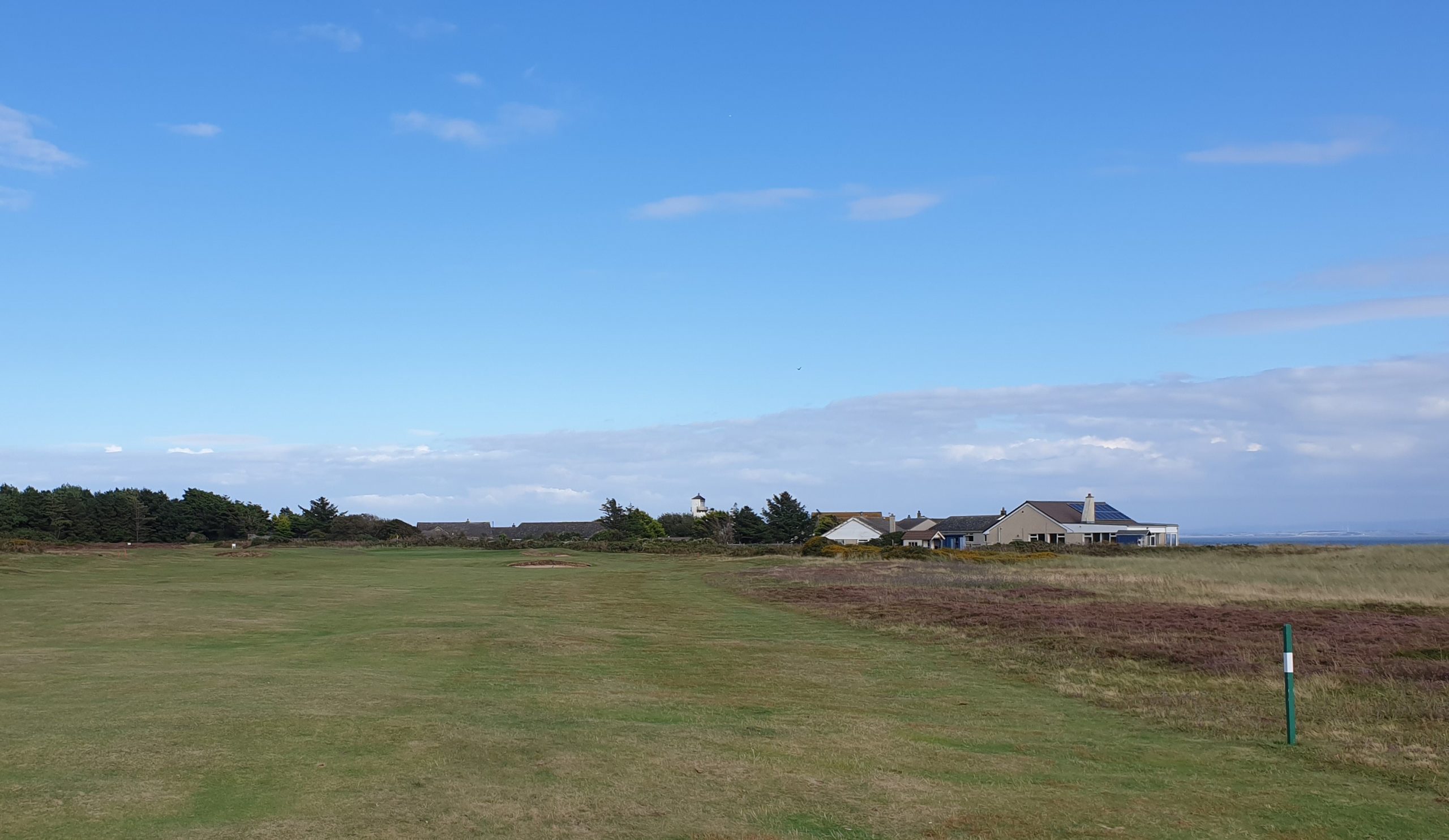
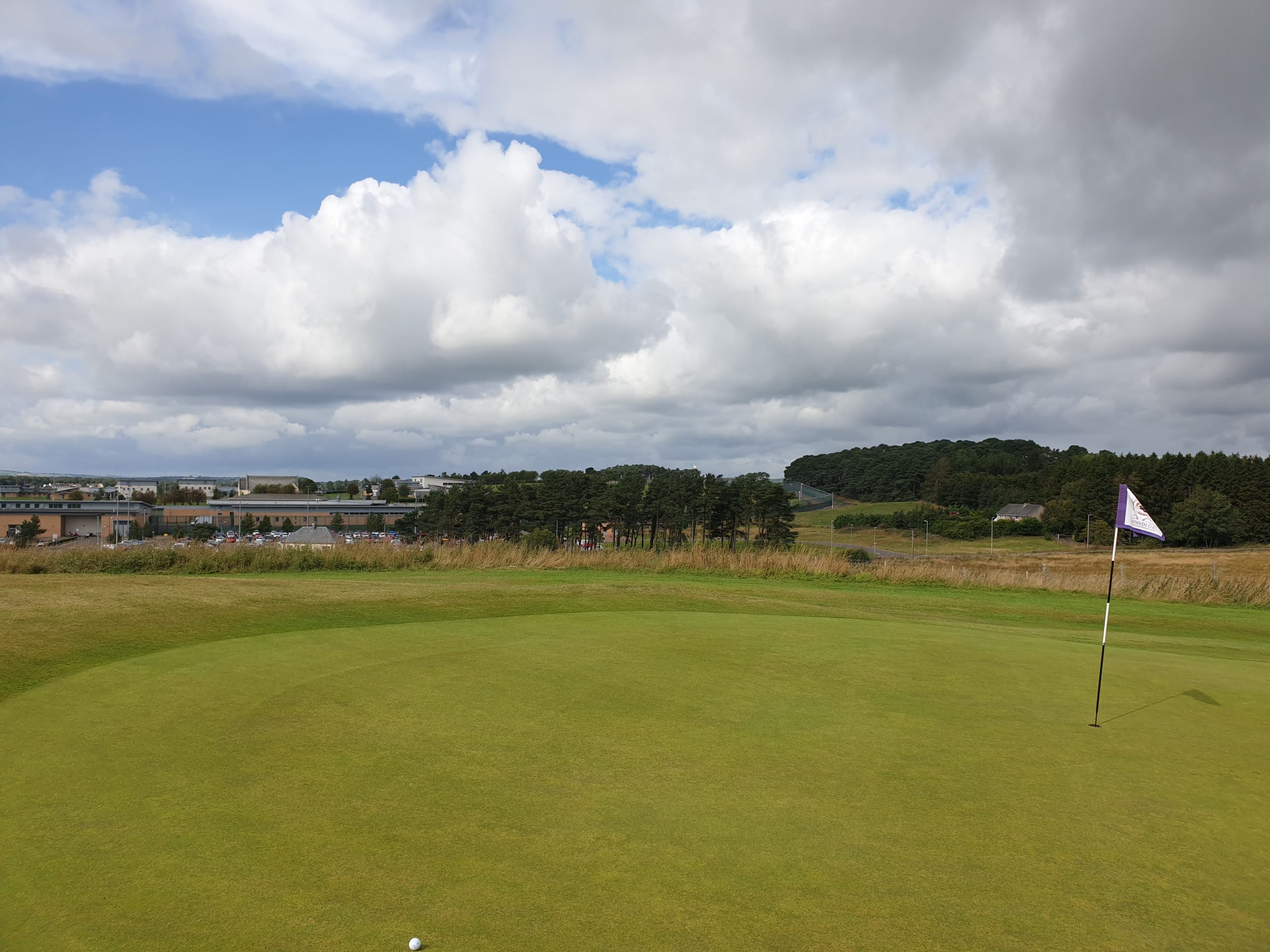
162. Panmure. 24 Aug 2022.

Course with a brilliant stretch of holes including a Hogan favourite.

Round £145. Par 70. Course/Slope Rating (blue) 69.1/128. Value (out of 5) – 3.5

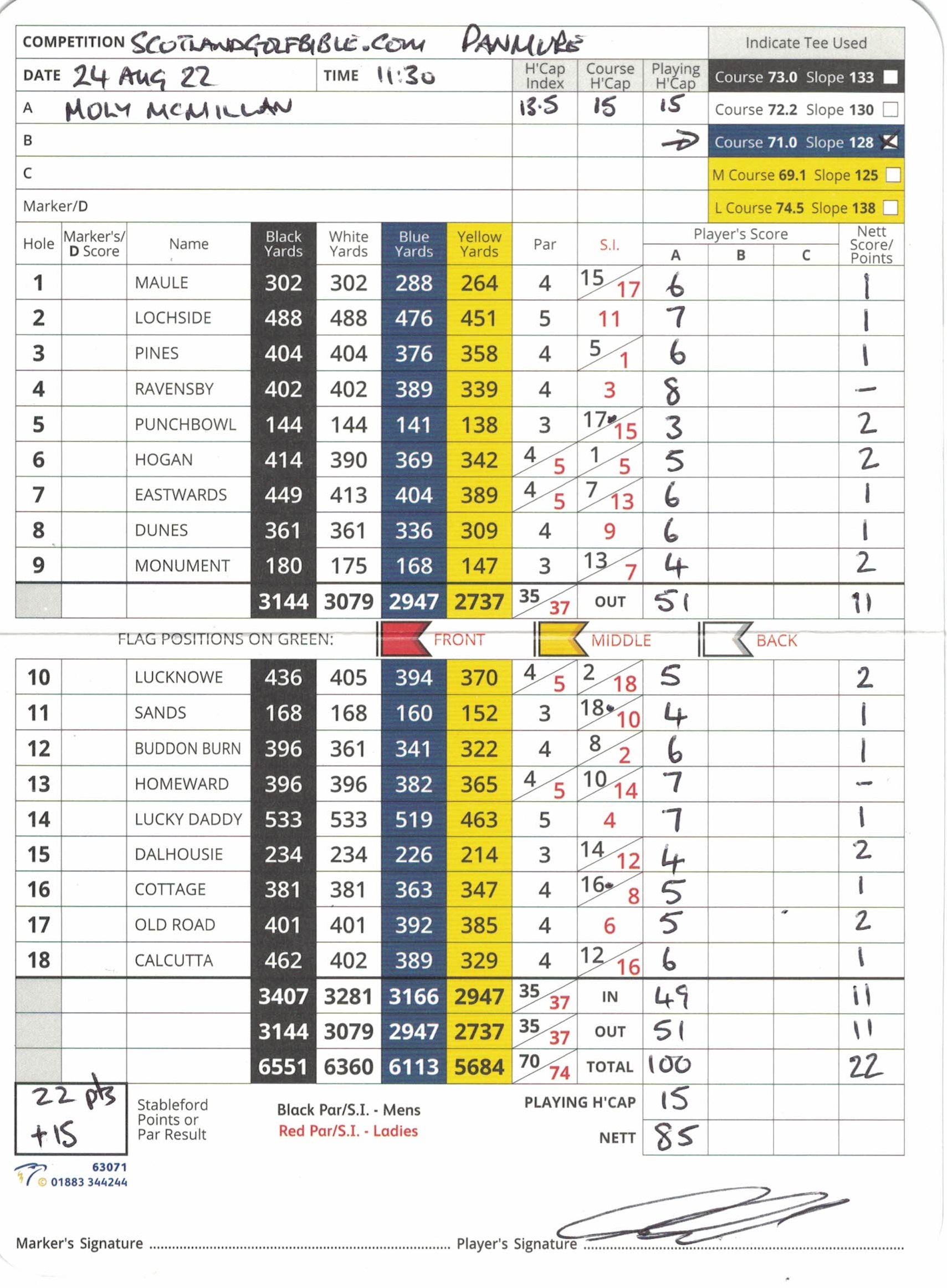
Moly’s score – 100

With it’s ‘Hogan’ room and surrounding legend one could conclude Panmure Golf Club’s role as pivotal in American Ben Hogan’s1953 Open victory at Carnoustie.

Yet, in Gene Gregston’s seminal biography, “The Man Who Played for Glory”, the lengthy chapter dedicated to Hogan’s 1953 trip, doesn’t have a word of Panmure. Even the company NCR (National Cash Registers) gets a mention for accommodating Hogan in Dundee’s Taypark House.

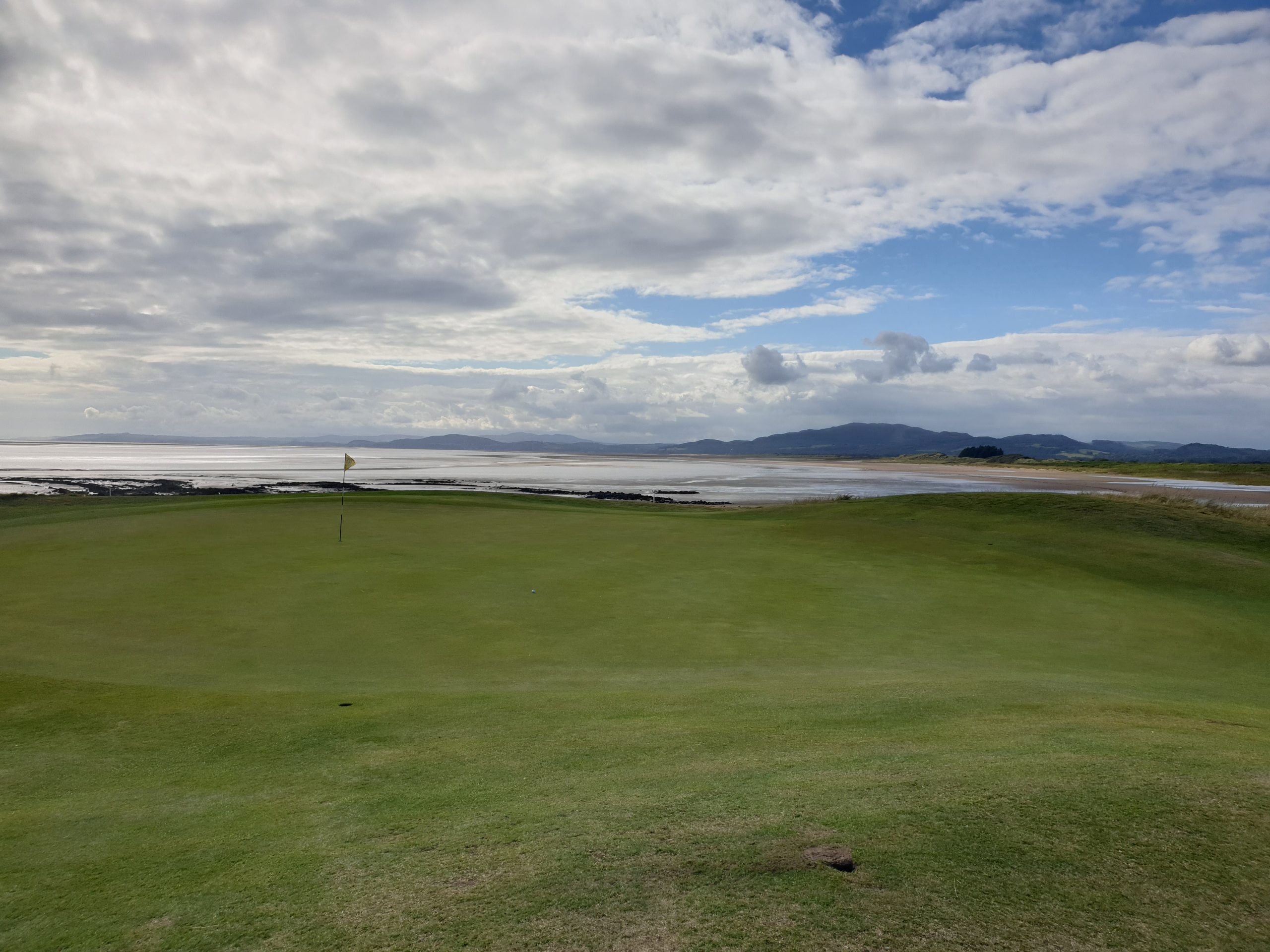
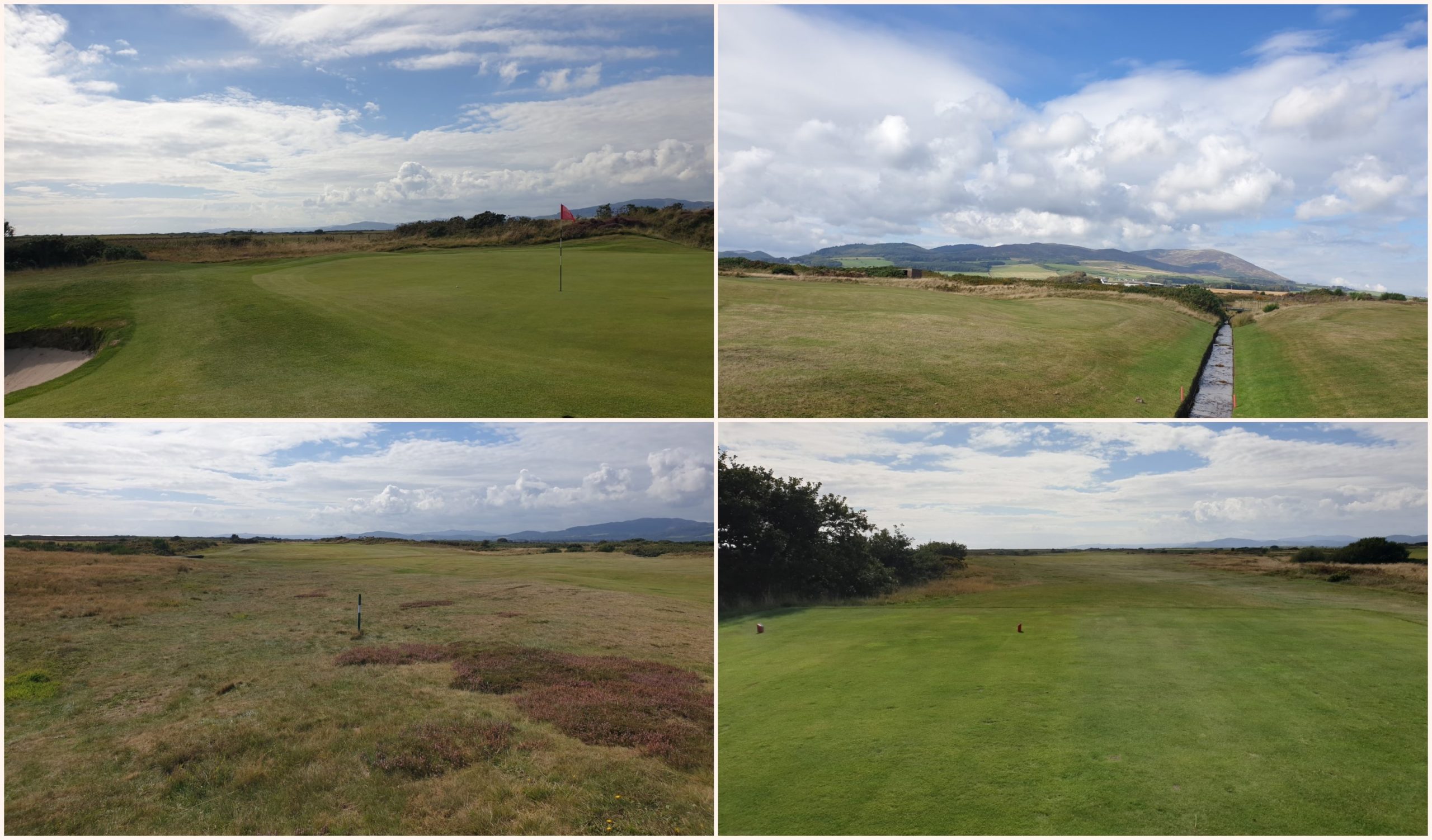
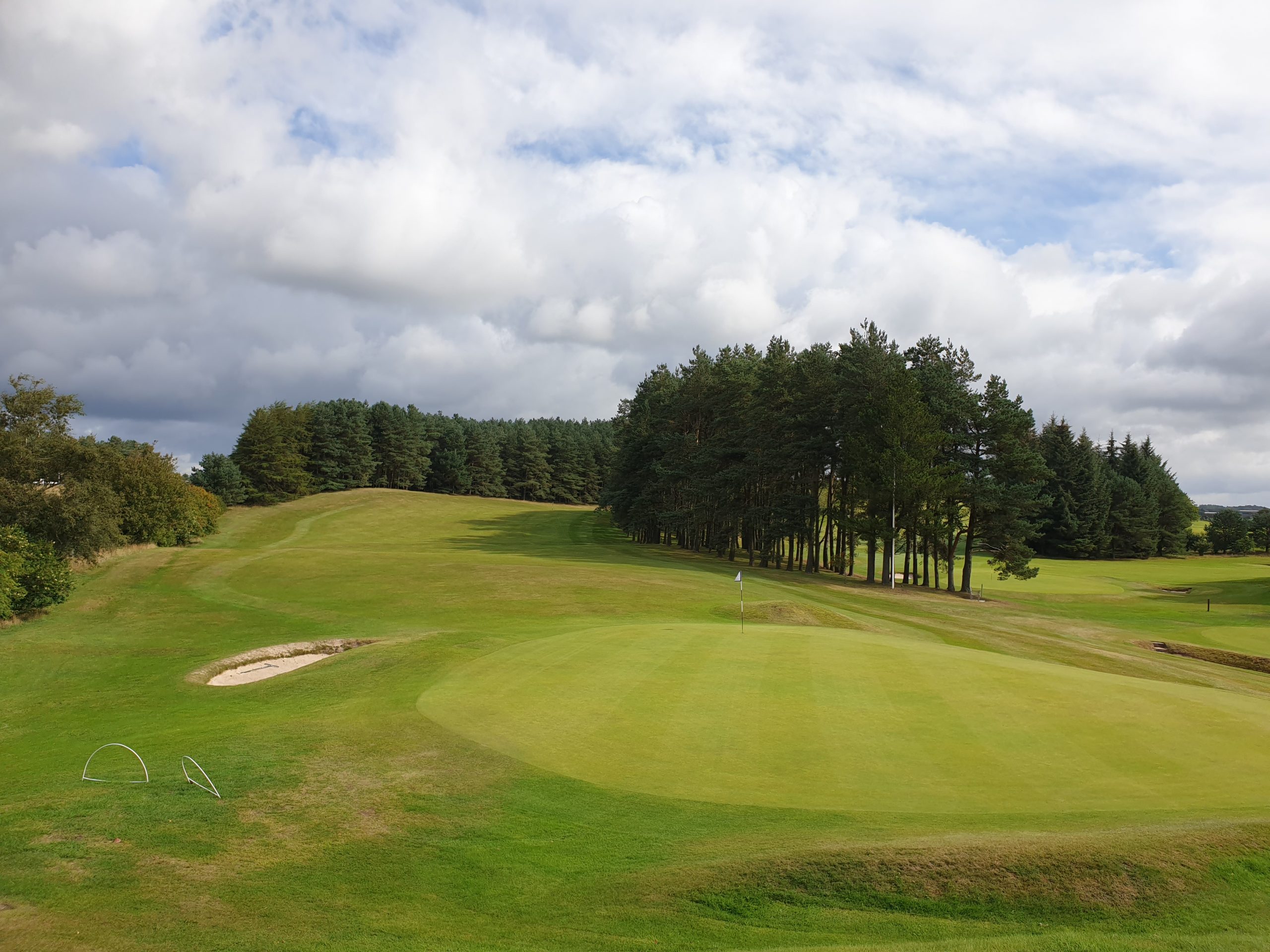
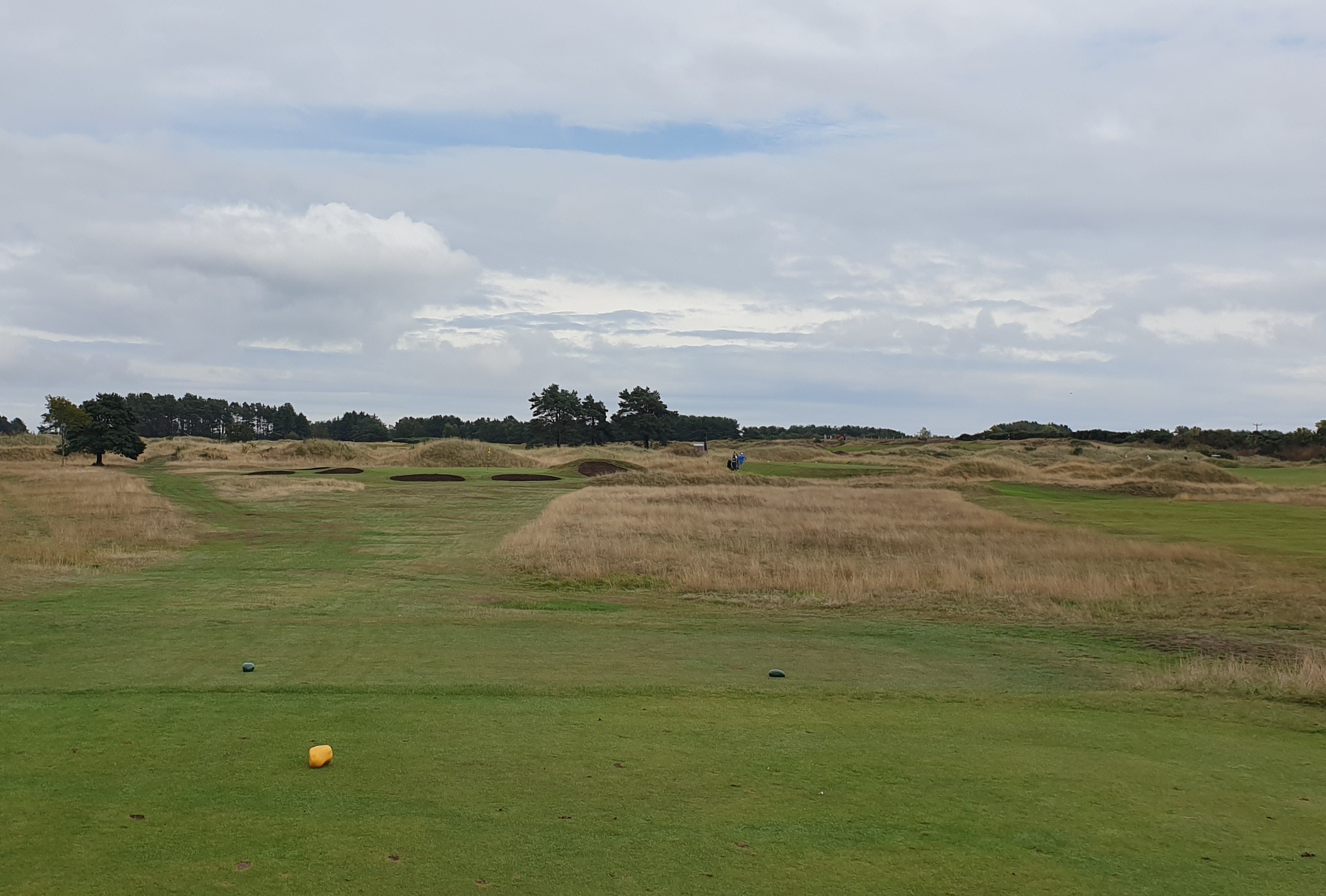
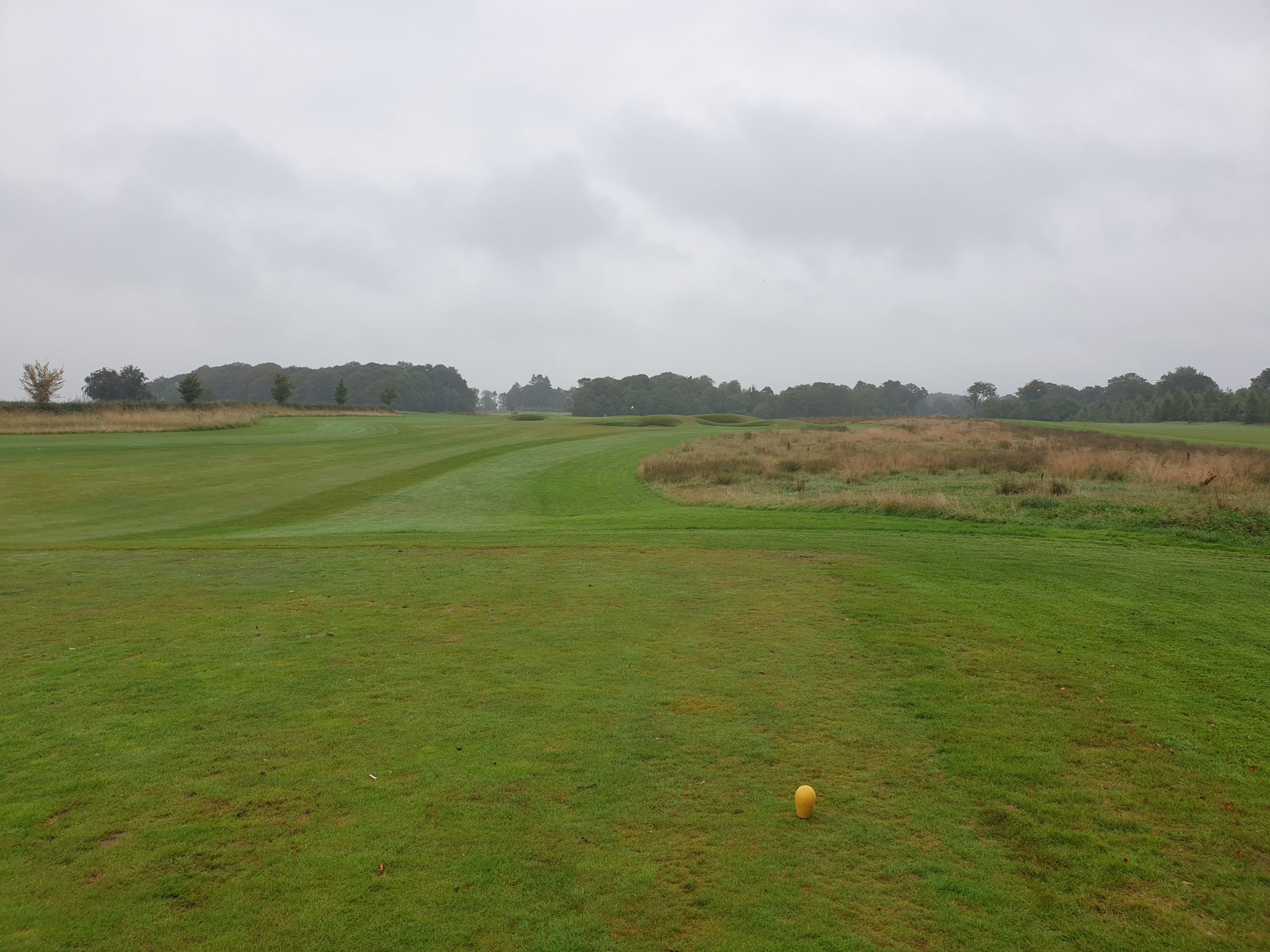
The magnificent 6th, a mid length par 4, and reportedly one of Ben Hogan’s favourite holes.

These contrasting perspectives intrigued me. So many Hogan myths exist, there are books and podcasts dedicated to them. Had I stumbled upon a myth? Had Hogan really ‘played’ here?

There are no photographs of Hogan playing Panmure, although several of him on the Carnoustie Championship and Burnside courses. Other than the Panmure Club’s website I couldn’t readily uncover corroborating contemporaneous evidence. The more I researched Hogan, the meticulous preparer for tournament golf, the more skeptical I became of the story. Hogan was not on holiday, surely he would not have played Panmure, if he could play at Carnoustie. Henry Cotton’s article “Reflections of the 1953 Open”, focused on Hogan and his ‘ten days of preparation’, but again no mention of where.

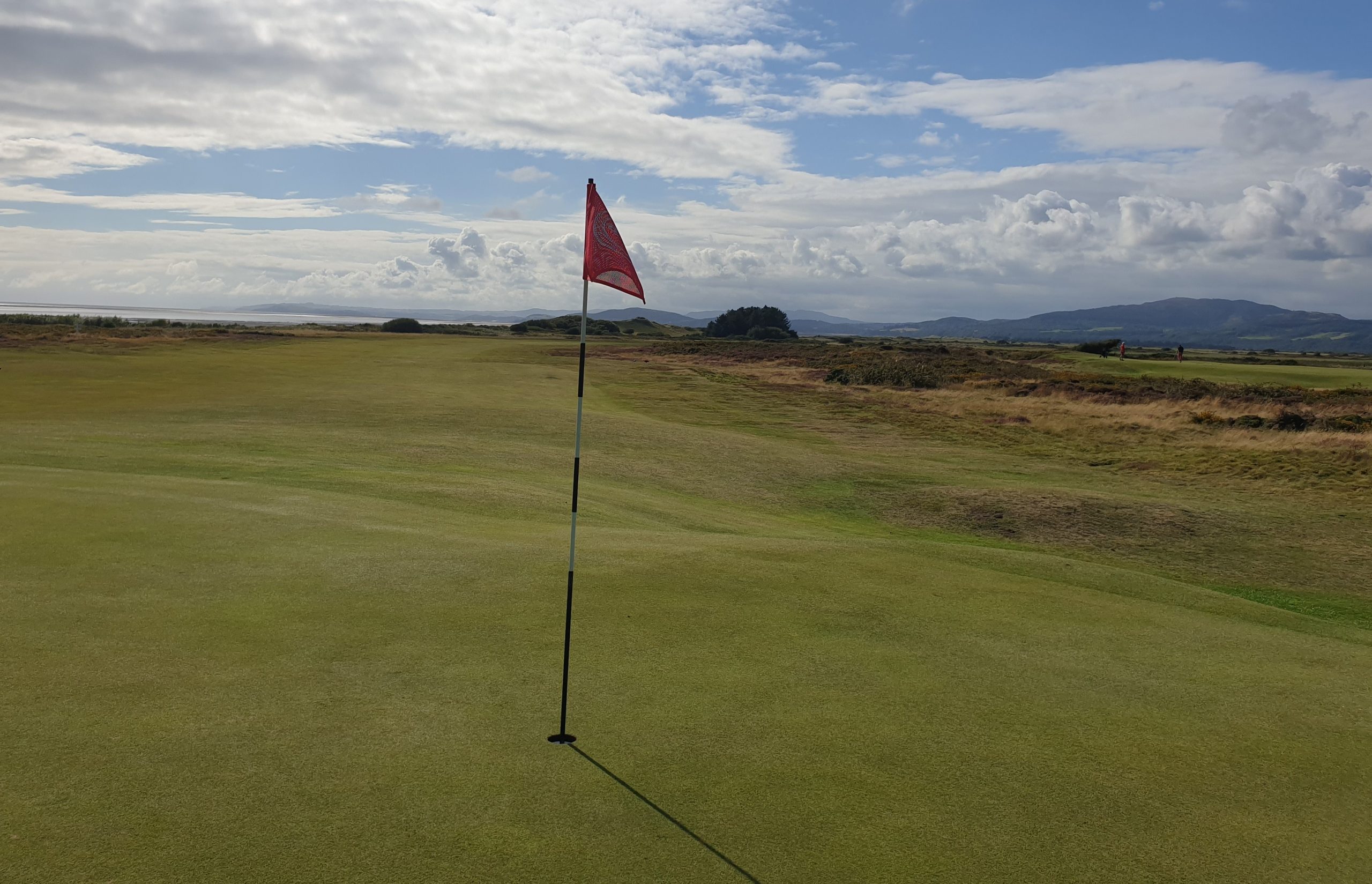
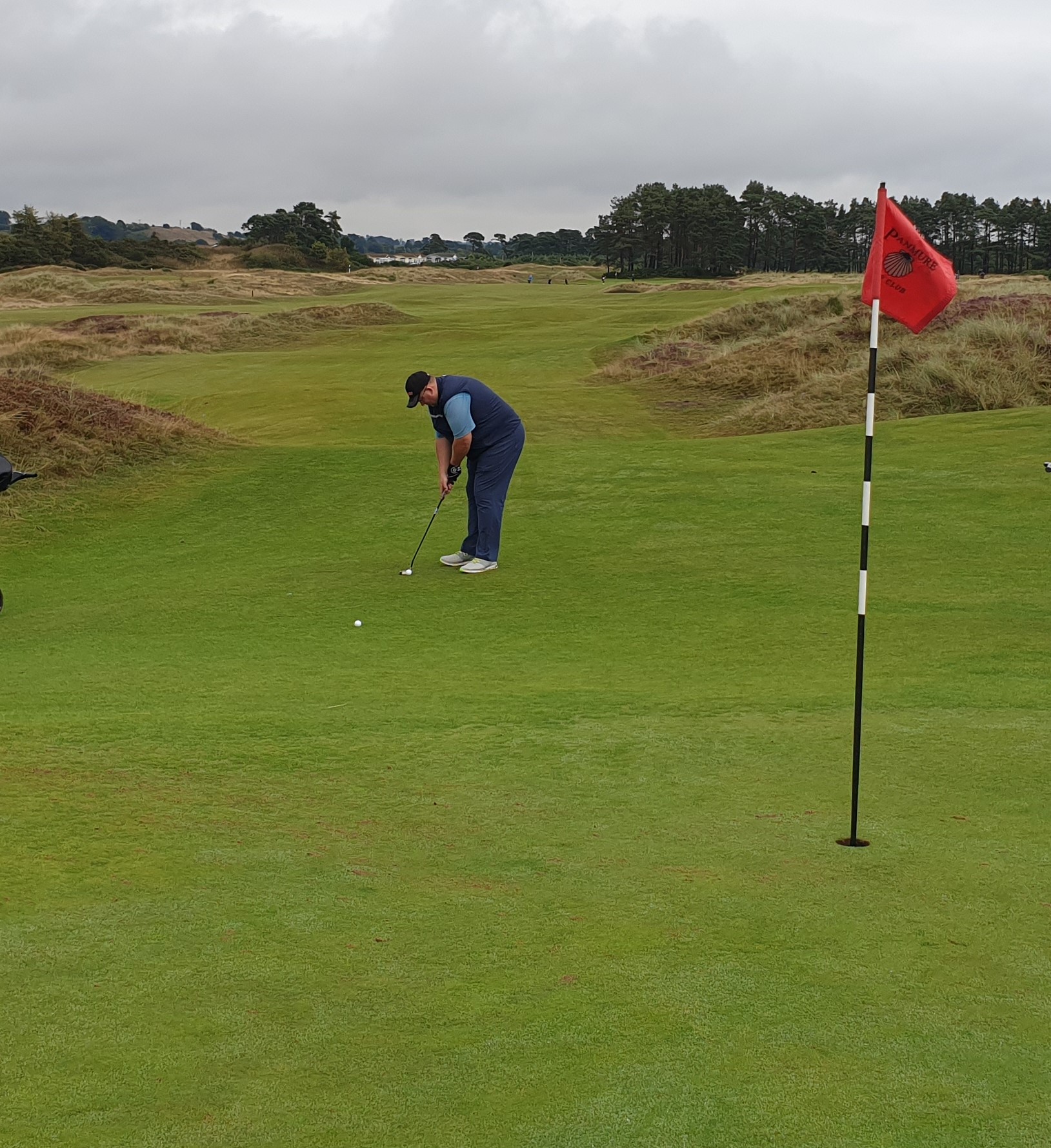
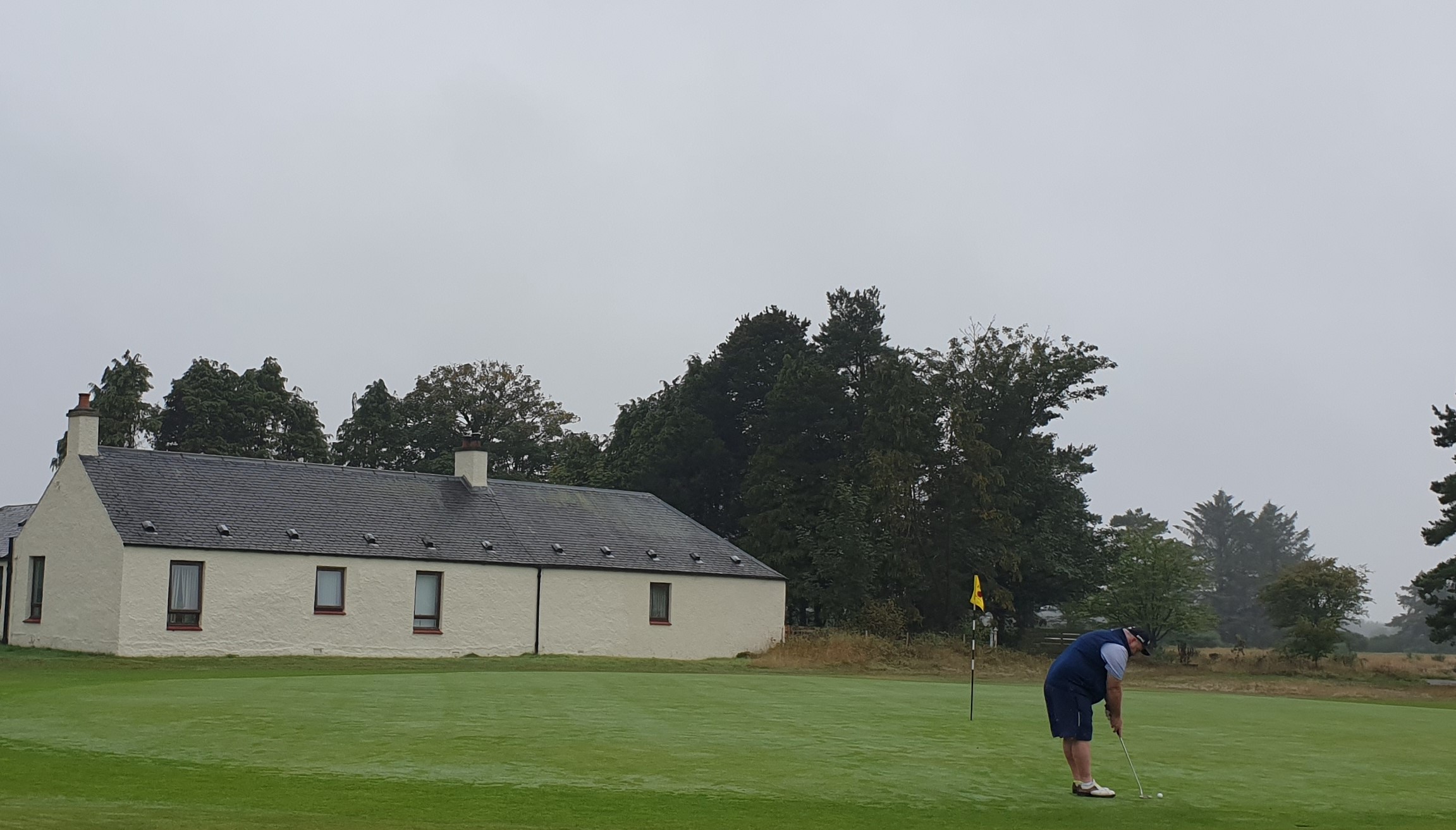
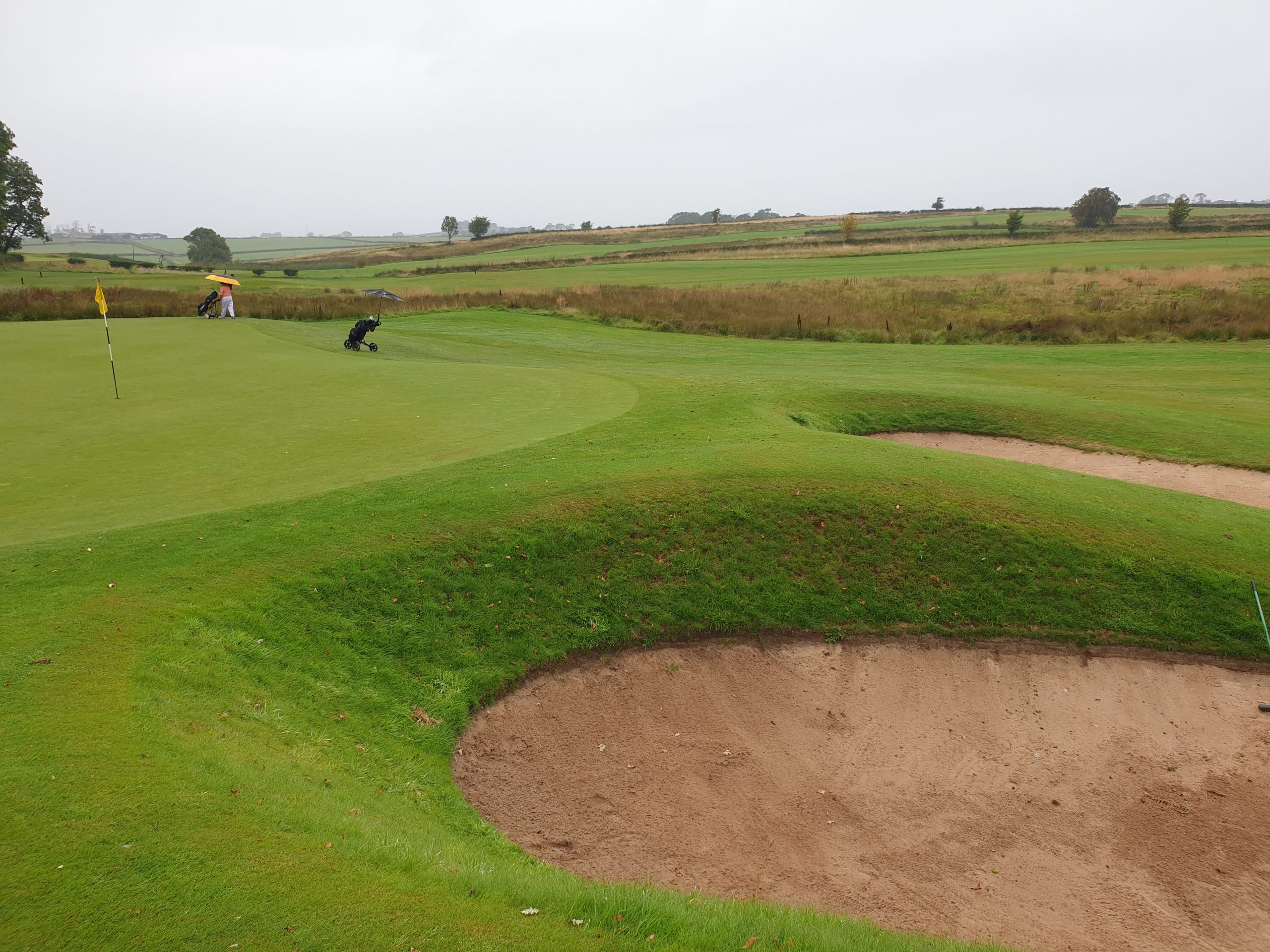
Ian Ponton, of the Oz Bar in Edinburgh, putts up to the 6th green.

Researching Gregston’s writing finally uncovered a ghost written article for Ben Hogan, in one of America’s oldest institutions, The Saturday Evening Post. In ‘The Greatest Year of My Life’, published on 17th Oct 1953, in Hogan’s own words there it was…. ‘Barry’. But it was only by a quirk of fate.

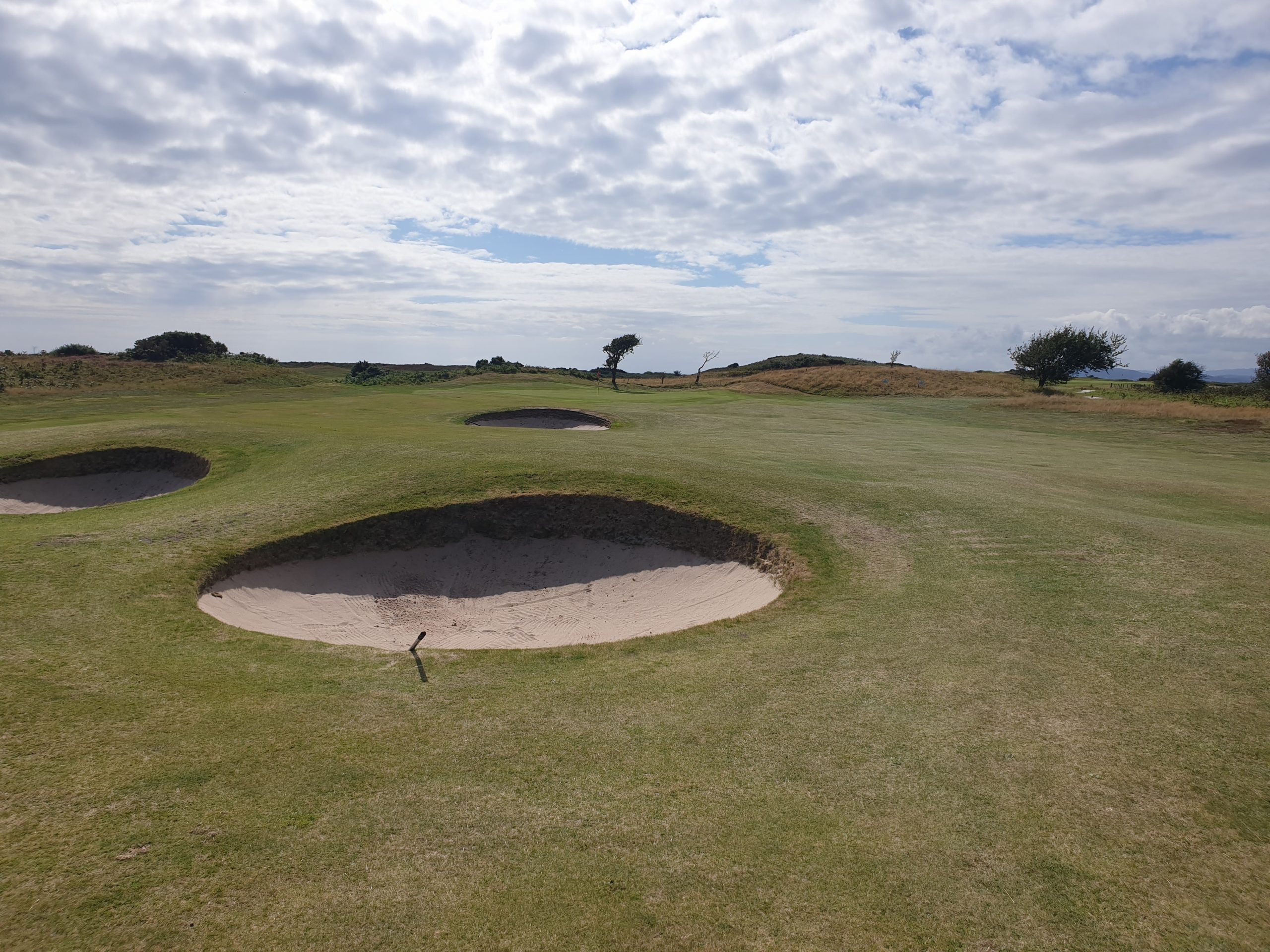
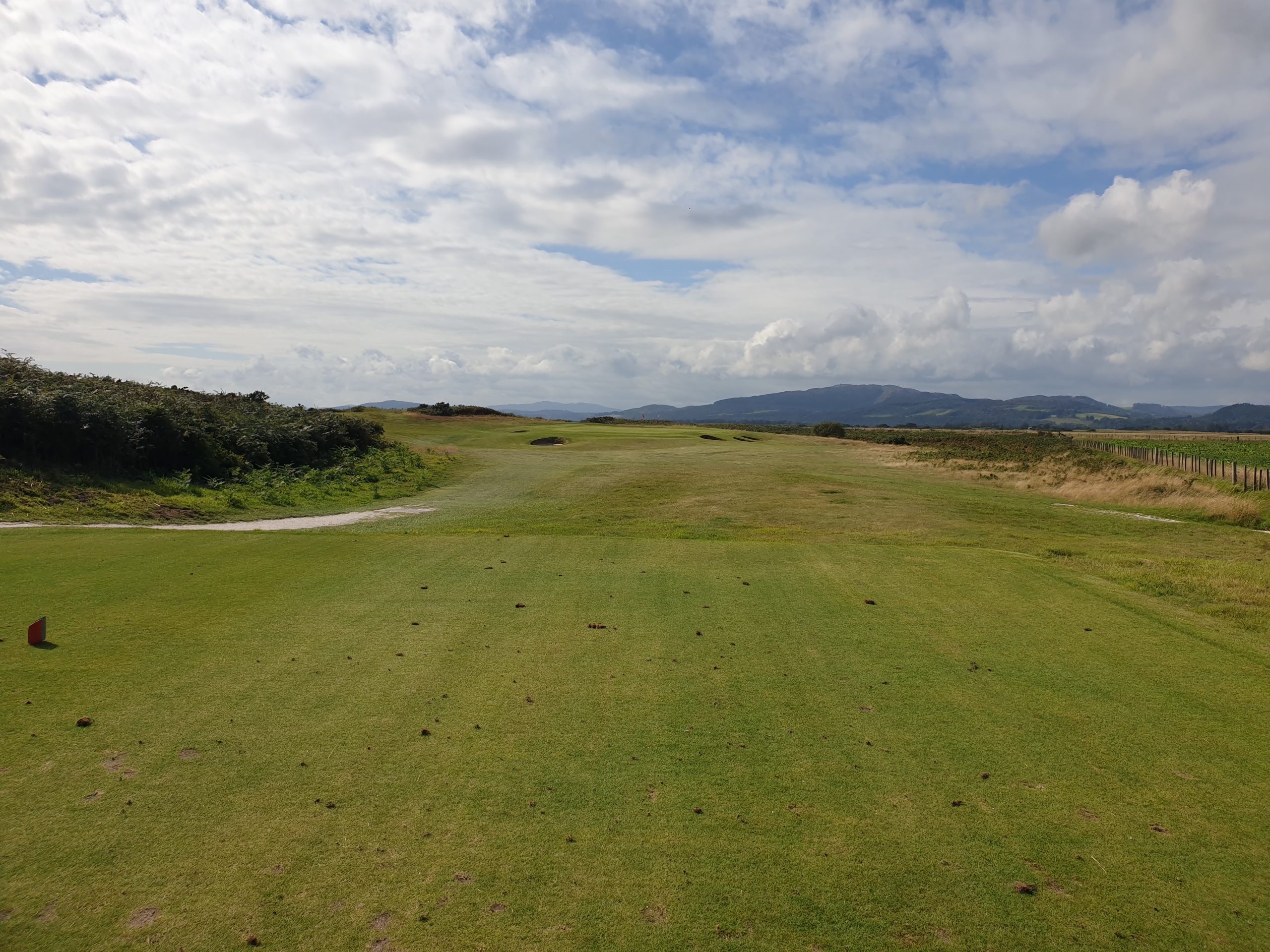
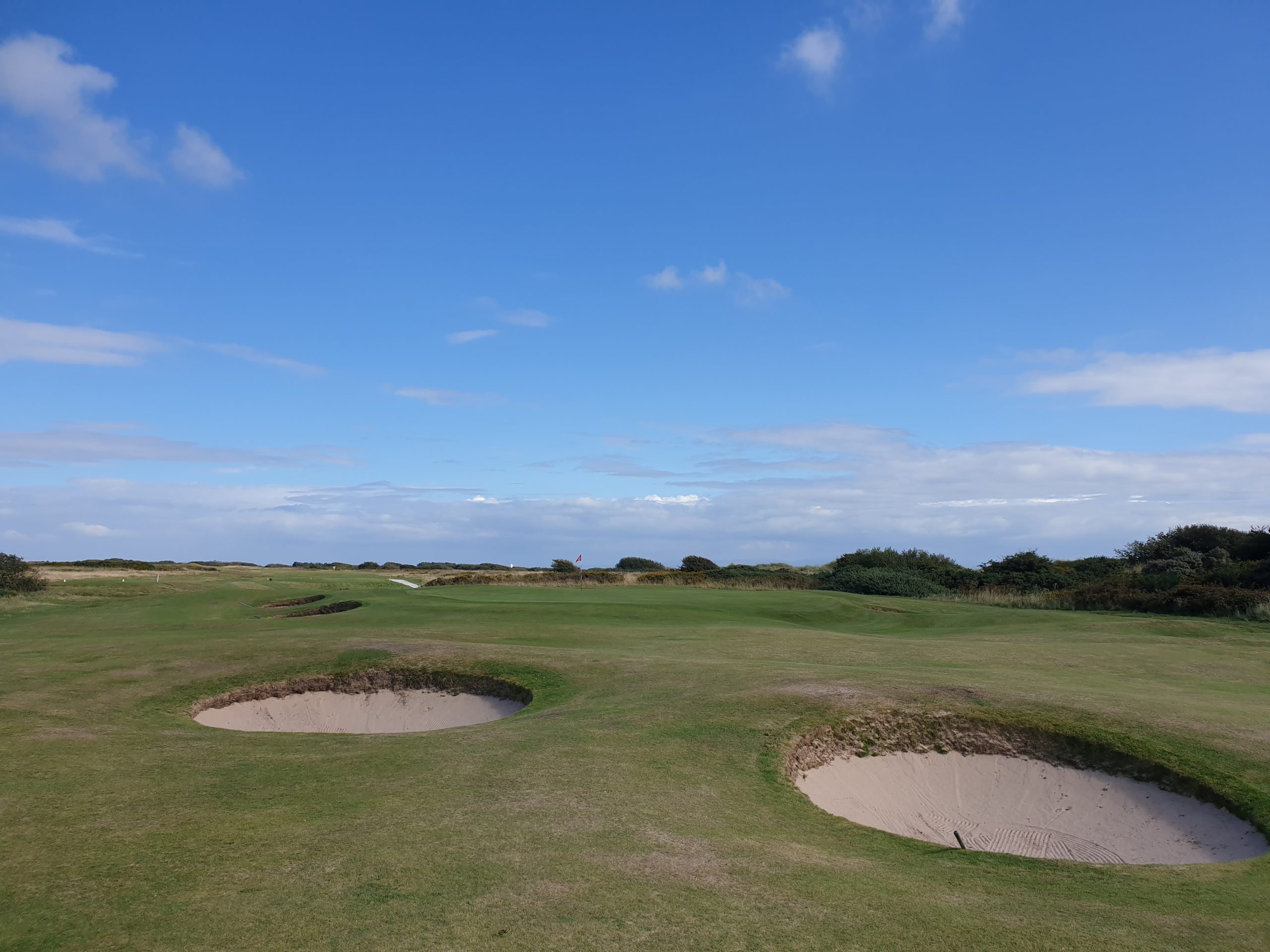
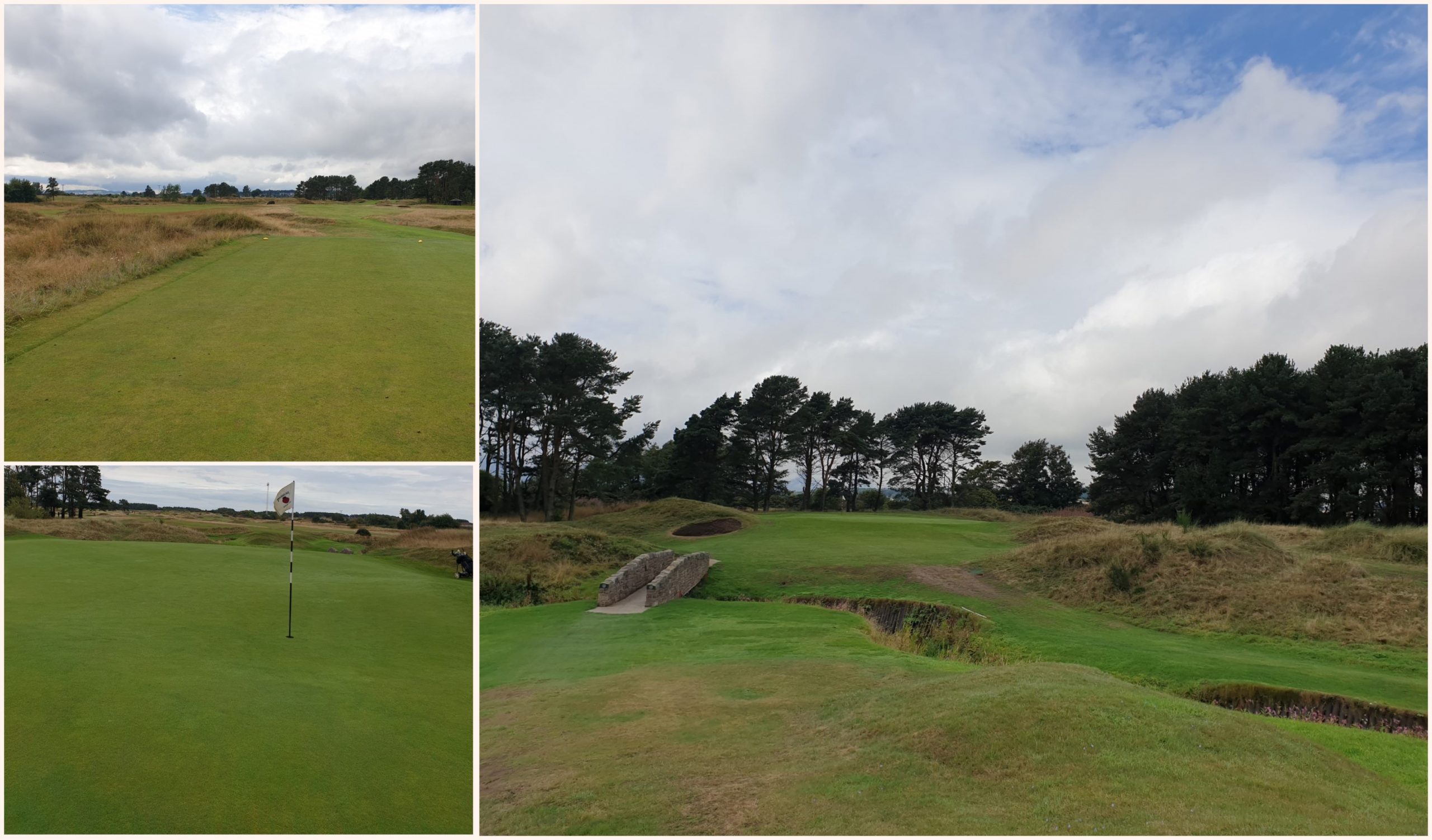
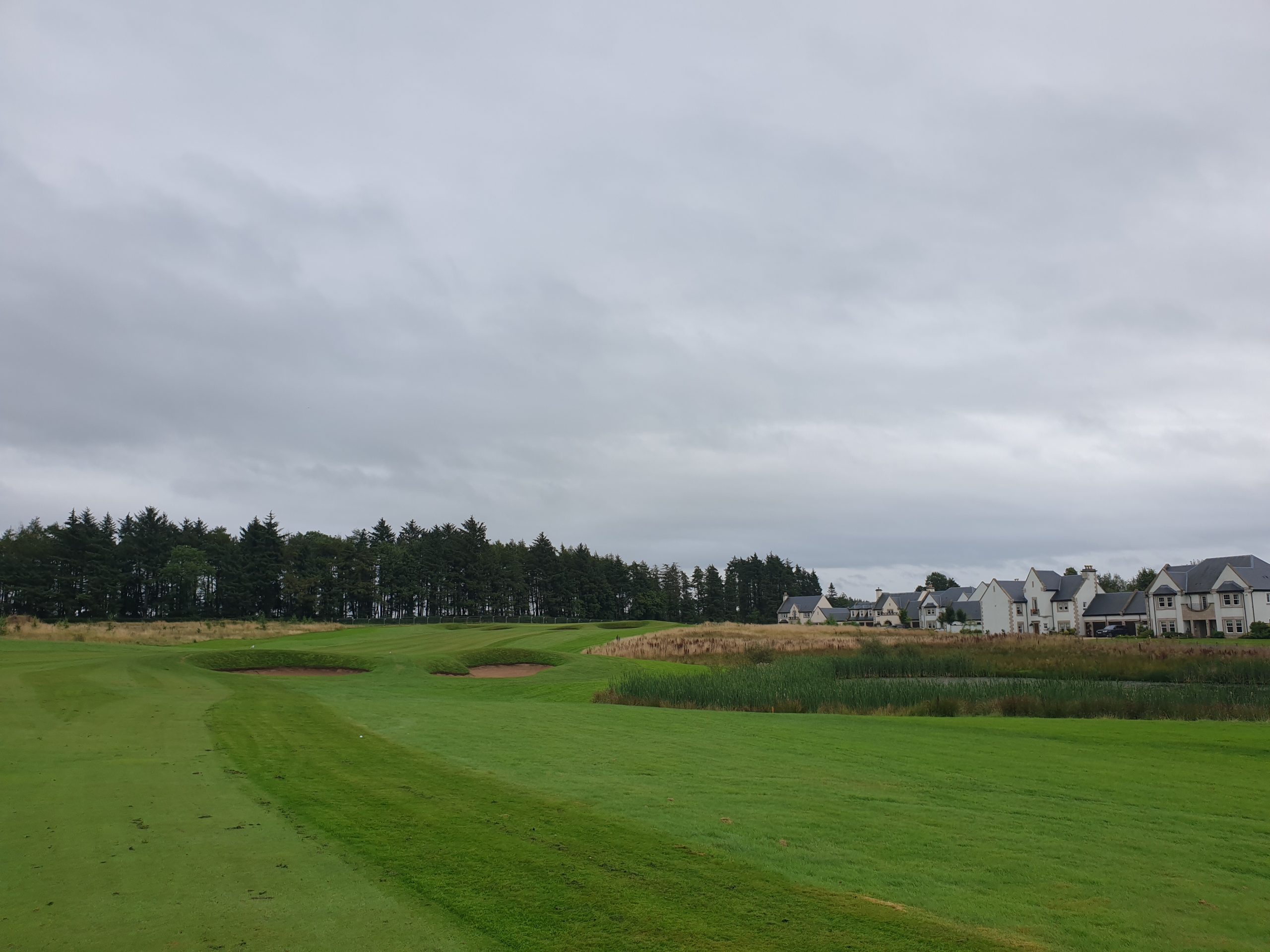
The superbly bunkered short 11th hole, with the wider view of the Barry links land.

Panmure Golf Club originated in 1845, as one of several clubs using Monifieth Links; the Panmure Ladies Club, of which my wife is a member, still play at Monifieth. Due to golf’s growth the Panmure Club built the Barry course, which is midway between Monifieth and Carnoustie. Initially 9 holes laid out by Old Tom Morris, then 78 years old, it was called Barry Links or Panmure Barry, names still used by locals. James Braid remodeled the course in 1922.

The challenging 12th hole, ‘Buddon Burn’ a par 4, and stroke index 4, at Panmure.

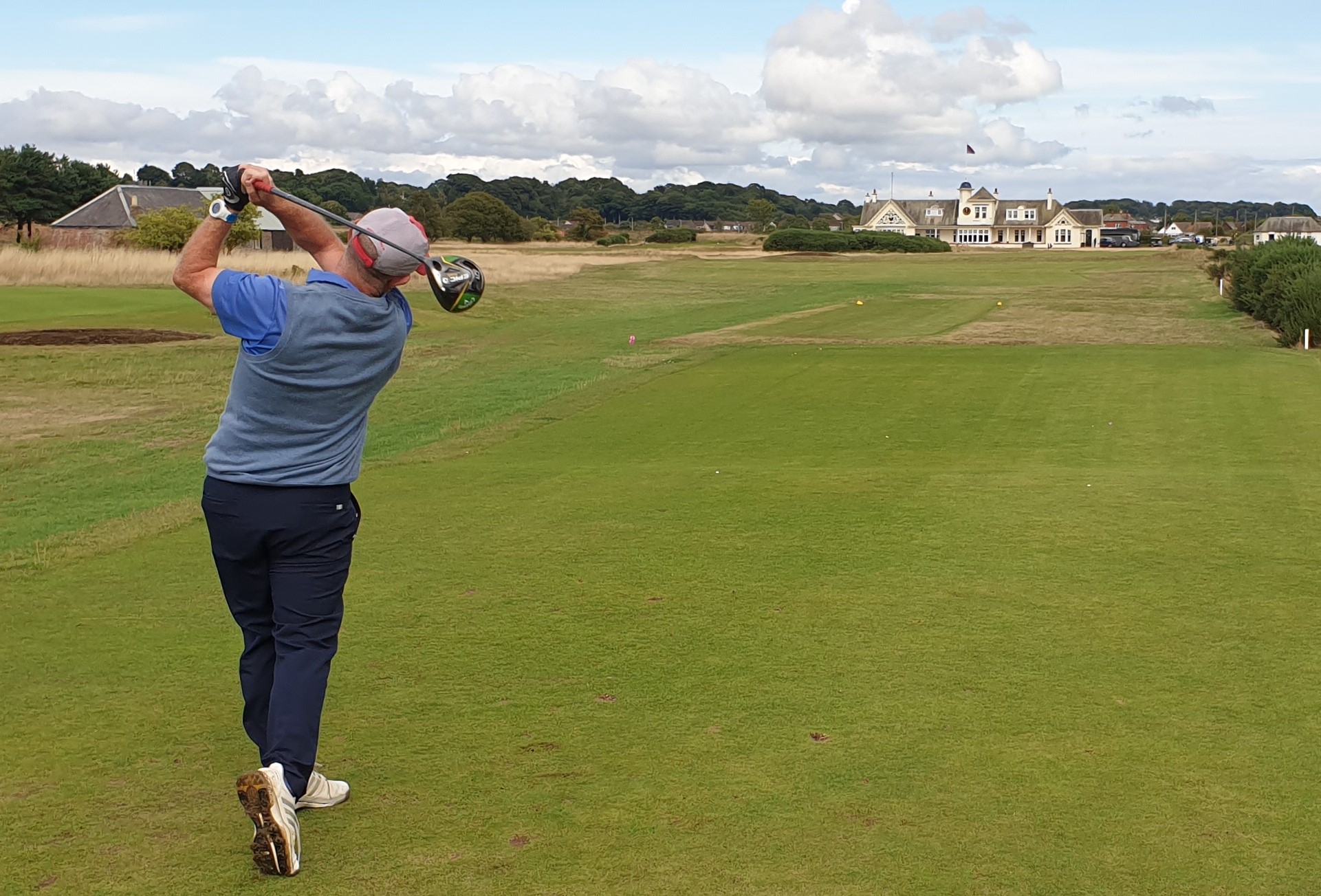
Panmure is one of Scotland’s ‘posh’ and, until 2018, ‘men only’, clubs. One may not realise nearby Broughty Ferry, home to many of the initial Panmure members in their grand houses, was once ‘one of the richest suburbs in Europe’, due to the then industrial might of Dundee. The area’s economic reach still highlighted by Panmure’s impressive clubhouse, a replica of Calcutta Golf Club, a vestige of the British Empire.

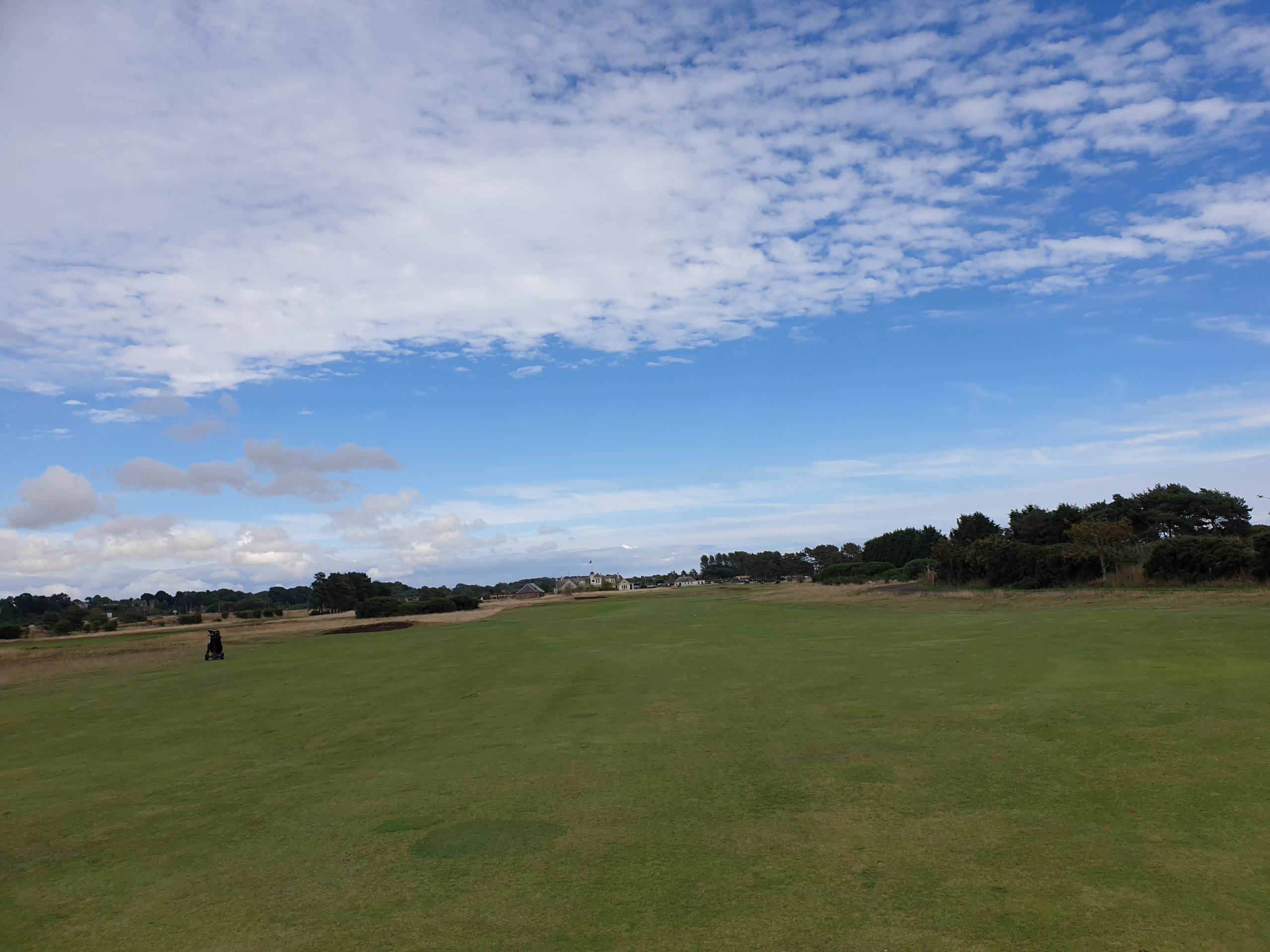
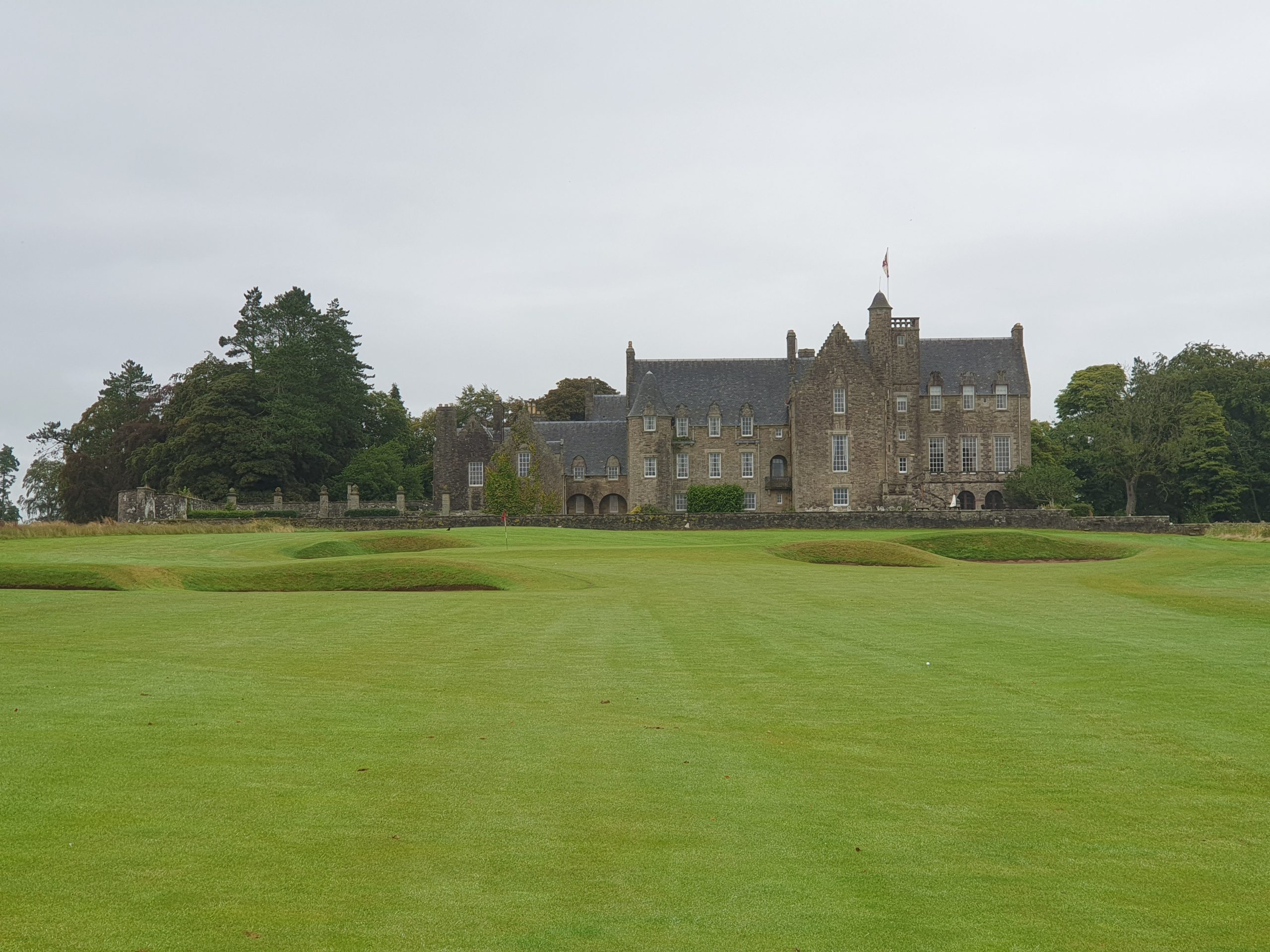
Moly drives at the 18th towards the replica of the Calcutta Golf Club clubhouse.

The golf course is exceptionally maintained to professional playing standards. It is a classic out and back clockwise course, with any OOB being on the right. It plays into the prevailing wind on the outward 9 (except for the 7th which doubles back), so I would suggest trying to ensure you stay in play going out, as there will be opportunities to catch up coming home.

The course rates very high nationally, but for me it starts and ends rather tamely. What it does have is an outstanding middle section of holes, starting from the par three 5th, before one of Scotland’s greatest holes, the par four sixth.

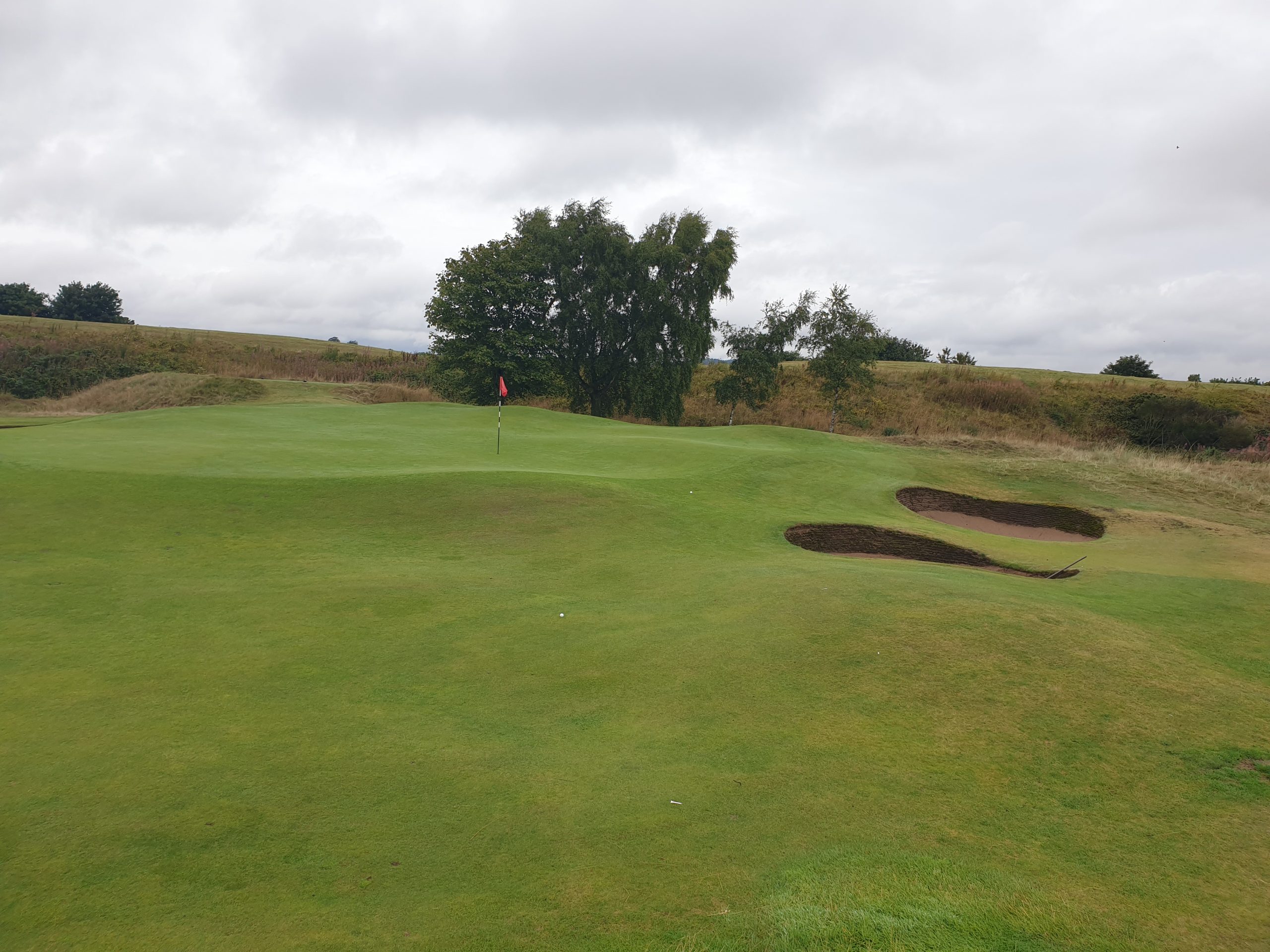
The greens and surrounds are championship quality, here shown at the 168 yard 9th hole.

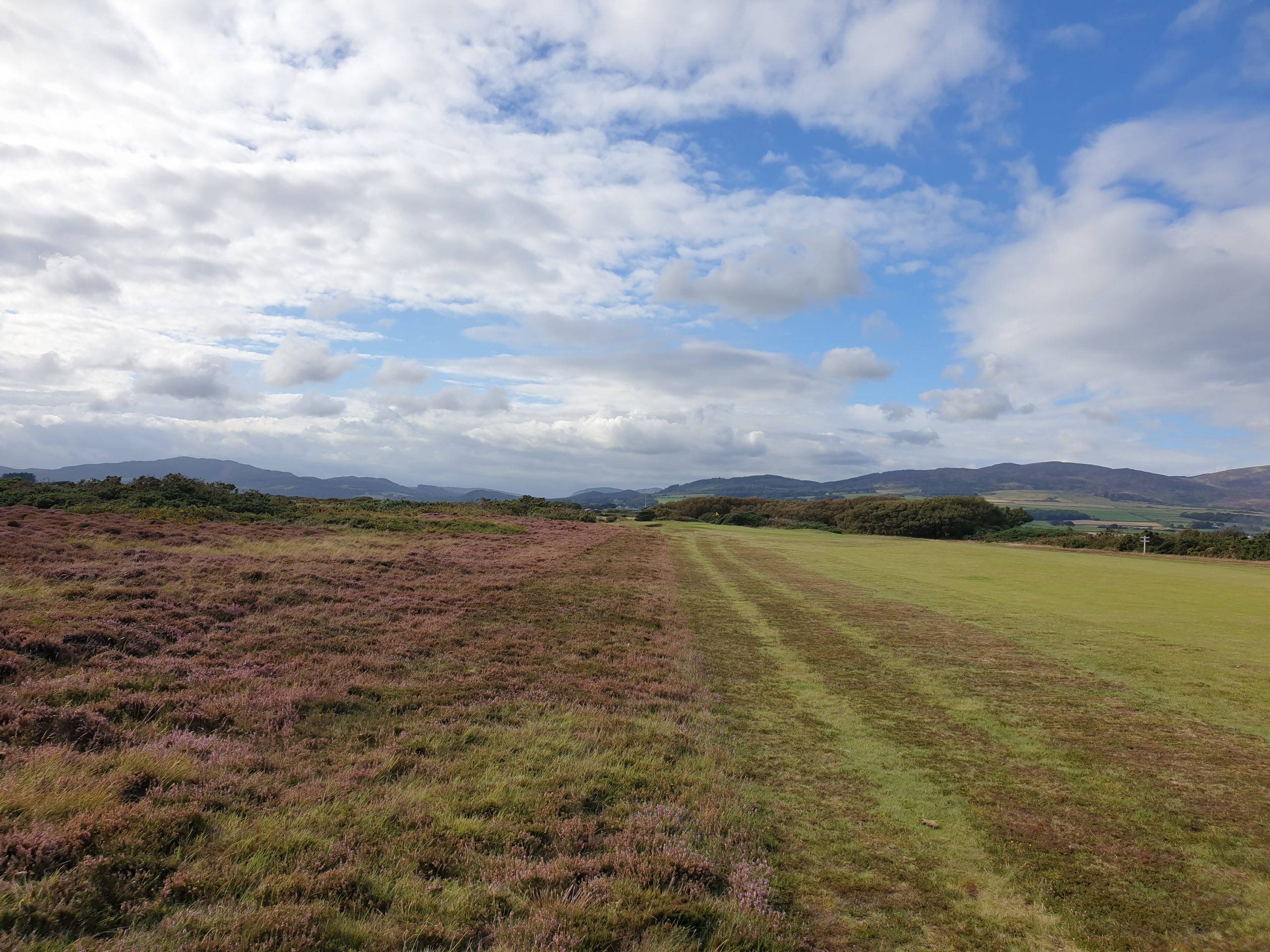
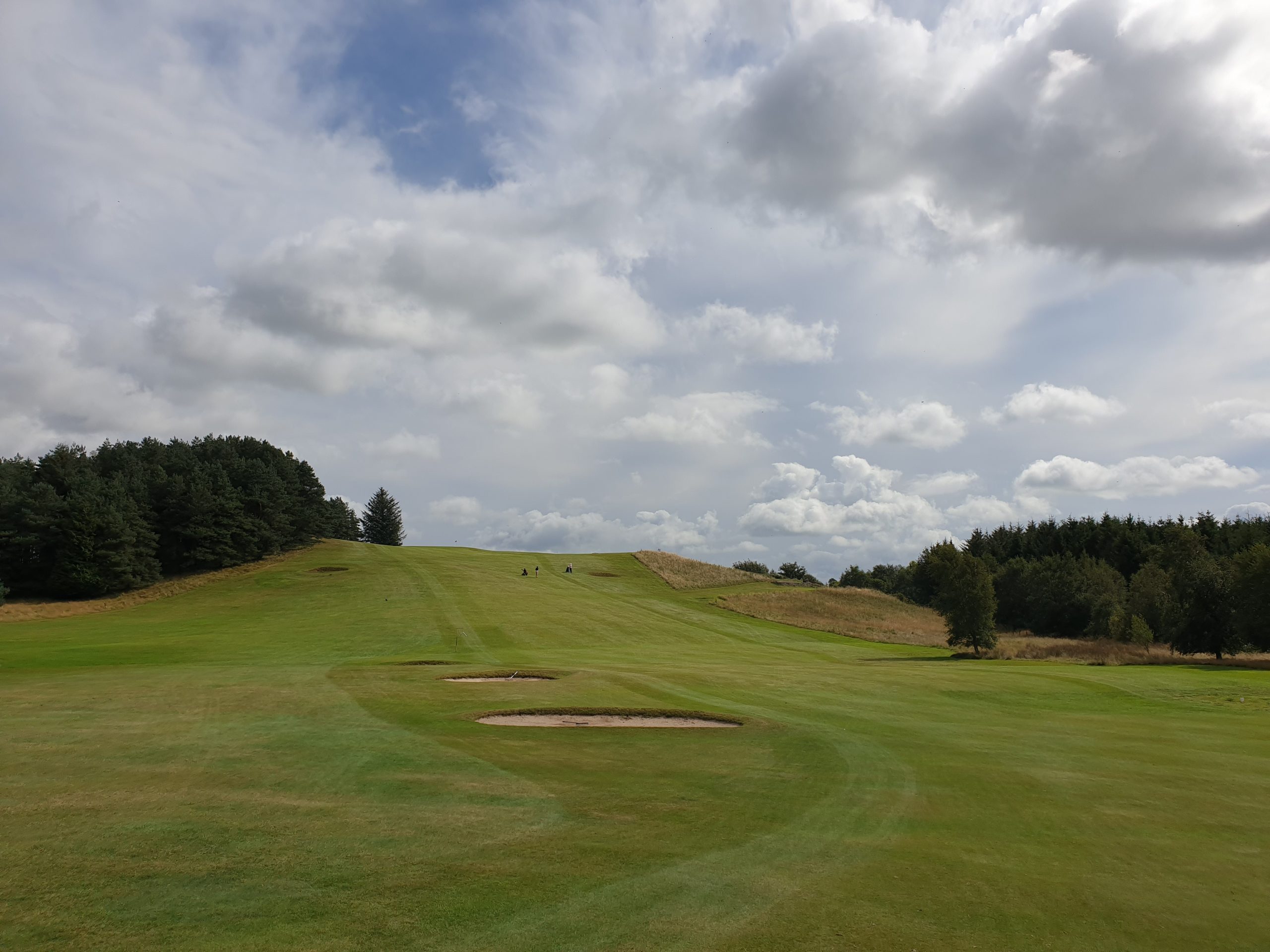
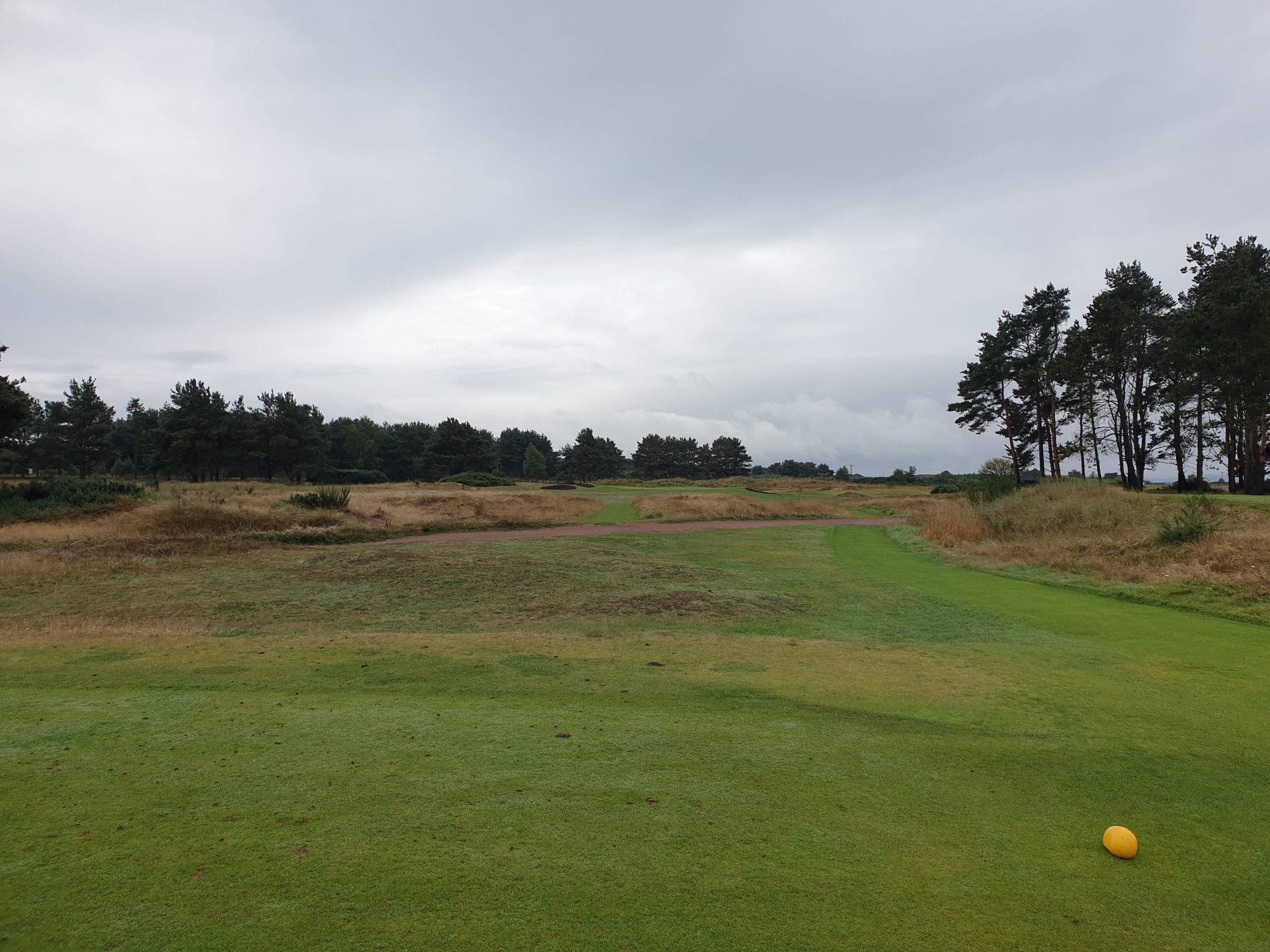
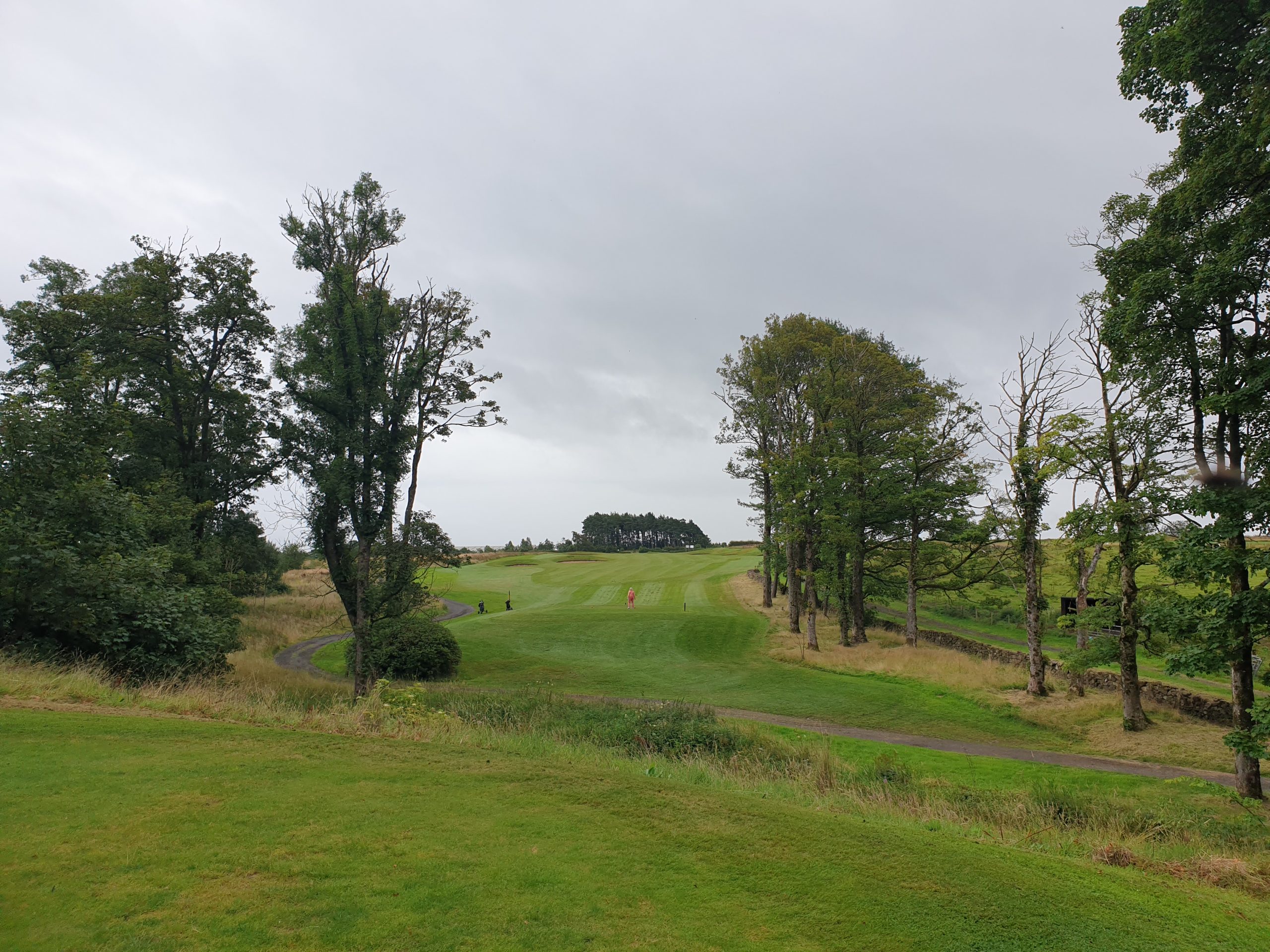
The 6th, ‘Hogan’, is spoken of as Hogan’s ‘favourite Carnoustie hole’, and it’s understandable why. It is a slight dogleg left, with the approach played directly into the prevailing wind, meaning the tee shot is about the worst wind direction for anyone other than the very best ball strikers. Although only 360 yards from the blue tees (Panmure’s equivalent of ‘yellow’), with a blind tee shot into a larger than seen landing area, it becomes nigh impossible in any high wind, as the approach plays to a plateau green through an ever narrowing channel. It has mesmerising natural framing. Like many great holes it’s risk-reward, as the fairway narrows at full driving length. Play it as an easy par 5, to avoid double bogie or worse. The 6th is also the part of the course with natural grassy hummocks, characteristic of this coastline.

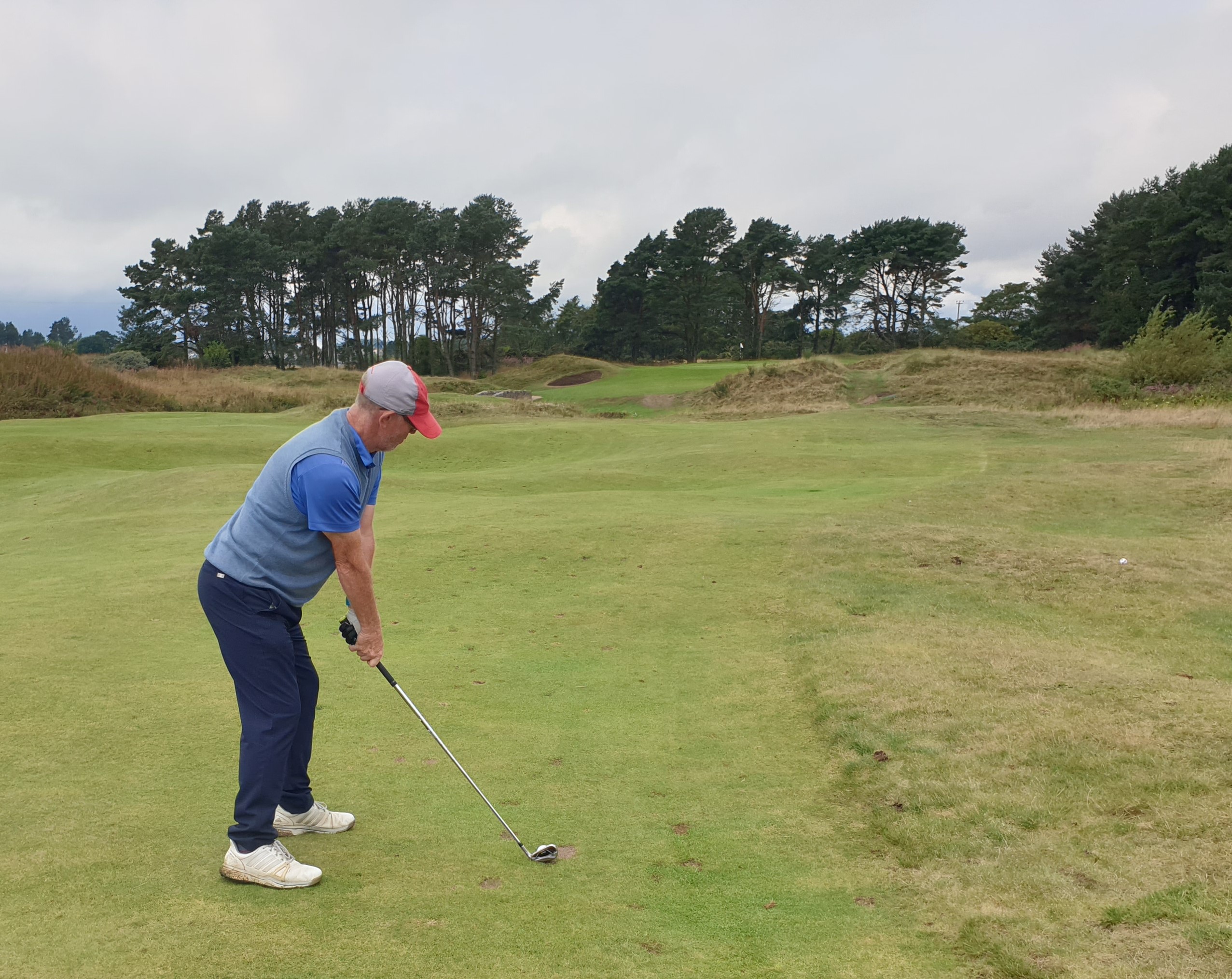
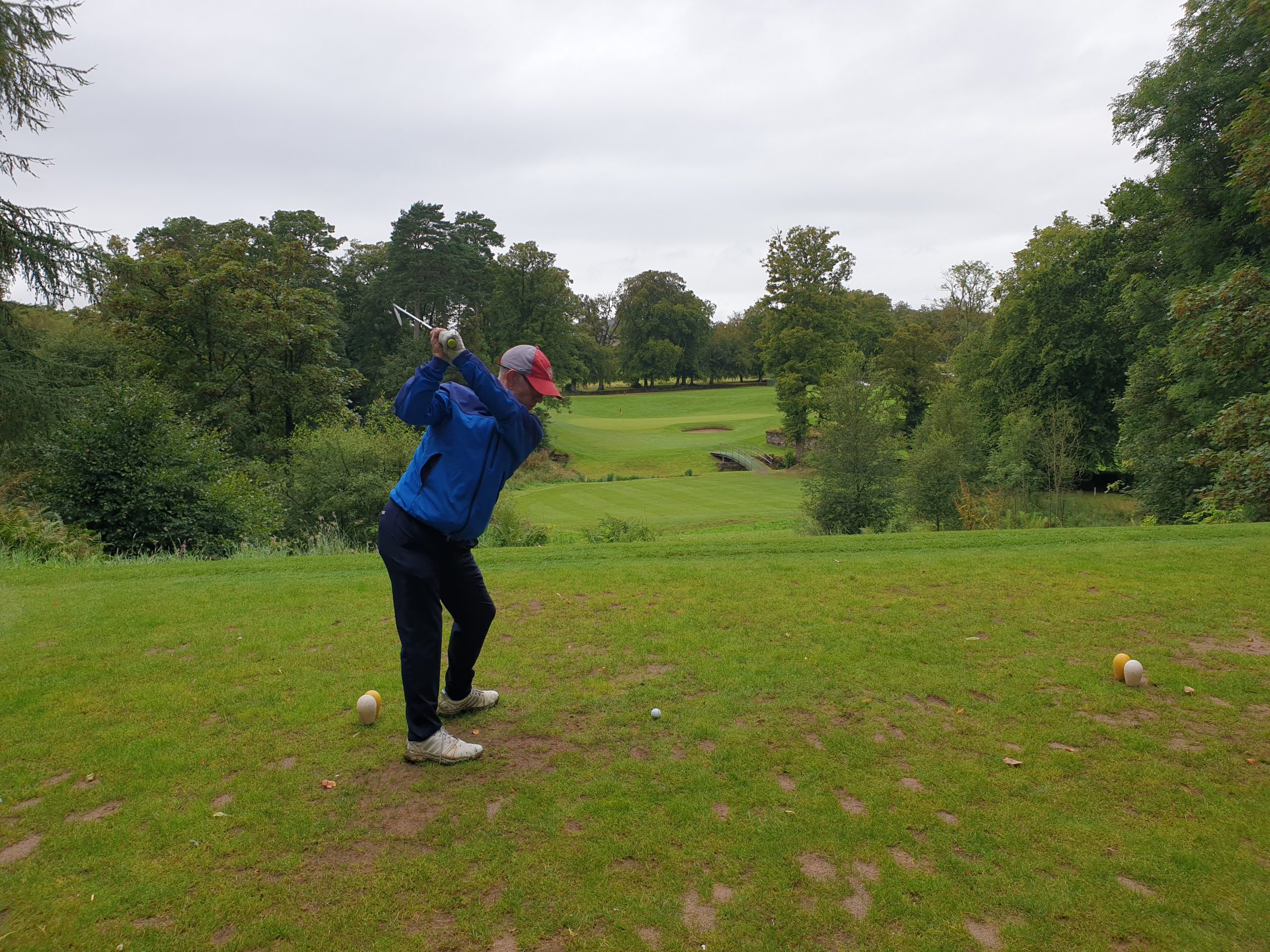
Moly’s approach at the 12th, ‘Buddon Burn’, with the grassy hummocks in full display.

How many great holes does it take to make up a great course? That’s a question worth thinking about, especially when one is pondering value? As a Dundonian, I played Panmure several times in the 1970s and 80s, when the price was relatively much cheaper. As with many ‘well heeled’ Scottish clubs nowadays, visitor prices have focused on the more wealthy visitor fees on offer, aided in Panmure’s case by the closeness of Carnoustie. At £145 for a summer season round, I think it’s overpriced, hence my score of 3.5.

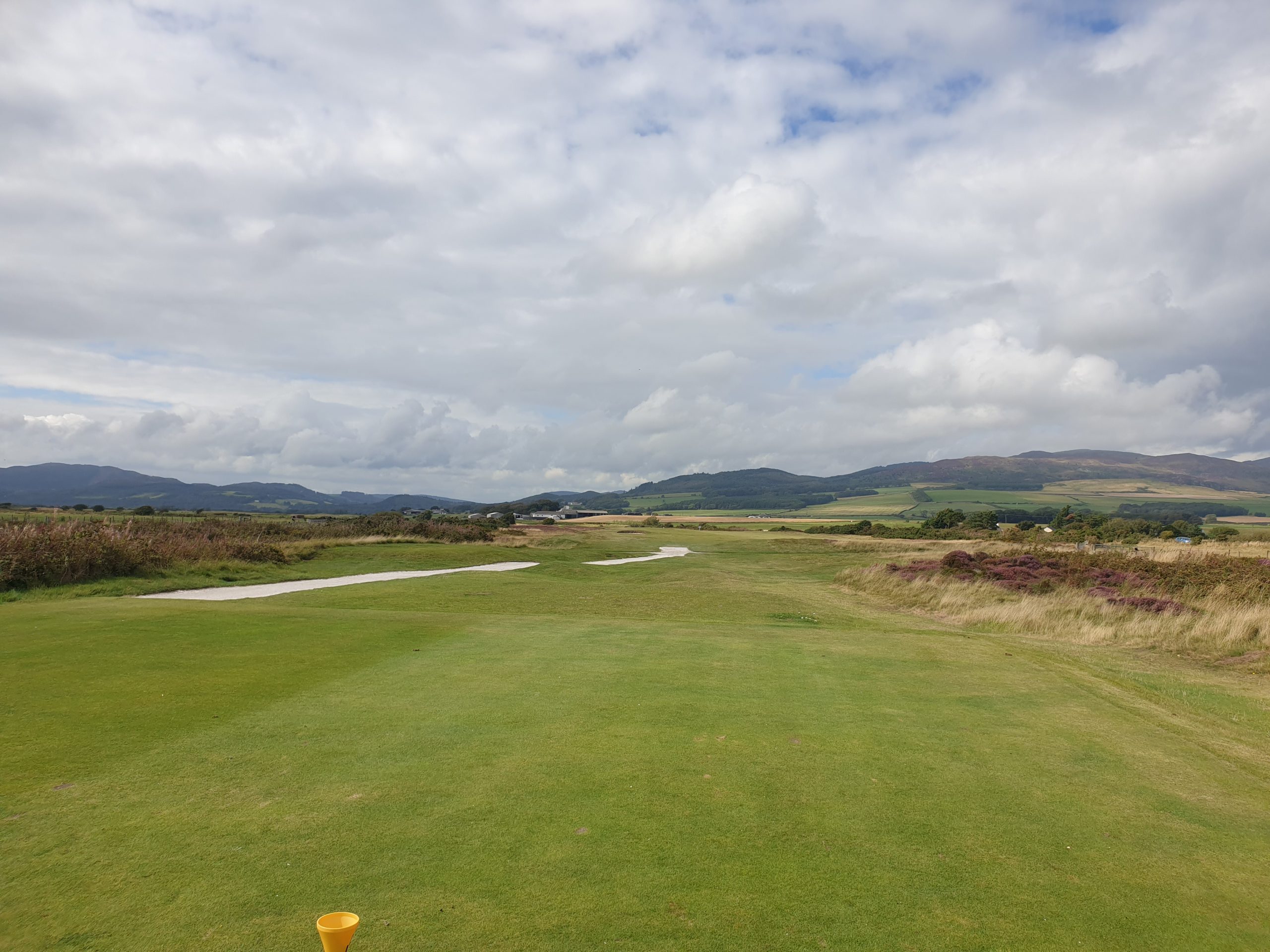
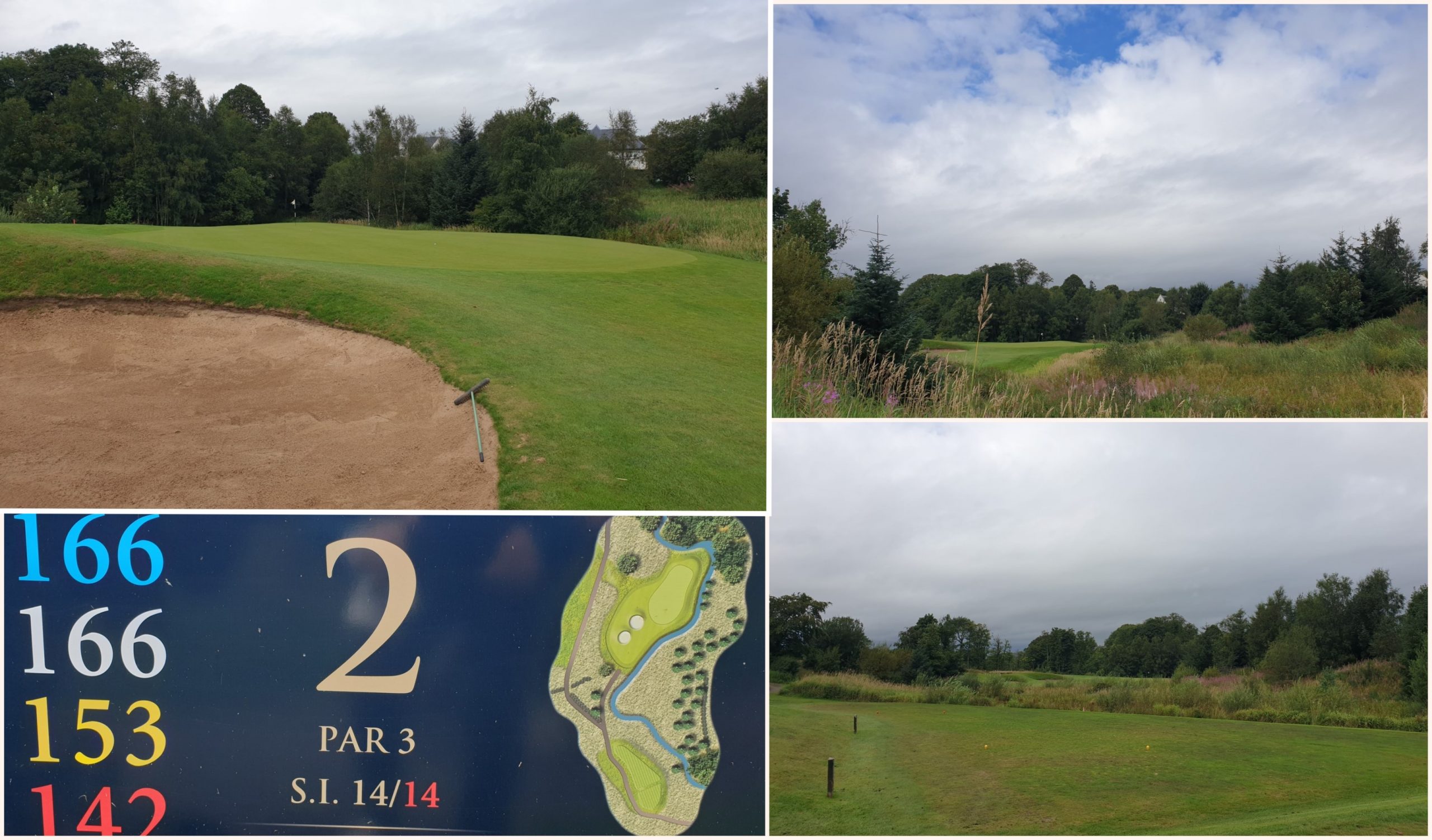
Colin Snedon at the par five 2nd, ‘Lochside’. Another mystery as there is no loch, but a pretty cottage!

Returning to the Hogan story, here’s what my investigation concluded. He started off practicing on Carnoustie, as was his plan, but found that its practice area was located next to the Barry Buddon military firing range. For Hogan, this was too noisy! So he then practiced for “an hour to an hour and a half each day at Barry” (Hogan’s words), using the 17th fairway and green (which he had cut shorter), as his practice area. As he was adapting to the smaller UK ball he was focused on his ball striking and yardages. He then went on to Carnoustie each day for his practice rounds and, late into the evenings, meticulously measuring the course, for key distances, as a modern caddy would do for his professional. He played 3 balls on each tee (to left, centre and right of the fairway). He missed one fairway in 4 rounds.

The 5th hole, a short but still very tricky par 3.

Given that he was practicing at Panmure for about a week, for about an hour a day, I think it’s highly unlikely he ever played a round at Panmure. Why would he, when he needed to learn Carnoustie’s monstrous 7,200 yard course.

As to the story of the 6th hole being Hogan’s favourite? Well, intriguingly, Carnoustie Championship course’s 6th hole is also called ‘Hogan’, with its famed ‘Hogan’s Alley’ describing a portion of land created between a loop of the Barry Burn. Might he have been confused? Nonetheless, both 6th holes are candidates for inclusion into a list of great Scottish holes.

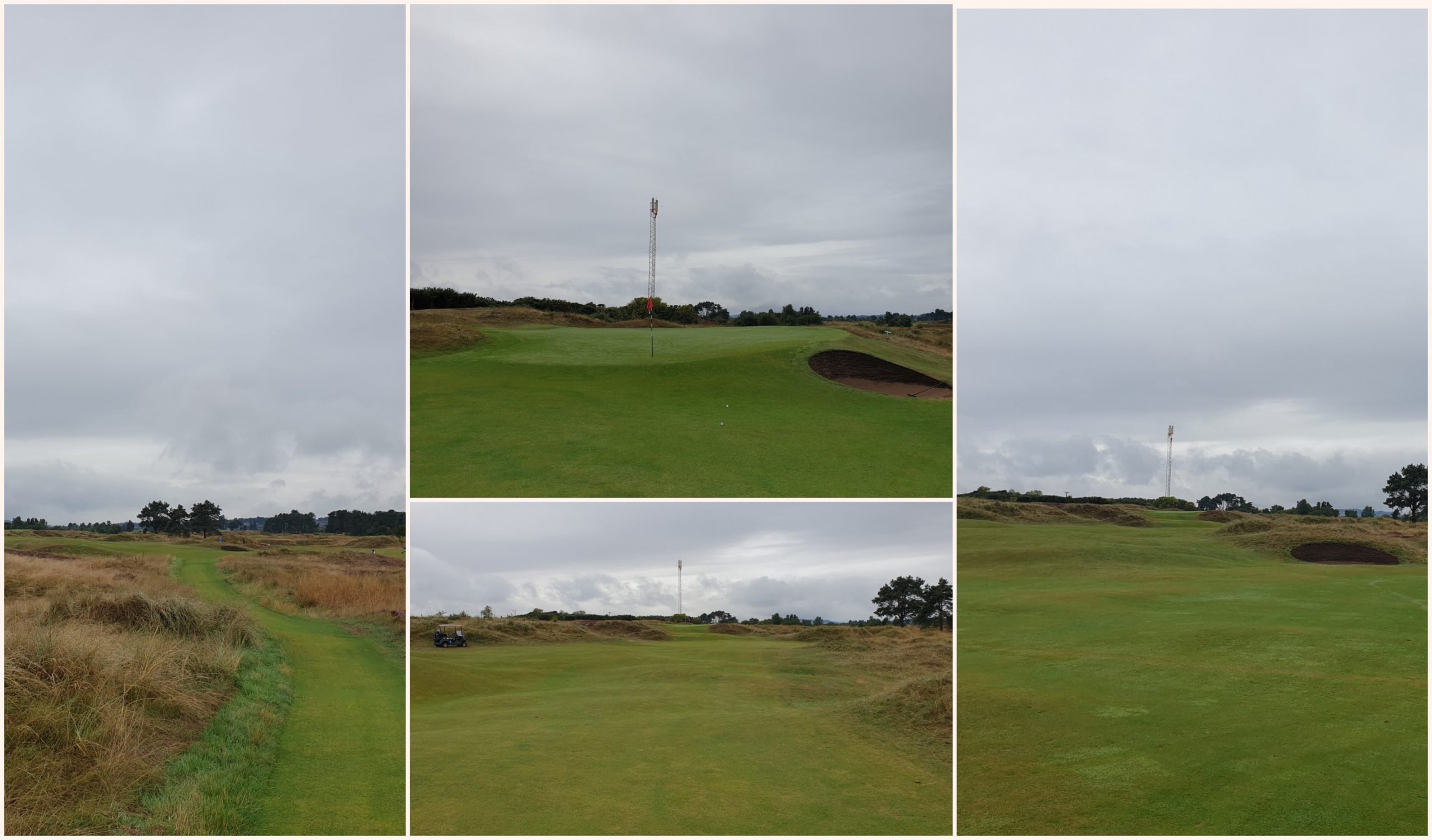
The 17th, Ben Hogan’s driving range, helping him prepare for his 1953 Open victory.

Panmure is a great course, full of history, with a brilliant stretch of holes; however, other than for the soldier’s firing on the range, the ‘Hogan’ room at Panmure Golf Club would need another name.

Interestingly, there are still no red tees at Panmure.

Facts:

Course Type: Links

Par 70  (2 par 5s, 12 par 4s, 4 par 3s)

Distance (blue): 6113 yards

Moly’s Gross score: 100

Moly’s 100 included only 1 par. In high winds and wet, just too challenging.

161. Rowallan Castle. 22 Aug 22.

Great value open parkland course well worth playing – I hope Rowallan Castle’s interesting business plan stands the test of time.

Round £45. Par 72. Course/Slope Rating (yellow) 71.6/129. Value (out of 5) – 4.5

Moly’s score – 91

Insert “parkland” into their claim that Rowallan Castle is “one of Ayrshire’s finest golf courses” and they certainly have a case. This Colin Montgomerie designed course is well worth playing, and a great alternative to the several world class links courses along the nearby Ayrshire coastline.

The well bunkered approach to the 18th at Rowallan Castle, one of five par 5s at this clever layout.

Opened in 2010, this course is clearly set up, from the blue ‘tips’, to cater for professional play. Moreover, the yellow yardage of 6284, which most visitors will use, still presents a meaty challenge, especially as there are some long walks between green to next tee.

The first fairway, a tough par 4 of over 400 yards, adorned by “executive” housing, a key part of the longer vision of owner Niall Campbell.

Rowallan Castle, is 4 miles north of Kilmarnock in Ayrshire, and has a history dating back to the 13th century. Now owned by Niall Campbell and his family, the recent history is both colourful and ‘cuts to the quick’ for businessman trying to create up market golf developments in Scotland.

Moly at the short 8th “Old Castle” hole, at 149 yards, the shortest of the five par 3s. Go long.

Initially planned to be a hotel golf resort, its appears that there has been planning challenges over the last 20 years. What you are left with is an interesting mix; one of the two castles is used as a wedding venue, the other as up market holiday lets. A separate restaurant in a new “orangery” style building, adjoining the “turreted” golf pro-shop, serves both the golf club as well as “fine dining” visitors.

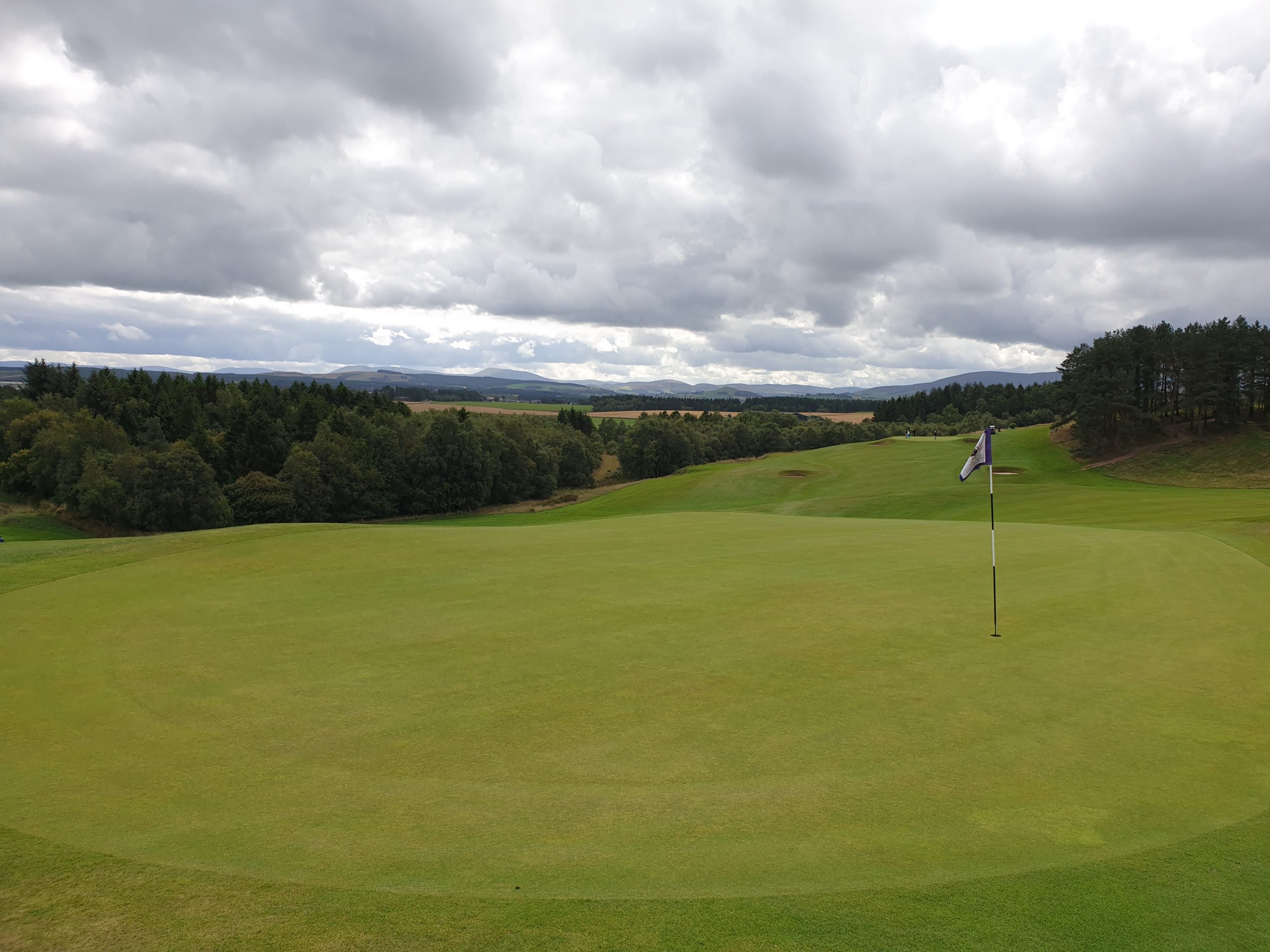
The great second hole, deceptive on the eye, with more room on the huge green than it appears. You might need a long two putt for par here.

One of the oddities therefore, is that you don’t really have a golfing clubhouse and bar. Golfers use the small bar of the restaurant. Having been to several golf resorts, I’ve never come across anything like Rowallan Castle – I hope it remains profitable, because the course is a great addition to the Scottish golfing landscape.

The 3rd, “The Crow Flies” a tough par 5 and stroke index 2. Almost 100 yards longer from yellow than red.

The course itself is beautifully laid out around the estate, which sees continuing housing development. The best thing for me about the layout was the hole variety, not least because it has five par threes and five par fives; I can’t recall encountering this balance of holes before. There is never more than two par fours in sequence. The ladies card has a par of 75, with eight par fives in total.

The greenside bunkering at Rowallan Castle is a key feature, here shown at the par 5 9th hole.

The fairways are very open; the greens and their surrounding large and deep bunkers are indeed worthy of national competitions. The course was in very good condition when we played, but let down somewhat by some of the teeing grounds. Several comments I’ve read regularly mention the poor quality drainage, but despite very heavy rain when we played, the course remained fully playable. I suspect drainage improvements have been successful.

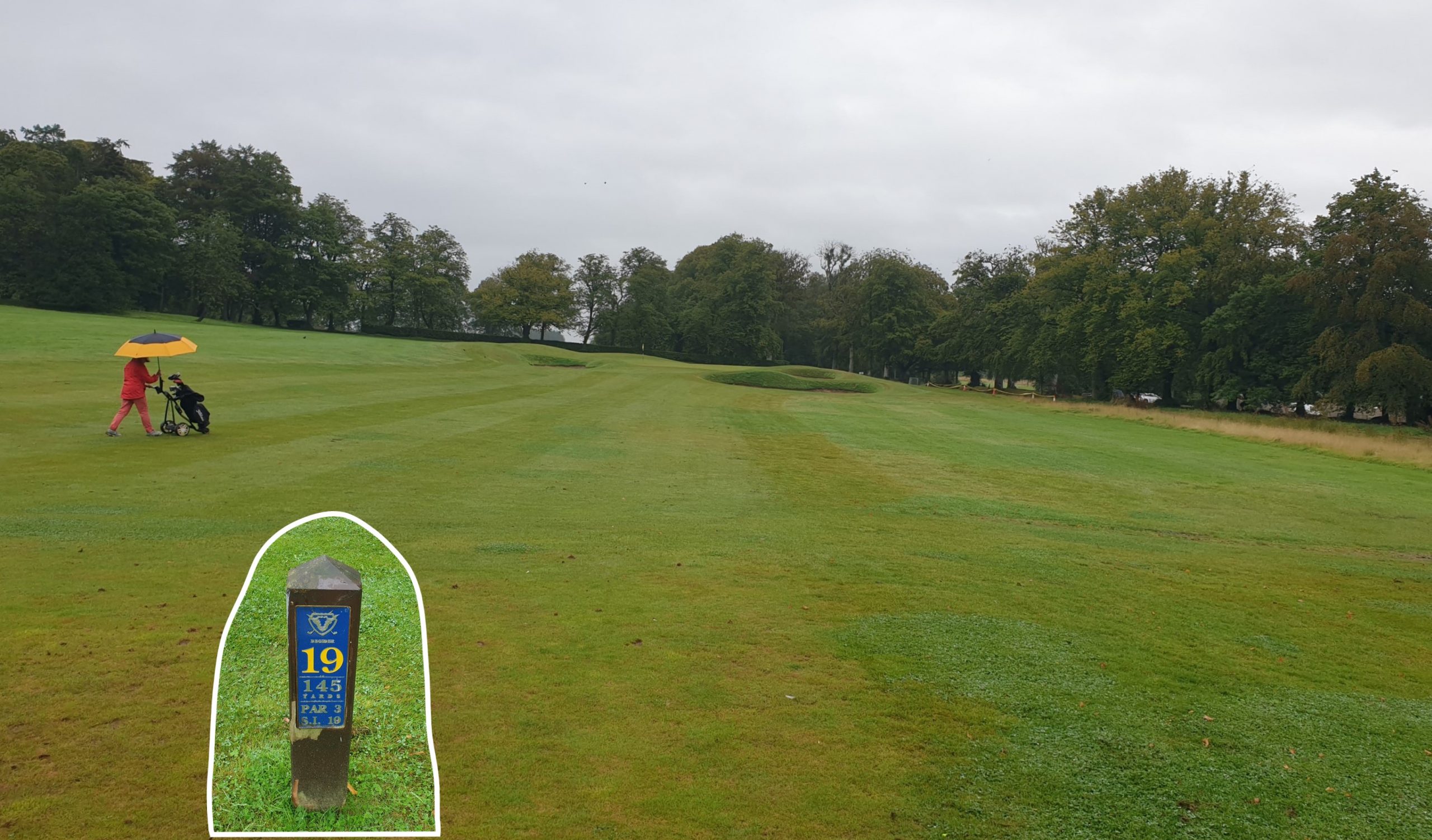
“Wee Sneekit”, the par 3 17th hole, aesthetically typical of the “fee” at Rowallan Castle.

The club also has some innovative membership options, including a 9 hole membership, for play on the first 8 holes, plus the 19th, for only £380, against the full membership of £750. Both of these are excellent value. Yes, I did say “19th”, which is a short par three, and I assume added to provide the “9 hole course” option.

“The 19th Hole” is actually a hole at Rowallan Castle, which is very fitting as the place doesn’t really have a golf bar!

As to single green fees, its very competitively priced at £45, with discounts available through golf green fee apps, such as Golfnow. We paid only £25.

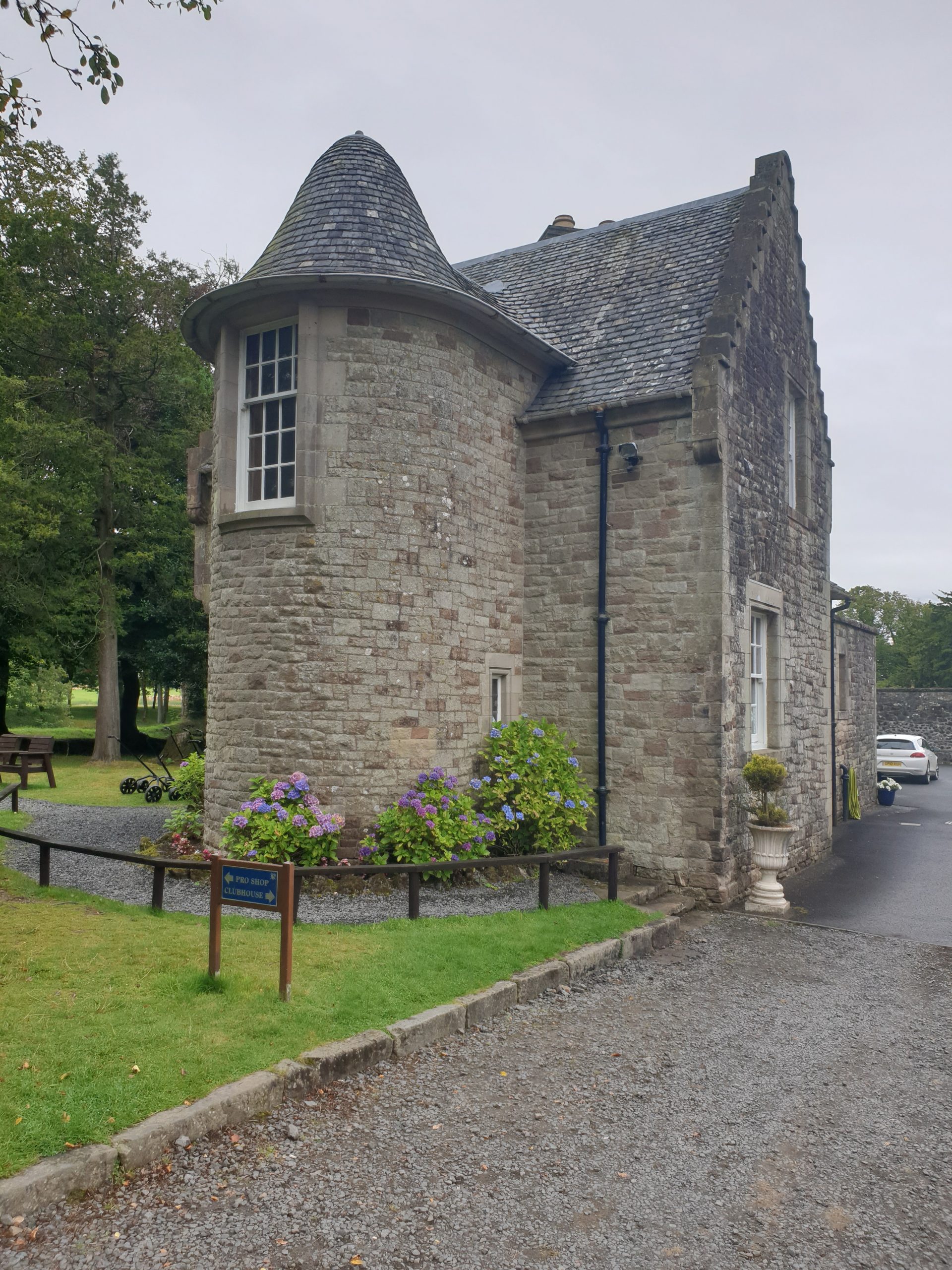
The pro shop at Rowallan Castle – you know straight away the ambition of the owners here.

I played pretty well, on a course playing its full length, my 91 needed a few good putts. It’s well worth playing at Rowallan Castle.

Facts:

Course Type: Parkland

Par 71  (5 par 5s, 8 par 4s, 5 par 3s)

Distance (yellow): 6284 yards

Moly’s Gross score: 91

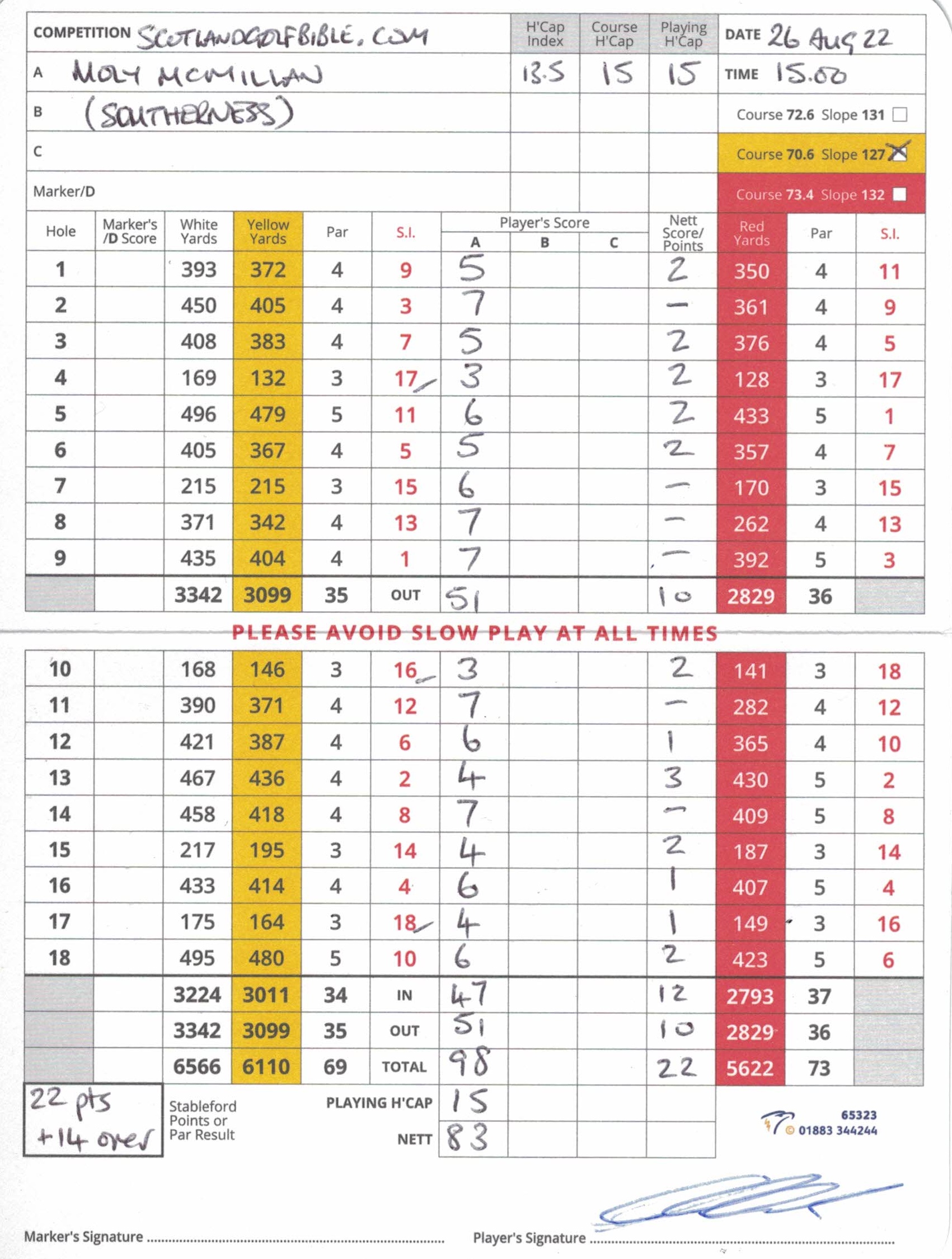
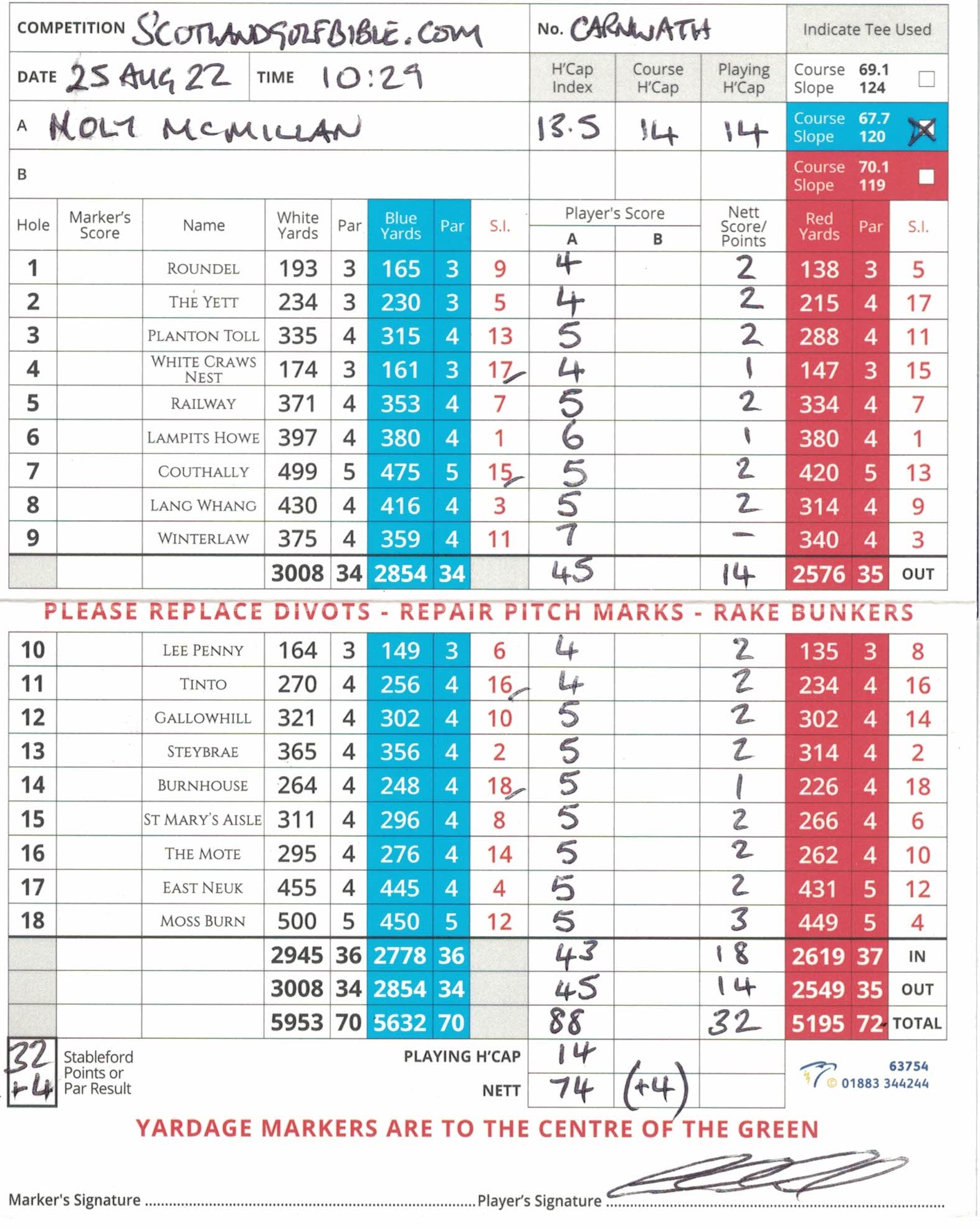
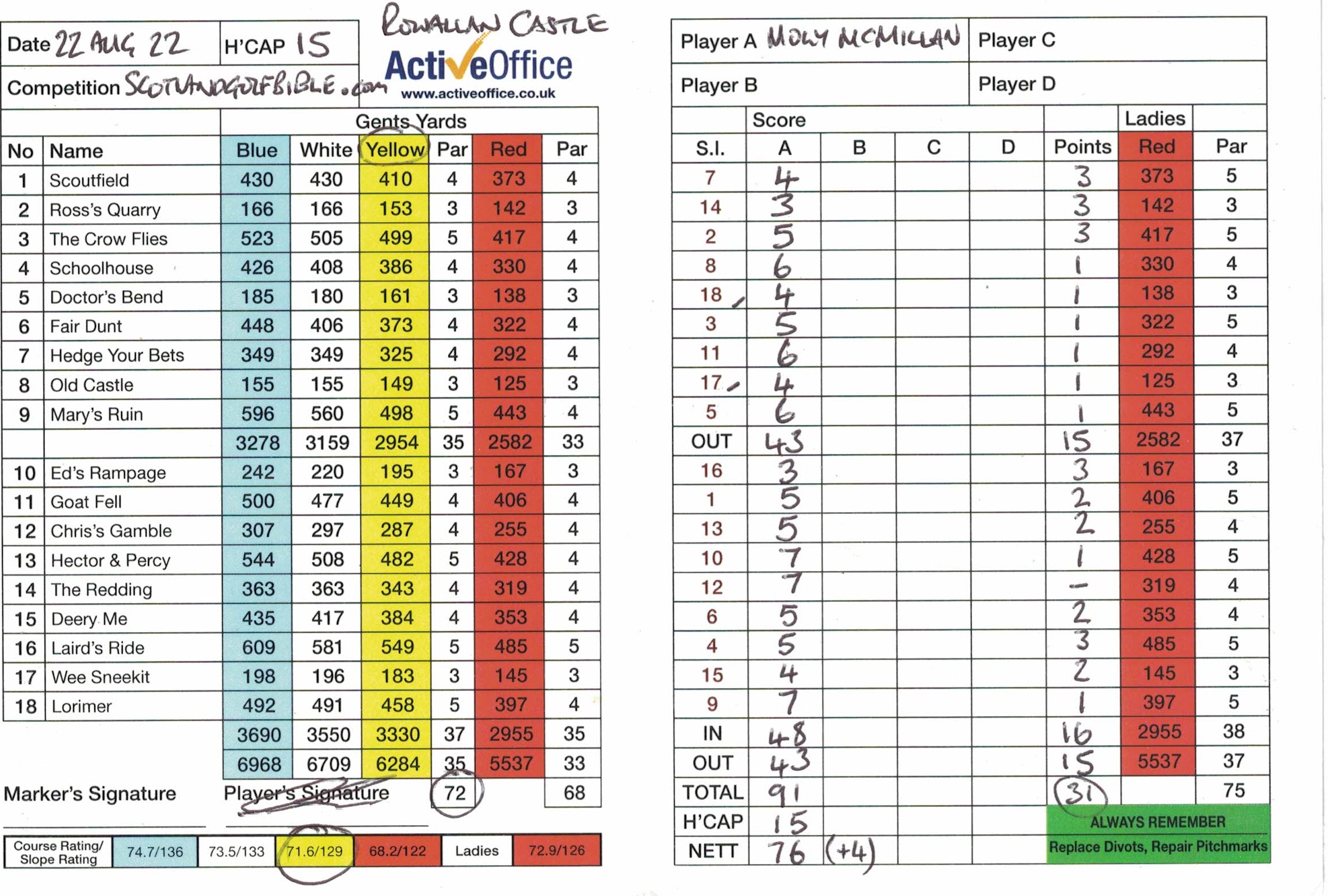
Moly’s Rowallan Castle scorecard – 91, for 31 points.

160. Ladybank. 21 Aug 22.

One of Scotland’s highest rated heathland courses.

Round £120. Par 71. Course Rating / Slope Rating (white) 73.6/133. Value (out of 5) – 3.5

Moly’s score – 97

Fife has some of the world’s greatest links golf courses, but at Ladybank, only 15 miles west of St Andrews, you will find a heathland golf course rated in Scotland’s top 50. Used as a final qualifying venue for The Open, when hosted in St Andrews, Ladybank is a great test of your game.

The green at the first at Ladybank, a good par 4 of 373 yards, lets you know what you are in for.

The course is in an area called the Howe of Fife, a low-lying strip of land that follows the course of the River Eden towards St Andrews. This flat piece of land was mostly marshland and peat bog before 1800, and the village was originally named Lady’bog’ by the monks of Lindores Abbey from Newburgh.

The par four 5th, so characteristic of Ladybank.

For some unrecorded reason the railway station, built in the 1840s, was called Ladybank, after which time the village adopted this name. So the golf course can trace its name to a railway station.

The 10th at Ladybank, a par 3 of 172 yards, with the beautiful heathland terrain on show.

Unlike the station, which is one of the most unchanged in Scotland, the golf course has undergone an evolution. In 1879, 6 holes were laid out by Old Tom Morris, who being 58 was past his golfing peak but golf course design was becoming much called for. The course became 18 holes only in 1962, designed by Laurie Auchterlonie (son of Open Champion Willie Auchterlonie), but you wouldn’t be able to choose which was the most recent 9, because the course flows so well.

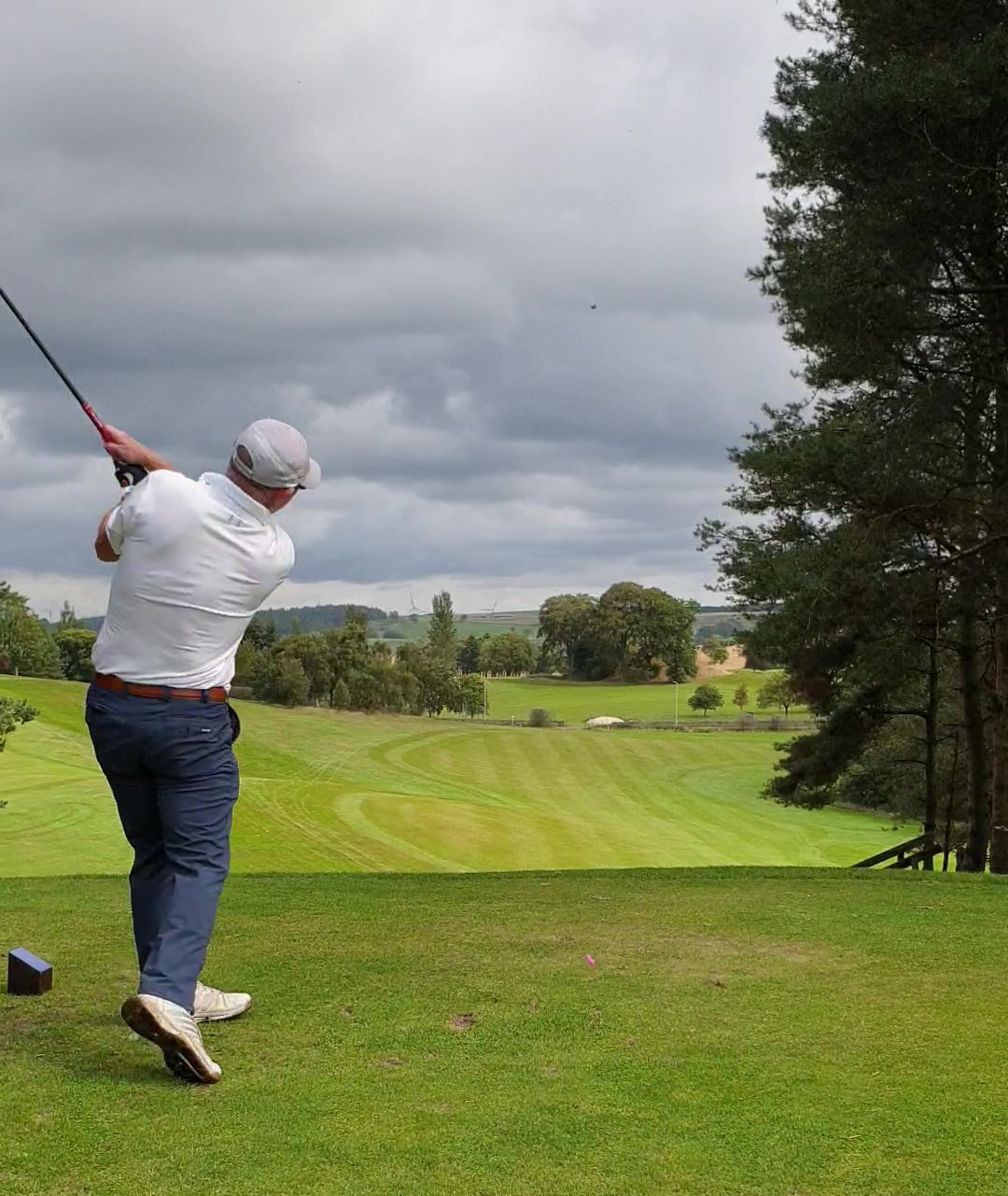
Kilsyth member Ian Carstairs driving at the 14th, a very strong par 4 over 400 yards.

It’s a classic low-lying heathland setting. Flat terrain, fast running sandy turf, set amongst pine and silver birch trees, with great natural drainage. The club’s emblem is a red squirrel, the heathland setting providing an ideal habitat.

April Carstairs hits her second shot at the par 5 13th hole.

I can understand why some people find such heathland settings a little repetitive , with most holes being tree lined, obscuring any surrounding landscape. In Ladybank’s case, this is more than overcome by spectacular greenside design, a number of subtle dog leg left and right holes, genuine par 5s and a strong set of par 3s. This is the type of course better players will have to choose which side of the fairways to avoid being short sighted into the green. It deserves the high slope rating of 133 from the white tees.

The 3rd, with its brilliant green, a difficult par 4. Leaving it a bit short was a good result.

Fran and I played in the Mixed Pairs event, one of several open competitions held at Ladybank each year. Open events are a great Scottish tradition, which started in the mid 1800s, at the embryonic time of golf’s domestic growth. We paid only £60 per pair, incredible value. The full rate for a round of £120 is, I believe, starting to price out most Scottish peripatetic golfers, hence the growing popularity of open competitions. We were paired with Kilsyth members, couple Ian and April Carstairs, and we had a great time playing in their company.

The 9th, so characteristic of Ladybank.

We played well collectively, with a better ball 68 (3 under), finishing 27th of 70 pairs. The course was suffering from the recent dry spell with fairways burnt and incredibly fast running. The greens were firm and very fast. Despite the abundent trees, they were well managed and balls could easily be found. If I was to play again I would take more notice to the distances to the flags, as there was quite a lot of dead ground, which coupled to the length of greens could make 2 or 3 clubs extra needed to what a shot might look like.

Worth playing Ladybank, a great open venue.

Facts:

Course Type: Heathland

Par 71  (3 par 5s, 11 par 4s, 4 par 3s)

Distance (white): 6616 yards

Moly’s Gross score: 97

Moly’s individually kept scorecard of 97, which contributed to Fran and his net 3 under for the Mixed Pairs Open at Ladybank.

159. Carnoustie Buddon. 20 Aug 22.

With top quality greenkeeping this is the best option for mid to high handicap golfers at Carnoustie.

Round £75. Par 68. Course Rating / Slope Rating (yellow) 67.7/117. Value (out of 5) – 3.5

Barry Buddon is a 2,300 acre peninsular between Monifieth and Carnoustie. Used as a military training area since 1850, the Scottish comedian, Billy Connelly, wrote his “weekend soldier” song based on his territorial army experiences here.

The second on The Buddon, a well bunkered par 3, with the view over the Championship Course to the right, beyond the white OOB stakes.

‘The Buddon’ is the youngest of the three Carnoustie courses. Designed by prolific golfers turned architects Peter Alliss and Dave Thomas, it was built on land previously used for military training and opened in 1981. The army range, immediately adjacent the course, is still operational, so it’s not uncommon to hear gunshots as you play. Recognising the neighbouring heritage, the holes are named after battles with the stone memorials on each tee well worth reading.

The 5th hole, “Kohima”, a par 4, named after the WW2 battle in India.

I therefore couldn’t help thinking about Billy Connelly as I played The Buddon, especially around holes 11 through 13, those closest to the military range. You might be playing exactly where Connelly lay in his camouflage dreaming up lyrics – it was during those weekend soldiering visits that Billy made his first public appearance in the Stag’s Head pub in Carnoustie in July 1962.

The beautiful bunkering and greens at The Buddon, here seen at the 4th, a mid iron par three.

Holes 2 to 5 run beside the Championship course and you clearly see you’re playing the same turf, the same immaculately contoured bunkers, the same rough – only The Buddon is much shorter. At a quarter of the price though of the main course, but with the same greenkeeping quality, you wonder why people put themselves through the potential torment of the ‘Carnastie’ layout. When I get asked “How difficult is Carnoustie?”, I tell them about a 7 handicap member, who’s never broken 80.

Moly at the 6th, the first of the non-links holes on The Buddon, a tough par 4 of nearly 400 yards.

The Buddon, on the other hand, at under 6,000 yards, offers great variety and the better opportunity to play to your handicap. I scored 86 (33 stableford points) despite winds gusting up to 40 mph. Many of the holes (6 through 16) are routed through trees, and have a distinctive heathland feel. Throw in the views towards the Sidlaws Hills and it could be the highlands. It’s consequently a great venue to discuss what constitutes a “true links”?

Fran plays from the ditch on the par four 12th hole, getting a par. Take a bow Fran.

Without the Barry Burn in play, Alliss and Thomas have made good use of man made ditches to create the same hazardous feel, albeit you can play out of the ditches. The course is generally an “out and back” layout, so the south-westerly prevailing wind is a big challenge, especially on the first 5, where OOB on the right (the boundary with the Championship course) comes into play. This was my own undoing on the third, where I hit the fairway, but on the wrong course!

The 14th, Waterloo, played with the prevailing wind, a good birdie chance, as long as you miss the large fairway bunker.

The course was in excellent condition when Fran and I played along with our host, family member Greg Kemp. The 16th was undergoing a new tee construction, but still in play from a forward mat. The greens are large and were a delight to putt on. On the day, we all played pretty well.

Greg’s power on show, driving at the last on The Buddon, a long par 4.

Of the two ‘secondary’ courses at Carnoustie, there’s little to choose from in determining which I would recommend. The Burnside has more history and is a truer links course, whereas The Buddon has more variety and is better designed. If it’s a windy day, go for The Buddon, because at least the trees give you some respite.

The short 15th hole, again showing the great bunkering on The Buddon. Thankfully its not my ball!

As to value, its a case of 3.5 for me, as the price of £75 is inflated due to its Carnoustie Championship companion. Having said that, if you ‘need’ to play on Carnoustie, this is probably the best option if you’re not single figures.

Facts:

Course Type: Links

Par 68  (2 par 5s, 10 par 4s, 6 par 3s)

Distance (yellow): 5652 yards

Moly’s Gross score: 86

Moly’s Buddon scorecard – a solid 86, especially in very high winds.

« Older posts Newer posts »

© 2026 Scotland Golf Bible

Theme by Anders NorenUp ↑