A guide to green fee value for money

Category: 18 holes (Page 12 of 35)

136. Troon Links (Darley). 29 Mar 22.

Modernity and Tradition collide full on at this South Ayrshire Council course, which exposes the real challenges facing Scottish Golf everywhere – if you become a local councilor, beware the “golf brief”

Round £dynamic – typically £37. Par 71. Course Rating / Slope Rating (yellow) 70.1/123. Value (out of 5) – 4

Scotland has a tradition of great municipal courses, some of the world’s best. However, green fees and subscriptions often don’t cover costs, taxpayers paying the deficit, making municipal golf a political hot potato.
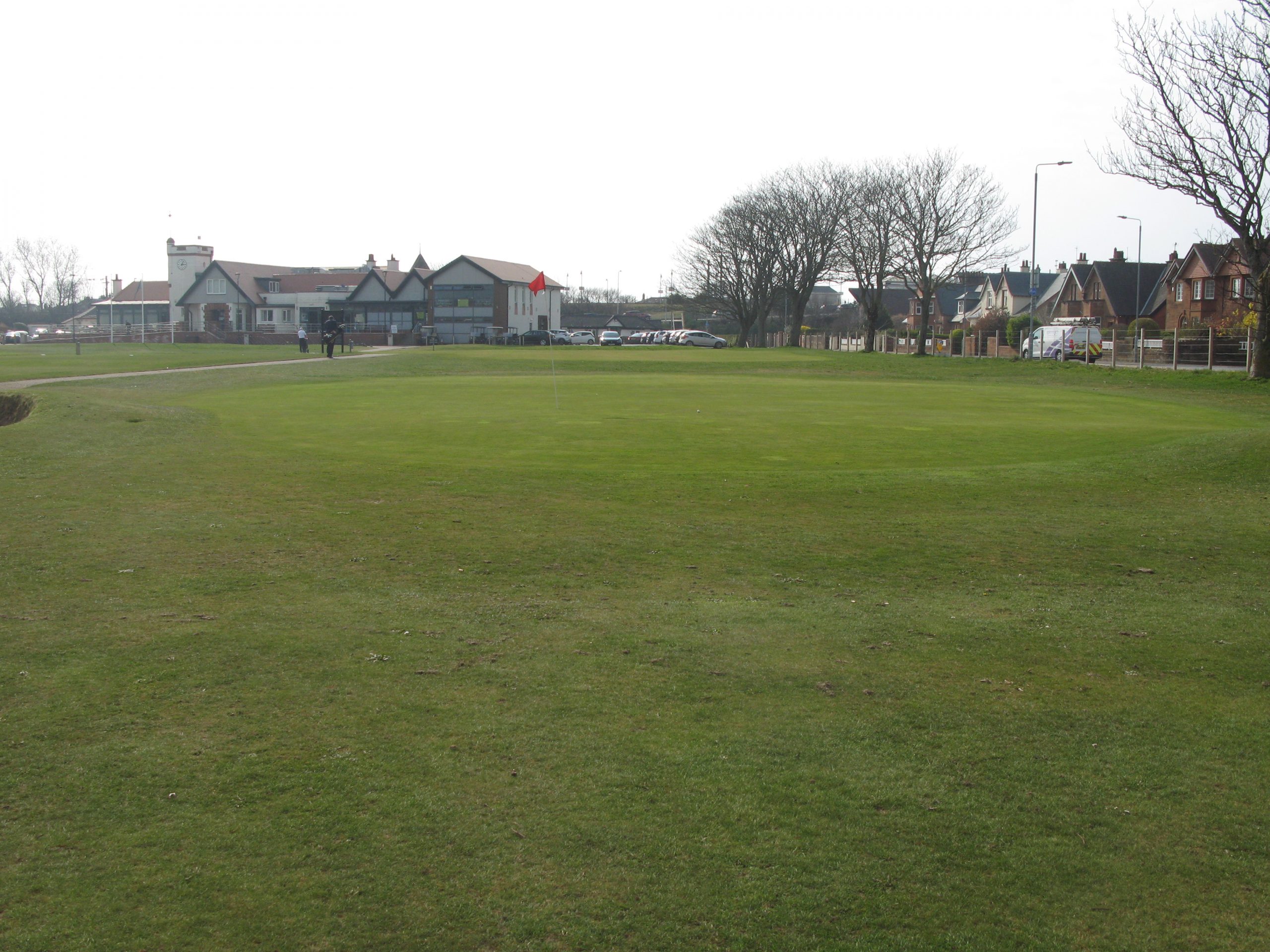
The 18th green at Darley with the impressive clubhouse serving the 3 Troon Links Municipal courses.

‘Golf South Ayrshire’ operates 8 municipal courses; Troon Links (Lochgreen, Fullarton, Darley), Belleisle Park Ayr (Belleisle, Seafield), Ayr Dalmilling, North Carrick Maybole, and South Carrick Girvan. In 2021 the Council’s new golfing strategy, to address a £300,000 annual deficit in the golf budget, resulted in annual 7 day membership to play all 8 courses rising by almost 50% to just over £500. This received extensive press coverage including “South Ayrshire golfers hit out at council’s ‘enforced changes’ to sport”, (Daily Record).
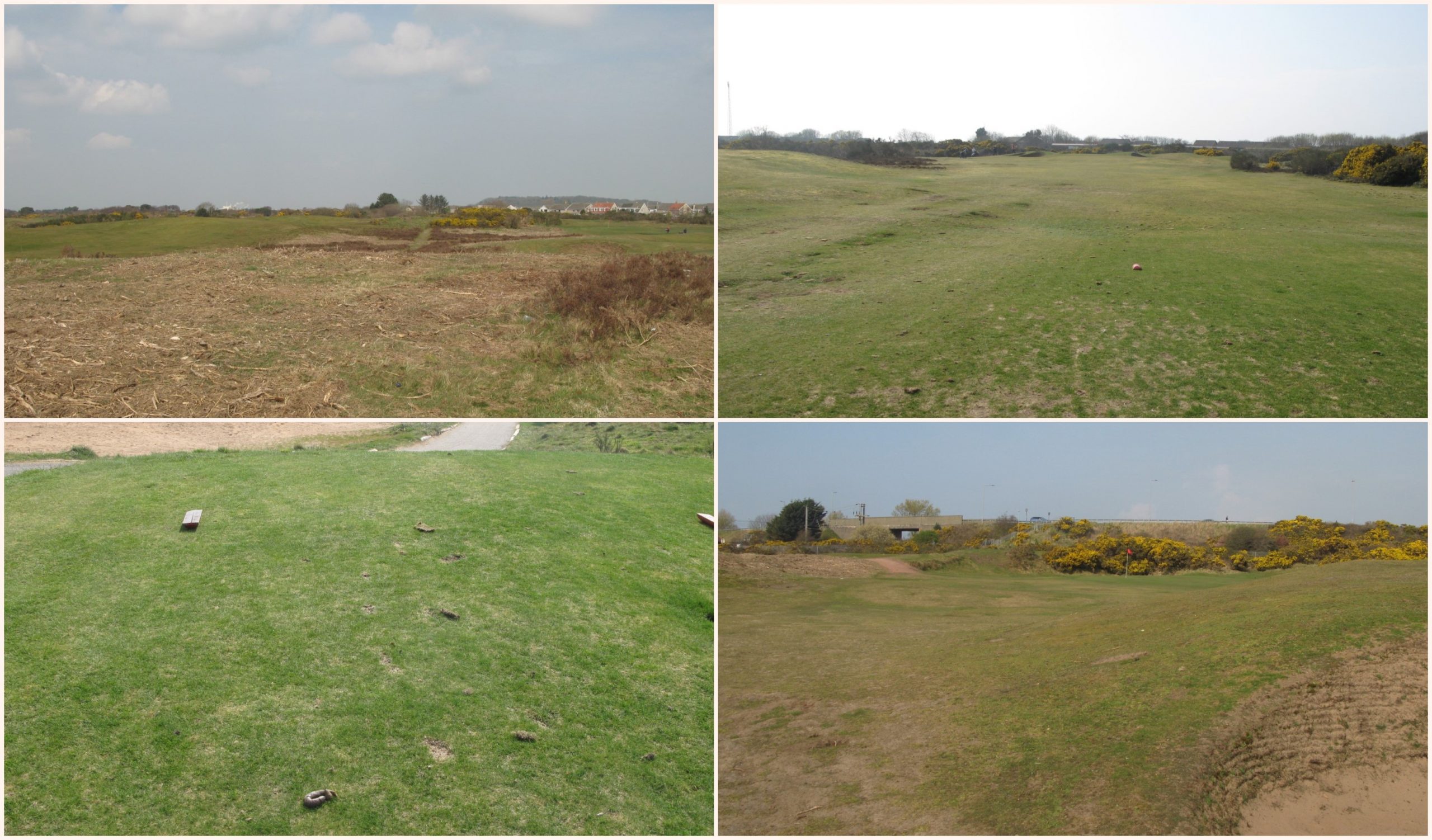
An overplayed and under cared for Troon Darley course.

In stark contrast, I recently visited Monteray in California, where a green fee at any one of the three headline ‘public’ Pebble Beach courses (Pebble Beach Links, Spyglass Hill and Spanish Bay Links) would have cost nearly $700. So, the price to play all eight Golf South Ayrshire courses as often as you want in a year, is about the same as a single green fee at a Pebble Beach course.
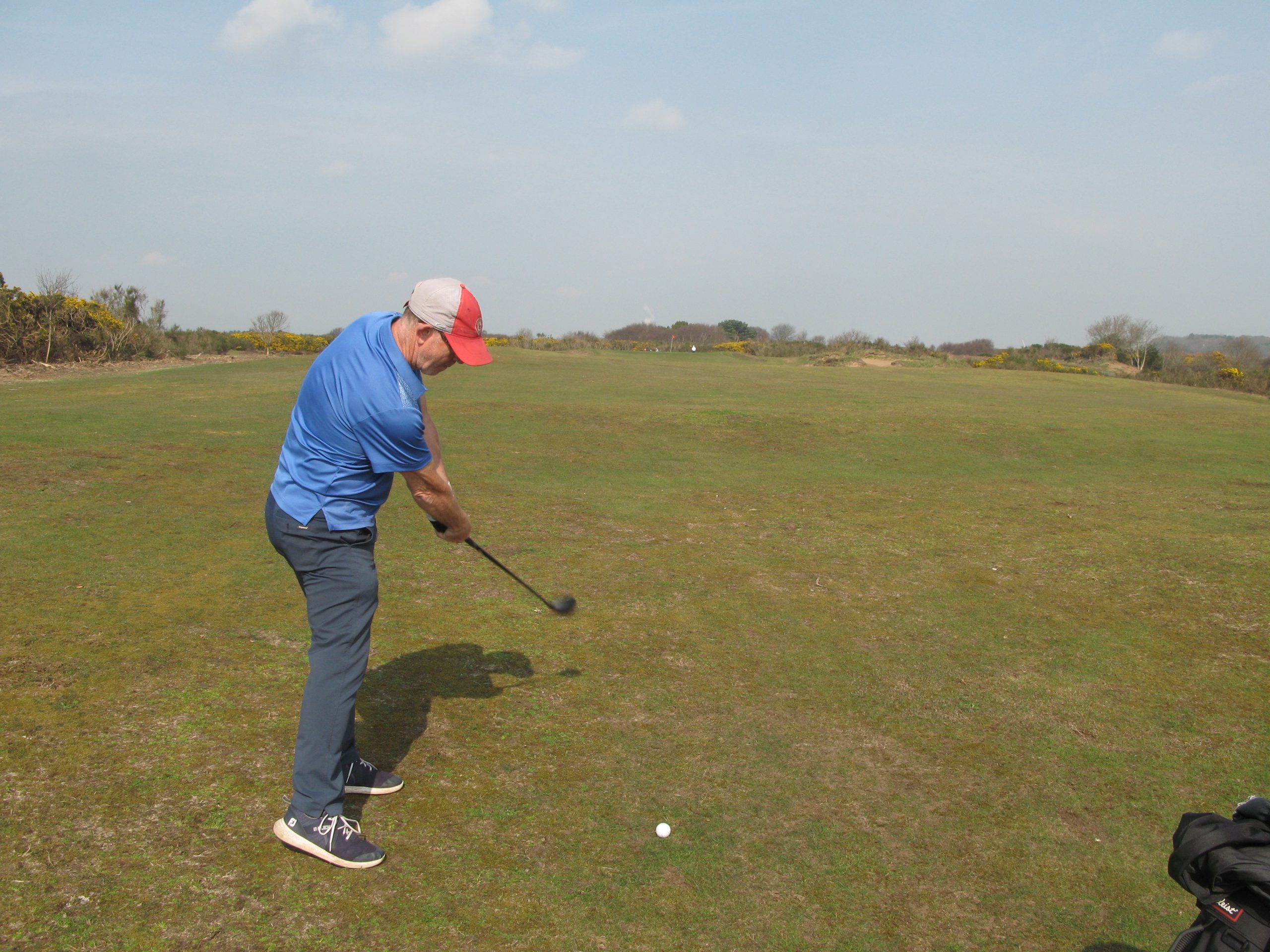
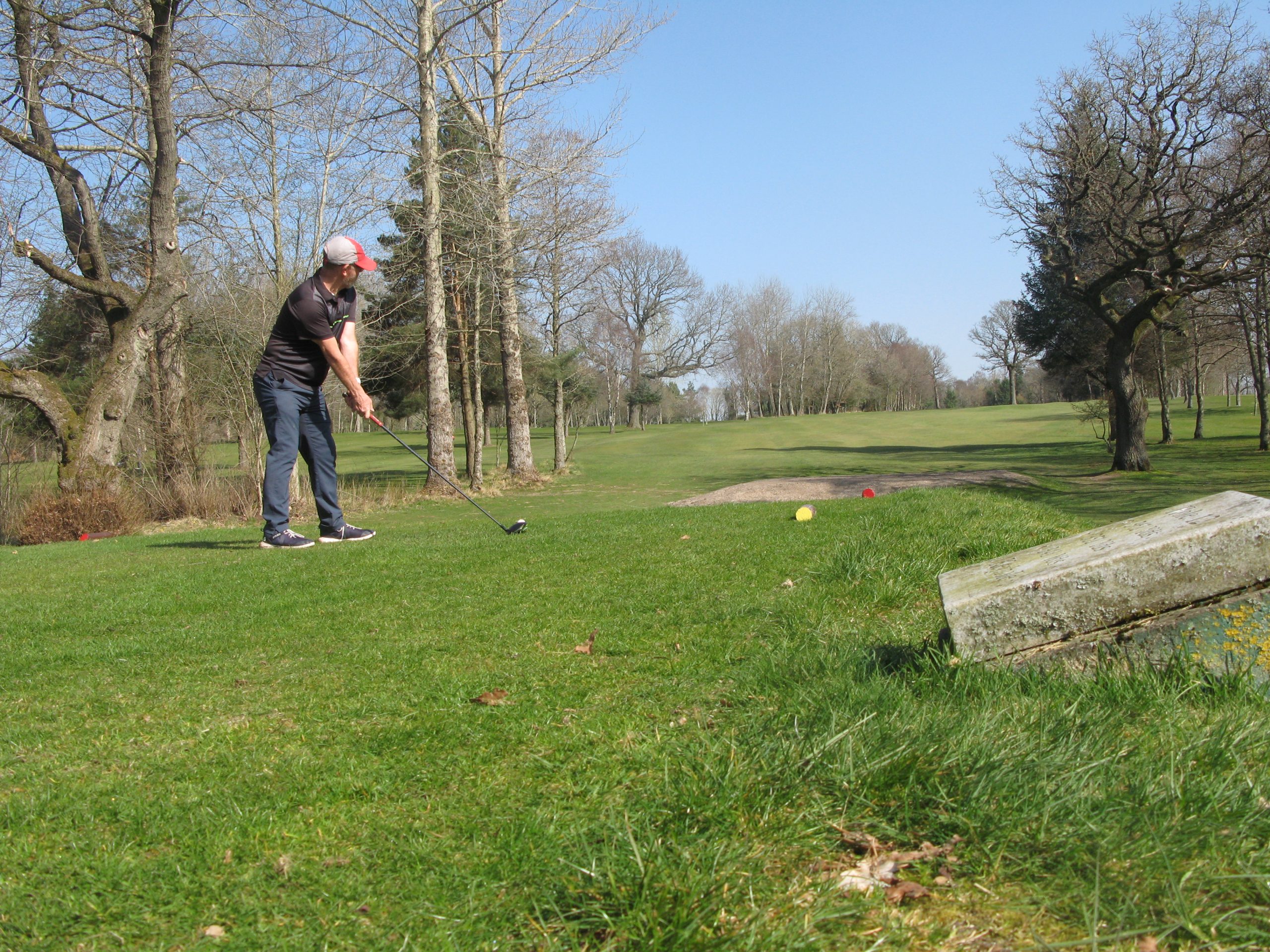
Why can’t you play with your practice swing? – Moly at the 11th, a par four over 400 yards. The fairways were pretty rough.

It’s little wonder, that golf holidaying Americans think golf is still cheap in Scotland, even when paying £300+ for a round at Royal Troon. The clubhouses of municipal Troon (Darley) Links and Open venue Royal Troon are less than a mile, but yet a world, apart.

There are two tiers of access to golf in Scotland. First, courses for the masses, like Troon Darley Links, which is incredibly affordable. Second, courses in the (say) top100 Scottish golf courses for the lucky local residents and/or those often professionally or family connected to existing members. These second category courses, have visitor green fees ranging from £140 to £300+ per round , equivalent to as much as about 25% to 50% of the lucky members’ annual subscriptions. Members of these affluent courses never relinquish membership readily and only wealthy visitors can afford green fees (Kingsbarns rate for 2023 will be £374, or more than £20 per hole).
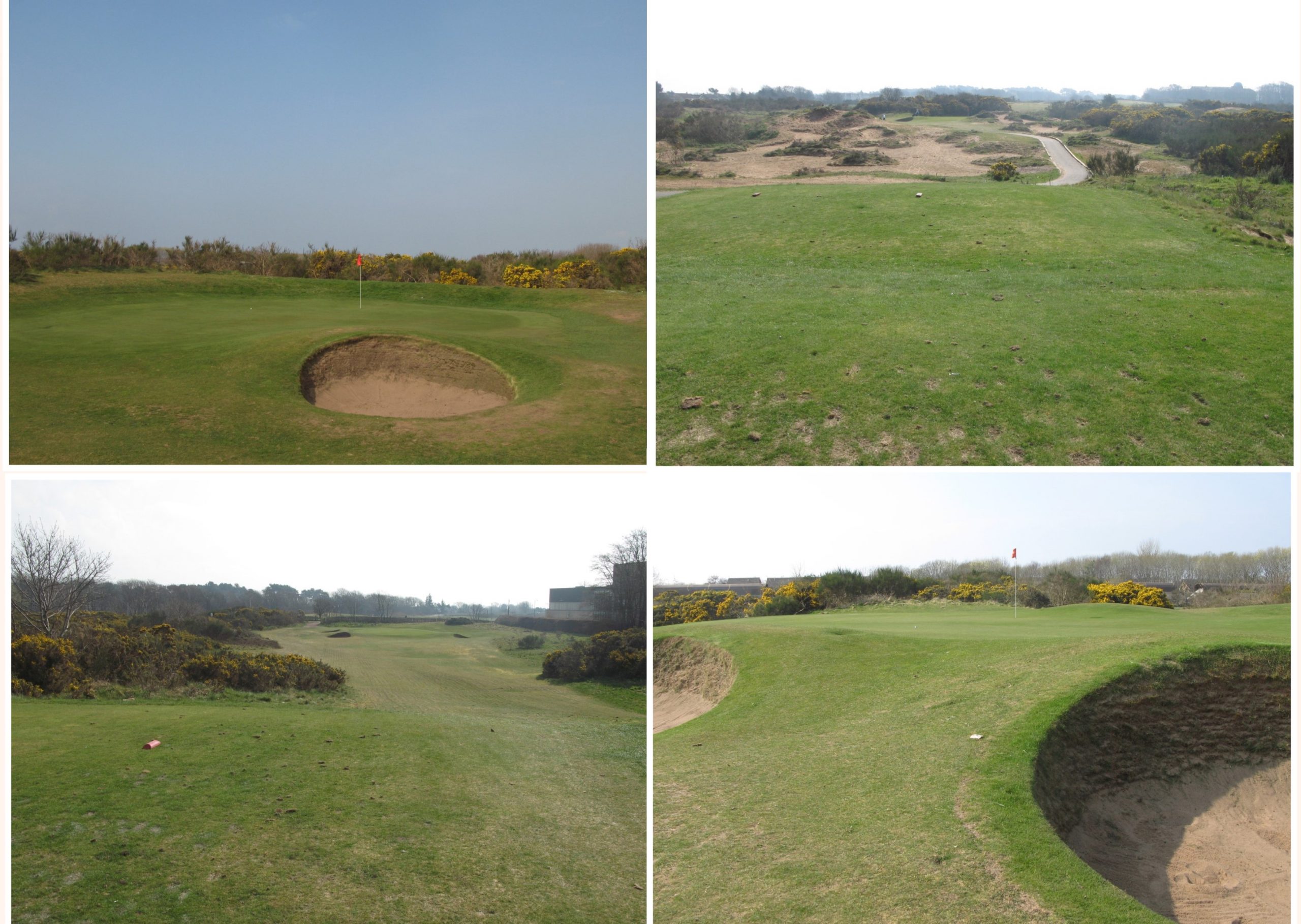
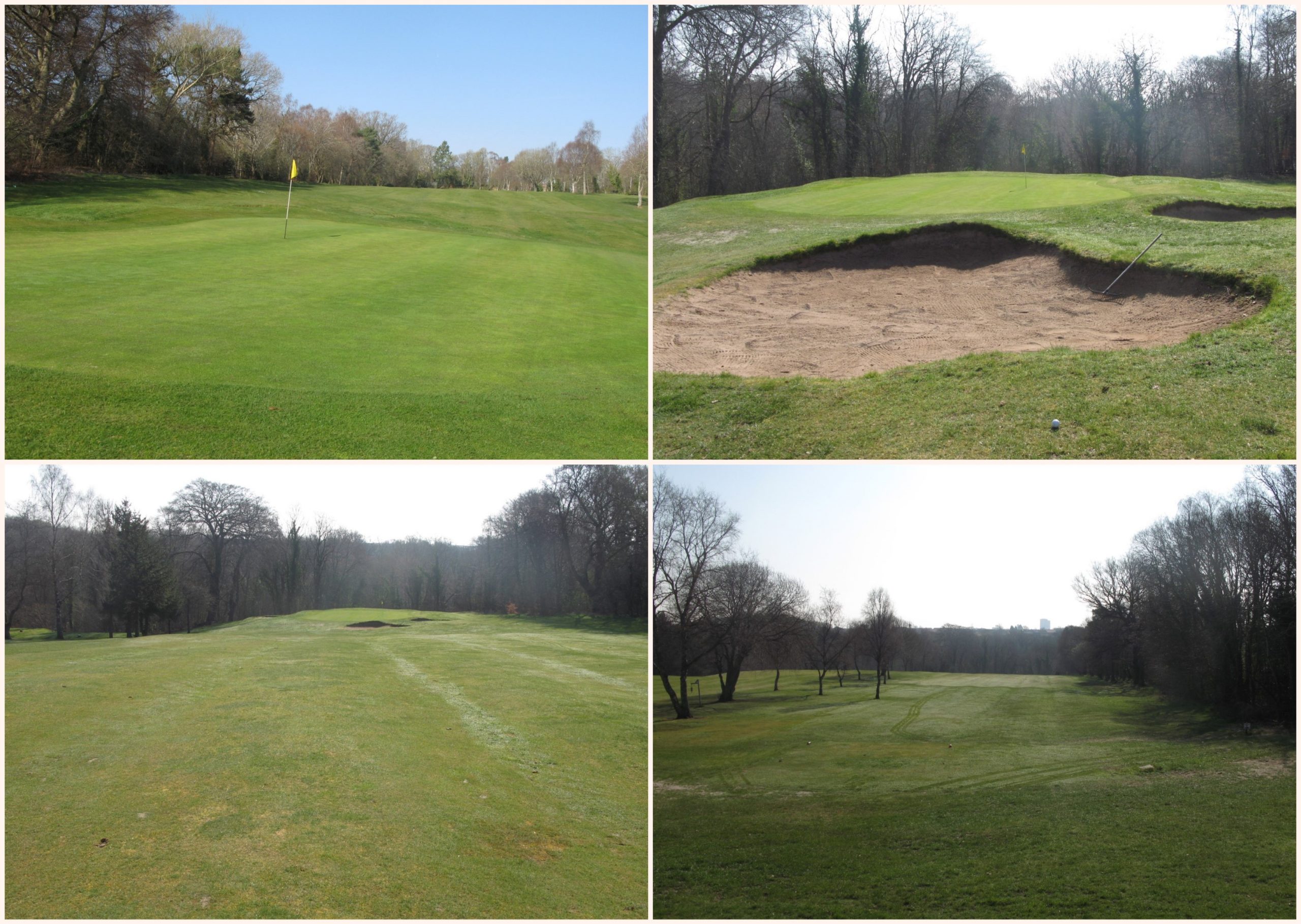
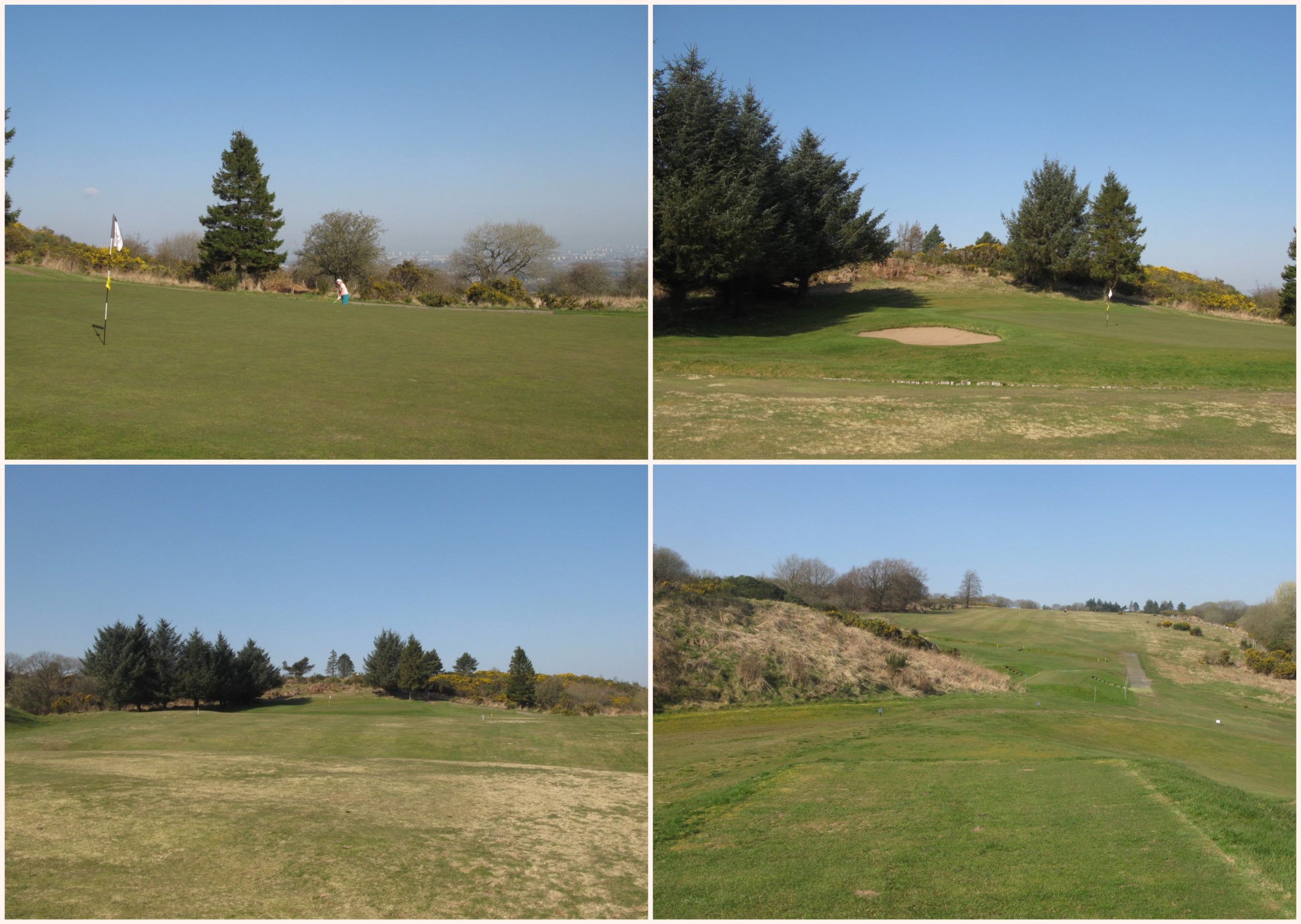
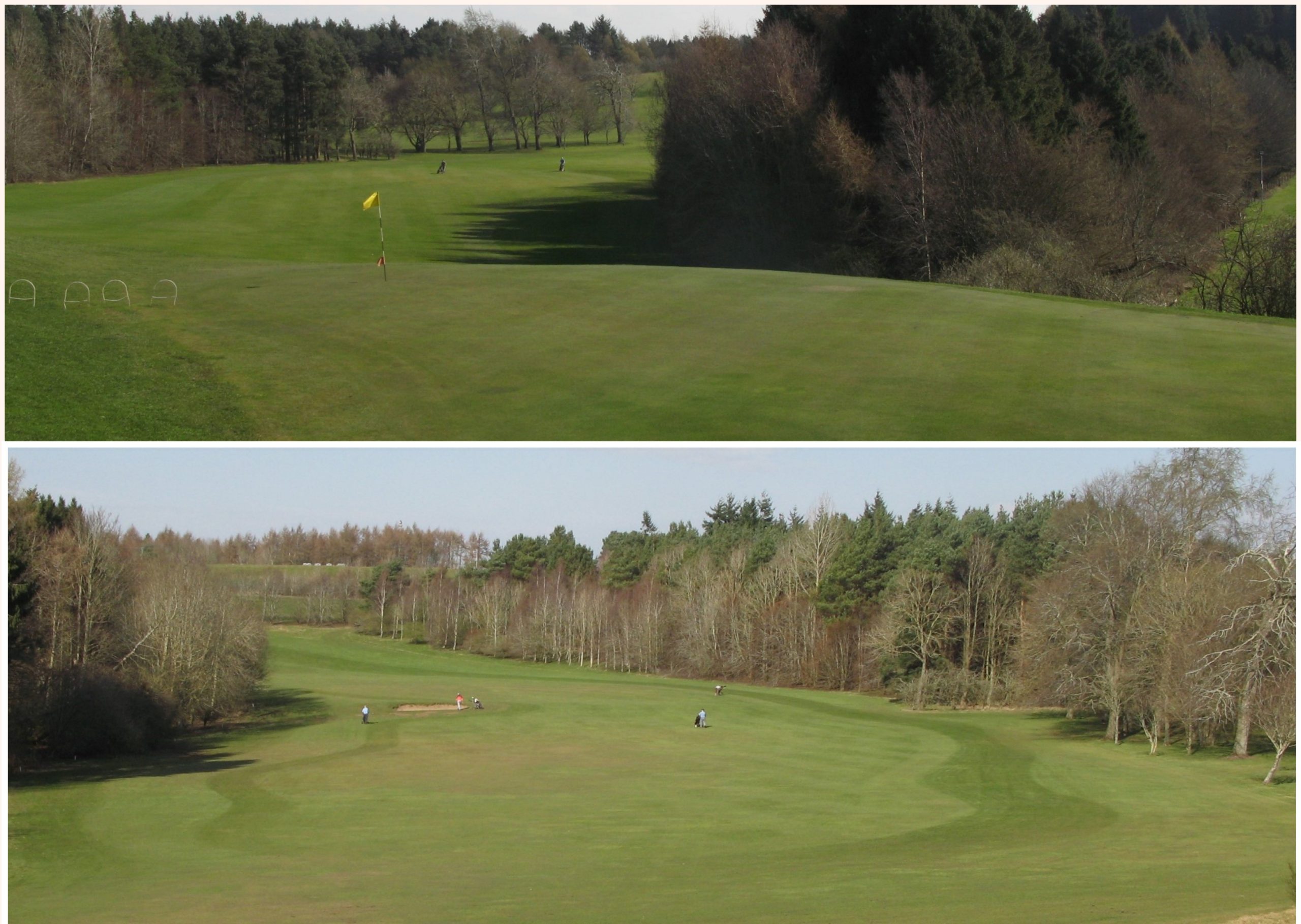
The four par 3s at Darley, clockwise from top left; 4th, 9th, 12th and 16th. The highlight at Darley.

The truth is, the vast majority of the Scottish golfing public playing “The People’s Game” will never play an Open venue.

Admittedly, the concept of “Scottish Resident” rates have emerged at the very expensive courses, but these are still sometimes up to £200. Scottish Golf have also introduced lotteries for members of all Scottish clubs to play at the great courses, typically at about £300-£400 per 4-ball, but these are limited and only available in the winter season.

Add into the mix the growing use of Golf discounted green fee apps, such as Golfnow, and you have an interesting time for golf pricing. Interestingly, the top clubs never appear on Golfnow, in fact you can probably gauge the wealth of a club by how many tee time are available on these apps.
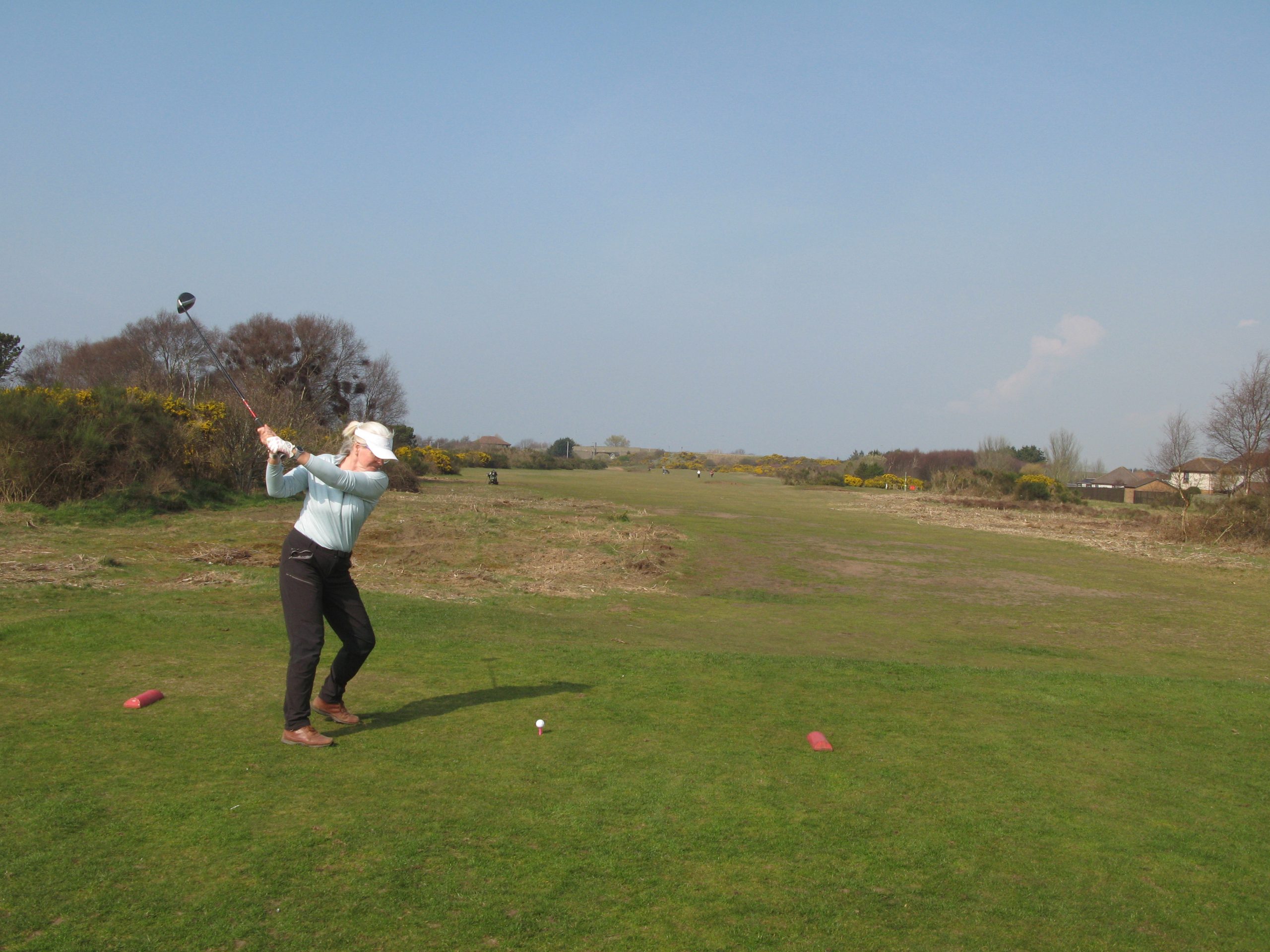
Fran teeing off at the par five 6th hole, at 535 yards from the red tee.

Strategically, looking at the bigger economic picture in Scotland, which still has well over 600 courses, it has more courses per person, per GDP, than any other country with more than 200 courses. In effect, the economy is not big enough to sustain the cheaper “courses for the masses”. This is one of the reasons behind the number of course closures since 2000.

I played Darley, one of the 3 Troon Links courses, on an unseasonably warm March day. I paid only £16.99 (via Golfnow), against the typical £37 for the summer rate, albeit the Troon Links website does advocate ‘dynamic pricing’, responding, in part, to users using the competing commercial green fee apps.

The course was basically ‘beaten up’, by the volume of winter play. I met a number of people who are based in Glasgow, whose courses are waterlogged in winter, and who make the short trip down the coast.
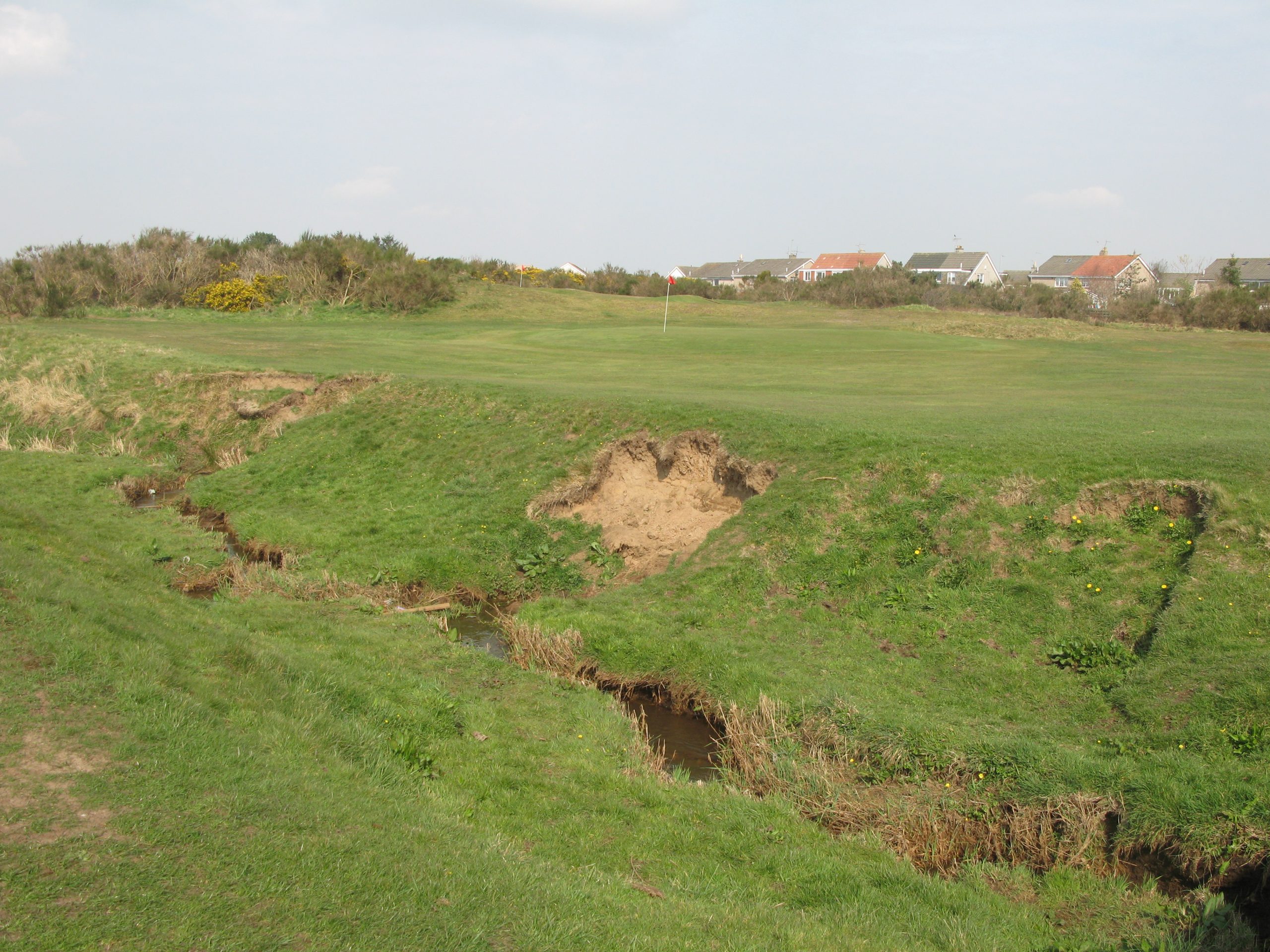
The burn in front of the 14th, a fairly long par four, which was a card wrecker for Moly, carding an 8.

The greens had held up, but the tees, fairways and bunkers were unkempt. There were very few rakes in the bunkers (the pandemic was ending and no longer an excuse). On advising one of the three people who were chatting in the green fee kiosk of the rakes situation, I got the comment “we thought all the locals would have all had a rake by now!”

Maybe the Ayrshire golfers complaining to the Daily Record, had contextualised their criticism on fees, with the ‘condition of the courses’. And there lies another conundrum – it takes effort and money to produce a course in great playing condition, and increasing fees restricts the volume of demand, making it good for the members. I’m not saying all this is easy to balance.
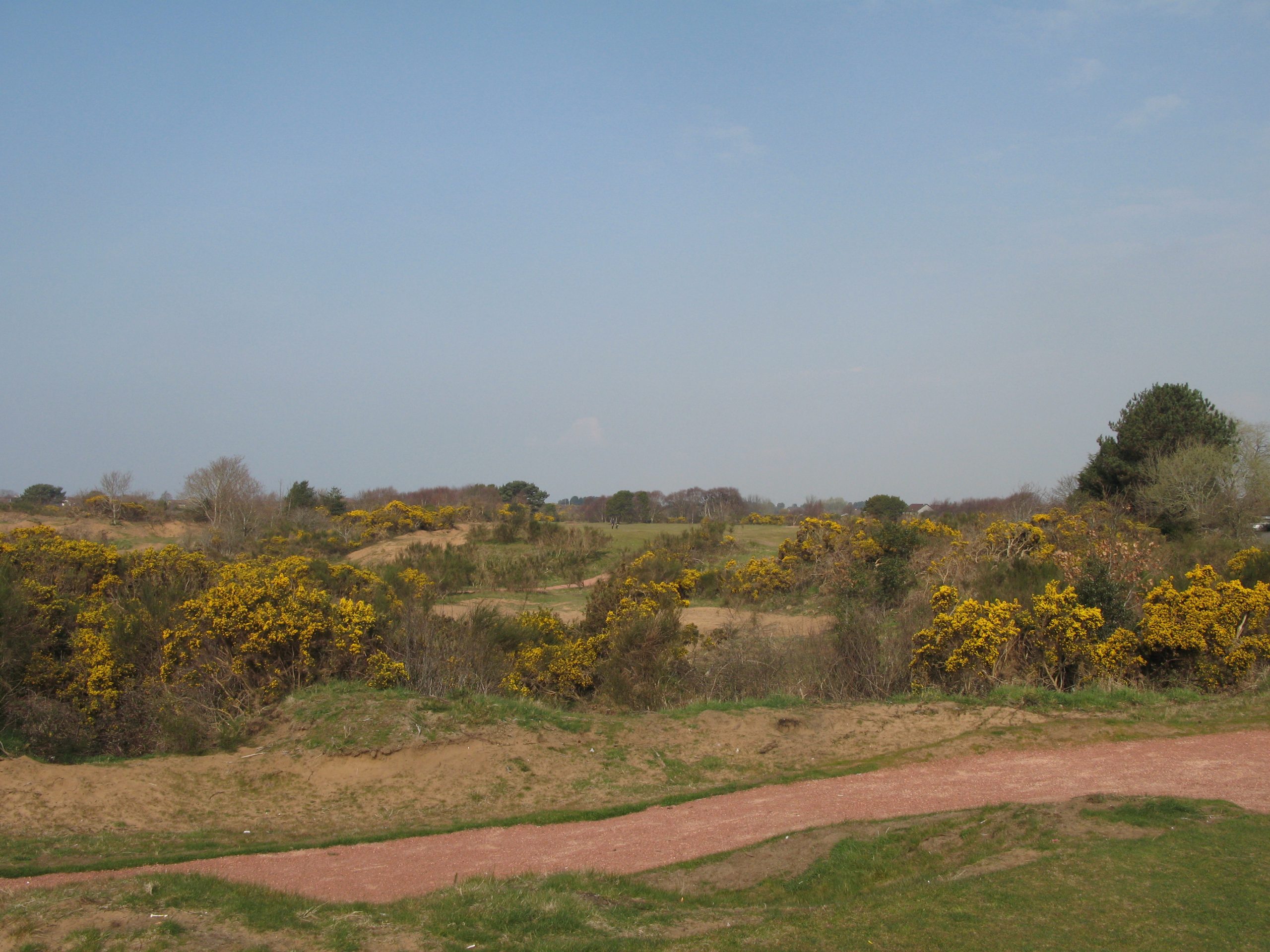
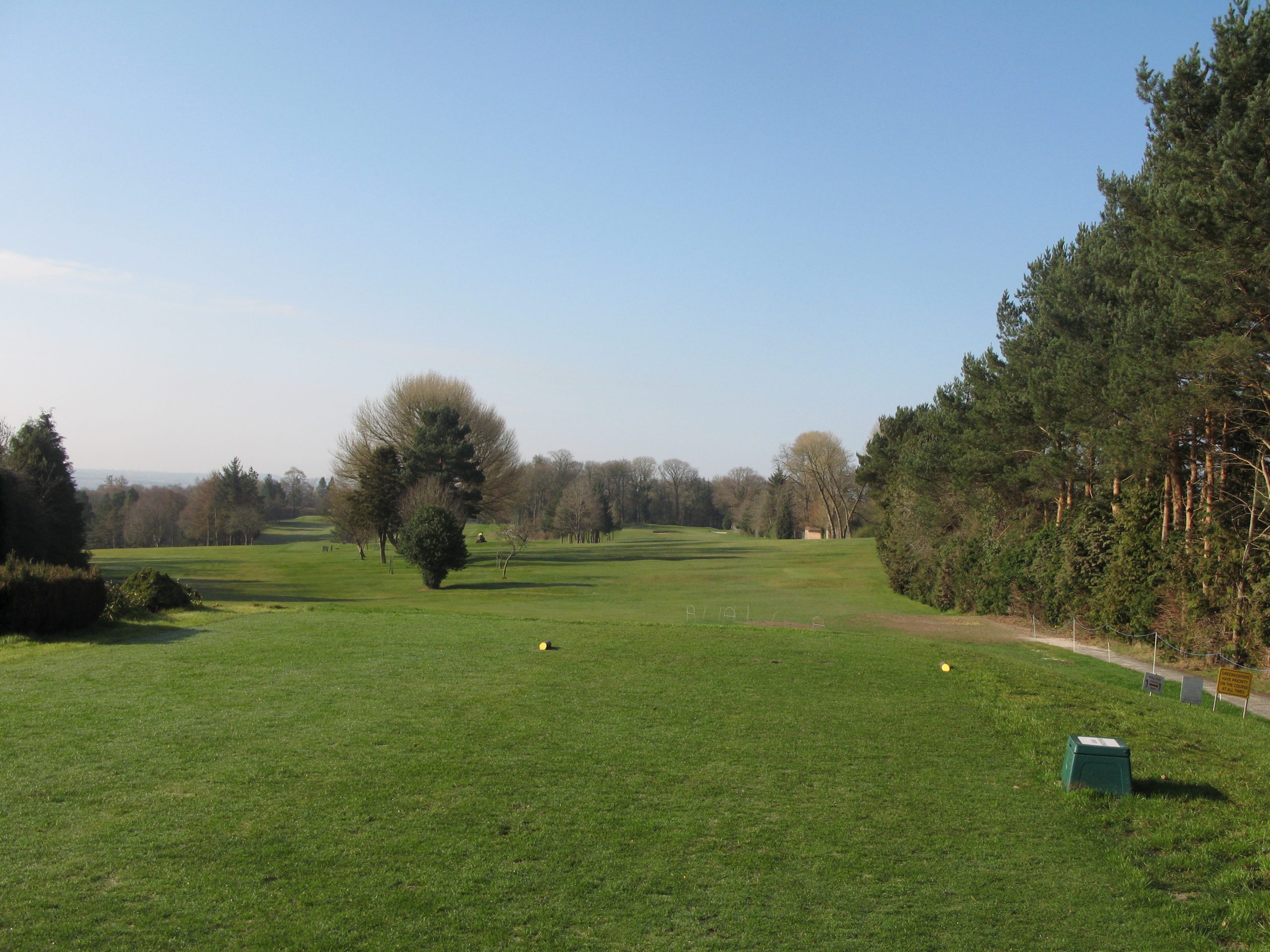
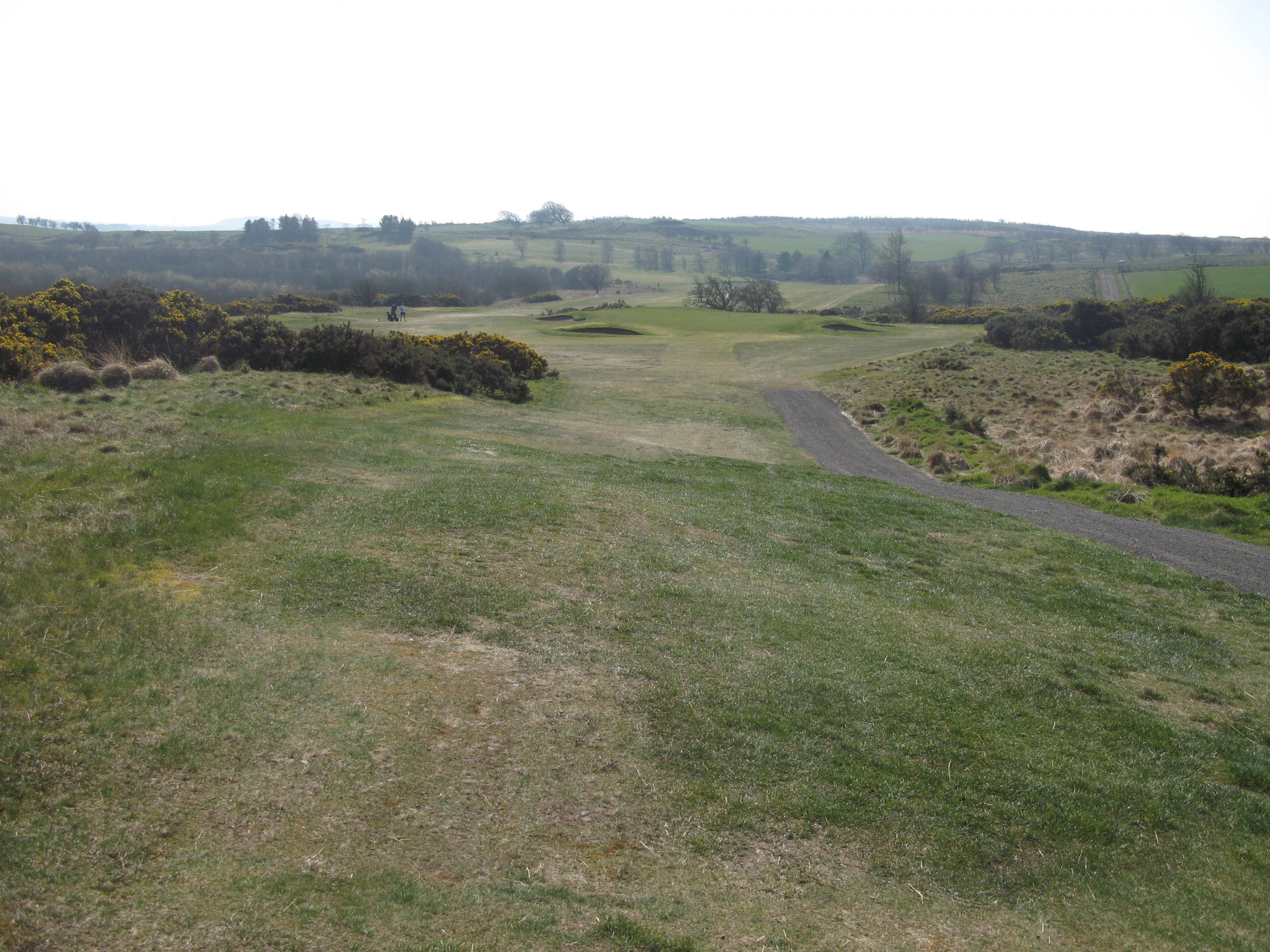
The tee shot at the 5th at Darley, the stroke index 1 par four a 411 yards, displaying the links land.

The Troon Links clubhouse has been a major investment for the Darley, Lochgreen and Fullarton courses.

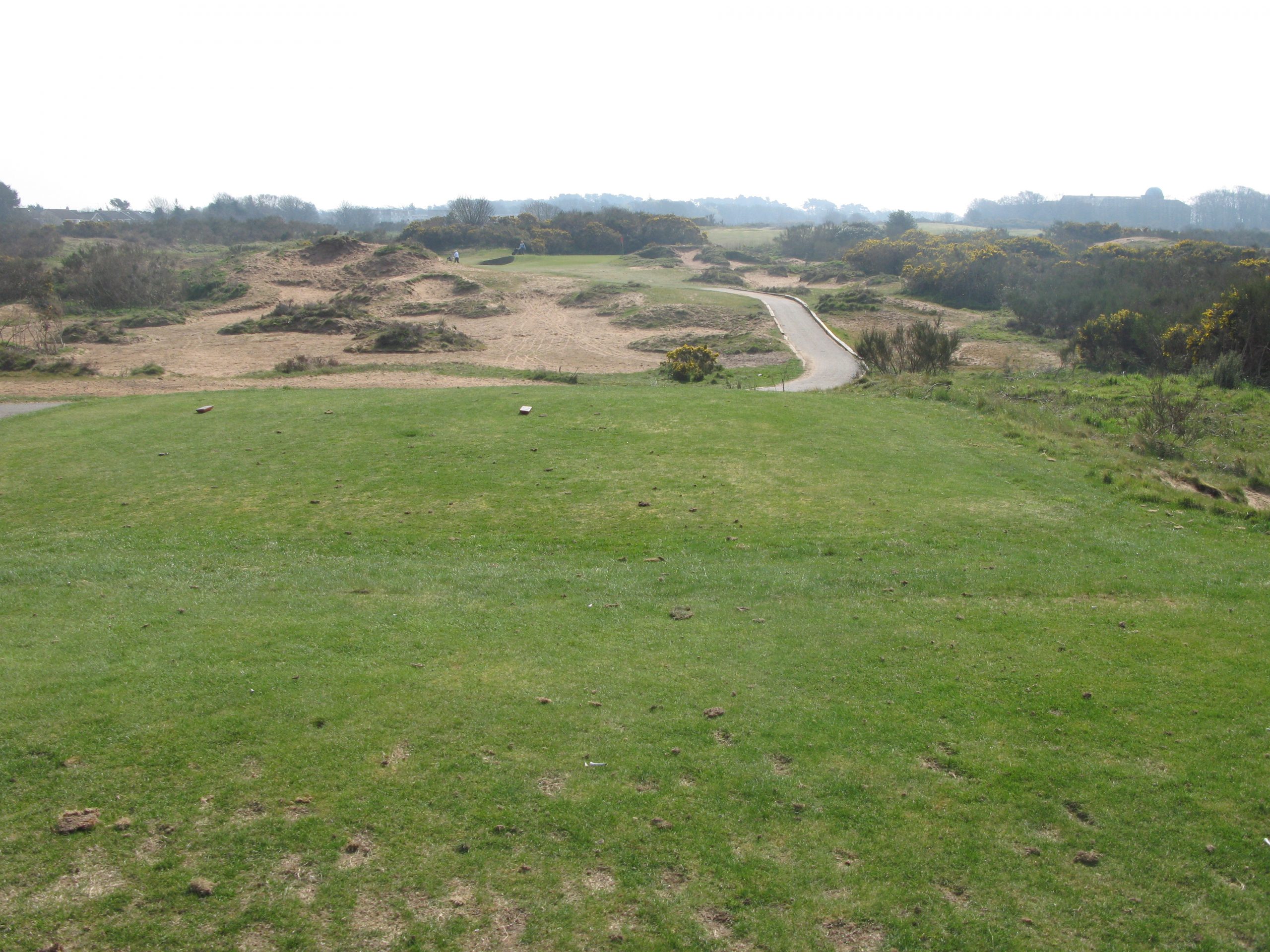
As to the Darley course itself, between the pretty benign opening two holes and the closing two holes, the holes 3 through 16, represent a decent links layout, on firm turf, several good bunkers, with gorse lined fairways, and some tricky greens. Its a good test of golf, albeit the signage to navigate between holes would be a good investment. The four par 3s are the highlight for me, with the 9th standing up well to many more expensive club par threes; its the really stand out hole at Darley.
The 158 yard par three 9th hole, the absolutely stand out hole at Darley. Brilliant green complex.

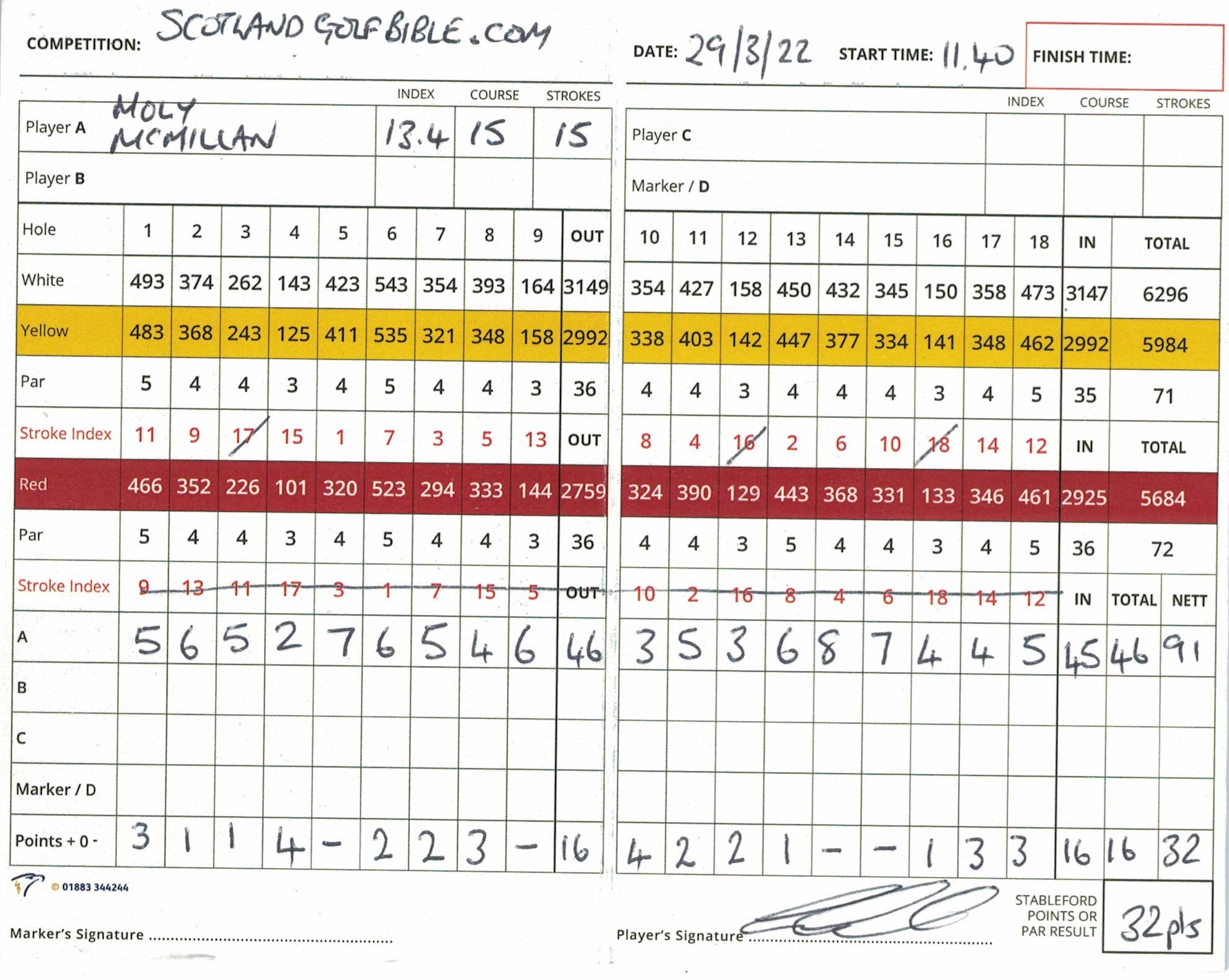
I had a mixed round, with birdies at the 4th and 10th, but then 2 triples and 1 quadruple bogie at the 14th. So my gross 91, equated to 32 points off 15. Not bad for me.

It must be said that South Ayrshire Council probably leads the way in the provision of Municipal golf in Scotland. I would advocate more investment on the courses please, even if the price needs to rise a little. A good value course, which could have been really great value with a little more attention.

Incidentally, I decided not to play the main Pebble Beach courses, instead I had a good walk around ‘The Links at Spanish Bay’, and nearly had to pay excess baggage for the about 150 golf balls (All grade A) I found in less than an hour!

Course Type: Links

Par 71 (3 par 5s, 11 par 4s, 4 par 3s)

Distance: 5984 (yellow)

Moly’s Gross score91

Moly’s Troon Darley scorecard. 91, but a very mixed bag with a couple of birdies and 4 blobs.

135. Bellshill. 28 Mar 22.

A great lesson in the use of internal OOB at this excellent course, built on a key social history site

Round £25. Par 69. Course Rating / Slope Rating (yellow) 68.3/120. Value (out of 5) – 4.5

I really liked playing Bellshill. Set in lovely parkland alongside Strathclyde Country Park, it is a popular venue for golfing societies given its central and easily accessed location. Founded in 1905, with 9 holes, and later extended to 18, it has an excellent history documented here by one of its former captains Alexander Gardner; it doesn’t record the course designer.

The quality is clear right at the start at Bellshill – here the long par four (449 yards) opening hole.

Look deeper into the course’s history and you uncover a remarkable story of societal development, that I suspect the vast majority of local golfers know nothing about.

It’s very fitting you enter the golf course through a humble, working class area. Go back 200 years and you would be sited on the Orbiston Community, set up by ‘Owenites’, the followers of the Welsh social reformer, Robert Owen (1771-1858). It was a community of ‘co-operation and equality and to social provisions, such as education and welfare’. Robert married a local Scottish woman, hence his association to Lanarkshire. Like many ‘utopian’ projects, it didn’t last forever, albeit the par three 8th hole is still called “Orbiston”.

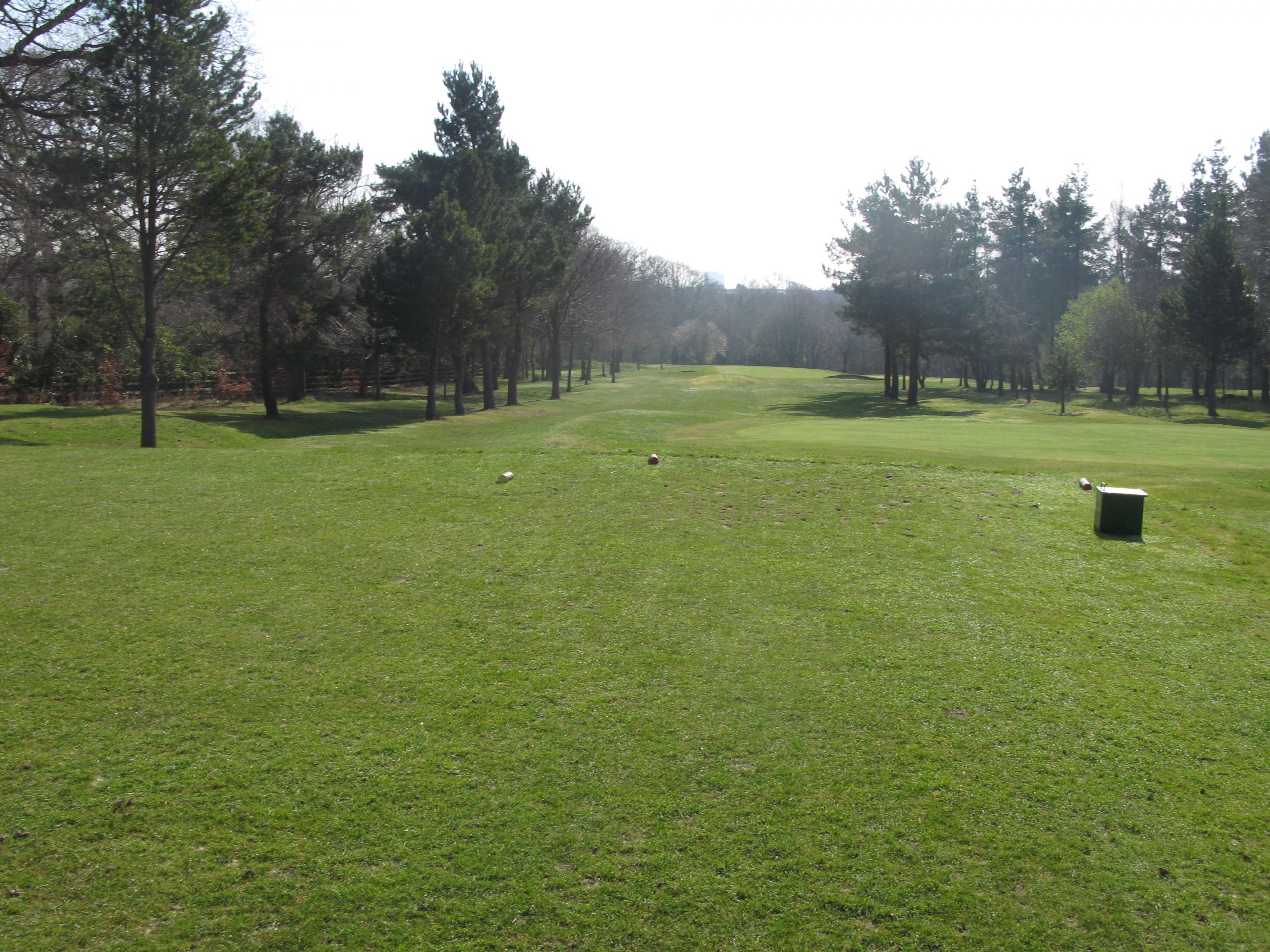
Moly about to drive at the mid length 12th hole – the 351 yard par four, stroke index 6 hole. Beware the tree in the fairway at about 220 yards, just visible here.

The course has 9 holes either side of a main railway line, with the first five and last four being on the side of the clubhouse. There is excellent signage to navigate between holes and either side of the line.

If you look at the first hole and the last 4 holes, you get a sense that it was an experienced course architect who first laid out Bellshill. Variety, undulations, appropriate bunkering and good green surrounds are testament to the quality of the designer.

The brilliant short par four 6th hole. Both “easy” and a “potential nightmare”

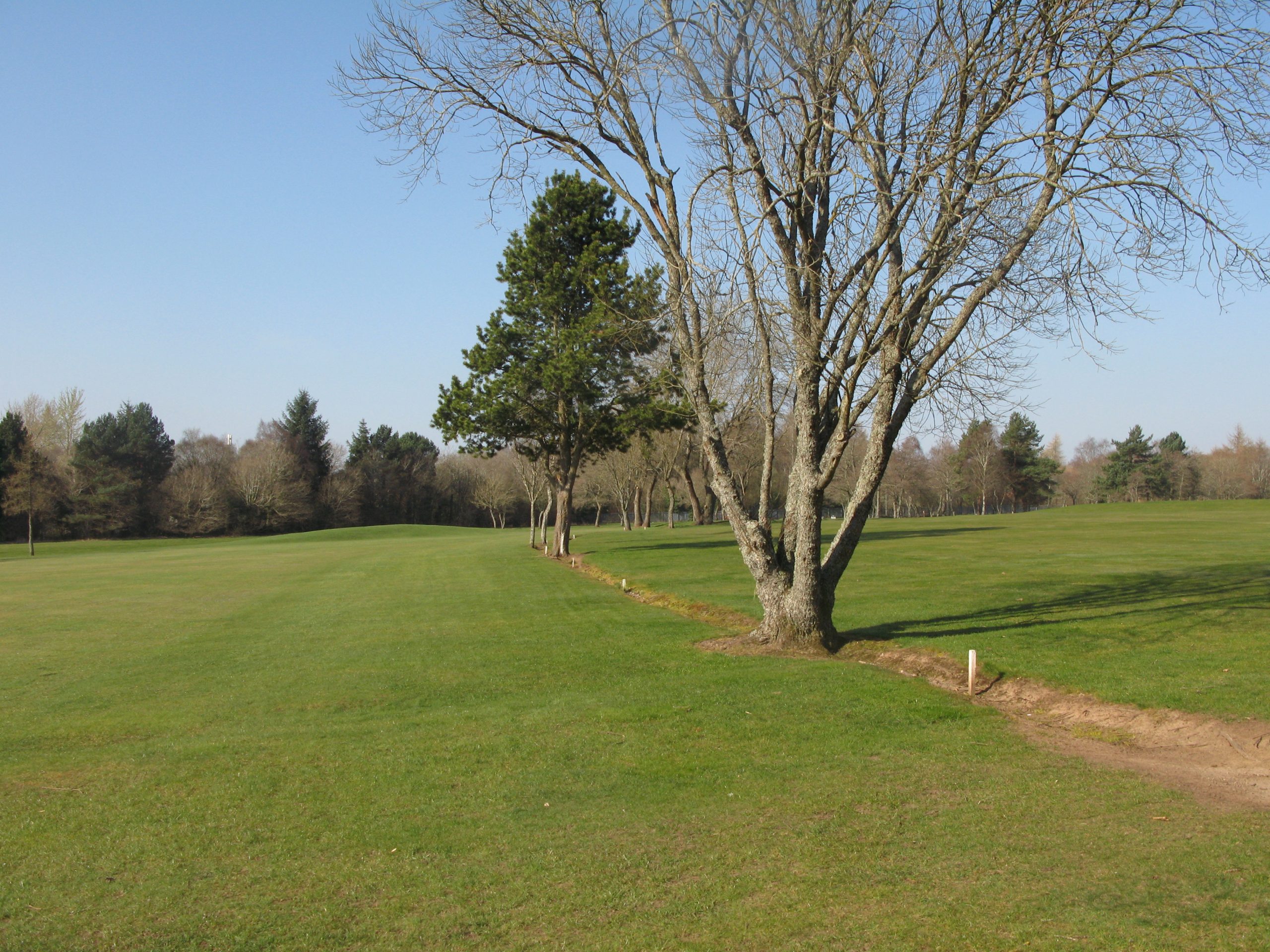
There are some memorable holes, in my book most notably the sixth. A short par four of only 292 yards, from both white and yellow tees, it has a blind tee shot over a slight brow about 140 yards from the tee. With a green fronted bunker and a front to back sloping green, it is impossible to drive. I was very lucky to unknowingly hit driver, which came up just short of the bunker. With a front pin, it was then impossible to get close to. Somewhat lucky to get a par 4, I preceded to have an interesting conversation with a greenkeeper on the next hole. He said many members don’t like the 6th hole, but the more experienced golfers, “just hit two short irons hoping for a single putt”. Alternatively, with a good bunker game, a shot into the front green bunker is also an option. A good example of a short hole giving good options, at all levels.

Many courses can learn from Bellshill’s good use of an internal OOBs, here shown at the 4th hole where OOB is on the right of the hole.


The course had very few fairway bunkers, but that was compensated by many undulating greens, some very difficult. The good finish, from holes 15 to 18, includes some card wreckers, most notably the stoke index 4, 16th par four. The 18th, with OOB right, is also a difficult green to hit in two.

The 8th hole “Orbiston”, a tough par 3, named after the community founded by Robert Owen the 18th Century social reformer.

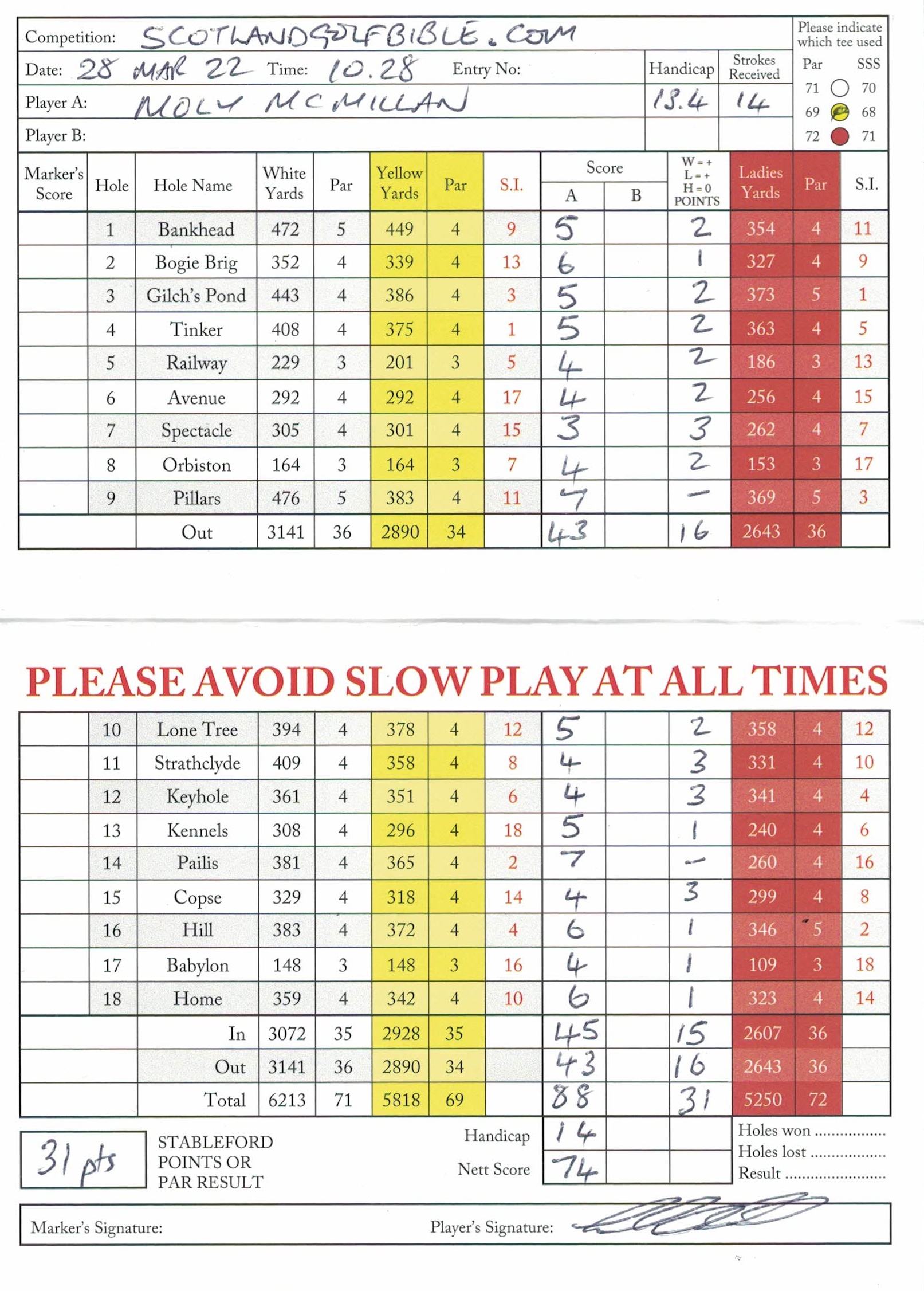
I had a solid game, scoring 88, or net 74, 5 over par. Any time over 30 points on a new course, I’m very satisfied. The condition of the course was superb when I played. At an annual membership just under £600, it represents a great value course to play on regularly amongst the many available in this urban area of Central Scotland.

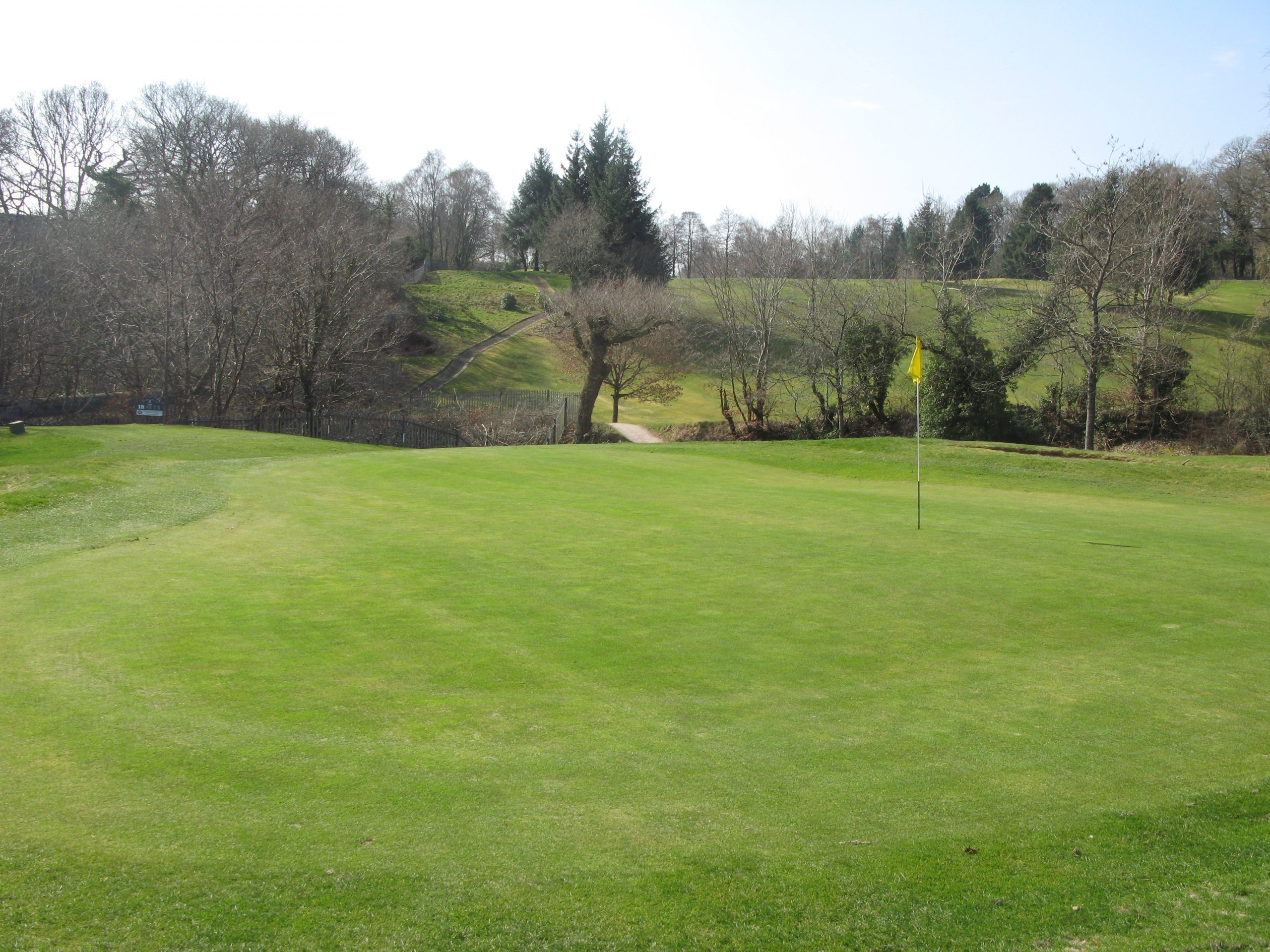
The difficult par three 17th hole, ‘Babylon’, part of the very fine last four hole stretch at Bellshill.

I had a great and welcoming conversation with two local members in the changing rooms and did indeed get a feeling of ‘community’ which somehow felt right. They told me a great many members volunteer to maintain the course in such good condition. I was let wondering if they knew how fitting that was and how proud Robert Owen might have felt at that feeling of community.

Course Type: Parkland

Par 69 (0 par 5s, 15 par 4s, 3 par 3s)

Distance: 5818 (yellow)

Moly’s Gross score88

Moly’s 88 at Bellshill – a solid golfing day.

134. Fereneze. 27 Mar 22.

What a great surprise to find this course, so close to Glasgow

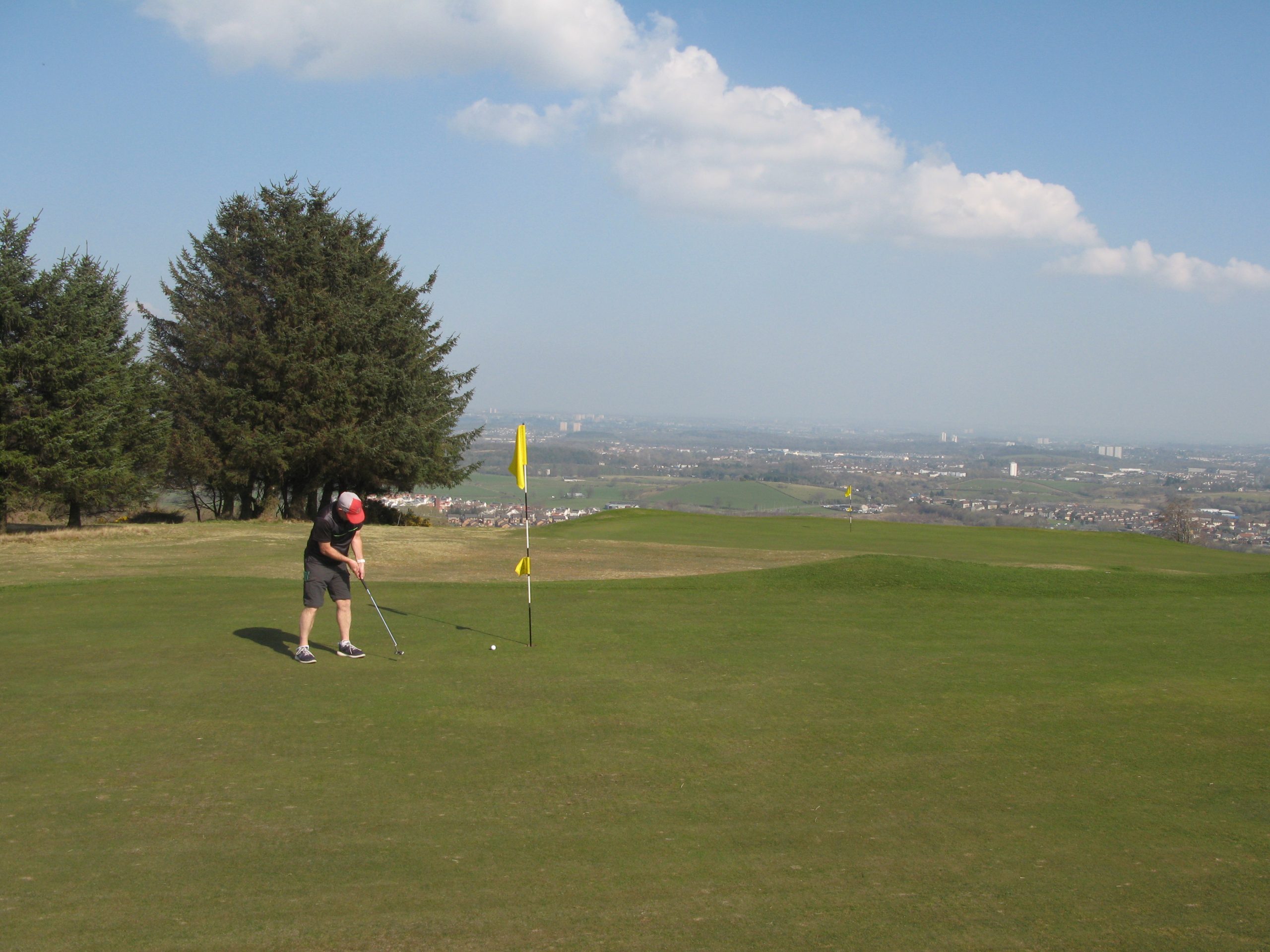
Round £30. Par 71. Course Rating / Slope Rating (yellow) 67.7/123. Value (out of 5) – 4.5

“Go and play Fer-En-Eeze”, said the helpful professional at Gailes Links in Irvine, when I told him my mission of playing all golf courses. “I’m talking about Scottish golf courses”, said I, thinking his suggestion sounded more Italian than Scottish. “It’s in Barrhead” he said. That, of course, didn’t make it any easier to understand the name.

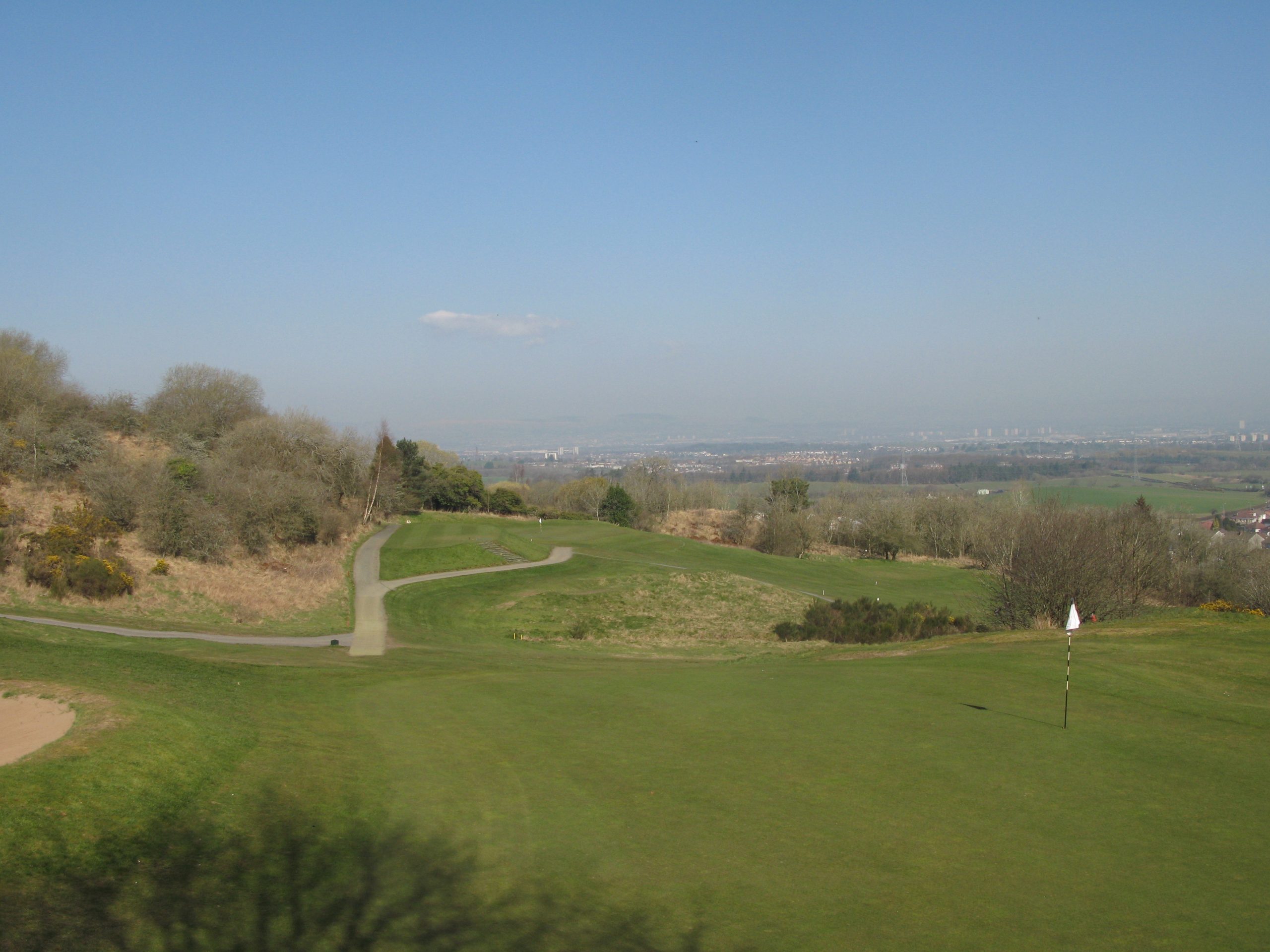
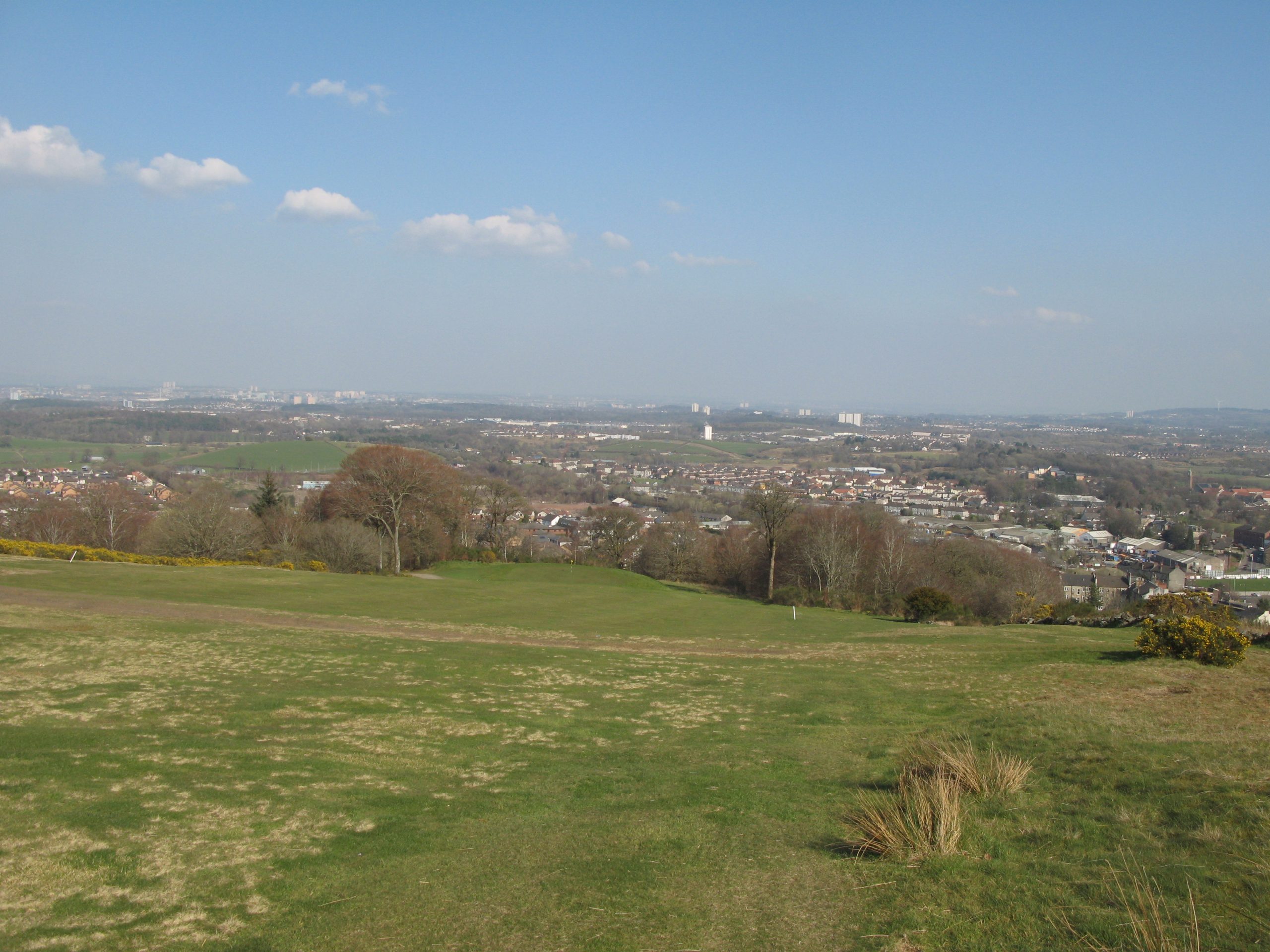
The first, but by no means the last, magnificent view towards Glasgow. Here at the second, looking back towards the tee. A difficult short hole at 140 yards, playing at least 1-2 clubs longer.

Fereneze has been, to date, the most wonderful surprise of courses I’ve played. A quite remarkable heathland setting with exceptional views over Glasgow and the Clyde valley. Set only a few hundred feet above the tough town of Barrhead, a place more known for products most peed on by UK residents – i.e. Armitage Shanks porcelain!

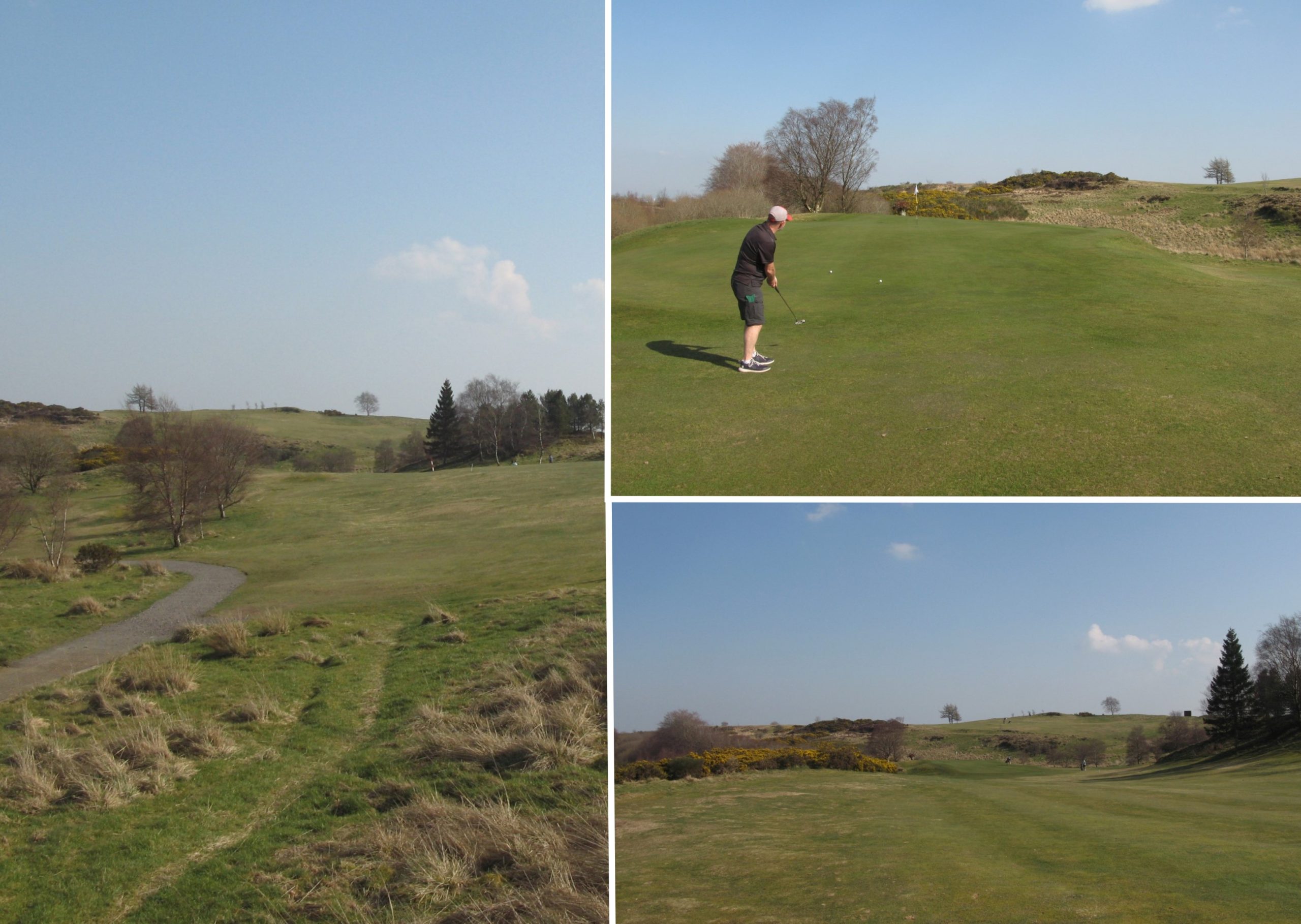
The start of the moorland holes, the par five third, is also the most difficult hole at Fereneze. Keep your drive left to avoid finding the gorse at this left to right sloping hole (bottom right quadrant highlights).

The ‘rough’ town claim is well justified; when searching for information on Fereneze Golf Club you keep finding stories like local youths setting fire to the heathland or the greenkeepers spending much of their time cleaning up the cans and bottles from heathland parties. None of that, however, should put you off playing at Fereneze, which provides excellent value.

The lovely par three 7th at Fereneze at 148 yards.

As to the the origin of Fereneze golf club, little is really documented other than on its crest showing it was established in 1904. The club sadly no longer operates a web site. The course is situated on The Fereneze Hills and the origin of the name is reportedly from a Gaelic name “Fernieneese” as it is spelled in some old records—meaning, fern, or alder [reference: A History of the Parish of Neilston].

The drivable par four 9th at Fereneze, where Moly 4 putted from just off the front of the green….ouch!

Back to the golf course. The Gailes Links professional, was spot on. Fereneze is well worth a visit. After a severely uphill par four opening hole, followed by a tricky par three, your walk to the third tee leaves you in no doubt what you are then facing. A magnificent piece of moorland; dry fairways, gorse and broom in abundance. Thankfully, I played on an exceptionally dry and unseasonably warm March day. I can imagine this being a windswept landscape that takes no golfing prisoners.

A more successful hole for Moly, here just missing a birdie at the 320 yard par four 11th hole.

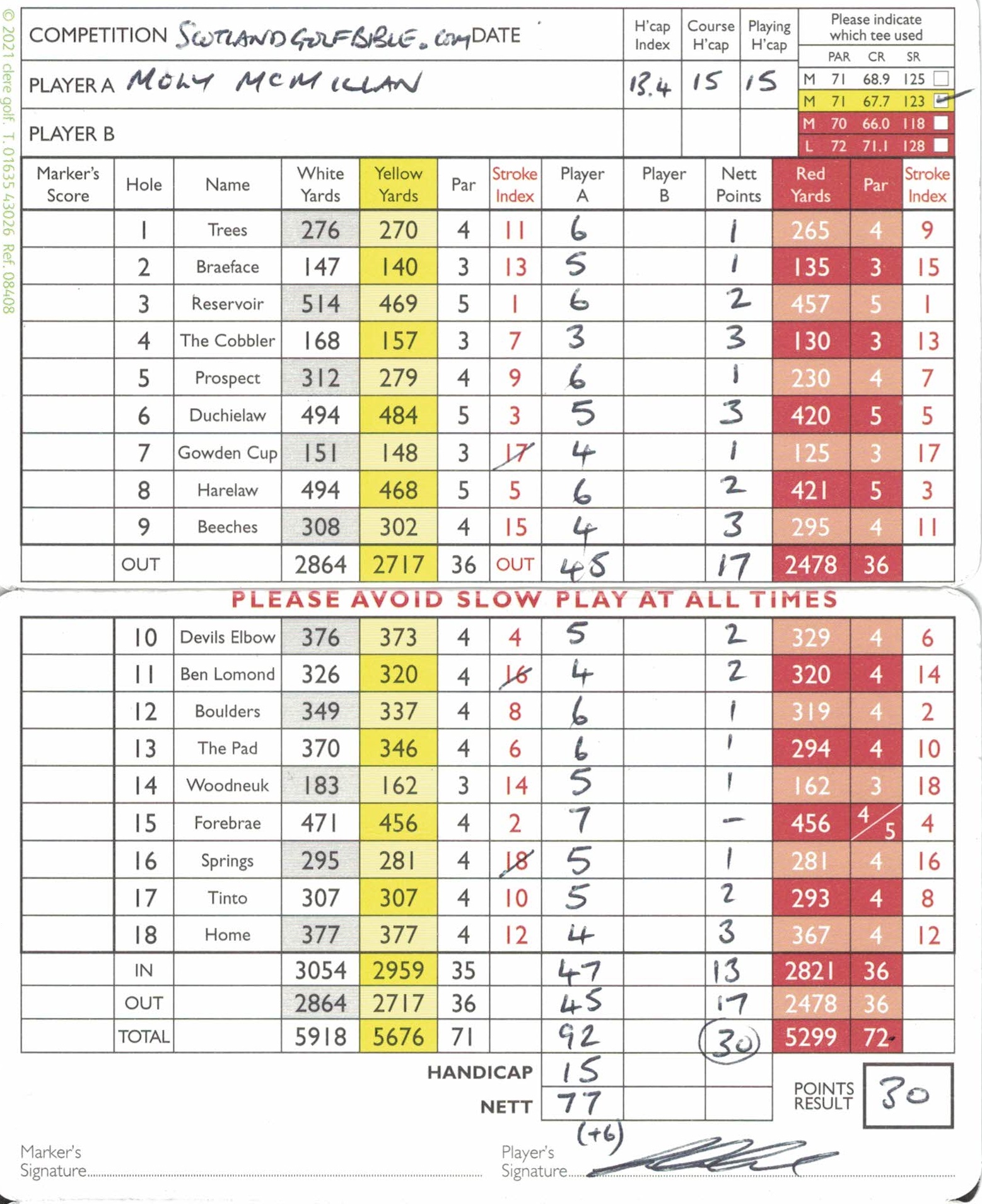
The course is a par 71, but relatively short at 5676 yards. Most of the variety is in the front nine, with the back nine having only one par three (the 14th) and the rest being par fours. That makes for a fairly imbalanced layout; with the last few holes being the most disinteresting. But there is still plenty of variety in the use of blind shots and dog legs, to retain your interest. The course was in excellent condition and playing like a June day, not a March one. For example, I nearly reached the green at the par four 9th (300 yards) and actually reached the green at the 377 yard 18th which was both downhill and downwind.

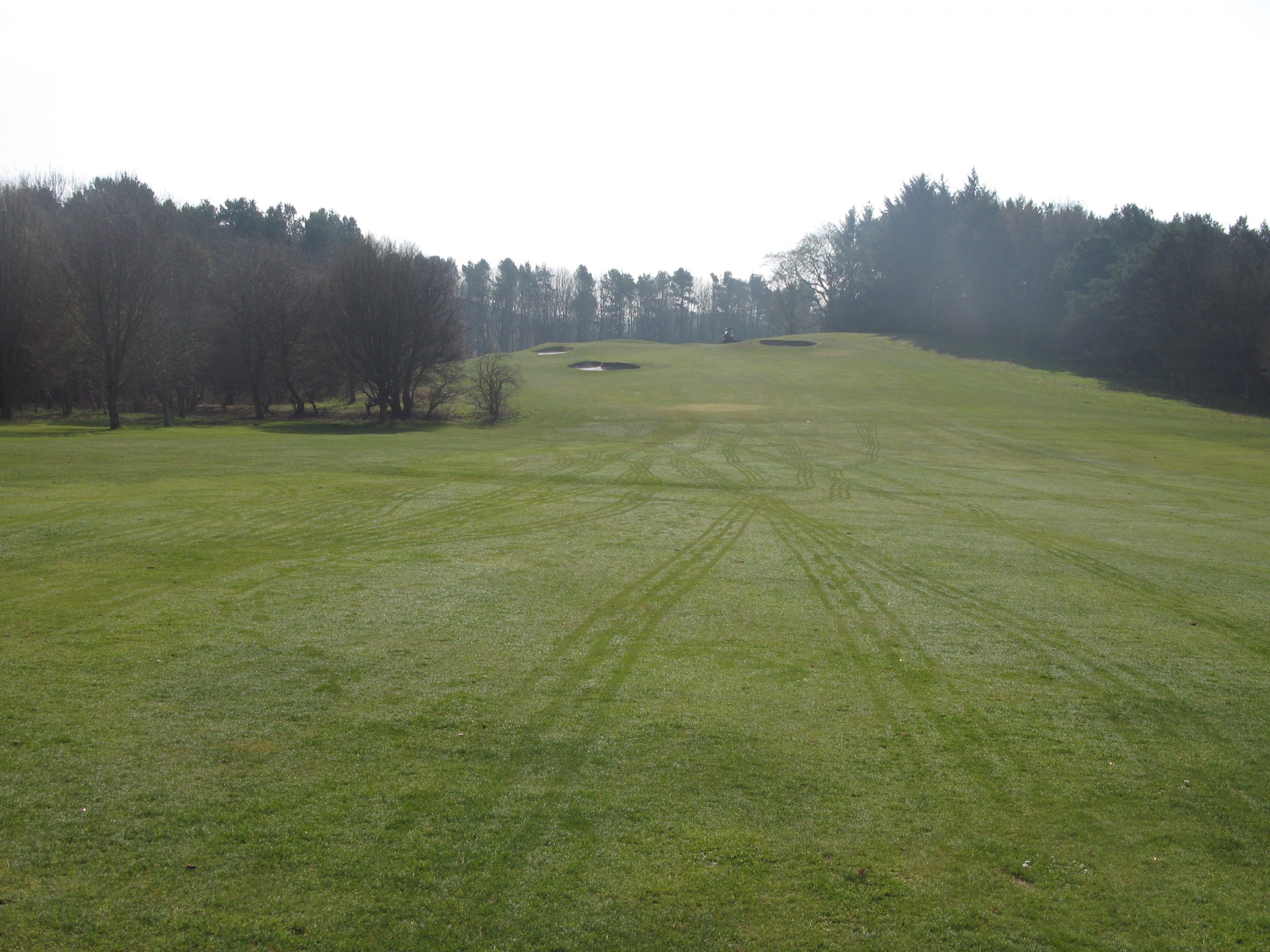
The severely downhill par four 18th hole at Fereneze, Moly 3 putted for par after driving the green. That typified the day really.

The greens were very fast and the sand excellent. Although generous off the tee, finding the rough or gorse tended to mean double bogie. Stay on the fairway, even if that means taking iron from the tees. I shot 92 for 30 stableford points, and felt I played more solidly than my score suggests.

The shop staff were a little cold, and not particularly helpful towards my wife in seeking where the ladies toilets were. It was the only downside of an otherwise memorable golfing day.

Course Type: Heathland

Par 71 (3 par 5s, 11 par 4s, 4 par 3s)

Distance: 5676 (yellow)

Moly’s Gross score90

Moly’s 90 at Fereneze, a course well worth playing.

132. Grangemouth. 24 Mar 22.

Forget the industrial surround to experience Scottish golfing value at its best

Round £15. Par 70. Course Rating / Slope Rating (yellow) 69/121. Value (out of 5) – 5

As long as courses like Grangemouth remain open and accessible, Scotland will easily retain its lead in providing the best value golf worldwide. At only £10 for a ‘winter round’ or £15 for summer, this is as good value golf as you can get.

You quickly realise the quality on offer at Grangemouth, with the approach at the first hole.

But Grangemouth Golf Club and it’s courses, have not always had a guaranteed existence and the Scottish golfing community can’t take venues like Grangemouth for granted – its history is worth dwelling on.

The current parkland municipal course, opened in 1974 by the local council, is just outside the village of Polmont and close to junction 4 of the M9 motorway. However, the first Grangemouth golf course can be traced back to the mid 1890s, and its growth and decline are charted on the excellent web site “Forgotten Greens of Scotland”. After a few false starts, a 9 hole course opened in 1908 at Abottsgrange, including greens created through “beating, rolling, sanding, cutting”. A “small shelter was built to protect against the ‘Sudden Blast'”. Initially there were 113 men and 67 lady members, highlighting the non sexist nature of golf in Scotland. A clubhouse was soon built but burned down in 1924, with the most informative comment being the sad loss of 200 sets of clubs, “only those few who took clubs away at the weekend were saved”.

The original Grangemouth members. We should never take the longevity of courses for granted.

By the early 1950s the course, now with 18 holes, became a victim of a mix of expanding urban growth, the building of a new Scottish Central airfield and political wrangling within Stirling County and the local Town councils. This led to the closure of that course in 1954, now the sight of a school and housing estate, with the political promise of a new replacement course on Polmonthill. It was finally established 30 years later! Politics.

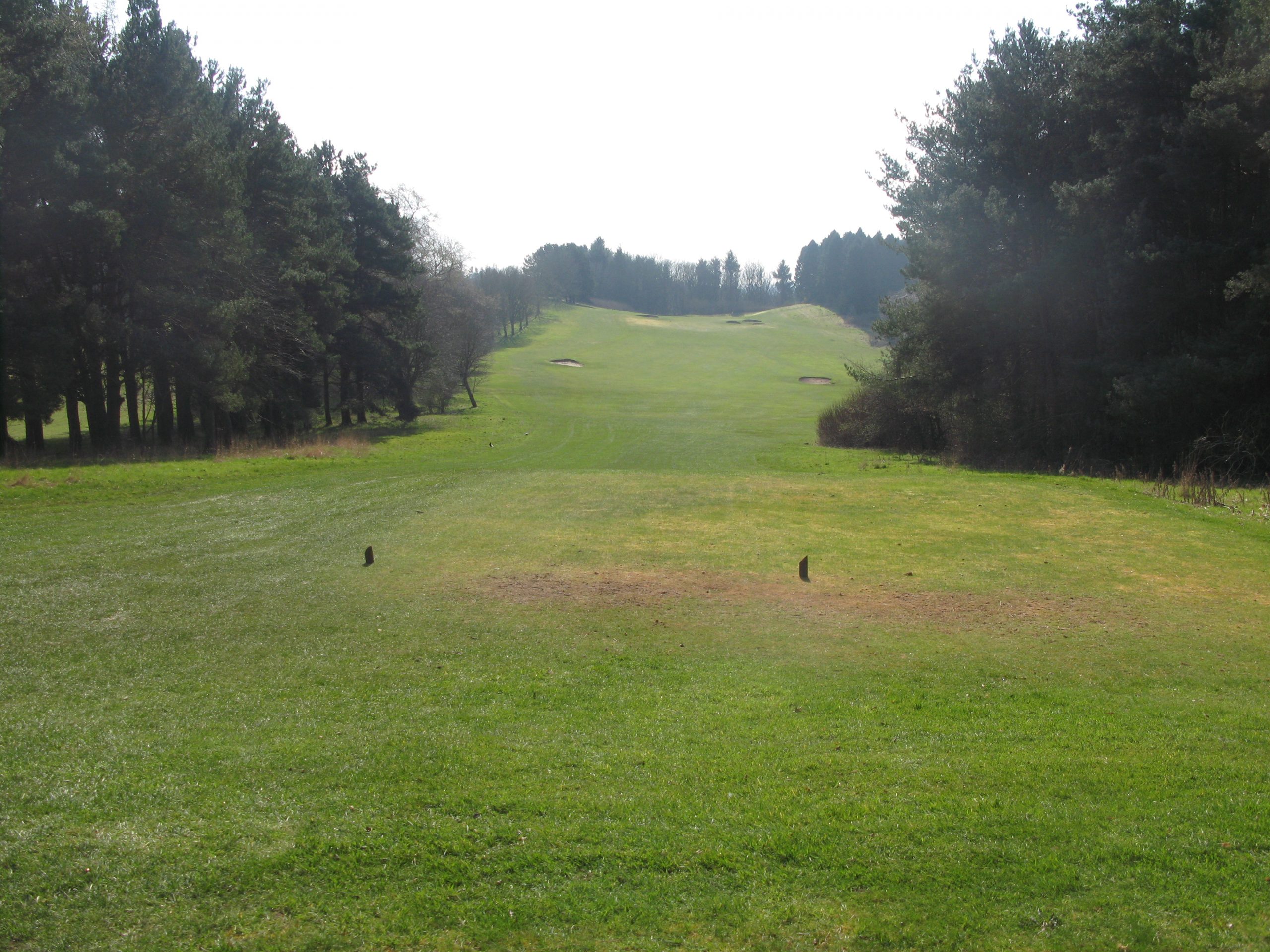
The long par four 8th, “Gambler’s Gap” (you can see it), the most difficult hole.

Arguably, the current course was worth the wait. At well over 6000 yards, this undulating layout, bordering Polmont Woods, is very challenging. When I played, on a fine March day, along with my old friend Frank Crowe and two of his friends, Colin Campbell (a local member) and Ian Ponton, it was in remarkable condition. It beggared belief that it is maintained by only two greenkeepers; the greens were first class.

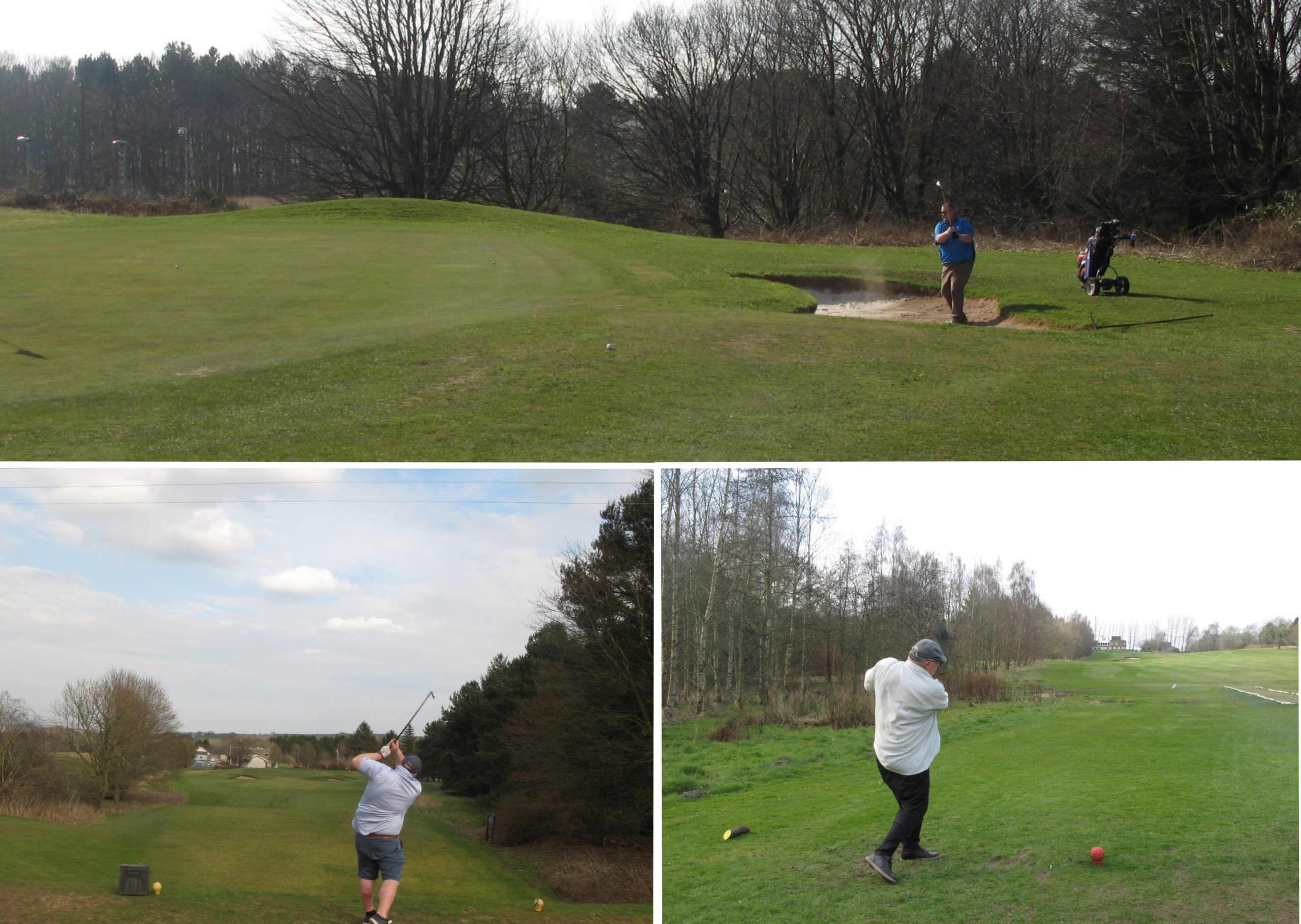
My playing partners in action.
Top – Ian Ponton at the 2nd; Bottom left Colin at the 15th; Frank at the 18th.

The course has won a “Scottish Municipal Course of the Year” award in the past, and you could see why. The bunkers, where admittedly more rakes were needed, and tees, could have been a bit sprucer; but this was golf costing about the same as two pints of beer, with high summer rates still being well short of £20. If any international tourists wanted to see what is on offer elsewhere in Scotland, other than the heady courses in nearby Fife or East Lothian costing over 10 times the green fee, this would be a great course to play.

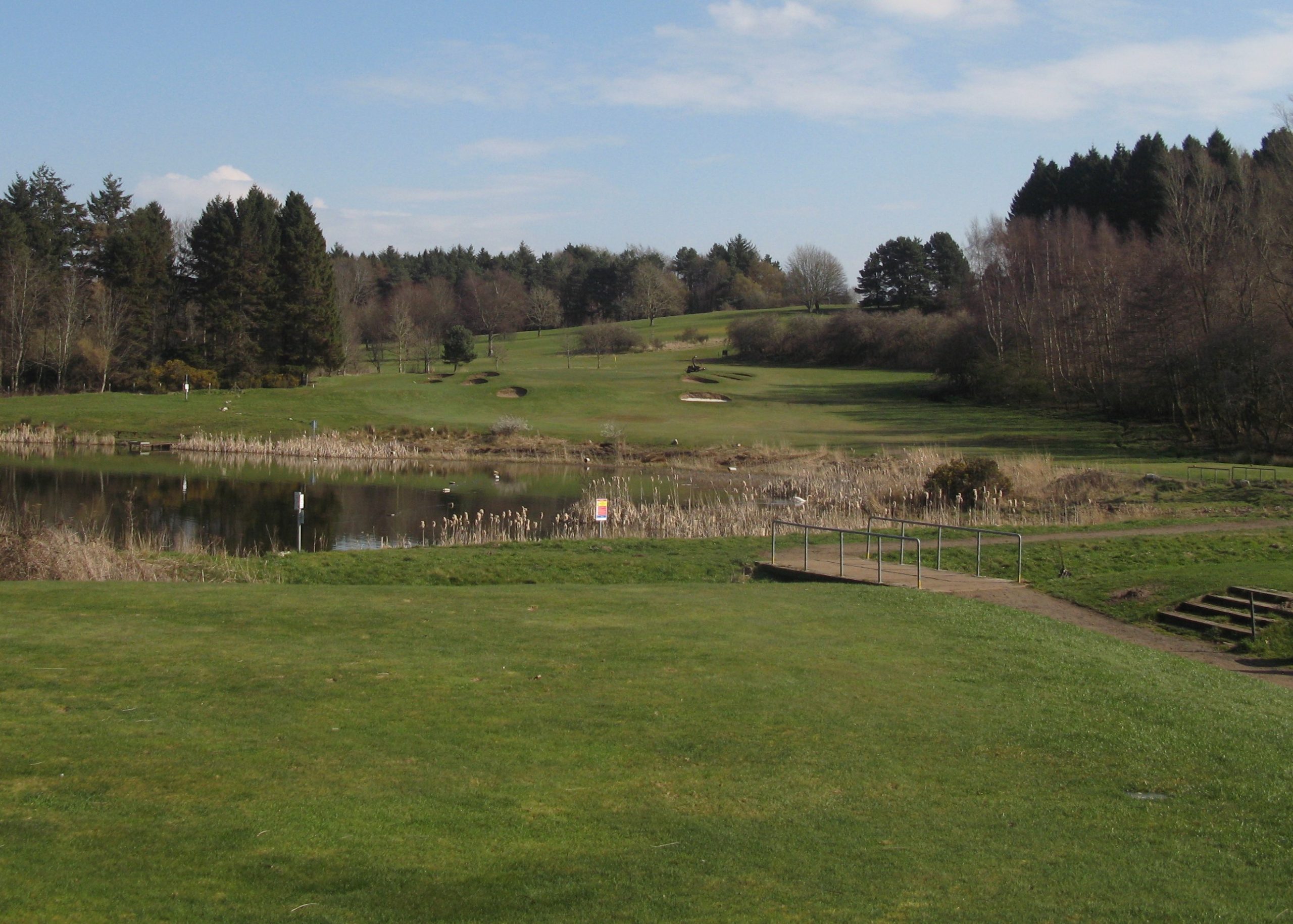
There are some memorable holes, not least the brilliantly framed par fours first and fourth holes, both played uphill into well bunkered greens. The signature hole, “Reflections”, the par three seventh at 178 yards, played over a resevoir, left me ‘reflecting’ how I racked up a 7, including my first ball finding the water.

The par three 7th. Is there a finer visual par three on any other UK municipal course?

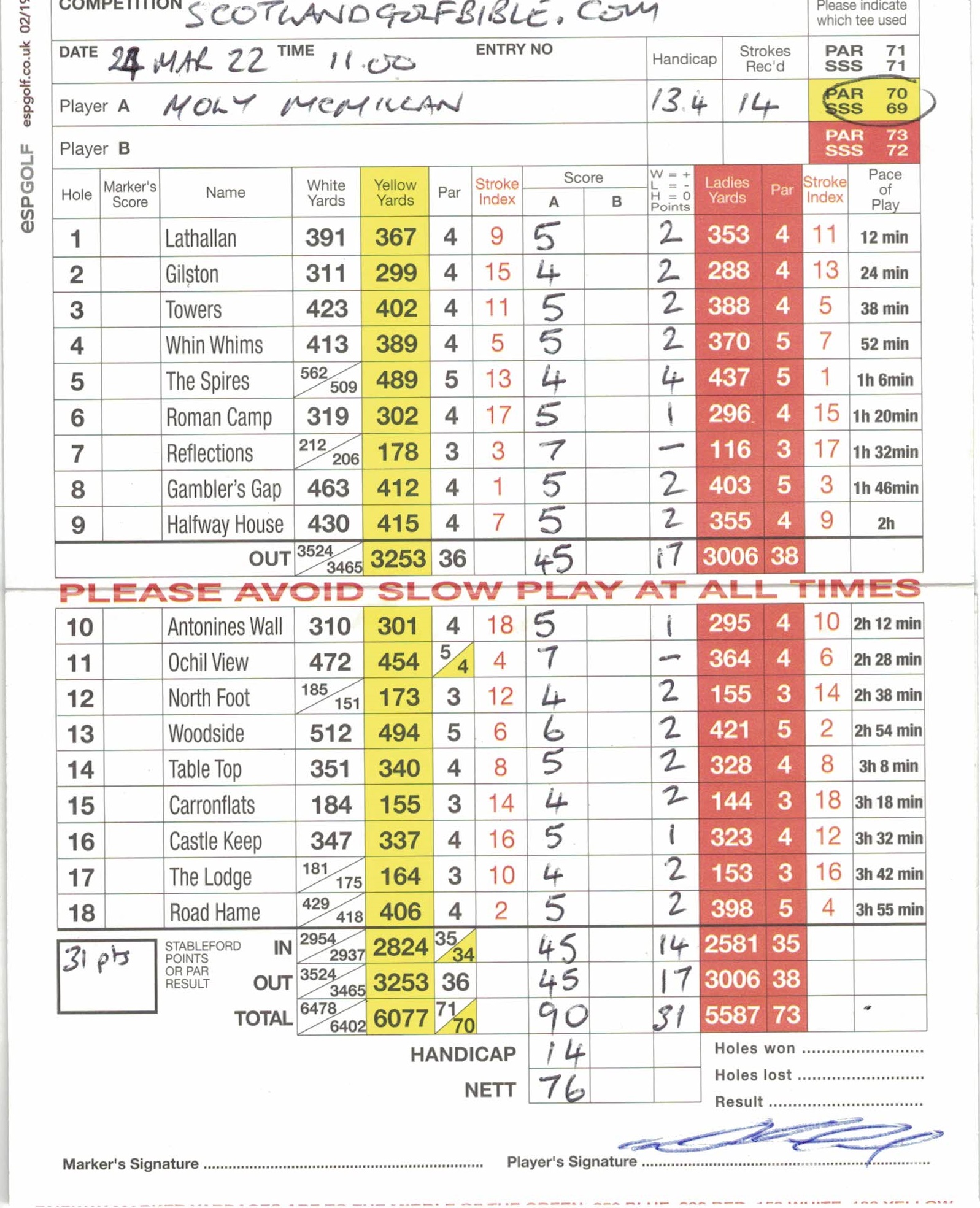
The greens were very tricky, as my seven 3 putts attest; this was due to the large and sloping nature of them, not the surfaces which were true. My gross 90, therefore, indicting my otherwise decent ball striking.

The overall layout has a nice variety of dog leg holes, blind shots, and some easier respite holes to catch the odd birdie or par. The four par 3s, collectively, are the course highlight for me.

The great framing on the par four 4th hole. A tough challenge to reach the green in two here.

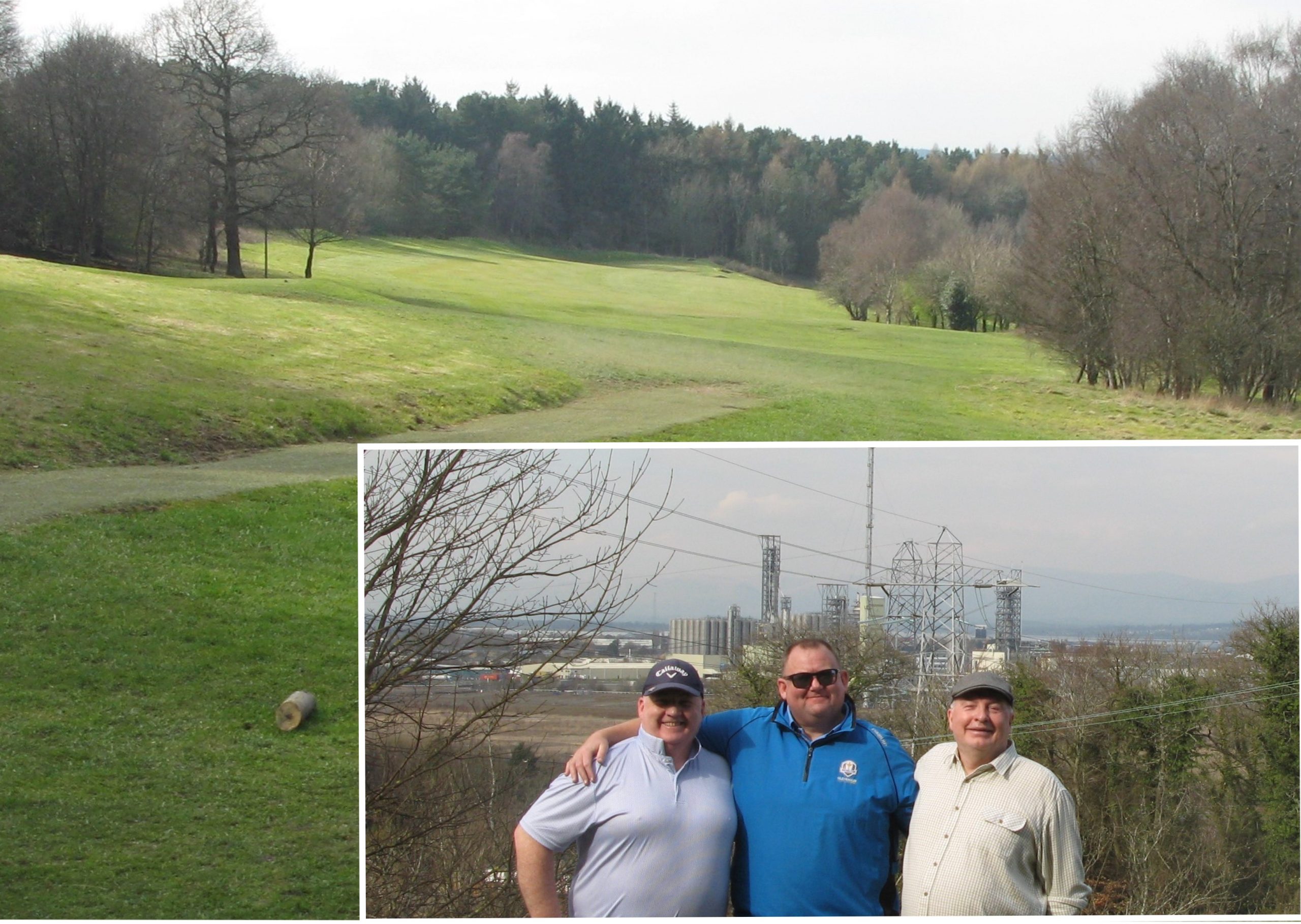
It is worth getting ready for the industrial views of the refinery, which only comes into view on a few holes, most notably at the 11th and 12th. Also nearby is one of the largest land fill sites in Scotland, but local member Colin commented that there was never any impact from smells. I would not let the local industrial surround put you off playing Grangemouth, it’s actually a reason to go.

The very difficult long par four 11th (a par five from the white tees), with the inset showing the view at the tee of Colin, Ian and Frank (L to R) with the Grangemouth refinery in the background

The course, laid out as 4 loops of holes, makes it easy to just play a few holes, or cut out some of the track. As I was leaving, I saw a local member, taking advantage by jumping onto the back nine. He was a old guy, in jeans and t-shirt, whose clubs looked like they could have survived the 1924 fire. “Could be the Algarve” I said, commenting on the unseasonal weather. “Aye, yer right, ma five pals have gone tae Turkey and its pissing down and four o’ them have caught that ‘covee’, ****ing brilliant eh!”

Frank and I, played Colin and Ian, in a tightly contested four ball game that went to the last. Well played everyone, a memorable day’s golf on one of the finest municipal courses in the world. Now that is “****ing brilliant”.

Play Grangemouth. Its currently going through a change from municipal to private management, so you never know how long it might be there.

Course Type: Parkland

Par 70 (2 par 5s, 12 par 4s, 4 par 3s)

Distance: 6077 (yellow)

Moly’s Gross score90

Moly’s 90 scorecard at Grangemouth, for 31 stableford points, on this brilliant value golf course.

« Older posts Newer posts »

© 2026 Scotland Golf Bible

Theme by Anders NorenUp ↑