A guide to green fee value for money

Category: 9 holes (Page 1 of 13)

186. Broadlees Par 3. 25 Mar 2023

Scotland’s first synthetic greens course, probably.

Price: £8. Par 27. Value: 4/5.

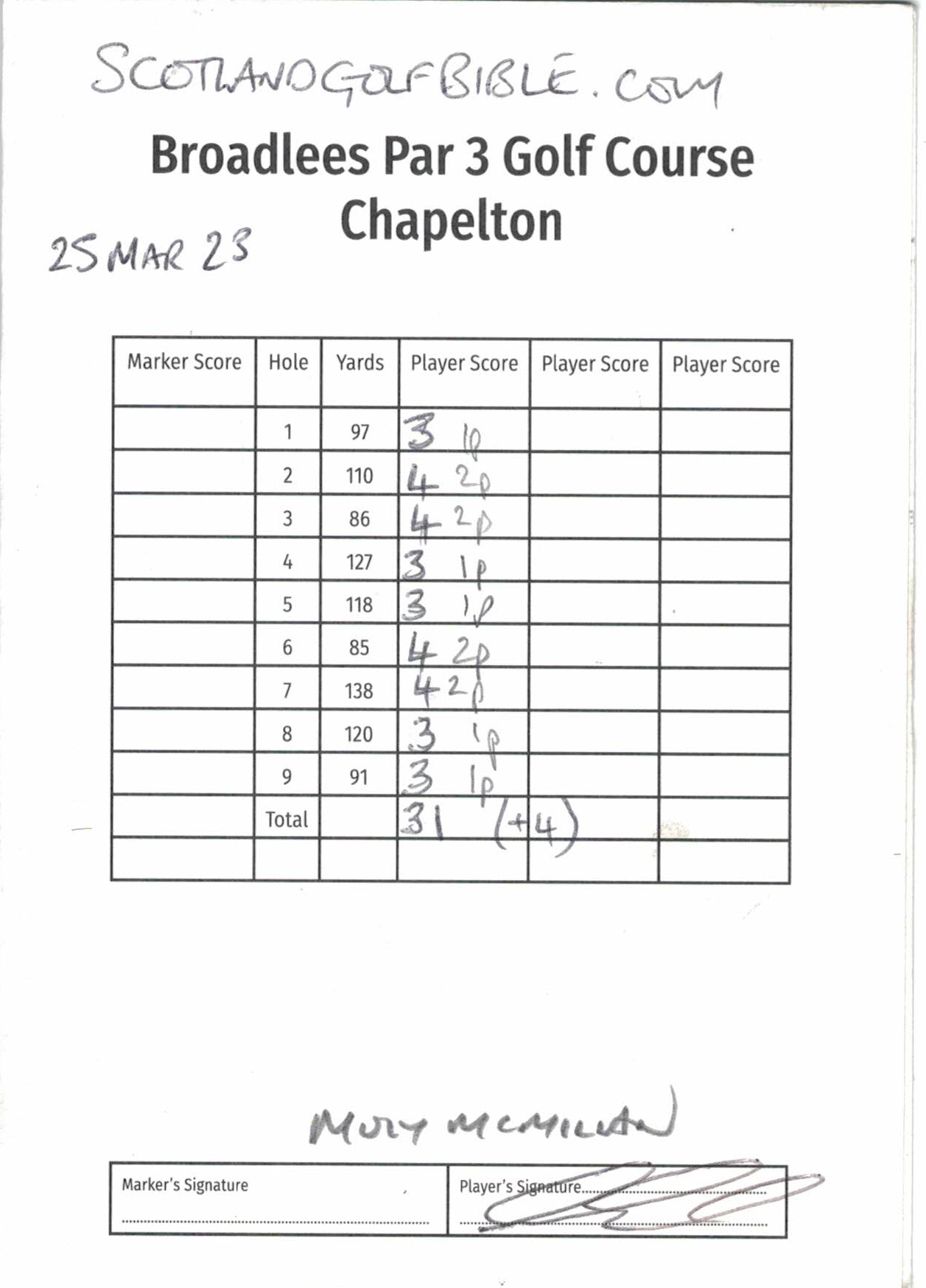
Moly’s Score: 31 (+4)

The backstory is in Blog 185, the main Broadlees course. In summary, since 2004, Robert and Barbara Anderson have built a diverse golf operation – range, 9-hole course, crazy golf, footgolf, academy, café and Santa’s grotto – to compete in an area stocked with golfing alternatives, many of them subsidised.

In 2021, they added something possibly unique in Scotland: a 9-hole par 3 course with synthetic greens and tees, playable every day of the year regardless of weather or ground conditions. The commercial reasoning is sound: a course needing no greenkeeping on its playing surfaces, generating income in January.
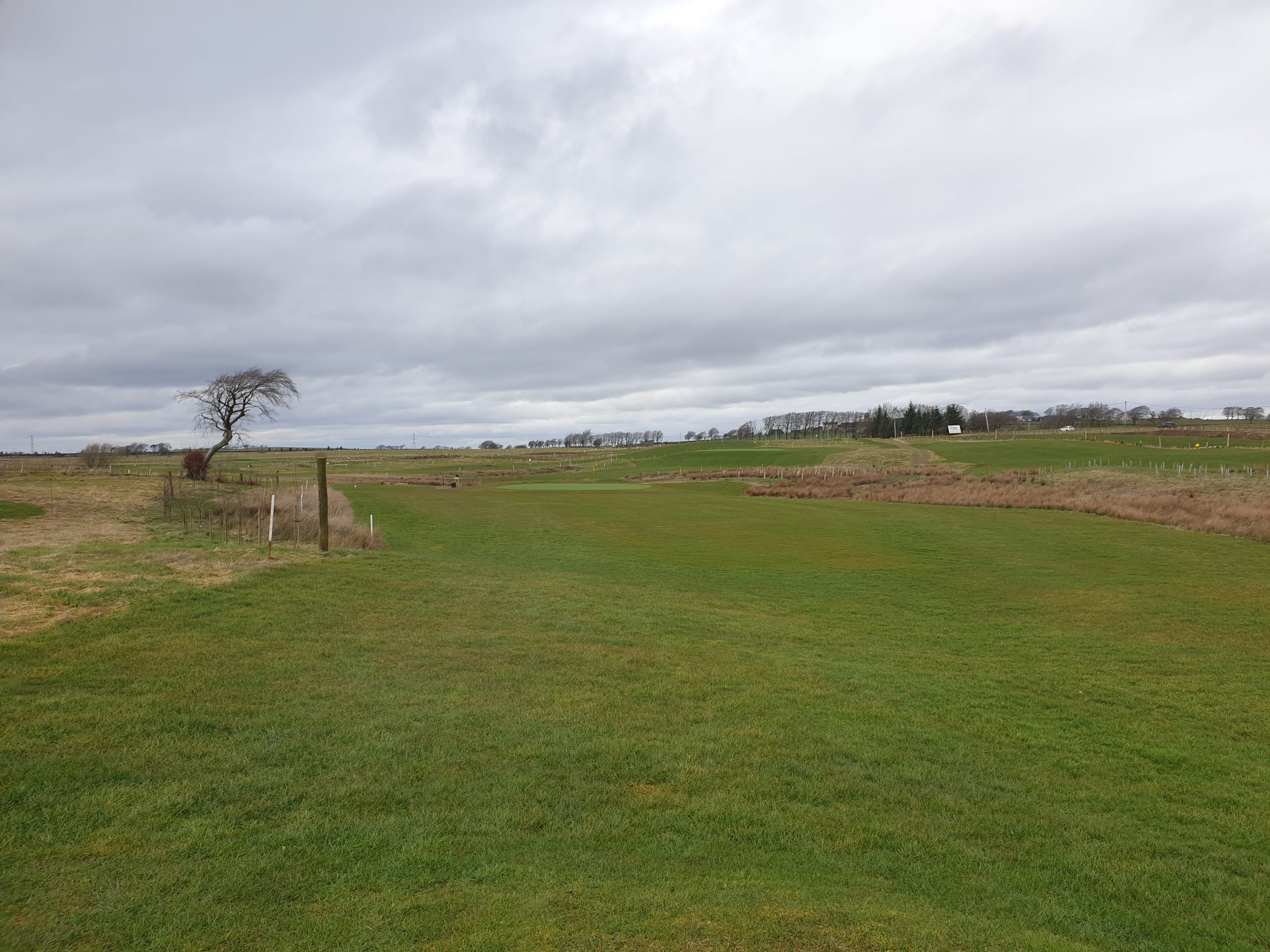
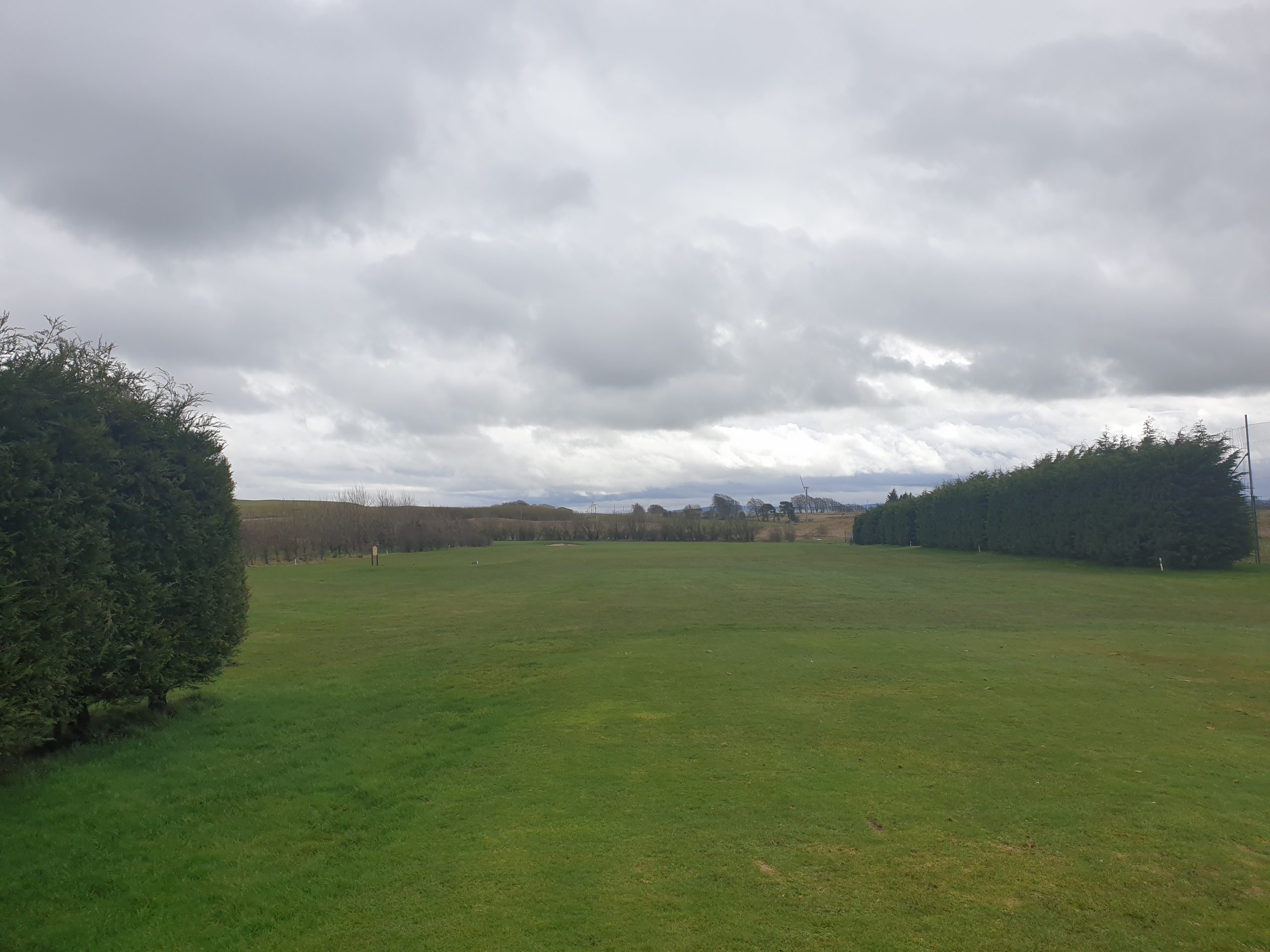
The first (97 yards) with the startlingly green synthetic surface immediately apparent against the March gloom. You are not playing a normal golf course.

From the start the scene is stripped back entirely with open ground, single windswept tree, and a synthetic “green” looking like a piece of discarded carpet. Not aesthetic, but very interesting, with the graves of golfing Architects stirring?

Synthetic tees matter commercially as much as the greens, as grass par 3 tees are brutally punished and need constant repair, reseeding, levelling and divot mix. The cost of upkeep of mats is negligible, plus they play consistently.
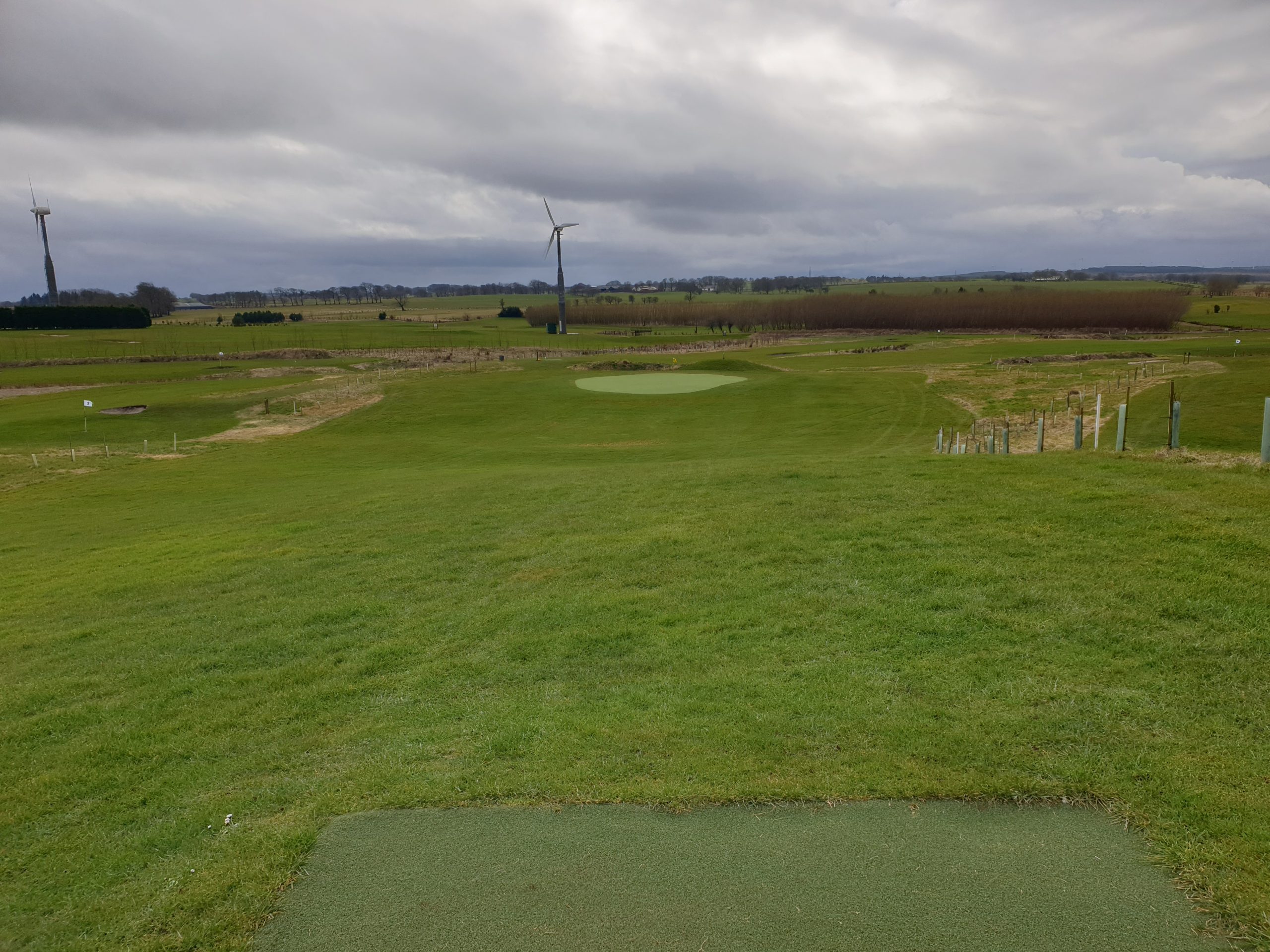
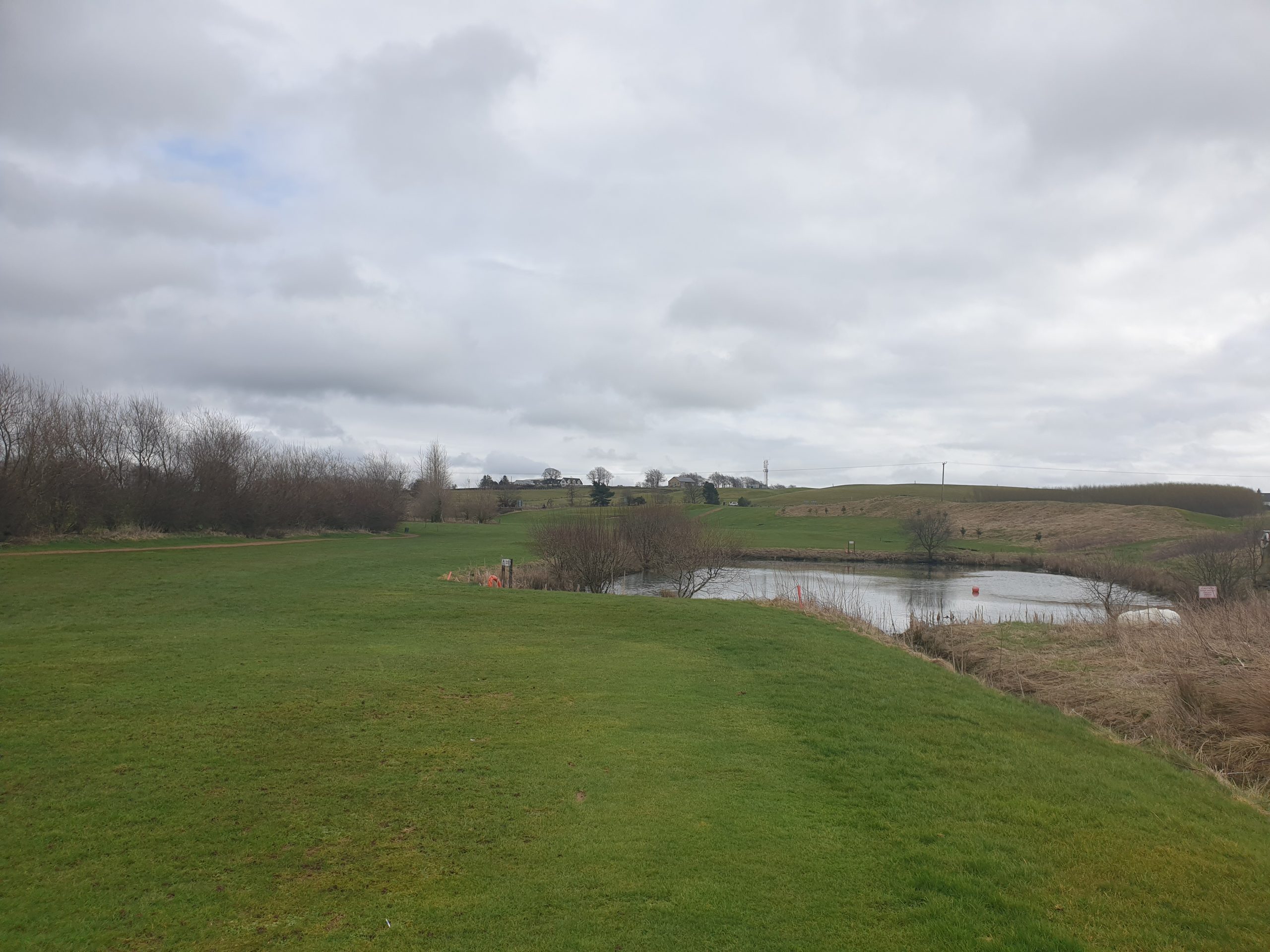
Hole 3 from elevated tee. The two wind turbines are a constant presence.

Holes range from 85 to 138 yards, so this is great wedge practice. They are not architecturally interesting in any way. But the holes have several water hazards to contend with.
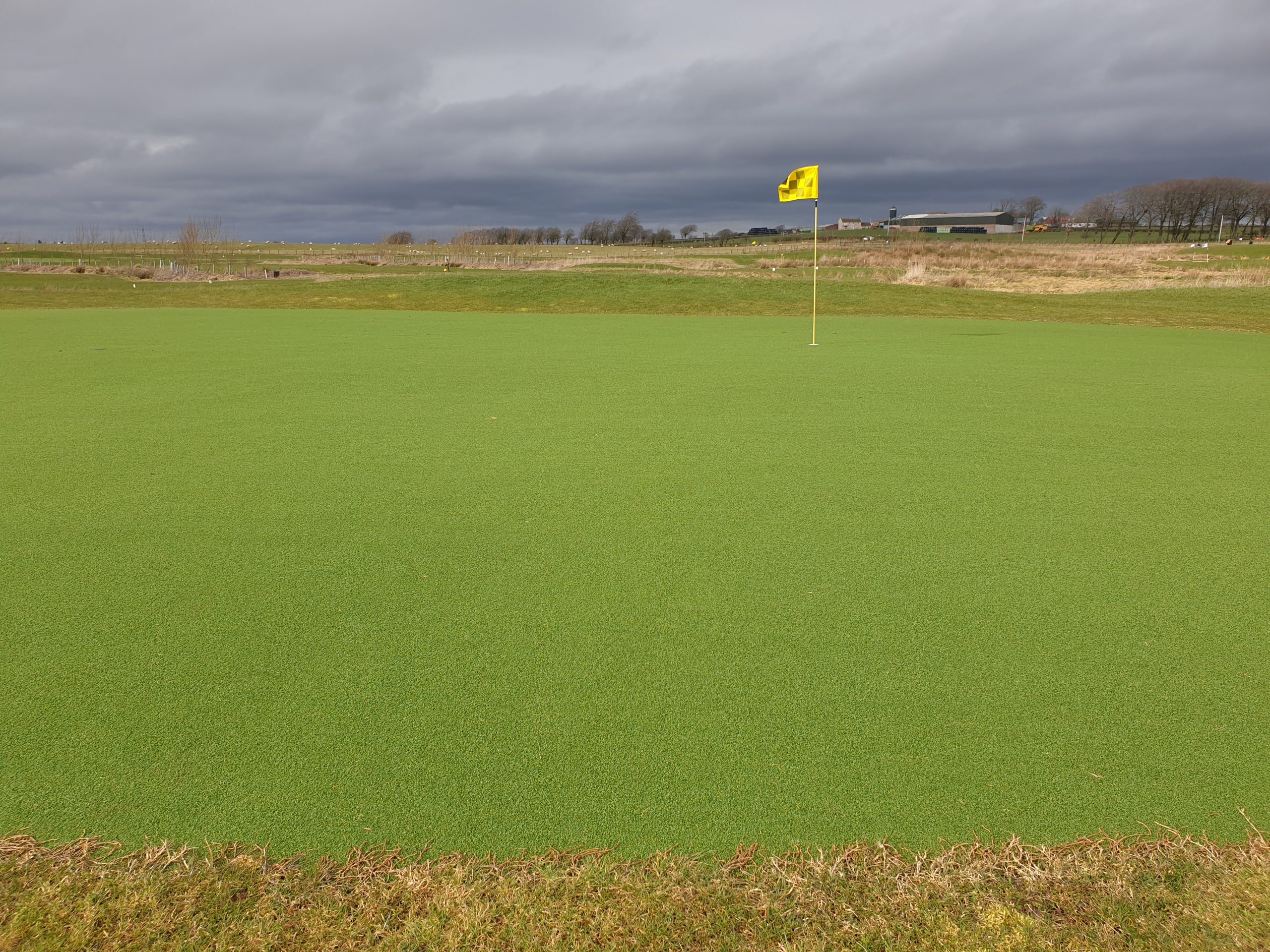
The fourth green with synthetic pile; dense, uniform with its own playing logic.

The key question is “how do the greens play?”. The answer is situational. In wet March conditions the green surrounds were too soft for a chip and run approach. The only option was to fly the ball onto the front of the green and allow it to release. The surface bounces more than ‘checks’ on full shots, so that requires careful judgment. Land too deep into the green and the ball runs through; land short and it stops on wet grass short.

Short chips around the green, played softly, were a different matter — the synthetic pile had enough give to generate some check, certainly more than expected. A useful discovery, though it came too late on the card to rescue early bogeys. On the greens themselves the ball rolled true, although breaking differently from a grass surface.
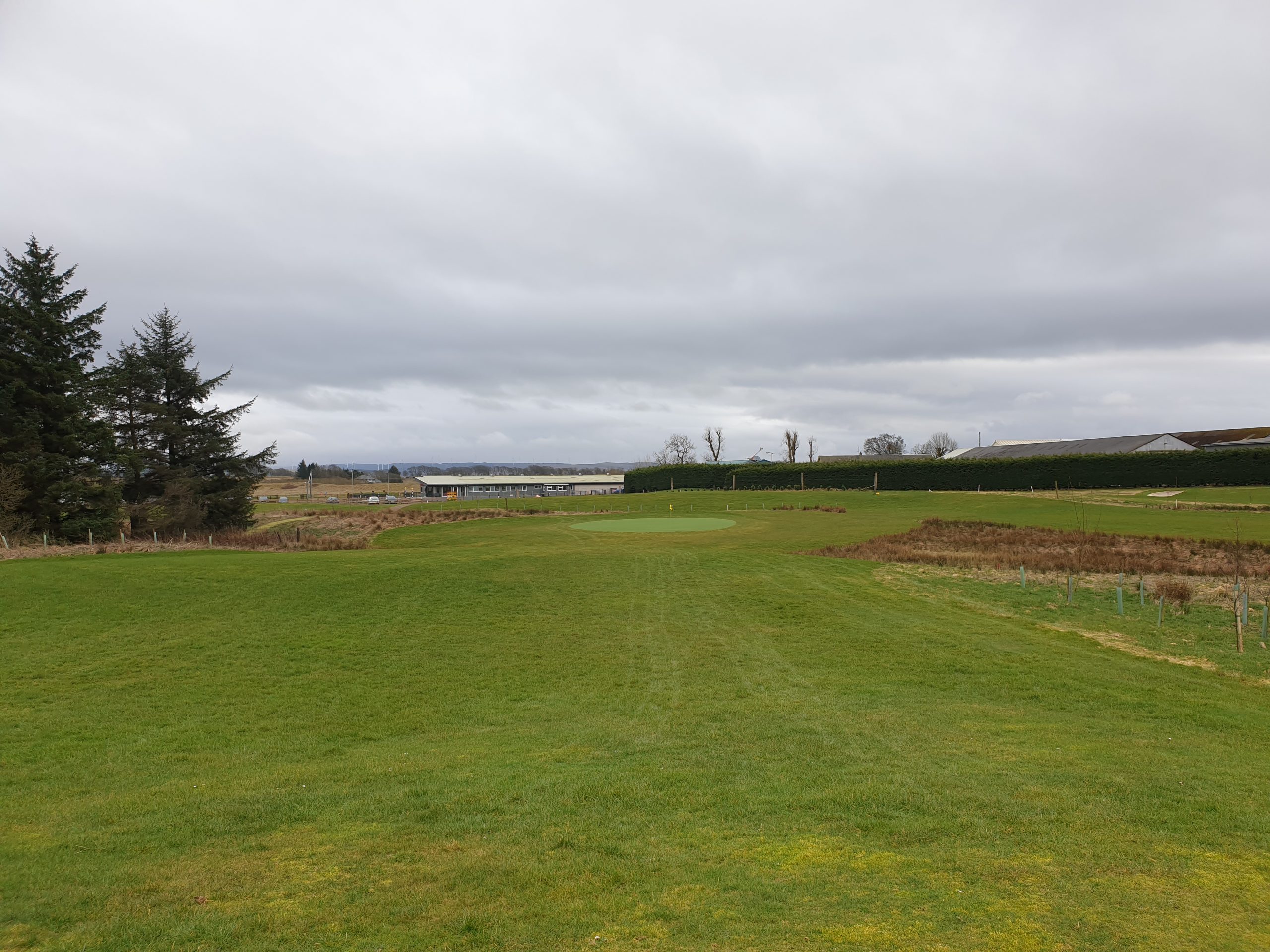
The 9th (91 yards), looking towards the Broadlees clubhouse, with cafe, range, and main course off to the right.

I shot 31 gross, four over par. On the two holes where I holed from outside ten feet I correctly read that the ball would not break as much as expected. It was an education. I’m sure regular players hole lots of putts.

At £8 for nine holes (2023) this is great ‘novelty’ value. I would think there is a commercial opportunity to price a combined fee with 9 holes on this course and 9 holes on the main Broadlees course.

Value: 4/5, to play Scotland’s first and possibly only synthetic greens course

Facts:

Course type: Par 3, synthetic tees and greens

Par 27 . Distance: 972 yards.

Moly’s Gross Score: 31 (+4)

See also: Blog 185 — Broadlees Golf Course
185. Broadlees. 25 Mar 2023.

If a farmer builds a golf course, this is what might be par.

Price: £16. Par 36. CR 69.0, Slope 119.

Value: 3.5 / 5.

Moly’s Score: 45

In 1987, the UK Government launched the Farm Diversification Grant Scheme, to incentivise farmers to diversify; by the early 1990s courses began sprouting at a rate that may have startled Old Tom Morris. My own club, Isle of Wedmore in Somerset, was built in 1992 on Lineage Farm by Ken Abraham, using a standard hymn sheet – rolling agricultural land, modest construction budget, an unfussy layout, and a prayer that golfers would cover the mortgage.

“Anderson’s Garage” the aptly named first hole, par 4, surrounded by Farmer’s fields

Robert and Barbara Anderson did the same in 2004, converting their South Lanarkshire farm into the Broadlees Golf operation; range, 9-hole course, crazy golf, footgolf, academy, cafe and in 2021 a second very unusual addition (covered in Blog 186). They self-confidently named the course’s address “Anderson” Drive, Chapelton, after themselves!

The workmanlike hole names also gives insight to the Andersons; ‘Anderson’s Garage’, ‘Gas Works’, ‘Worker’s Way’, ‘Out the Moss’, ‘Old Road’ and ‘Five Acre’. The ‘Powmillon’ burn (hole 4) runs through well-heeled Strathaven a few miles to the south-east, whose own Golf Club has more bourgeois hole names.

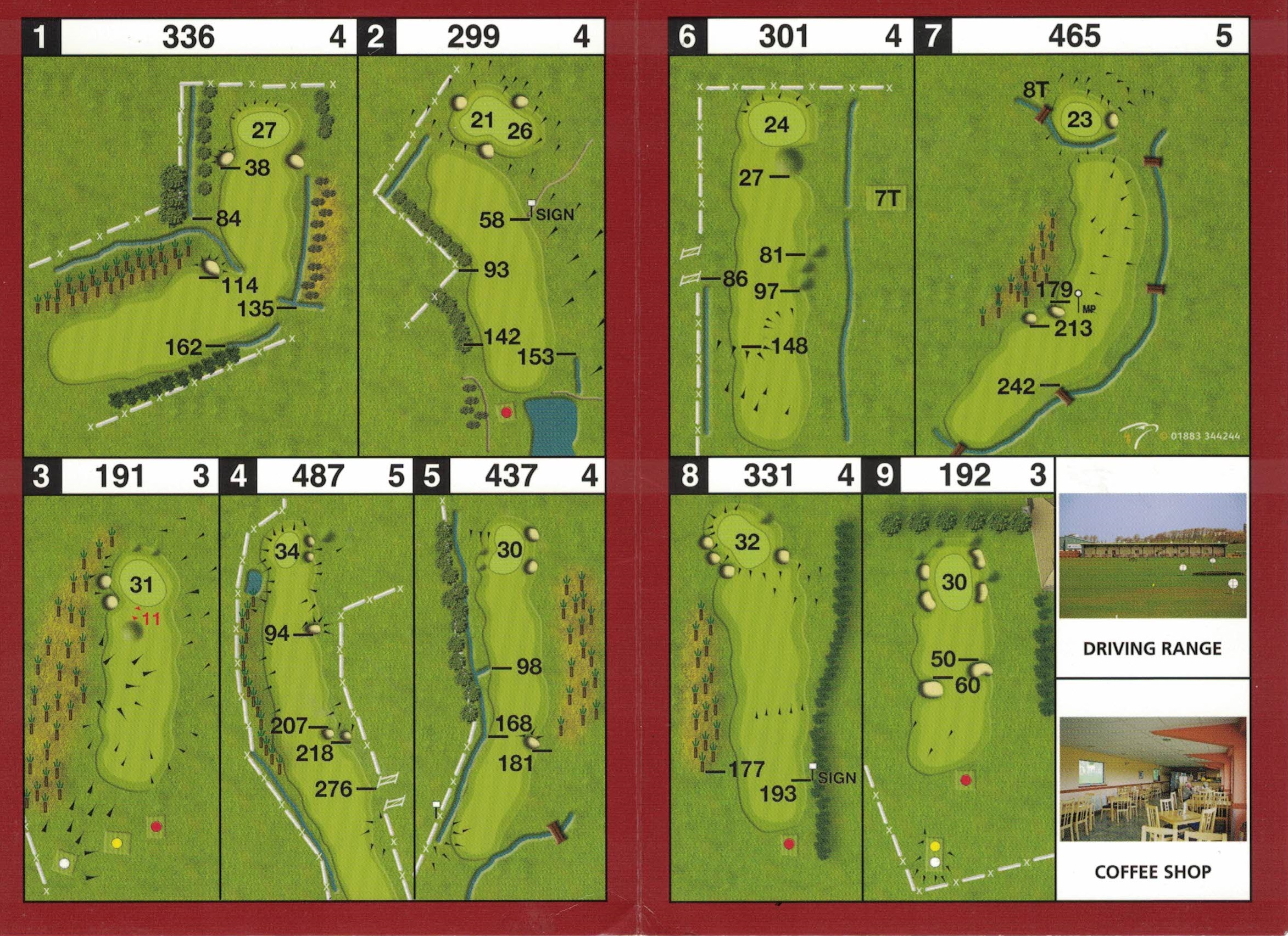
The Broadlees free laminated course guide, that much grander clubs could learn from.

The Andersons display good commercial instincts, no more so than with the ‘free’ laminated course guide (see above). For a pay-and-play operation of this scale it is more than you expect, and much better than many established member clubs that charge several times the greenfee.

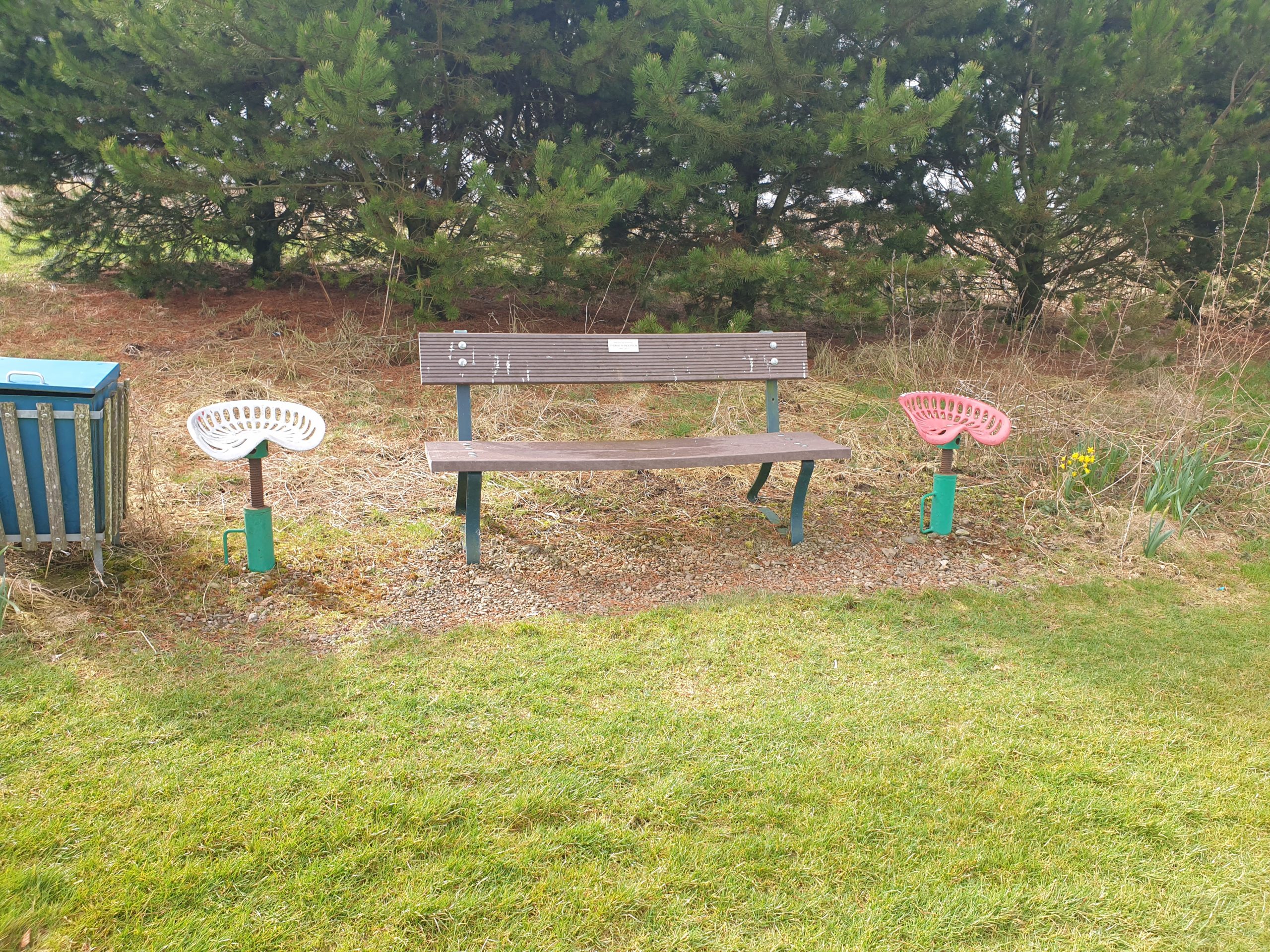
A poignant fifth hole spot with tractor seats (?) repurposed for rest — an honest summary of Broadlees origins. The memorial bench commemorates John Anderson.

What you might get when a farmer builds a golf course on a limited budget is, I think, what you get here. The bones are reasonable at around 3000 yards, a par 36 with two par fives and two par threes. The par-five 4th (Powmillion, 479 yards) and the par-five 7th (Over the Burn, 456 yards) give the round depth. Water features on some holes, including a pond at the 2nd and a burn that winds its way around the 7th green, retained by a rustic timber revetted bank. Bunkering is sufficient, but was unraked when I played.

The limited framing developed is shown here at the 2nd hole, ‘Gas Works’, a short par 4.

The central challenge with designing a course on open farmland, such as Broadlees, is framing. Well framed holes visually present a picture using trees, contour, rough, bunkers, water and elevation. This skill is epitomised by the Camoufleur Alister MacKenzie, whose work can be seen at Pitreavie (Dunfermline) see blog 150. At Broadlees, fairways unceremoniously bleed into rough. The trees planted are still young; scrub and rough areas are unformed; the contours, while present, have not yet sharpened. I hope the Anderson family get to see Broadlees mature.

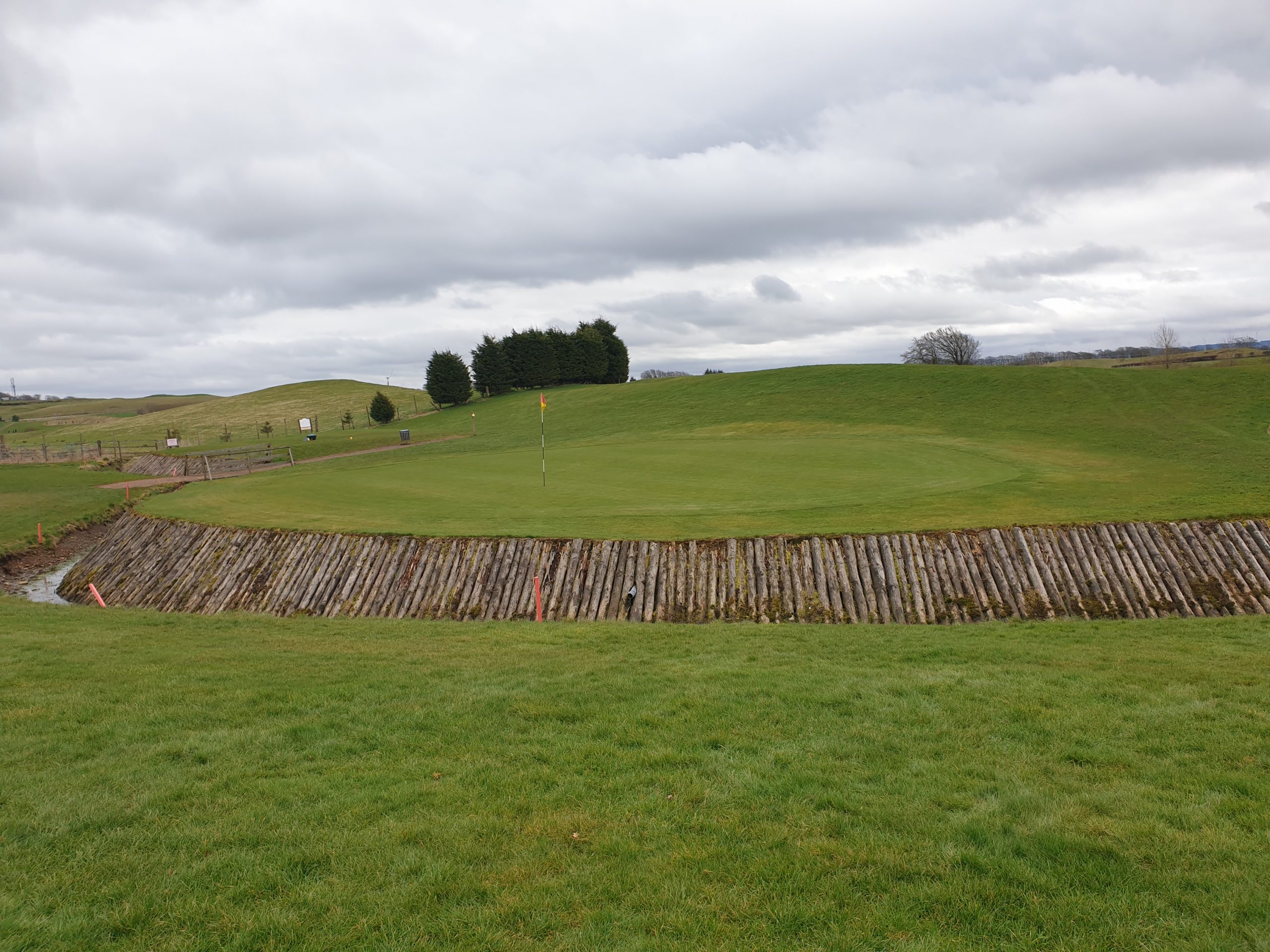
The 7th green (Over the Burn, par 5, 456 yards), its rustic timber-revetted bank is the course’s most marked piece of construction.

The greens are the strongest element. True, consistent and well-presented on a late-March morning when much of the course was still very wet. However, the claim that they rank among the finest putting surfaces in Lanarkshire is bold, and nowhere near the truth in my opinion.

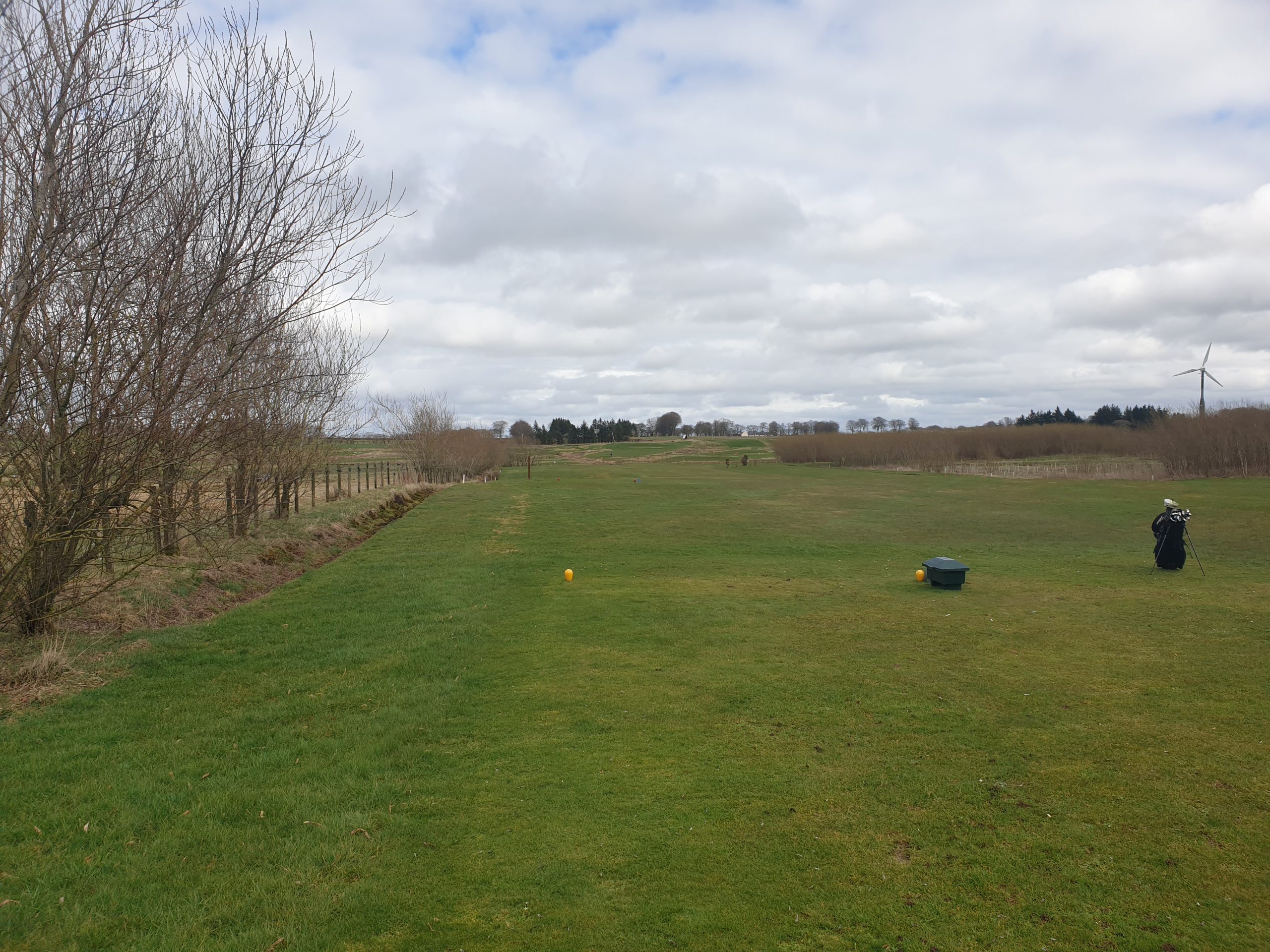
The 6th, ‘Out the Moss’ (par 4, 290 yards). A typical hole on Broadlees

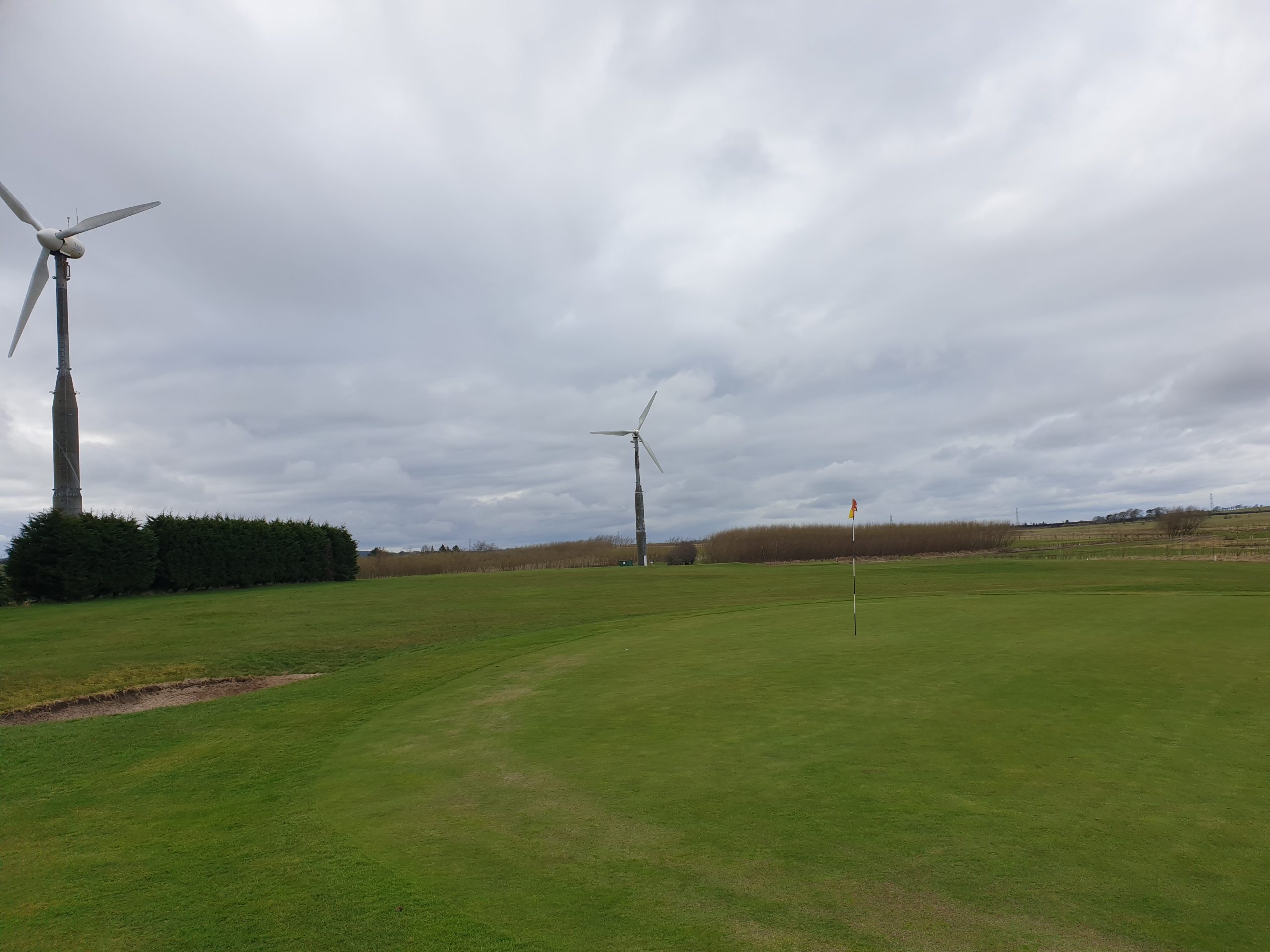
The two wind turbines deserve a mention as they are visible from most holes and dominate the final green. They present a reminder that Broadlees is a commercial enterprise built by farmers who needed multiple revenue streams from a single property. The turbines, golf course, cafe, Santa’s grotto. Each a response to the same challenge – making a small rural business pay in a Scottish golf landscape where established member clubs and council-owned courses provide stiff, and often quietly subsidised, competition.

The ninth, with Farm windturbines

At £16 for nine holes, Broadlees is cheap, and relatively good value. Within a few miles, South Lanarkshire golfers have many choices, so Broadlees needs to keep well below the competition fees, certainly until the course matures.

The Andersons, however, were not finished. In 2021, they added a second course — and this one was genuinely unlike anything else in Scotland. See Blog 186 to find out more.

Value: 3.5 / 5. The Andersons have built something from nothing and kept adding to it for twenty years. That deserves acknowledgement. But a golf course is not only measured by the effort that went into building it. The framing will come. It just wasn’t there yet. But at the price it’s good value.

Facts:

Course type: Parkland/Pasture

Par 36 (2 par 5s, 5 par 4s, 2 par 3s)

Distance: 2,954 yards (yellow tees)

Moly’s Gross Score: 45 (9 holes)

See also: Blog 186 — Broadlees Par 3 Golf Course

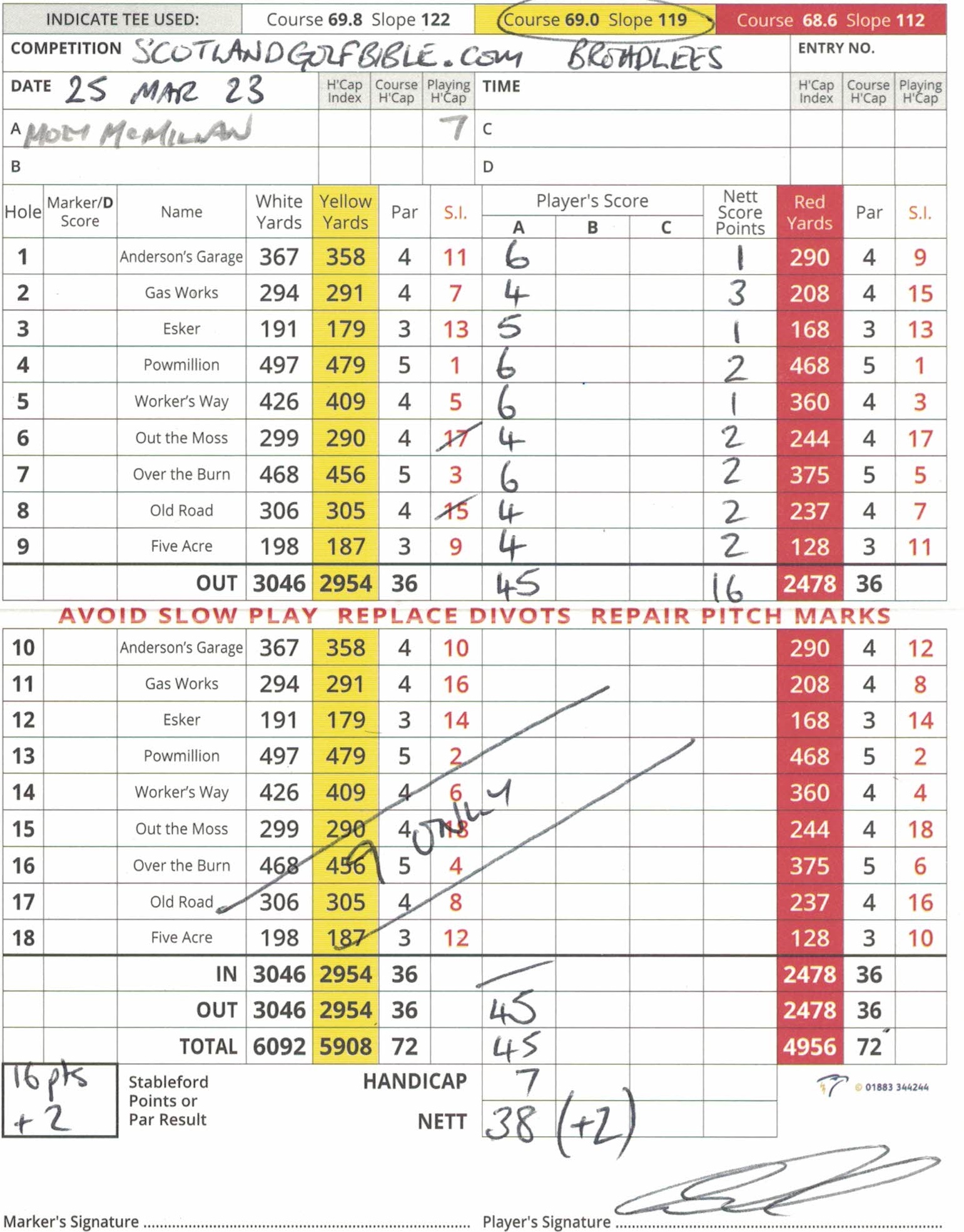
Moly’s card. Level 5s, I hit the ball pretty steady.

183. Mearns Castle. 24 Mar 23.

“Most scenic and challenging in the area.” An exaggerated claim by the Academy.

Round £10 (GolfNow Hot Deal, now £20). Par 31. Value 2/5.

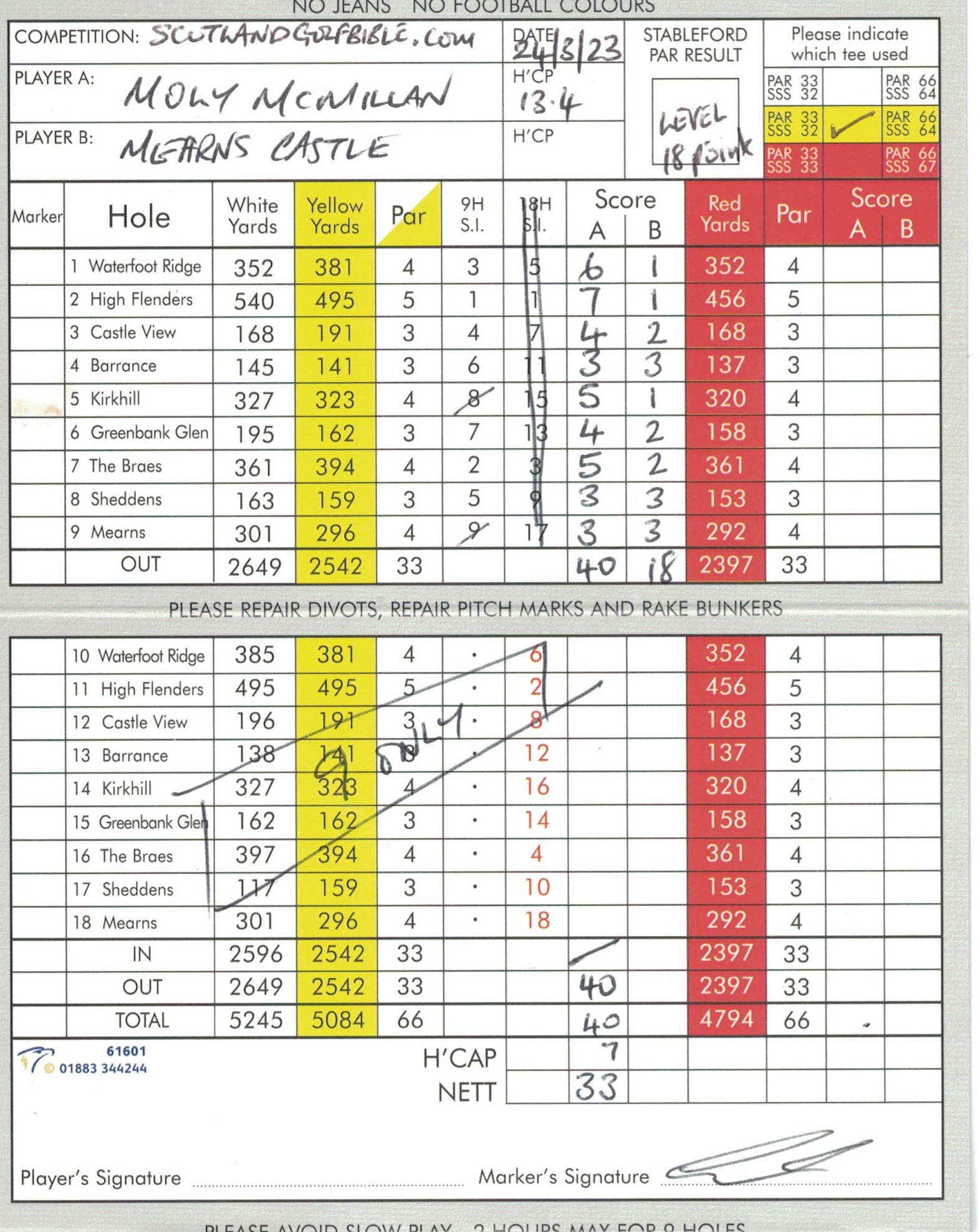
Moly’s Score – 40

There is a real Mearns Castle about half a mile from the golf course, built in 1449 by Lord Herbert Maxwell. The same Maxwell family whose descendants would eventually own Southerness on the Solway Firth, reviewed in Blog 164, a course that justifies the word “scenic” more than anything I encountered here.

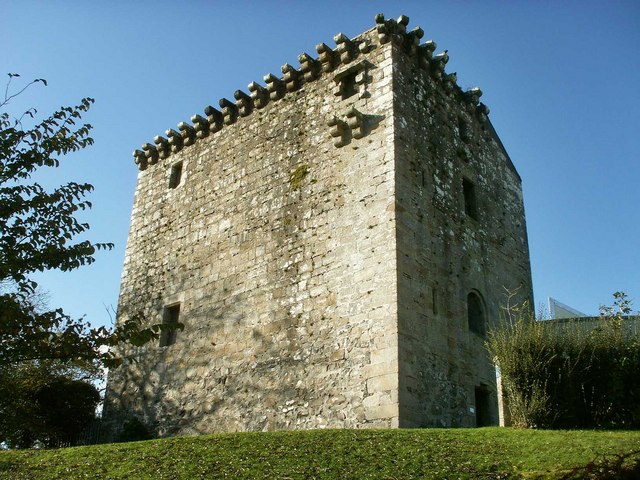
The actual nearby ‘Mearns Castle’, a 15th century Maxwell tower house, which the course takes its name. I wonder if Satnav ever gets this confused with the course.

The castle has, as far as I can establish, no connection whatsoever to the golf academy except proximity and, one suspects, the marketable romance of a medieval tower.

The golf academy is a substantial operation with Toptracer range, tuition, café, fitness studio, nail salon, and a massage therapist! More of a leisure complex with a 9-hole course attached. Nothing wrong with that, but problems begin when the website describes that course as “one of the most scenic and challenging courses in the area.”

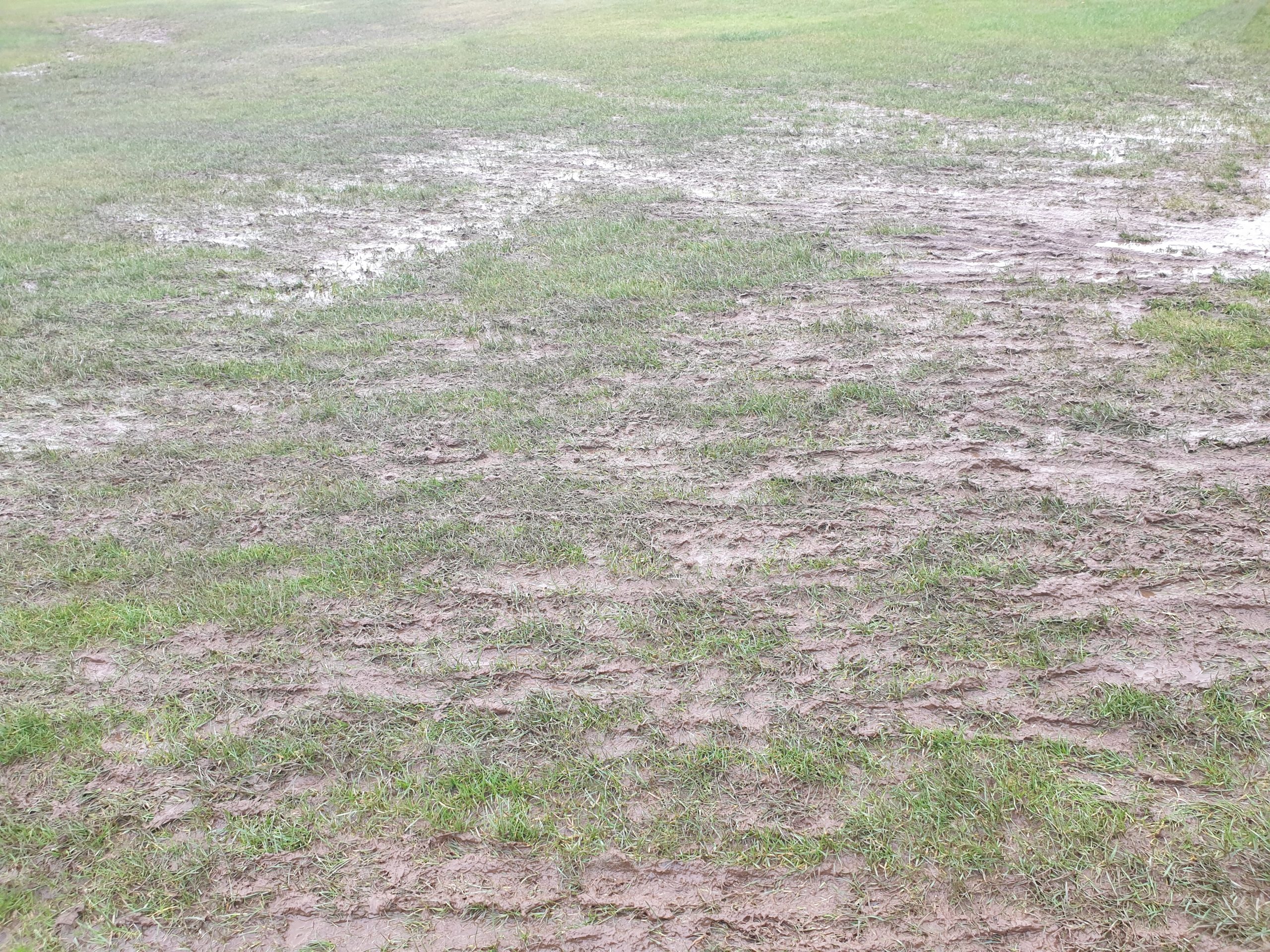
I played it on 24 March 2023, via a GolfNow Hot Deal, for £10. It was waterlogged. It should have been closed.

How could you allow play with fairways like this in several places. Sometimes short term economics doesn’t make sense. One never knows if a Blogger will come along!

The course occupies pleasant enough parkland on the southern fringes of Newton Mearns, the well heeled commuter town south of Glasgow. The 1st offered an early introduction to the course’s style: there is a hidden fairway ditch ready to swallow a ball without warning. This was one of the very few “challenging” features though.

The course had minimal fairway bunkering. However the greens were surprisingly good surfaces, so well done to the greenkeepers. It is the one positive comment I can offer.

The greens were redeeming, a benefit for players learning the game. Here at the 4th.

The course website mentioned “continued investment in drainage and course improvements.” This is a tacit acknowledgement that drainage was a problem, which again raises the question why the course was open. A course that quietly admits its drainage issues while remaining open in March when waterlogged is providing very poor value, even at £10.

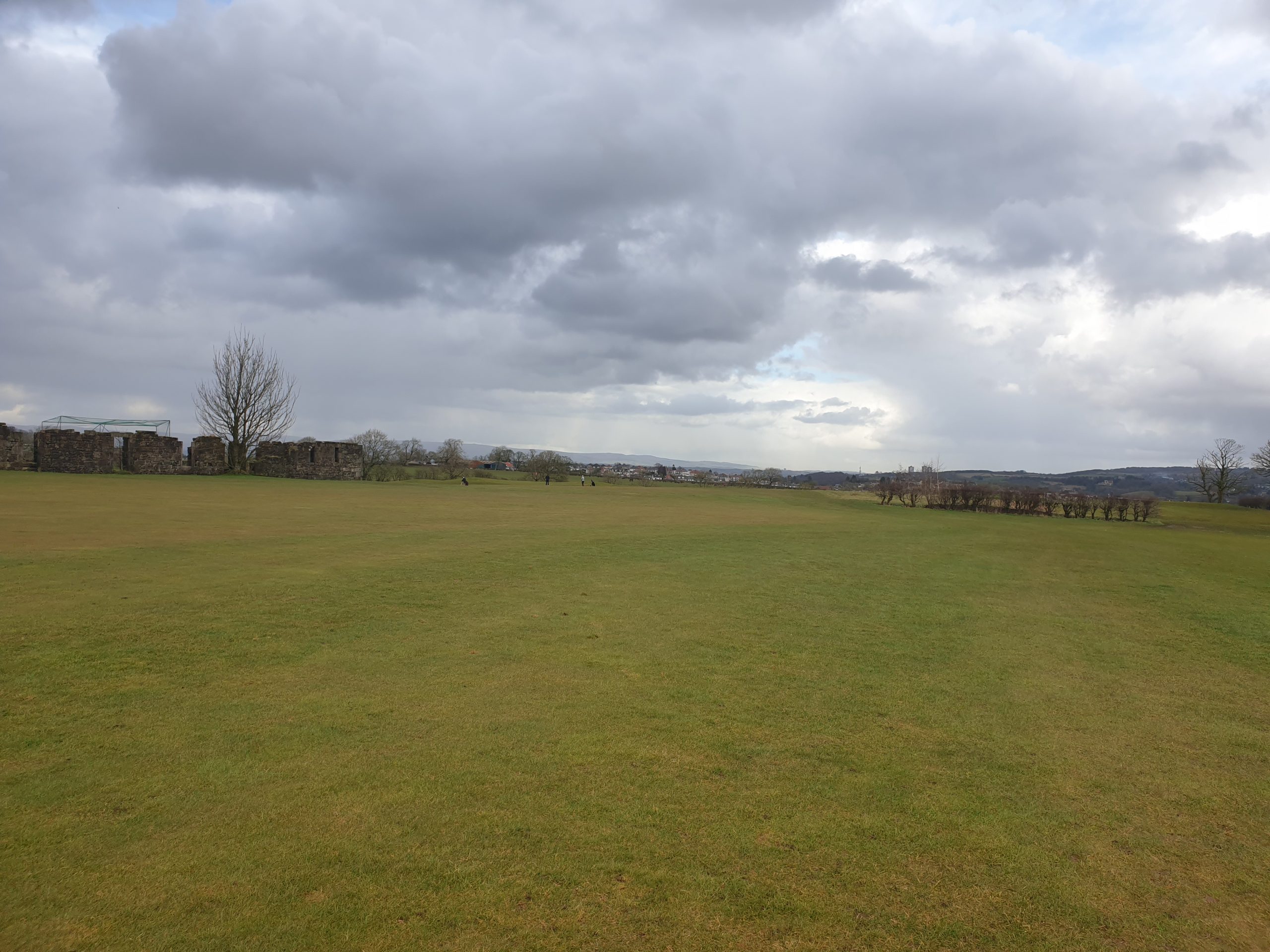
The was the typically bland approach view, here at the 5th hole, with the building ruins on the left being one of the very few interesting features.

The list price is now £20 for nine holes, I paid £10 on a Hot Deal. But golf on a course that should have been closed, is not good value at any price. The marketing overclaim tips it further – a course that sets expectations it cannot meet is doing its visitors a disservice.

Facts:

Course Type: Parkland

Par 31 (9 holes)

Moly’s Gross Score: 40 (net par)

Round: £10 (GolfNow Hot Deal). List price £20 (9 holes).

Value: 2/5

Moly shot 40 on a waterlogged day.

175. Strathtay. 30 Nov 2022.

Enchanting Course from a ‘one off’ Architect?

Value 4/5

Strathtay golf course, in Highland Perthshire, is the delightful 1909 creation of “Captain Steuart of Ballechin”. With so many good holes on this well crafted layout, I wondered who “Captain Stueart” was. Surely this had to have been designed by an experienced architect?

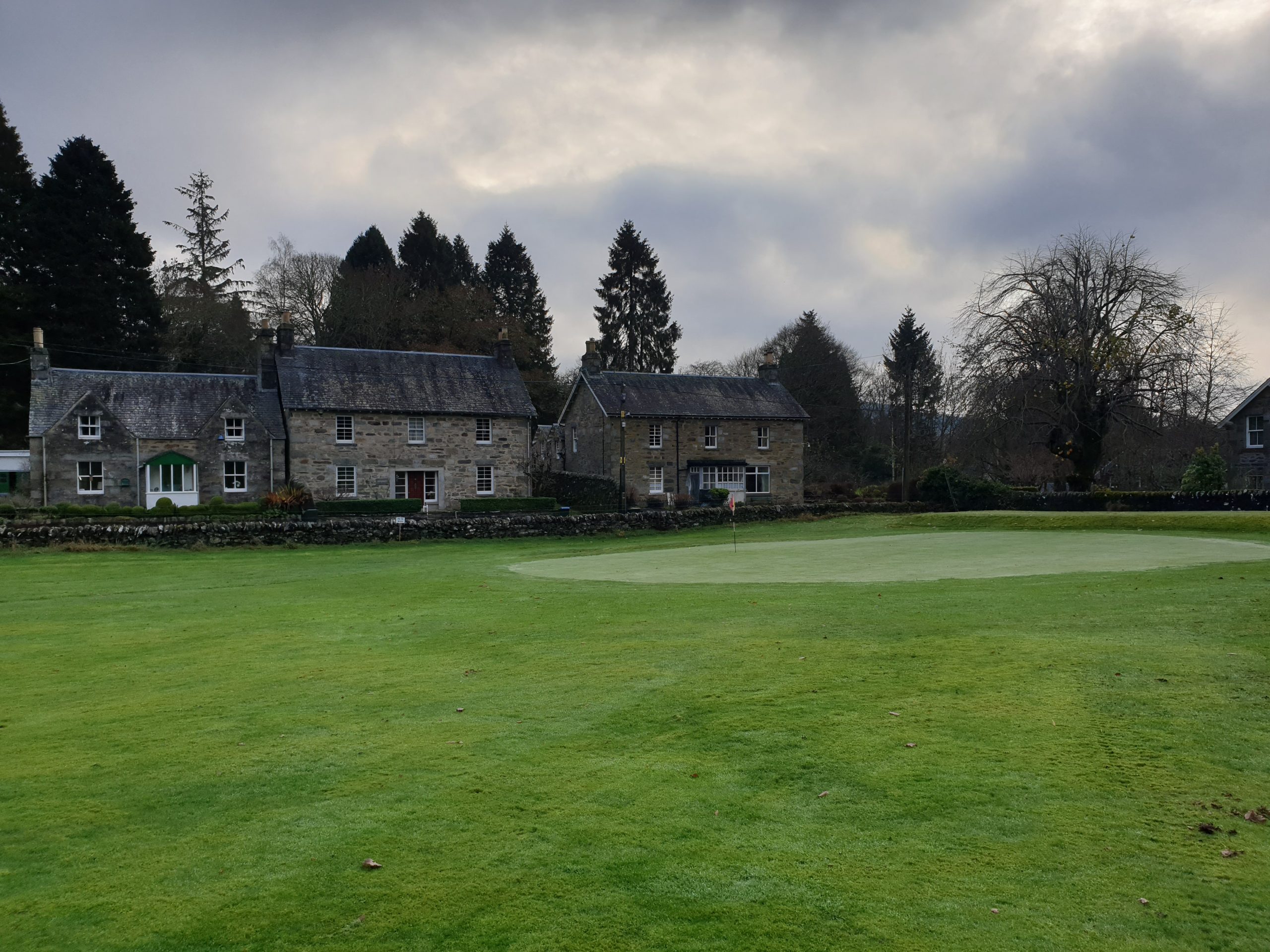
The picturesque stone cottages make the first hole feel like a village green. The Victorian village of Strathtay maintained strict planning laws, demanding use of certain stone, and became a beacon of the Affluent in society.

This 9 hole course is short, at under 2000 yards, with 5 par threes and 4 par fours, although the “11th” is played as a par 4 on the “back 9” from a back tee. Being set into the slopes above the Victorian village of Strathtay, the course feels much longer, with plenty of guile.

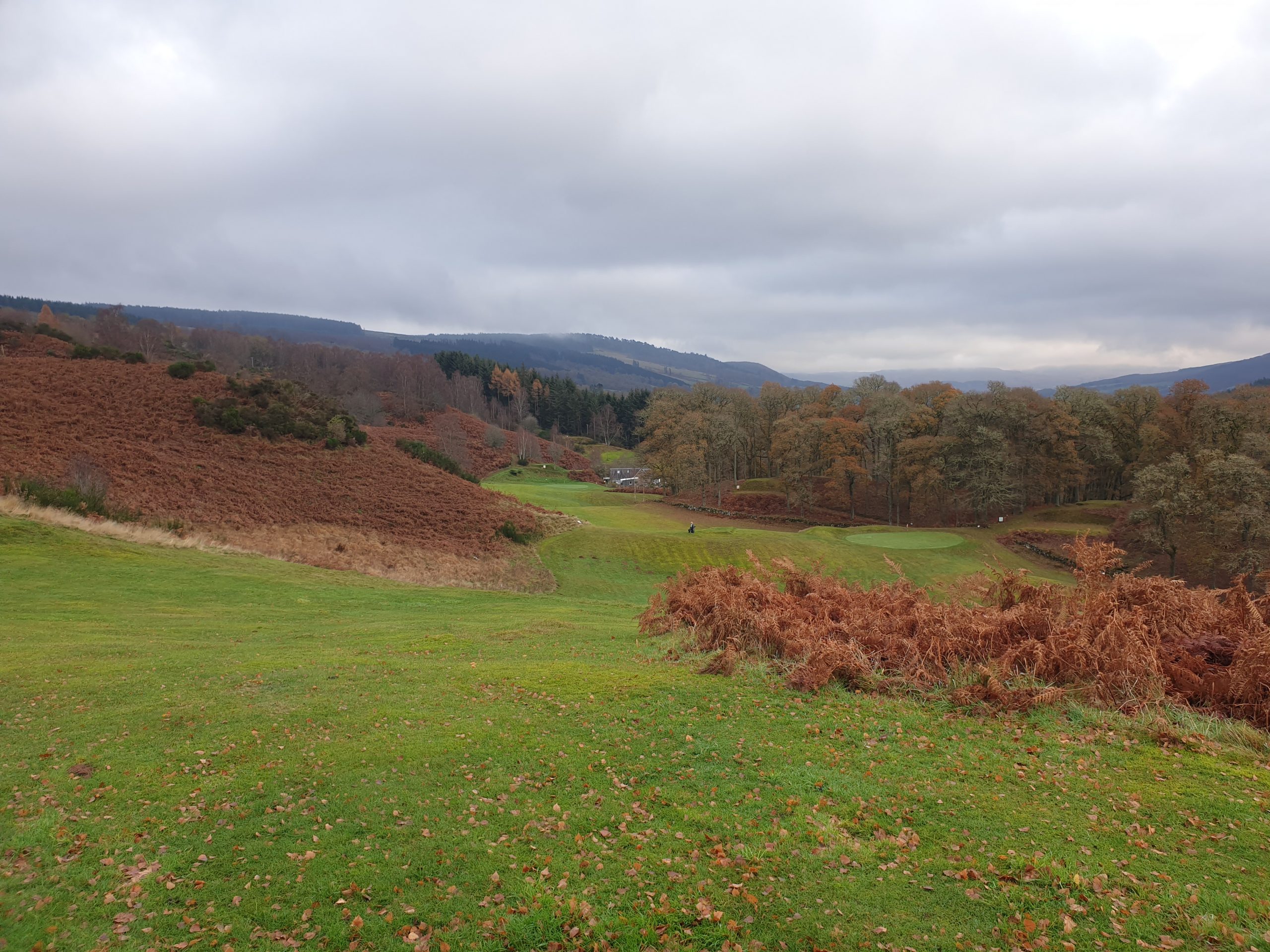
The 6th, a tough slight dog leg left par 4, making good use of the natural contours of this landscape. The green to the right of the picture is actually the 4th.

The “Captain” turns out to be John Malcolm Stueart, an officer in the Rifle Brigade (The Prince Consort’s Own). His nearby home, Ballechin House, was an ancestral seat of the Jacobean Steuart’s (‘Steuart’ being the French spelling of ‘Stewart’). John’s great uncle of the same name, Major John Steuart (1806-1876) had become intrigued with Indian religions, and reportedly came back after his death as a reincarnated dog, resulting in Ballechin house being termed “The most haunted Scotland!”.

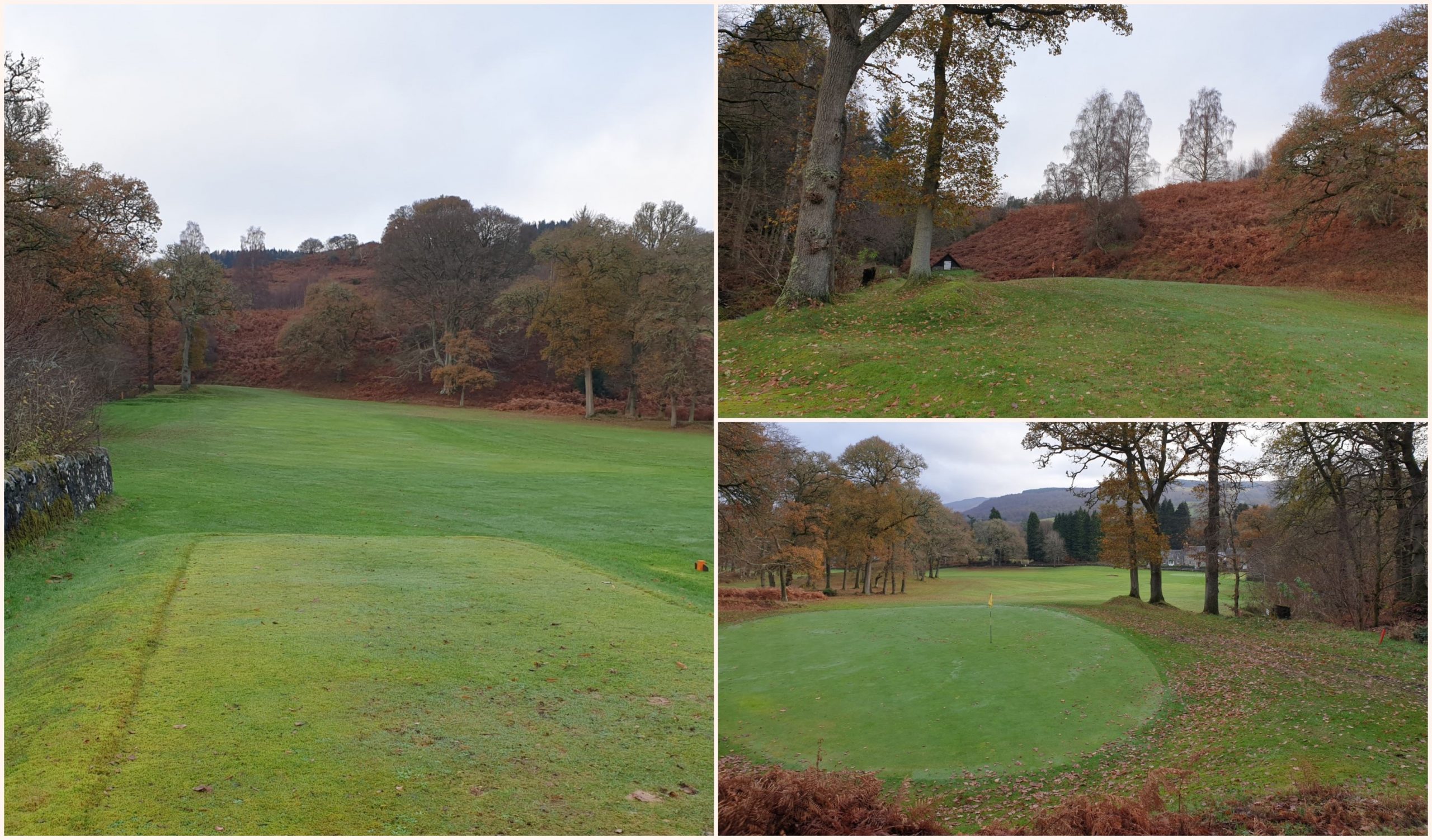
One starts to admire the architecture on the 196 yard 2nd hole – a very strong par 3, which requires a long drawing ball, or to be played using a par 4 strategy.

The golfing “Captain” was clearly one of those highly sporty people, and regimental chronicles cite his being the best shot in the battalion, being placed first at rowing and leading the regiment’s best team on sports day. There is also mention of his proficiency at Highland dancing!

The tricky par three 7th hole, “Chapel”, another of the well designed holes. Play to the measured yardage, as if looks longer than it is, with a very difficult chip if you go long.

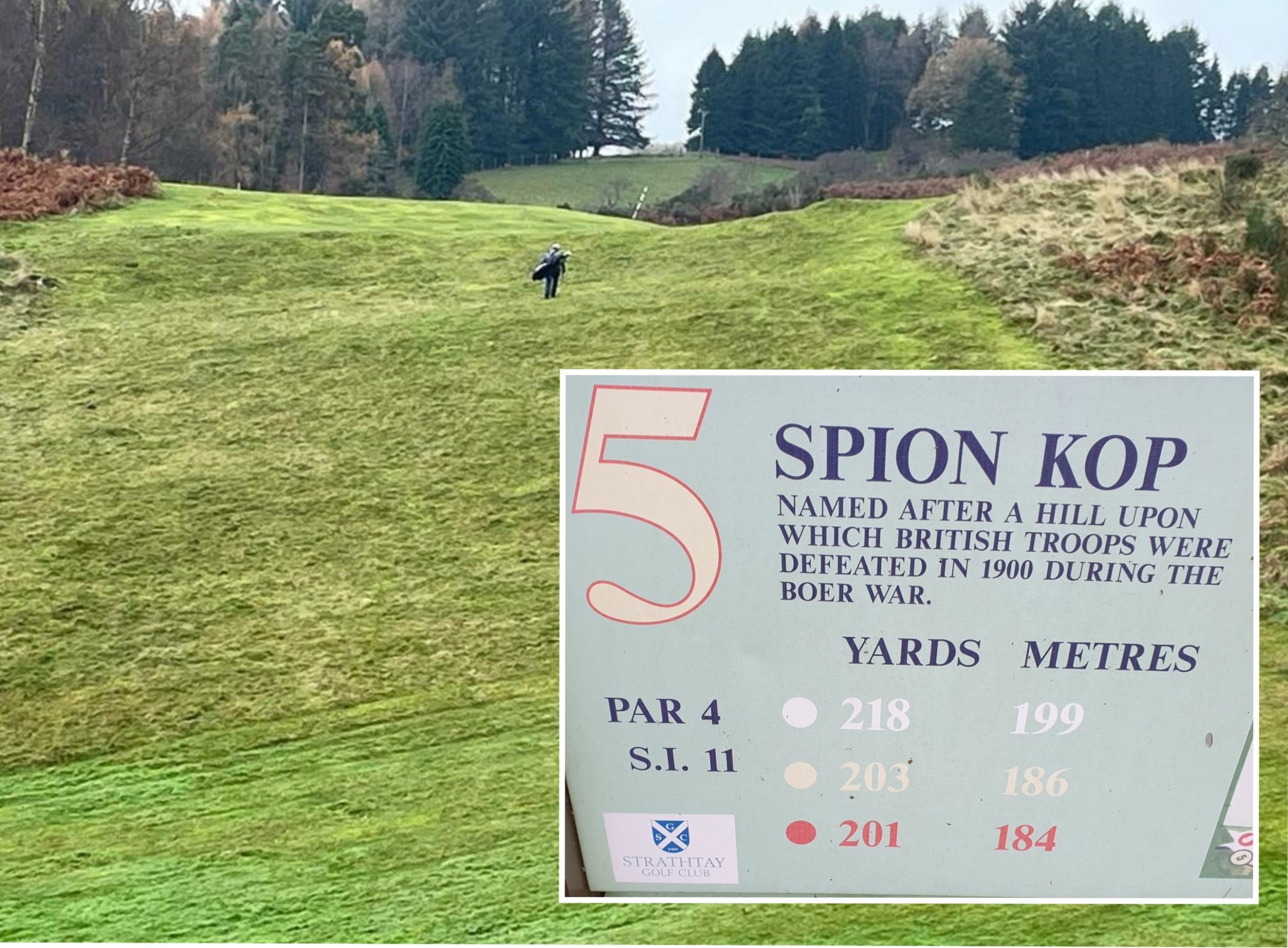
The Rifle Regiment also fought in the Boer War and, whilst it cannot be said with certainty, there is a good chance that Captain Steuart fought at the Battle of Speionkop, which is relevant to the course; the 5th hole is dedicated to the people who died in that battle. The 5th hole is so steep, it is impossible for trolleys and buggies to ascend to the green. It would feel very fitting that the course designer had actually been to the real Spion Kop (see the Craigie Hill blog for the back story).

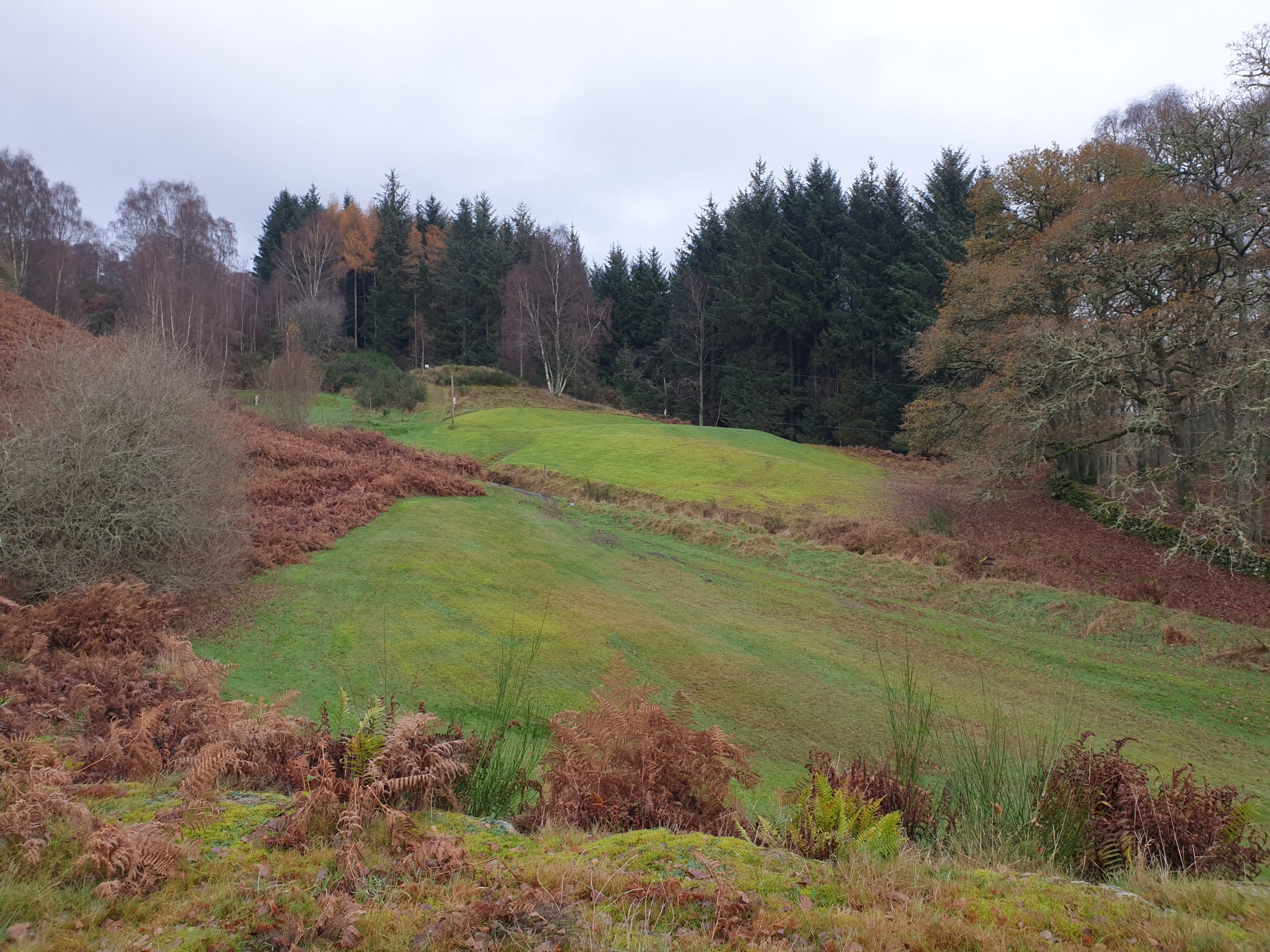
The 5th hole, justified as a par 4, although only 203 yards, with Moly seen climbing the steep “Spion Kop” slope. Buggies and Trolleys have no access.

The course was in excellent condition when we played, despite the recent very wet weather. The small greens are often set into or alongside trees, with some sharp greenside drop offs, making up for the absence of bunkers.

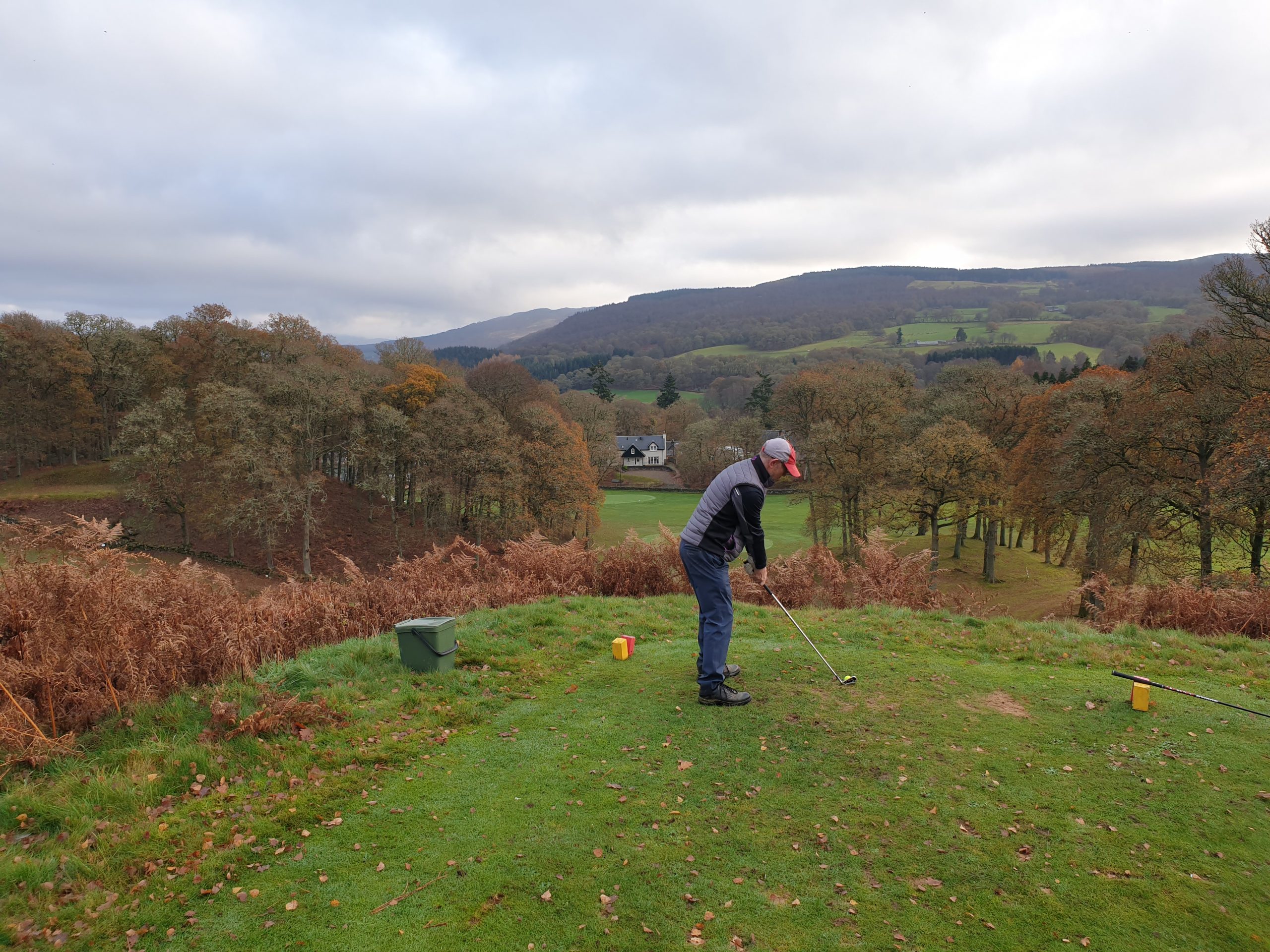
The steep drop at the par 3 third hole, with the Perthshire Hills in the background.

We paid just £10 and thought this was excellent value, given the condition and general ambiance of the course. There is also a nice little clubhouse which I can imagine is a great place to sit on a warm summers day. Highly recommended.

Round List Price £15. Actual Paid £10 (Winter rate).

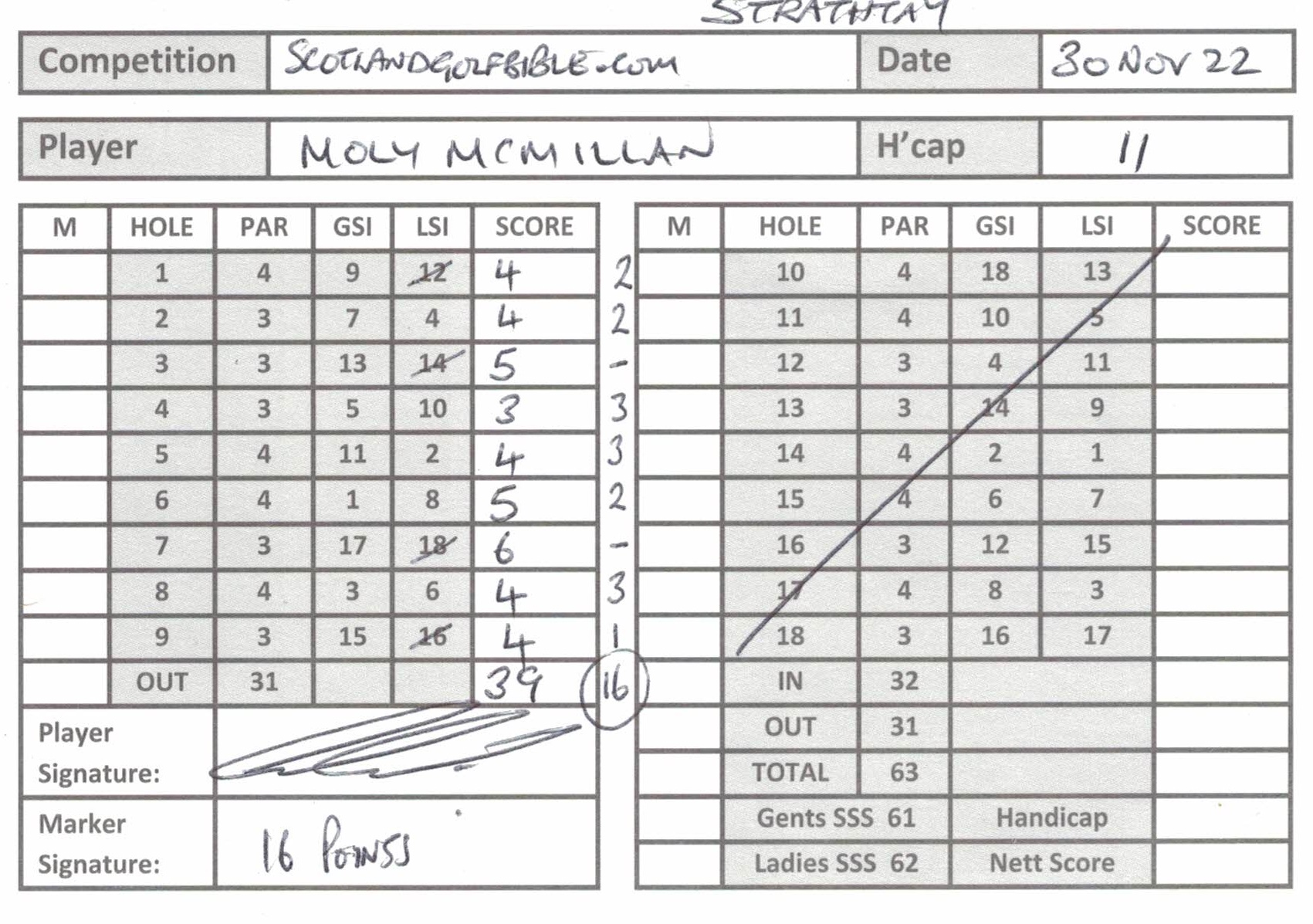
Moly’s Score – 39 for 16 points (off 12)

Course/Slope Rating (yellow) nk/nk

Course Type: Heathland

Par 31  (4 par 4s, 5 par 3s)

Distance (yellow): 1745 yards

Moly’s Gross 39 on this delightful golf course.
« Older posts

© 2026 Scotland Golf Bible

Theme by Anders NorenUp ↑