A guide to green fee value for money

Category: Links (Page 9 of 11)

62. Carnoustie Burnside. 9th Aug 2017.

Treading on possibly the very origins of links golf

Summary: Cost £46. Par 68.  Score 85. Value (out of 5) – 4.5.

The Burnside course, or more correctly the Carnoustie Burnside course, is eclipsed by its magnificent Championship course neighbour, but that’s only because the Championship course is one of the greatest courses in the world!  Do not play the Championship course without also trying The Burnside, which is a great naturally laid out links course.

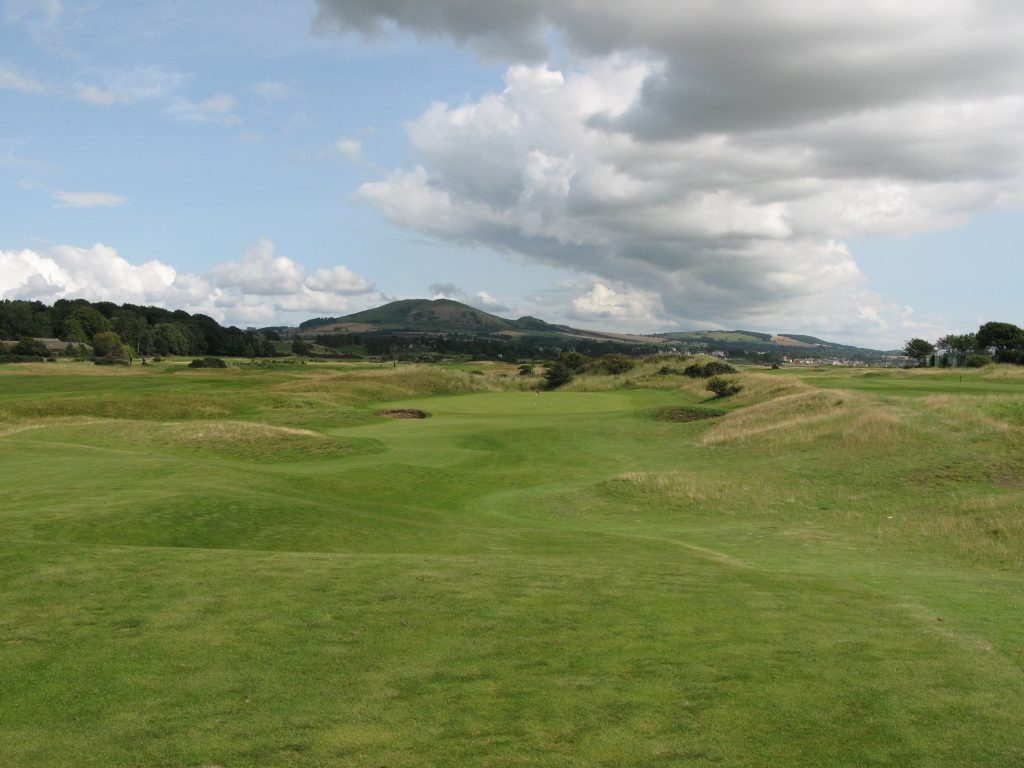
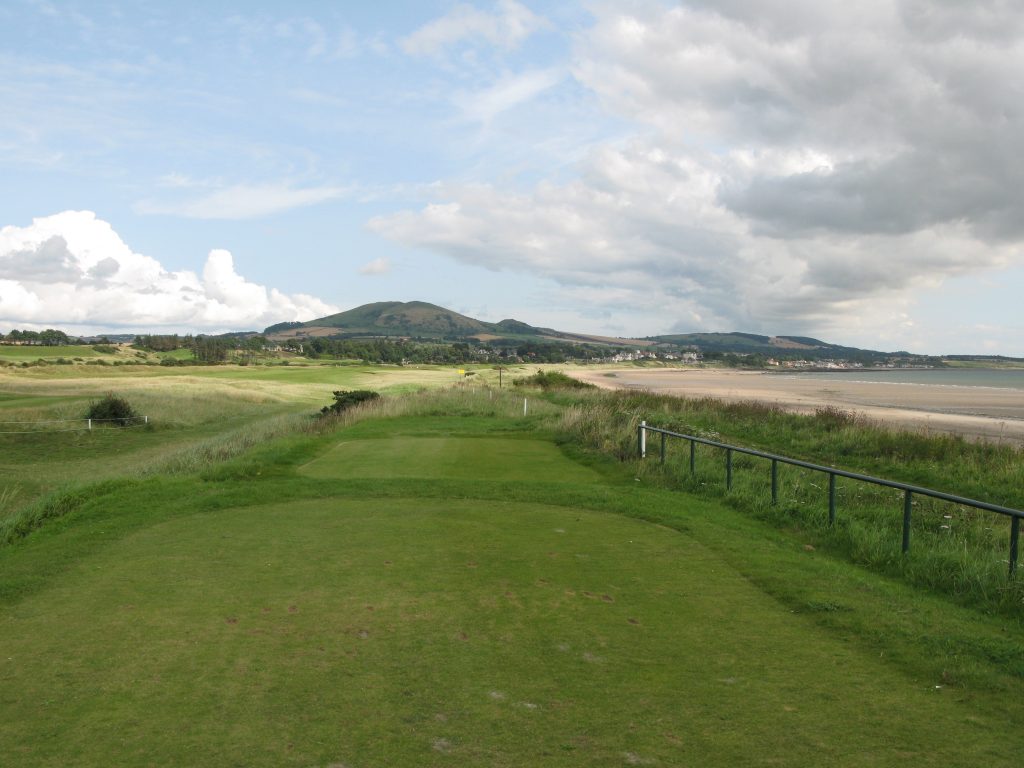
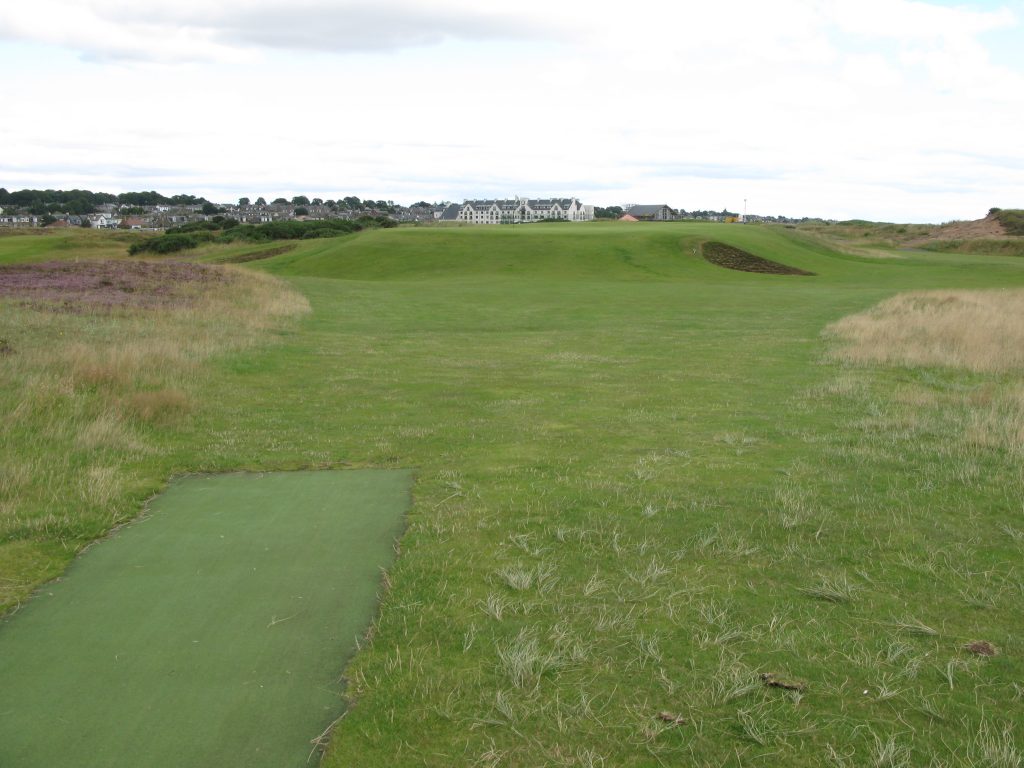
The wonderful links land view from the 15th tee of The Burnside

Golf on the “Barry Links” was recorded as early as 1527, nearly 50 years earlier than St Andrews, making this the area that “Links” golf was first played.  The Scottish Golf History web site lays out a strong case that these first games of links golf were most likely played on the land between the Barry Burn (more of that later) and the railway line currently where holes 1 to 5 of the Burnside course are.

Therefore, arguably, “The Burner” is the most historical of all links golf courses!  You are truly walking among the ghosts of golf’s distant past playing here.

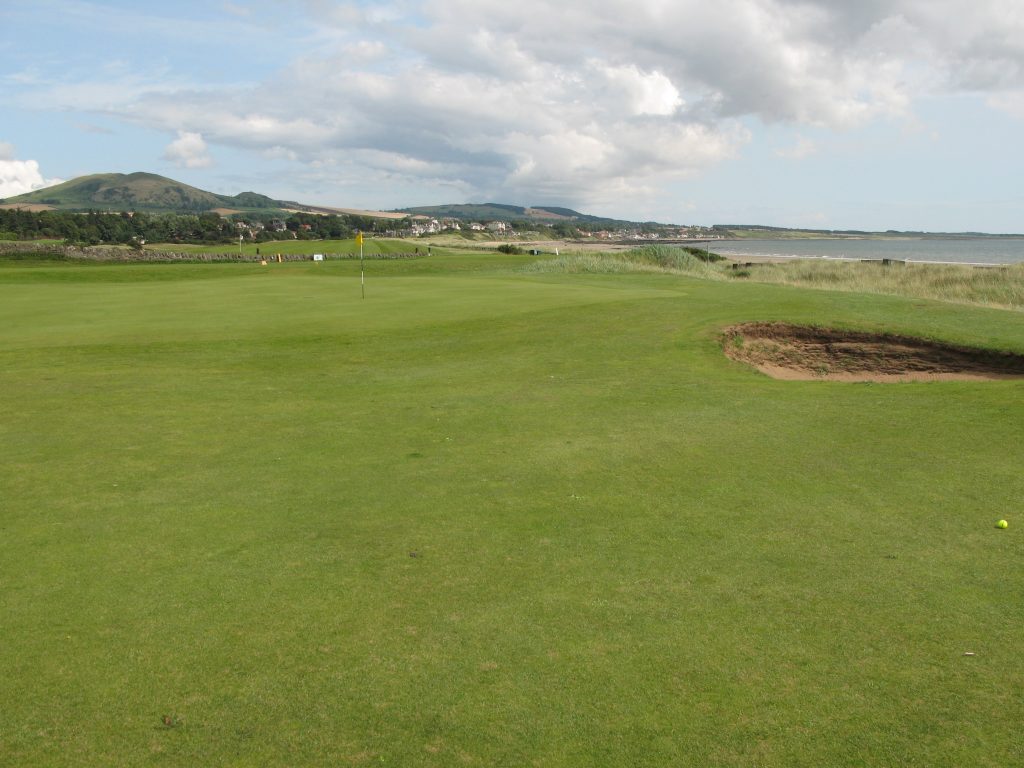
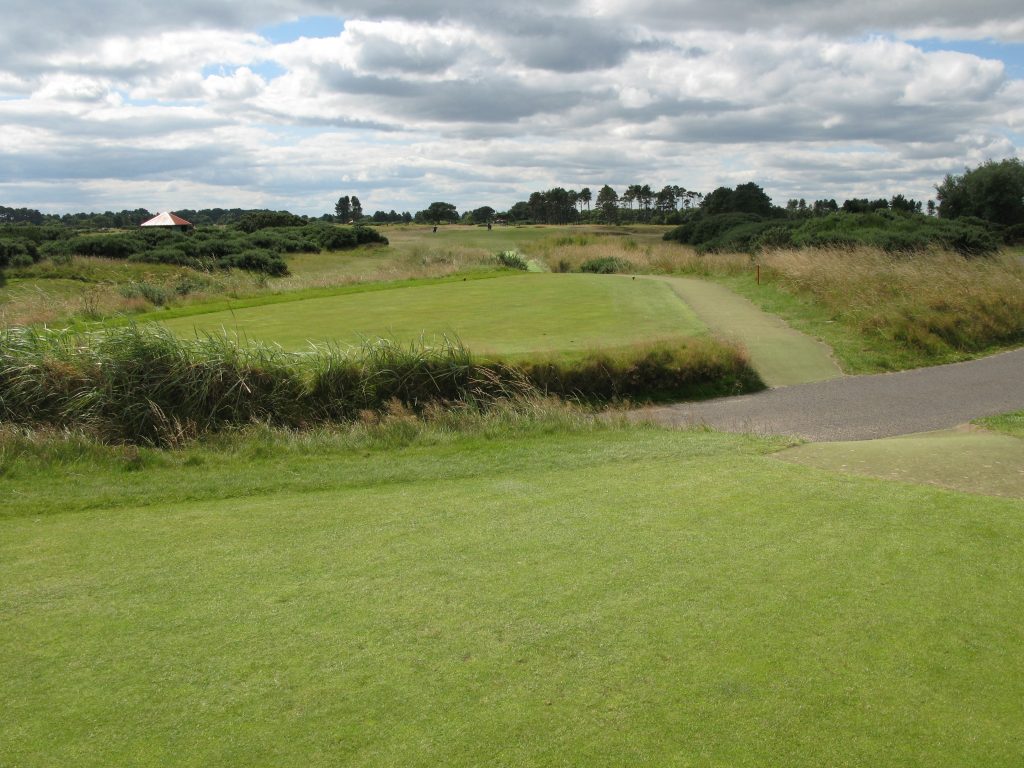
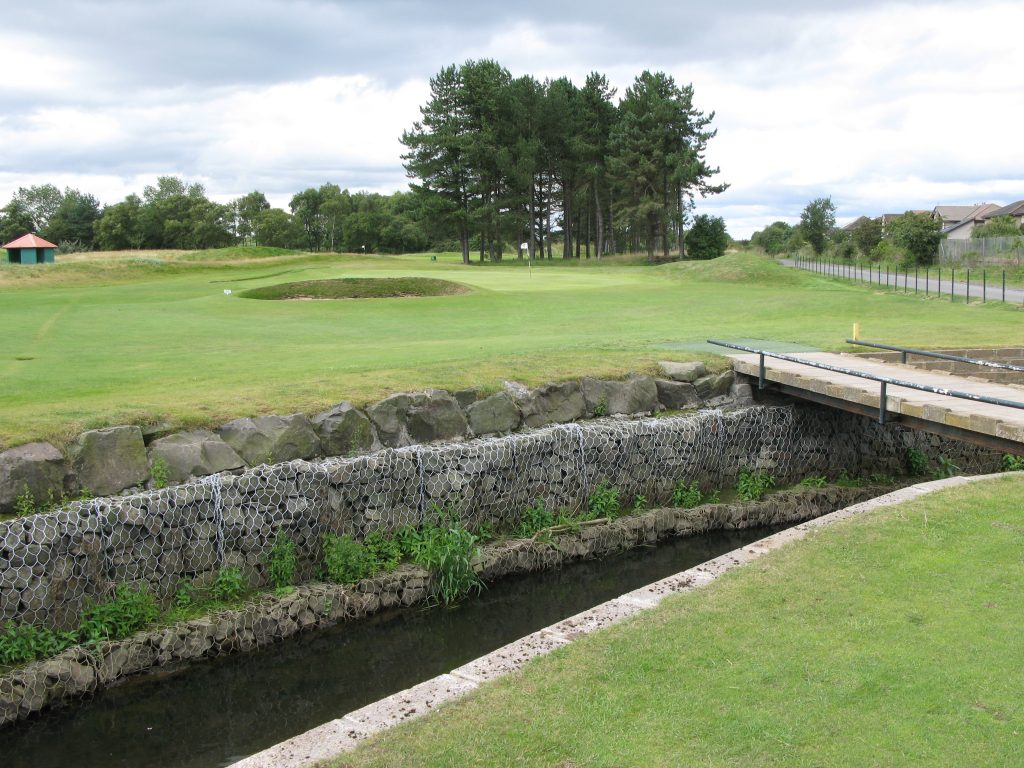
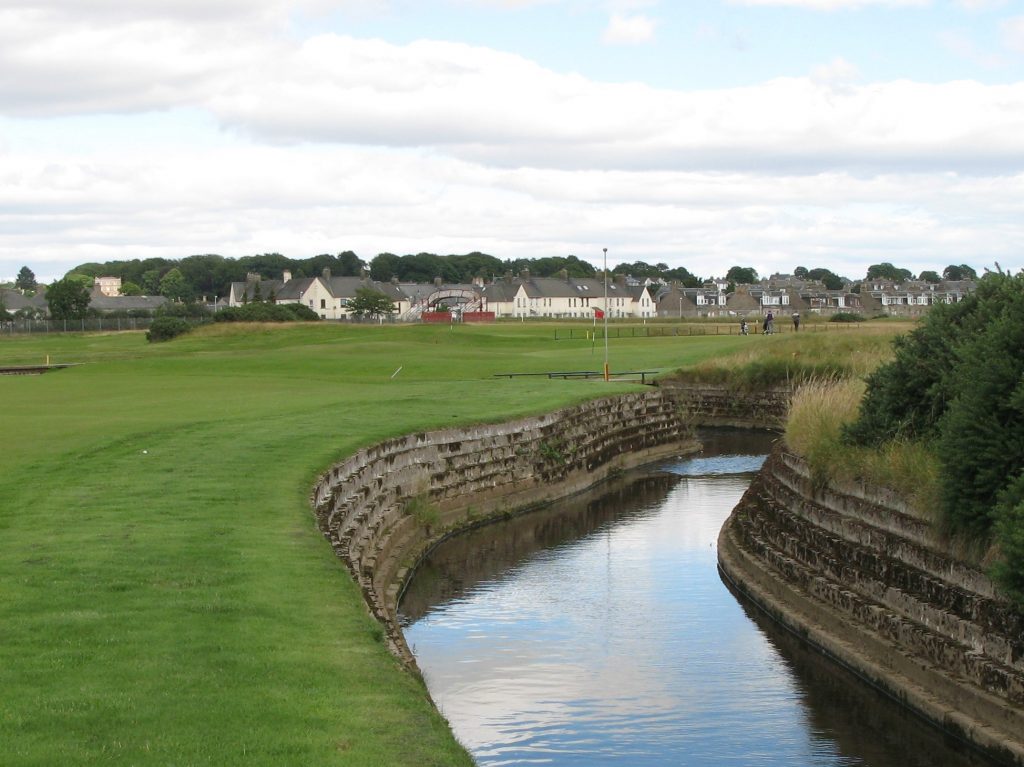
The 3rd hole, the first of 5 wonderful par 3s, the highlight of Burnside – the Barry Burn awaits!

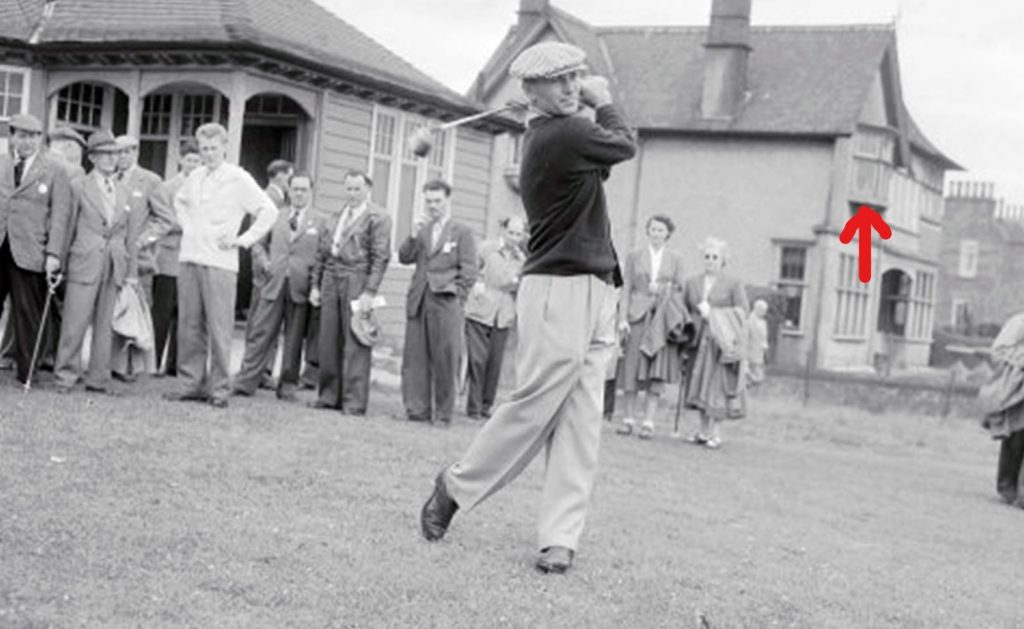
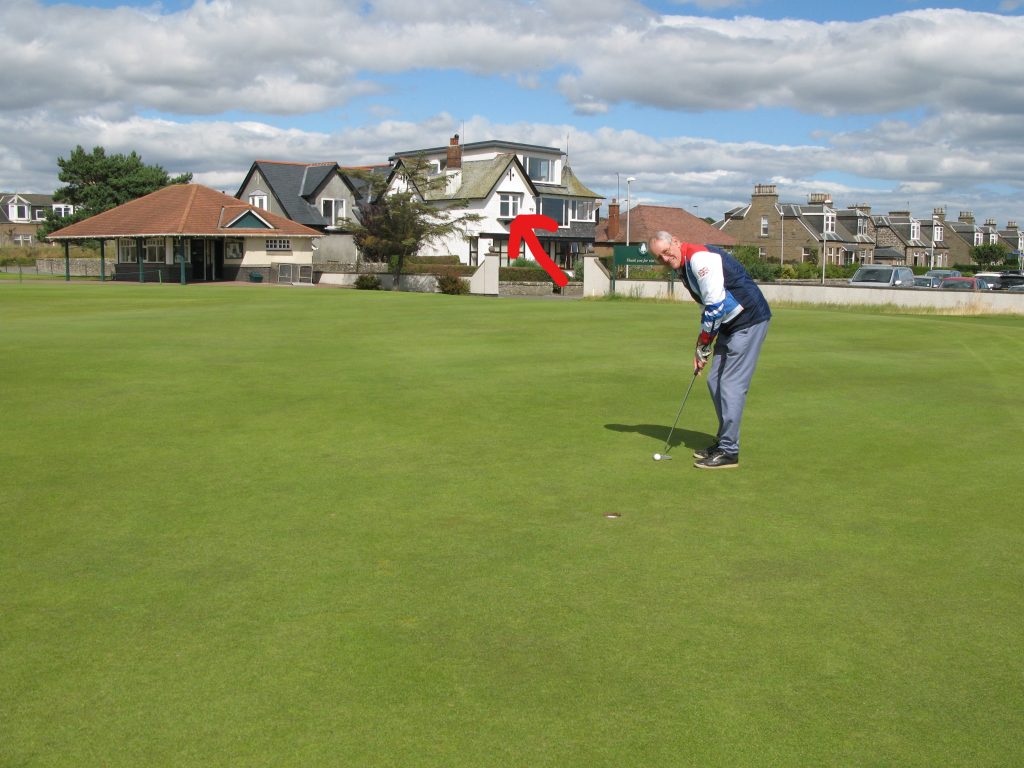
Of course, there are more recent historical stories worth telling.  It’s largely forgotten that when Ben Hogan famously won his 1953 Open at Carnoustie he qualified on The Burnside course.  It was therefore very apt that I played The Burnside with my brother-in-law, Colin Macqueen, since his fascination with golf started during the same summer of 1953 when he and his elder brothers were mesmerised by the large crowds watching Ben Hogan outside the window of their home, “Lismore House”, which overlooks the Burnside’s 18th green.

Hogan playing the Burnside; Colin Macqueen’s “Lismore House” bedroom highlighted.

Colin has dined in Australia, his home of 50 years now, on the true story of him falling out of the upper floor bay window nearly causing Ben to miss a crucial putt!

The Burnside was designed by James Braid and opened in 1934, not long after Braid had redesigned the Championship course in 1926.  Although a relatively short golf course at just under 6000 yards, many of the holes would easily be at home on an Open venue.  The 5th, 9th and 14th are par 3s of the highest calibre, each with a very different challenge.

The beautifully difficult par 3 9th green.

The 5th is surrounded by the Barry Burn (that of Jean van de Velde fame) where it’s virtually impossible to get close to a right-hand pin. The large plateau green at the 9th makes it imperative to hit the green with the tee shot. The long 14th is stoke index 1 for a good reason, and is a magnificent test.

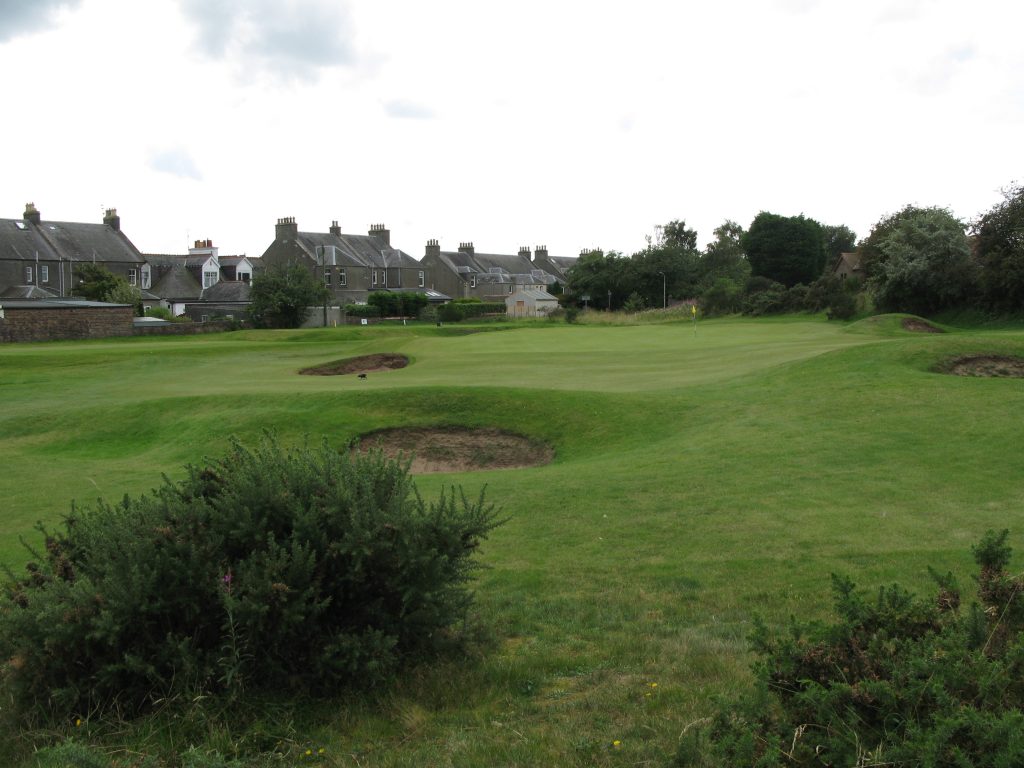
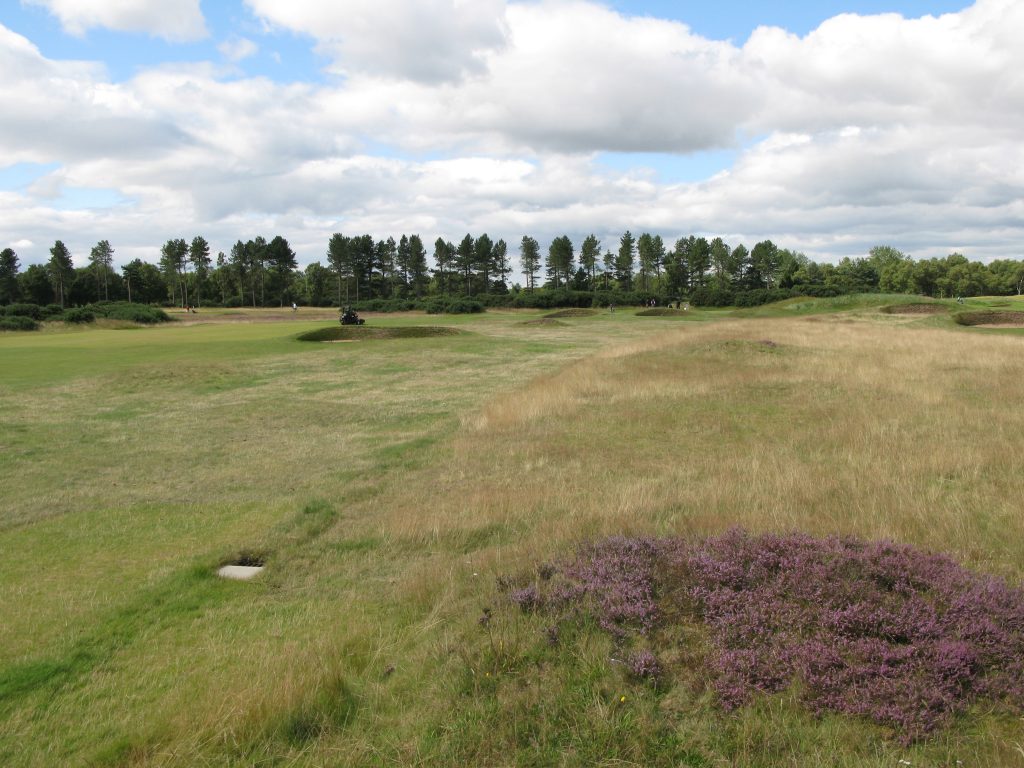
Bunkers sprinkle the 6th fairway at The Burnside

The 17th, a par 4 of about 450 yards, needs to be played with a 3-shot strategy for all bar the very long hitters.   I could also get into details on many other holes, the course is that good.  To cap it all, the greens have very subtle borrows, so putting needs extra concentration.  It is one of the great small James Braid courses.

The Barry Burn (of Jean van de Velde fame) at the long par 4 17th – a card wrecker

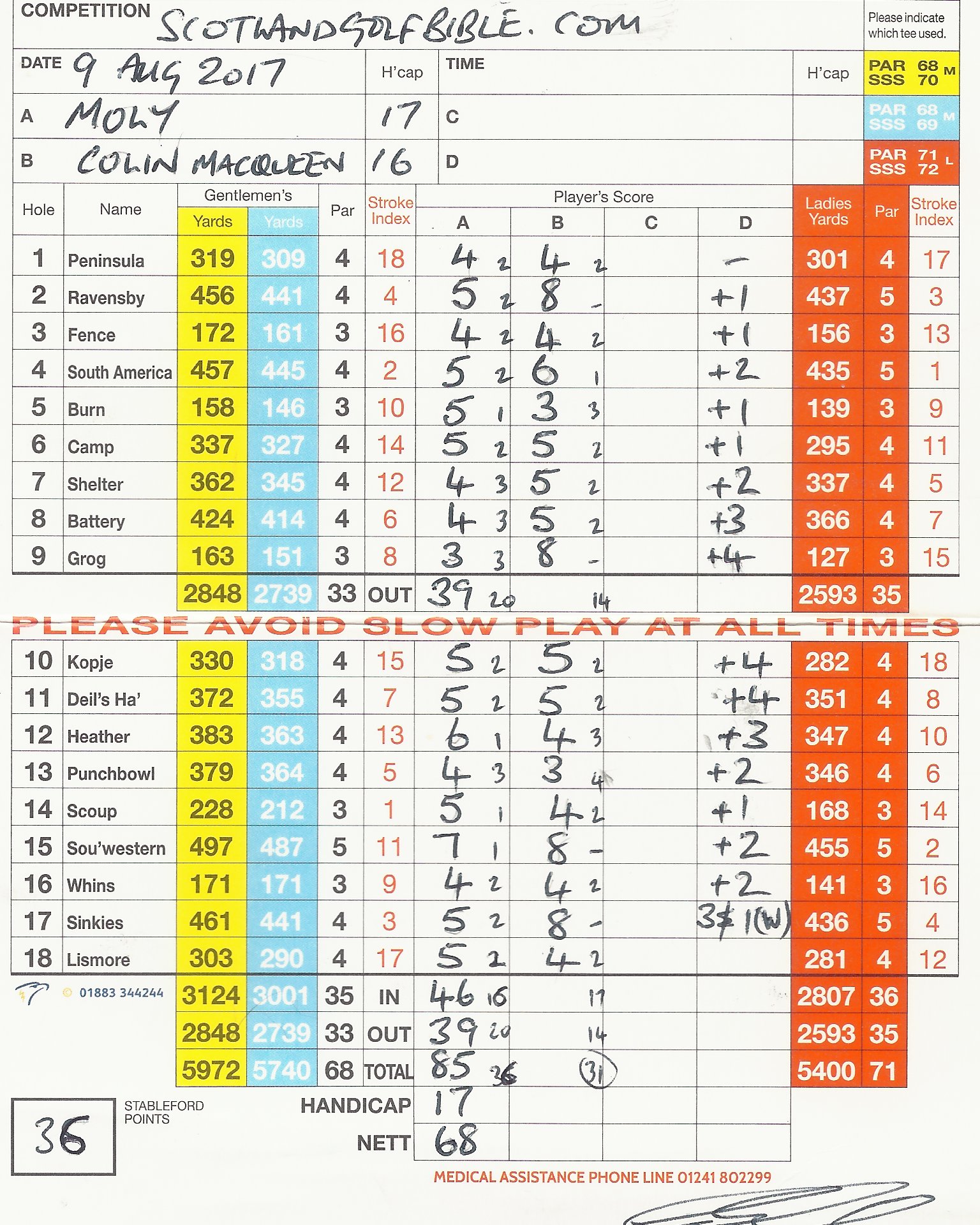
With the large green keeping staff at Carnoustie, it was no surprise that the course was in such fine condition.  The tees, fairways, bunkers, rough and greens were all superb, and to have the sun shine made for a quite memorable round.  I scored 85 for a net level par score off my new handicap of 17; this was enough to beat Colin 3 and 1, which at least meant he could focus on the 18th green photograph, close to the site of Hogan’s zenith and also Colin’s boyhood fall.

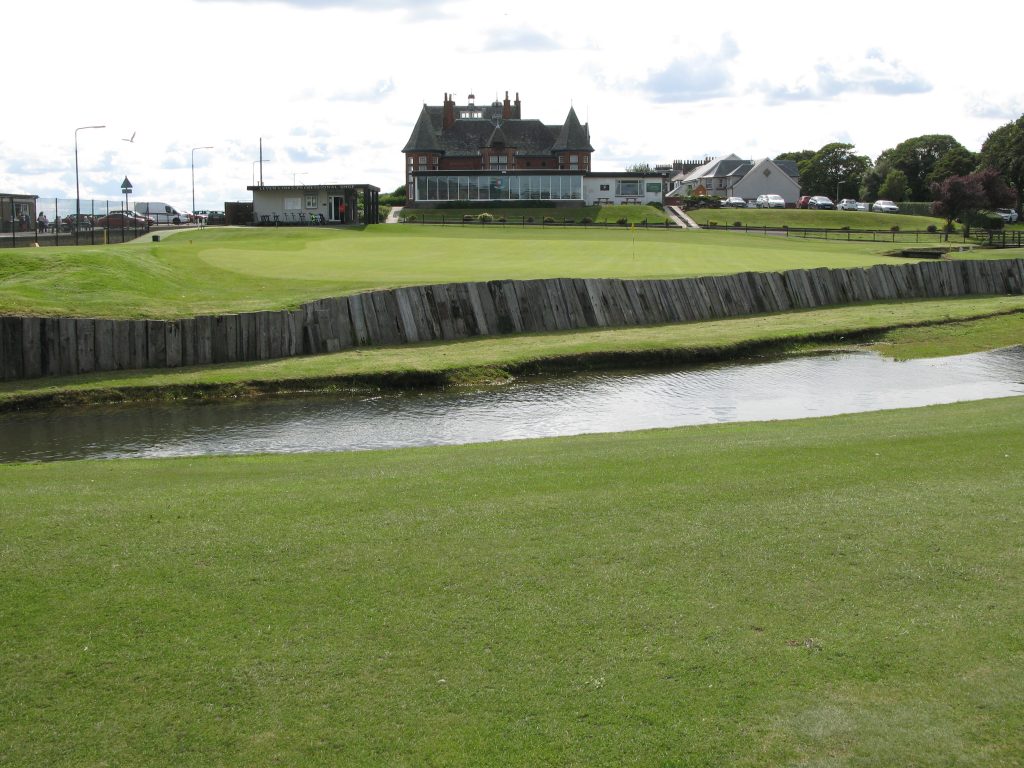
My playing partner, Colin Macqueen, on the 18th with his bedroom highlighted in the background, where he fell in 1953 during Hogan’s Open!

A quite magnificent days’ golf.

Key Facts

Course Type: Links

Par 68 (1 par 5, 12 par 4s, 5 par 3s)

Distance (blue): 5740

Moly’s Gross score: 85

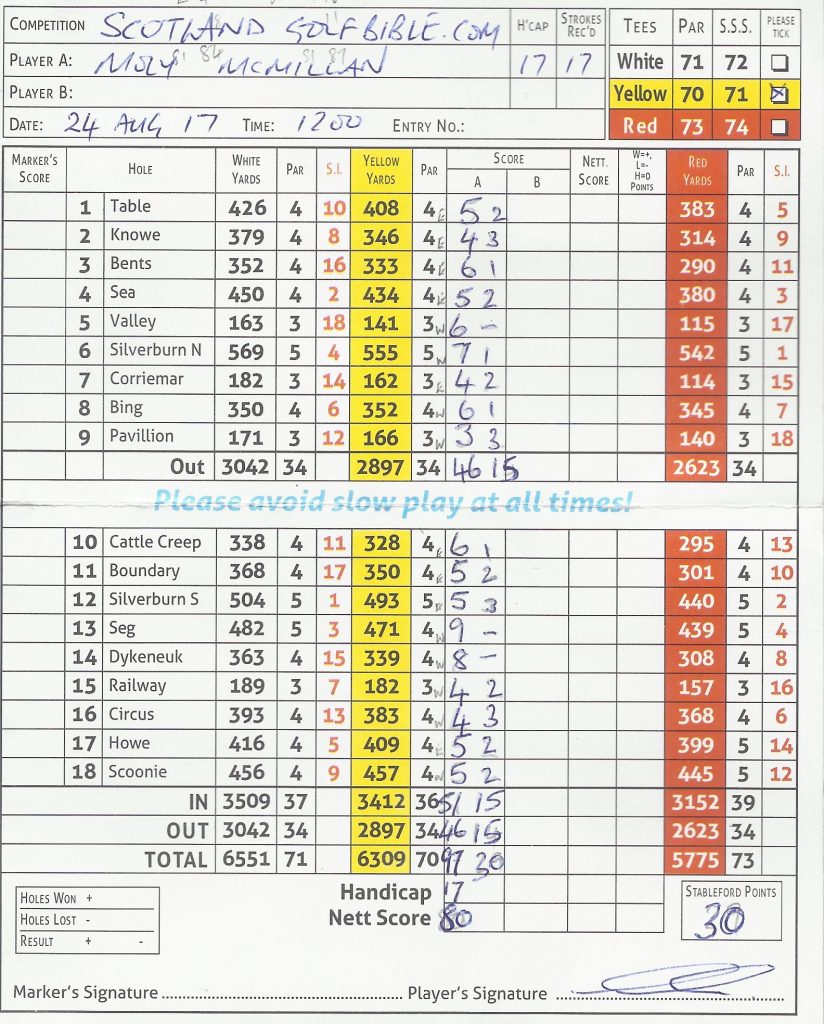
Moly’s Burnside scorecard – 85 for 36 points (off 17)

52. Cullen. 13th Sep 2016.

Treat yourself at this unique Moray coastal gem

Round £21.  Par 63.  Value (out of 5) 4 

Cullen is only about 4500 yards long, with 10 par 3s, so it’s hardly the toughest golfing challenge you’ll ever face, but it’s difficult to articulate the absolute delight which awaits any first time visitor.   Ask any golfer that’s played here for their “top 10” courses, and they are almost guaranteed to have Cullen on the list.  It’s unique, quirky, unconventional and, most importantly, great fun.

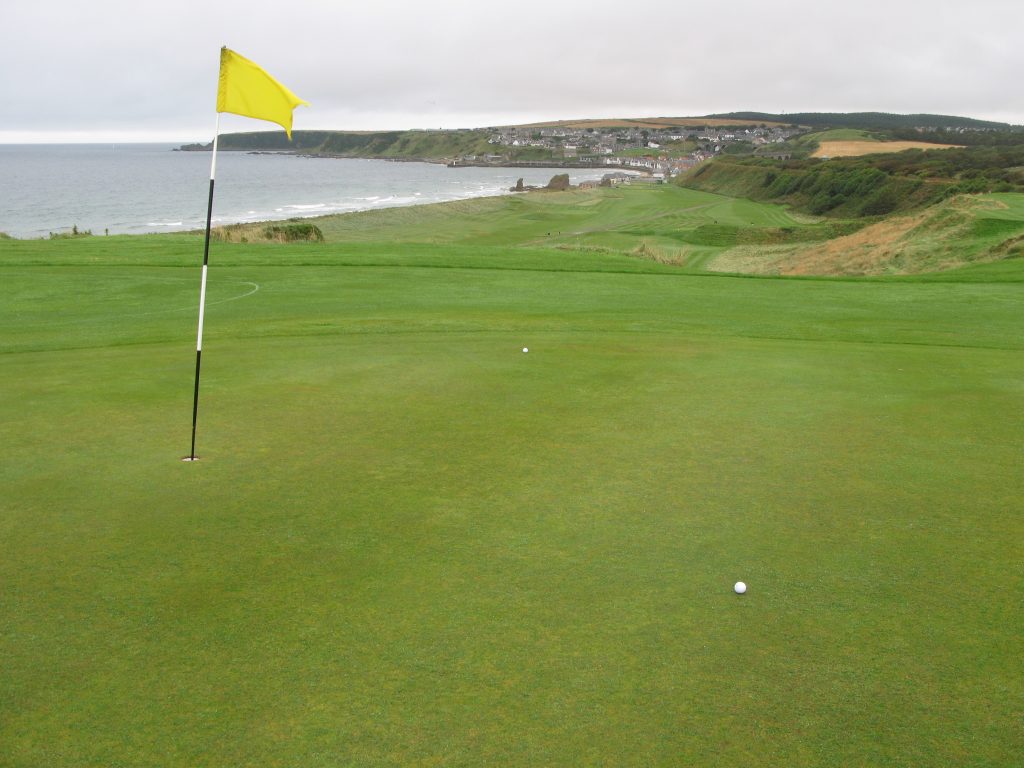
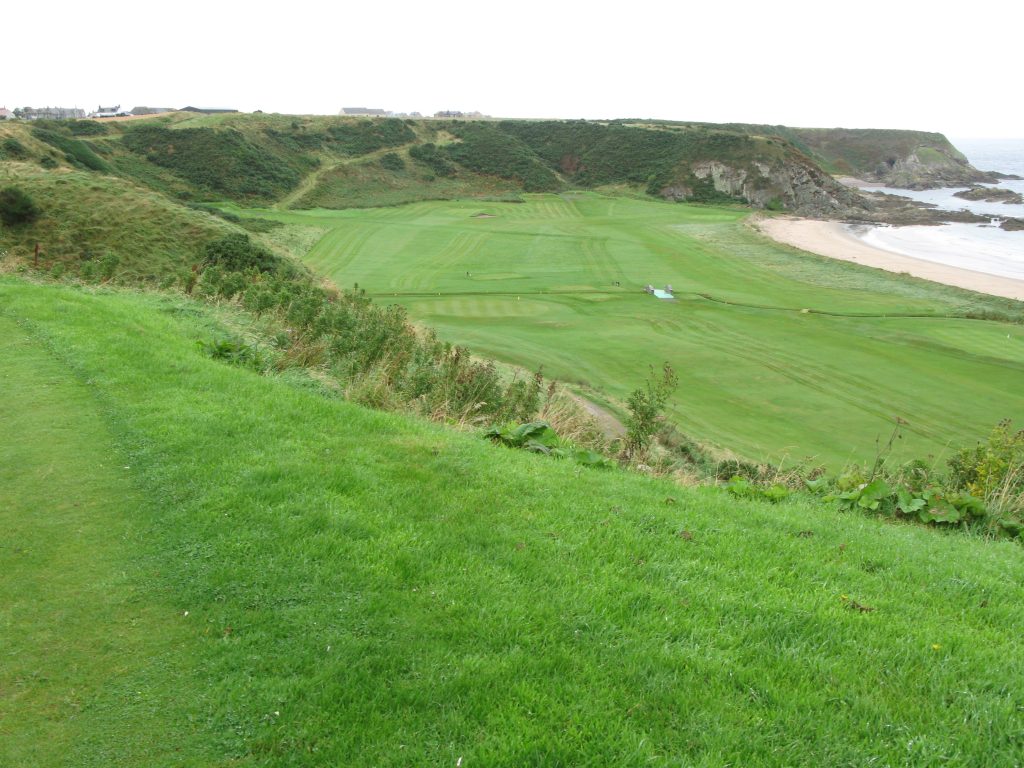
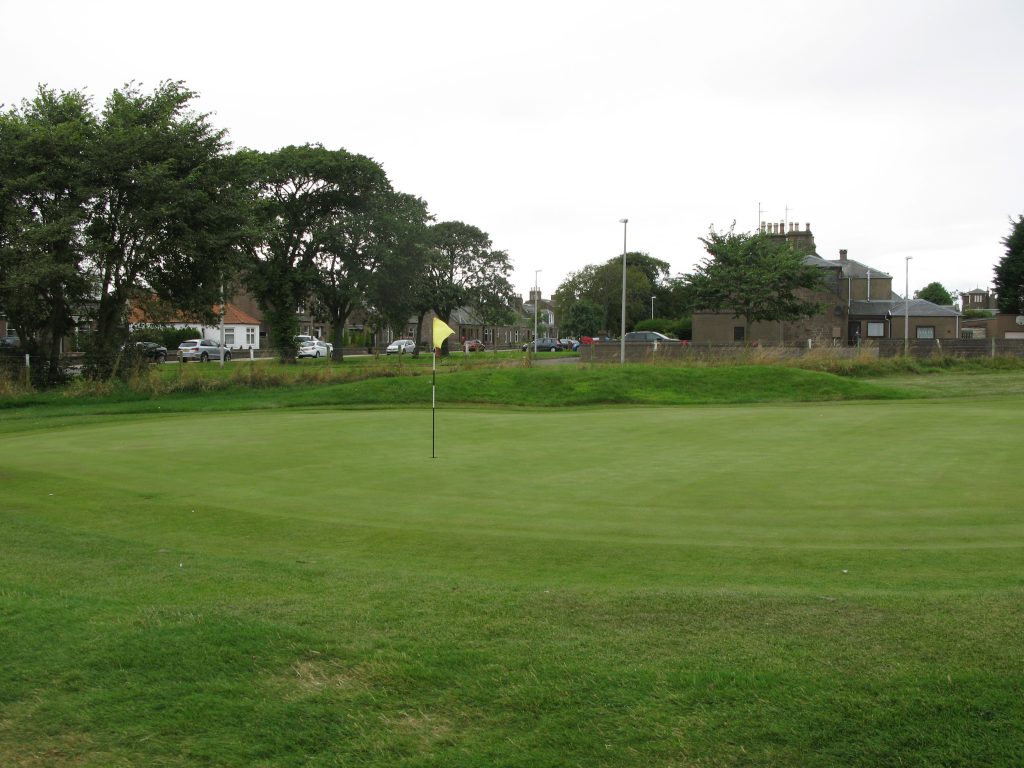
4th green, with views towards Cullen

4th green, with views towards Cullen

Cullen, which sits mid-way between Aberdeen and Inverness on the Moray coast, also has a great pedigree; 9 holes were designed by Old Tom Morris in 1870, then extended in 1905 to 18 holes by Charlie Neaves, the professional at nearby Lossiemouth.  Thirteen holes fit snugly into a cavernous bay with sandy beach, plus 5 holes play on higher cliff ground with magnificent views of the bay.   In addition to this, in itself, magnificent location, there is added the spectacular Boar Crag, a huge 80 foot high rock which dominates the bay, and forms a challenging hazard as part of a run of 4 par 3s from the 11th.  It truly is a remarkable location.

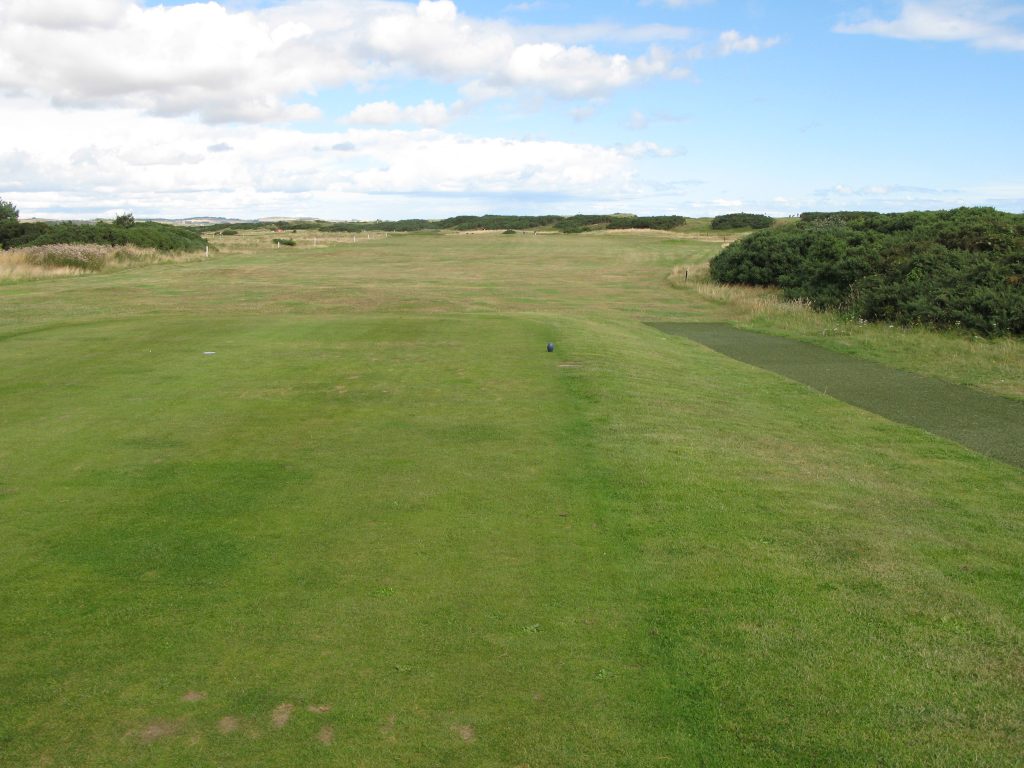
The signature 7th hole tee shot

The signature 7th hole tee shot

Without meaning to be too controversial, Cullen does in my opinion warrant adding to the debate about what constitutes a links course.  Although most of the course hugs the coast line, the cliff top land, with 5 greens, is undoubtedly arable.  In addition, the turf on the 13 beach side holes, is also much softer than, say, the turf on which the Angus links courses are played.  So although this is undoubtedly classified as a seaside links course, few of the shots “feel” like they are links shots.  This doesn’t diminish Cullen at all, but in a “what is a links course”  debate, it’s worth discussing Cullen.

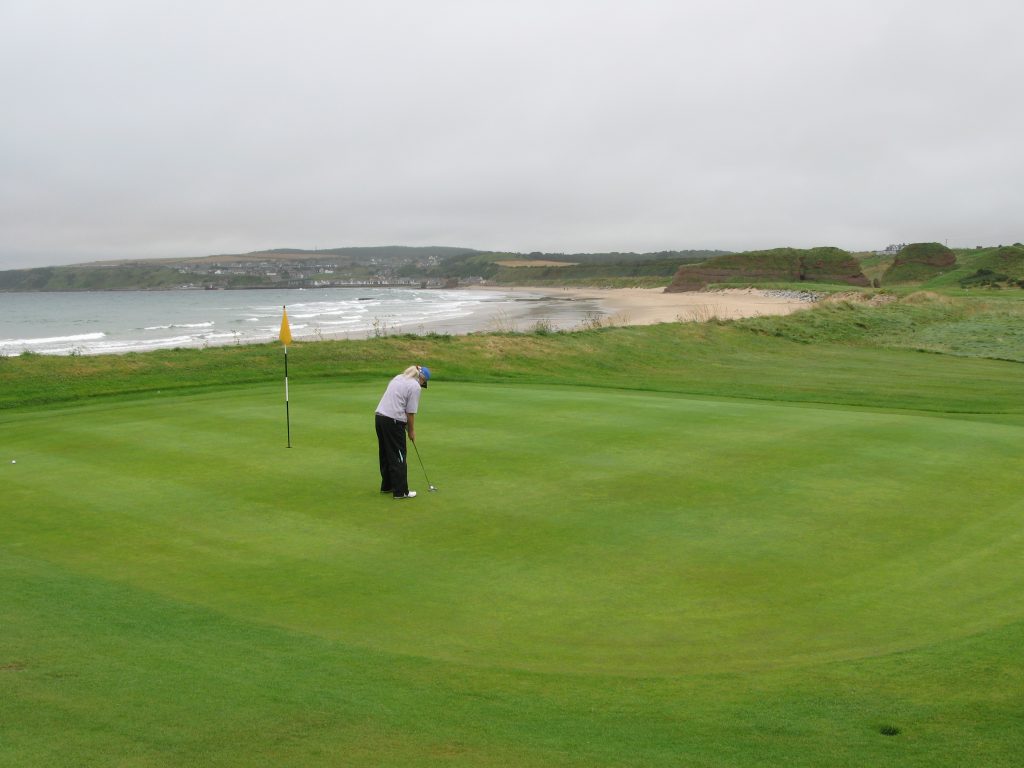
Fran, my playing partner, at the 9th green at Cullen

Fran, my playing partner, at the 9th green at Cullen

There are many highlights of the course.  Both the 2nd and 4th are blind shot par 3s, requiring good distance understanding.  Then soon after comes the fantastic long par 3 7th, at over 200 yards, with a drop of around 50 feet, which is one of those holes where your ball seems to stay airborne indefinitely;  it also has wonderful views of the course.

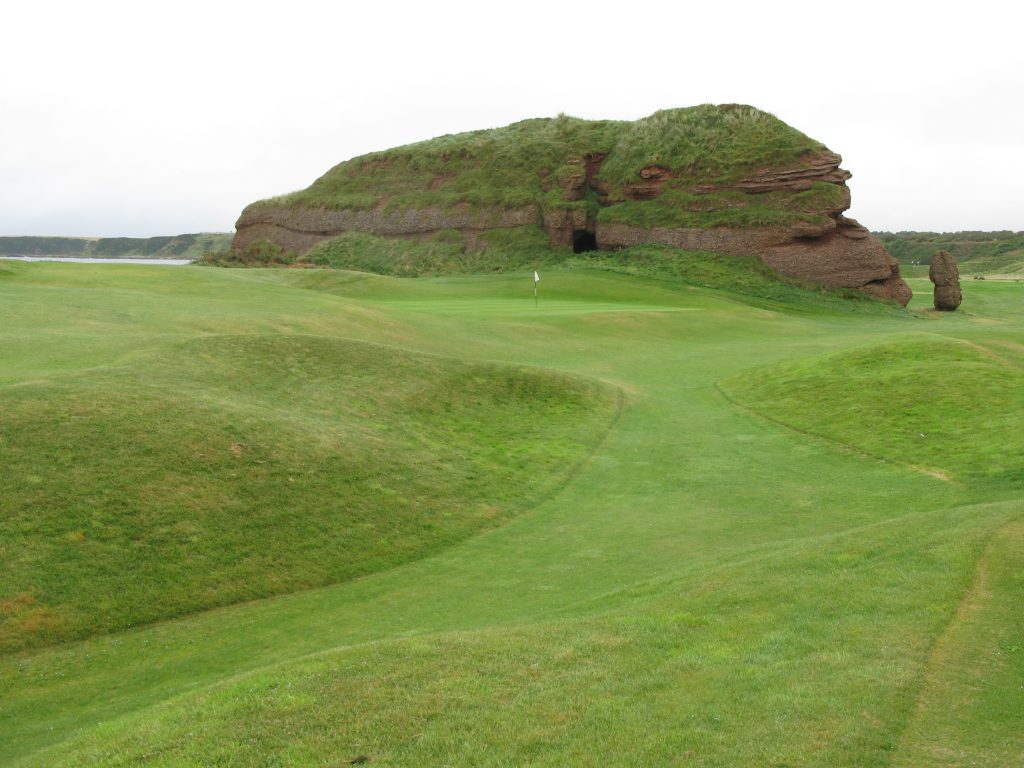
The 11th green at Cullen with the indomitable Boar Crag

The 11th green at Cullen with the indomitable Boar Crag

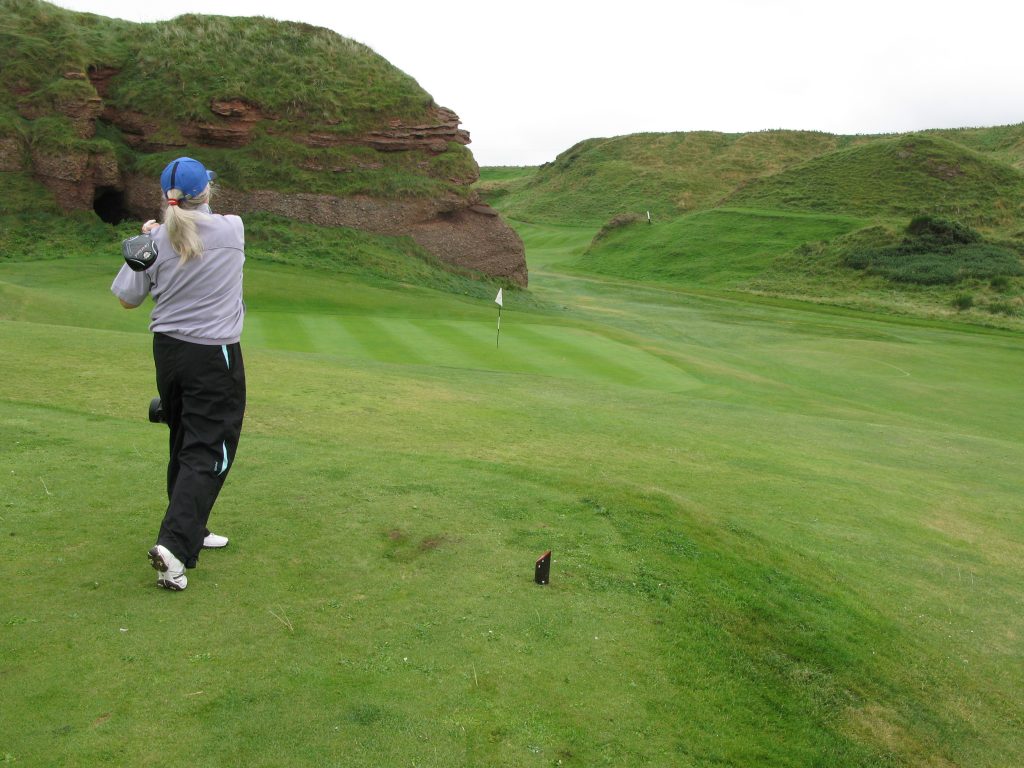
Later in your round awaits Boar Crag, and in particular the par 3 12th and 13th holes, where the rock formation dominates shots.  I suspect several played treat themselves to the odd “provisional” ball off these tees – especially on the 13th, where you need to hit directly over the marker post, and not be fooled into hitting to the 16th green by mistake.

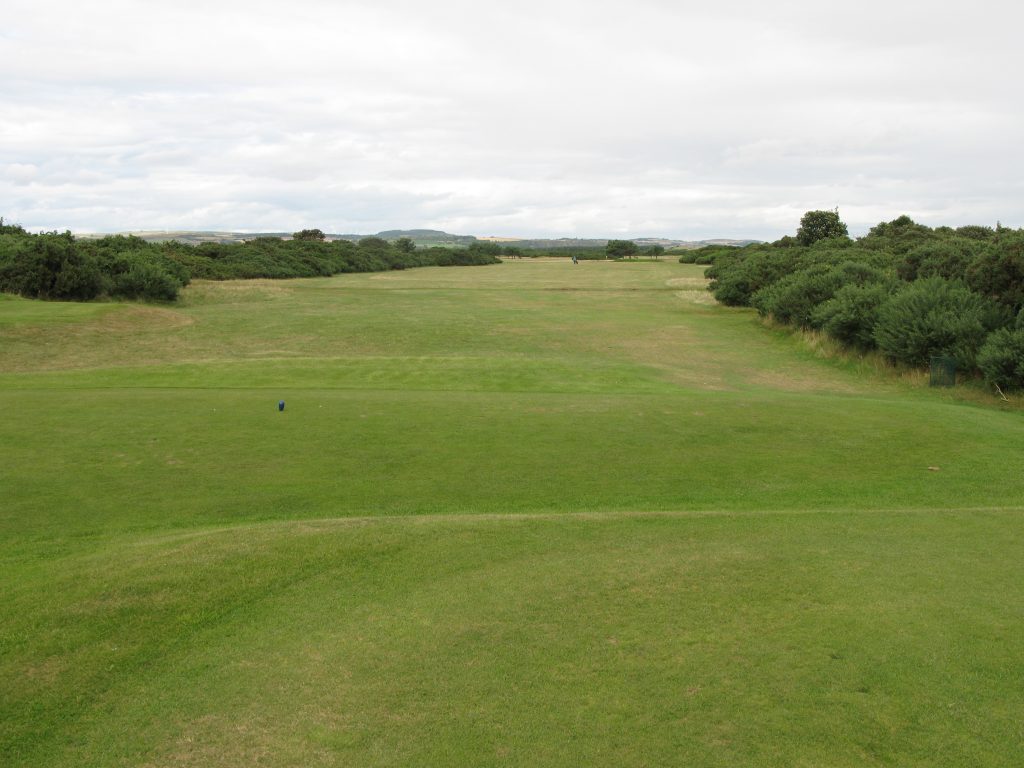
The difficult 12th tee shot at Cullen

The difficult 12th tee shot at Cullen

The course was in excellent condition when I played, with the greens being very well paced and true.  I played to my handicap and scored 79, although I irritatingly lost a ball on the 10th with one of those shots that you just don’t think is going to be lost.

Cullen also has a nice club house where you can dine on the other local delicacy, Cullen “Skink”, which is a hearty fish & potato chowder, before going out for another 18 holes – its one of those very few courses you want to be more than 18 holes!

Some Facts

Course Type: (mainly) Links

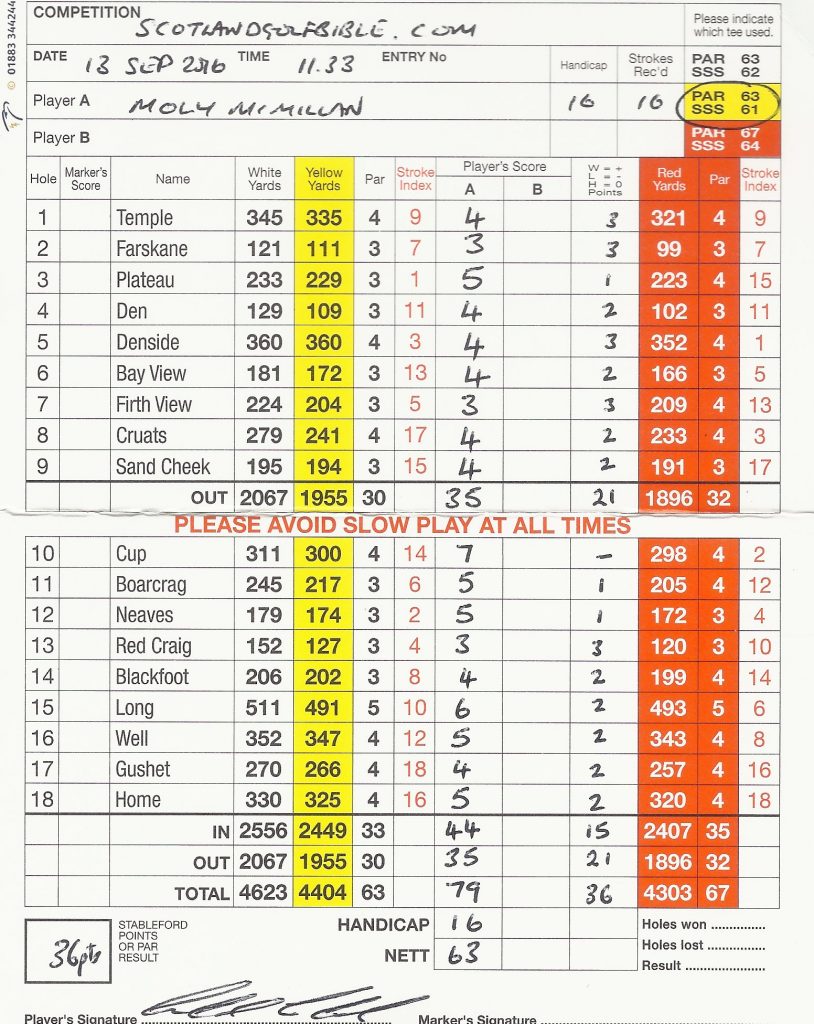
Par 63 (1 par 5, 7 par 4s, 10 par 3s)

Distance Yards   4404 (yellow) 

Moly’s Gross Score: 79

Moly's Cullen scorecard - a 79

Moly’s Cullen scorecard – a 79

49. Montrose Broomfield. 2nd Sep 2016.

This flat and featureless links is a poor Montrose companion

Round £25.  Par 66.  Value (out of 5) 2

Golf was first recorded on the Montrose Links in 1562 which makes it the fifth oldest links in the world; only at St Andrews has golf been played continuously longer on the same land.

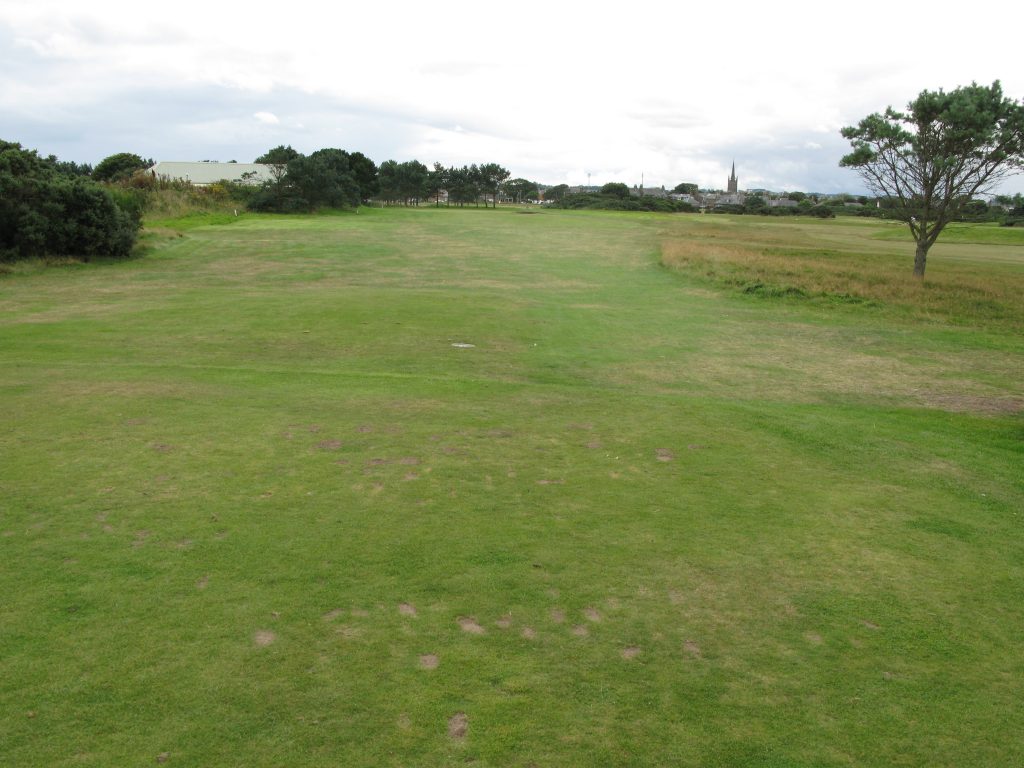
First at Montrose Broomfield - a typical hole on this flat course.

First at Montrose Broomfield – a typical hole on this flat course.

Montrose is therefore heaped in golfing history, but whilst the Medal course can lay claim to historical greatness, one should not get over enthused by its smaller neighbour – the Broomfield course.  It was originally a 9 hole course laid out in 1907, and then extended to 18 by the renowned architect Harry Colt, during a time when he was significantly altering the Medal course, one of his earlier golfing works.

The 9th green on The Broomfield close to the Montrose town.

The 9th green on The Broomfield close to the Montrose town.

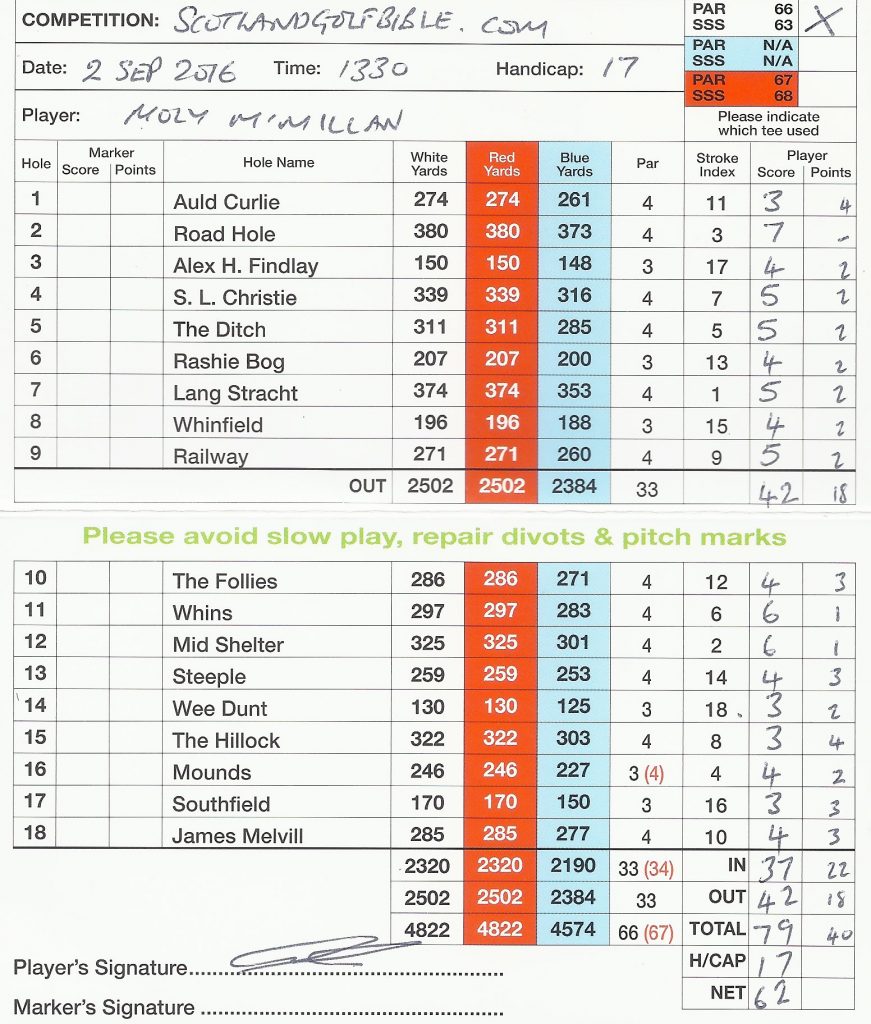
The Broomfield is a short and pretty flat links course, which will vary in difficultly wholly dependent on the wind.  At only 4822 yards from the common white/red tees, this is a course that is within reach of most golfers, and there are several birdie opportunities, evidenced by my score of 79, the first time for several years I have broken 80, including birdies at the par 4 1st and 15th holes.  I was playing off my new handicap of 17:)

The secret of good scoring was keeping the ball on the fairway, and avoiding the relatively few, but deep, bunkers, plus avoiding the small burn that came into play on the 3rd, 4th and 13th fairways and in front of the 5th and 12th greens.

The 11th on The Broomfield, one of the few more defined holes.

The 11th on The Broomfield, one of the few more defined holes.

When I played the greens were in good condition, but the tees were in need of more care – the fairways were typically dried out allowing significant roll, meaning approach shots had to be judged carefully.

Par 3 17th at The Broomfield in Montrose

Par 3 17th at The Broomfield in Montrose

The highlights for me were the holes played towards the town, namely the 9th and 15th, which give a real sense of the historical closeness between the people and golf.  There were also a couple of holes, the 8th and 11th, which being more enclosed by surrounding shrubs, making them more memorable.

In summary, Broomfield is a good course to learn the game, or for a warm up before playing the Medal, but not worth going out of your way to play on its own.

Some Facts

Course Type: Links

Par 66 (12 par 4s, 6 par 3s)

Distance Yards   4822 (white) 

Moly’s Gross Score: 79

Moly's rare Broomfield scorecard - a 79!

Moly’s rare Broomfield scorecard – a 79!

40. The Renaissance Club. 27th May 2016

A new world class links course to rival its older neighbours   

Round by Invitation.   Par 71.  Quality (out of 5) – 4.5

The Renaissance is a work of beauty - the 10th taken on a nicer day than when I played.

The Renaissance is a work of beauty – the 9th taken on a nicer day than when I played.

The Renaissance Club is one of a small but growing number of exclusive private member golf clubs in Scotland.  It combines a world class golf course and facilities with an American style family friendly country club set up, with fine dining, although the latter type of country club is also now very common in South Africa and Australia.

The course sits just east of Muirfield, its famous neighbour, on the North Berwick coastline.

The tree enclosed 4th green - typical of some of the great links courses in Northern Scotland

The tree enclosed 4th green – typical of some of the great links courses in Northern Scotland

The architect of The Renaissance, Tom Doak, is renowned for his use of natural contours and not “bulldozing” the land and he has laid the course around several copses of existing trees;  therefore this is a course that looks much more like parts of the great links of Carnoustie, Dornoch or Nairn Dunbar, than the treeless Muirfield.

The large 8th Green at The Renaisannce

The large 8th Green at The Renaisannce

The result is a quite magnificent layout that in my opinion will stand the test of time. With widely different tee options, this can be played at 6121 yards off yellow, 6766 yards off white, and a monster 7293 yards off the professional championship blue tees.  It also has 2 very cleverly mixed white/yellow layouts of around 6500 yards, each recommended for different westerly or easterly winds  (see the scorecard below for details).  All layouts have a par of 71.

The tee view from the stroke index par 4 8th.

The tee view from the stroke index par 4 8th.

The course was in excellent condition as expected and although spread out over a much greater area than, by comparison, Muirfield, the green to tee walks were still short some almost in the St Andrews way, I suspect by design.

The highlight of the course for me was the magnificent greens which had combinations of large and subtle borrows, almost all with very tricky surrounds.  Combined with well positioned and deep bunkers, I suspect only the greatest of short game players would win a Scottish Open here.  The Renaissance would be a fine competition venue, with many locations for grandstands which would afford viewing of more than one hole.

The majestic 10th tee view - I lost a ball into the left cliffs on the one occasion I failed to heed my playing partner's advice!

The majestic 10th tee view – I lost a ball into the left cliffs on the one occasion I failed to heed my playing partner’s advice!

I was hosted by the local professional Ross Dixon, whose wise on-course advice enabled me to play to within one shot of my new lower handicap of 19, which has reduced by 4 shots following a number of lessons by Ross himself, the best measure of golf teaching.

The downhill par 3 11th, with a view over the links land

The downhill par 3 11th, with a view over the links land

The Renaissance layout provides changes of direction on almost every hole, and therefore the difficulty changes likewise.  There are many great holes, but the run of 5 holes from the 7th through 11th were for me the architectural and aesthetic highlight;  a long par 5 7th, the stroke index 1 8th hole, followed by 2 excellent par 3s (the infinity greened 9th, and the downhill 11th), which sandwich the cliff hugging shortish par 4 10th.  All these holes can be viewed using the excellent interactive club website application here.

Ross Dixon, after striking another ball far down the middle.

Ross Dixon, after striking another ball far down the middle at the par 4 14th.

It was a real privilege to play The Renaissance and I hope that the venue can be used for competitions so that the wider public can see at close hand what a wonderful course it is. Although it was a private club, it was very far from stuffy, in fact I couldn’t help noticing what a wonderfully relaxing and very family oriented atmosphere existed around the club. There is a lot that the older established clubs around Scotland could learn from The Renaissance.

Some Facts

Course Type: Links

Par 71  (4 par 5s, 9 par 4s, 5 par 3s)

Distance (yellow)  6121 yards

Moly’s Gross Score  91 

Stableford (7/8th allowance) 33

Moly's scorecard at The Renaissance Club - Gross 91

Moly’s scorecard at The Renaissance Club – Gross 91

« Older posts Newer posts »

© 2026 Scotland Golf Bible

Theme by Anders NorenUp ↑